15 Dog Breeds Suited To Pennsylvania’s Four-Season Trail Lifestyle
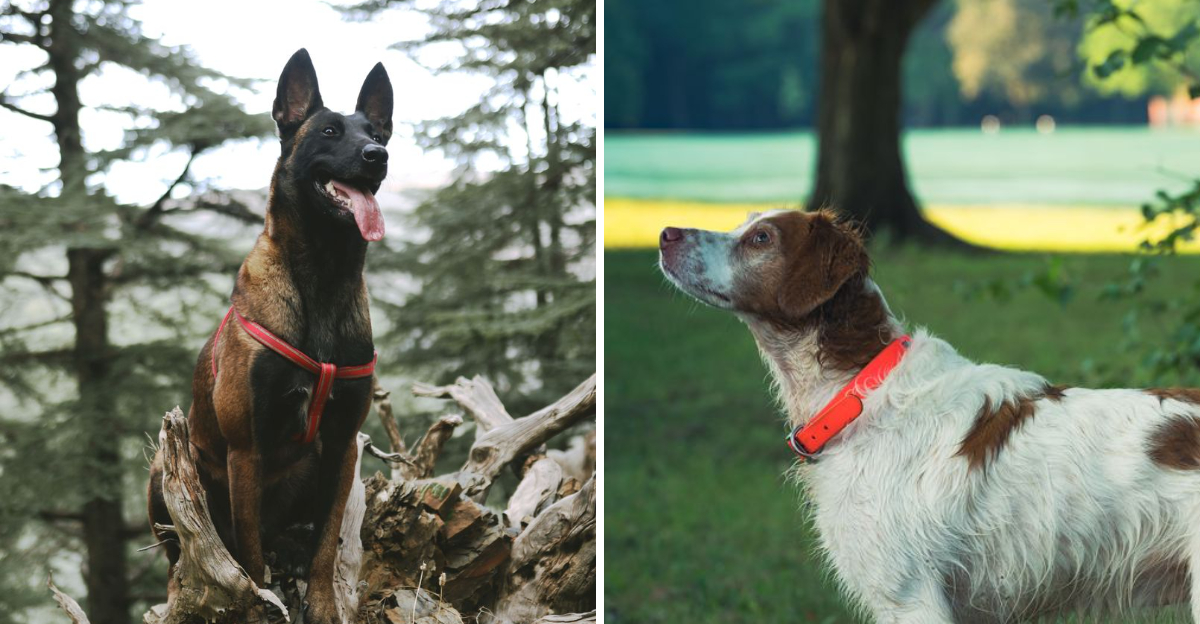
Pennsylvania asks a lot of a hiking dog. One weekend brings humid ridge tops and rocky footing that tests tender paw pads.
The next brings snow-packed switchbacks in the Poconos or misty creek crossings in the Allegheny National Forest. The dogs that shine here are not just energetic, they are adaptable, sure-footed, and happy to work all day on a 6-foot leash.
Some names below will surprise you, and one is Iceland’s only native breed.
1. Australian Shepherd
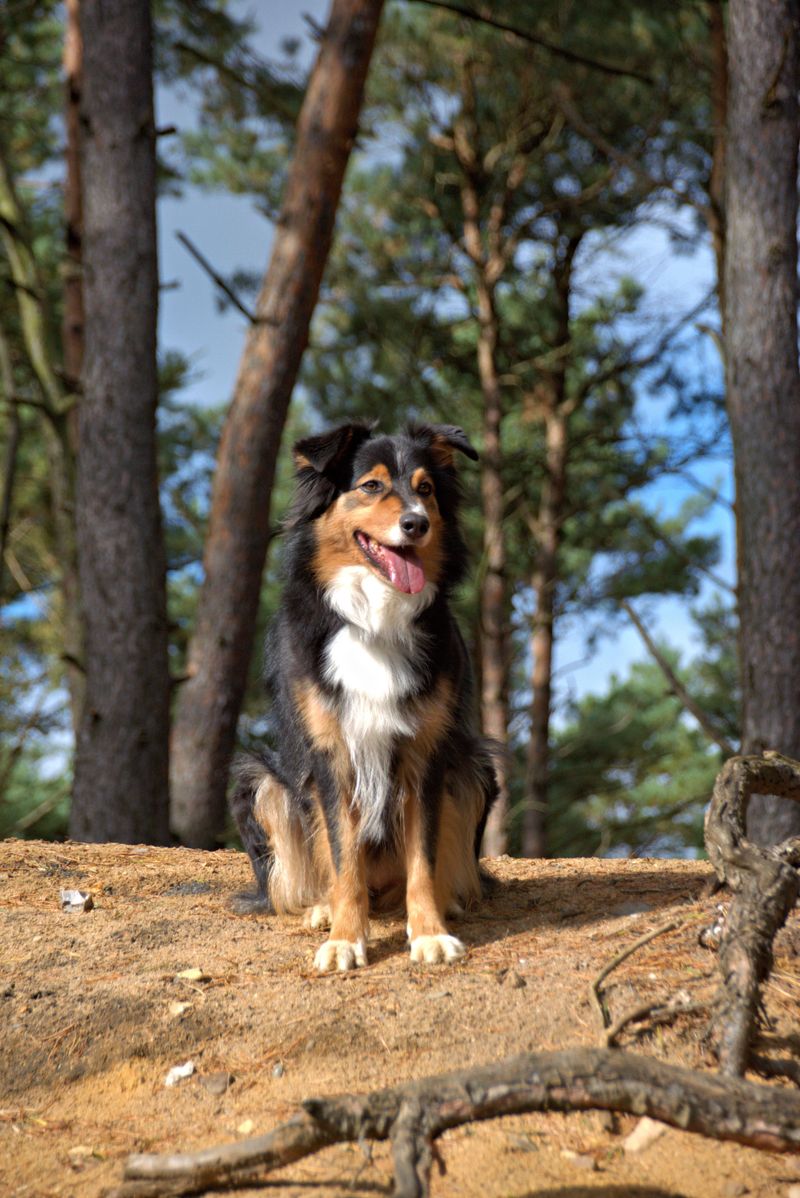
Nicknamed the velcro dog for a reason, the Aussie will glue itself to your boot heels for 15 miles and still ask for more.
Rocks, logs, mud: varied terrain is basically a playground. That double coat handles chilly ridge mornings well.
Plan on one to two hours of hard activity daily, plus puzzles or training games. A bored Aussie invents its own hobbies, and you will not love them.
2. German Shorthaired Pointer
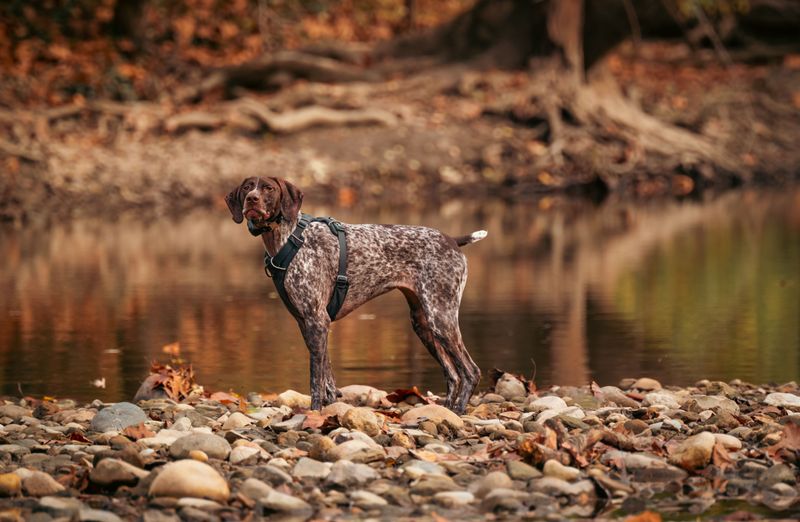
Ask any long-distance hiker for a marathon partner and the GSP lands near the top of the list every time.
Built for full days of work, these dogs mix speed, agility, and deep endurance without fuss.
The short, dense coat wipes clean after muddy creek crossings, which is a gift in April. Give them one to two intense hours daily.
Walking alone will not cut it, so add running or fetch.
3. Australian Cattle Dog
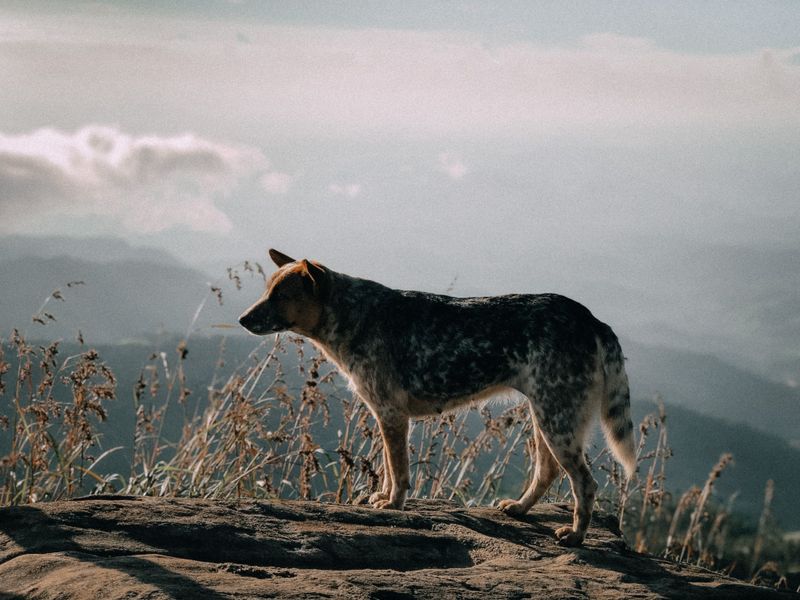
Bred to drove cattle across rough country for miles, the ACD treats a steep Pennsylvania climb as a warm-up.
Compact and muscular, they move with a springy gait that eats up distance.
Their water-resistant double coat shrugs off rain showers, handy during soggy spring stretches. What matters most is the brain.
Teach new skills constantly. Under-challenged heelers get suspicious of strangers and turn nippy, so keep them busy.
4. Chesapeake Bay Retriever
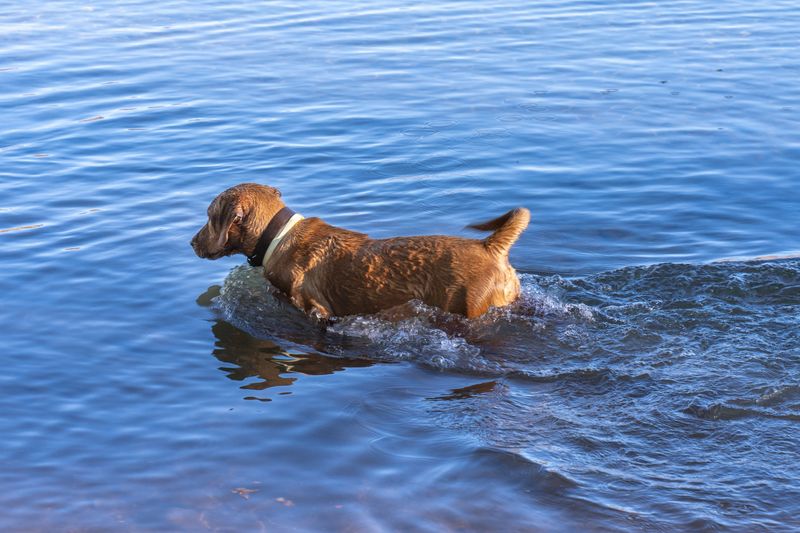
Icy water? The Chessie considers that a feature, not a problem.
This powerhouse was developed to retrieve waterfowl in raw, cold conditions, and the oily wavy coat over a woolly undercoat is living insulation.
Creek crossings and lakeside trails suit them beautifully. Budget two hours of daily work, ideally swimming, retrieving, or long runs.
Independent and a bit reserved with new faces, a Chessie repays steady leadership with fierce loyalty.
5. Brittany
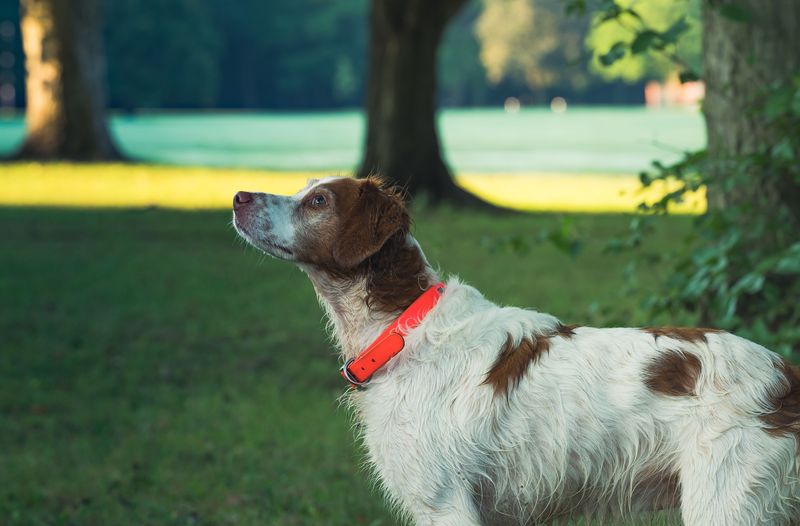
Bright, bouncy, and always slightly ahead of you, the Brittany turns a five-mile loop into a scent-fueled treasure hunt.
Expect frequent pauses while a fascinating bird or trail smell gets fully investigated.
Their hearty double coat keeps them comfortable in cool weather while moving, though they belong indoors afterward.
A quick lap around the block bores them silly. Channel that intensity into real hikes and training, or furniture pays the price.
6. English Springer Spaniel
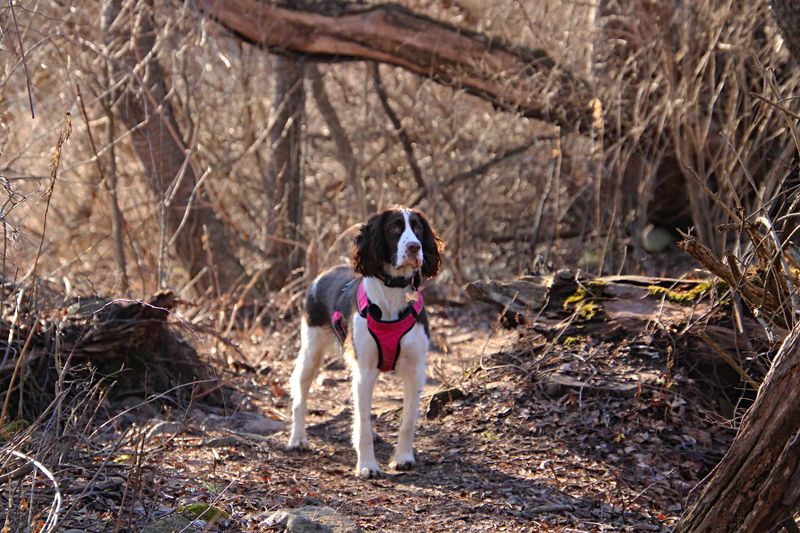
Few dogs look happier soaked to the elbows than a Springer at a shallow creek crossing.
Bred to spring game from thick cover, they are tough, muscular, and tuned in to their handler.
The feathered medium coat is waterproof, weatherproof, and thornproof, which explains their ease in brambly Pennsylvania undergrowth.
Feed that engine daily with long walks, retrieving, and swims. Neglect them and anxiety creeps in fast.
7. Portuguese Water Dog
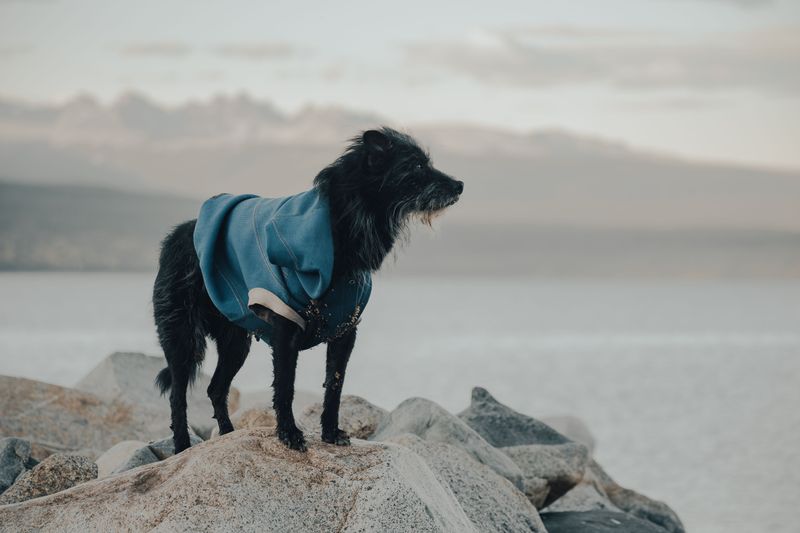
Image Credit: © Gaspar Zaldo / Pexels
Once employed as a fisherman’s crewmate, herding fish and ferrying messages between boats, this curly athlete still wants a job.
Ten-mile hikes and five-mile runs fit comfortably into their resume.
The single-layer water-resistant coat insulates against cold, but heat is their weak spot, so hike early on humid July days.
Sixty to ninety vigorous minutes plus brain work keeps them content. Bored PWDs redecorate without permission.
8. Weimaraner
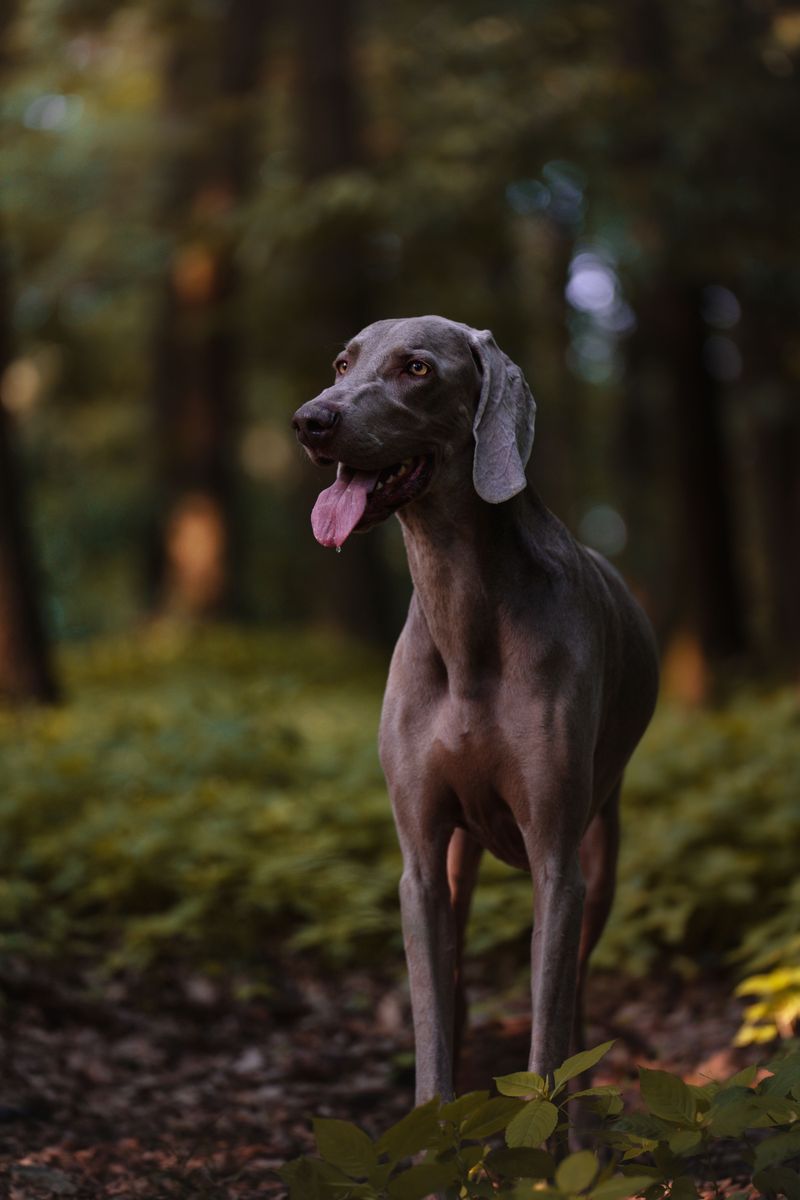
That silver ghost gliding up the switchbacks will still be fresh when your legs file a complaint.
Weimaraners carry hunting-dog stamina and almost bottomless energy, taking to trails and fields instantly.
The sleek coat needs almost no grooming, one less chore after a muddy outing.
Give one to two hours of high-impact work daily, favoring runs over strolls. Skip it and you get barking, chewing, and clinginess.
9. Vizsla
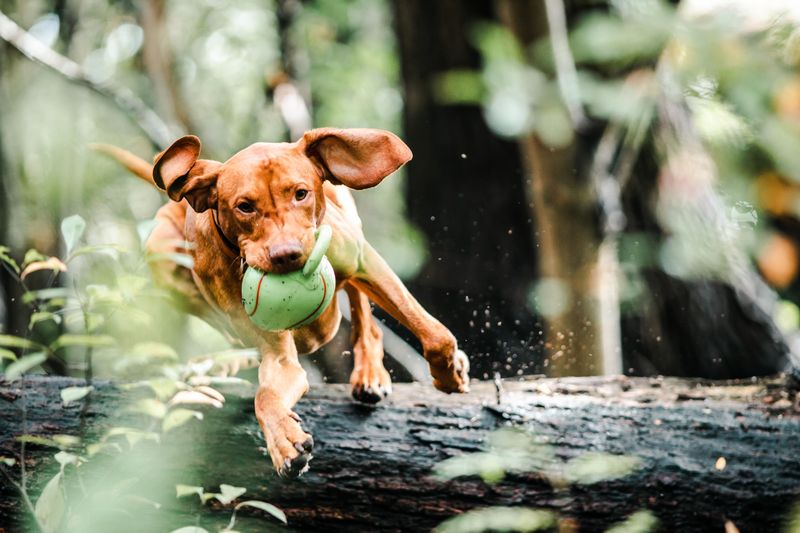
Serious runners love the Vizsla, and the feeling is mutual for three or four steady miles.
Comfortable weather brings out their best, with happy four to five mile hikes and eager pointing along the way.
That thin rust coat, though, is no match for cold rain, so pack a jacket for November outings.
An hour of vigorous exercise daily is the minimum. These are true velcro dogs who hate being left behind.
10. American Foxhound
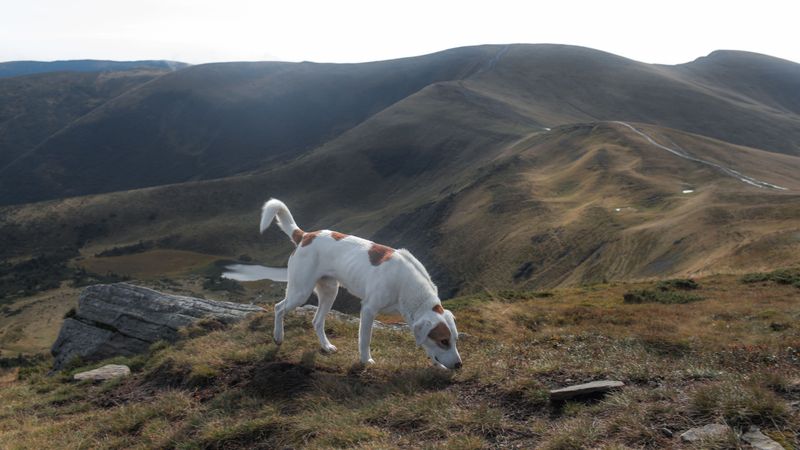
Nose down, tail up, ears flopping: the American Foxhound hikes with its whole face.
Bred for all-day hunts, they can trot for hours and barely notice.
The short, close coat needs almost nothing from a brush.
Give 60 to 90 vigorous minutes plus scent games or puzzle toys, or expect a serenade of howls. Keep that leash short, because a good smell outranks your voice every time.
11. Belgian Malinois
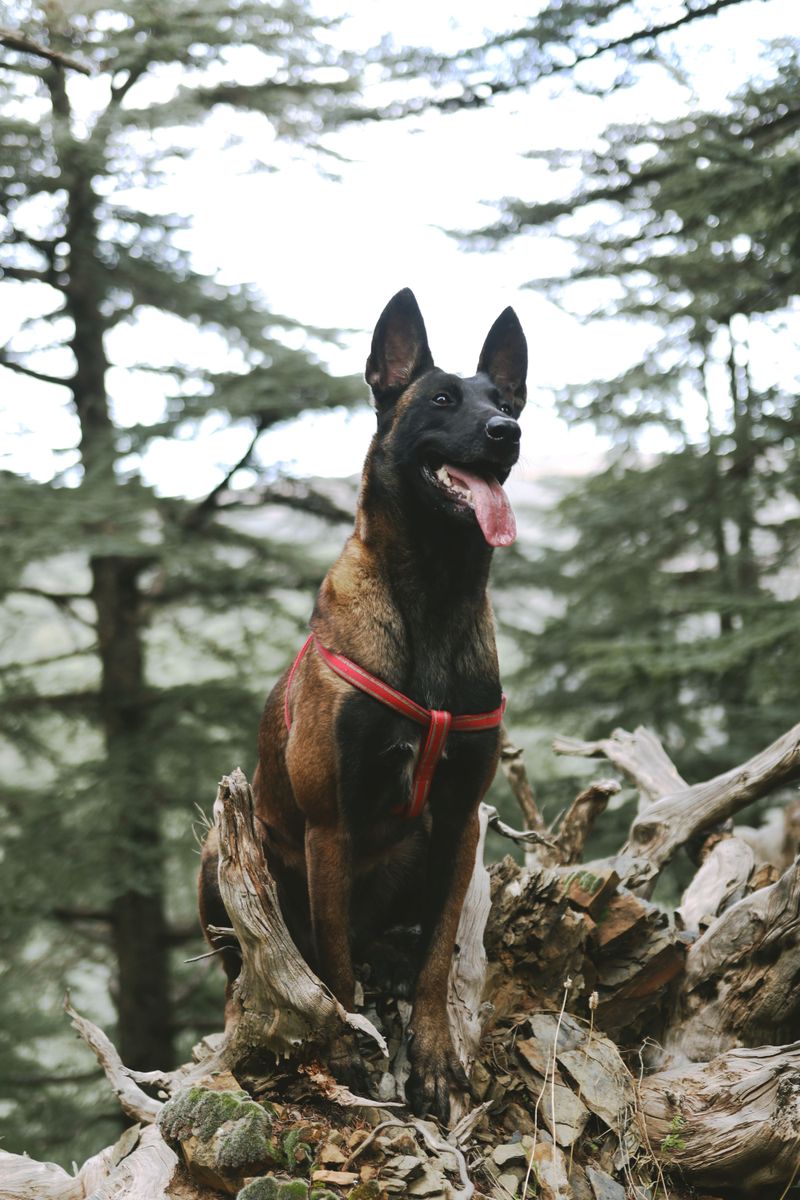
Police and military units choose the Malinois for a reason: startling speed paired with all-day stamina.
Short bursts near 30 miles per hour make them thrilling running, hiking, and biking partners.
Grooming is nearly effortless thanks to that short coat.
Fair warning though. A five-mile morning run plus serious ongoing training is the baseline, not a bonus.
Malinois need a job, and they will invent one otherwise.
12. Siberian Husky
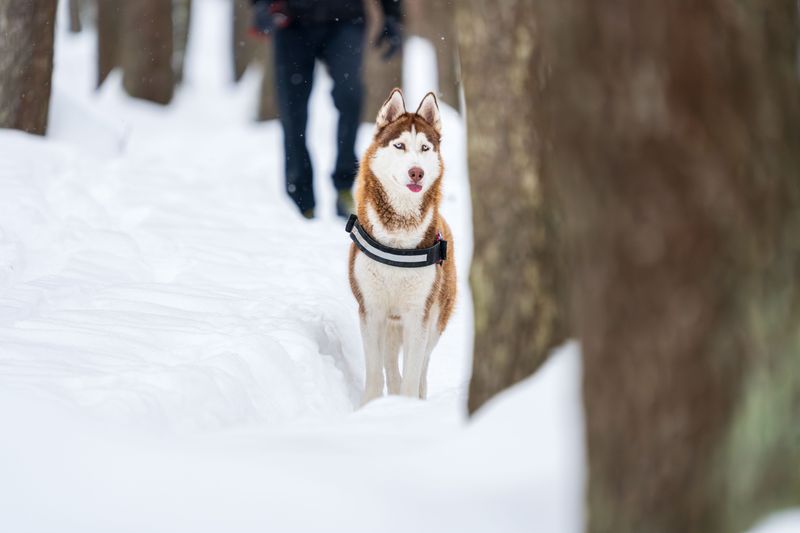
Snow-dusted Pocono trails feel like home turf for a Husky.
Born runners, they hold 10 to 15 miles per hour for hours and can cover over 100 miles in a day.
The thick double coat laughs at January wind, though summer demands shade, water, and early starts.
Two hours of daily activity is standard. Training takes patience, since that independent streak means recall is never guaranteed.
13. Bernese Mountain Dog
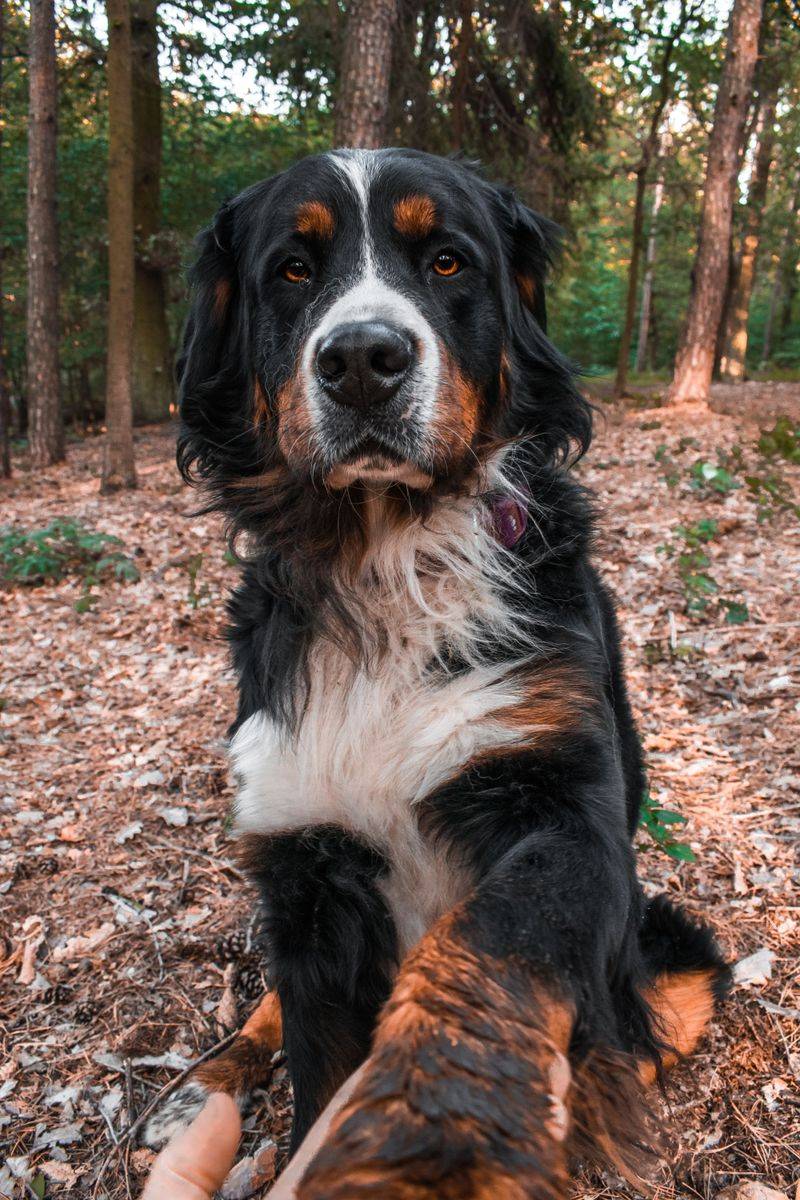
Swiss farmers once had Berners pull carts and move livestock across alpine slopes, and that sturdy strength still shows on a climb.
Cool weather is their sweet spot, with hikes reaching around 10 miles.
Summer humidity, however, is genuinely tough on that heavy coat, so save August for shady short strolls.
Aim for 45 to 90 moderate minutes split across outings. Regular brushing keeps the fluff manageable.
14. Alaskan Malamute
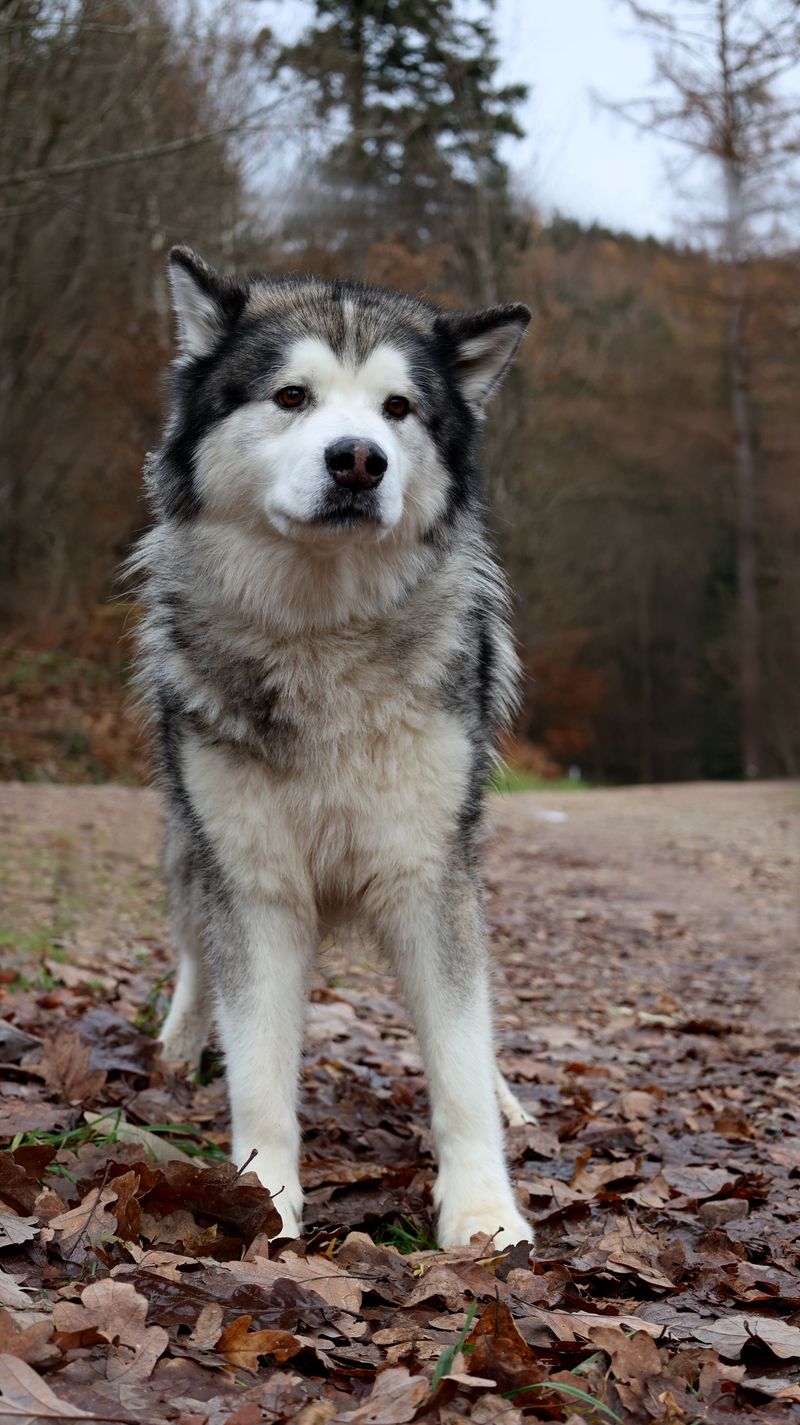
Power over speed: that was the Malamute’s design brief, hauling heavy freight across Arctic distances.
Winter trails suit them wonderfully, and weight pulling or sledding scratches an ancient itch.
Plan more than an hour of vigorous daily work, whether hiking, running, or long walks.
Heat is their kryptonite, so respect humid afternoons. Independent and clever, they need consistent training, otherwise digging and howling become the new pastime.
15. Icelandic Sheepdog
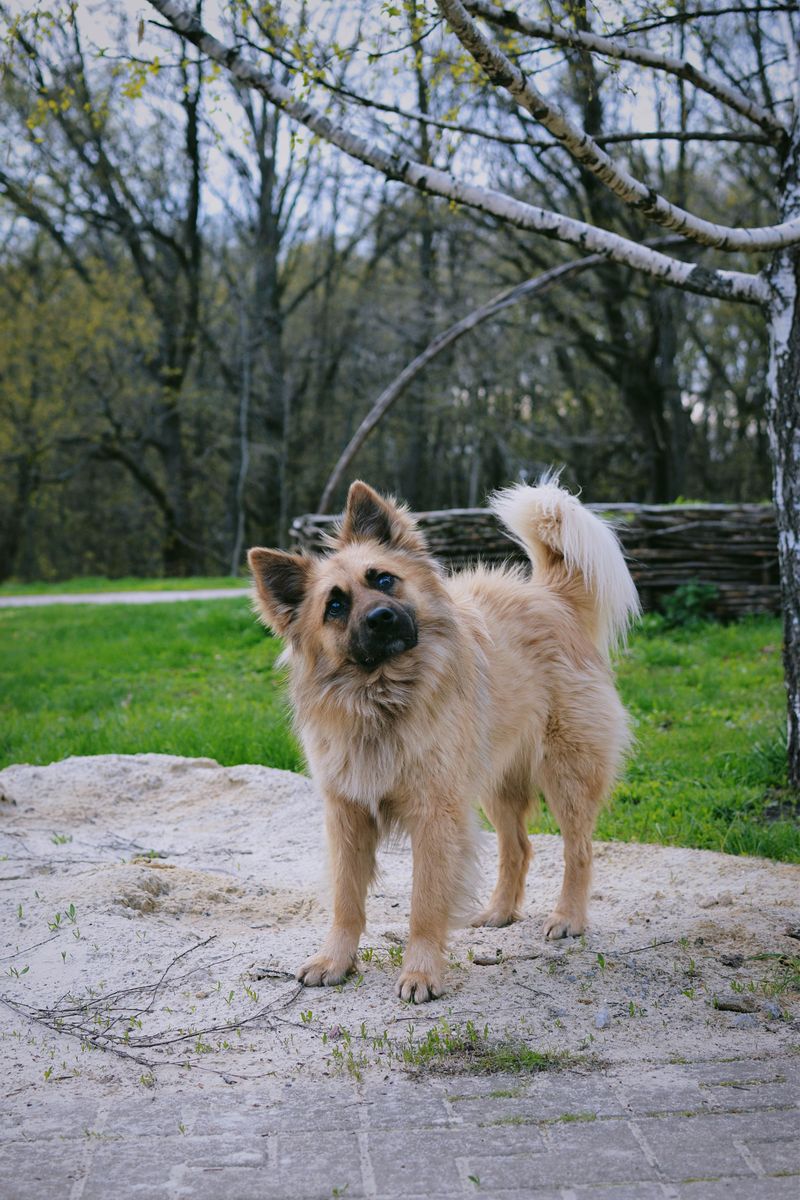
Here is the trail sleeper pick: Iceland’s only native breed, cheerful and endlessly curious.
Rough footing and long walks barely register, and their water-resistant double coat handles rain, wind, and cold with ease.
Extreme heat still calls for common sense and shade breaks.
Forty-five to sixty brisk minutes daily plus training or dog sports keeps them thriving. Fair warning: they are chatty, so neighbors will meet your hiking buddy.