15 Dog Breeds Suited To Wyoming’s Cold, Windy, Open-Space Lifestyle
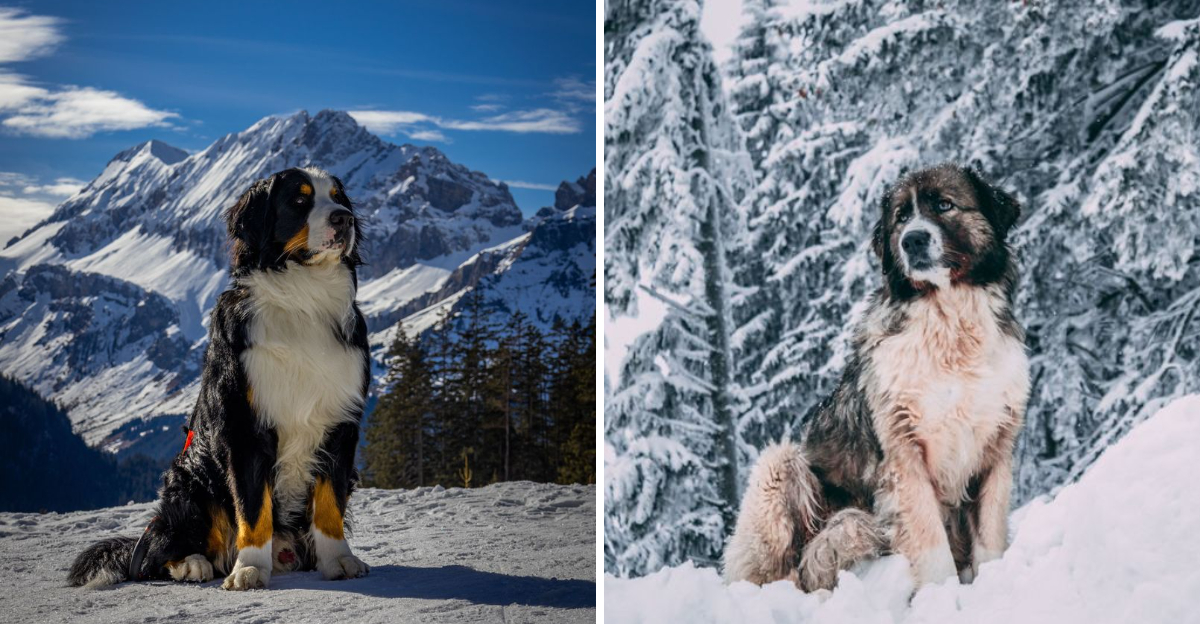
Wyoming wind has a personality of its own. It rattles fence lines, sculpts snowdrifts, and tests every coat it meets, including the furry kind.
Some dogs shrink from that kind of weather, while others lift their noses and lean straight into it. The right breed here needs insulation, stamina, and a working brain that stays busy across miles of sagebrush and snow.
Here are fifteen dogs that treat a Wyoming winter like an invitation.
1. Siberian Husky Handles Wyoming’s Winter With Confidence
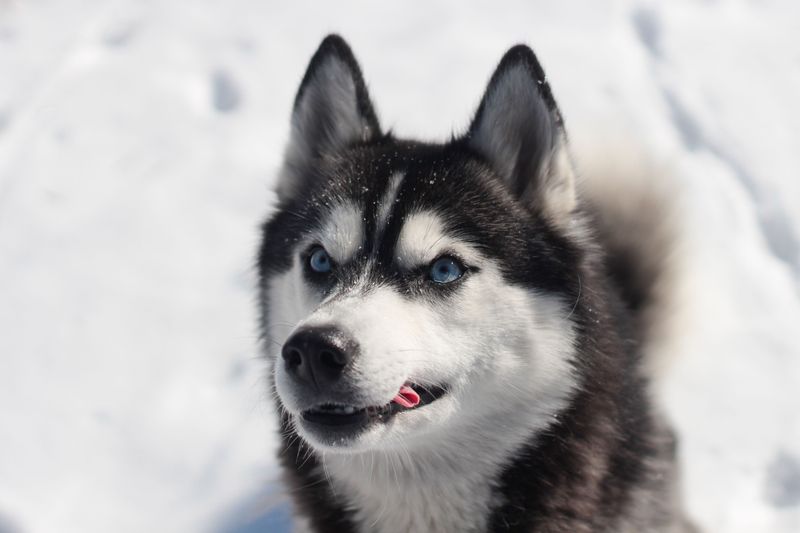
Frost on the whiskers? A Husky calls that Tuesday.
Bred by the Chukchi people to pull sleds and transport people and supplies across Arctic terrain, the Siberian Husky has a thick double coat that provides strong protection from cold weather.
Stamina is the real headline. Huskies can trot for hours and still ask for more, so daily mileage matters.
Fence your yard well. Escape artistry runs deep in the bloodline, and open country tempts them.
2. Alaskan Malamute Is Built For Serious Cold
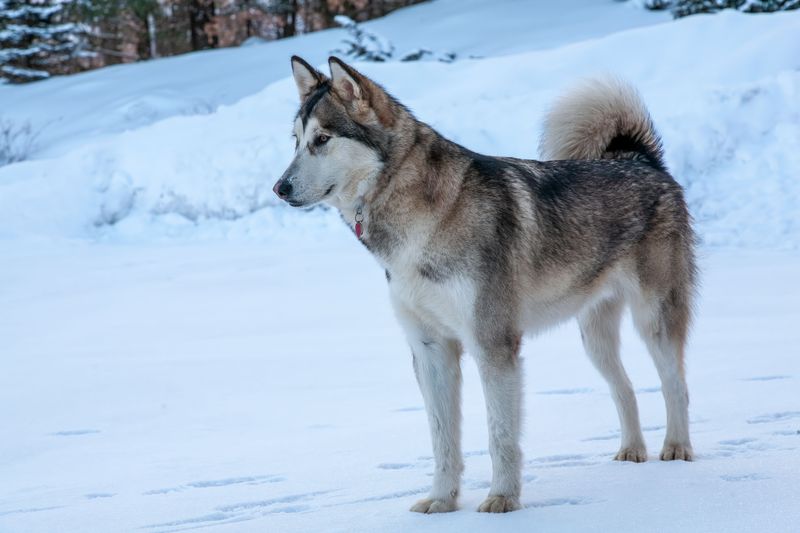
Picture a freight truck wrapped in plush fur. The Malamute was developed for heavy hauling in Arctic conditions, and the dense coat plus muscular frame shows it.
Space helps enormously. A cramped apartment turns this powerhouse restless, while acreage and long hikes keep the mind settled.
Expect serious shedding twice a year. Keep a sturdy brush handy and treat grooming as bonding time.
3. Bernese Mountain Dog Loves Chilly Outdoor Days
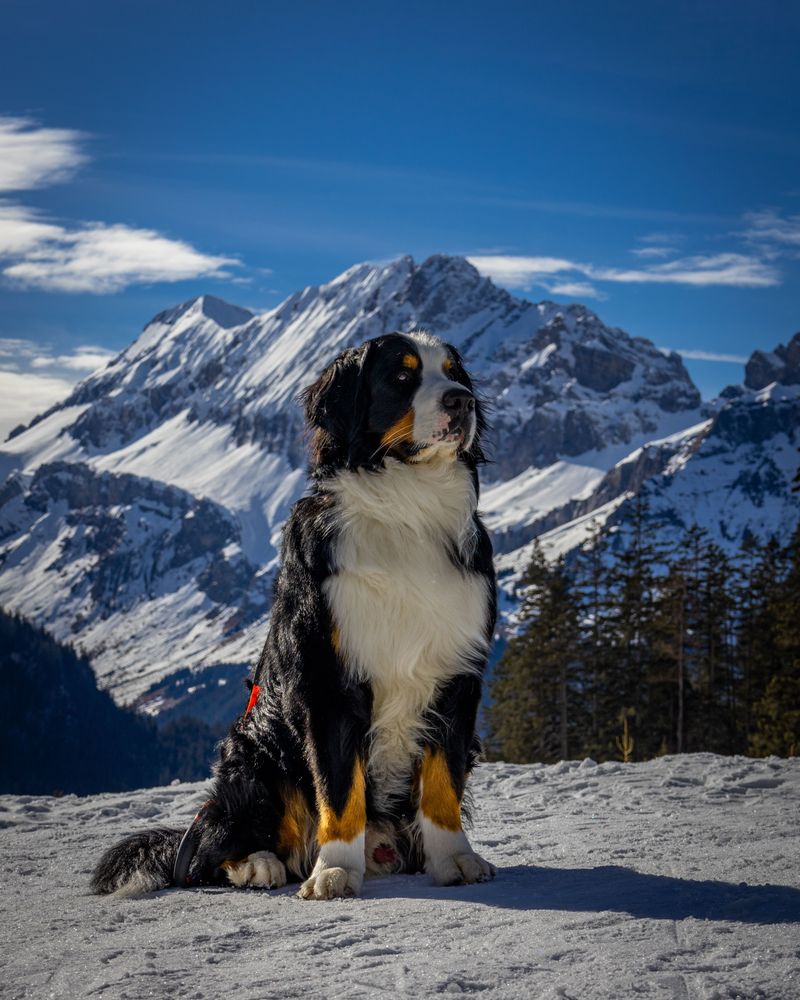
Swiss farms shaped this tricolor charmer, and cold mornings still bring out its best mood. A thick coat and solid frame make snowy chores feel like recess.
Families notice the sweet, steady temperament right away. Bernese dogs often shadow their people from barn to porch.
Summer heat is the tricky part. Offer shade, cool water, and early walks when temperatures climb.
4. Norwegian Elkhound Brings Energy To Open Country
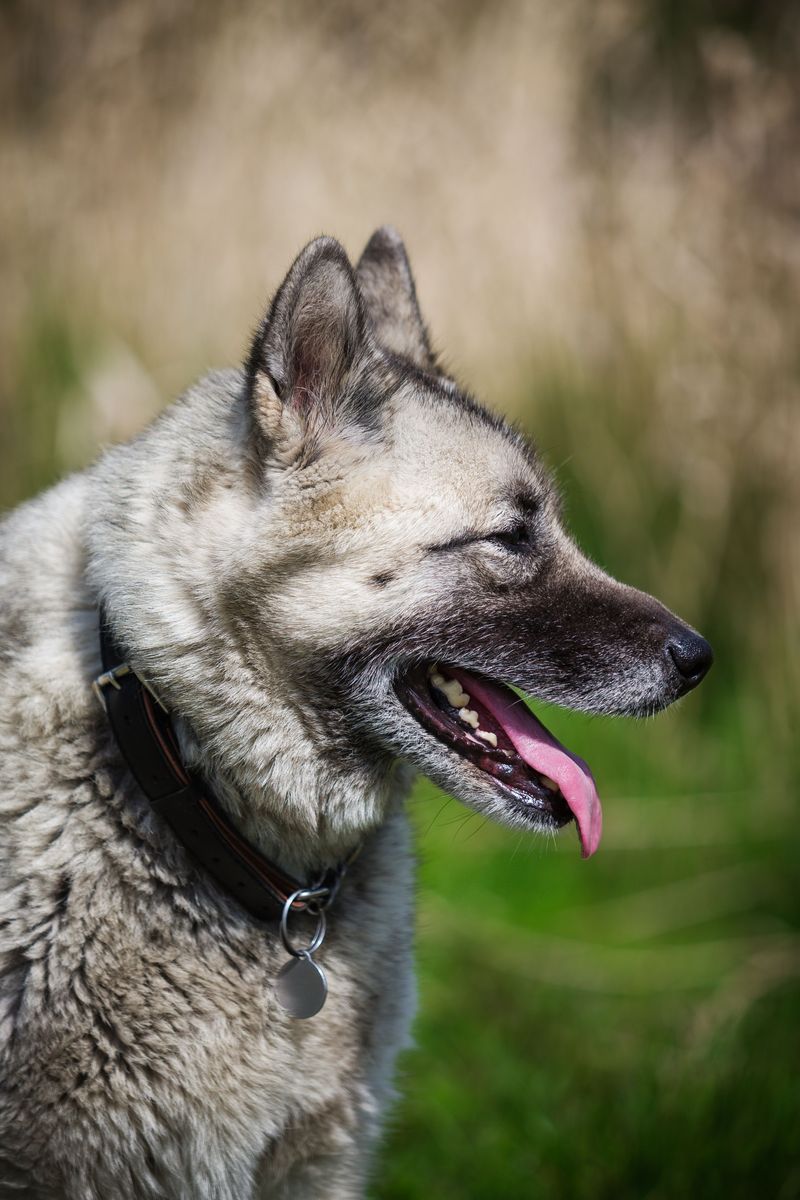
The Norwegian Elkhound has a long history as a hunting dog in Norway, and its dense double coat provides protection in cold, wet, and windy conditions.
Curiosity drives them. Elkhounds love scanning ridgelines, tracking scents, and announcing visitors with a hearty voice.
Give them a job or a long trail. Bored Elkhounds turn chatty, and neighbors may notice.
5. Great Pyrenees Is Comfortable In Cold Weather
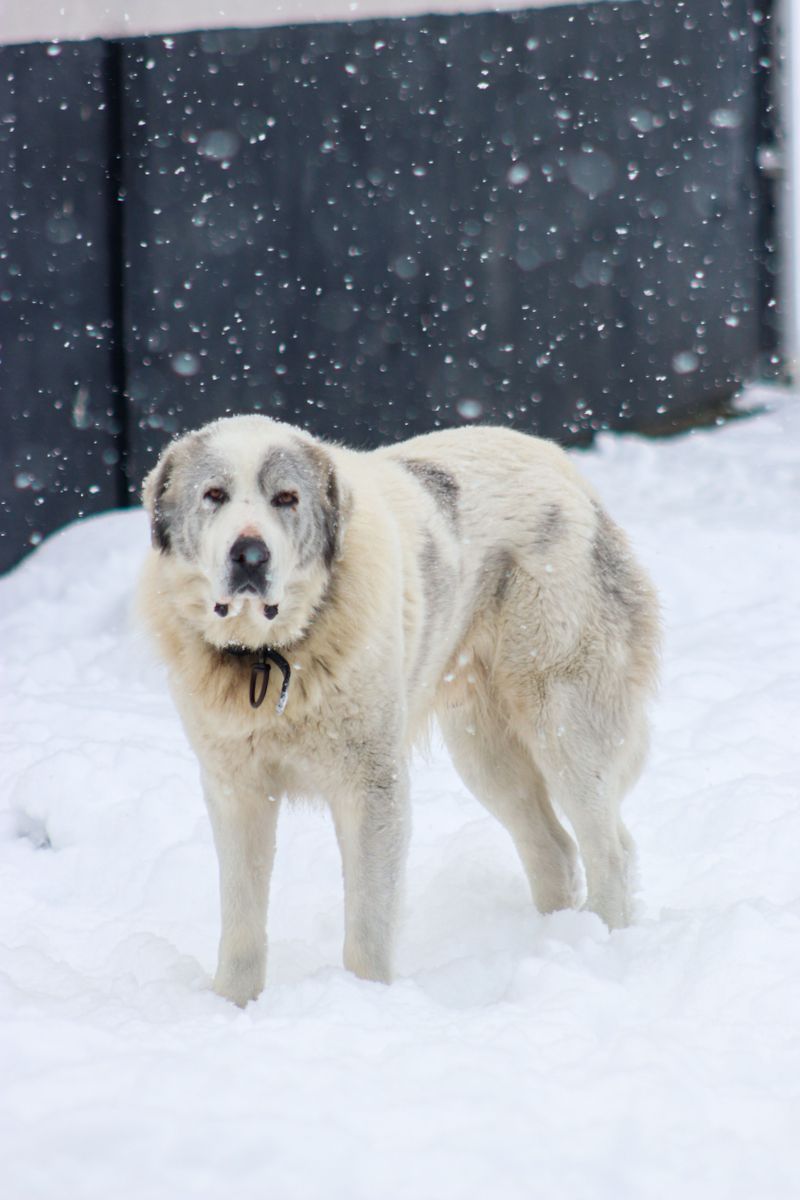
Ranchers across the West trust this white giant to watch livestock through blizzard nights. The weather-resistant coat was engineered by Pyrenean shepherds for exactly that duty.
Independence comes standard. Pyrs think for themselves, so training rewards patience rather than repetition drills.
Warm months need planning. Provide shade, fresh water, and never shave that insulating coat down.
6. Samoyed Comes With A Natural Winter Coat
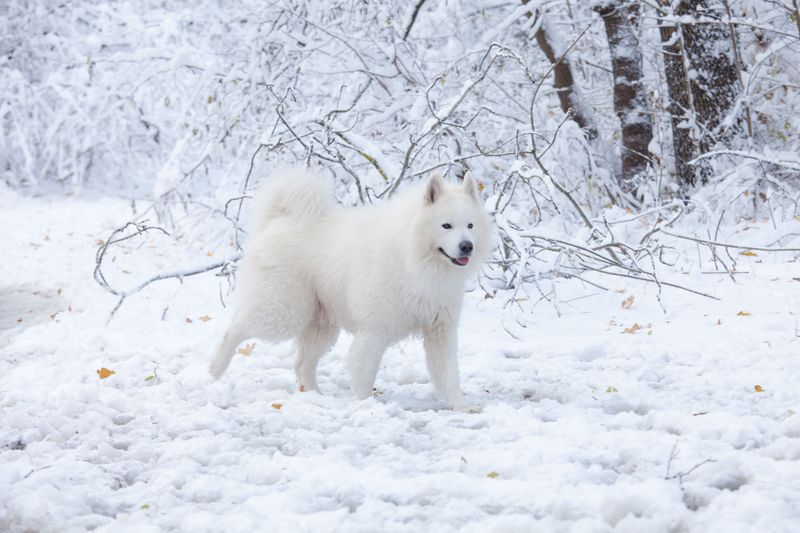
The Samoyed’s characteristic upturned mouth gives the breed its familiar expression, while its thick double coat provides insulation in cold conditions.
Siberian herders relied on Samoyeds for reindeer duty and shared body heat at night. The double coat insulates remarkably well.
Social needs run high. Long solo hours outdoors make them lonely, so include them in family plans.
7. Newfoundland Thrives In Chilly Conditions
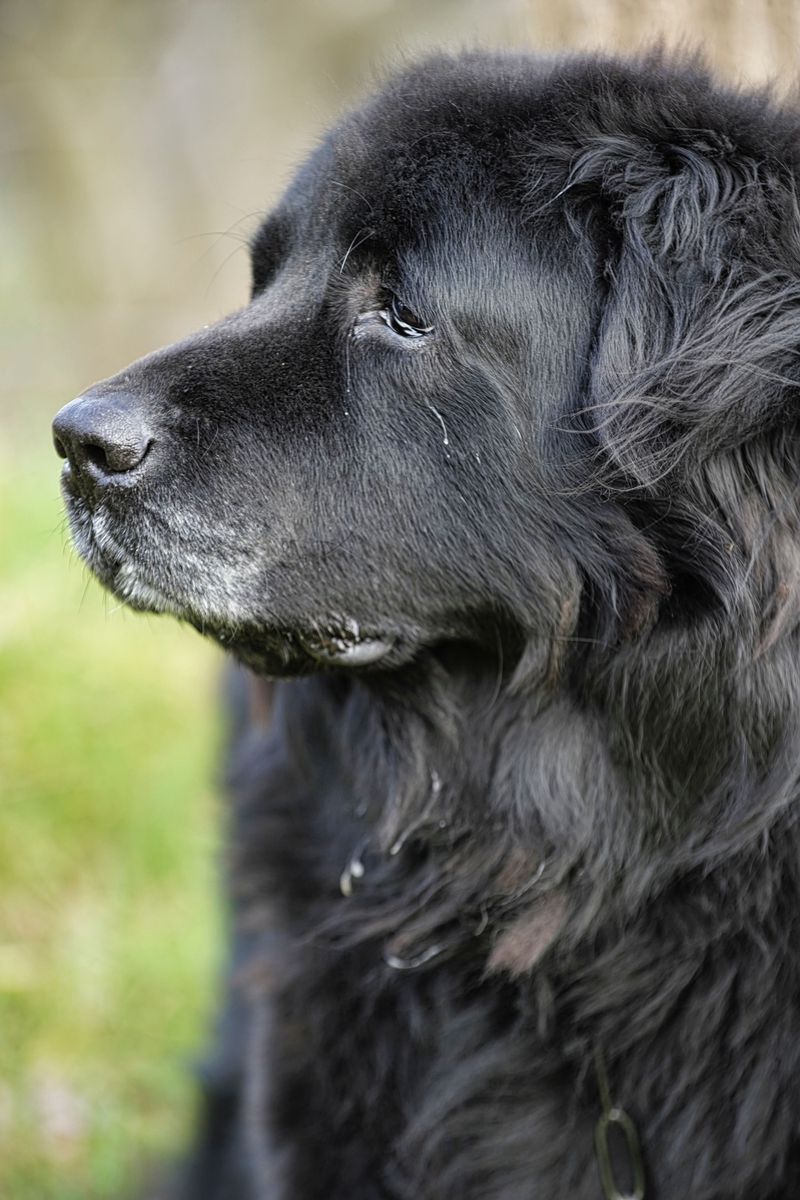
With a heart as broad as its paws, the Newfoundland treats cold water like a warm bath. Webbed feet and an oily double coat explain the swimming talent.
Fishermen once counted on these dogs for water rescue work. The instinct still surfaces near lakes.
Grooming takes commitment. Weekly brushing prevents mats and keeps that coat working properly.
8. Saint Bernard Is Made For Snowy Weather
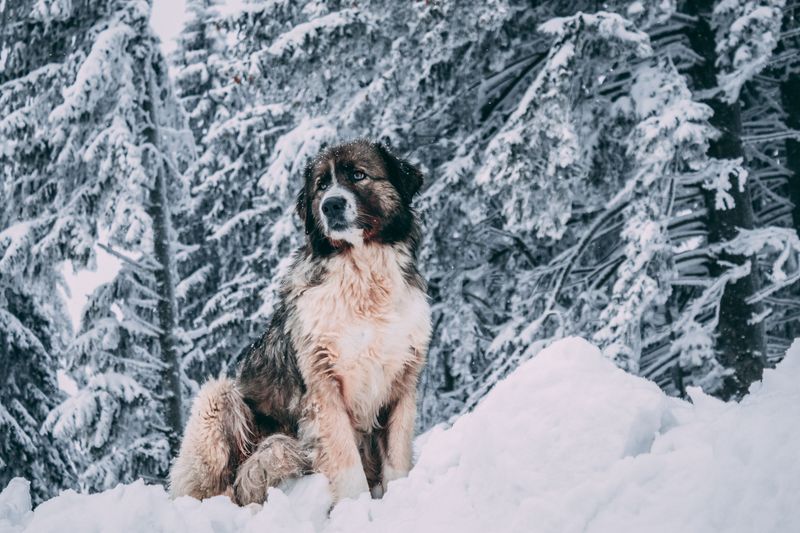
Alpine monks bred these giants to find travelers lost in mountain passes. Snow simply does not intimidate them.
The dense coat handles bitter air, though the pace stays relaxed. Two moderate walks daily suit most Saints nicely.
Watch the joints during growth years. Slow, steady exercise beats hard running for heavy puppies.
9. German Shepherd Dog Adapts Well To Wyoming’s Outdoors
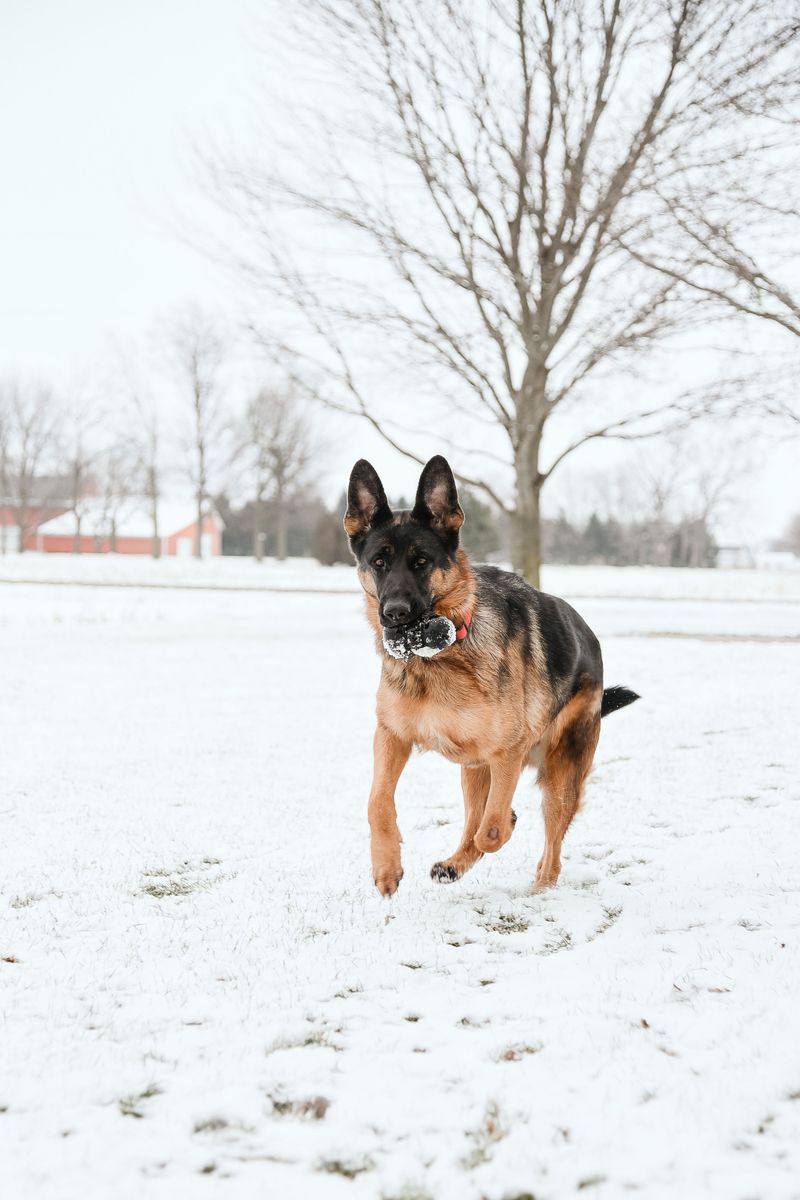
Few breeds match this one for versatility on a ranch or a ridge. Athletic build, dense double coat, sharp mind: a strong combination for windy country.
Training is where Shepherds shine brightest. They pick up commands quickly and enjoy having assignments.
Skip the idle days. Mental puzzles matter as much as physical miles for this thinker.
10. Australian Shepherd Needs Room To Burn Energy
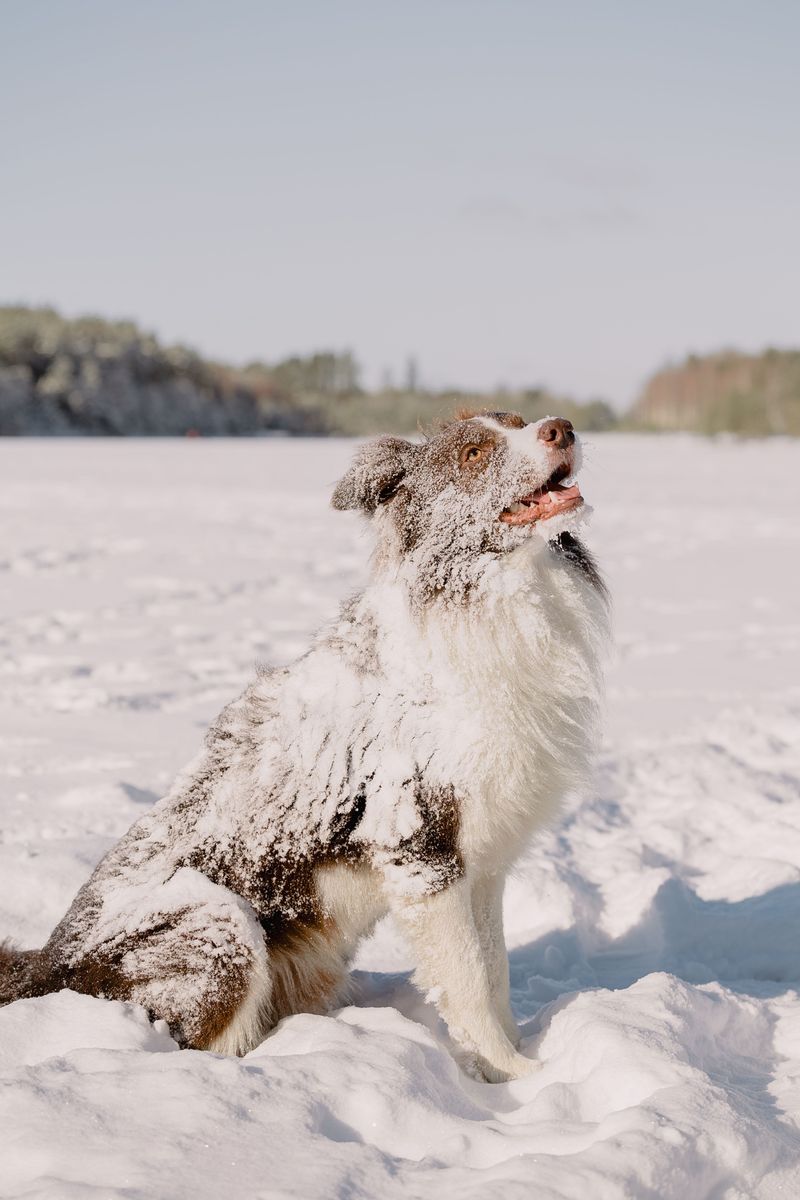
Fun fact: the Australian Shepherd was actually developed in the American West, not Australia. Wyoming ranchers have loved them for generations.
Weather-resistant fur plus boundless drive equals a dog made for wide horizons. Herding trials, frisbee, and long hikes all fit.
Without an outlet, that energy reroutes indoors. Furniture rarely wins those battles.
11. Border Collie Is Ready For An Active Lifestyle
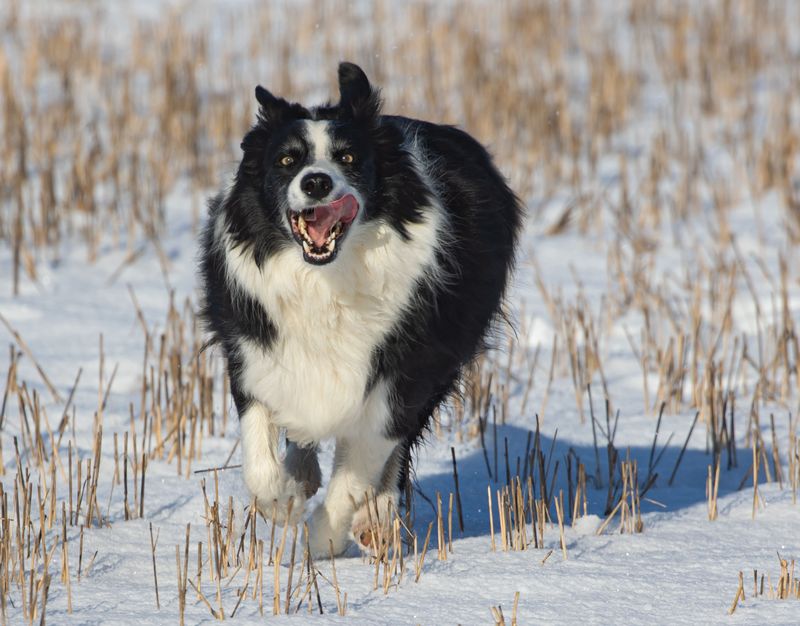
That intense stare has moved sheep across borderlands for centuries. Brains here run marathon deep.
The moderate coat handles brisk days, but severe cold means coming inside. Border Collies are working partners, not outdoor fixtures.
Plan real activity daily. Agility, fetch, and trick training keep this clever mind pleasantly occupied.
12. Rough Collie Combines A Cold-Weather Coat With A Gentle Nature
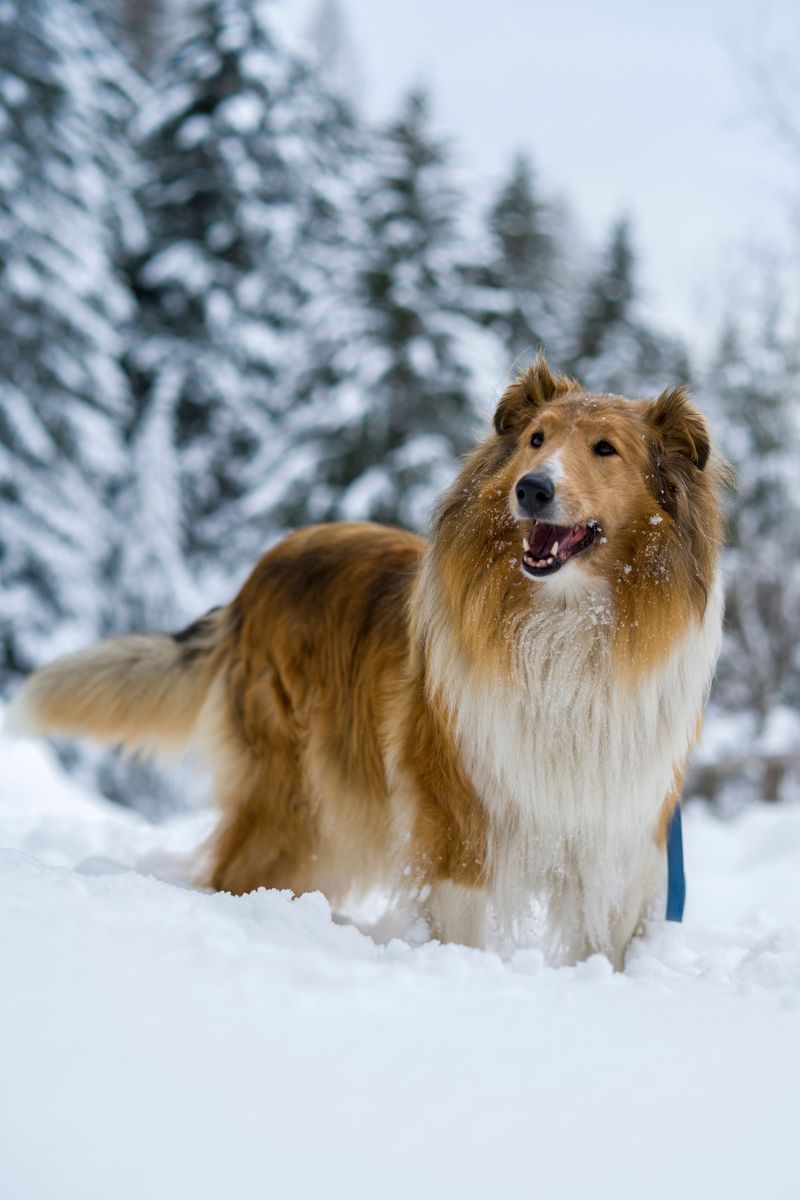
Scottish highlands gave the Rough Collie that flowing double coat, and it earns its keep in January wind.
Temperament leans devoted and sensitive. These dogs read family moods and stick close to their people.
Brushing sessions are non-negotiable. Twenty minutes a couple times weekly keeps tangles from taking over.
13. Icelandic Sheepdog Is Comfortable In Chilly Weather
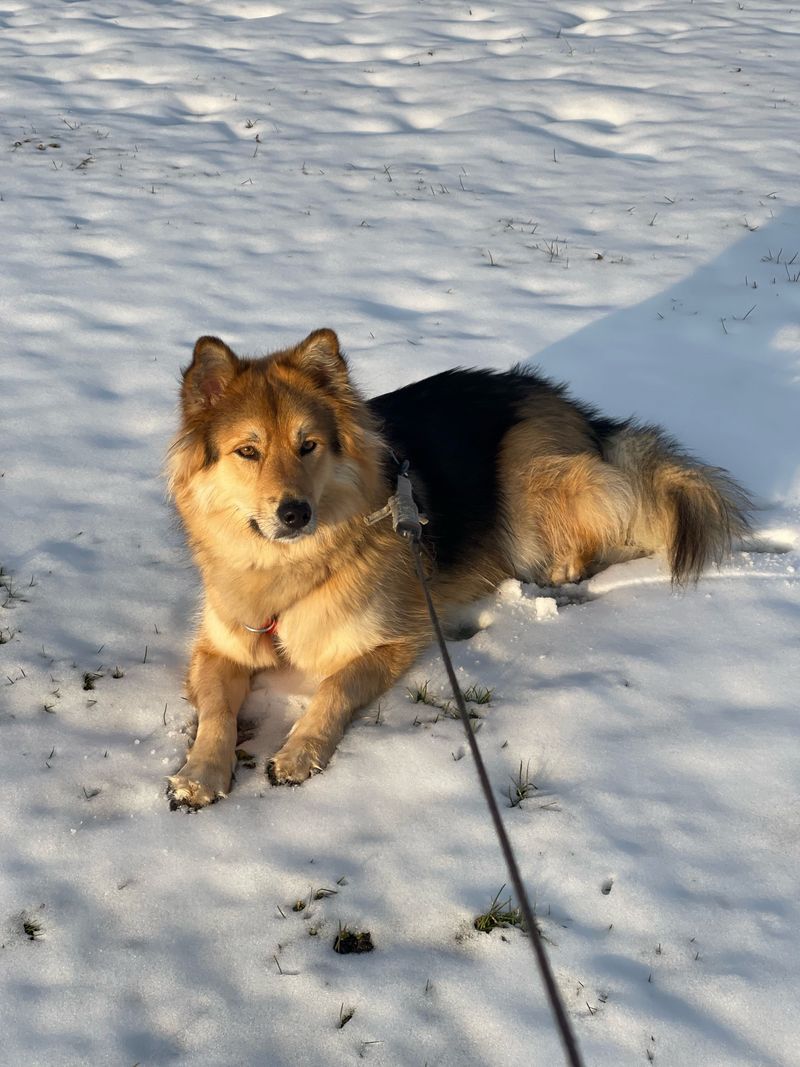
Vikings carried these spitz-type herders to Iceland over a thousand years ago. Brutal weather shaped the breed permanently.
A thick double coat handles sleet and gusts without complaint. The tail curls cheerfully over the back.
Personality is bouncy and vocal. Hikers, riders, and chore-doers get an enthusiastic assistant every single time.
14. Finnish Lapphund Brings Northern-Dog Toughness
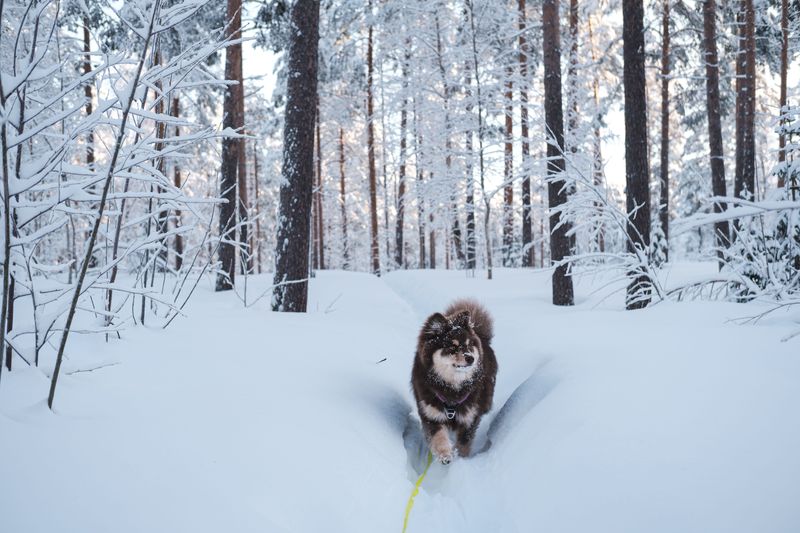
Reindeer herders above the Arctic Circle developed this profoundly fluffy companion. Cold is simply the family business.
Underneath the plush coat sits an agile, friendly dog that loves company. Isolation does not suit them.
Regular exercise keeps things balanced. Lapphunds enjoy snow romps, herding games, and evenings curled by your feet.
15. Swedish Vallhund Packs Energy Into A Smaller Body
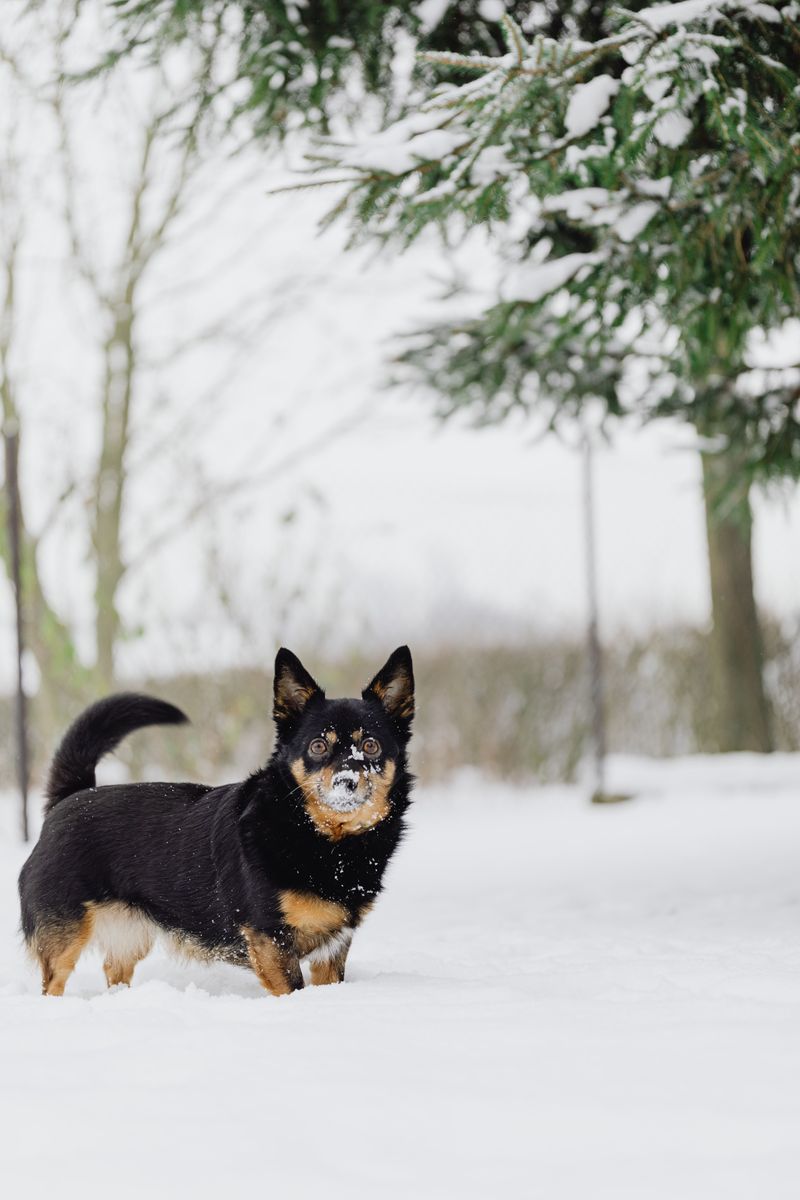
Short legs, long history: Vallhunds herded cattle for Vikings roughly a thousand years back. The dense coat still repels nasty weather.
Size makes them practical. You get working-dog drive in a compact, truck-friendly package.
Give them puzzles and jobs. A bored Vallhund becomes an opinionated supervisor of household affairs.
Grab the leash and let Wyoming’s wind do the rest.