15 Harvest-Season Hazards For Dogs On Rural Ohio Roads And Field Edges
Fall walks along Ohio farm roads bring crisp air, open views, and plenty of interesting smells for your dog. Harvest also brings moving equipment, changing field edges, and roadside surprises that deserve a little extra attention.
You can enjoy the season without worrying about every step when you know what to watch for. Before your next country walk, consider how your route, leash, and timing can help keep outings comfortable and safe.
1. Farm Equipment Moving Along Rural Roads
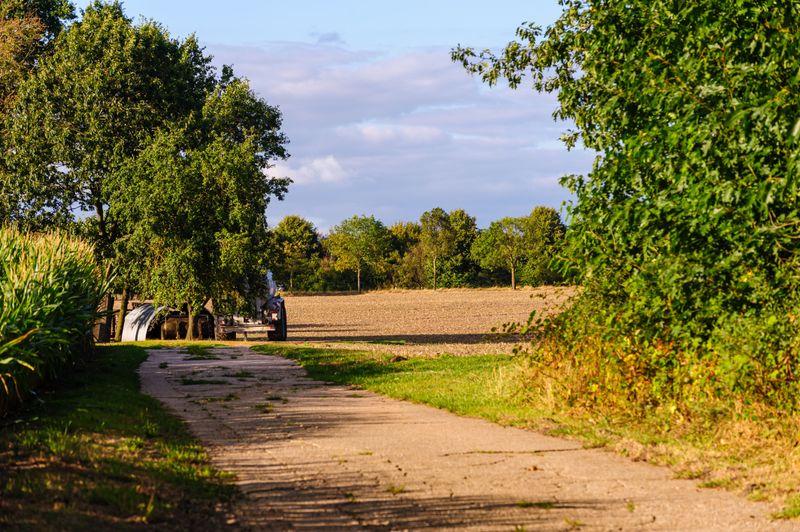
A familiar walking route can feel different when a tractor approaches from behind. Large equipment moves slowly, but operators may have limited views beside and behind their machines.
Keep your dog on a short, fixed leash.
Choose a safe place away from the roadway before equipment reaches you. Avoid stepping into an unfamiliar ditch or entering private fields.
If the shoulder offers no safe waiting space, turn around early or choose another route that day.
2. Wide Combine Headers That Extend Into Traffic
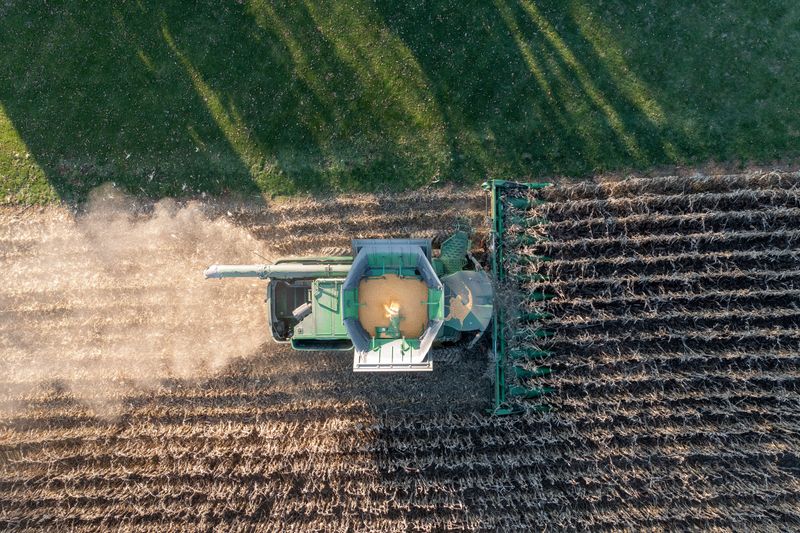
Look beyond the tires when judging how much room a combine needs. Its header, the attachment that gathers crops, may extend well beyond the machine.
Some headers travel separately, but never assume that yours will.
Move away from the entire equipment path, not just the wheels. Keep your dog beside you rather than letting the leash stretch outward.
Wait until every attachment has passed before returning to the shoulder, especially near bends or narrow bridges.
3. Loose Gravel Thrown From Farm Machinery
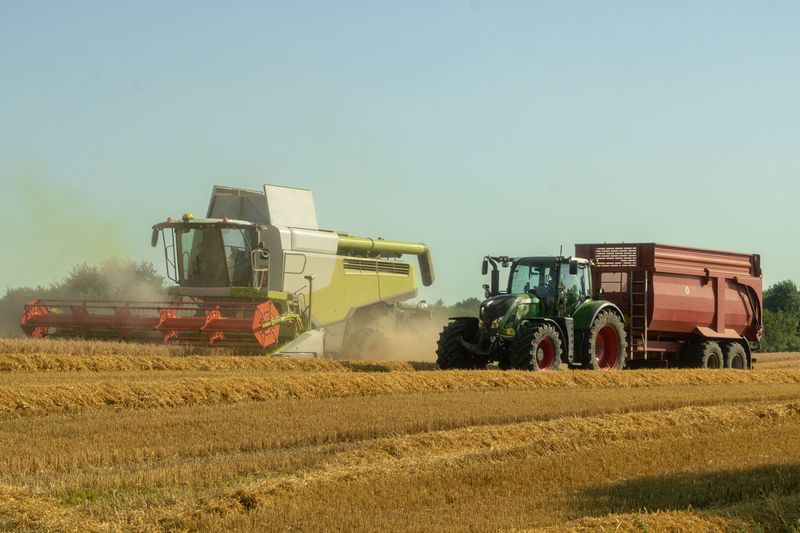
Small stones can jump when heavy tires cross a gravel entrance. A dog standing nearby may receive grit in its eyes or feel startled by the noise.
Give moving machinery plenty of space around driveways.
Stay back instead of hurrying past an approaching vehicle. Afterward, check paws if your dog starts limping or licking.
For squinting, redness, or an eye held closed, contact your veterinarian promptly. Avoid rubbing the eye or using leftover eye medication.
4. Grain Spills That Attract Dogs
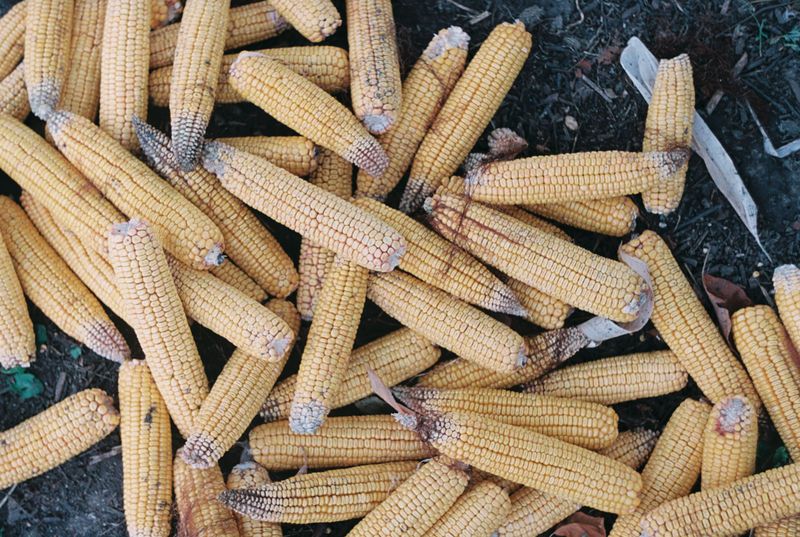
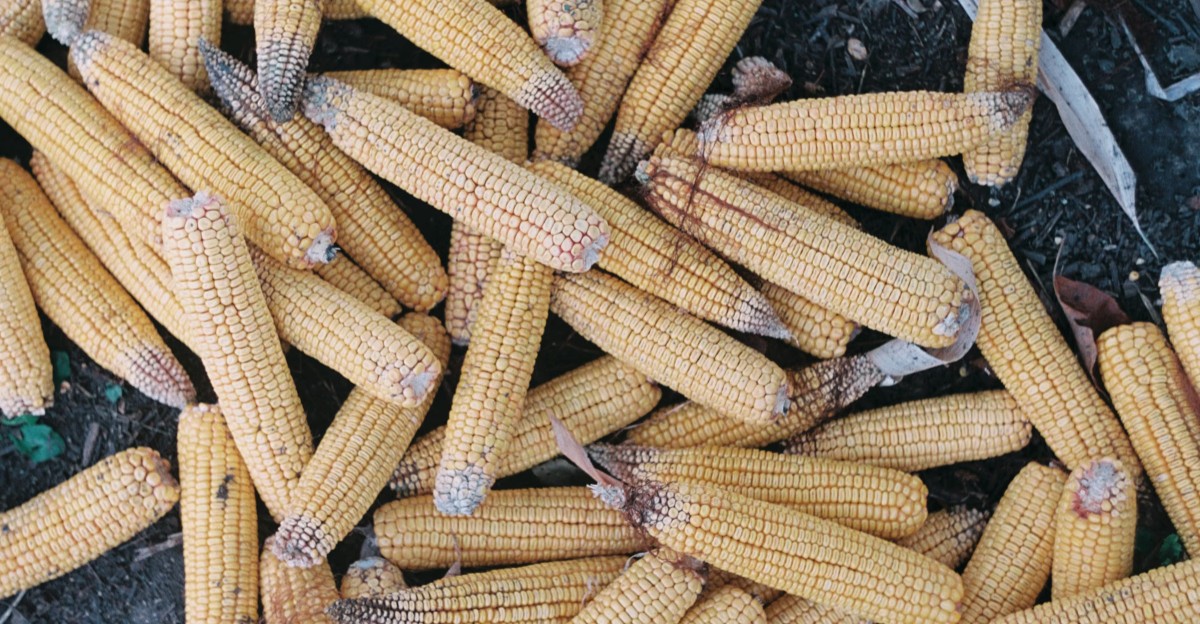
To a curious nose, spilled corn may look like a roadside snack. Grain near loading areas can be dirty, moldy, or mixed with material you cannot identify.
Corncobs also pose a blockage risk if swallowed.
Practice a reliable leave it cue before harvest walks begin. Steer around spills rather than letting your dog investigate closely.
If anything gets swallowed, note what it was and contact your veterinarian. Never induce vomiting unless a veterinary professional directs you.
5. Corn Stalks and Sharp Crop Residue
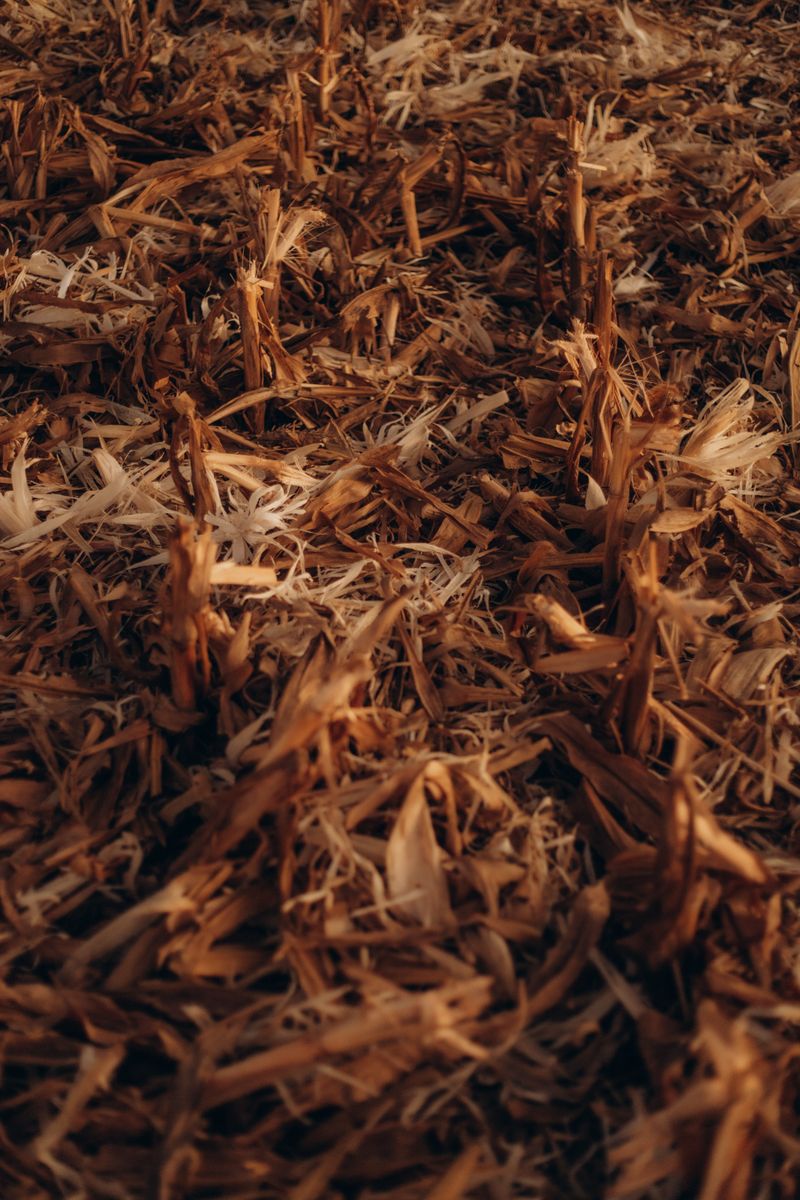
Harvested ground is not always gentle ground for paws. Broken stalks, stiff stems, and rough husks can scrape skin or lodge between toes.
Running through stubble also puts a dog’s face near sharp plant ends.
Stick to clear routes where walking is permitted, rather than crossing harvested rows. Check paws after your outing, including between the pads.
Ask your veterinarian about embedded material, swelling, or continued limping. Avoid digging into a paw to remove debris.
6. Hidden Holes Along Harvested Field Edges
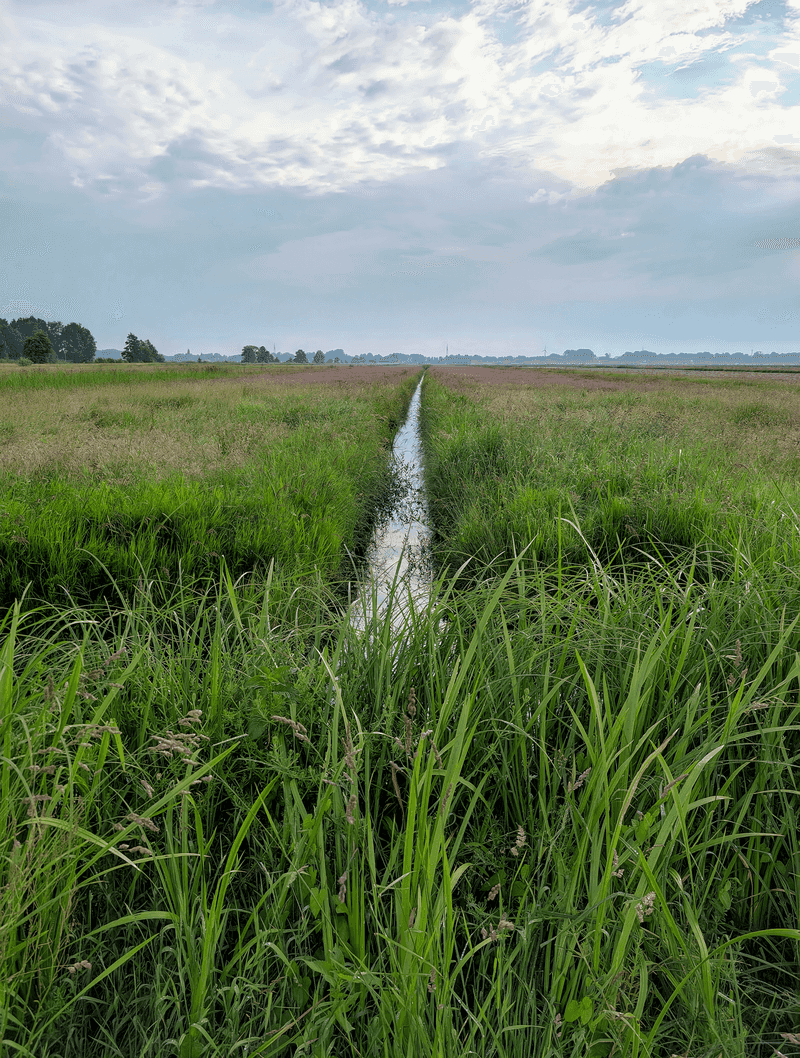
Leaves can hide more than a favorite stick along field margins. Animal burrows, washed soil, and drainage gaps may disappear beneath grass or fallen crop material.
A sudden step into one can strain a leg.
Keep your dog close enough to guide around uneven ground. Walk in daylight whenever possible, and carry a light for dim stretches.
Avoid letting dogs leap into grassy ditches. If your companion suddenly favors a leg, stop walking and seek veterinary advice.
7. Pesticide and Herbicide Residues Near Field Entrances
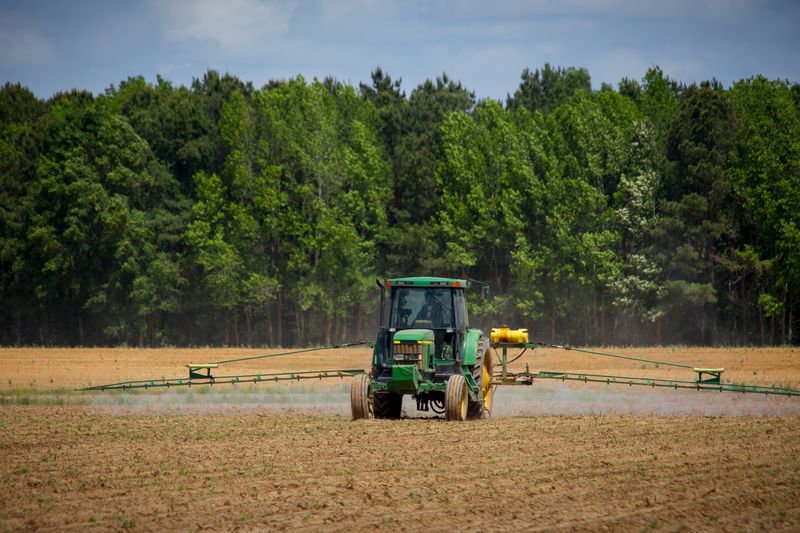
An open gate does not tell you whether a field was recently treated. Agricultural chemicals have different label restrictions, and appearance alone cannot show whether access is appropriate.
Ask the farmer before approaching treated ground.
Follow posted notices and product instructions; there is no single waiting time for every treatment. Prevent licking plants or drinking puddles near application areas.
For suspected exposure, contact your veterinarian promptly. Share the product name or label photograph if safely available.
8. Fertilizer Granules Left Near Farm Fields
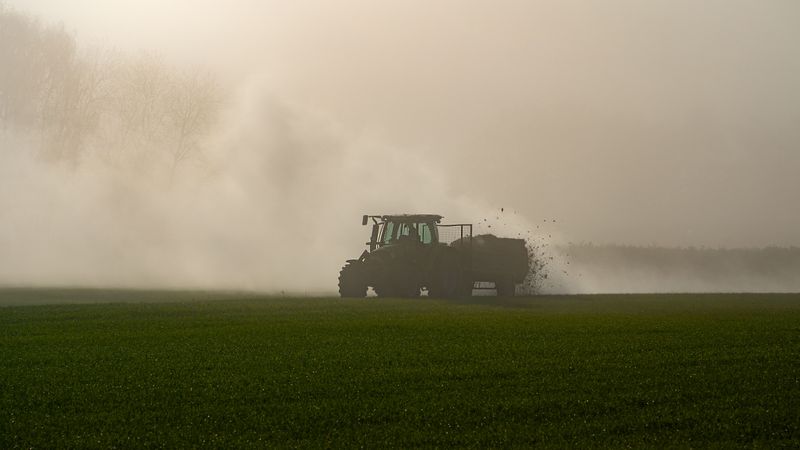
Those scattered pellets deserve a wide berth, even when they resemble tiny pebbles. Fertilizers can upset a dog’s stomach, and some mixtures contain ingredients needing urgent veterinary guidance.
Their risks depend on the actual product.
Do not allow sniffing to become licking or eating near spills. Move away, then check paws for stuck material.
If ingestion seems possible, call your veterinarian with the product details. Bring packaging information when available, but avoid handling unknown substances yourself.
9. Corn Dust and Harvest Machinery Exhaust
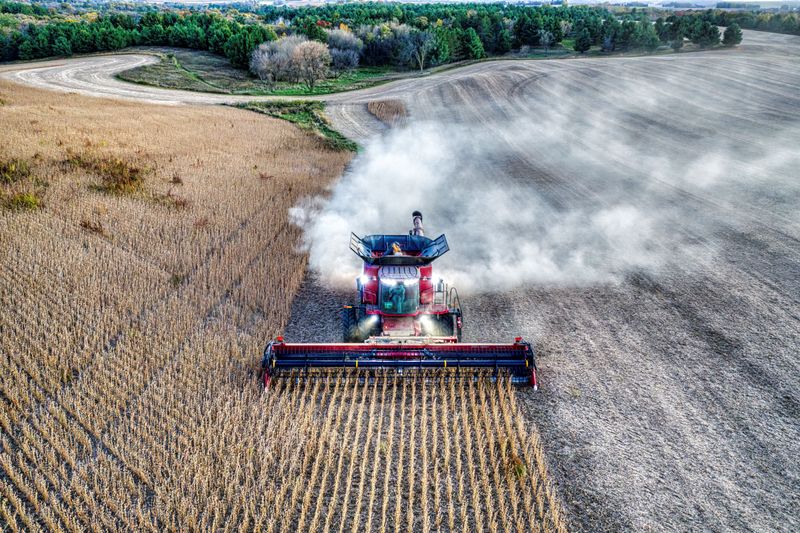
A dusty cloud can turn a pleasant walk into an uncomfortable outing. Harvest dust may irritate eyes and airways, while exhaust adds another reason to avoid standing near running equipment.
Wind direction matters when planning your route.
Choose another path if dust blows toward you. Dogs with breathing problems may need extra distance and shorter outings.
Move into clean air if coughing starts. Contact your veterinarian for persistent symptoms, and seek urgent care for difficult breathing.
10. Farm Trucks Turning Into Narrow Field Drives
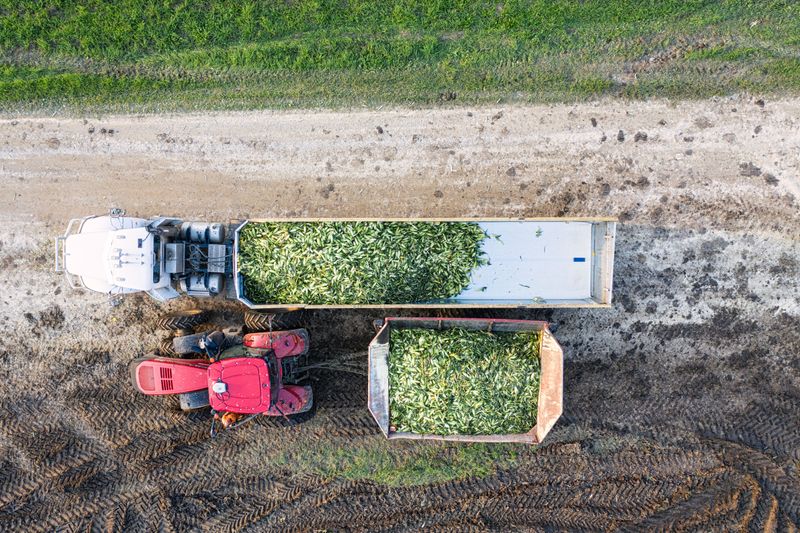
Watch the driveway ahead, not just the truck coming toward you. Long vehicles may need extra room to enter narrow farm drives.
Rear wheels and trailers can follow a different path from the cab.
Never squeeze between a turning truck and the ditch, fence, or gate. Stop well away from the entrance with your dog beside you.
Let the driver finish before moving forward. Do not assume eye contact means the driver can safely accommodate you.
11. Muddy Shoulders and Deep Tire Ruts
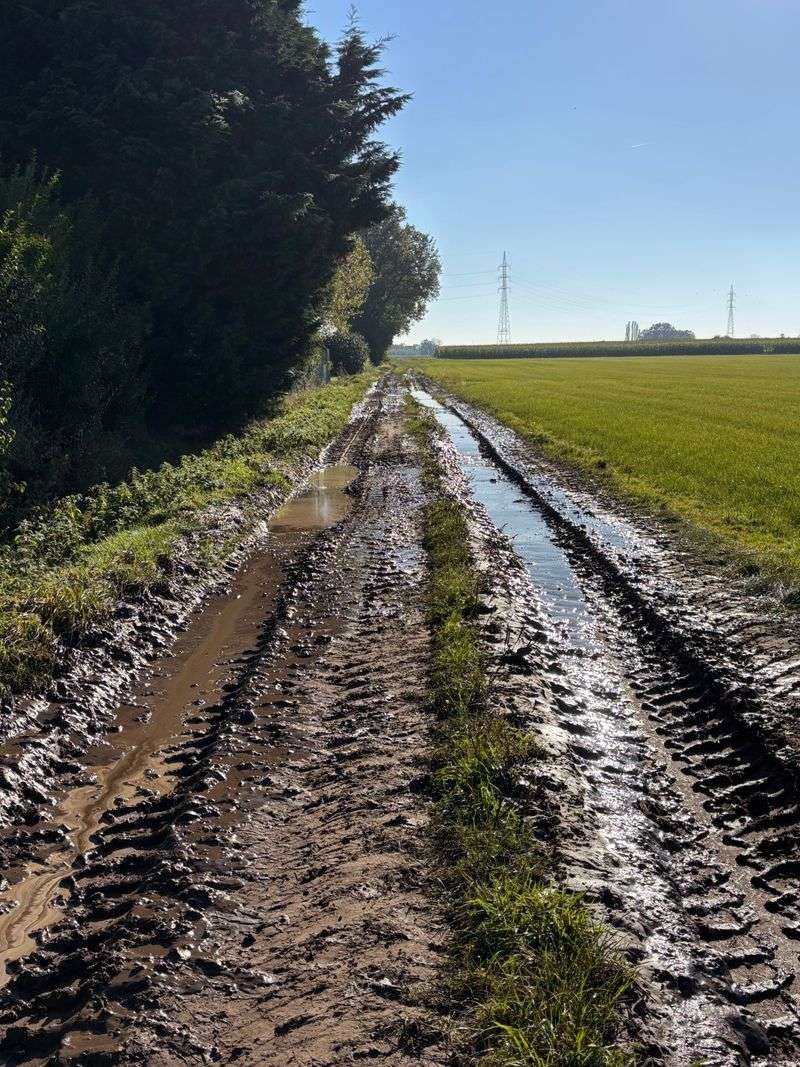
After rain, a firm shoulder may become slick under your shoes. Heavy equipment can leave deep grooves that collect water and hide uneven footing.
A pulling dog makes balancing on that surface even harder.
Pick a dry route instead of stepping into traffic to avoid mud. Wear shoes with useful traction and shorten the leash before slippery sections.
Skip puddles that conceal the ground. At home, rinse muddy paws and check for grit between toes.
12. Electric Fences Around Livestock and Temporary Grazing Areas
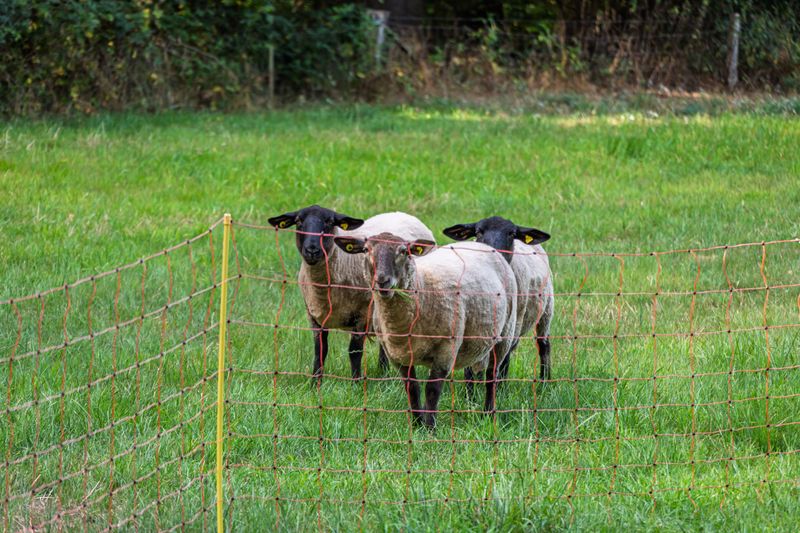
A thin strand across a field can be easy to overlook. Temporary grazing fences may appear after harvest, changing boundaries along a familiar route.
Treat every electric fence as active, regardless of its appearance.
Keep noses, leashes, and your own hands away from wires. Never lift a strand to let your dog pass underneath.
Stay outside livestock areas unless the landowner gives permission and safe directions. Following unexpected contact, ask your veterinarian about any concerning symptoms.
13. Cattle and Horses Near Rural Road Edges
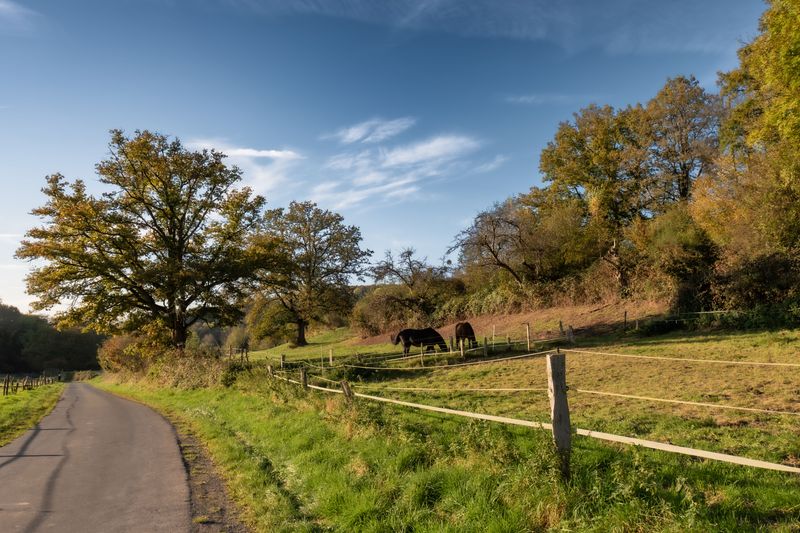
Your dog may see a new friend across the fence. Cattle and horses can instead view an approaching dog as a threat, especially around young animals.
Barking, chasing, or fence running can unsettle them.
Give livestock space and reward your dog for looking back at you. Never encourage greetings through a fence.
If animals are loose beside the road, retreat calmly and contact their owner or local authorities. Avoid trying to herd them with your dog.
14. Hunting Activity Near Fields and Rural Roads
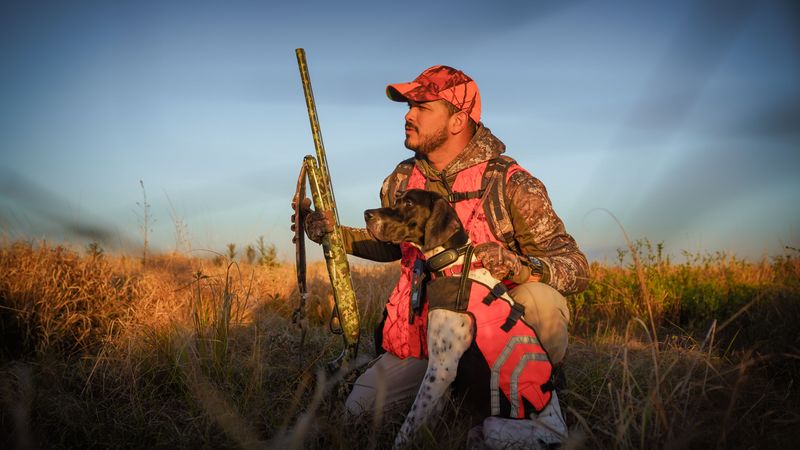
Bright clothing can improve visibility during fall walks. Hunting seasons overlap with harvest, but hunting activity varies by species, season dates, and location.
Check current Ohio wildlife guidance before choosing unfamiliar routes.
Wear visible orange and consider an orange vest for your dog. Visibility helps, but never replaces permission, distance, or leash control.
Respect posted boundaries and ask landowners about hunting plans. When you hear nearby activity, calmly leave rather than investigating its source.
15. Deer Crossing Roads During Fall Harvest
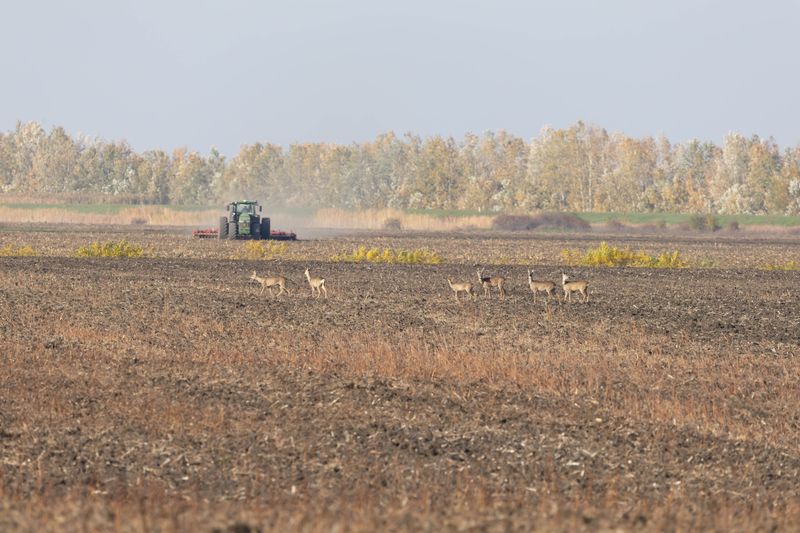
One quick movement in the field can capture your dog’s full attention. Deer may emerge as crops come down, and fall breeding activity increases their movements.
Expect encounters, especially around dawn and dusk.
Use a secure harness or collar with a fixed leash. Avoid wrapping the leash around your hand, and leave space from traffic.
If deer appear, stop and redirect your dog away. Choose clear paths, allow room, and enjoy Ohio’s harvest season together safely.