15 Post-Wildfire Mud And Debris Risks California Dog Owners Should Plan Around
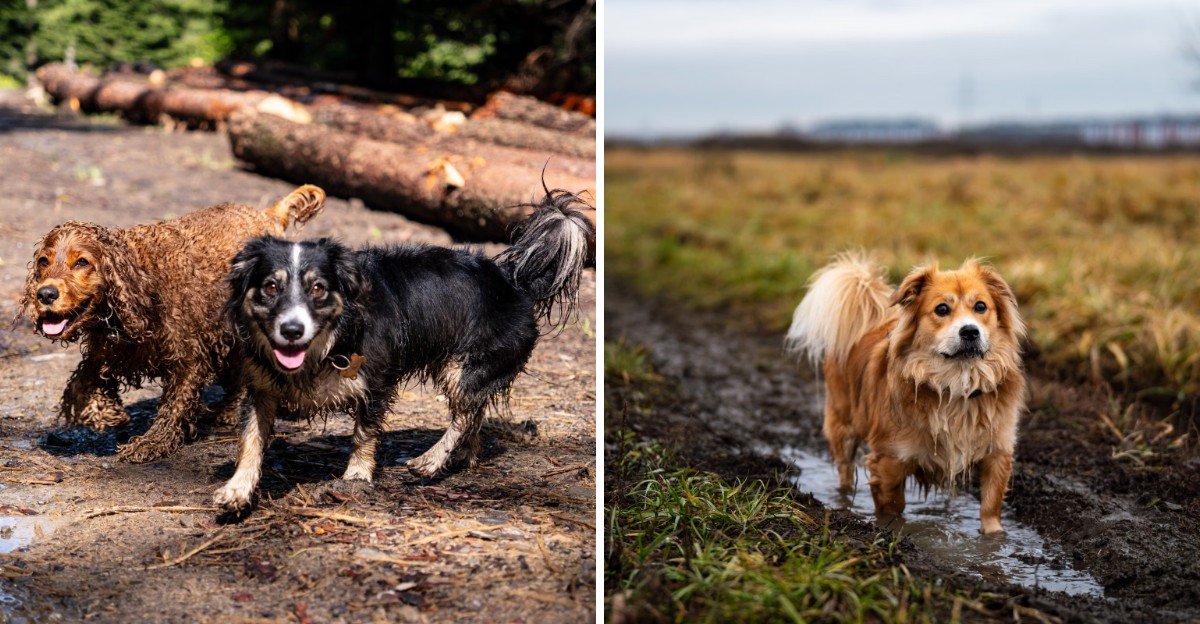
A familiar walk can change after a California wildfire, especially when rain starts moving soil and debris. Your dog may spot a puddle or a new trail before you notice the risk nearby.
A few simple checks can help you choose where to walk, when to turn back, and how to clean up afterward. Use these tips alongside current local alerts, since conditions can change quickly from one neighborhood to the next.
1. Watch For Loose Soil After a Fire
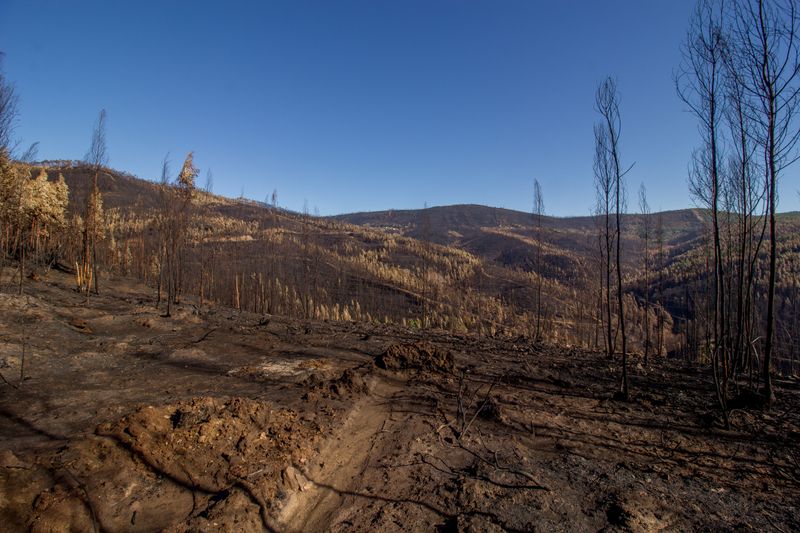
That dusty patch beside the path may not stay put. Fire removes plants that help hold soil together, so rain can move loose dirt downhill.
Keep your dog on firm, established ground and away from crumbling edges.
Look for fresh soil piles, small channels, or muddy water crossing your route. If the ground shifts under your shoes, turn around.
A leash gives you time to guide a curious dog away before it steps somewhere unstable or gets stuck.
2. Mud Can Reach Areas That Look Undamaged
Your street might look untouched, yet mud can arrive from a burned hillside farther away. Rainwater follows slopes, gutters, and channels, carrying sediment into parks and neighborhoods below.
Do not judge a walking route only by nearby trees.
Check where the water comes from, especially after a storm. Choose higher, clear sidewalks when possible.
If mud begins collecting near a crossing, give it room and find another route instead of testing its depth with your dog.
3. Keep Dogs Away From Burned Slopes
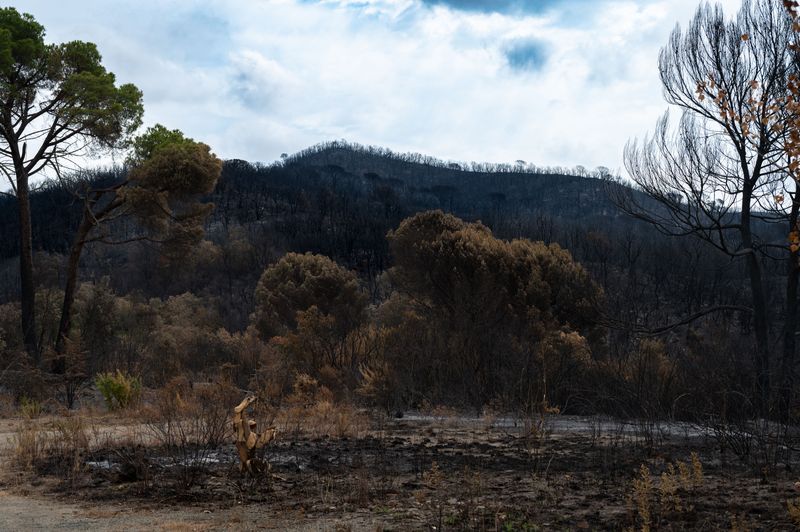
A blackened hillside can be tempting to explore, especially when a dog catches an interesting scent. Burned slopes may have loose rocks, damaged roots, and soil that shifts in rain.
Stay on open routes well away from the slope.
Never let your dog climb up for a closer look. Watch for falling pebbles or fresh cracks near the base.
If a route passes directly below unstable ground, leave before rain starts and choose a safer place to walk nearby.
4. Avoid Fresh Mud After Heavy Rain
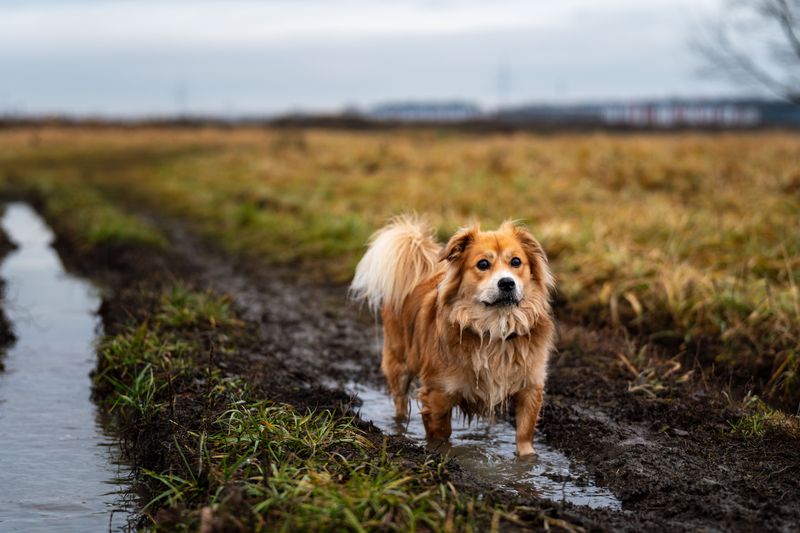
Fresh mud often looks shallow until a paw sinks into it. After heavy rain, soaked ground can hide soft spots and moving water.
Give muddy trails time to dry rather than treating them as a fun challenge.
If you must go out, stick to clear pavement and keep walks short. Check your local weather forecast before leaving.
Rainfall over a burned area can change conditions quickly, even when the sky above your home looks brighter and calm.
5. Watch for Hidden Rocks and Branches
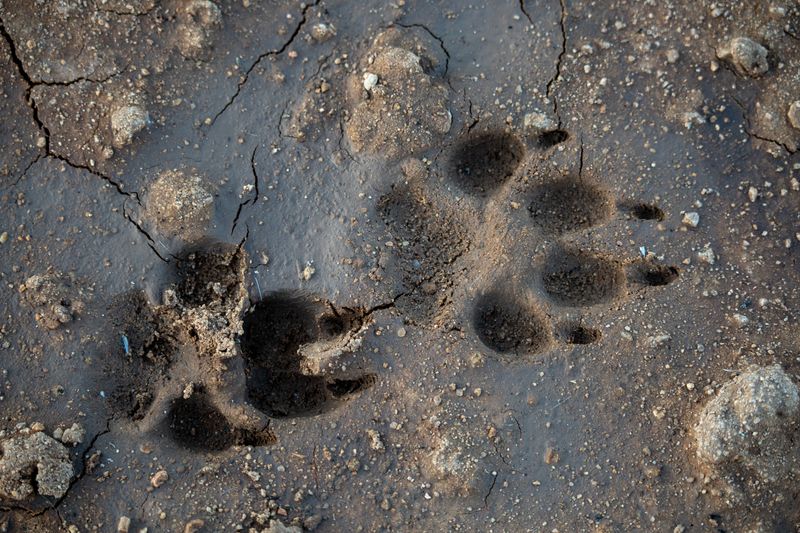
A playful step into mud can land on something sharp or awkward. Runoff may cover rocks, broken branches, and other debris that a dog cannot see.
Guide your dog around piles instead of letting it sniff through them.
On clear ground, pause to check for limping if your dog suddenly slows down. Examine paws gently after the walk, including between the toes.
Contact your veterinarian if you find a cut, ongoing pain, or a piece you cannot remove safely.
6. Be Careful Around Washed-Out Trails
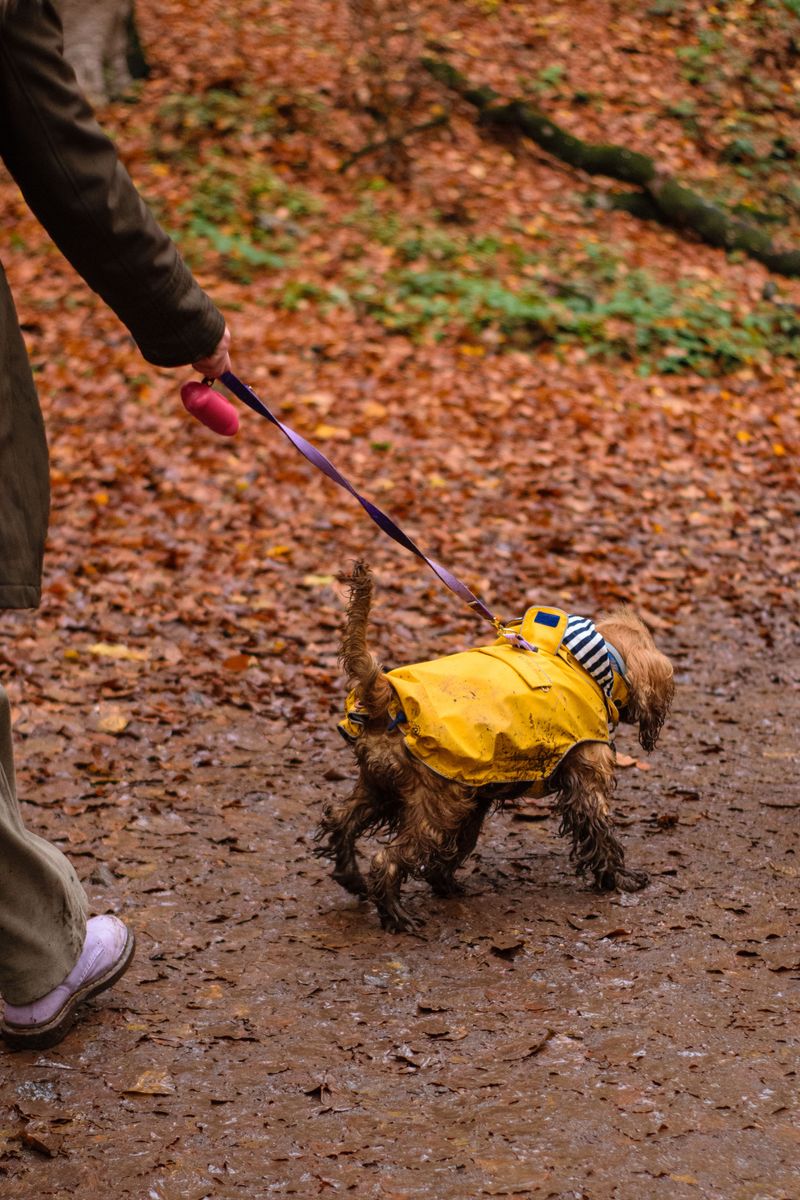
A familiar trail can lose its edge overnight. Rain may wash away soil beneath the surface, leaving narrow spots that look wider than they are.
Keep your dog close so it cannot pull toward a broken section.
Turn back when you see gaps, exposed roots, or fresh erosion. Do not climb around a closure or make your own shortcut.
A different walk today is easier than trying to manage uncertain footing while holding a leash on damaged ground.
7. Treat Drainages as High-Risk Areas
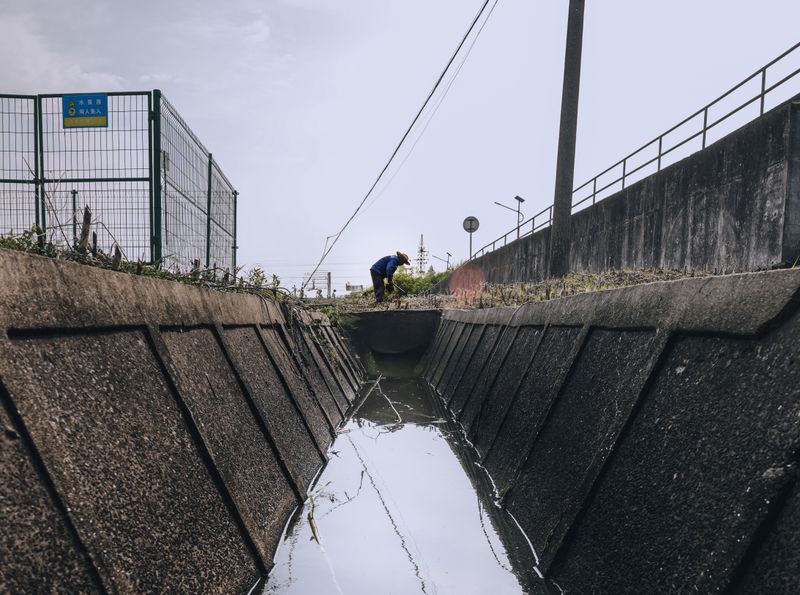
Dry channels can seem like easy paths for a dog to follow. During storms, drainages collect water, mud, and debris from a much larger area uphill.
Their conditions can change even when rain falls somewhere you cannot see.
Stay out of creek beds, culverts, and low channels near burned land. Give their banks plenty of space, too.
If your usual route crosses a drainage, check local conditions first and use another route whenever water or fresh debris is present.
8. Watch for Sudden Water Flow
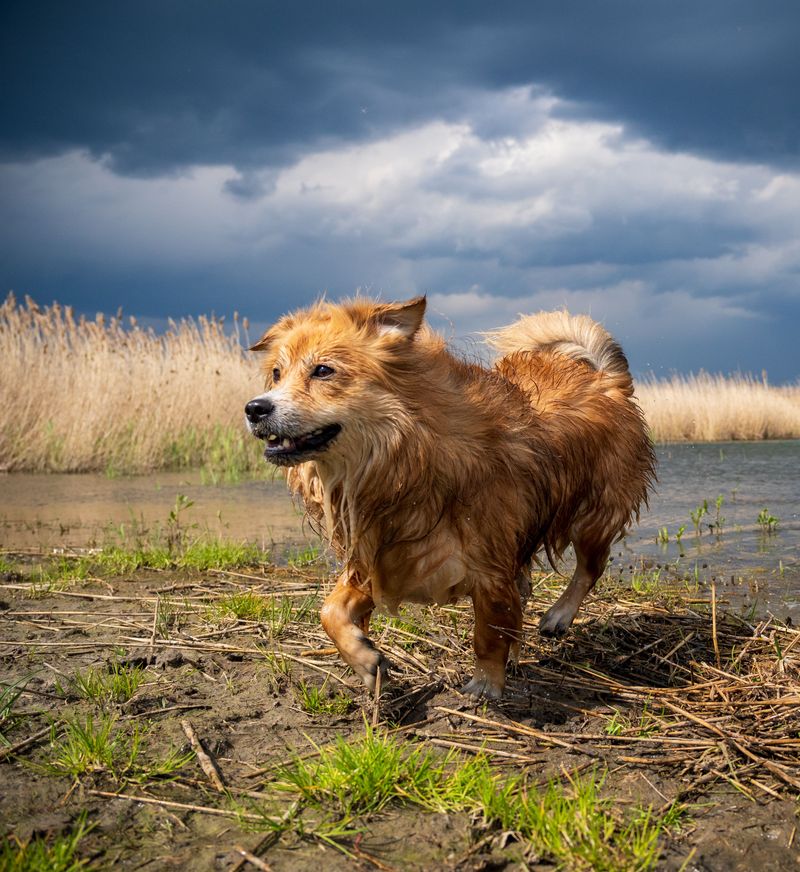
The water beside a trail can rise before rain reaches you. Storms uphill may send runoff downstream, especially through areas where fire changed the ground.
Listen for rushing water and watch for muddy water arriving suddenly.
Move to higher ground if conditions shift, and never step into flowing water to test it. Keep your dog leashed and beside you.
Check weather alerts before walks, then head home early when storms approach the area above your route.
9. Mud Can Hide Uneven Ground
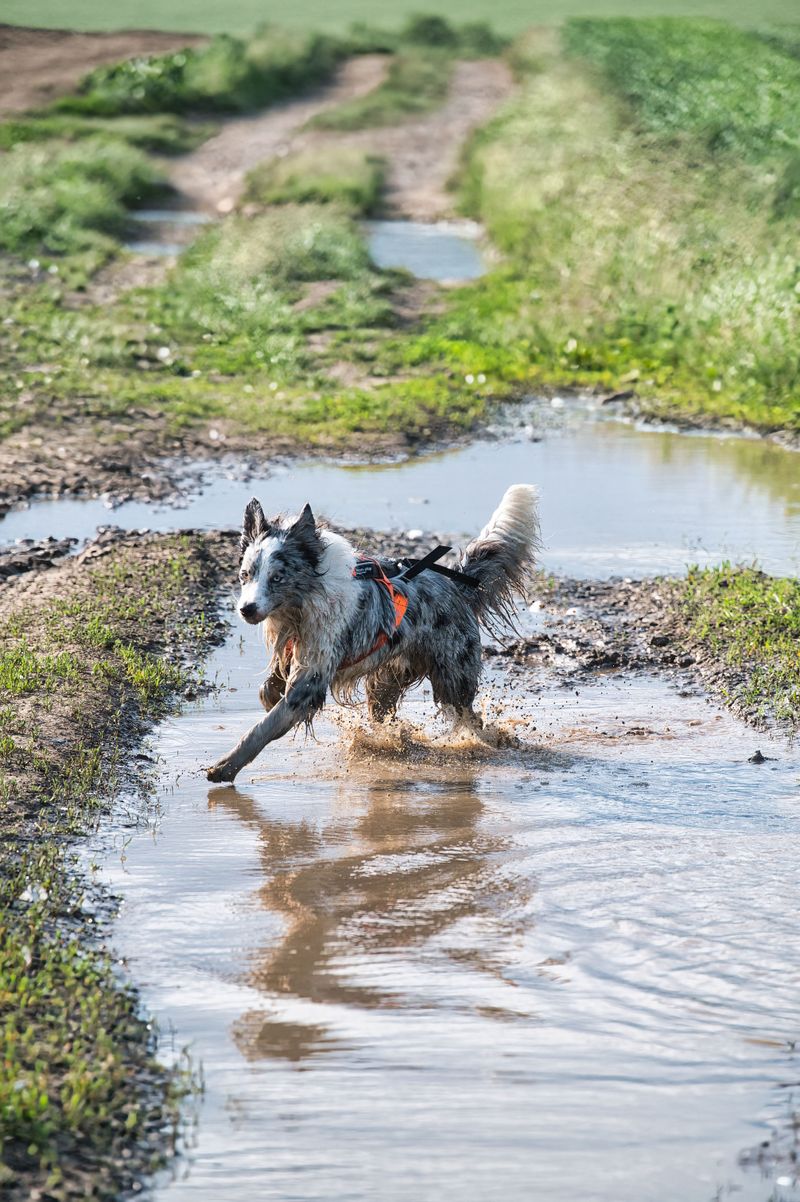
What looks like a smooth patch may cover a rut or hole. Mud fills low places, making it harder to spot changes in the ground.
Dogs can twist a paw, and owners can lose their footing while holding a leash.
Walk at a steady pace on visible, solid surfaces. Shorten the leash near puddles so your dog cannot jump into one unexpectedly.
If you cannot clearly see the ground ahead, take the longer way around it without rushing.
10. Be Extra Careful Near Roads
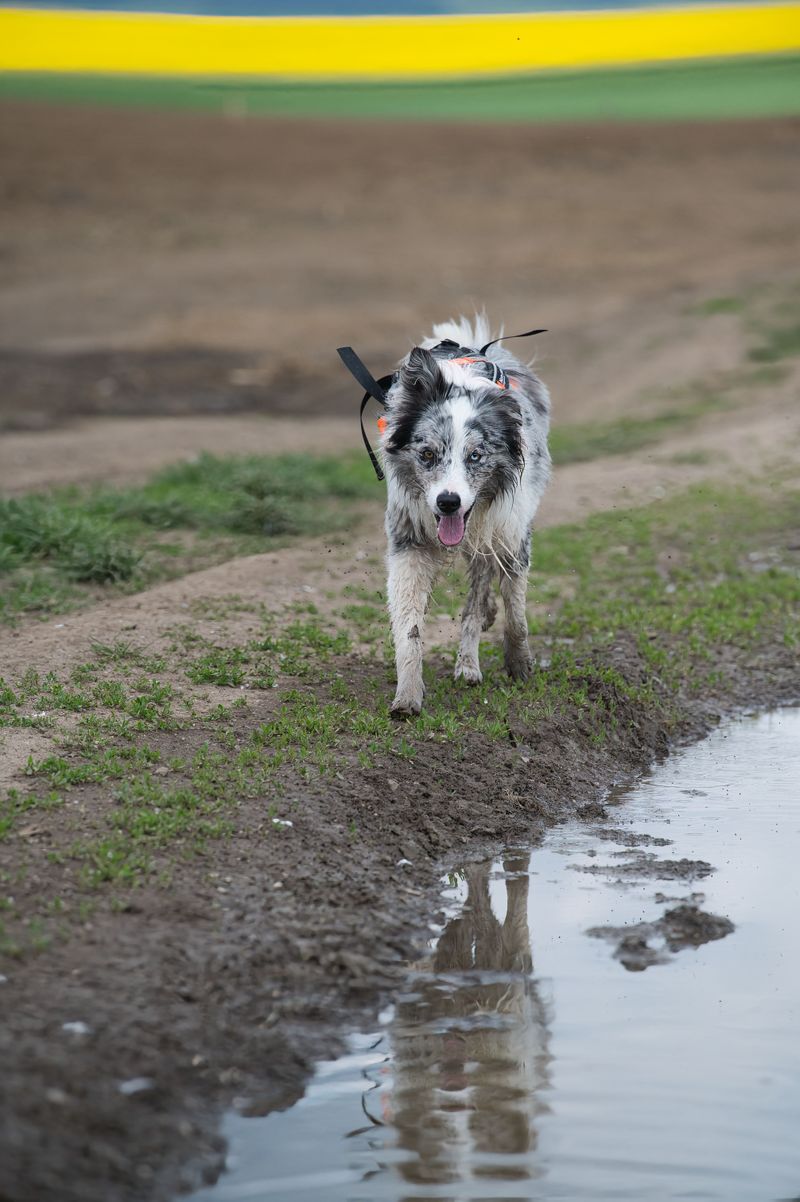
Roadside mud creates two problems at once: slippery footing and passing cars. Debris may narrow a shoulder or push walkers closer to traffic.
Keep your dog on the side farthest from vehicles where a safe sidewalk exists.
Do not enter a road to get around a muddy patch. Instead, turn back or use a safer crossing.
Watch for work crews clearing debris, and follow posted directions. If visibility is poor, save the walk for a clearer time.
11. Check Trail Conditions Before Leaving Home
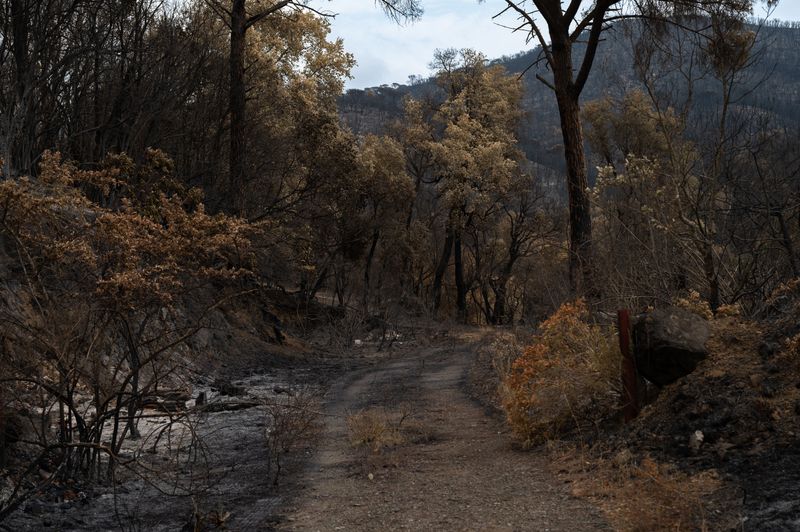
A quick check can spare you a wasted drive with an eager dog. Trail access may change after storms, cleanup, or new damage.
Look at the land manager’s current notices before packing the leash.
County parks, city parks, and state or federal agencies may post different updates for their trails. Check weather alerts, too.
If information seems old or unclear, call the managing agency and pick a known open route while you wait for reliable details.
12. Do Not Cross Debris Barriers
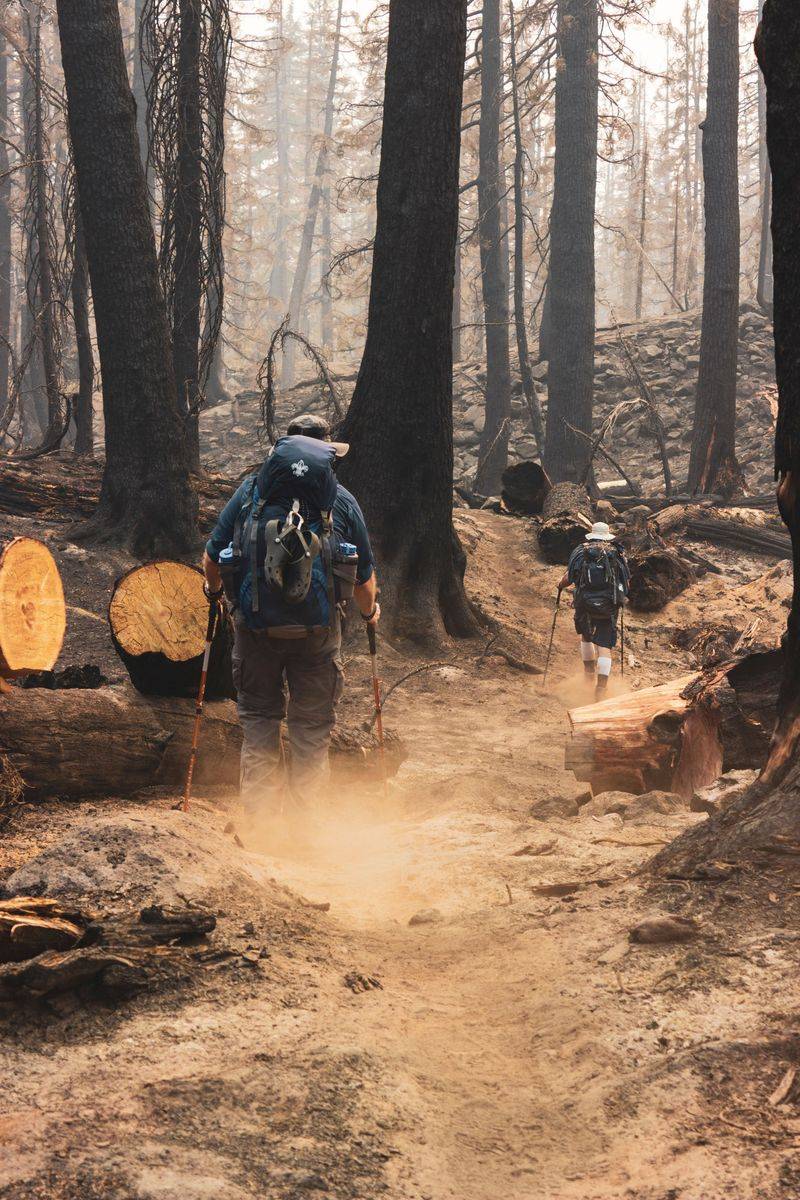
A barrier is not an invitation to squeeze through for a shorter walk. Crews may use closures to keep people away from damaged paths, moving equipment, or unstable debris.
Keep your dog behind the marked boundary.
Rules and reopening dates depend on the agency managing the area. Read posted signs and check its official updates rather than relying on old trail photos.
Even if the ground looks clear, choose an open route until the barrier is removed.
13. Keep Dogs Out of Contaminated Runoff
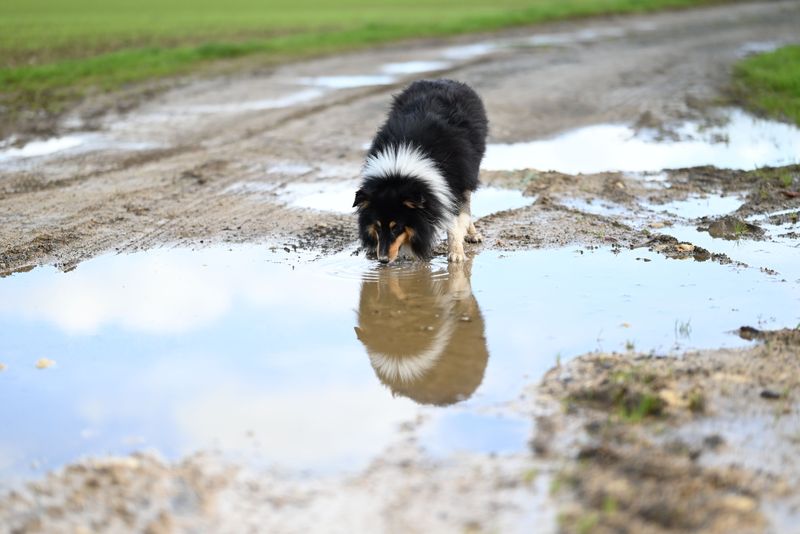
A puddle is not a drinking bowl after a fire. Runoff can carry ash, sediment, nutrients, metals, and other pollutants from burned or damaged areas.
Do not let your dog drink, swim, or play in discolored water.
Bring clean drinking water on longer walks and steer around drainage puddles. If your dog gets wet, rinse the affected fur and paws with clean water.
Ask a veterinarian for advice if your dog drinks runoff or develops vomiting, coughing, or skin irritation.
14. Clean Mud Off Paws After Walks
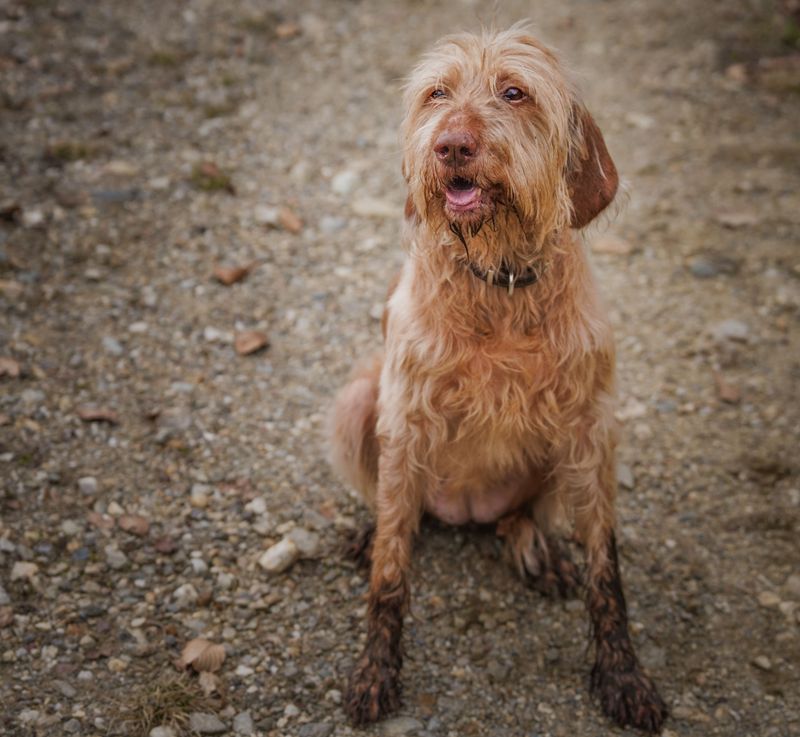
Back home, a small cleanup makes the next walk more comfortable. Mud can cling between toes and carry grit that bothers skin.
Rinse dirty paws with clean water, then dry them gently, especially between the pads.
Look for tiny cuts, redness, or anything caught in the fur. Keep your dog from licking muddy paws until they are clean.
If irritation lasts or your dog favors a foot, contact your veterinarian for guidance rather than scrubbing harder.
15. Have a Safer Backup Walking Route
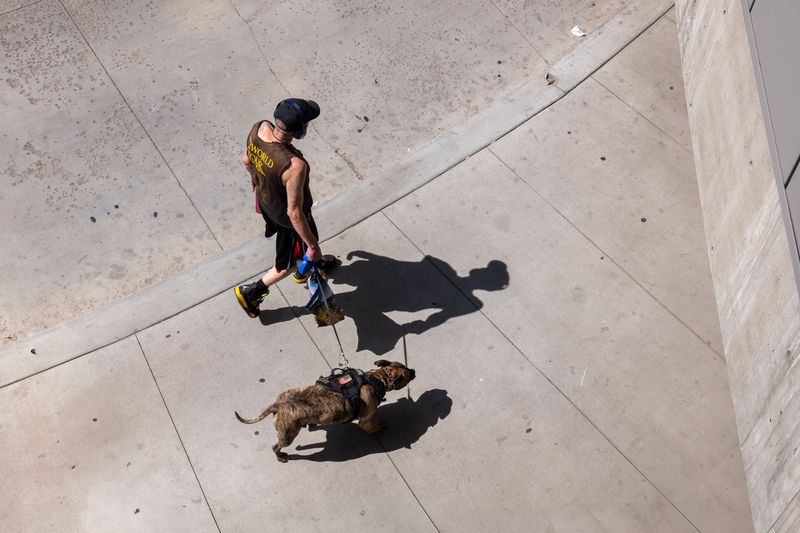
Your dog still needs a walk when the favorite trail is muddy or closed. Pick a backup route now, such as a clear neighborhood sidewalk away from steep slopes and drainages.
Check that dogs are allowed there.
Keep the plan flexible because weather and local access can change. A shorter walk with time to sniff can still be satisfying.
When conditions look uncertain, turn back without guilt. The best route is one you can both enjoy safely.