16 Storm-Shelter Supplies Texas Dog Owners Should Keep Ready
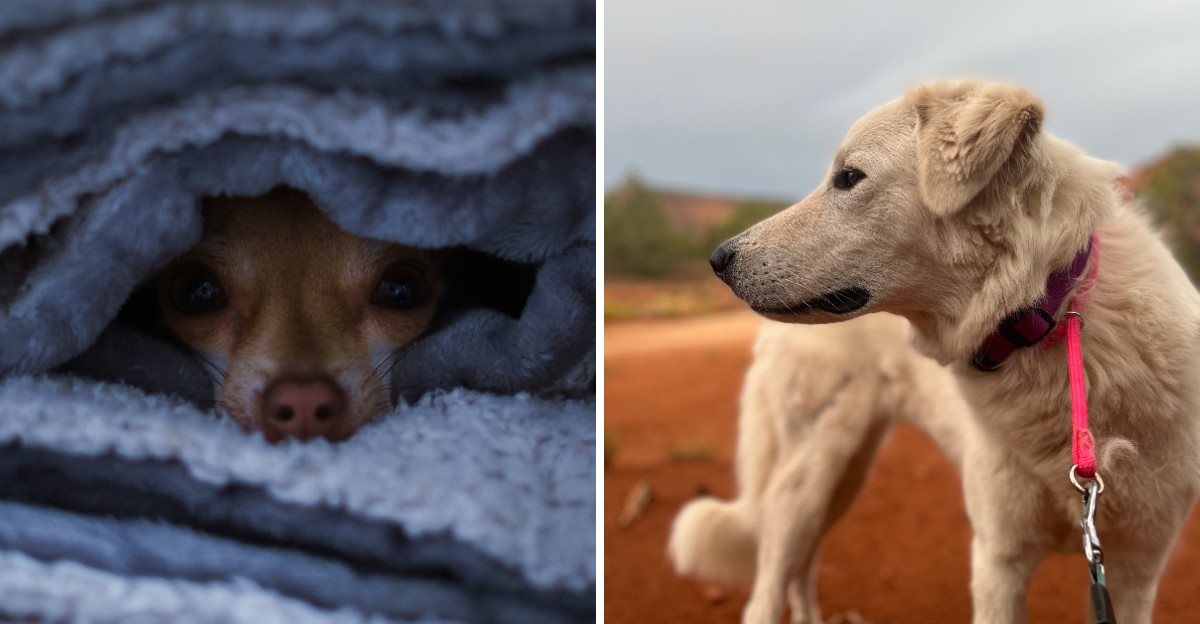
Texas storms can change a quiet afternoon fast, and your dog will look to you for direction. A small kit near your shelter space makes it easier to settle in together.
You do not need fancy gear, just useful supplies you can find when the lights are out. Start with these basics, then adjust the kit for your dog’s size, health, and habits.
1. Keep a Sturdy Dog Carrier Near the Shelter
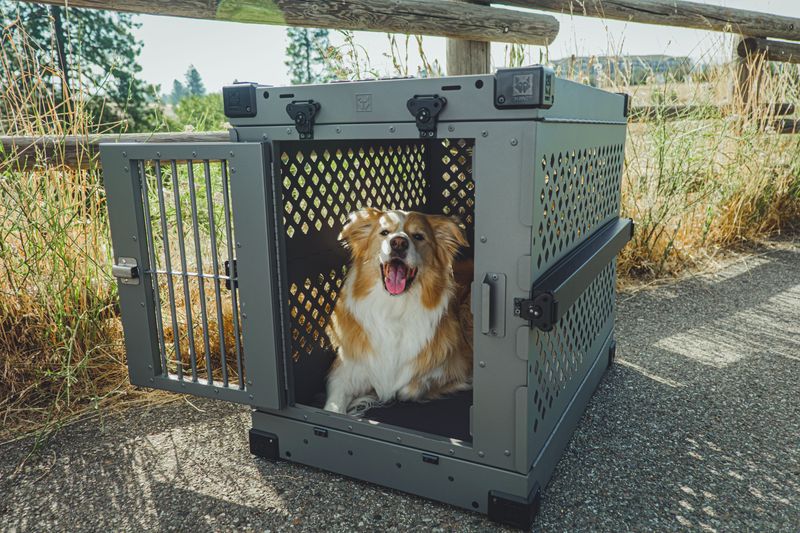
When everyone heads to the shelter, a carrier gives your dog a secure place to rest. Choose one large enough for standing, turning, and lying down.
Keep it near your shelter space, but clear of the path people use to enter.
Practice short, pleasant visits before storm season. Add a familiar mat, and check that the door latches properly.
If you might evacuate, choose a carrier you can lift and fit in your vehicle.
2. Store Several Days of Dog Food
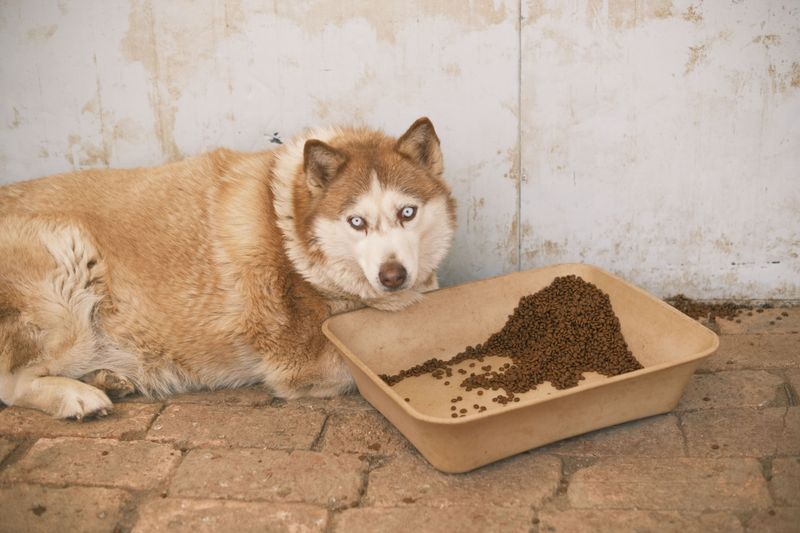
A missed grocery trip should not change your dog’s meals. Keep several days of their usual food in a sealed, labeled container.
Include a scoop and written feeding directions, especially if someone else may care for your dog.
Check the package date and rotate the food before it gets old. If your dog eats canned food, pack a manual opener when needed.
Sudden food changes can upset some dogs, so familiar meals are useful.
3. Keep Extra Drinking Water for Your Dog
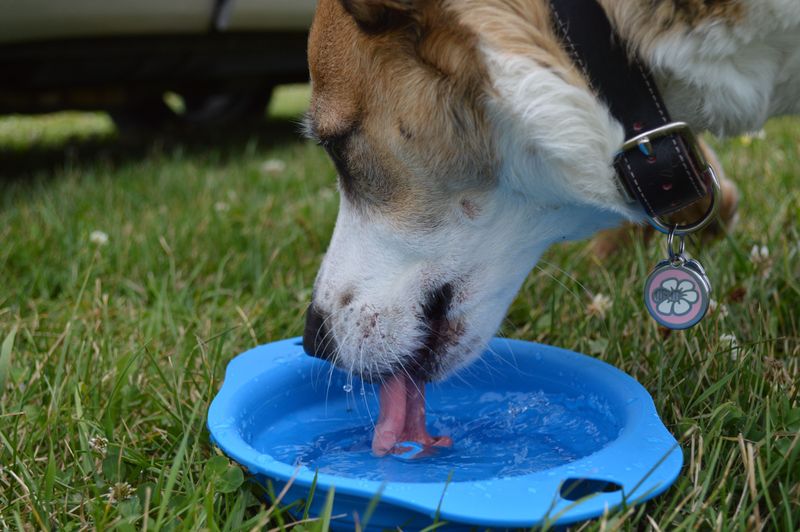
Texas heat can linger even after a storm passes. Store drinking water for your dog alongside your household supply.
Plan for several days, and adjust the amount for your dog’s size, activity, and health.
Use clean, closed containers marked for pet use. Replace stored water according to the container’s guidance, and keep it away from heat when possible.
Ask your veterinarian about planning if your dog has a condition that affects thirst or hydration.
4. Pack Collapsible Food and Water Bowls
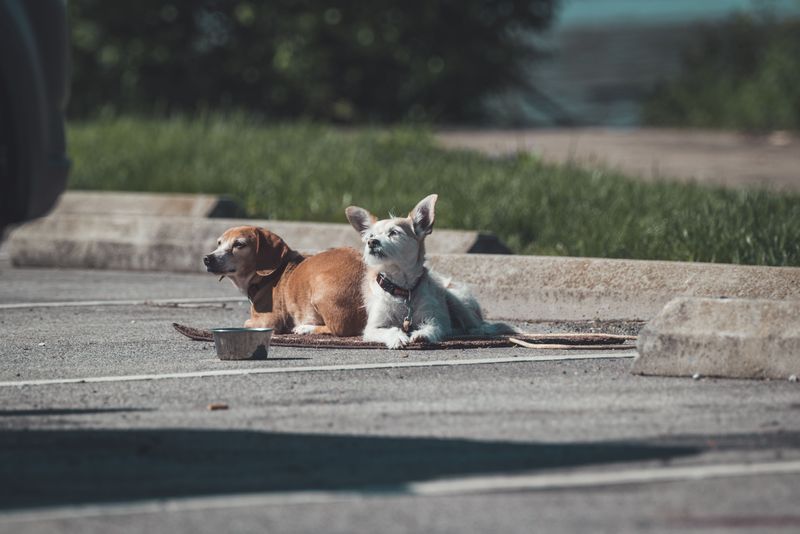
Regular bowls are easy to forget when you move quickly. Collapsible bowls take little room and work in a shelter or during travel.
Pack separate bowls for food and water, then choose sizes that suit your dog.
Test them at home before storing them. Some fold unevenly or tip easily on carpet, so a firm base helps.
Wash and dry the bowls after use, and tuck them back into the kit for next time.
5. Add a Leash and Backup Collar
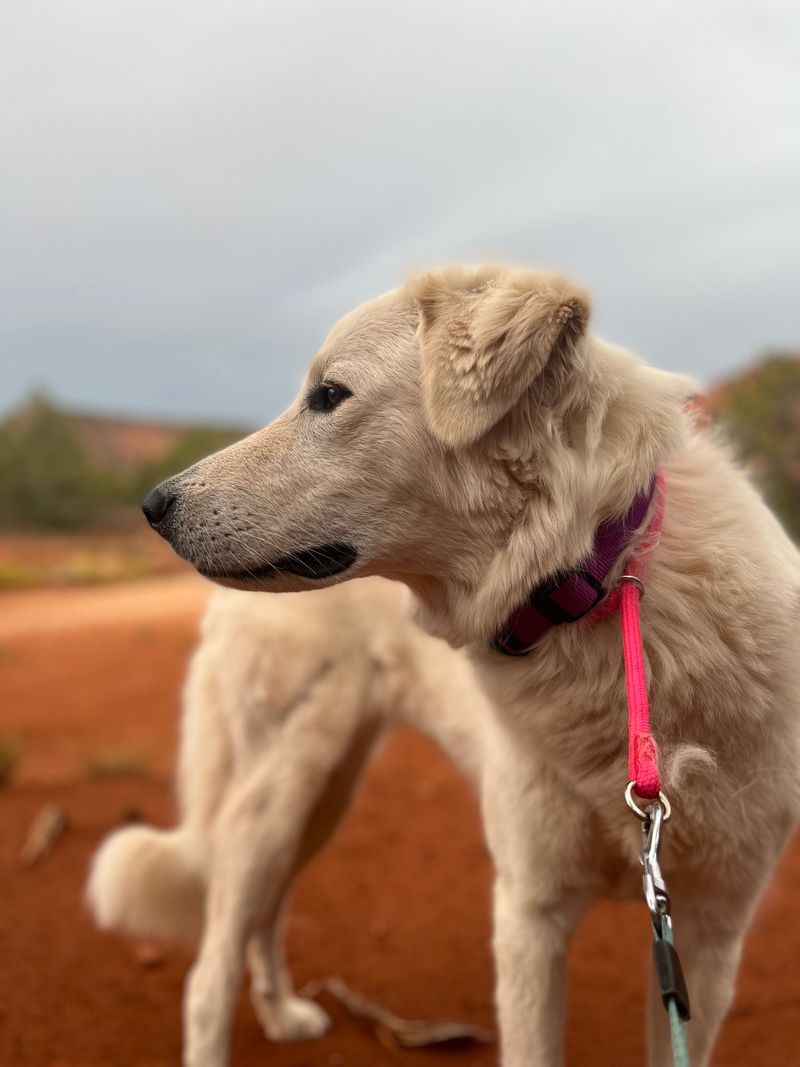
Doors may open often when a household moves into shelter. A leash helps you guide your dog without relying on a rushed grab.
Keep a spare collar nearby in case the everyday one breaks or goes missing.
Check the collar’s fit as your dog grows or changes weight. Attach current identification, and practice clipping the leash on calmly.
Never leave a dog tied up unattended in a shelter or evacuation area.
6. Keep Identification Details in the Emergency Kit
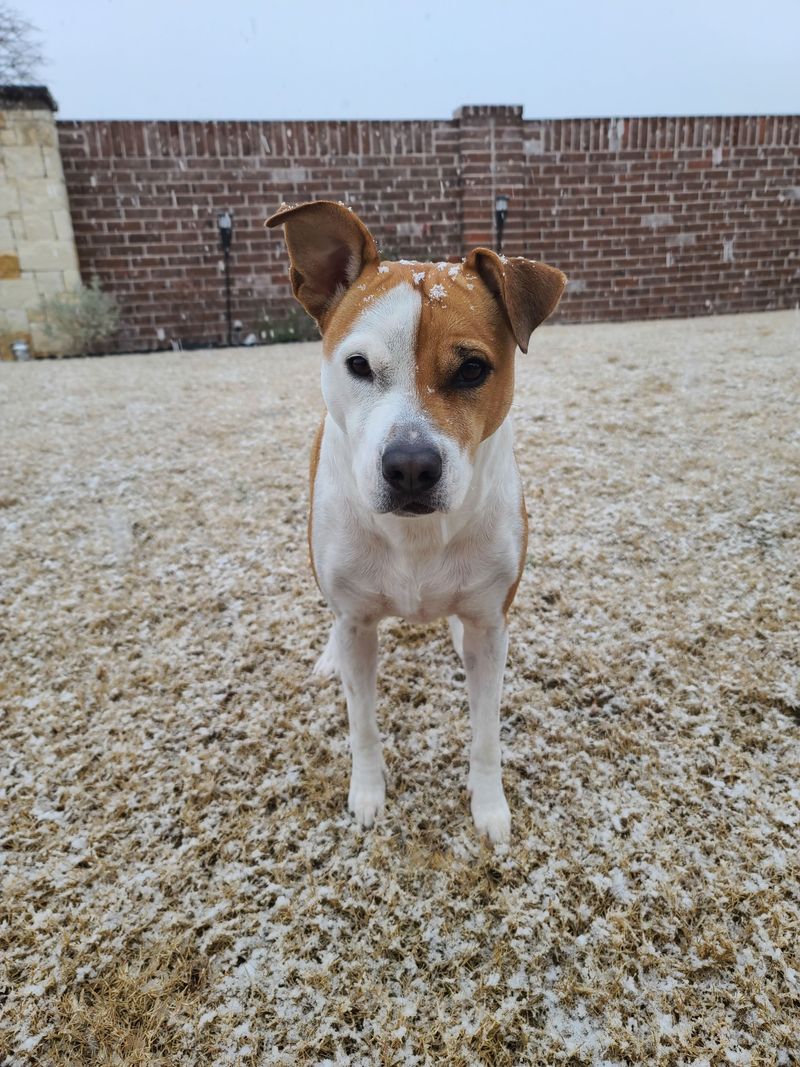
A clear photo can help others recognize your dog if you become separated. Add recent pictures that show their face and full body.
Write down your phone number, a backup contact, and your dog’s microchip number, if they have one.
Confirm that the microchip registry has your current contact details. Keep paper copies in a sealed pouch, since your phone may lose power.
Avoid posting private contact information where strangers can easily see it.
7. Store Any Needed Medications

Daily medicine deserves a spot you can reach without searching. Ask your veterinarian how to keep an appropriate emergency supply for your dog.
Store each medicine in its labeled container with clear instructions and a current schedule.
Check storage directions, since some medicines need temperature control. Rotate supplies before they expire, and never change a dose on your own.
Include your veterinarian’s contact information in case questions come up while you are away.
8. Pack a Basic Pet First-Aid Kit
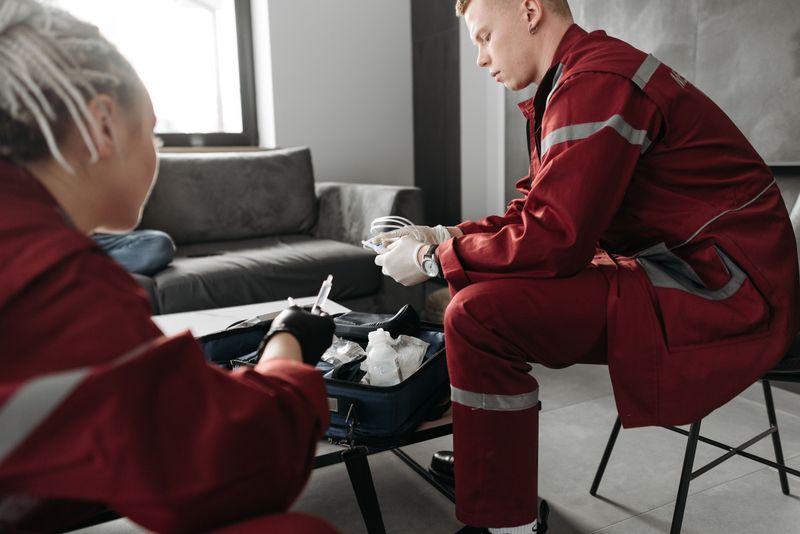
Small problems are easier to handle when basic supplies are together. Pack gauze, nonstick pads, bandage wrap, gloves, and a pet-safe thermometer.
Add any items your veterinarian recommends for your dog’s needs.
Keep the kit organized, and learn what each item is for before a storm. First aid supports care until you can reach a professional.
Call a veterinarian for injuries, illness, or advice before giving any medicine not prescribed for your dog.
9. Bring Waste Bags and Cleaning Supplies
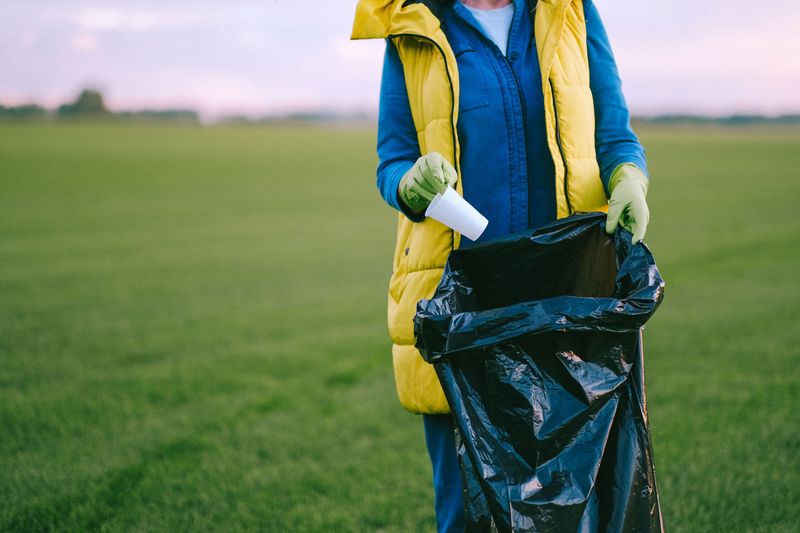
A tidy shelter is more comfortable for people and pets. Pack plenty of waste bags, paper towels, and sealable trash bags.
A small bottle of pet-safe cleaner helps with spills, but follow its label directions.
Choose a place outside for bathroom breaks when conditions are safe. Keep your dog leashed, and follow local instructions about leaving shelter.
If going outside must wait, an absorbent pad can make cleanup simpler in a designated spot.
10. Keep Towels and a Dry Blanket Ready
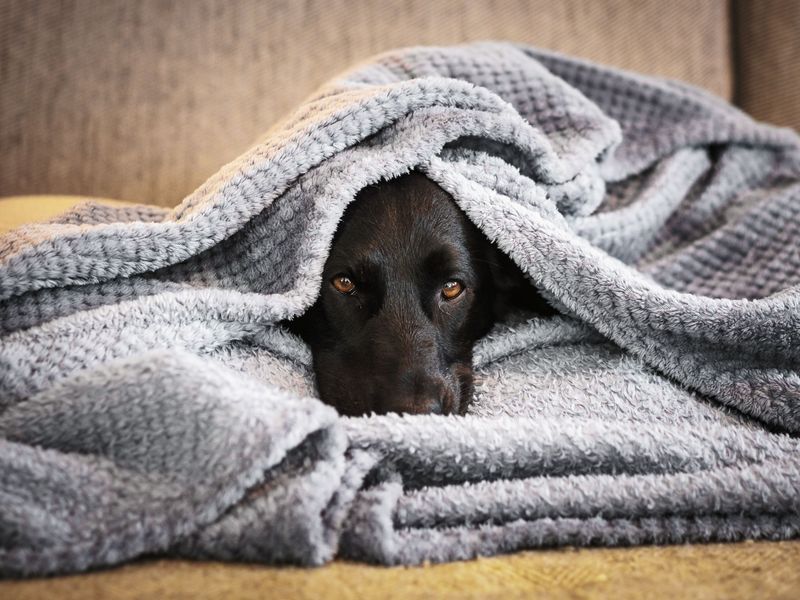
Wet paws can make a small shelter feel messy fast. Set aside clean towels for drying your dog and wiping their feet.
A lightweight blanket gives them a familiar resting place on a hard floor.
Store these items in a dry bag or closed bin. Check them after each use, and wash anything damp before packing it again.
In warm weather, let your dog move away from the blanket if they prefer cooler flooring.
11. Pack Familiar Comfort Items

Your dog’s favorite toy can make an unfamiliar routine feel a little more normal. Pack a washable toy, a small mat, or another safe item they already enjoy.
Choose something sturdy rather than a toy with loose pieces.
Keep comfort items close, but leave room for water, food, and safe movement. Some dogs prefer quiet company over toys.
Watch what helps your dog settle during practice visits, then build the kit around that.
12. Store a Waterproof Emergency Folder

Paperwork matters most when it is hard to find. Place vaccination records, medical notes, and your veterinarian’s contact details in a waterproof folder.
Include a recent photo and a list of medicines or special care needs.
Make copies rather than storing your only originals in the kit. Some boarding facilities and shelters may request records, but rules vary by location.
Check local guidance before storm season, and update the folder after each veterinary visit.
13. Include Calming Supplies for Storm Stress

Thunder sounds different to every dog. A familiar mat or properly fitted calming wrap may help some dogs settle.
Try any new item on an ordinary day, so you can see whether your dog accepts it.
Keep your voice steady and offer a quiet place near you. Avoid giving supplements or medicine without veterinary advice, especially if your dog takes other drugs.
If storm fear is strong, ask your veterinarian about a tailored plan ahead of time.
14. Keep a Flashlight for Dog Care
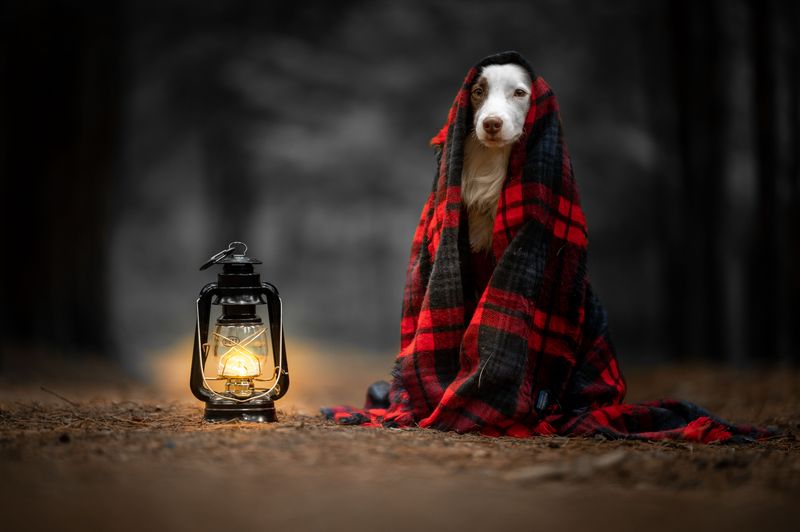
Finding a dropped leash is tricky when the lights go out. Keep a flashlight where you can grab it on the way to shelter.
A hands-free headlamp can make filling bowls or checking your dog’s collar easier.
Store spare batteries if your light needs them, or follow the charging schedule for rechargeable models. Test the light during regular kit checks.
Aim the beam toward the floor rather than directly into your dog’s eyes.
15. Prepare for Evacuation With Your Dog
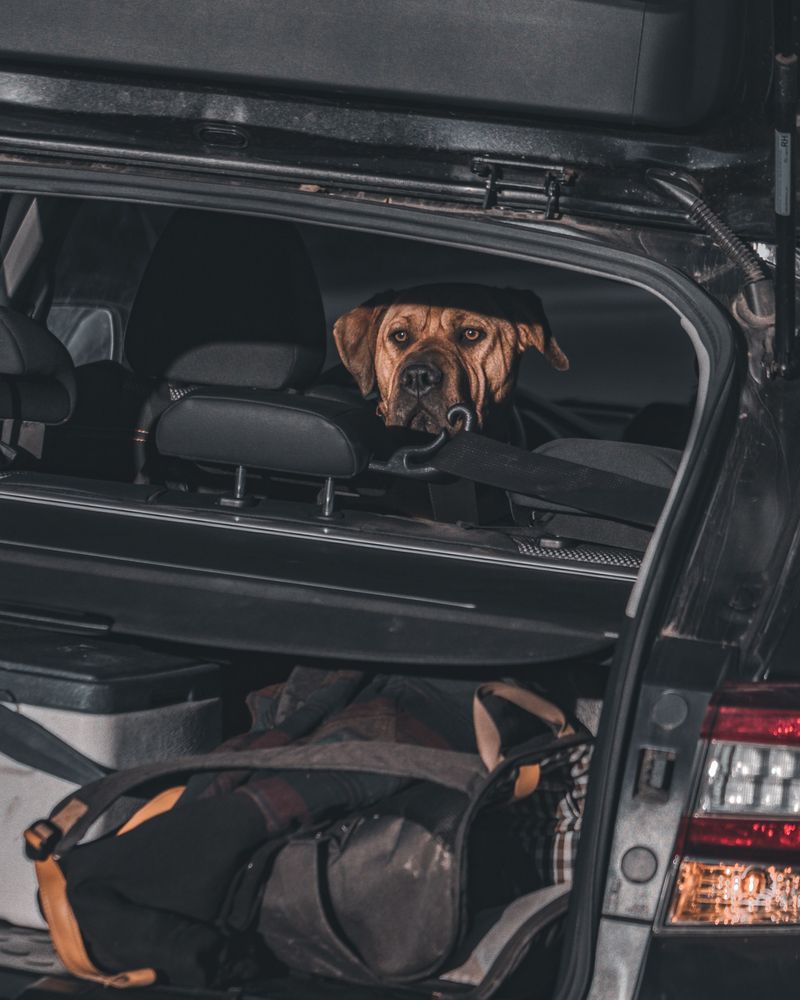
Sheltering at home is not always the plan. Keep your dog’s supplies together in a bag you can carry to your vehicle.
Check which nearby hotels or shelters accept pets, since policies differ.
Plan a route and a backup destination before weather threatens. Follow official local evacuation instructions, and never assume a public shelter can house your dog.
If you need help planning, ask local emergency management or animal control about available options.
16. Check the Kit Before Texas Storm Season
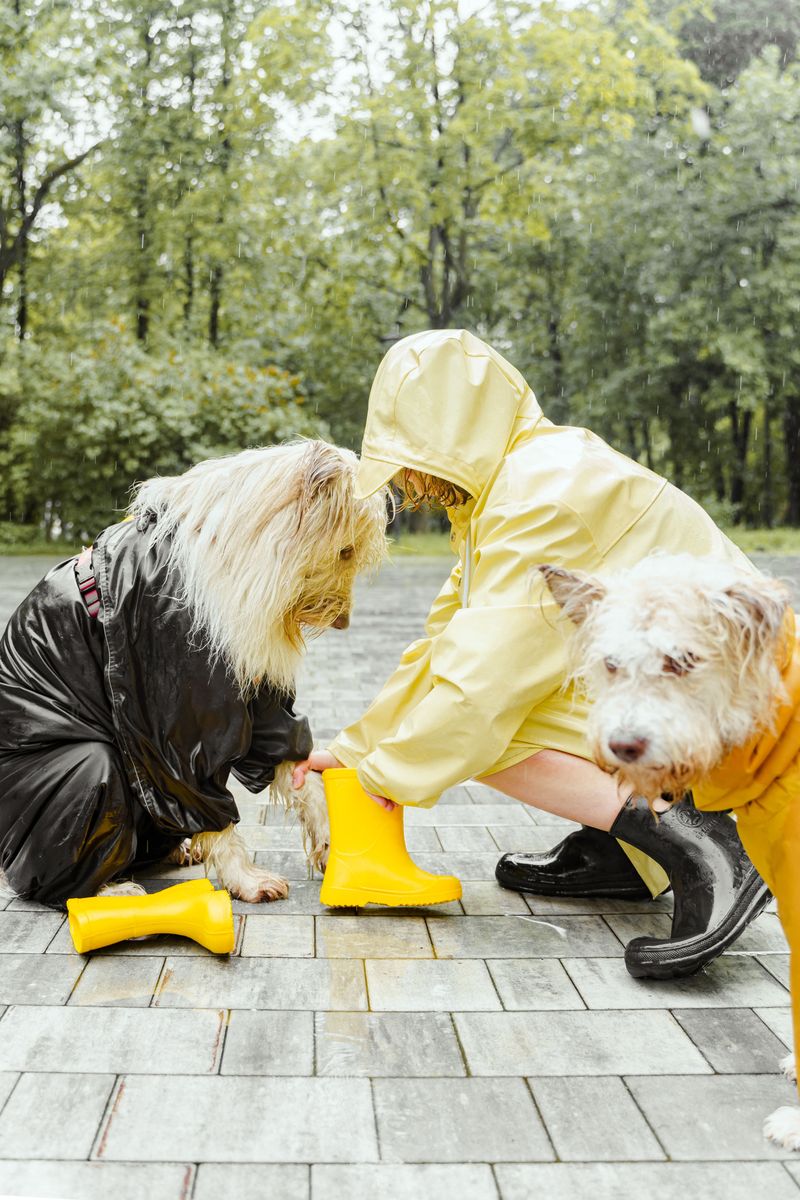
A good kit stays useful only when its contents stay current. Before storm season, check food dates, water containers, batteries, medicine, and contact information.
Confirm that your dog’s collar and carrier still fit.
Texas weather risks vary by area, so review guidance from your local emergency office. Put a reminder on your calendar for another check later.
With the basics ready, you can focus on staying together and following trusted updates when conditions change.