17 Alabama Road-Trip Essentials For Dogs During Hot, Humid Weather
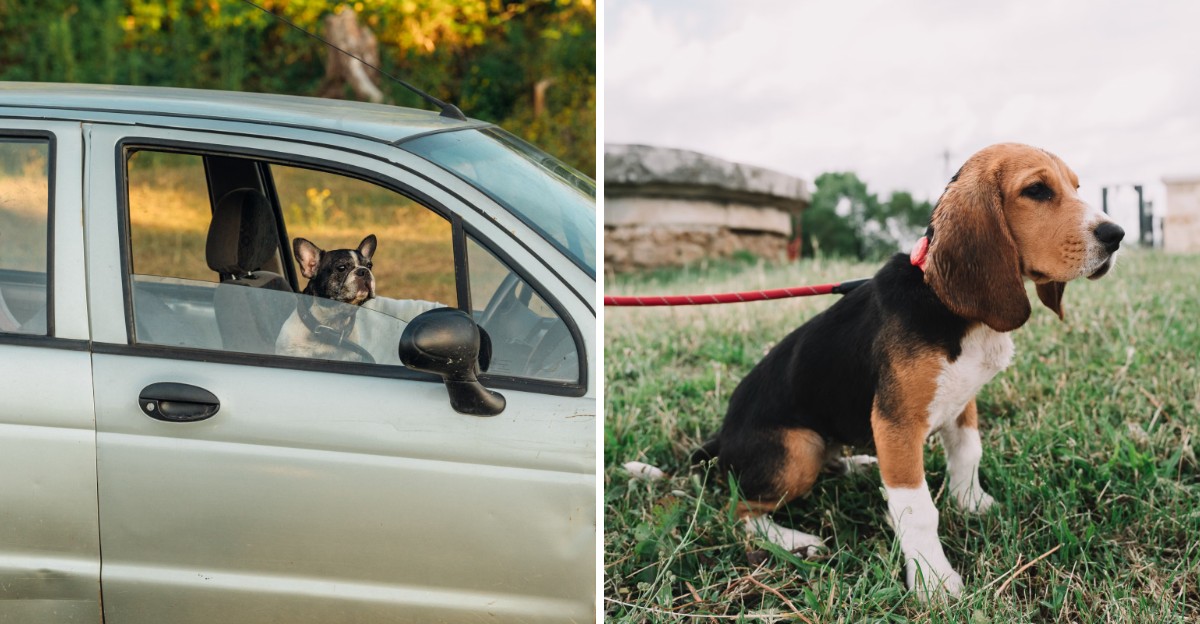
Alabama road trips can mean shady trails, sunny coastlines, and plenty of time together with your dog. Summer heat and sticky air call for a little extra planning, especially between stops.
Before you head toward Birmingham, Mobile, or a quiet lakeside campground, pack for comfort as well as fun. A few thoughtful supplies and flexible plans can help your dog stay comfortable throughout the ride.
1. Plan Frequent Water Breaks
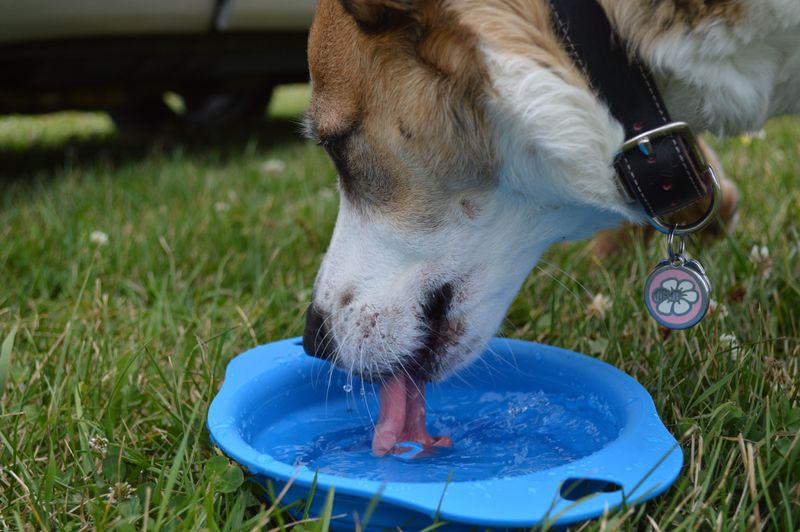
A thirsty traveler cannot tell you when the next exit feels too far away. Offer fresh water before departure, during regular stops, and after any walking.
Carry more than you expect to need, including a reserve for traffic delays.
Let your dog drink comfortably rather than forcing water into their mouth. Watch for changing needs as temperatures rise.
Ask your veterinarian about suitable hydration plans if your dog has medical conditions that affect fluid intake requirements.
2. Pack A Dedicated Dog Water Bowl
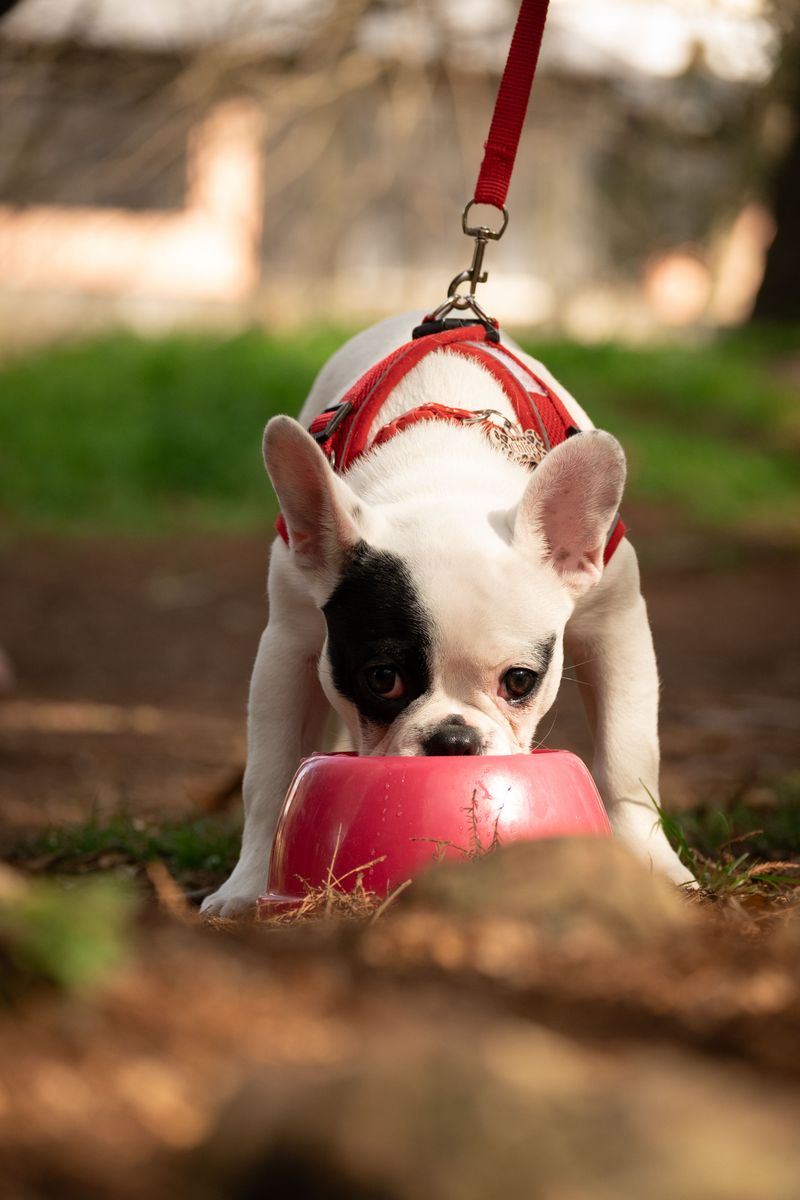
Spilled water is frustrating when the nearest refill is miles away. Choose a stable bowl your dog already knows how to use.
Collapsible bowls save space, while sturdy bowls may work better for eager drinkers.
Keep the bowl beside your water supply, not buried beneath luggage. Wash it regularly and empty leftover water before packing it away.
Avoid shared public bowls when possible, since clean personal equipment helps limit exposure to germs during busy travel stops.
3. Never Leave A Dog Alone In A Parked Car
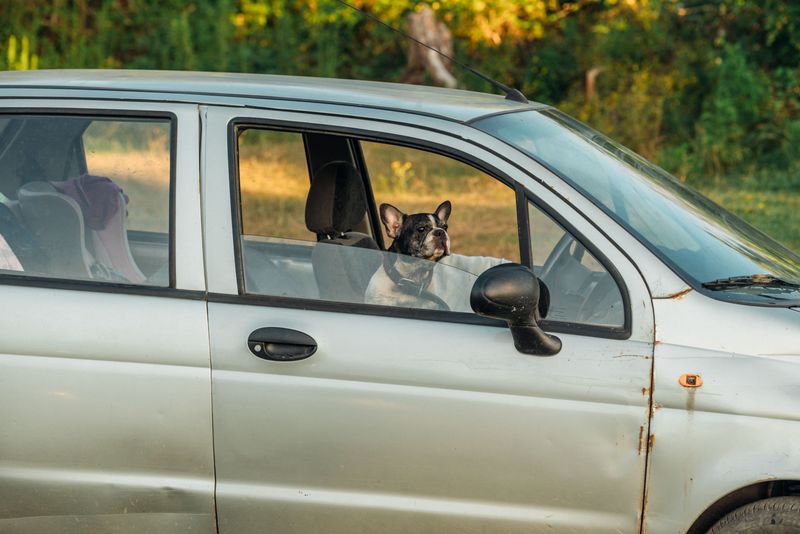
A quick errand can become longer than expected when checkout lines grow. Bring another adult who can stay with your dog, or choose stops where dogs can accompany you.
Parked vehicles can heat quickly, even with windows partly open.
Shade does not make an unattended car safe. Do not depend on remote cooling systems without supervision.
If a destination cannot accommodate your dog safely, change the plan instead of leaving them behind during your visit there.
4. Protect Paws From Hot Pavement
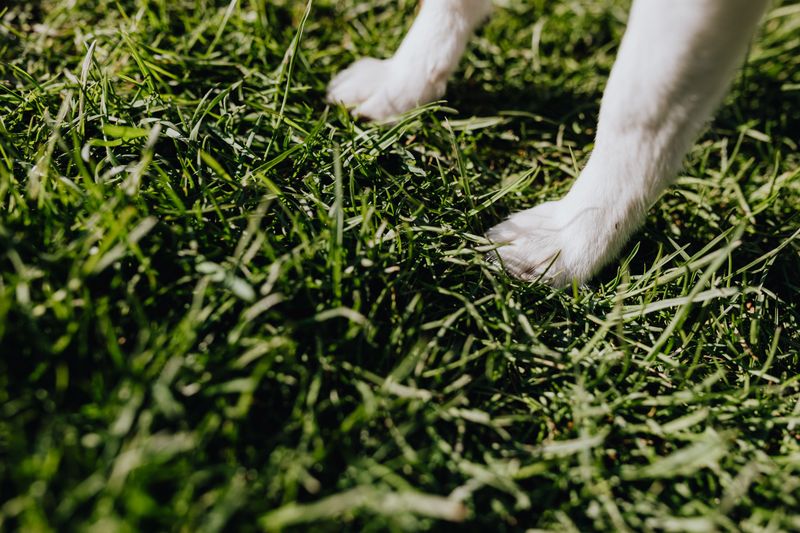
Sunlit sidewalks can feel much hotter than the surrounding air. Choose grass or shaded paths whenever possible, especially near parking lots.
Briefly checking pavement with your hand can flag heat, but it cannot guarantee paw safety.
Well fitted boots may help if your dog accepts them before travel. Avoid forcing unfamiliar footwear during a stressful stop.
Check paws for redness, tenderness, or damaged pads, and contact your veterinarian if your dog limps or seems uncomfortable afterward.
5. Schedule Longer Walks During Cooler Hours
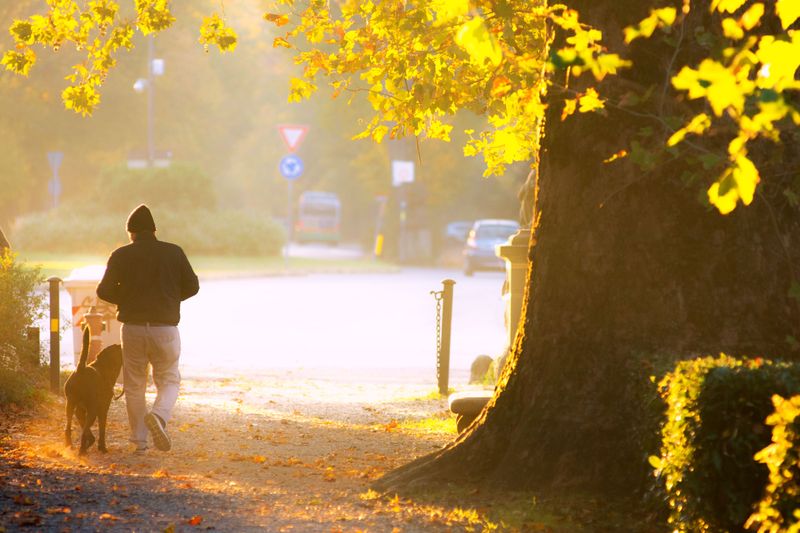
Morning light often makes a better walking partner than afternoon sunshine. Schedule longer outings near sunrise or later when temperatures actually drop.
Alabama evenings can stay warm, so check conditions rather than trusting the clock alone.
Use midday stops for short bathroom walks instead of exercise goals. Pick routes with easy turnarounds and nearby shelter.
Older dogs, puppies, and dogs with breathing difficulties may need shorter outings even during cooler hours, based on your veterinarian’s advice.
6. Watch For Signs Of Overheating
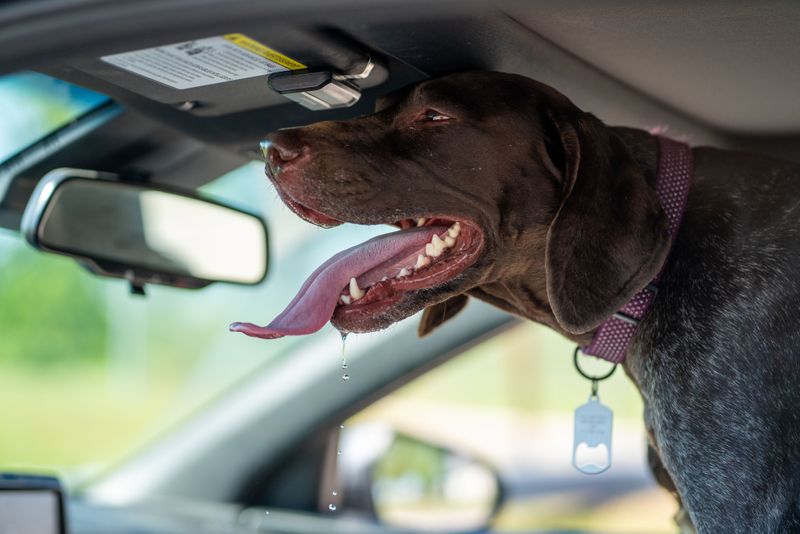
Changes in your dog’s behavior deserve more attention than your planned arrival time. Heavy panting, unusual drooling, weakness, vomiting, or confusion can signal overheating.
Stop activity immediately and move into air conditioning or a cooler shaded space.
Wet your dog with cool water and provide airflow while contacting a veterinarian. Avoid ice baths and never force drinking.
Suspected heatstroke needs urgent veterinary care, even if your dog appears better after cooling during the next few minutes.
7. Keep Cooling Supplies Within Reach
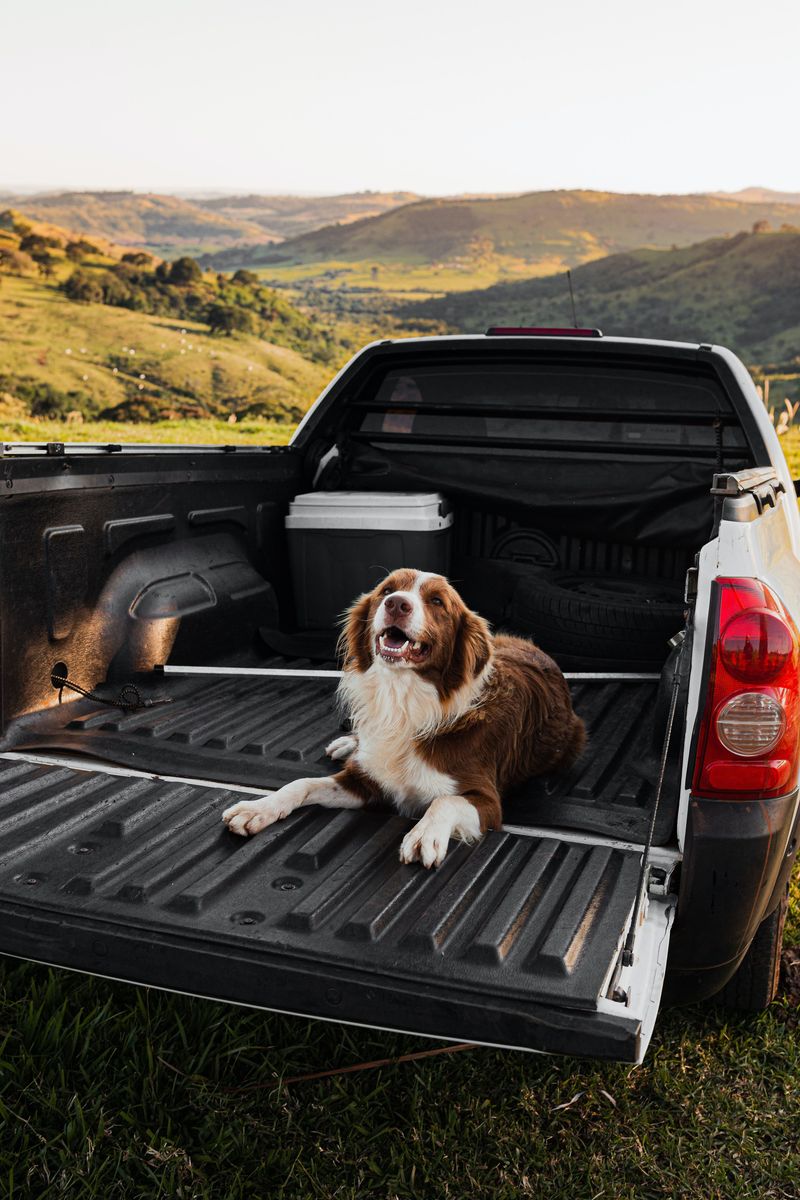
Useful gear belongs where you can grab it without unpacking the trunk. Store fresh water, clean towels, and a portable fan near your dog’s travel area.
Cooling mats can offer comfort when used according to their instructions.
Never treat accessories as replacements for air conditioning or rest. For cooling, apply water to the body and encourage airflow.
If your dog shows signs of heatstroke, use towels wetted with room-temperature water gently around the neck, armpits, and groin, and rewet or replace them every few minutes while seeking veterinary care.
8. Choose Shaded Rest Stops
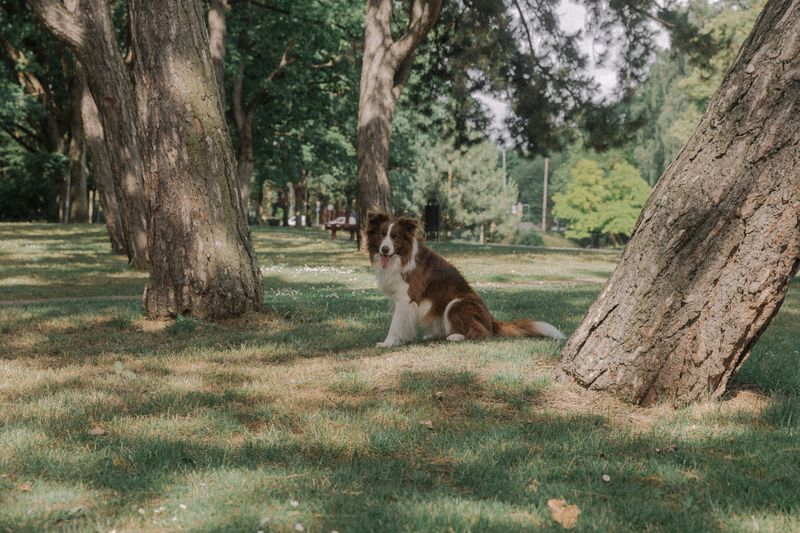
A leafy rest area offers more comfort than an exposed stretch of asphalt. Before traveling, identify stops with shaded grass and room to walk safely.
Check posted pet rules and keep your dog leashed wherever required.
Look for shade that covers the ground, not merely a nearby picnic table. Trees and shelters help, but humid air can still limit cooling.
Shorten your break if your dog remains uncomfortable, then return to the vehicle’s cooled interior promptly.
9. Check The Day’s Weather Before Leaving
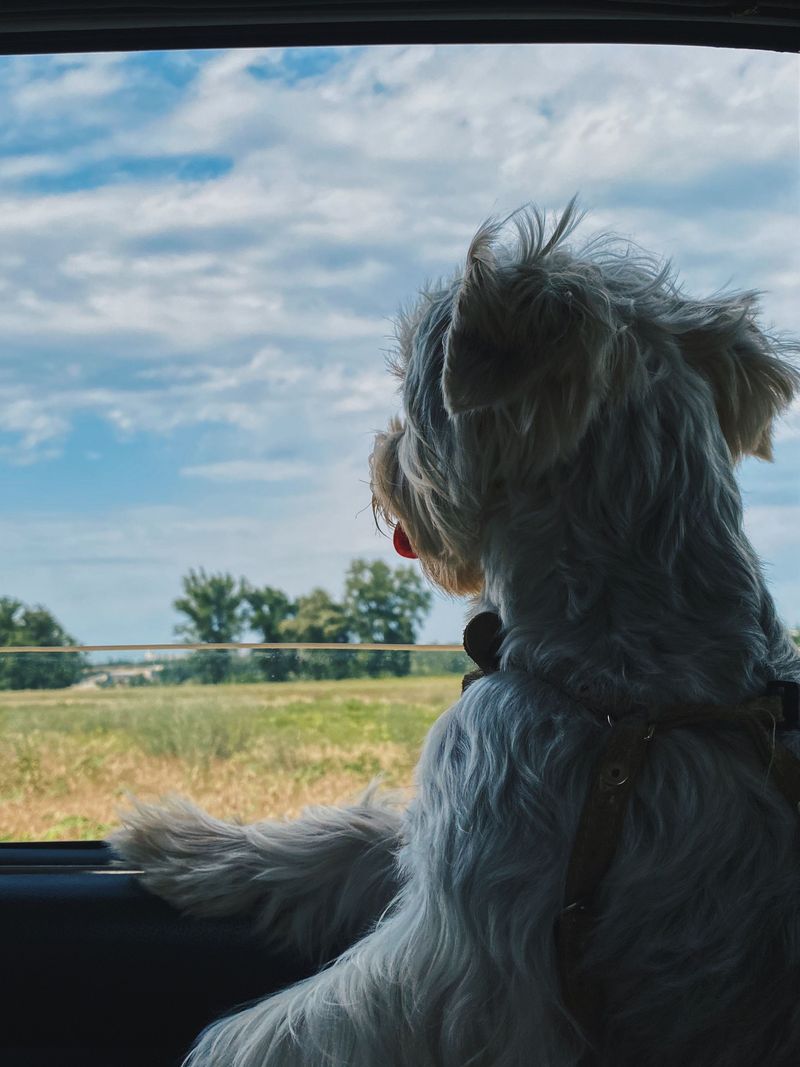
Your driveway forecast may not match conditions near Mobile or the Tennessee border. Review temperatures, humidity, heat alerts, and storm forecasts along your route.
The National Weather Service provides useful local forecasts and weather warnings.
Build flexibility into departure times and outdoor plans. Heat index describes human conditions, so do not treat it as a dog safety cutoff.
Thunderstorms can also disrupt stops, making backup indoor arrangements helpful when afternoon weather changes during your Alabama drive.
10. Give Dogs A Safe Place To Ride
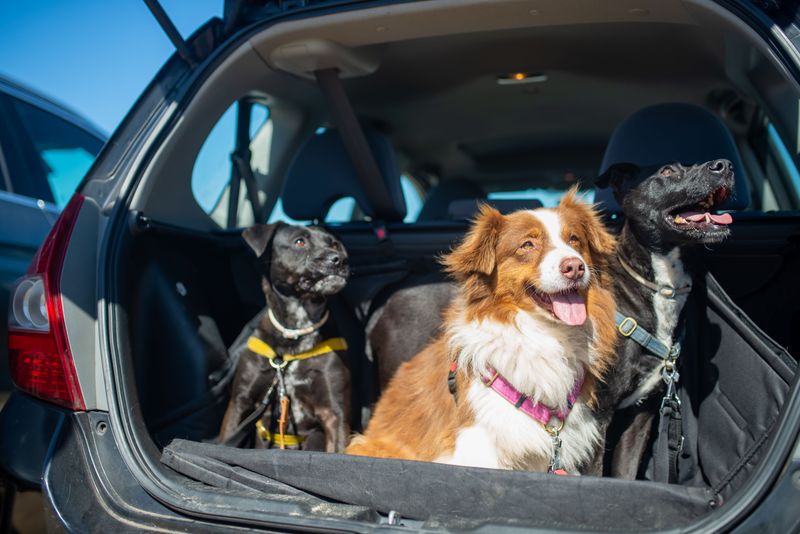
A comfortable ride starts with a secure spot away from the driver’s controls. Use an appropriately sized, secured crate or a properly fitted, crash tested vehicle harness.
Follow the manufacturer’s installation instructions and check attachments before departure.
Keep cool air flowing toward your dog’s space without blocking vents with bags. Do not allow heads outside windows or riding in open truck beds.
Practice short drives first so your dog can settle before tackling longer Alabama travel days.
11. Keep Identification And Vaccination Records Handy
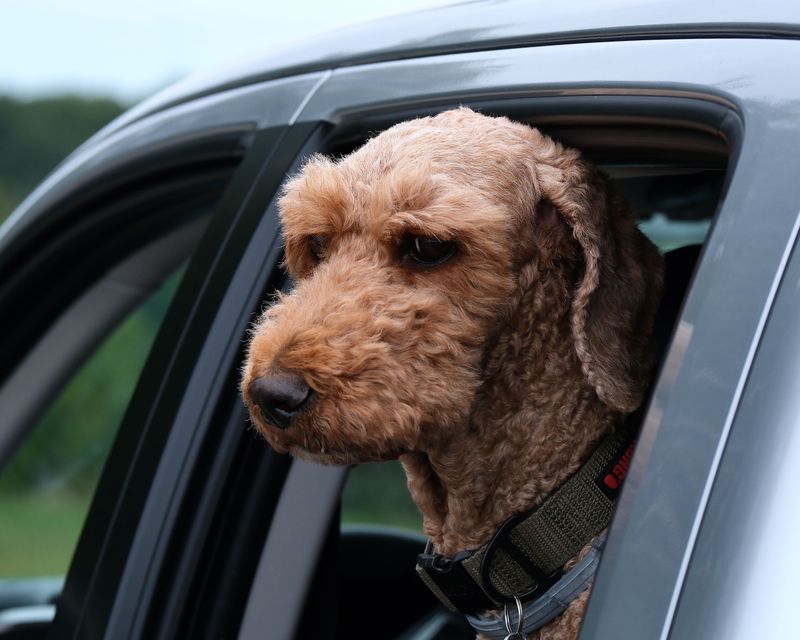
Travel feels simpler when your dog’s paperwork is already organized. Attach readable identification with your current phone number, and confirm microchip registration details are accurate.
Save a recent photo on your phone for easy access.
Carry vaccination records, especially rabies documentation, plus your veterinarian’s contact information. Alabama requires dogs to be vaccinated against rabies, with vaccination required when a dog reaches three months of age and according to the vaccine’s required intervals.
Lodging, boarding facilities, and destinations may request additional records, so confirm their policies before setting out together today.
12. Pack Familiar Food And Treats
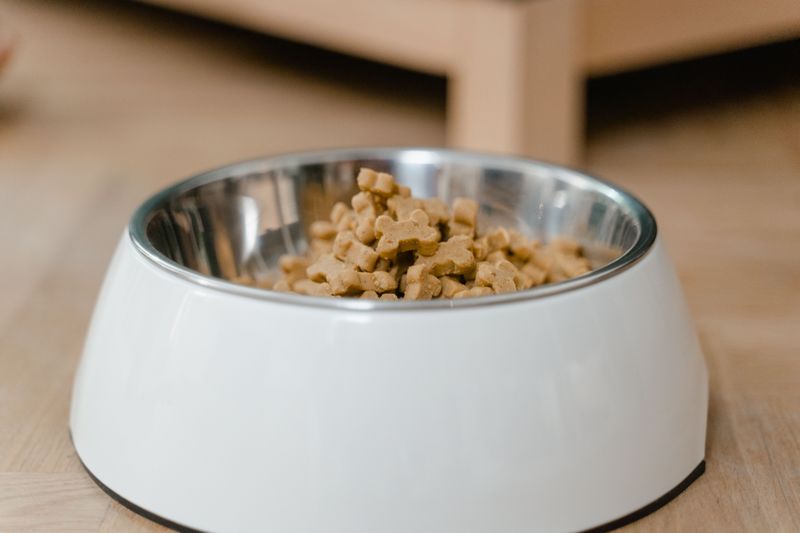
New scenery is exciting enough without a sudden menu change. Bring your dog’s regular food in measured portions, plus a little extra for delays.
Store it securely away from heat, moisture, and curious noses.
Keep treats modest and avoid sharing unfamiliar roadside snacks. Follow your usual feeding routine when possible, allowing calm time around meals.
Ask your veterinarian about meal timing if your dog experiences motion sickness, rather than skipping food or changing portions without guidance.
13. Bring Medications And Basic First-Aid Supplies
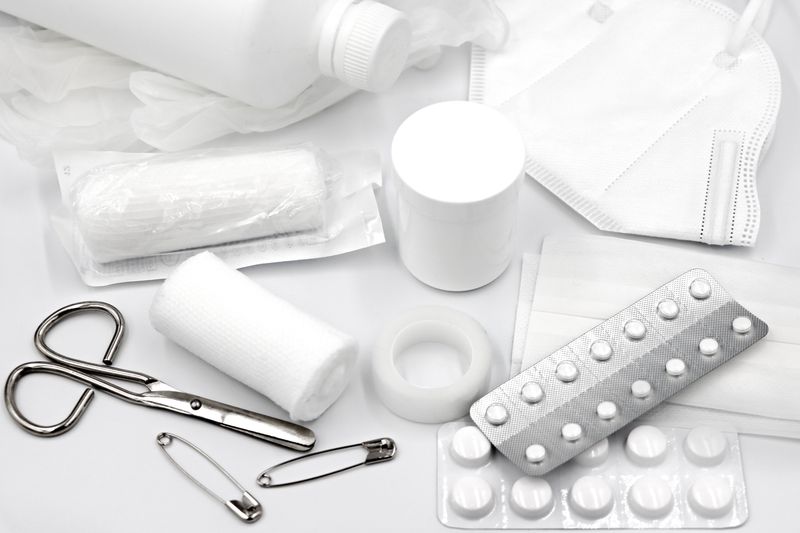
Small problems are easier to handle when supplies travel with you. Pack prescribed medications in labeled containers, following storage instructions carefully.
Alabama heat can affect some products, so ask your veterinarian about transport requirements.
Add gauze, saline, tweezers, and your veterinarian’s recommended essentials to a compact kit. Keep medication schedules written down for anyone helping with care.
Never give human pain medicines without veterinary direction, and remember that first aid supports professional care rather than replacing it.
14. Plan Stops Around Your Dog’s Bathroom Needs
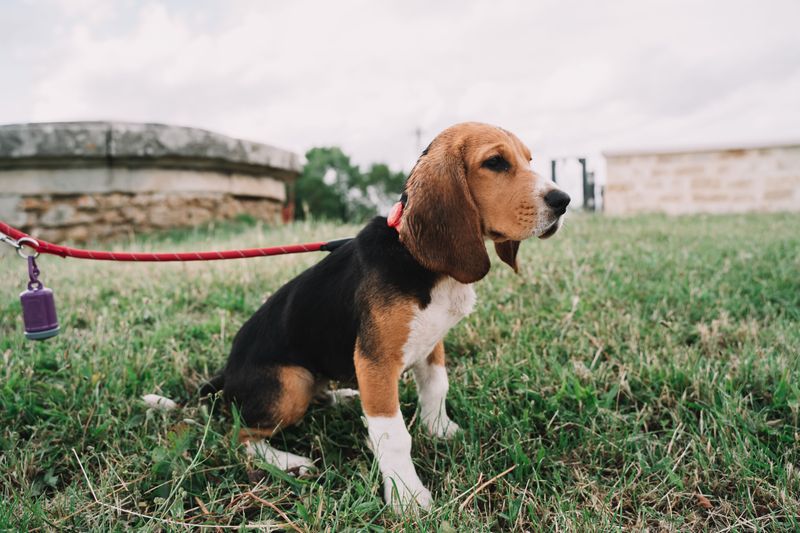
Your dog’s usual routine is a better guide than a fixed mileage target. Puppies, seniors, and dogs with certain conditions may need more frequent bathroom stops.
Plan accessible exits before entering long stretches with limited services.
Carry waste bags and clean up promptly, even in quiet grassy areas. Keep the leash attached before opening vehicle doors.
Choose cooler ground for each break, and allow enough sniffing time without extending the stop beyond your dog’s comfort in heat.
15. Keep Your Dog Away From Standing Water
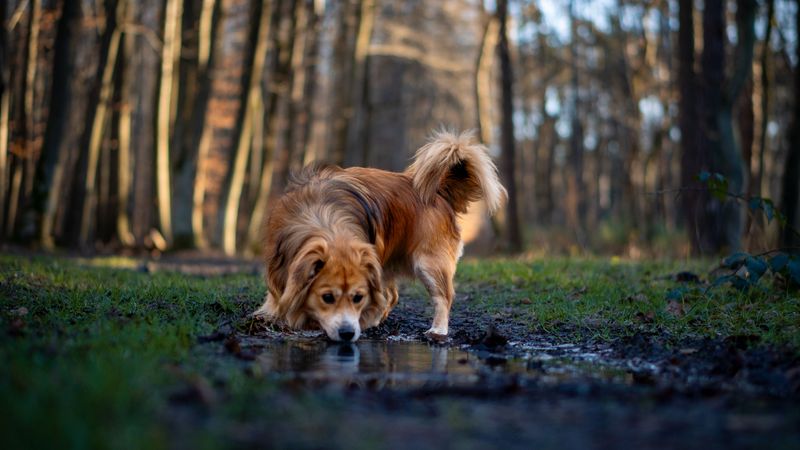
A roadside puddle may look refreshing, but clean drinking water is the safer choice. Standing water can contain germs, chemicals, or other unwanted material.
Prevent drinking from puddles, drainage ditches, and unfamiliar ponds during stops.
Check local advisories before allowing swimming, particularly where harmful algae may occur. Water appearance alone cannot confirm safety.
Ask your veterinarian whether leptospirosis vaccination fits your dog’s needs, and rinse after approved swimming while preventing your dog from swallowing untreated water nearby.
16. Adjust Activity For Humid Conditions
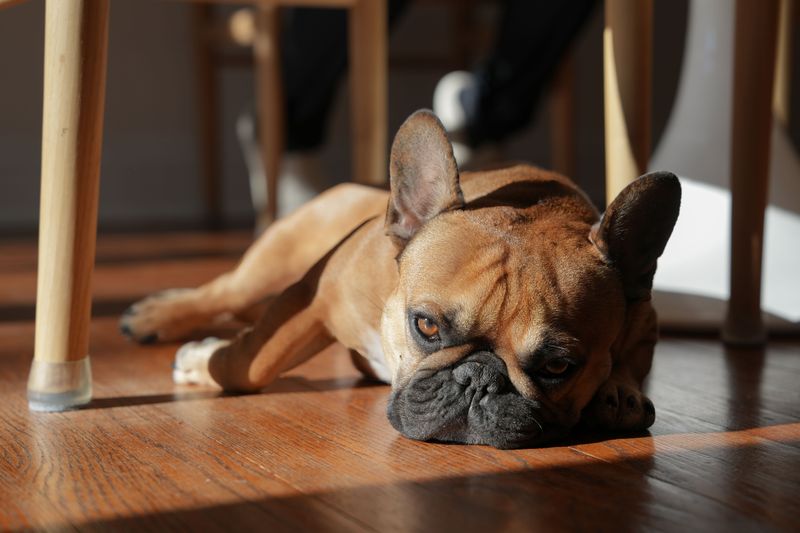
Sticky air changes how much effort a familiar walk can take. Dogs release much of their body heat through panting, which becomes less effective in high humidity.
Reduce distance, slow the pace, and offer frequent rests.
Skip strenuous fetch sessions when conditions feel muggy, even beneath trees. Flat faced dogs and dogs with health concerns often need extra caution.
Replace outdoor exertion with quiet indoor games, and let your dog’s comfort guide plans instead of mileage goals.
17. Keep An Emergency Veterinary Plan
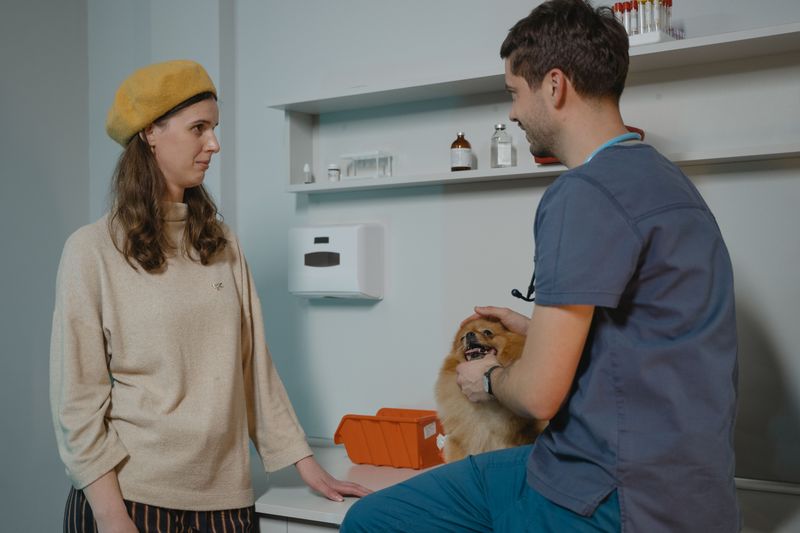
Knowing where to turn helps you stay calm when plans change. Save emergency veterinary contacts along your route and near your overnight stops.
Verify current hours, since not every clinic provides overnight care.
Keep directions available offline, along with medical records and payment options. Call ahead when possible so the clinic can guide your next steps.
With water, cool breaks, and a backup plan ready, you can enjoy Alabama miles together with confidence and less worry.