17 Louisiana Historic Park Grounds With Outdoor Areas Open To Leashed Dogs
Louisiana keeps its stories outside: earthen mounds older than the pyramids, oak lanes planted two centuries ago, boardwalks that hover over bayou water. The best news for dog owners is that many of these state and national historic sites welcome leashed pups on the grounds, even when the buildings stay off-limits.
A six-foot leash, a water bowl, and a bit of curiosity are all you need. Here are the spots where history and paw prints mix beautifully.
1. Audubon State Historic Site, St. Francisville
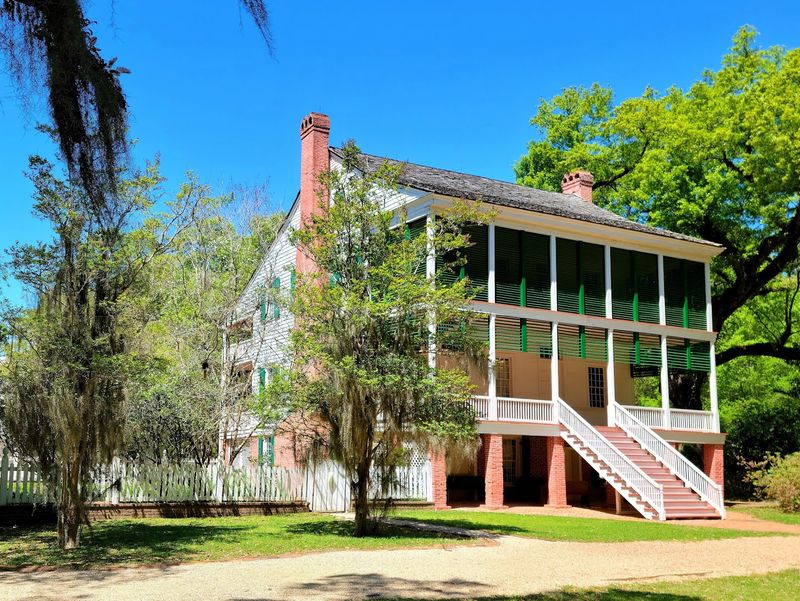
Picture the painter who once wandered these woods hunting birds with a sketchbook. Audubon State Historic Site off La.
Hwy 965 protects 100 acres of the old Oakley Plantation, where John James Audubon taught in 1821.
Leashed dogs roam the nature trail and lawns freely. Buildings, including Oakley House, stay pet-free.
Birdsong here is constant, so expect your pup’s ears to swivel nonstop. Pack water for humid afternoons.
2. Longfellow-Evangeline State Historic Site, St. Martinville
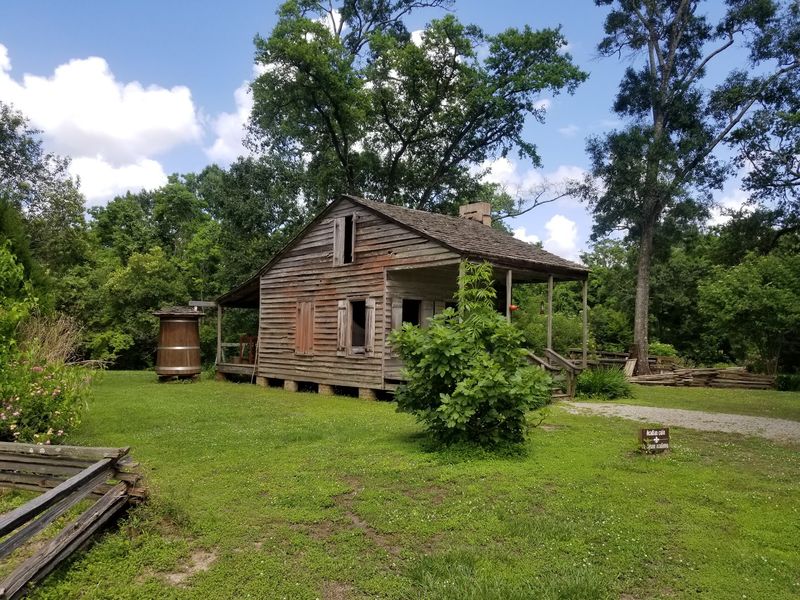
Louisiana’s very first state park sits at 1200 N. Main Street in St. Martinville, hugging Bayou Teche.
Eighty acres hold walking trails, a reproduction Acadian cabin, and a working farmstead.
Bring a leash six feet or shorter and the outdoor spaces are all yours. Indoor exhibits remain people-only.
Creole and Acadian families shaped this land. Your dog will mostly appreciate the shade and the breeze.
3. Port Hudson State Historic Site, Jackson
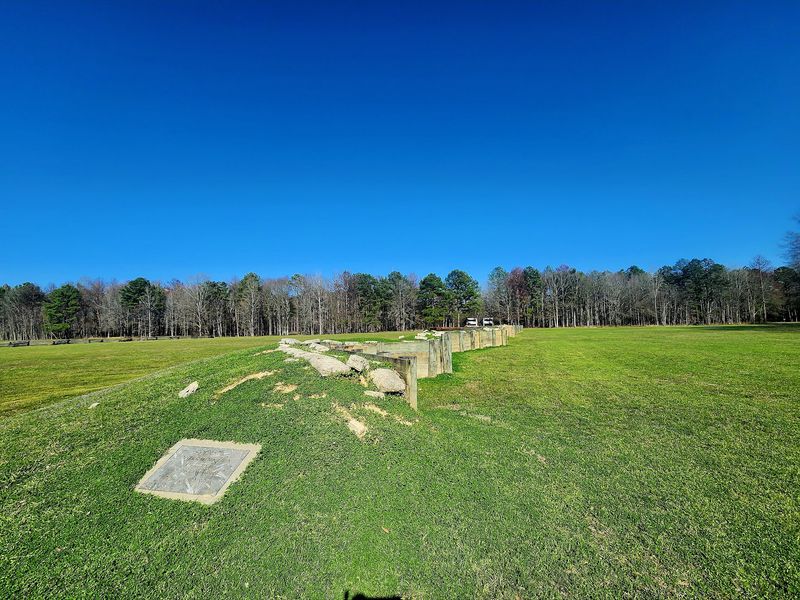
Miles of trail wind past earthen mounds, steep natural bluffs, and quiet creeks at 236 Hwy. 61 in Jackson, roughly 20 miles north of Baton Rouge.
Walkers rave about the terrain, and leashed dogs are welcome throughout the grounds. Buildings stay off the itinerary for pets.
The 1863 siege here lasted longer than any other in American military history. Today it feels peaceful and green.
4. Poverty Point World Heritage Site, Pioneer
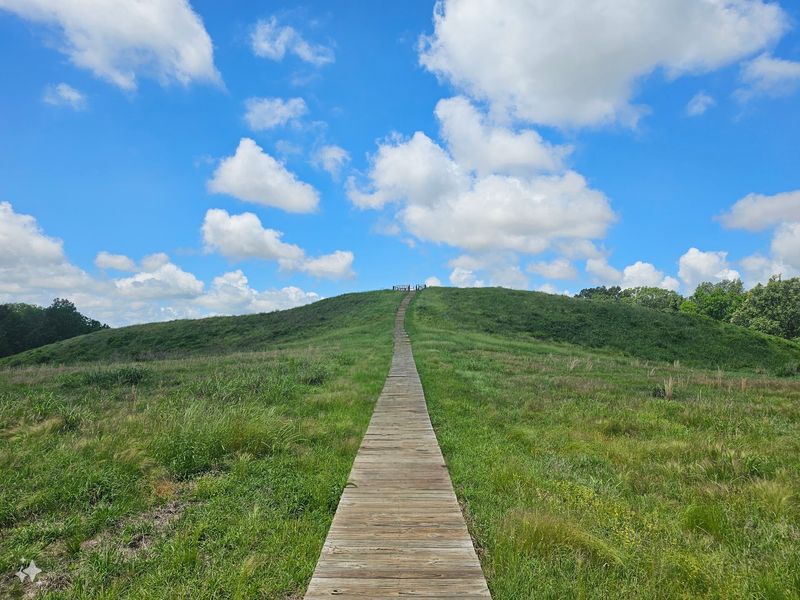
Few places let a dog stroll past earthworks raised around 1650 BCE. Poverty Point, at 6859 LA Hwy. 577 near Pioneer, carries UNESCO World Heritage status for good reason.
Pets are welcome in parking areas and along the paved roads, always restrained or leashed within six feet.
A 2.6-mile hiking route reveals the ridges and mounds. Shade is limited, so time your visit early.
5. Rosedown Plantation State Historic Site, St. Francisville
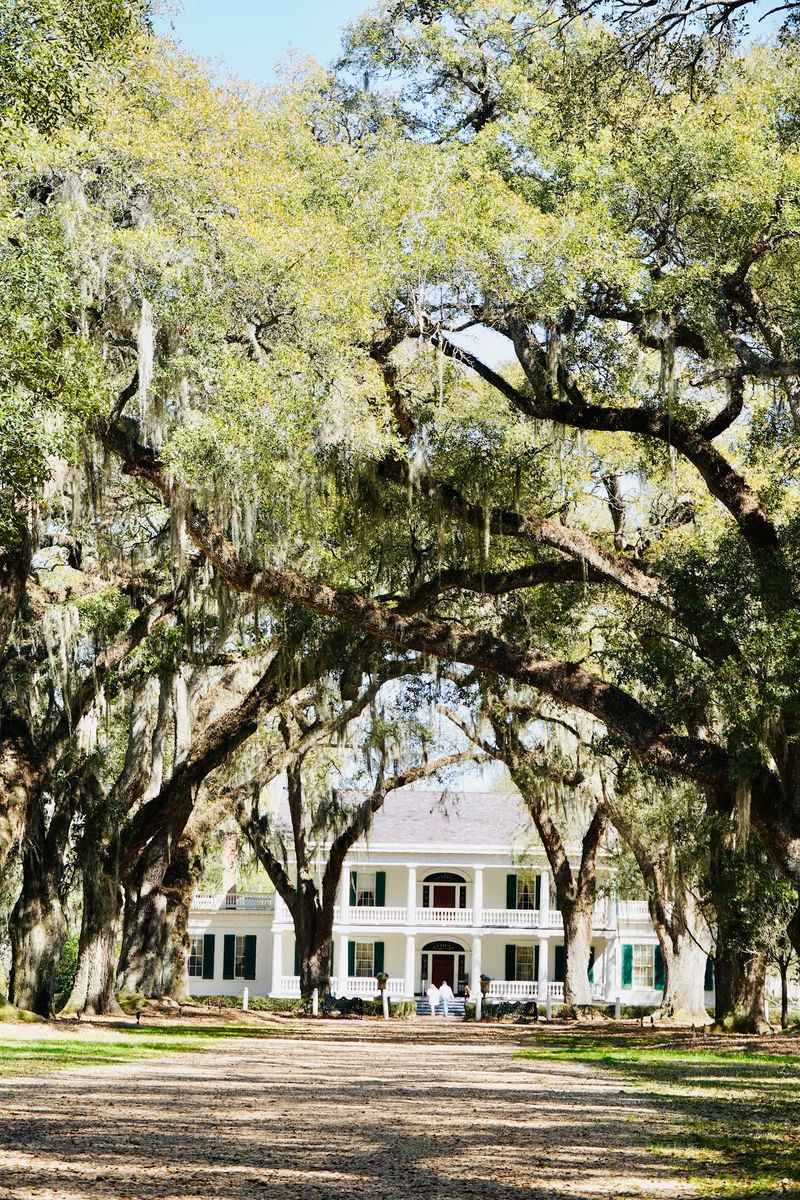
Twenty-eight acres of formal gardens, more than 100 mature live oaks, and shaded paths make Rosedown a slow-walk kind of morning. The site sits in St. Francisville along Louisiana’s Great River Road.
Leashed pets explore the wooded grounds happily. The museum and historic house interiors are not pet territory.
Gardeners planted many of these beds in the 1800s. Sniffing opportunities are, frankly, historic.
6. Fort St. Jean Baptiste State Historic Site, Natchitoches
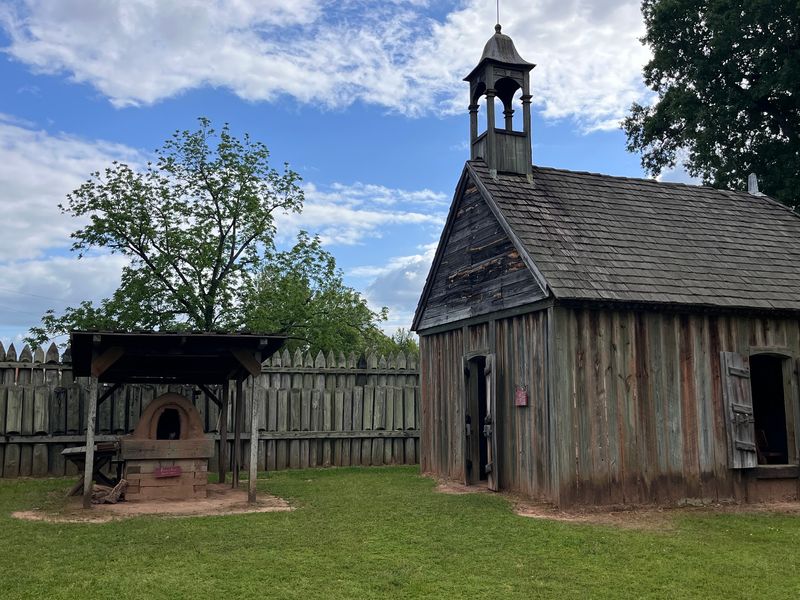
A full replica fort with timber palisades waits at 155 Rue Jefferson in Natchitoches, near the oldest permanent European settlement in the Louisiana Purchase territory, founded in 1714.
An elevated boardwalk loops the fort area, and there is a picnic spot for snack breaks.
Keep that leash under six feet and outdoor spaces are open. Indoor areas stay pet-free, as usual.
7. Forts Randolph & Buhlow State Historic Site, Pineville
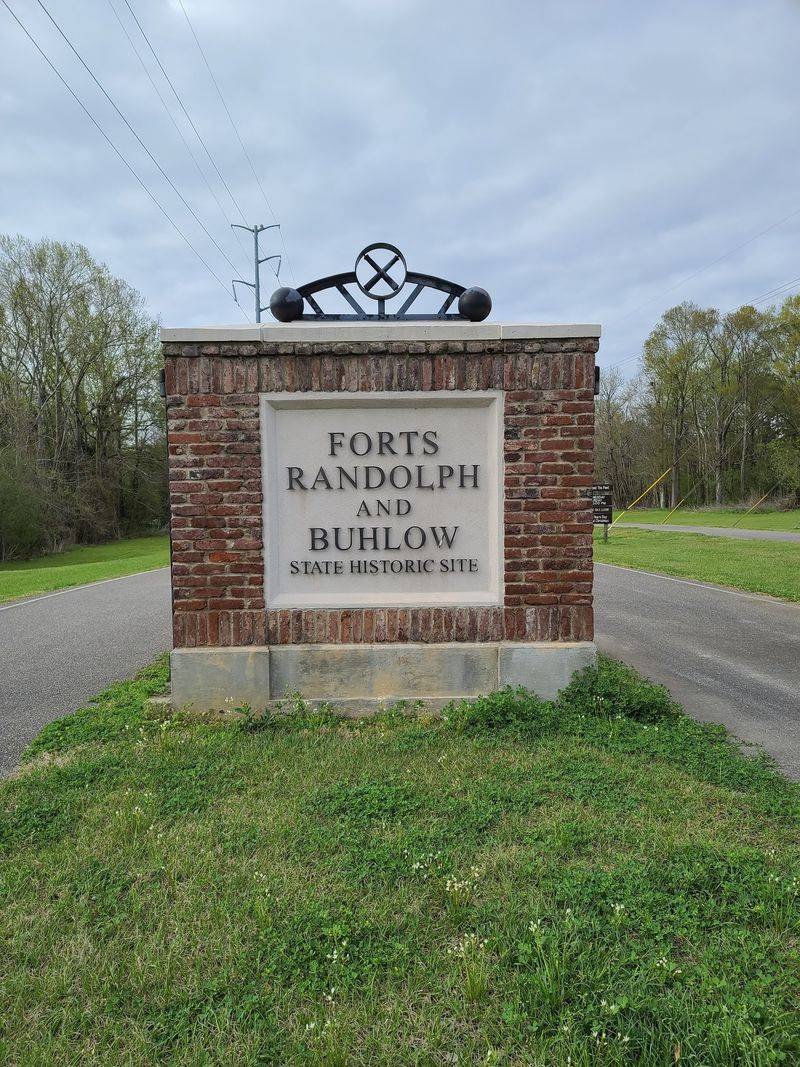
Right in downtown Pineville, the Red River slides past two preserved Civil War earthen forts from the Red River Campaign.
An elevated boardwalk rings the fort area, joined by nature trails and a wide open field built for zoomies on a leash.
Six-foot leashes outdoors, please, and no pets inside the exhibit building. The river overlook makes a fine photo stop.
8. Mansfield State Historic Site, Mansfield
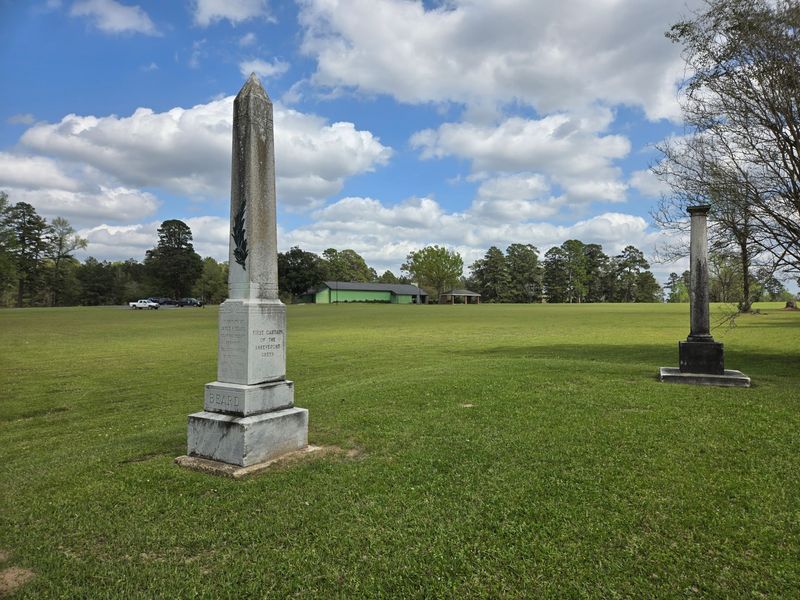
A one-mile trail at 15149 Highway 175 loops past monuments across the 1864 Battle of Mansfield ground, one of the most important engagements west of the Mississippi River.
Leashed pets are welcome on trails and developed areas, with an outdoor picnic space for lunch.
Open field means open sunshine. Bring a collapsible bowl and let your pup rest in the tree shade.
9. Centenary State Historic Site, Jackson
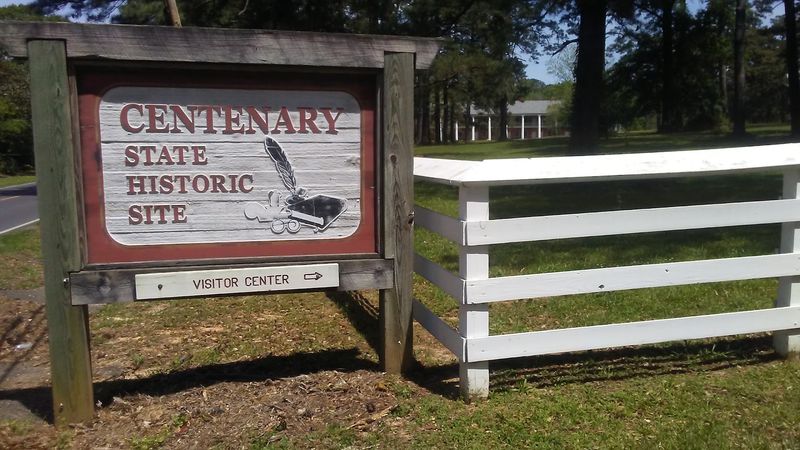
School spirit lingers at 3522 College St. in Jackson, where the West Wing dormitory and a professor’s house survive from old Centenary College.
Grounds are open for wandering, and leashed dogs on six-foot leads fit right in. Buildings remain people-only.
The site tells the story of early education in Louisiana. Quiet lawns make it an easy, low-mileage stop between bigger hikes.
10. Fort Jesup State Historic Site, Many
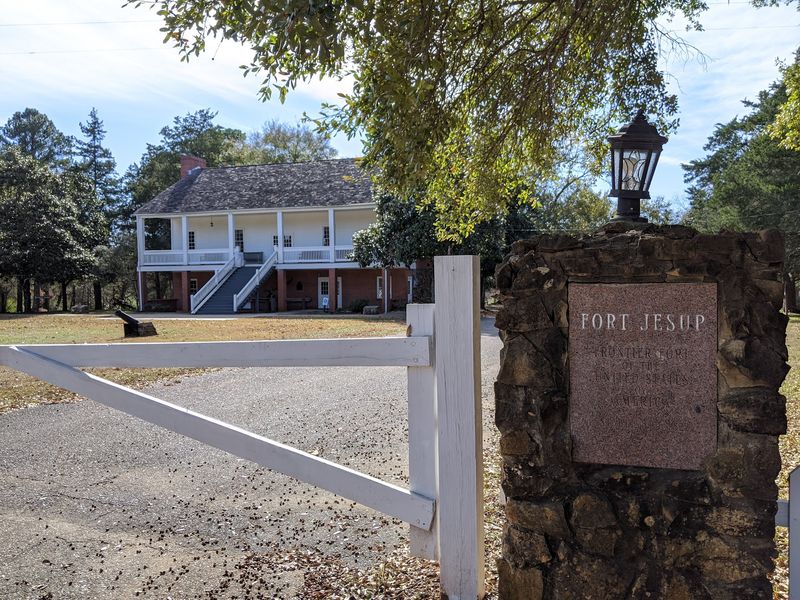
Six miles east of Many, at 32 Geoghagan Rd., stands the original 1822 kitchen and mess building, plus reconstructed officers’ quarters.
Soldiers once patrolled this Neutral Strip between the United States and Spanish Texas.
Leashed dogs join you across the grounds and picnic area, though not indoors. Guided talks cover both human history and the surrounding pine woods, so linger a while.
11. Locust Grove State Historic Site, St. Francisville
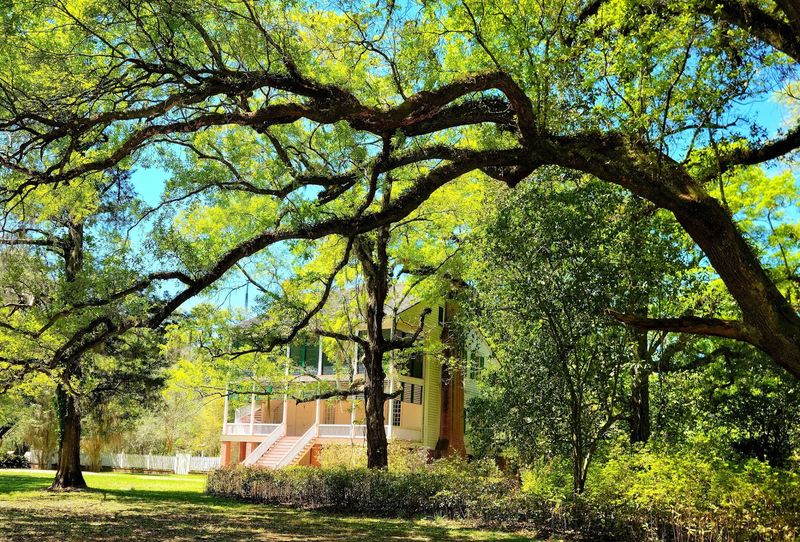
Tucked at 11348 Bains Road in St. Francisville, this small family cemetery is all that remains of Locust Grove Plantation.
Resting here is the daughter of President Zachary Taylor, who was also the first wife of Jefferson Davis.
Visits run by appointment only, so call ahead. Leashed pets on six-foot leads are fine outdoors.
Keep voices low and manners polished.
12. Rebel State Historic Site, Marthaville
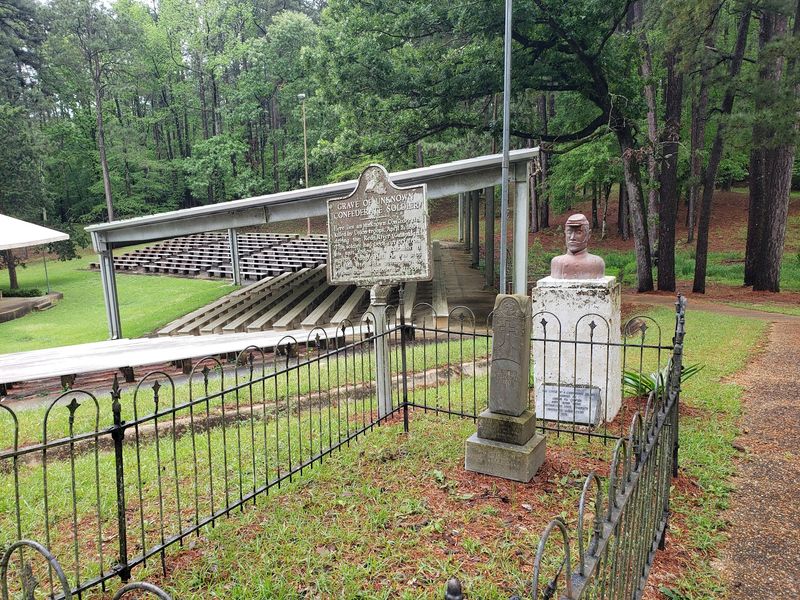
Way out in Marthaville, this quiet state historic site celebrates the music and folkways of north Louisiana’s hill country.
Visits happen by appointment, which means you may have the grounds practically to yourself.
Outdoor spaces welcome leashed dogs on six-foot leads, while buildings stay pet-free. Pine-scented air, plenty of grass, and zero crowds: a hound’s idea of luxury.
13. Oakland Plantation, Cane River Creole National Historical Park
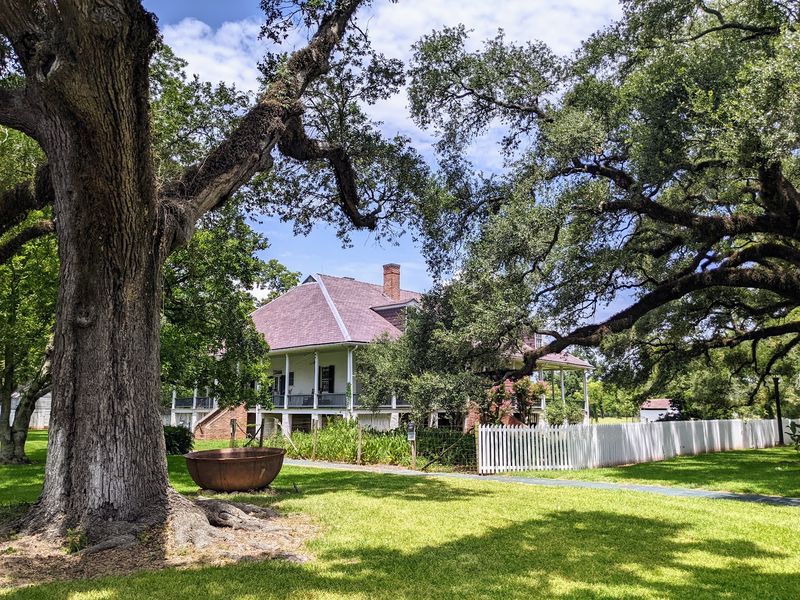
Seventeen original outbuildings still stand near Natchitoches, including a pigeonnier, a mule barn, and cabins that housed enslaved workers.
Oakland ranks among the most intact French Creole cotton plantations in the country, covering 200 years of daily life.
Grounds open daily, and leashed pets on six-foot leads are welcome outdoors under your physical control. No dogs inside park buildings.
14. Magnolia Plantation, Cane River Creole National Historical Park
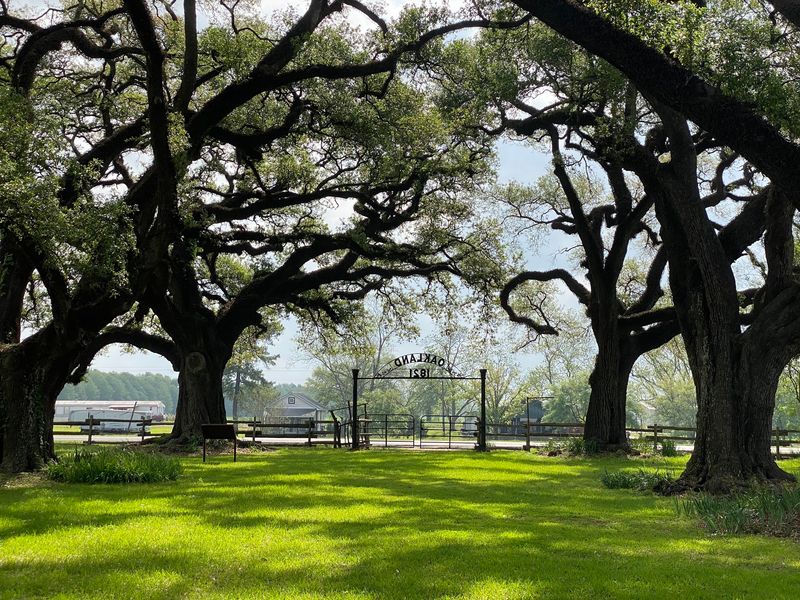
Eighteen acres of outbuildings invite self-guided wandering: a blacksmith shop, a plantation store, and eight surviving cabins.
Magnolia also shelters a rare wooden screw-type cotton press, the last one standing on its original site anywhere in the United States.
Leashed pets on six-foot leads may explore every outdoor area of the park. Buildings, however, remain closed to four-pawed visitors.
15. Chalmette Battlefield, Chalmette
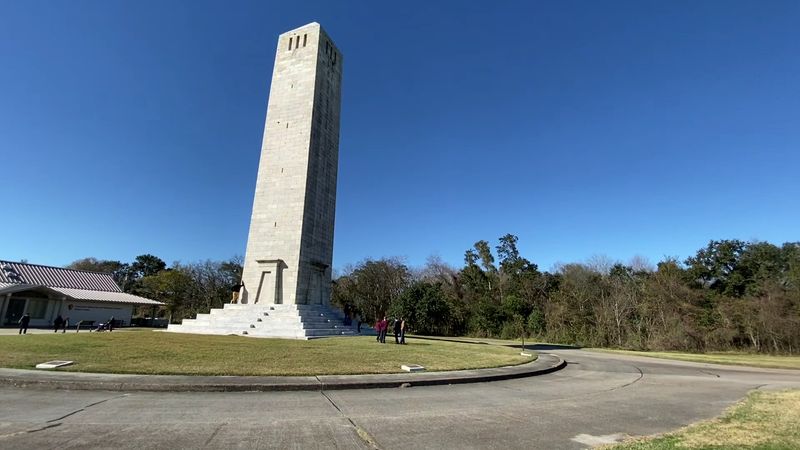
Seven miles downriver from New Orleans, at 1 Battlefield Road, the 1815 Battle of New Orleans played out across open ground.
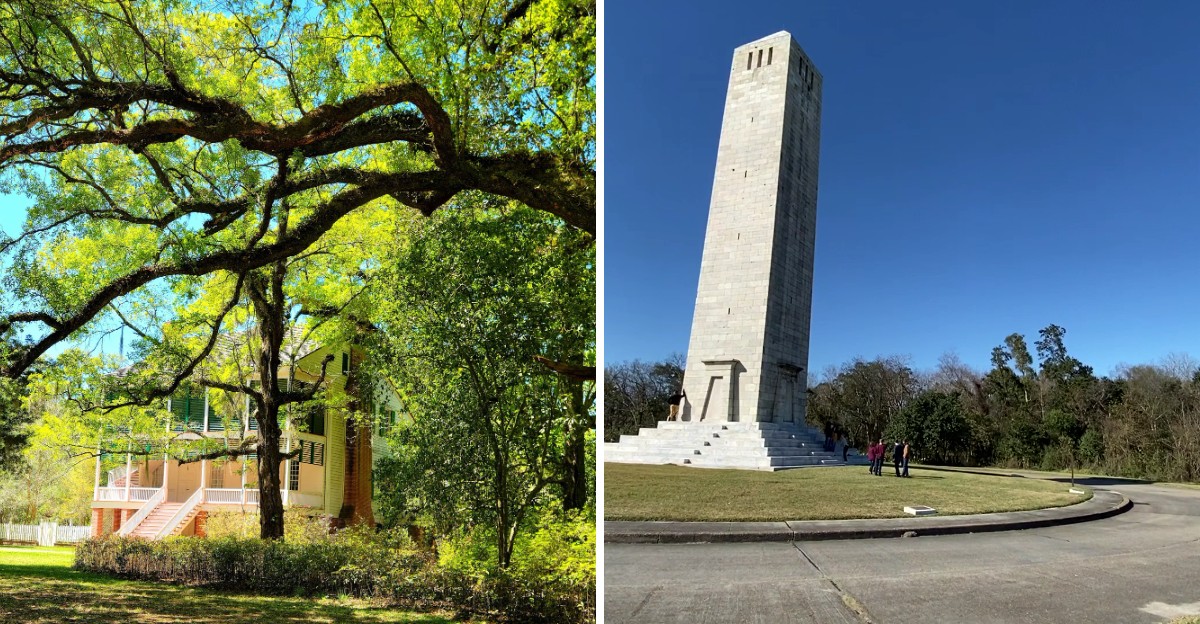
Today a reconstructed American rampart, the towering Chalmette Monument, and outdoor exhibits make a breezy self-guided loop.
Leashed dogs are allowed on the battlefield grounds. Buildings and the national cemetery are off-limits to pets, so plan your route.
16. Prairie Acadian Cultural Center Grounds, Eunice
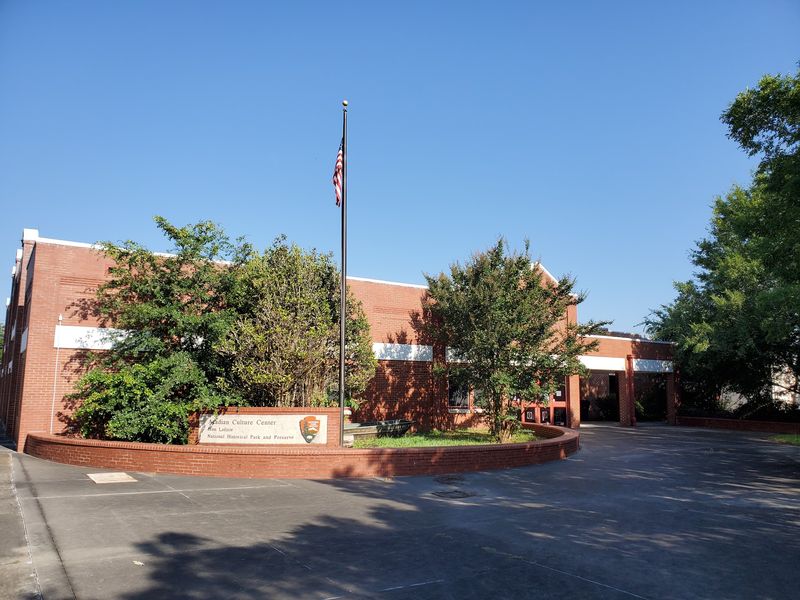
Cajun prairie culture, fiddle tunes, and Mardi Gras runs all get their spotlight in downtown Eunice.
Pets are not allowed inside the building or at public events and programs here, and outdoor pet access is not clearly posted.
Best move: call the center first, then stroll the leashed-friendly sidewalks and nearby public spaces of Eunice while one person steps inside.
17. Wetlands Acadian Cultural Center Grounds, Thibodaux
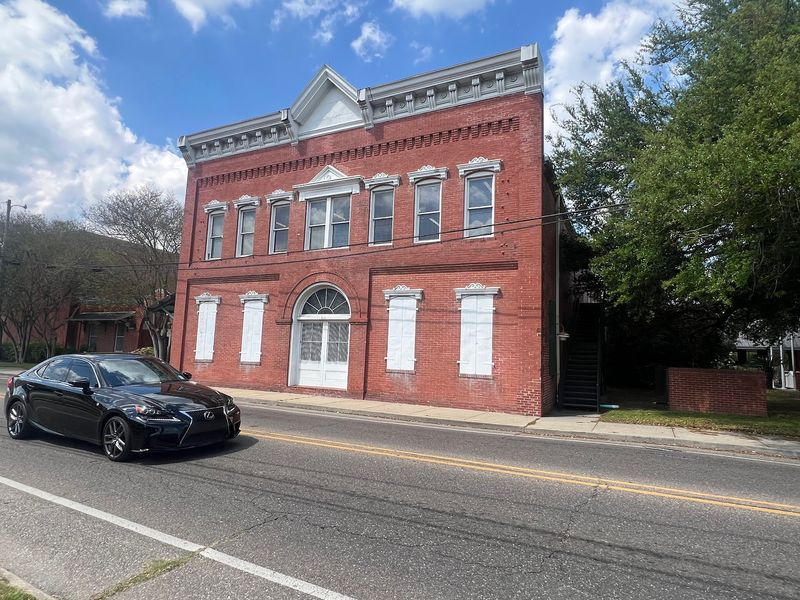
Bayou Lafourche slides right past 314 St. Mary Street in Thibodaux, where a boardwalk gives you water views without wet paws.
Leashed pets are allowed in the parking areas and on the grounds, though not in buildings or at public programs.
Outdoor exhibits explain how Acadian families built a life along these bayous. Watch for herons stalking the shallows.