18 Arizona Dog Laws That Might Surprise Local Pet Owners
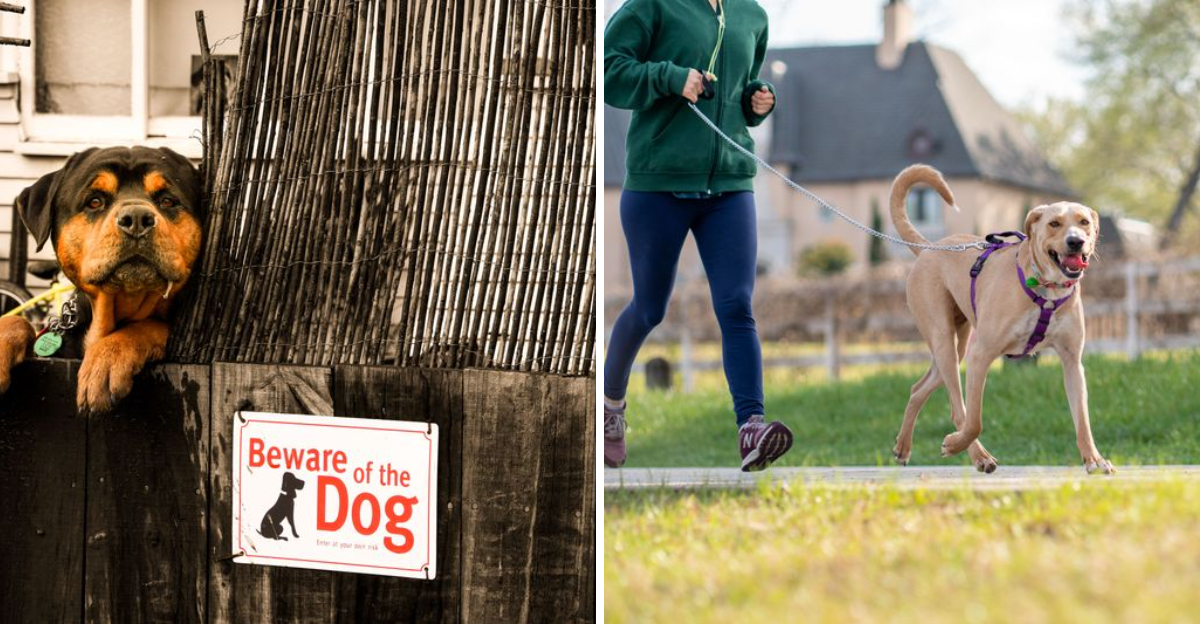
Owning a dog in Arizona comes with a few rules that many neighbors never hear about until something goes wrong. Some are statewide, while others change from one city or county to the next.
Knowing them ahead of time keeps walks relaxed, protects your pet, and saves you from avoidable fines. Consider this a friendly walk-through of the rules that most often catch local owners off guard, explained in plain language you can actually use today.
1. Licensing Starts Earlier Than Most People Expect

Puppies grow fast, and so does the licensing clock. In Tucson, Phoenix, Scottsdale, Maricopa County, and Pima County, dogs three months and older generally need a license.
Proof of a current rabies shot from a licensed veterinarian is usually required. New residents often get about 30 days to register.
Renewals happen yearly, and late fees can apply. In Pima County, knowingly skipping a license can be a Class 2 misdemeanor.
2. Strict Liability Applies to Bites

Arizona uses a strict liability rule for dog bites under A.R.S. section 11-1025. A first-time incident still counts.
If a dog bites someone in a public place, or someone lawfully on private property, the owner may be liable for damages.
The injured person does not have to show carelessness or prior warning signs. Breed is not the deciding factor either.
Provocation is generally the main defense available.
3. Friendly Does Not Excuse a Loose Dog
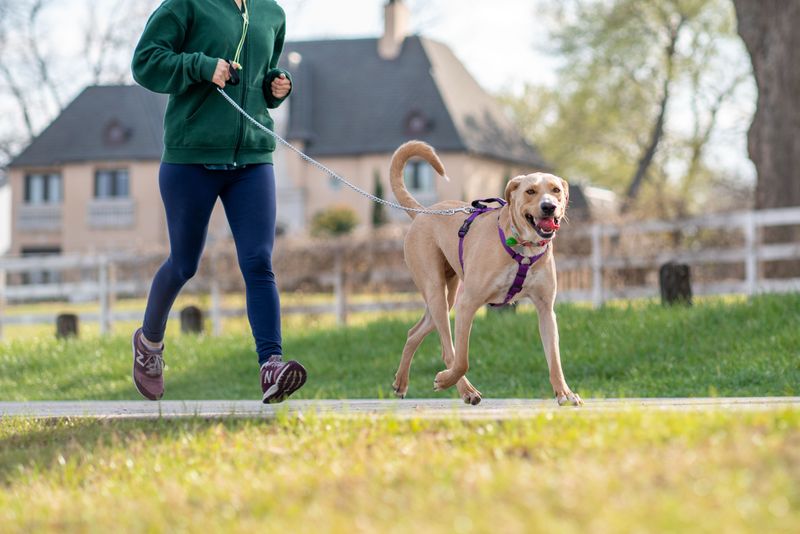
Wagging tails carry no legal免 pass. Under A.R.S. section 11-1012, dogs may not run at large, meaning off leash and beyond the owner’s control.
Owners can be responsible for injuries or property damage caused during those wanderings.
Scottsdale and Maricopa County add their own at-large rules. Worth knowing: Maricopa County does not treat electronic fences as adequate containment, so a physical barrier or leash matters.
4. Reporting a Bite Is a Legal Duty

Many owners assume a minor nip stays private. A.R.S. section 11-1014(E) says anyone with direct knowledge of a bite must report it promptly to the county enforcement agent.
That includes owners, the person bitten, witnesses, and treating physicians.
Reporting supports rabies tracking and protects everyone involved. If you are unsure who to call, your local animal care and control office can point you in the right direction.
5. The Bite and Run Law Adds a New Step

Senate Bill 1241, often called the Bite and Run Law, took effect on September 26, 2025.
Owners, or whoever is responsible for the dog, must immediately share their name and contact details with the person bitten. For a minor, that information goes to the guardian.
You are expected to stay at the scene until details are exchanged, unless you need medical help. Noncompliance is a Class 2 misdemeanor.
6. Quarantine Rules Follow a Bite Incident

Rabies observation drives this rule. An unvaccinated dog or cat that bites a person must be confined and quarantined for at least ten days.
That confinement can happen at a county pound or veterinary hospital, at the owner’s expense.
Counting starts on the bite date, or the first day of impoundment when the date is unknown. A vaccinated dog may sometimes be quarantined at home, with the enforcement agent’s consent and supervision.
7. Escape Prevention Is Required for Aggressive Dogs
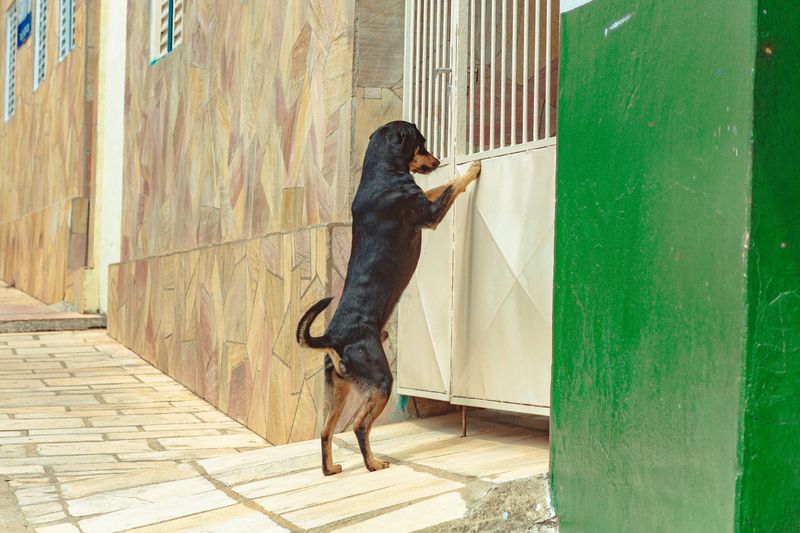
Here the law gets specific. A.R.S. section 11-1014.01 asks owners of aggressive dogs to take reasonable precautions against escape from a residence, yard, enclosure, or structure.
Control off the property matters too, so the dog does not bite or attack a person or domestic animal.
Falling short can be a Class 1 misdemeanor. Practical fixes include self-closing gates, sturdy latches, and a quick check before opening the front door.
8. Known Vicious Tendencies Call for Extra Care

An aggressive dog, legally speaking, is one that has bitten a person or domestic animal without provocation, or has a known history of such incidents.
When a dog has a known vicious propensity, state law points owners toward keeping the animal in an enclosed yard or confined area.
A posted sign warning others of those tendencies is part of that guidance. Muzzle training and professional behavior help are smart additions.
9. Confinement Standards for Dogs Labeled Vicious

Labels carry obligations. Owners of dogs with a known vicious propensity are expected to keep them in an enclosed yard or confined space.
A warning sign on that enclosure alerts visitors, delivery drivers, and meter readers.
Vicious dogs also may not run at large under A.R.S. section 11-1012. Because city rules can add more requirements, a quick call to your local animal control clarifies exactly what your property needs.
10. Basic Care Is Written Into State Law
Food, water, shelter, and medical attention are not optional extras. A.R.S. section 13-2910 covers animal cruelty and neglect across Arizona.
Intentionally, knowingly, or recklessly subjecting an animal to cruel neglect or abandonment without adequate care is a Class 1 misdemeanor.
Skipping needed veterinary treatment that leaves an animal suffering falls under the same section. Regular checkups and shaded, cool resting spots keep you well within the law.
11. Hot Cars Are Treated Seriously

Arizona summers turn a parked car into an oven within minutes. Leaving an animal unattended and confined in a vehicle can be animal cruelty when injury or worse is likely.
That falls under A.R.S. section 13-2910(A)(7), a Class 1 misdemeanor. Actual harm need not occur.
Good Samaritan protections exist for people who use reasonable force to help, provided conditions like notifying authorities are met. Simplest plan: leave your dog home.
12. Walking Away From a Pet Carries Consequences

Life changes happen, and sometimes owners can no longer keep a pet. Arizona law treats abandonment without adequate care as cruelty under A.R.S. section 13-2910.
Doing so intentionally, knowingly, or recklessly is a Class 1 misdemeanor.
The kinder and lawful route is surrendering to a shelter or rescue group, or arranging a responsible rehoming. Many Arizona rescues also offer temporary support so families can keep their pets together.
13. Service Animals Get Special Legal Protection
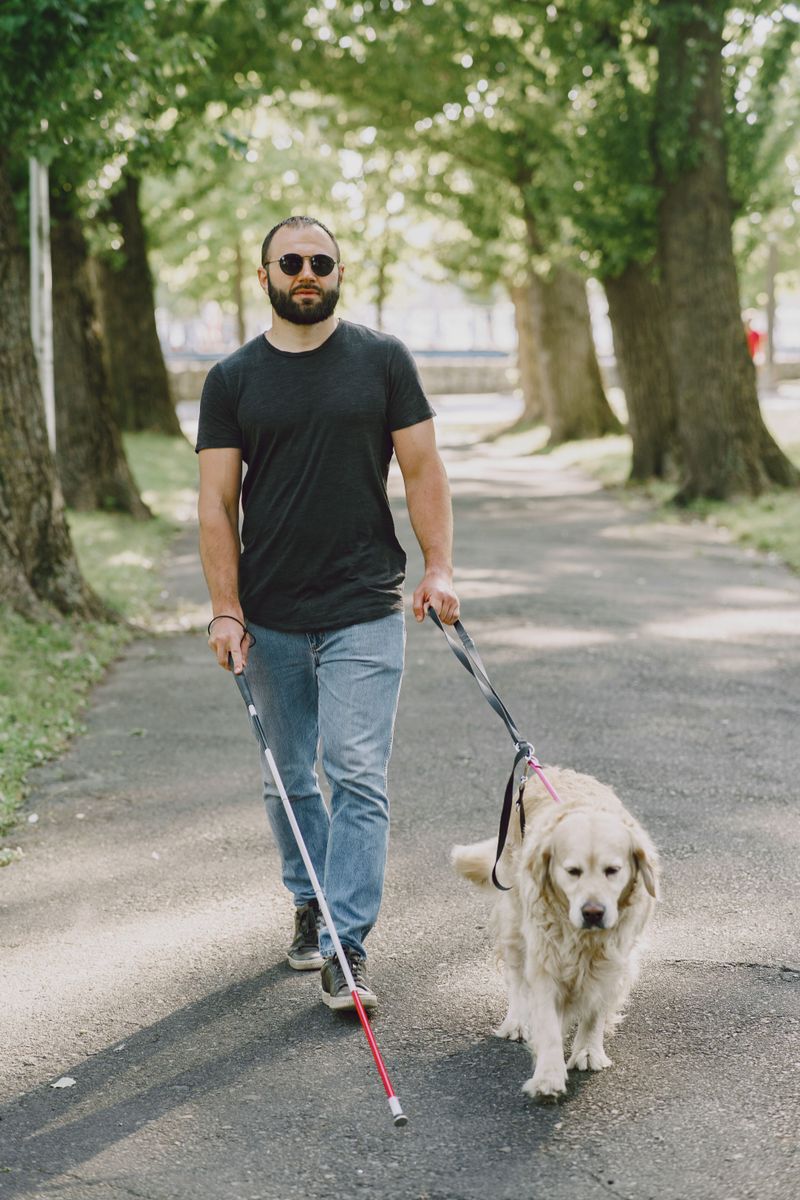
Working dogs deserve room to do their jobs. Arizona law protects service animals from interference or harm, including harm caused by other dogs.
Acting without legal privilege or the handler’s consent can count as animal cruelty.
Depending on severity, the offense may be a Class 1 misdemeanor or a Class 6 felony. When you spot a harnessed service dog, shorten your leash and give the pair generous space.
14. City Leash Rules Can Go Beyond the State Standard

State law under A.R.S. section 11-1012 sets a six foot leash limit in public parks and on public school property.
Local governments frequently tighten things further. Maricopa County expects pets to be controlled or confined any time they are off private property.
Tucson City Code requires a leash no longer than six feet on streets, sidewalks, alleys, parks, and other public spaces. Retractable leashes may not satisfy those limits.
15. Phoenix Limits How Dogs Can Be Tethered

Phoenix updated its animal cruelty ordinance, and the tethering section surprises longtime residents.
Dogs may not be tethered, trolleyed, or similarly restrained outdoors unless under the owner’s direct supervision. Direct supervision means the dog stays within sight the entire time.
Chains are not permitted as tethering devices in the city. If you need your dog outside briefly, stay out there with them and keep the setup simple.
16. Extreme Weather Halts Outdoor Restraint in Phoenix

Monsoon skies and triple-digit afternoons changed the rules. Phoenix prohibits restraining dogs outdoors once temperatures climb above 100 degrees Fahrenheit.
The same ban applies during heat advisories, monsoon activity, and dust storm warnings.
Bring your dog inside during those stretches, and shift walks to early morning or after sunset. Pavement stays hot long after the sun drops, so test it with your hand first.
17. Restraints Must Meet Real Safety Standards

Tying a rope to a post no longer qualifies. Phoenix requires outdoor restraints to meet welfare standards for the dog using them.
The dog must have access to food, water, shade, dry ground, and adequate shelter.
Restraints cannot restrict natural movement or cause physical or emotional distress. The minimum tether length was shortened to six feet, encouraging brief, supervised use rather than long stretches outdoors.
18. Tags, Collars, and the Patchwork of Local Rules
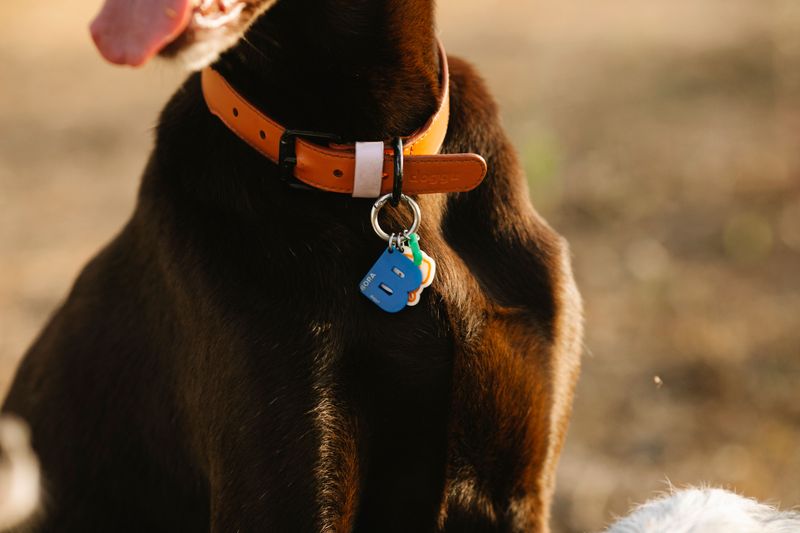
One small metal tag does a lot of work. Under A.R.S. section 11-1012, a dog over three months running at large must wear a collar or harness with a valid license tag.
Maricopa County stresses keeping that tag attached as proof of licensing.
Cities and counties layer on extra rules for control, licensing, and restraint. Check your local ordinance, then relax and enjoy the trail with your best friend.