18 Quiet-at-Home Skills New York Dogs Need When Thin Walls Make Every Bark Matter
City apartments come with close neighbors, shared hallways, and walls that carry sound both ways. If you love your dog but worry about barking, you are in good company.
The good news is that calm behavior is a set of teachable skills, not a personality trait your dog either has or lacks. Below are the practical habits that help New York dogs feel settled indoors, so your home stays peaceful and your neighbors stay friendly.
1. Settle Quietly on a Mat or Bed
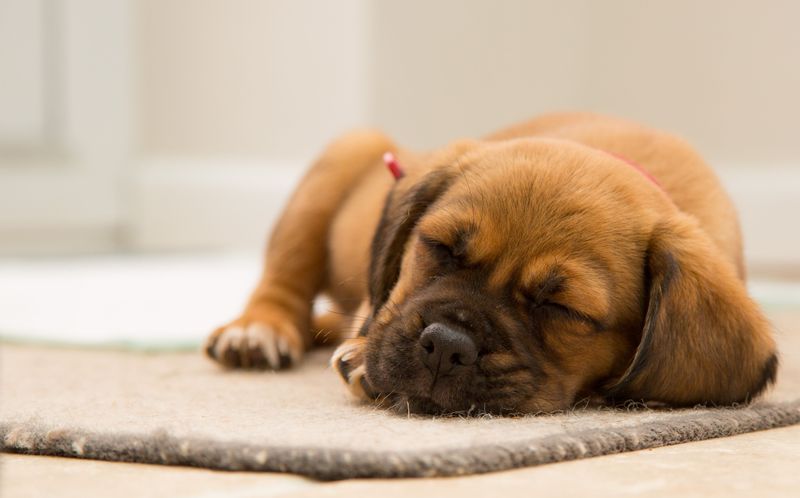
Every calm dog needs a home base. A mat or bed gives your dog one clear spot that means rest, no matter what is happening around it.
Start in a quiet room. Reward small steps: paws on the mat, then lying down, then holding still a little longer each time.
Pay special attention to loose, sleepy body language. Treating relaxed postures teaches your dog that the mat means comfort, not waiting for the next command.
2. Stop Barking on a Consistent Quiet Cue
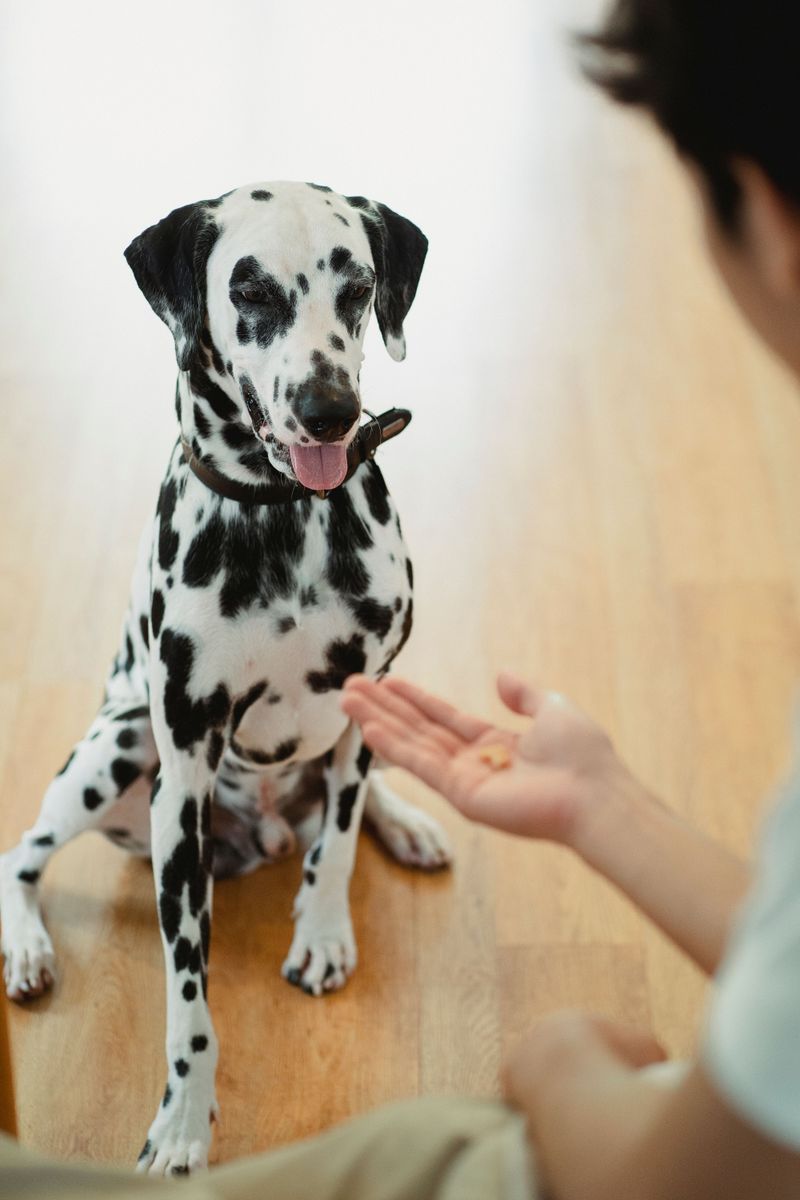
Barking is information, not misbehavior. Your dog is announcing something, and a quiet cue simply ends the announcement politely.
Keep good treats nearby. When barking pauses naturally, say quiet once, then pay immediately.
You are rewarding the silence, never the noise.
Stretch the quiet period slowly, from one second to several. Shouting adds energy and often makes dogs louder, so keep your voice low and steady throughout practice.
3. Ignore Hallway Footsteps and Voices
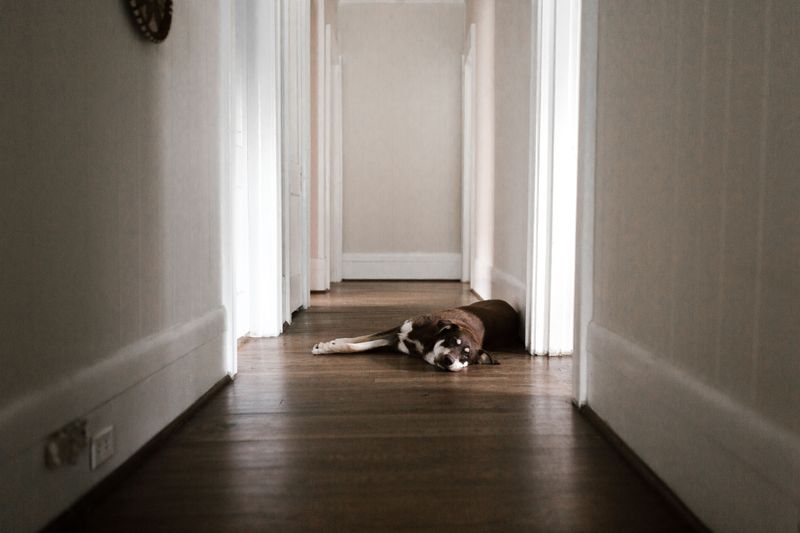
Shared hallways never really go silent. Footsteps, keys, and conversations drift under the door all day long.
Turn those sounds into good news. The moment you hear someone pass, hand your dog a treat, even if they stayed quiet on their own.
A fan or white noise machine softens the triggers while your dog learns. Moving their bed away from shared walls also cuts the number of alerts they hear.
4. Stay Calm When Neighbors Open or Close Doors
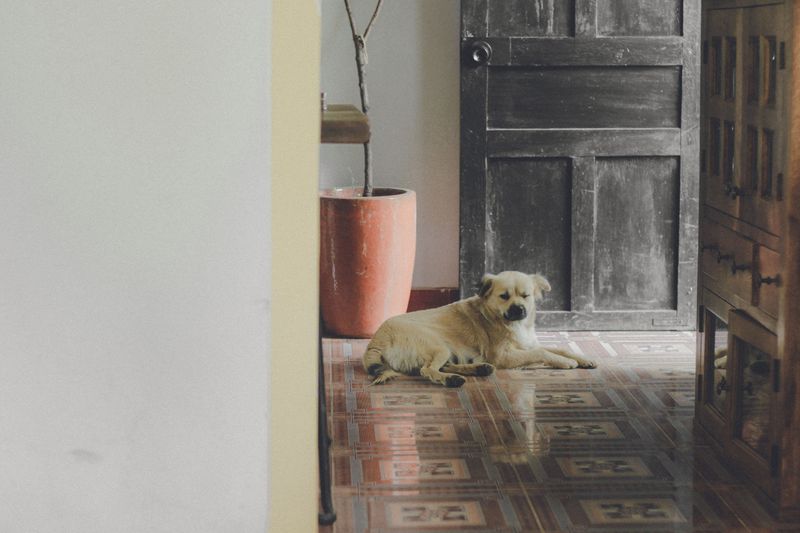
Slamming doors startle almost everyone, dogs included. The sudden bang arrives without warning, so your dog reacts before thinking.
Practice with an inside door first. Have a helper open and close it gently while you reward stillness or eye contact.
Work up to your own entry door, always pairing the sound with something pleasant. Repetition over a few short weeks turns a startling noise into background trivia.
5. Avoid Barking at Elevator Sounds
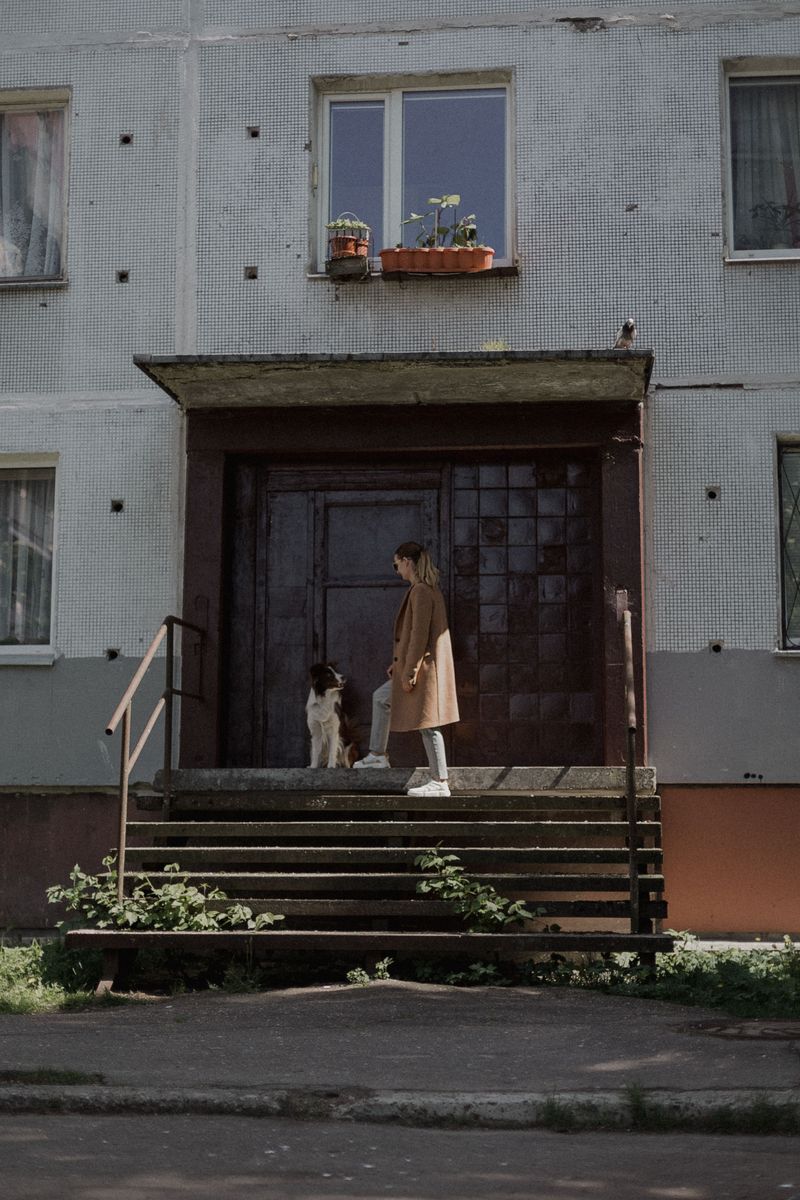
Elevators hum, ding, and rattle. For a sensitive dog, that combination sounds like something important is arriving.
Begin far across the lobby. Reward your dog for watching doors open and close from a distance where they stay loose and curious.
Shrink the distance over many sessions, then try short rides with treats flowing. Never drag a hesitant dog inside, since forcing the issue deepens worry rather than easing it.
6. Ignore Apartment Buzzers and Intercom Noises
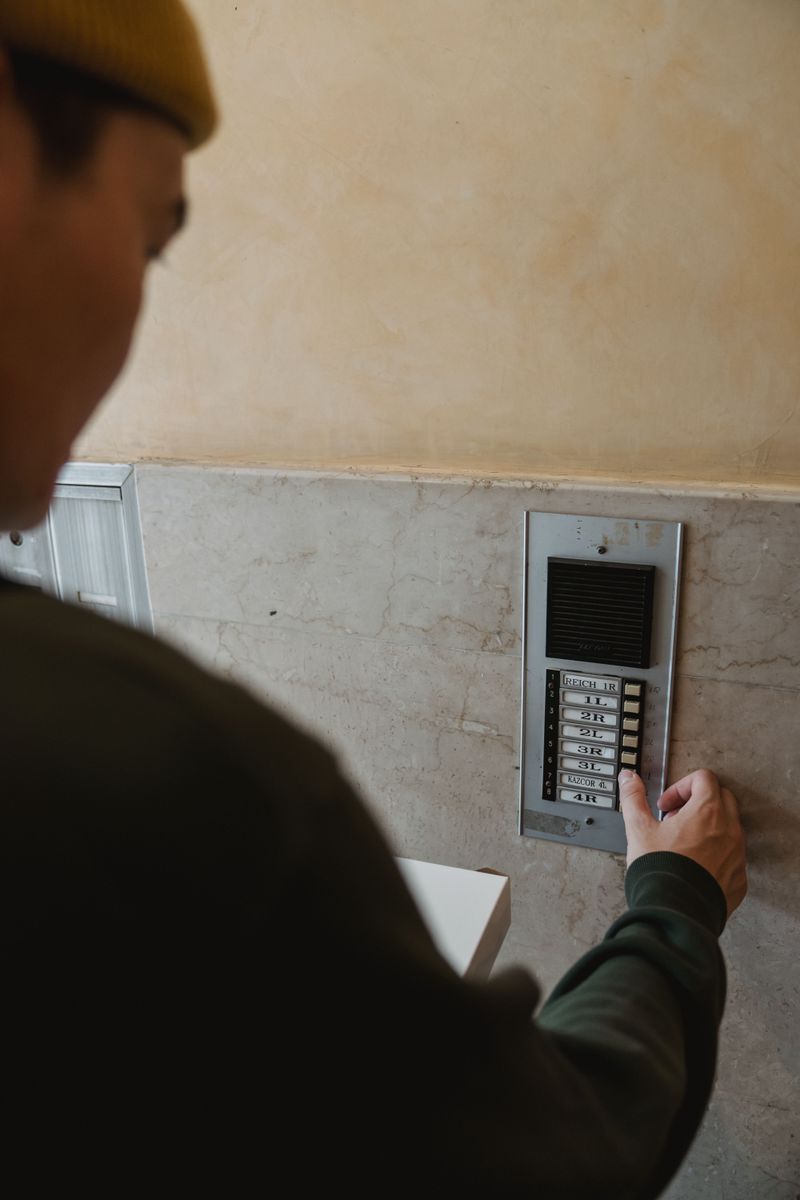
Few sounds launch a dog faster than the buzzer. It is loud, electronic, and always predicts something happening.
Record your buzzer on your phone. Play it very softly, just loud enough to notice, and follow instantly with a favorite treat.
Raise the volume gradually across sessions. If your dog stiffens, freezes, or leaves the room, drop back a level and rebuild at an easier volume.
7. Wait Quietly When Someone Knocks
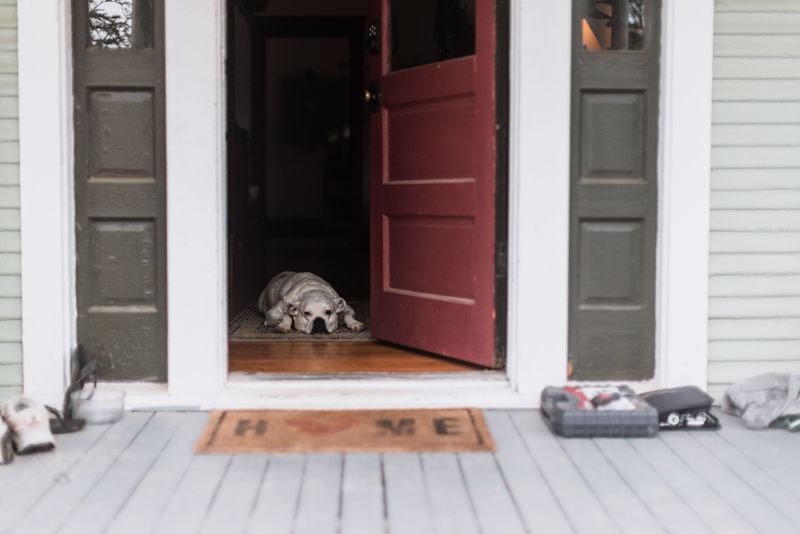
A knock usually means excitement, and excitement usually means noise. Changing the meaning changes the reaction.
Tap softly on an interior door and reward quiet. Then ask a friend to knock on the entry door while your dog rests on their mat.
Over time, the knock itself becomes the cue to go lie down. That simple swap keeps your hallway peaceful and your guests pleasantly surprised.
8. Stay Away from the Front Door on Cue
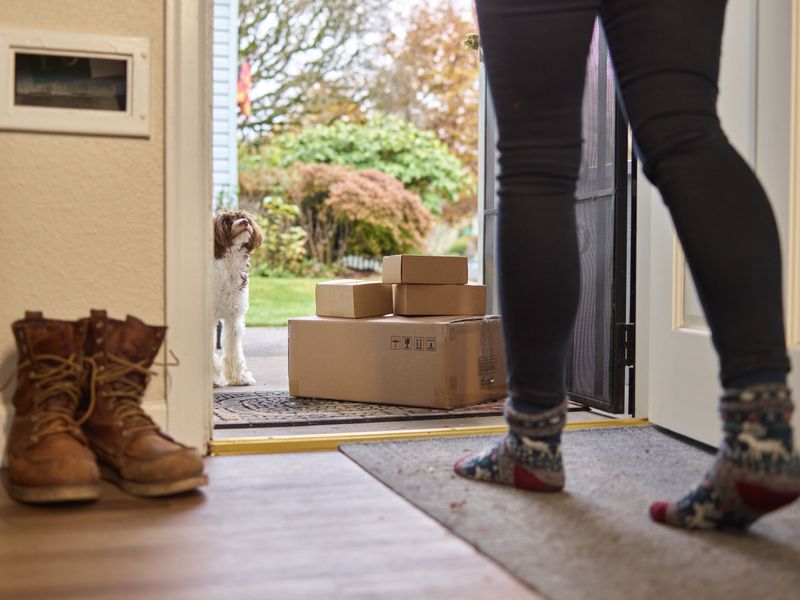
Door safety matters in a building with stairwells and busy sidewalks nearby. A dog who hangs back is a dog who stays put.
Ask for a stay several feet from the closed door, then touch the handle and reward stillness.
Progress to cracking the door, then opening it fully. Release your dog with a word so the job has a clear beginning and a clear end.
9. Relax When People Pass Outside Windows
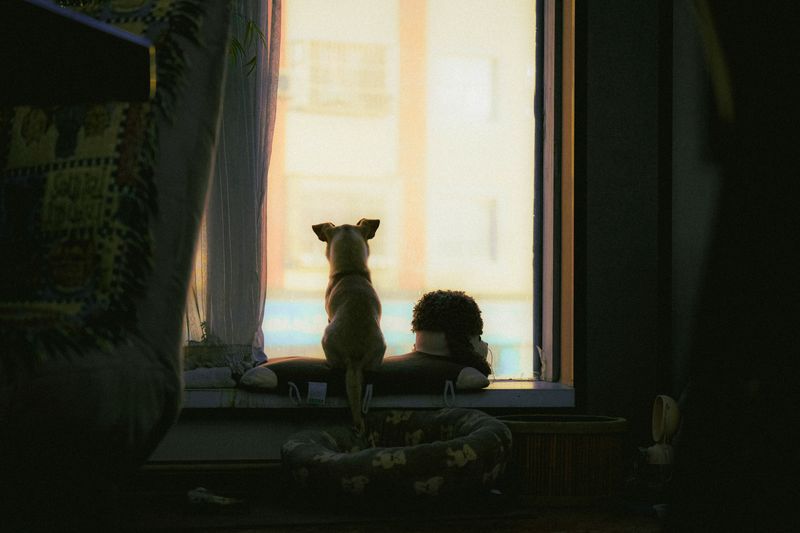
Window watching looks harmless until it becomes a full-time job. Dogs bark through glass because they cannot reach what they see.
Limit solo access with sheer curtains or frosted film at your dog’s eye level. Less visual traffic means fewer false alarms.
When you are home, sit together and reward calm watching. Your presence tells your dog that passersby are your concern, not theirs to manage.
10. Ignore Dogs Barking in Nearby Apartments
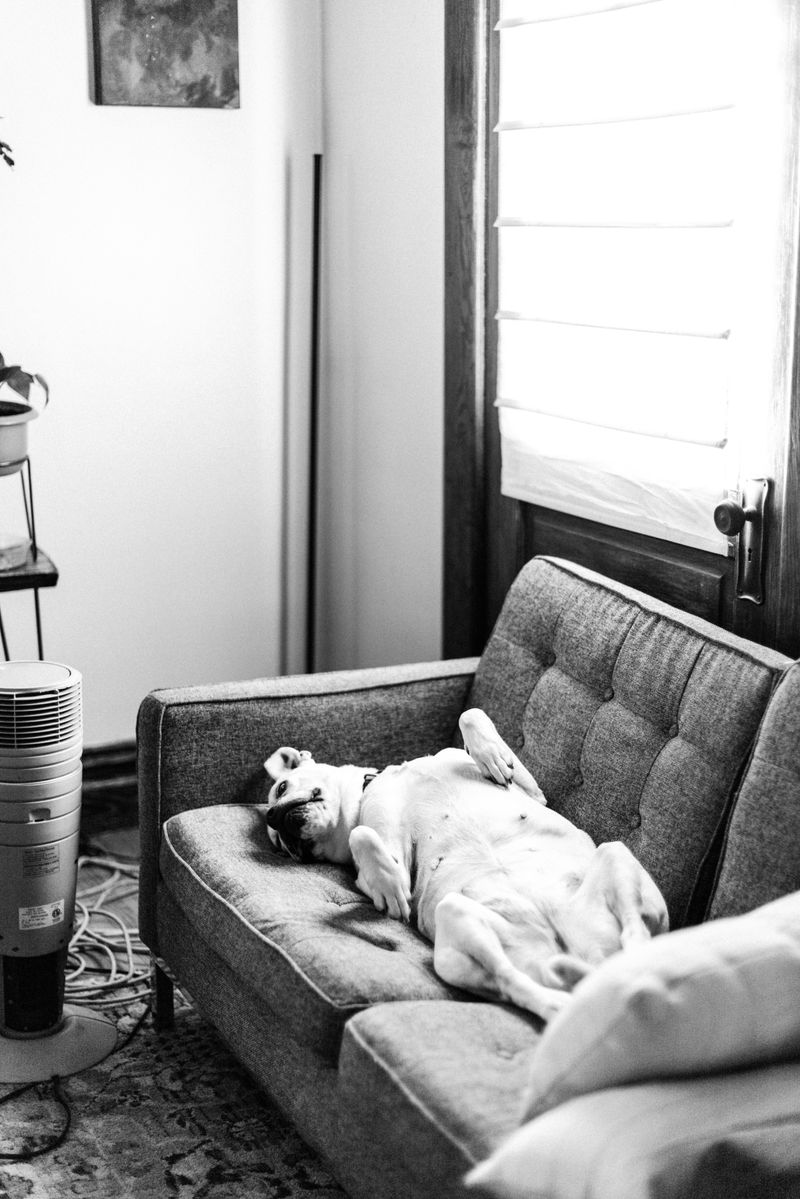
One barking neighbor dog can set off a whole floor. Sound travels through walls easily in older buildings.
Play recordings of distant barking at low volume and reward your dog for staying settled. Increase volume only as they stay comfortable.
White noise or soft music helps muffle the real thing. A cheerful attention sound also interrupts a chain reaction before it gathers momentum.
11. Handle Normal City Sirens Without Prolonged Barking
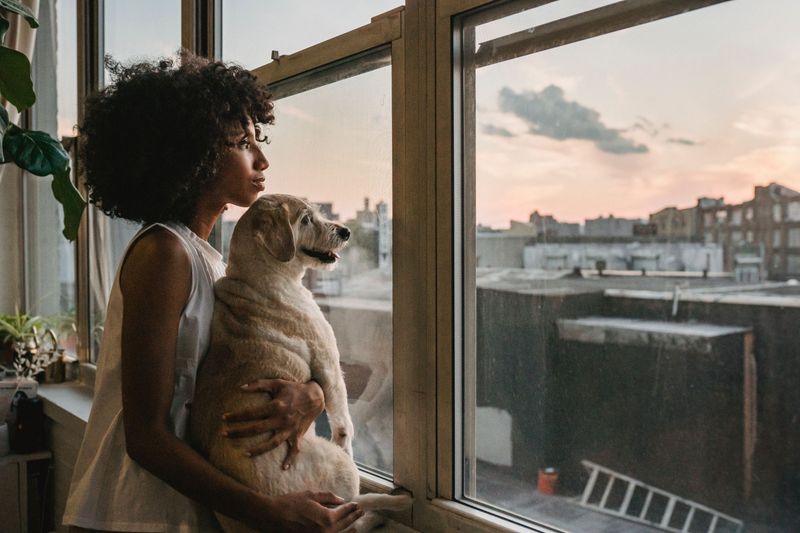
Sirens are part of the New York soundtrack. Some dogs howl along, which neighbors notice quickly.
Play siren recordings quietly indoors and pair them with treats or a favorite game. Build volume slowly across many short sessions.
A cozy crate or interior room gives your dog somewhere to retreat during loud stretches. If distress seems intense or lasting, ask your veterinarian for guidance.
12. Stay Calm During Deliveries
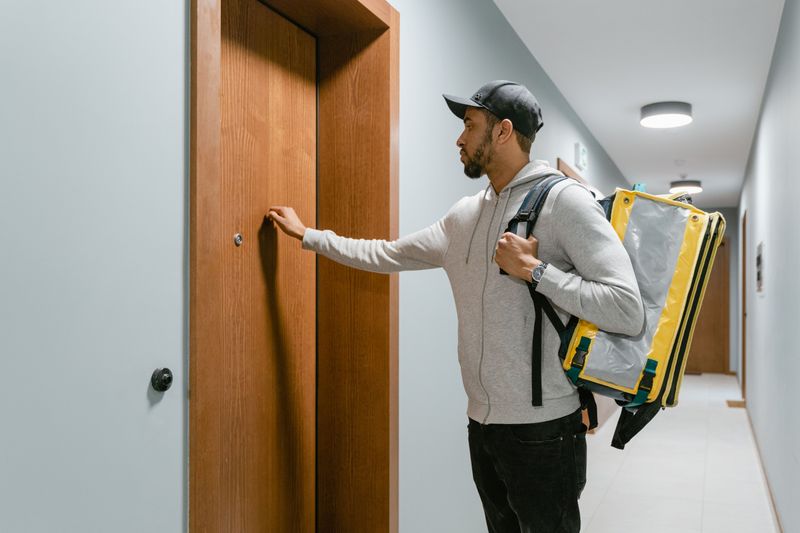
Deliveries stack triggers together: footsteps, a knock, a buzzer, then someone walking away. No wonder dogs react.
Rehearse it in pieces. A helper knocks, your dog stays on the mat, and you pay generously for quiet.
Add elements one at a time until the full sequence feels boring. Eventually your dog hears a delivery and looks to you instead of the door.
13. Play Quietly with Low-Impact Toys Indoors
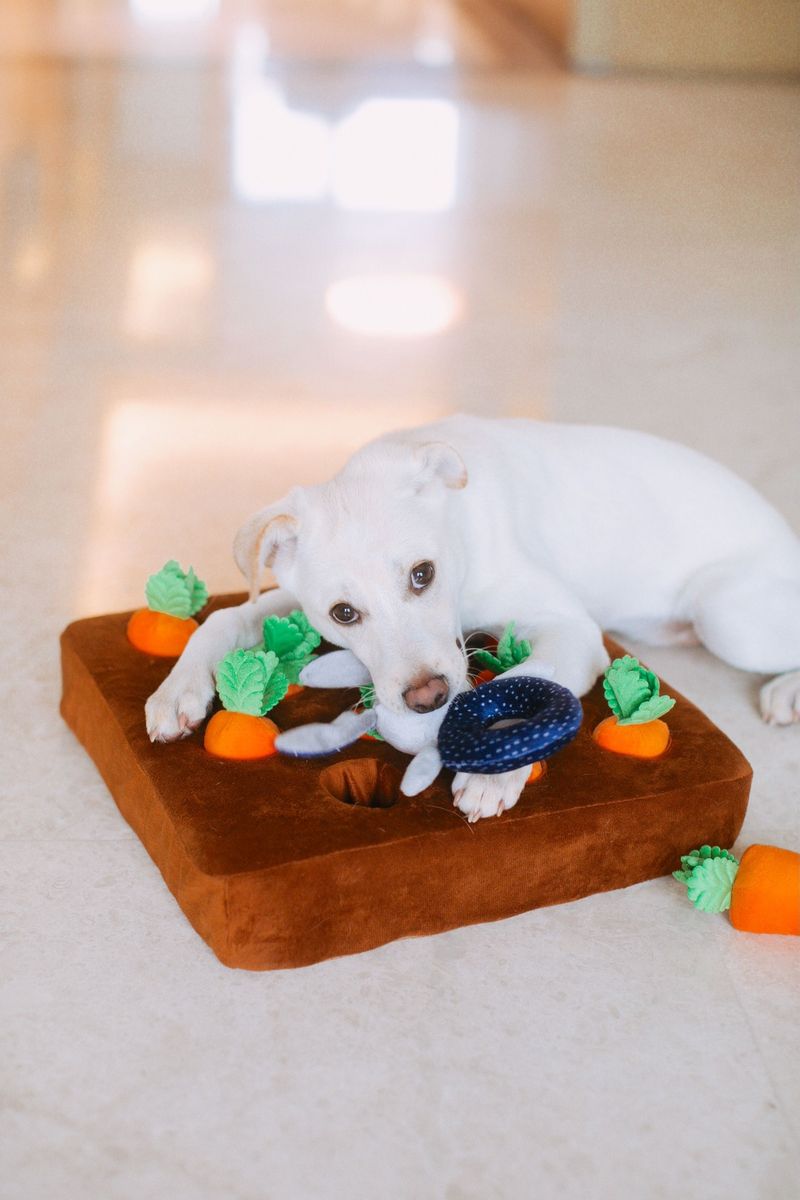
Small spaces need small games. Thumping paws and squeaky toys carry straight through floors and walls.
Puzzle feeders and snuffle mats tire dogs mentally, often faster than a lap around the block. Chewing quietly counts as enrichment too.
Soft plush toys and fabric discs allow gentle tossing without crashes. Look for rubber chews that land with a dull thud rather than a clatter.
14. Settle Independently When Nothing Is Happening
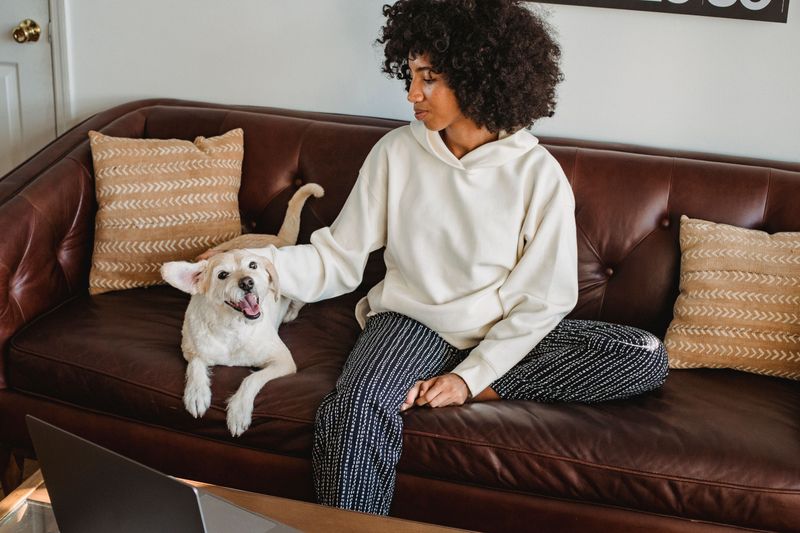
Dogs need an off switch, and downtime is where they practice it. Boredom often looks like restlessness or nudging for attention.
Catch your dog choosing to lie down on their own and quietly drop a treat beside them. No fanfare needed.
Rewarding unprompted stillness builds a dog who can nap through an ordinary afternoon. Calm becomes a habit instead of an occasional accident.
15. Wait Calmly Before Walks Instead of Barking at the Door
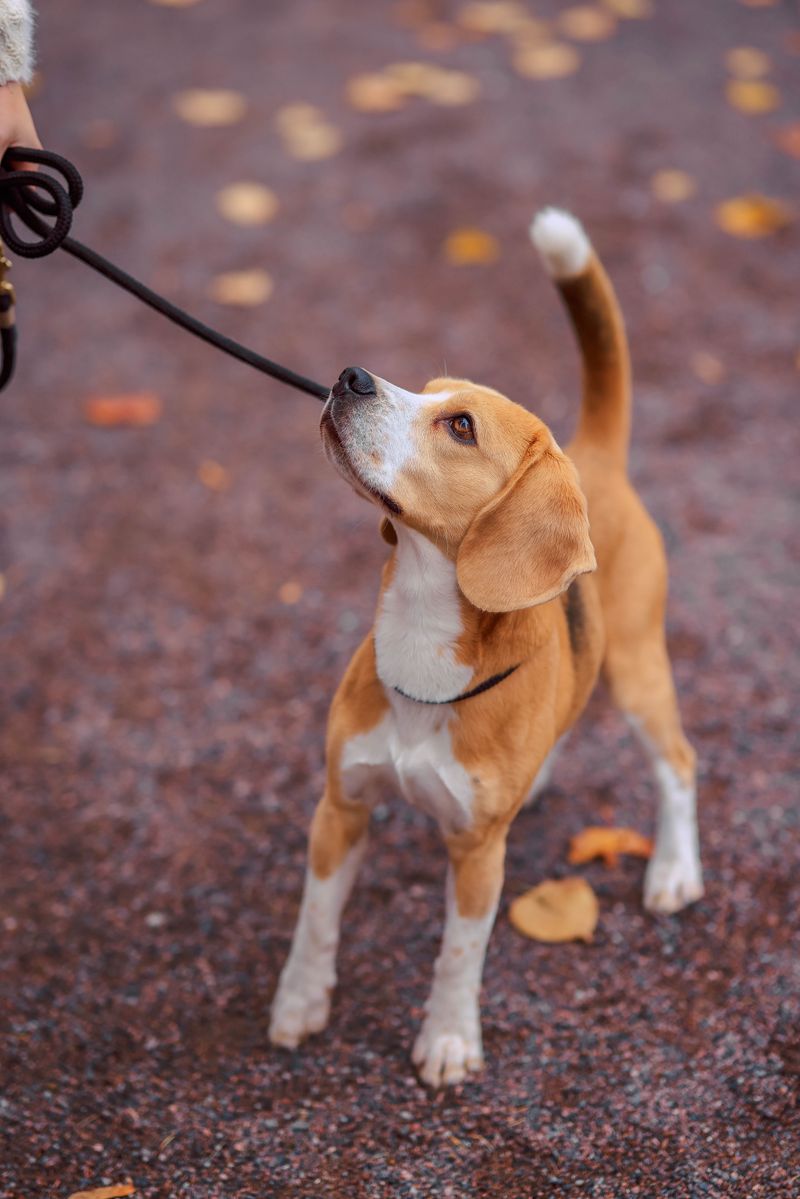
Leash time can turn into spinning, jumping, and hallway announcements. A calmer routine fixes that before you step outside.
Wait for four paws on the floor before clipping the leash. If the wiggles return, pause and let your dog reset.
Hold briefly at the door and ask for stillness before opening. Your dog learns that quiet, not noise, is what makes walks happen.
16. Respond Reliably to a Place or Bed Cue
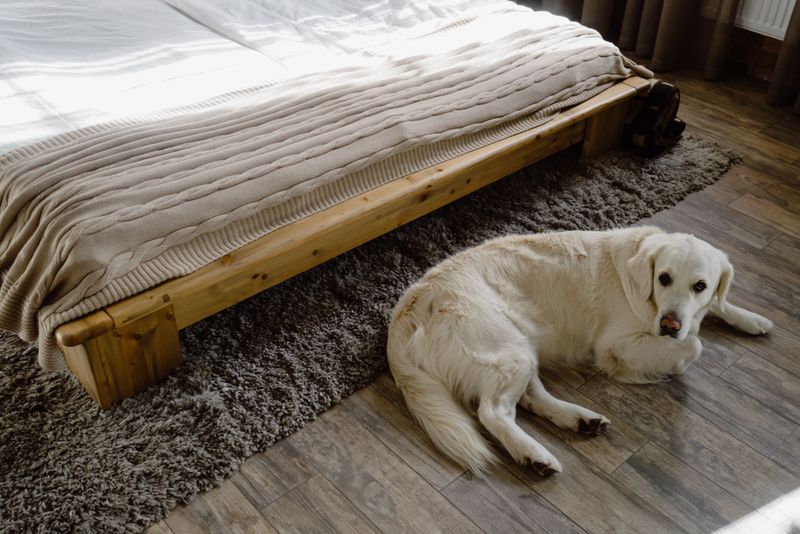
A solid place cue is the most useful trick in a small apartment. One word, and your dog parks somewhere helpful.
Build it in layers: duration first, then distance, then distractions like guests or cooking smells.
Keep the bed comfortable and never use it as punishment. Dogs go willingly to spots that feel good, and reliability grows from that willingness.
17. Redirect Attention from Outside Noises to the Owner
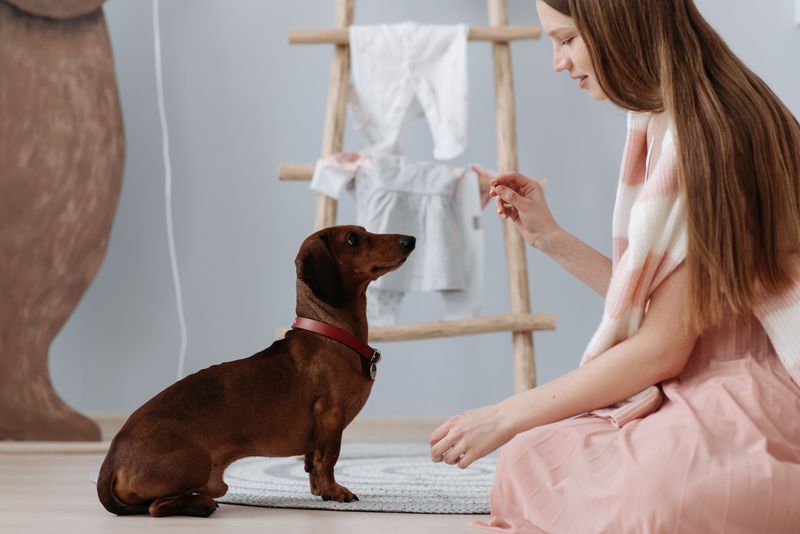
Refocusing is the quiet skill that rescues every other skill. When your dog looks at you, barking usually stops.
Pick an unusual sound, like a kissy noise, and reward eye contact every single time you make it.
Once the response is automatic, use it right as your dog notices a hallway noise. Pay well, and reacting starts to feel less interesting than checking in.
18. Remain Relaxed During Short Periods Home Alone
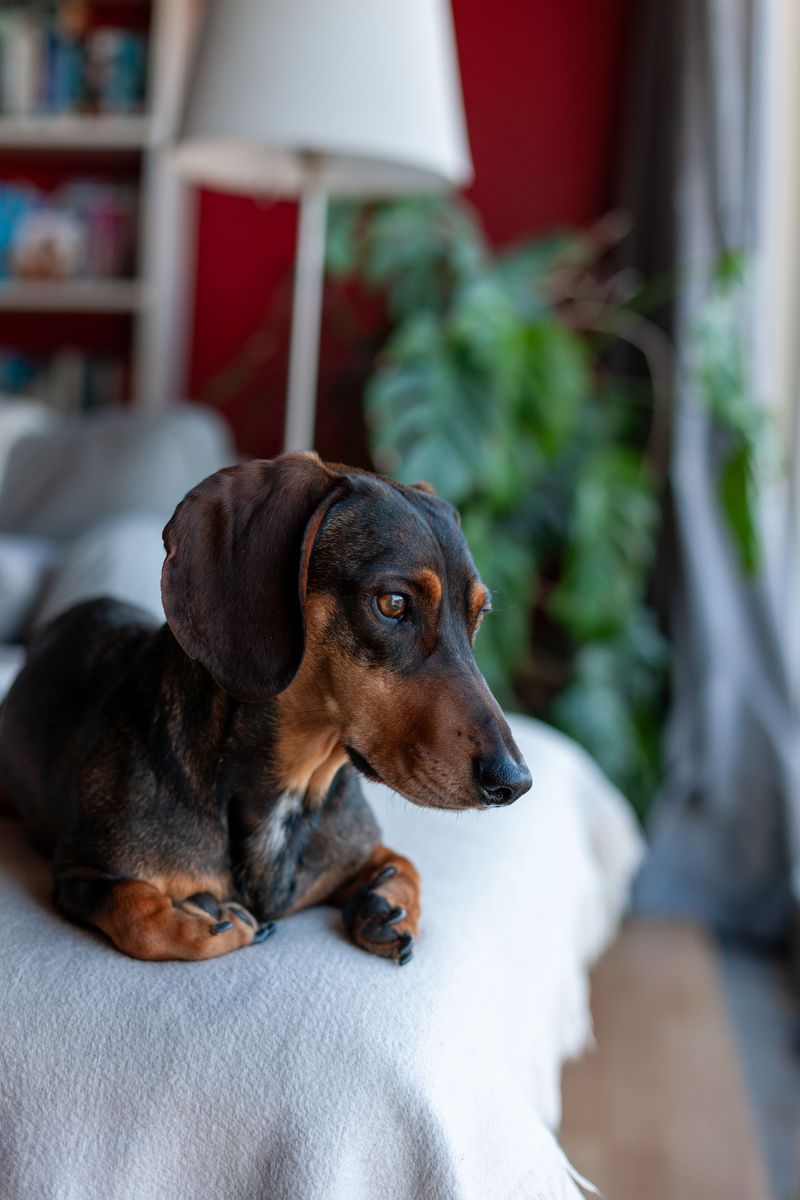
Alone time is where many apartment dogs struggle, and neighbors hear the result. Short, gradual departures build real confidence.
Leave for a minute, then five, returning before your dog gets worried. A pet camera shows you exactly how they cope.
Background sound masks hallway noise, and a puzzle toy occupies the first few minutes. Keep goodbyes low-key, and consult a trainer or veterinarian if distress persists.
Stay patient. Steady practice turns a noisy apartment into a calm one for everyone.