20 Documents Florida Dog Owners Should Keep Ready For Seasonal Moves
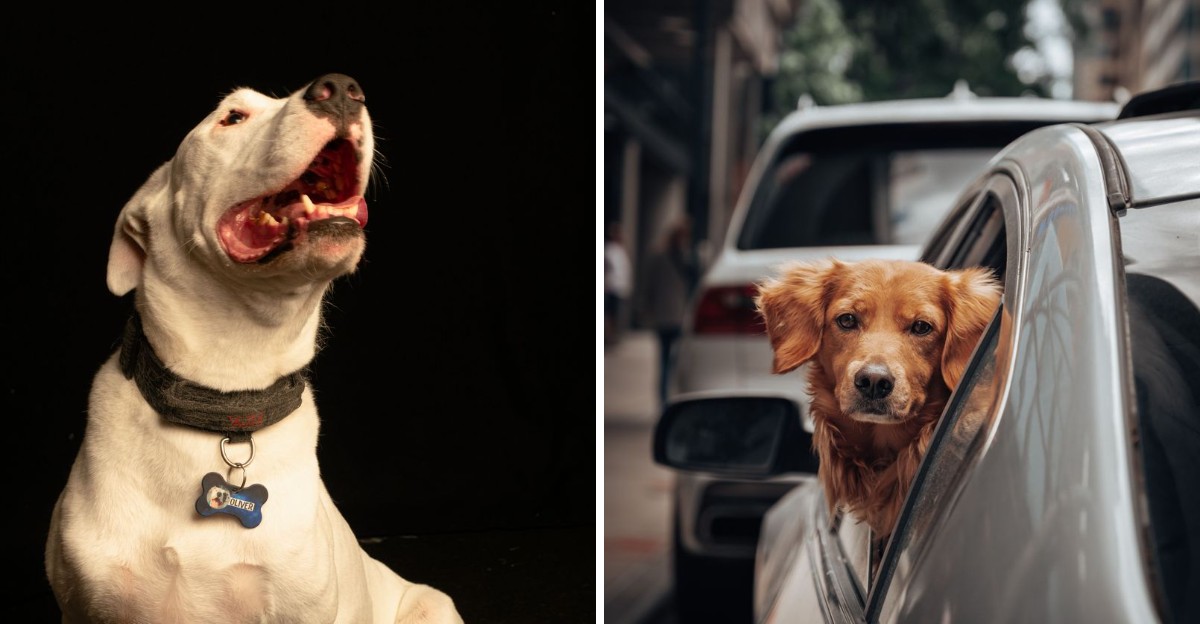
If you split your year between Florida and somewhere cooler, your dog rides along for the whole adventure. Snowbird season brings packed cars, new leases, and sometimes a plane ticket.
The one thing that smooths every step is paperwork you can find in seconds. Vaccination proof, licenses, microchip details, and vet contacts all matter more than most owners expect.
Here is a friendly checklist of the records worth gathering before you pull out of the driveway.
1. Current Rabies Vaccination Certificate
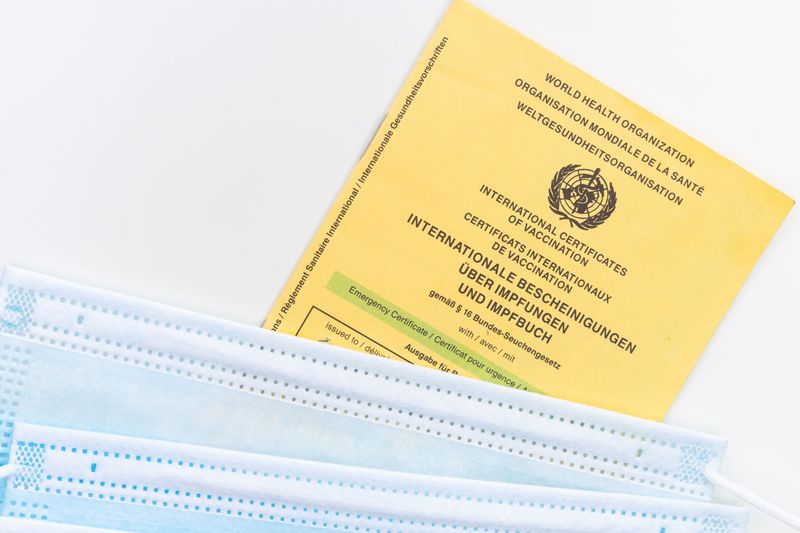
Start with the document that opens the most doors. Florida law requires dogs four months and older to be vaccinated against rabies by a licensed veterinarian.
Your vet issues a certificate showing owner details, the dog’s description, vaccine product, date, and expiration. Boosters may last one or three years, depending on the product and your vet’s judgment.
An expired certificate can block boarding, grooming, and licensing, so keep the current one handy.
2. County Or Municipal Dog License Records

Licensing rules in Florida are set locally, not statewide, so requirements shift from county to county and city to city.
Many areas issue a numbered tag once you show proof of rabies vaccination and pay a small fee. Keep the receipt or certificate copy with your travel folder.
Before a seasonal move, call animal services in both your Florida home area and your destination to confirm what each expects.
3. Complete Vaccination Records

Rabies is the legal must, but boarding facilities, groomers, and dog daycares usually ask for more.
A full vaccination summary typically lists distemper, parvovirus, adenovirus, parainfluenza, and often bordetella or canine influenza. Ask your clinic to print or email one clean page covering everything.
Snowbird destinations sometimes have different regional risks, so your vet may suggest an extra vaccine before you head north.
4. Certificate Of Veterinary Inspection When Required
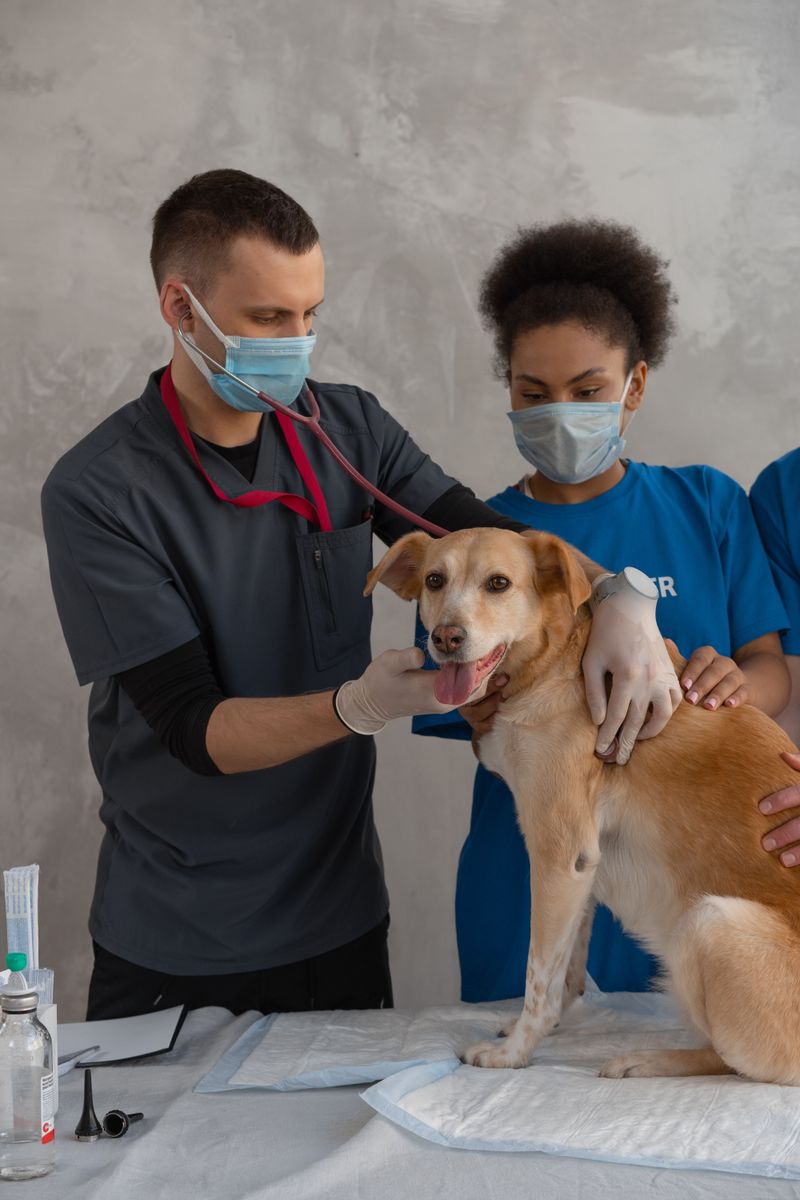
Crossing state lines can trigger a paperwork requirement many owners never hear about until departure day.
A Certificate of Veterinary Inspection, often called a health certificate, is written by an accredited veterinarian after an exam. Most states accept one issued within roughly 30 days, though windows differ.
Rules vary by destination state, so check that state’s animal health office before booking your appointment.
5. Recent Veterinary Medical Records
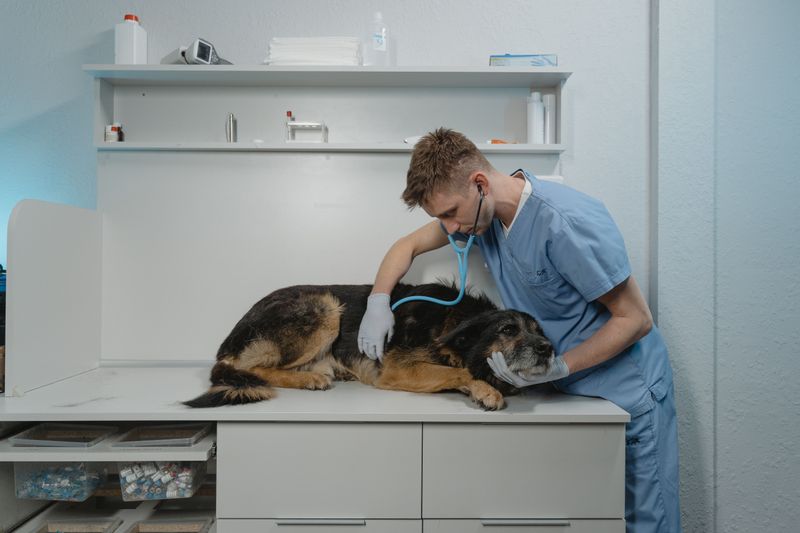
Imagine a new vet meeting your dog for the first time with zero history. Recent records fix that instantly.
Ask for visit summaries, lab results, imaging notes, and any chronic condition details from the past year or two.
Digital copies in a phone folder work beautifully, and a printed backup helps when signals fade. Clinics can usually email everything within a day or two of your request.
6. Current Medication List And Prescription Information

Refilling a prescription in an unfamiliar town goes smoothly when the details travel with you.
Write down each medication name, strength, dose, timing, and the prescribing clinic. Note pharmacy information too, especially for mail-order plans.
Pack enough supply to cover the trip plus a buffer for delays. If your dog takes anything long term, ask your veterinarian whether a written prescription copy should ride along.
7. Heartworm Testing And Prevention Records

Mosquitoes stay busy in Florida nearly all year, which makes heartworm prevention a permanent habit here.
Keep the date of your dog’s most recent heartworm test, the result, and the preventive product with dosing schedule.
Boarding kennels sometimes ask for proof, and new vets need it before refilling. If you head north for months, ask whether year-round dosing should continue.
In most cases, it should.
8. Flea, Tick, And Parasite Treatment Records
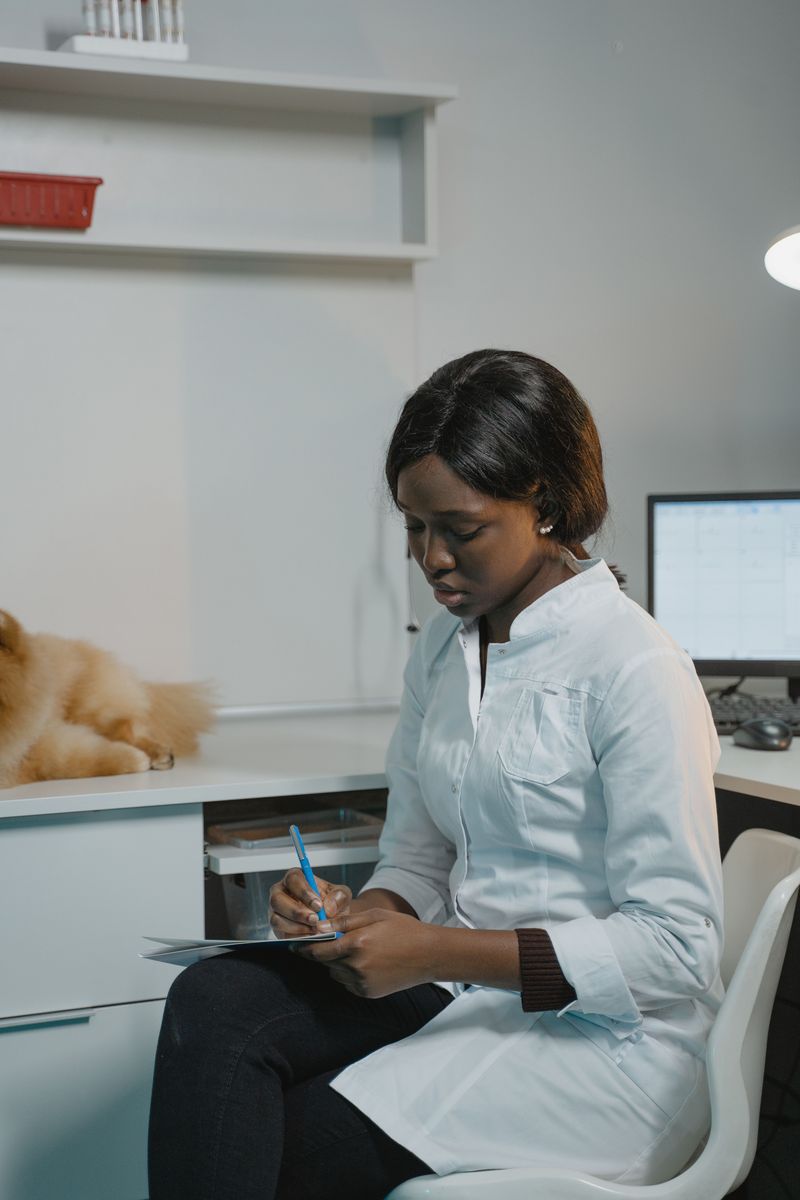
Warm, humid air keeps fleas and ticks active across much of the state, so treatment logs earn their spot.
Track the product used, application dates, and any fecal test results for intestinal parasites.
Groomers and boarding facilities often ask about recent flea prevention before admitting a dog. Different regions carry different tick species, so mention your travel plans and let your vet adjust the plan accordingly.
9. Microchip Number And Registration Information

A microchip only works when the registry has your correct phone number, and moves are exactly when numbers change.
Save the chip number, the registry name, and your login details somewhere easy to reach.
Update your address and contact information before departure, then add a temporary phone if needed. Consider listing a friend or family member as a second contact.
That small step reunites lost dogs faster.
10. Proof Of Ownership, Adoption, Or Purchase
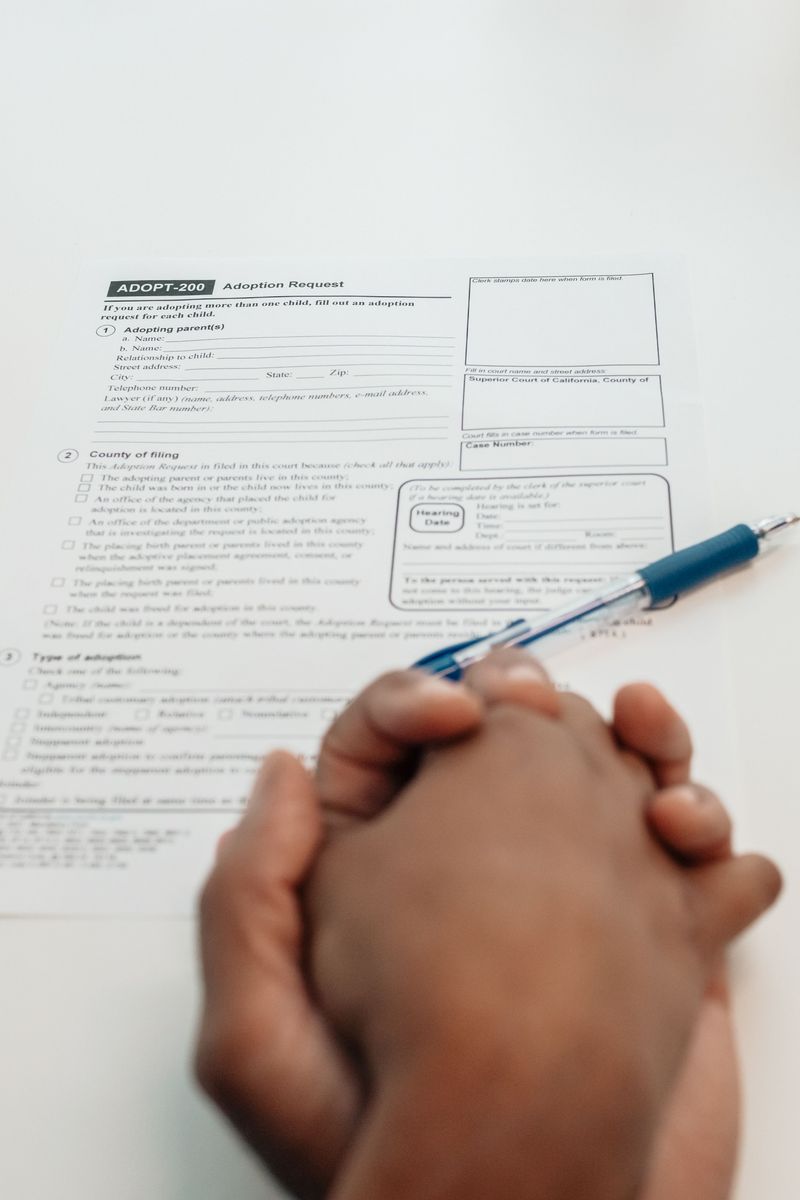
Ownership questions rarely come up, yet when they do, documentation settles things quickly and calmly.
Adoption contracts, breeder bills of sale, shelter receipts, and registration papers all serve this purpose.
Landlords, HOA boards, and some travel providers occasionally ask. Keeping a dated photo of your dog with the paperwork adds a helpful layer.
Store scanned copies in cloud storage so nothing depends on a single folder.
11. Pet Insurance Information

Coverage helps most when you can reach it fast, not after twenty minutes of searching email.
Note your policy number, provider phone line, claim submission method, and any pre-authorization steps.
Check whether your plan covers visits outside Florida, since networks and reimbursement rules differ. Snap a photo of the member card for your phone.
A quick pre-trip call confirms your plan travels as well as your dog.
12. Primary Veterinarian Contact Information

Your regular clinic knows your dog’s quirks better than any chart summary ever could.
Keep the practice name, phone, email, and address written down, plus the name of the doctor your dog usually sees.
New vets often call for background before treating. Ask your clinic in advance how they prefer to share records remotely.
Many will fax or email the same day when a request arrives.
13. Emergency Veterinarian Information For The Seasonal Destination
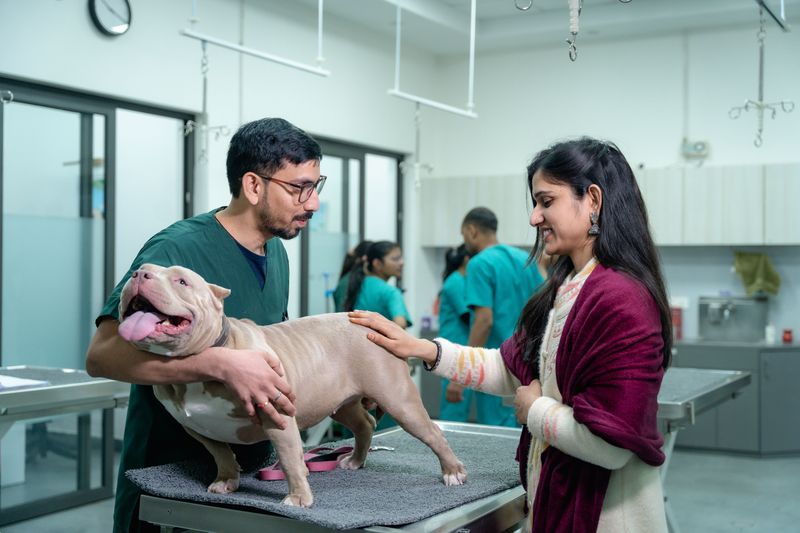
Research the closest 24-hour animal hospital before you need it, not during a stressful evening.
Write the name, address, phone number, and drive time from your seasonal home. Add a poison control hotline number too.
Some emergency clinics require deposits, so ask about payment expectations while things are calm. Save the location in your maps app.
Family members should know where the folder lives as well.
14. Lease Pet Addendum Or Landlord Approval

Seasonal rentals often welcome dogs, but the details live in a separate signed attachment.
A pet addendum usually spells out weight limits, breed restrictions, deposits, monthly pet rent, and yard rules.
Get written approval rather than a verbal yes, and keep a copy with your travel documents. If your dog is a trained service animal, different legal protections apply, so discuss specifics with the housing provider.
15. Condo Or HOA Pet Registration Or Approval
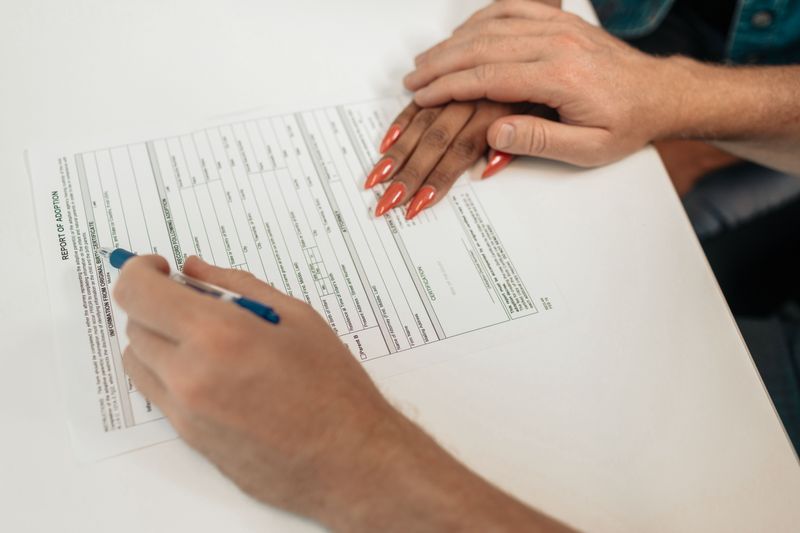
Florida condo and homeowner communities frequently keep their own pet rosters, complete with tags and photos.
Requirements vary by association, and some cap the number or size of dogs allowed.
Submit registration forms early, since board review can take weeks. Keep approval letters, community pet rules, and any issued identification together.
Asking the property manager for the current written policy prevents surprises when you arrive for the season.
16. Airline Pet Reservation And Travel Documents When Flying
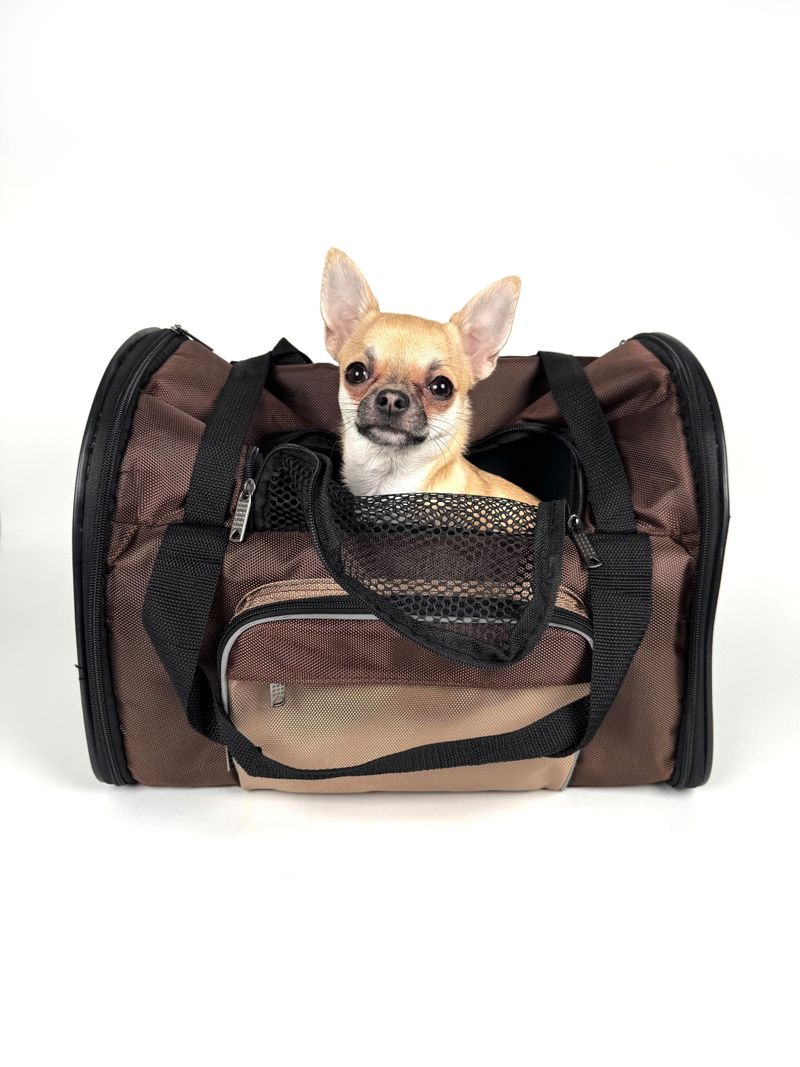
Flights add another layer, and airlines each write their own pet rulebook.
Confirm your reservation number, carrier dimensions, weight limits, and check-in windows in writing. Cabin space is limited, so book early.
Print the confirmation and any required forms rather than relying on your phone battery. Temperature restrictions may apply during hot Florida months.
Call the airline a few days ahead to verify nothing has changed.
17. Health Or Acclimation Certificate When Required
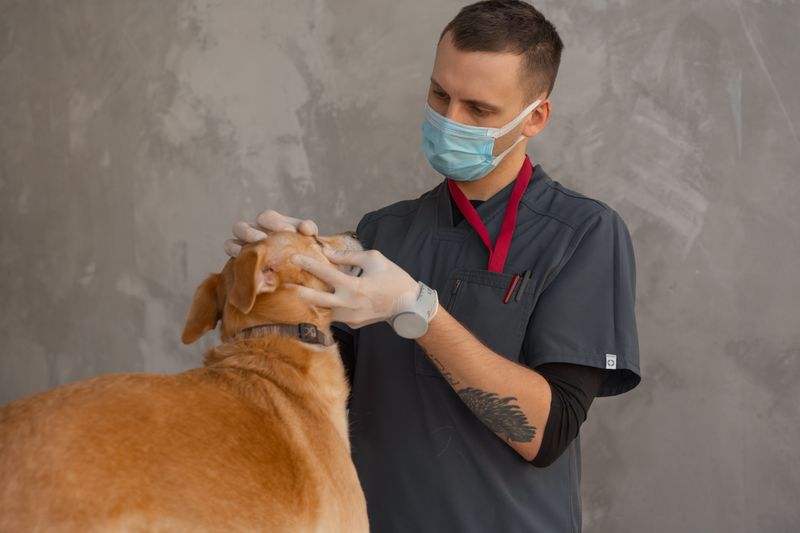
Airlines commonly request a veterinarian-signed health certificate dated within a set number of days before departure.
For dogs traveling as cargo, some carriers also accept an acclimation statement addressing temperature tolerance.
Timing matters, because a certificate issued too early may be rejected at the counter. Ask the airline exactly which form and date range they need, then book your vet visit to match that window.
18. Destination State Health And Vaccination Documents

Every state writes its own entry requirements for dogs, and they change from time to time.
Common expectations include current rabies vaccination and a recent inspection certificate. A few states add specific testing or permit steps.
Look up the destination department of agriculture or state veterinarian page before you drive. A quick phone call clears up anything confusing.
Keep printed copies within reach, not buried in luggage.
19. International Dog Import Documents When Returning To The U.S.
Snowbirds who winter abroad or cruise internationally face federal re-entry rules for dogs.
The CDC requires dogs entering the United States to appear healthy and meet current documentation standards, including microchip and rabies requirements that depend on the country visited.
Requirements have been updated in recent years, so review CDC guidance well before travel. Airlines and border officials will ask for the completed forms at arrival.
20. Special Animal Movement Permits Or Certificates When Required
Occasionally a destination requires an entry permit number obtained by your veterinarian before travel.
Permits may also apply during disease outbreaks, quarantine situations, or for dogs moving through certain agricultural checkpoints.
Your accredited vet can request these through official channels, usually within a few business days. Build in extra time.
With your folder complete, your dog’s paperwork is ready before the suitcase is. That is peace of mind worth packing.