20 Puppy House-Training Workarounds New York Walk-Up Residents Need Without A Yard Or Elevator
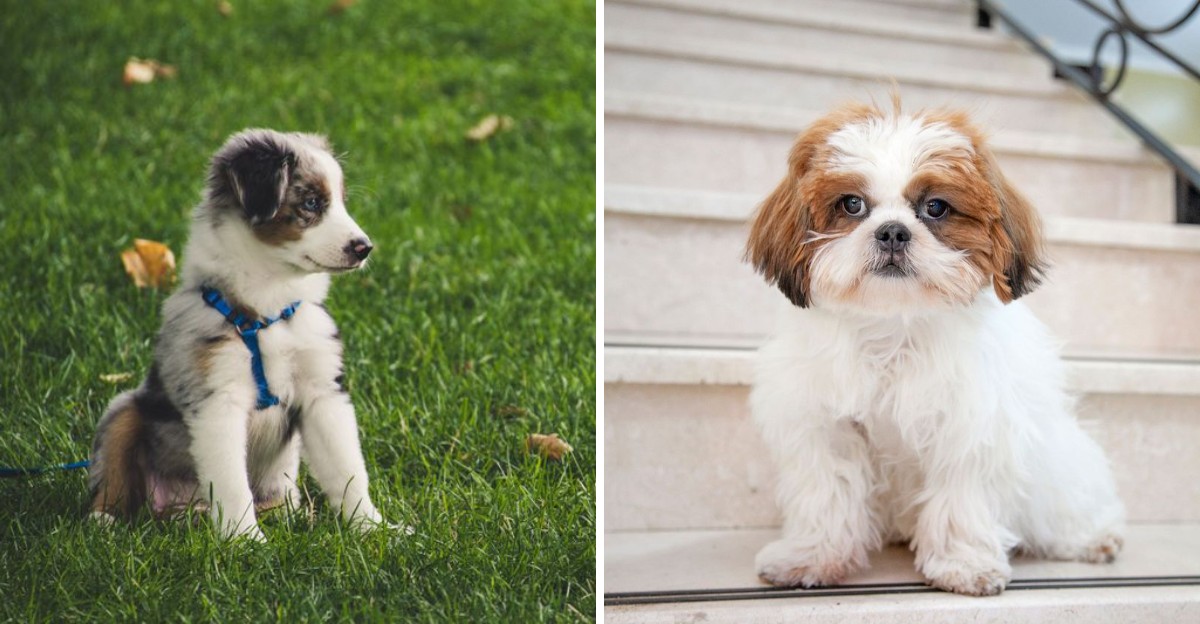
Four flights of stairs, a wiggly puppy, and no yard in sight: that is life in a New York walk-up. House-training works here, but it takes planning rather than luck.
With a steady schedule, a few smart tools, and a clear route to the sidewalk, most puppies learn quickly. Here are twenty practical workarounds that fellow walk-up owners rely on, plus the safety notes worth checking with your own veterinarian first.
Lock In a Potty Schedule on Day One
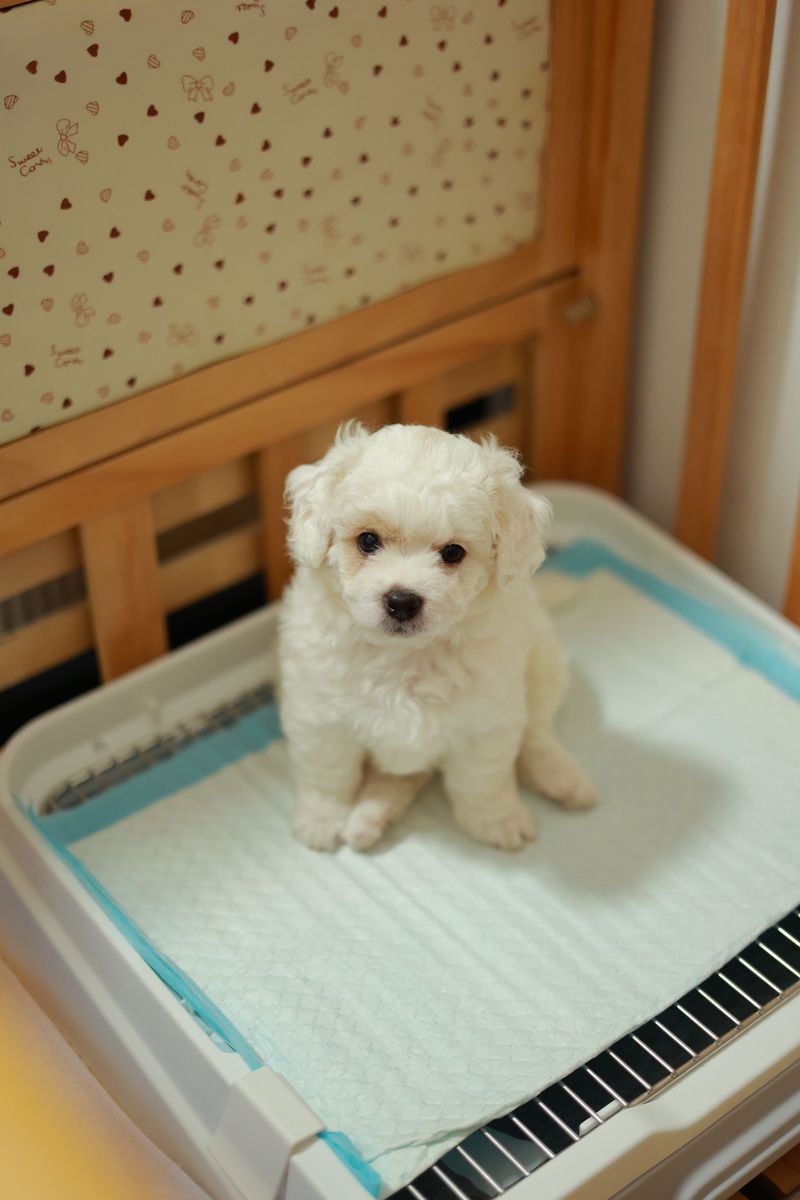
Routine does more heavy lifting than any gadget you can buy. From the first morning home, pick set times and stick to them.
A rough guide: young puppies need a break roughly every one to two hours, and about one hour per month of age. So a two-month-old goes out every two hours.
Write the times on paper and tape them near the door. Predictability teaches faster than correction ever will.
Move Fast After Waking, Eating, Drinking, and Play
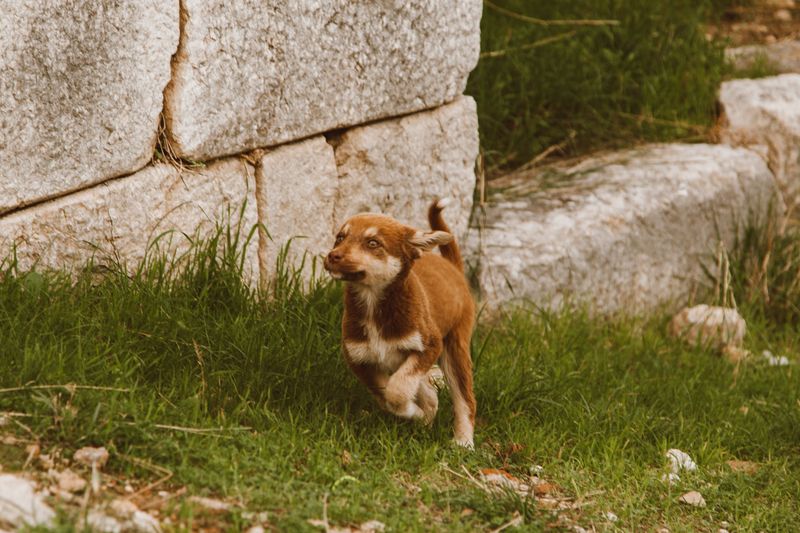
Certain moments almost guarantee a full bladder. Waking up, finishing a meal, gulping water, ending a play session, and rising from a nap all count.
A full stomach presses on the bladder and colon, so meals often trigger a quick need to go.
Treat those five moments as automatic exits, even if you just came back inside. Beating the clock beats mopping the floor.
Carry the Little Ones Down the Stairs
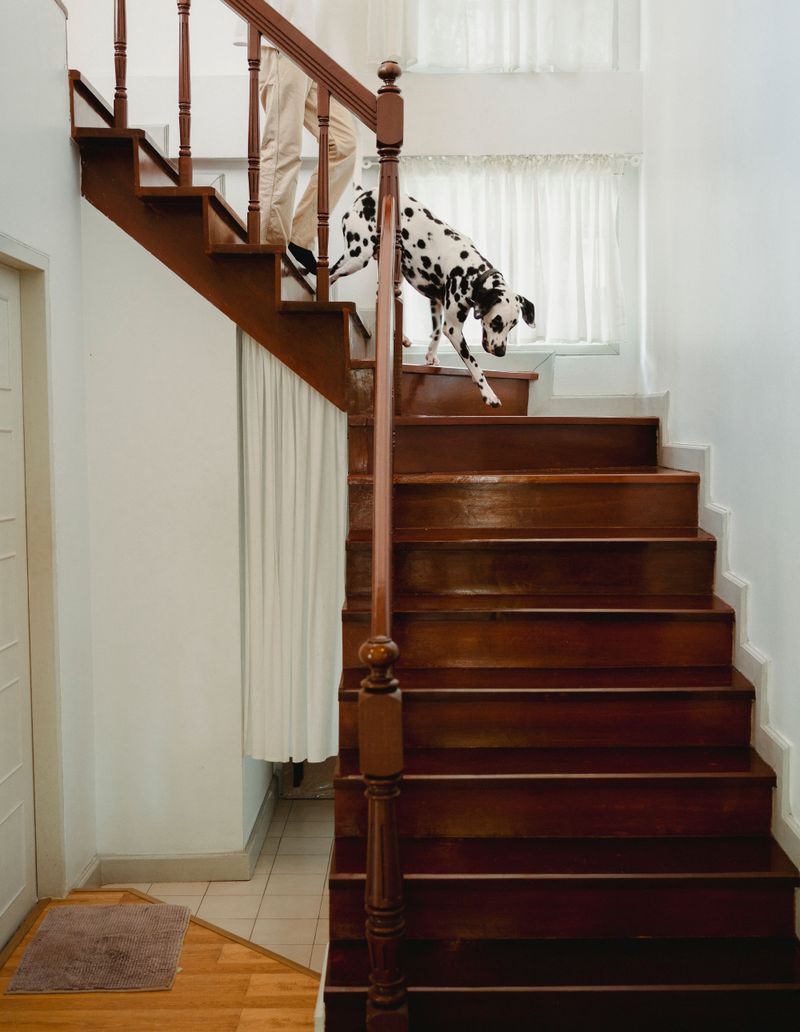
Three flights is a long time for a puppy holding it. Scooping them up shortens the trip and keeps the landing clean.
Carrying also protects incompletely vaccinated pups from ground that other animals have used. Support the chest and back end with both hands.
Larger breeds outgrow this fast, so use the window while it lasts. Stairs themselves are also hard on young joints.
Build a Grab-and-Go Station by the Door
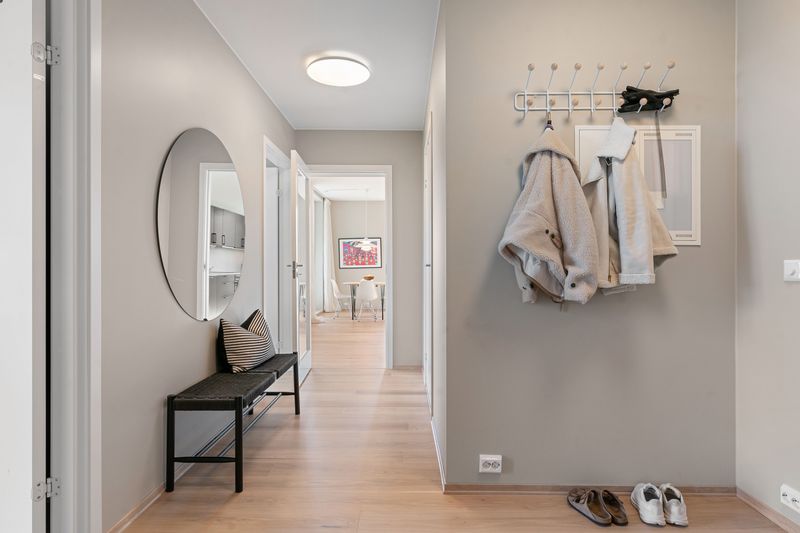
Fumbling for a harness while a puppy squats is a lesson learned once. Hang the leash and harness on a hook at the entry.
Keep slip-on shoes underneath, plus a full roll of waste bags and a treat pouch.
Seconds matter when you have stairs ahead of you. A tidy launch pad turns a frantic scramble into a smooth, boring exit every single time.
Return to One Reliable Outdoor Spot
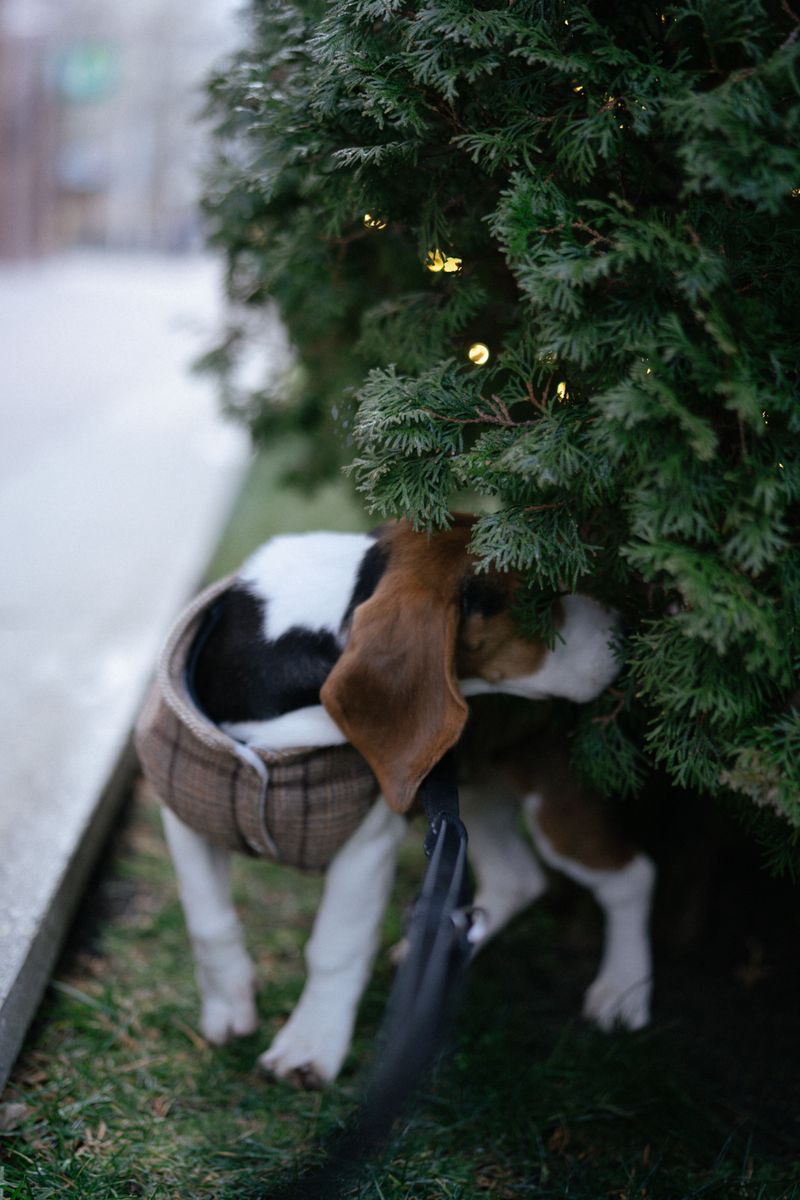
Scent is a signal. When a puppy smells their own previous visit, the message is clear: this is the bathroom.
Pick one tree pit, curb strip, or grass edge near your building and use it consistently.
Stand still and let them sniff for two or three minutes before wandering. Sameness speeds up the whole process, especially on cold mornings when nobody wants a long stroll.
Pick the Closest Safe Patch, Not the Scenic Route
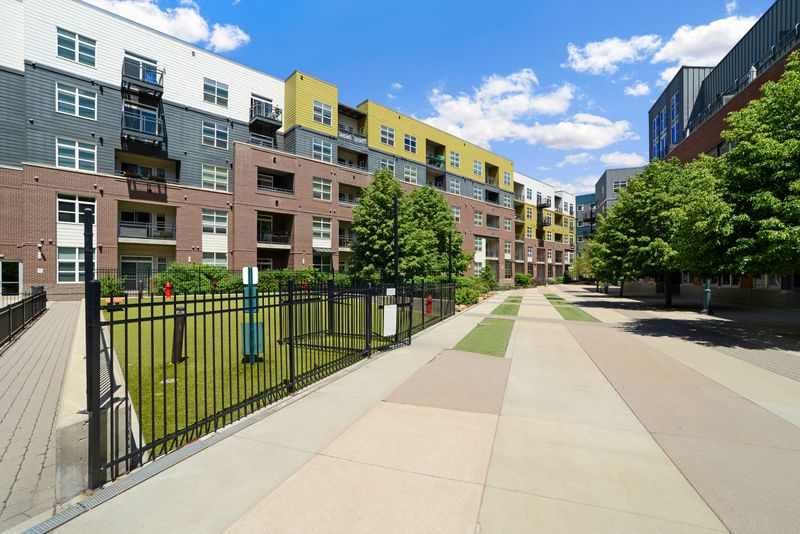
Walking three blocks to a nicer green space sounds pleasant. A puppy with a thimble-sized bladder disagrees.
Choose the nearest spot that is safe, reasonably clean, and away from heavy foot traffic. Success outdoors is what you are training, not distance.
Longer exploring walks can come later, once the bladder catches up. Right now, proximity is the whole strategy, and it saves you plenty of cleanup.
Pay Up the Instant They Finish
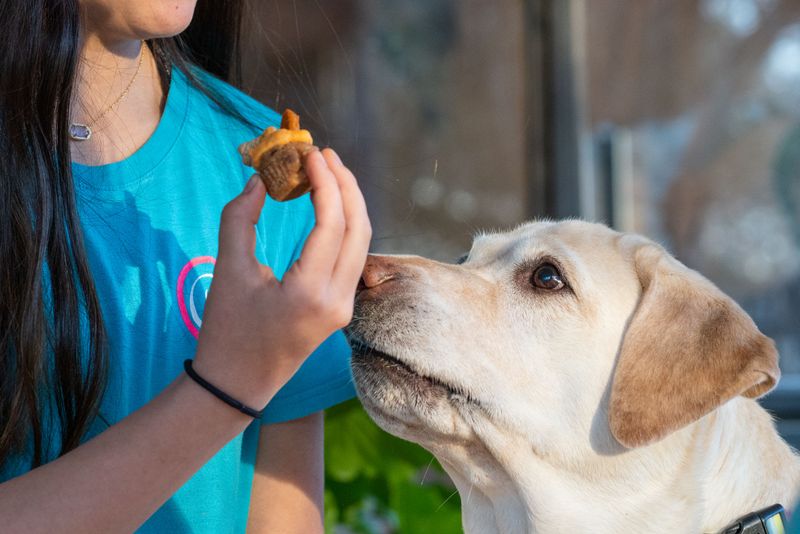
Timing turns praise into information. Deliver the treat and quiet praise within a second or two of the last drop.
Waiting until you are back upstairs rewards the staircase, not the sidewalk. Keep high-value treats in your pocket before you leave.
Soft, pea-sized bits work best. A cheerful word plus food tells the puppy exactly which choice paid off, and repetition makes it stick.
Read the Tells Before the Puddle
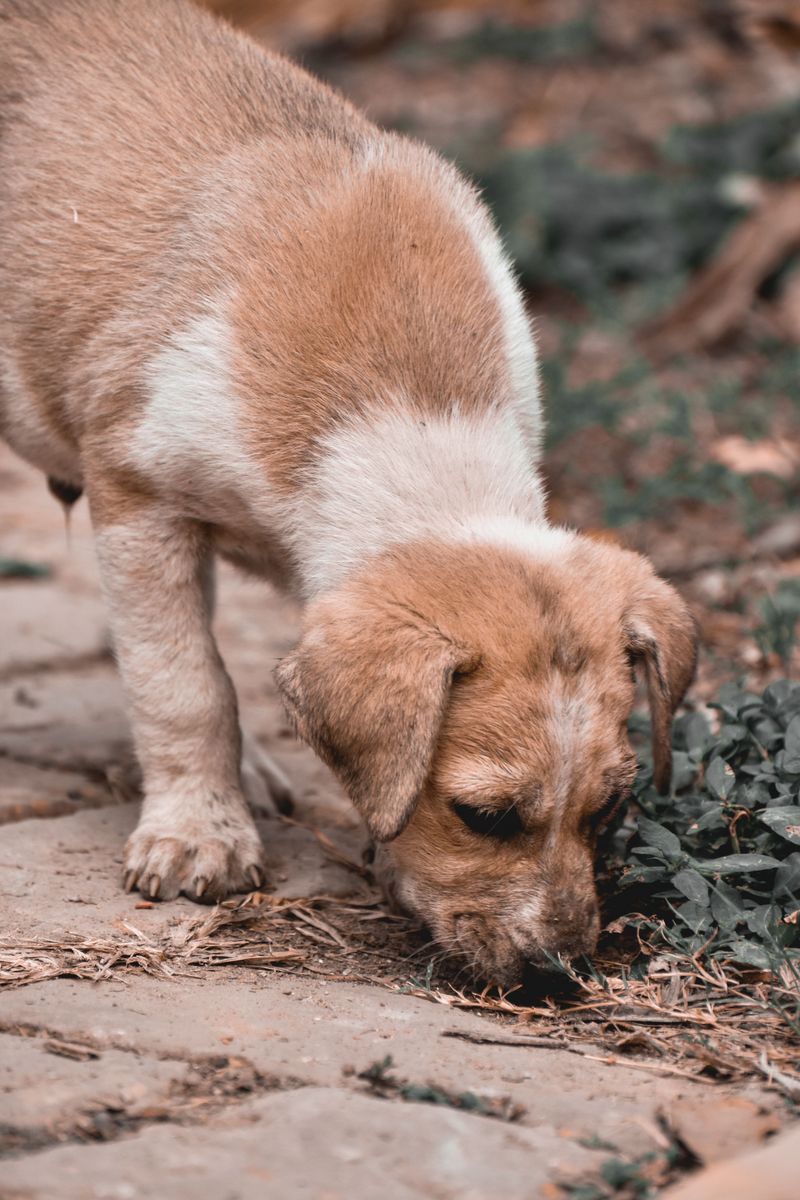
Puppies announce their intentions, just quietly. Sniffing the floor, tight circling, sudden pacing, whining, or drifting toward the door all count as warnings.
Some pups freeze mid-play and stare into space. Once you learn your own dog’s signature move, you gain thirty precious seconds.
Respond calmly, clip the leash, and head out. Reacting to signals teaches the puppy that asking actually works.
Let a Crate Do the Babysitting Between Trips
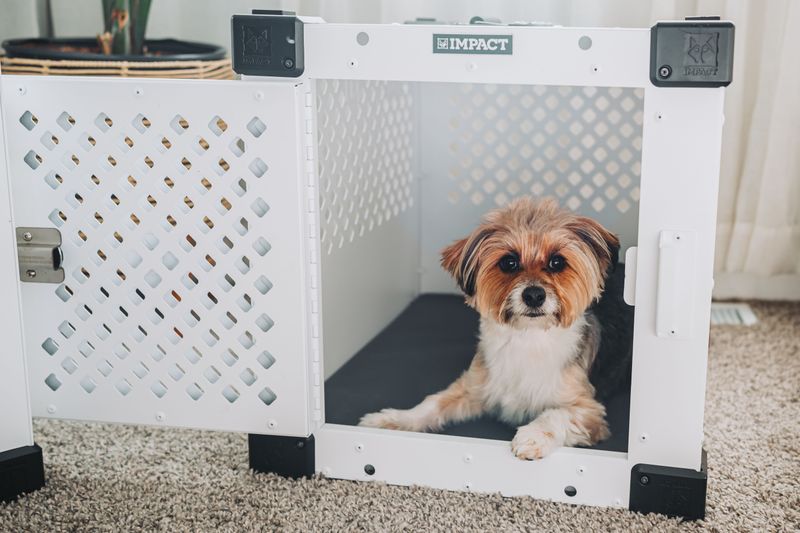
Dogs prefer not to soil where they sleep, and a properly sized crate uses that instinct kindly.
Size it so the puppy can stand, turn, sit, and lie down comfortably. Anything roomier becomes a bedroom plus a bathroom.
Offer a potty break right before crating and immediately after opening the door. Keep sessions short for young pups, and make the crate a pleasant place with chews.
Clip On an Indoor Leash When You Cannot Watch Closely
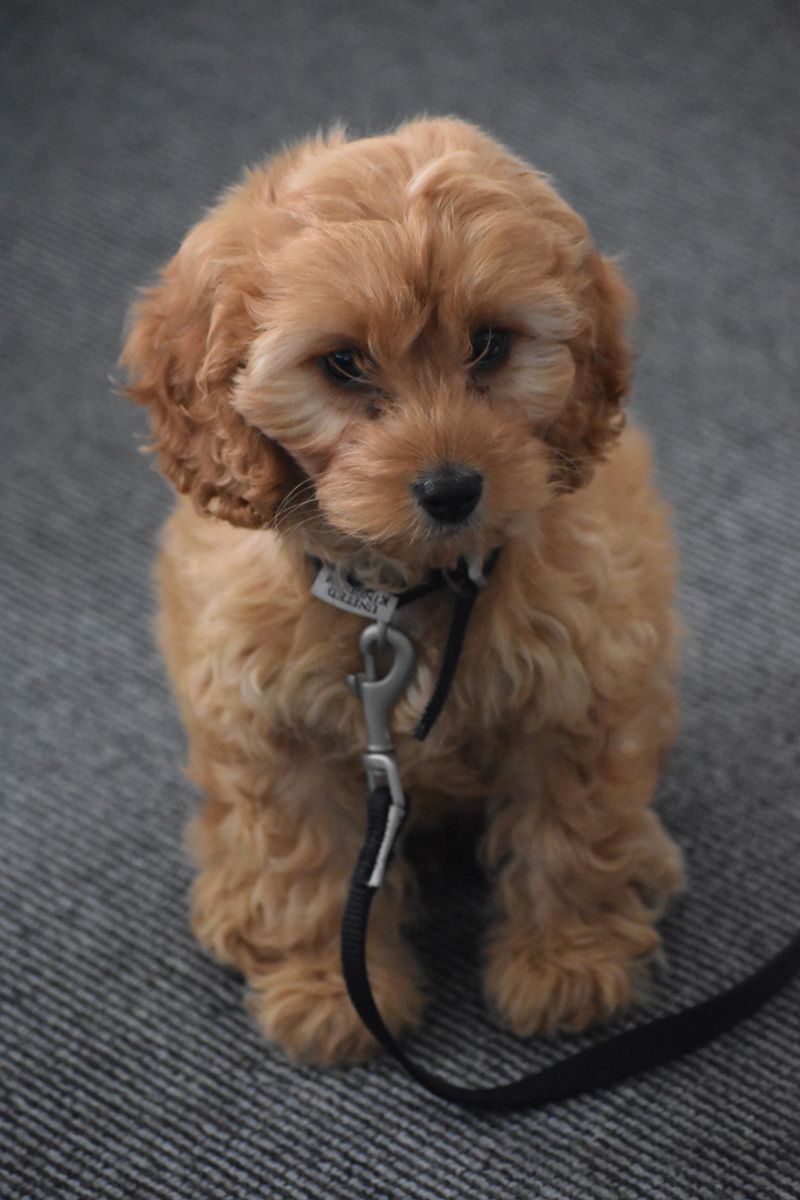
Studio apartments still offer plenty of hiding corners. Tethering the puppy to your belt loop or chair keeps them in view.
You catch the sniff-and-circle routine early instead of finding evidence behind the sofa.
Use a light leash and never leave a tethered pup alone. Supervision is not about control, it is about being close enough to help them get it right.
Keep Washable Pads as Your Safety Net
Nobody plans on accidents, but four flights and a slow elevator-free building make backups sensible.
Washable pads absorb well, protect floors, and skip the waste of disposable ones. Keep two or three in rotation so one is always clean.
Treat pads as emergency equipment rather than the main plan. Outdoor trips stay the goal, with the pad covering late nights and unexpected delays.
Try a Reusable Grass Tray for the Tiniest Pups
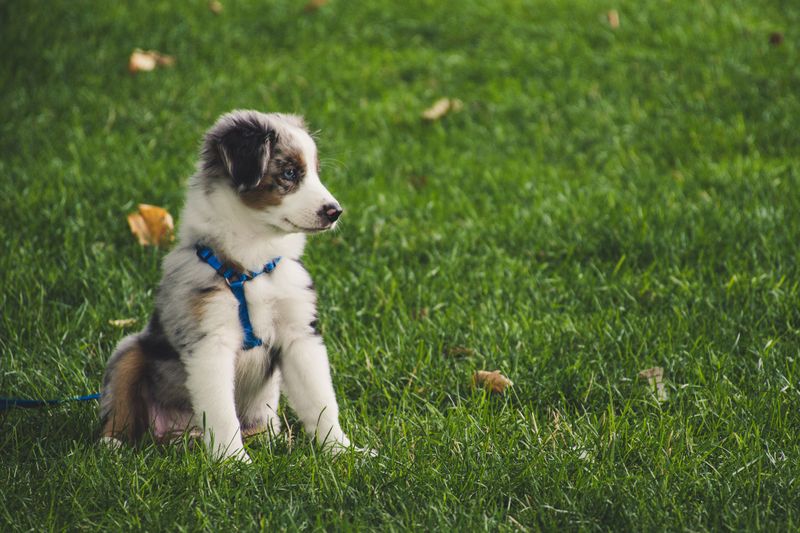
Real turf feels familiar underfoot, and some puppies take to a grass tray faster than a flat pad.
Handy for eight-week-olds, overnight surprises, and stormy nights when the stairs feel impossible.
Rinse the tray regularly to keep odor down, since lingering smell can also confuse training. Place it away from bedding and bowls, and phase it out once outdoor trips become dependable.
Position the Indoor Station Near the Exit
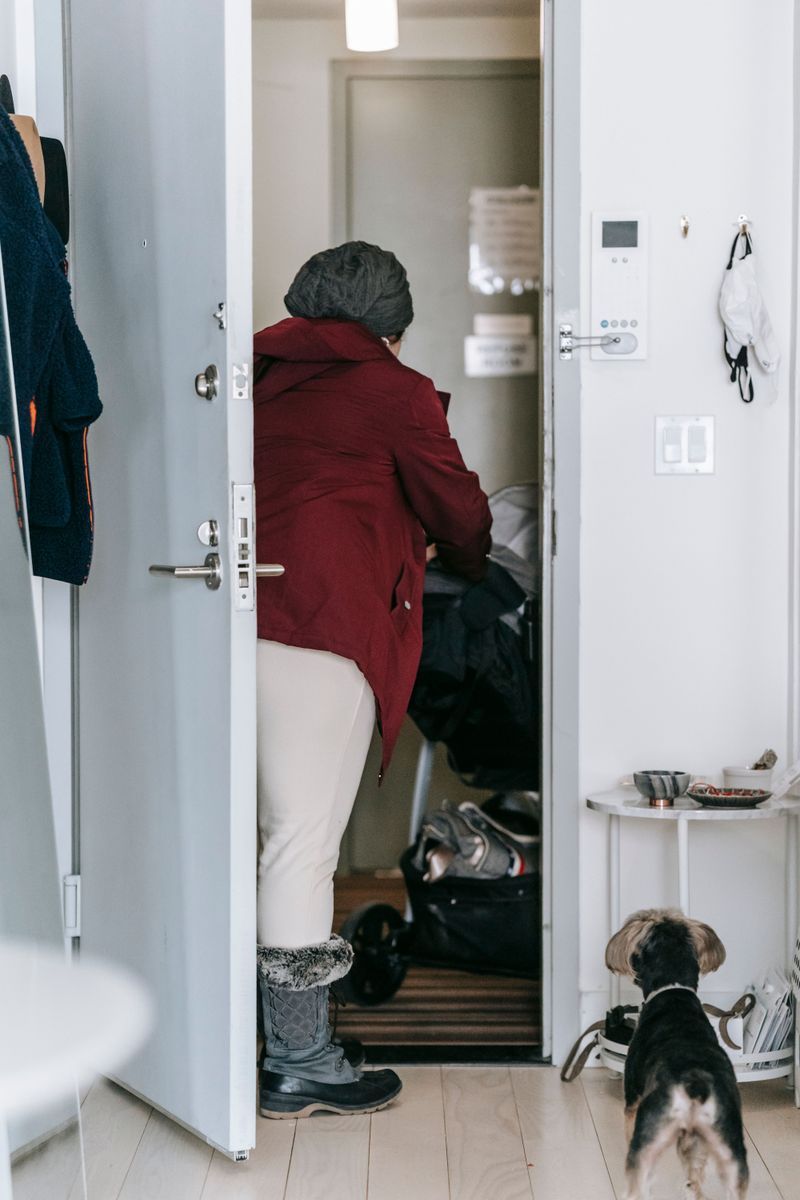
Location teaches geography. Setting the pad or tray close to the front door links relieving oneself with heading outside.
Choose a quiet, low-traffic corner: an entry mat area, a kitchen nook, or a bathroom edge.
Keep it well away from food bowls and the sleeping spot, because dogs naturally avoid soiling near those. Consistent placement prevents the puppy from inventing bathrooms of their own.
Erase the Odor With an Enzymatic Cleaner
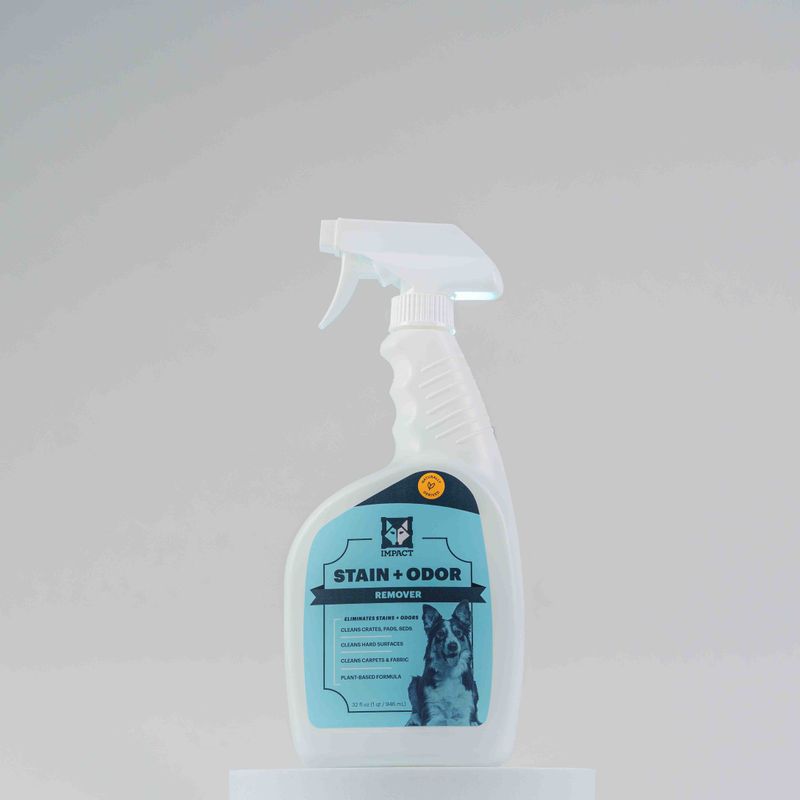
Regular household cleaners mask smells that a dog’s nose still finds easily. Enzyme formulas break the residue down instead.
Blot first, saturate the spot, and let it sit as the label directs before drying.
Skip ammonia-based products, which can smell faintly like urine to a puppy. Never scold after an accident either.
Fear teaches hiding, and a hidden puddle is harder to find than a visible one.
Handle Night Trips Like a Boring Errand
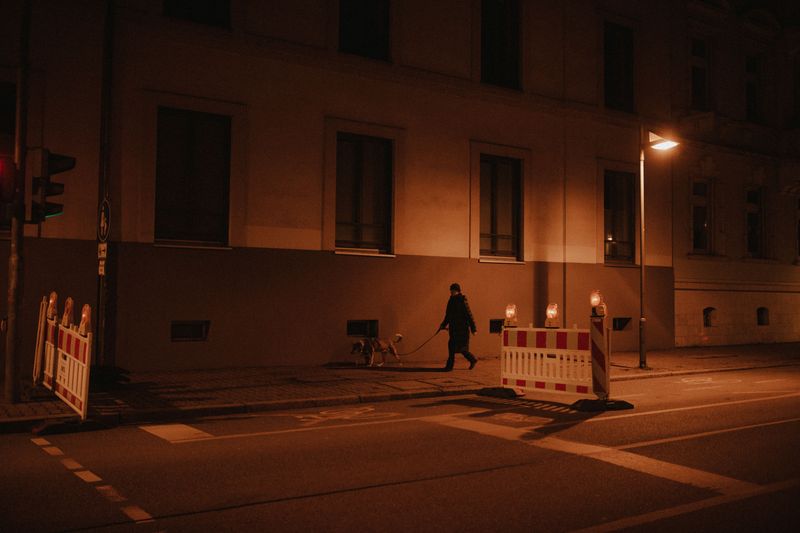
Overnight outings should be dull on purpose. Dim lights, minimal chatter, straight to the spot, quiet praise, straight back up.
Excitement signals playtime, and a wide-awake puppy at 3 a.m. helps nobody.
Pups around eight to ten weeks often need a break every two or three hours. Most gain dependable overnight control somewhere between four and six months, so the schedule stretches naturally.
Add Trips Instead of Testing Their Limits
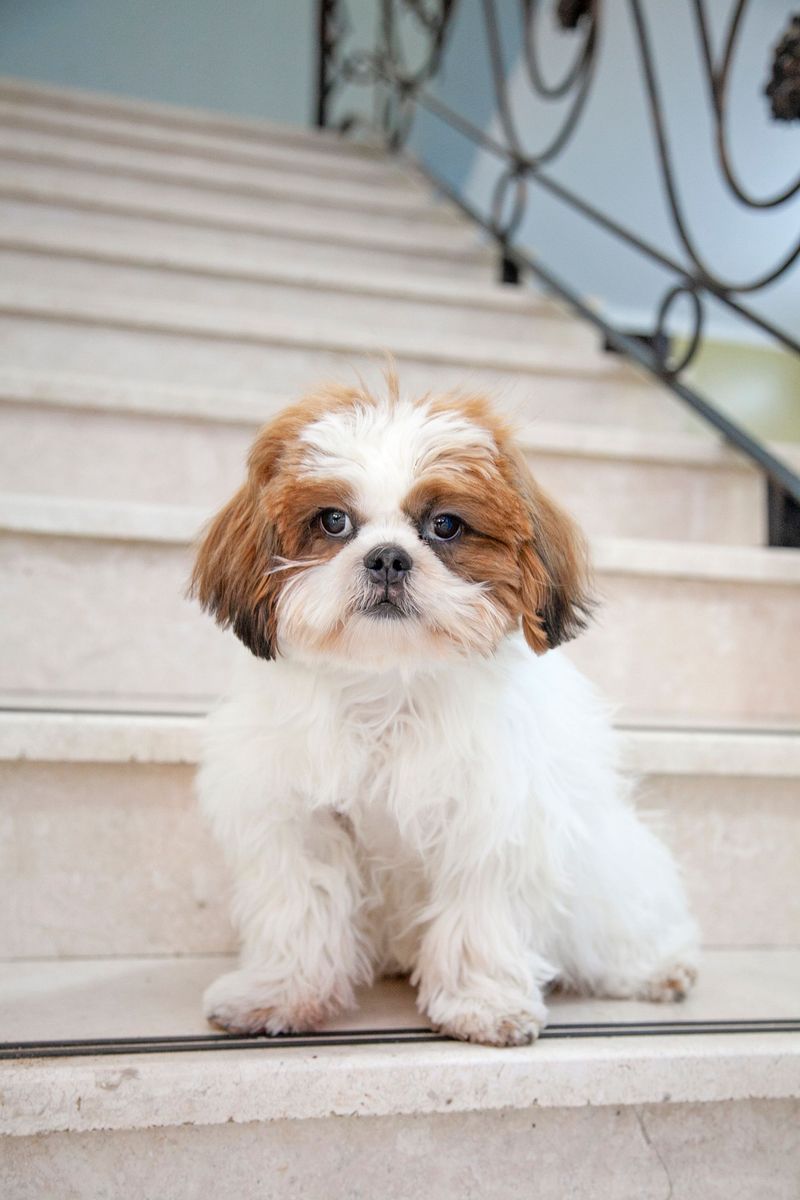
During the first few weeks, generosity beats discipline. Extra trips cost you stairs, but they build a clean record.
Small bladders simply cannot stretch on request, and asking them to wait creates accidents you then have to untrain.
Go out more often than you think necessary, especially after excitement or visitors. As reliability grows, quietly space the trips further apart and watch how the puppy responds.
Get Everyone in the Household on the Same Page
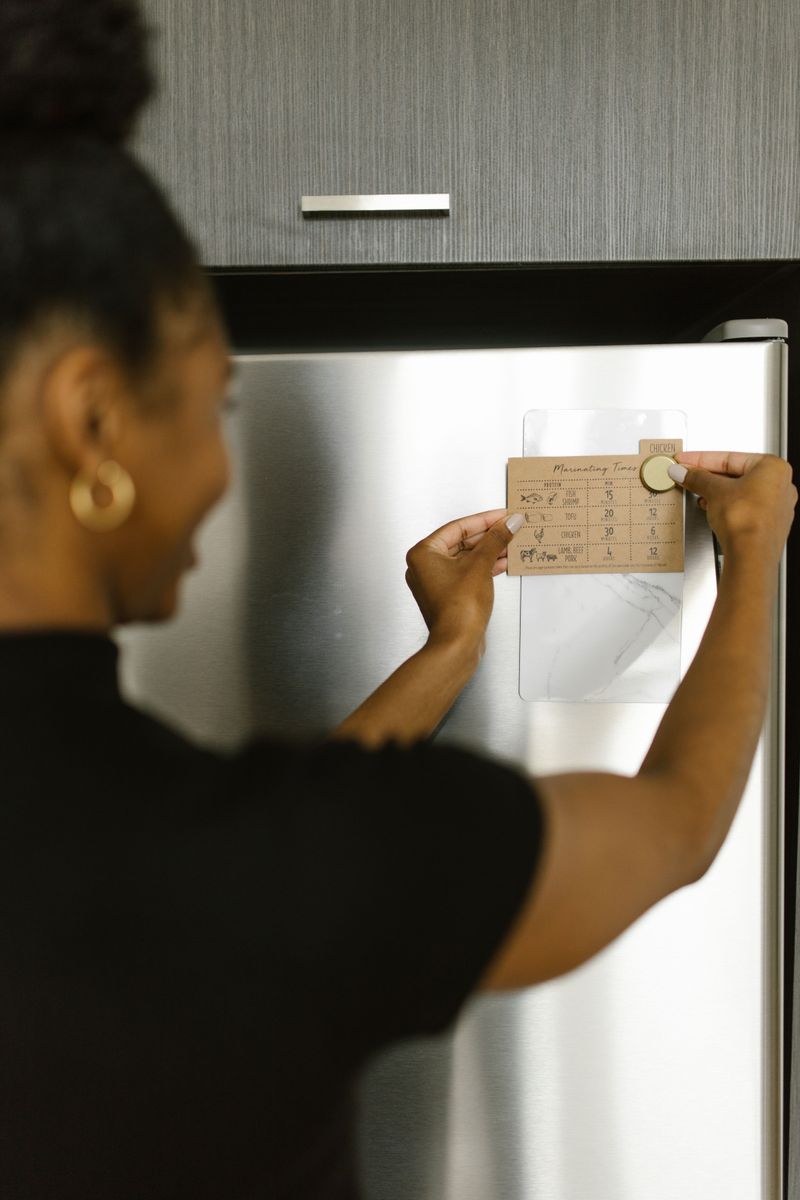
Mixed messages slow training more than mistakes do. If one person feeds at seven and another at nine, the puppy’s clock never settles.
Share a written schedule on the fridge or a phone app, and log each trip.
Agree on the same cue word and the same outdoor spot. Roommates, partners, and family should all reward the same way, so the rules feel consistent.
Book Midday Help When Work Runs Long
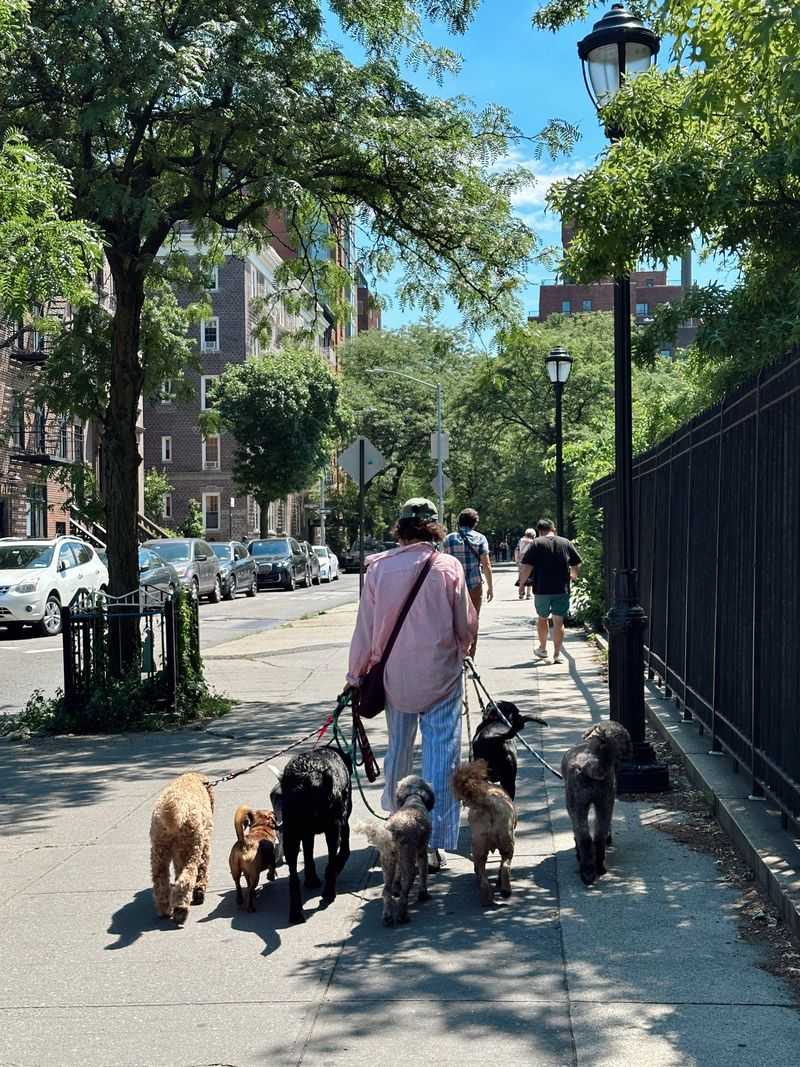
Nine-hour workdays and eight-week-old bladders do not match. A midday walker, neighbor, or family member fills the gap.
Ask for someone insured and comfortable with young puppies, and share your written routine so nothing changes.
Leave the leash, bags, and treats in the usual spot. Consistency from a helper protects weeks of progress, and your floors stay dry while you are at the office.
Ask Your Vet When Busy Sidewalks Are Safe
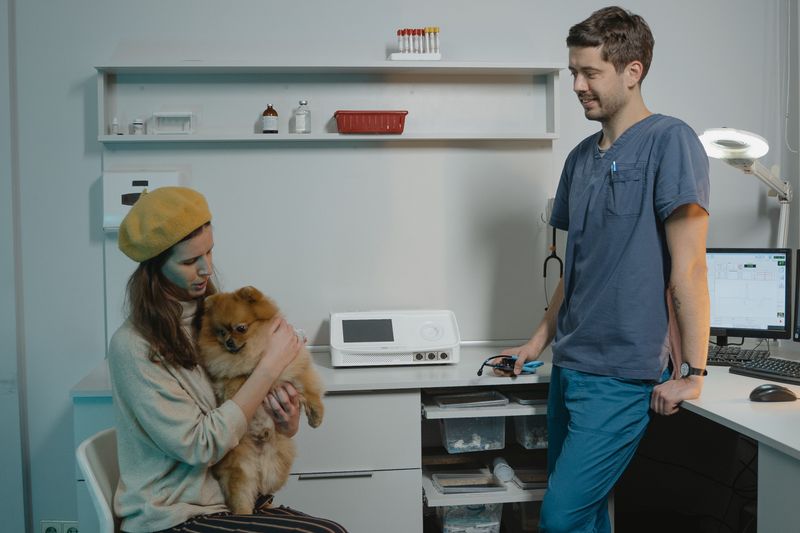
Vaccination timing shapes where a puppy can safely walk. Full protection generally arrives one to two weeks after the final core series, often near sixteen to eighteen weeks.
Until then, carrying pups through crowded areas and skipping shared dog runs is the cautious choice.
New York State requires rabies vaccination for dogs over four months. Your veterinarian knows your puppy’s schedule best, so ask directly.
Steady habits, patient owners, dry floors: that is the whole plan.