20 Questions New York Renters Should Answer Before Adopting A Large Dog Into A Small Apartment
Bringing home a big dog in New York City is absolutely doable, but it works best when you plan ahead. Between lease clauses, weight limits, walk-up stairs and tight elevators, city life asks a few extra questions of large-breed owners.
Think of this list as a friendly checklist from someone who knows the local landscape. Answer these honestly, and you will step into adoption day feeling prepared rather than uncertain, with a happier dog and calmer neighbors.
Start With The Lease Itself

Before anything else, read your lease line by line for pet language. Many New York City leases include no-pet clauses, and those clauses matter.
New York City also has a widely cited 90-day pet law. It can protect tenants who openly keep a pet for 90 days in buildings with three or more units, when the landlord knew and took no court action.
Rules are nuanced, so confirm your situation with a tenant attorney.
Weight Limits Can Quietly Rule You Out

Here is a detail that surprises many first-time adopters: buildings often cap pet weight. A 25-pound limit is extremely common across city rentals.
NYCHA public housing generally holds dogs to 25 pounds, though dogs registered before February 2010 may fall under a 40-pound allowance.
If your heart is set on a big breed, ask management for the written limit before you apply. Verbal reassurance from a neighbor is not enough protection.
Breed Restrictions Come From Buildings, Not The City

New York City does not ban specific breeds citywide. Restrictions instead come from landlords, building policies, and co-op boards.
Pit Bulls, Rottweilers, and Doberman Pinschers appear most often on restricted lists. Akitas and German Shepherds sometimes join them.
Insurance carriers influence these choices, since some decline coverage for certain breeds. In NYCHA properties, assistance animals are exempt from breed rules.
Ask for the restricted list in writing before falling in love at the shelter.
Get Permission In Writing First

Honesty tends to pay off with landlords. Raising your dog plans early signals that you are a responsible tenant.
A pet resume helps enormously. Include vaccination records, training certificates, and a note from a previous landlord or neighbor.
Ask for written approval, then keep a copy with your lease documents. Emails count as records too.
Surprising management later creates friction that no dog deserves to sit in the middle of.
Budget For Pet Fees And Pet Rent

Money questions deserve a straight answer. New York State caps security deposits at one month’s rent, so separate pet deposits are no longer permitted.
Landlords may instead charge a one-time pet fee. Monthly pet rent is also common, frequently landing between $25 and $75.
Add that figure to your yearly math before adopting. Over a long lease, pet rent adds up meaningfully alongside food, vet visits, and grooming.
How Many Animals Are Actually Allowed
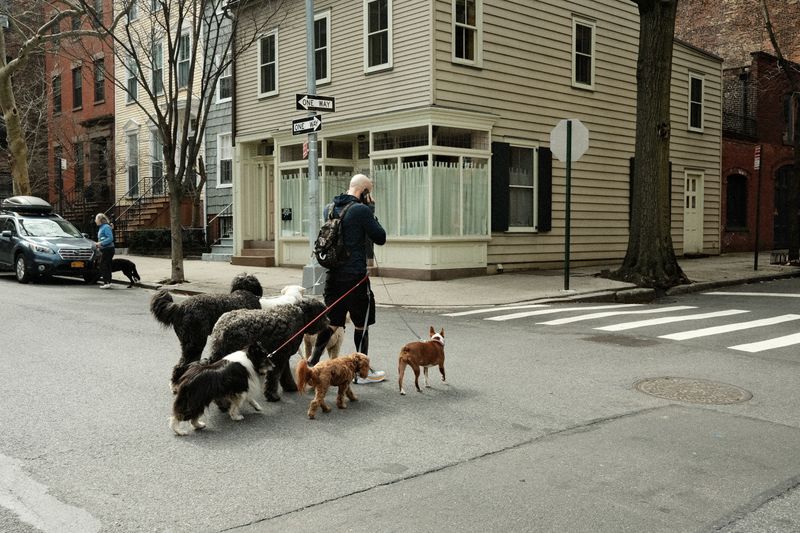
Some renters assume one dog policies stretch to two. They often do not.
NYCHA households are generally limited to one dog or one cat. Private buildings set their own numbers, and those numbers vary widely.
If you already share your home with a cat or another dog, confirm the total count allowed. Adding a large dog to an existing pet household can quietly break a rule you never knew existed.
Floor Space: Function Beats Square Footage

Guidance often suggests roughly 40 square feet of play space for a big dog. Reality is more forgiving than that number sounds.
Many large breeds are surprisingly low-energy indoors. Given real exercise and mental work outside, they settle happily in modest rooms.
What matters most is usable space: a clear path to walk, a resting spot away from foot traffic, and room to stretch fully.
Map Out Where The Gear Goes
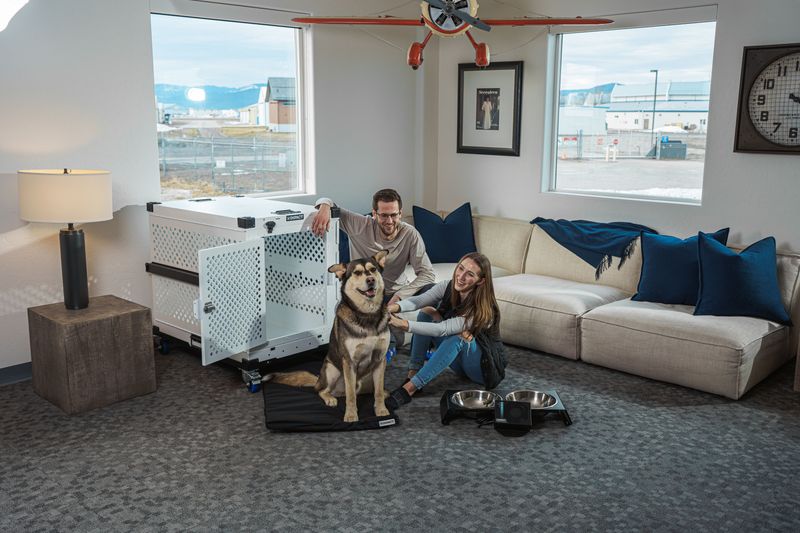
Big dogs come with big equipment. A crate, a bed, food and water bowls, food storage, toys, towels, and leashes all need homes.
Sketch it out before adoption day. Vertical storage, under-bed bins, and a hook by the door work wonders in tight layouts.
Some renters build a dedicated corner that serves as the dog’s quiet zone. Consistent placement helps dogs settle faster in small spaces.
Count The Stairs Honestly
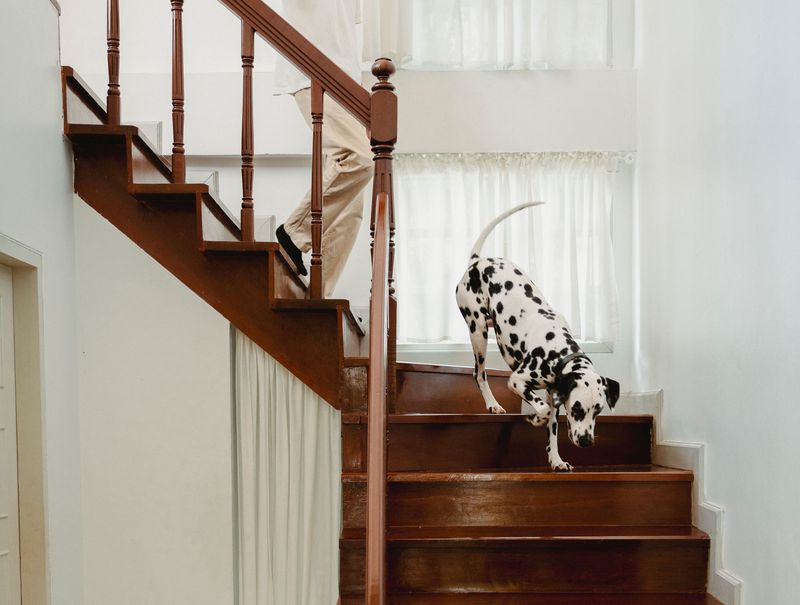
Fourth-floor walk-ups look charming in listings. They feel different at 6 a.m. with a 70-pound dog.
Daily stair climbing can be tough on puppies with developing joints and on older dogs. No city law governs it, but joint comfort is a real consideration.
Count your flights and multiply by four trips daily. Then ask whether you could carry your dog down safely if needed.
Elevator Rules Are Their Own Category

An elevator building sounds like an easy win. Building rules can complicate it.
Some policies require dogs to be leashed or carried. Others direct pets to service elevators only, or restrict lobby access during certain hours.
Carrying is impossible with a big dog, so clarify that point directly with management.
Basic courtesy also helps: ask waiting riders whether they mind sharing the car with your dog.
Time Your Route To The Nearest Grass
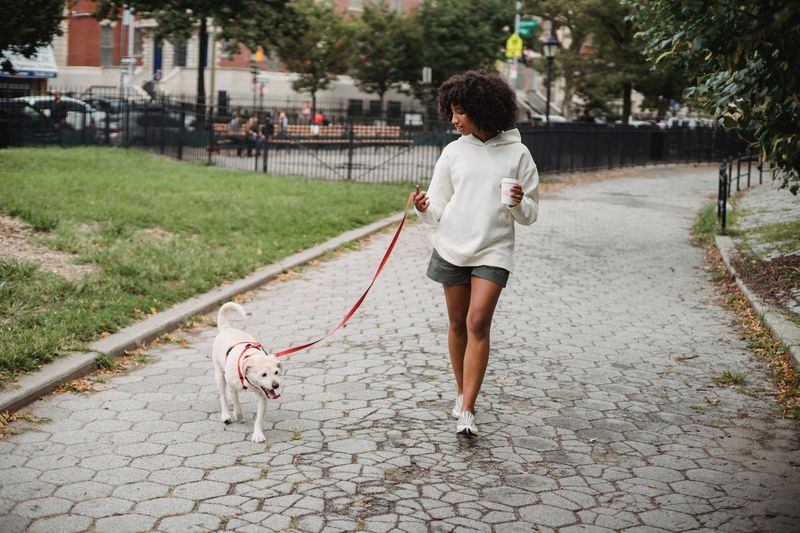
Potty access is a logistics problem in dense neighborhoods. Walk your route and time it.
If reaching an appropriate outdoor spot takes eight minutes, factor that into every trip, especially with a puppy or a senior dog needing urgent breaks.
Ground-floor units and nearby tree pits make life simpler. Also plan a rainy-night version of the route, since bad weather never waits for convenience.
Be Realistic About Daily Exercise
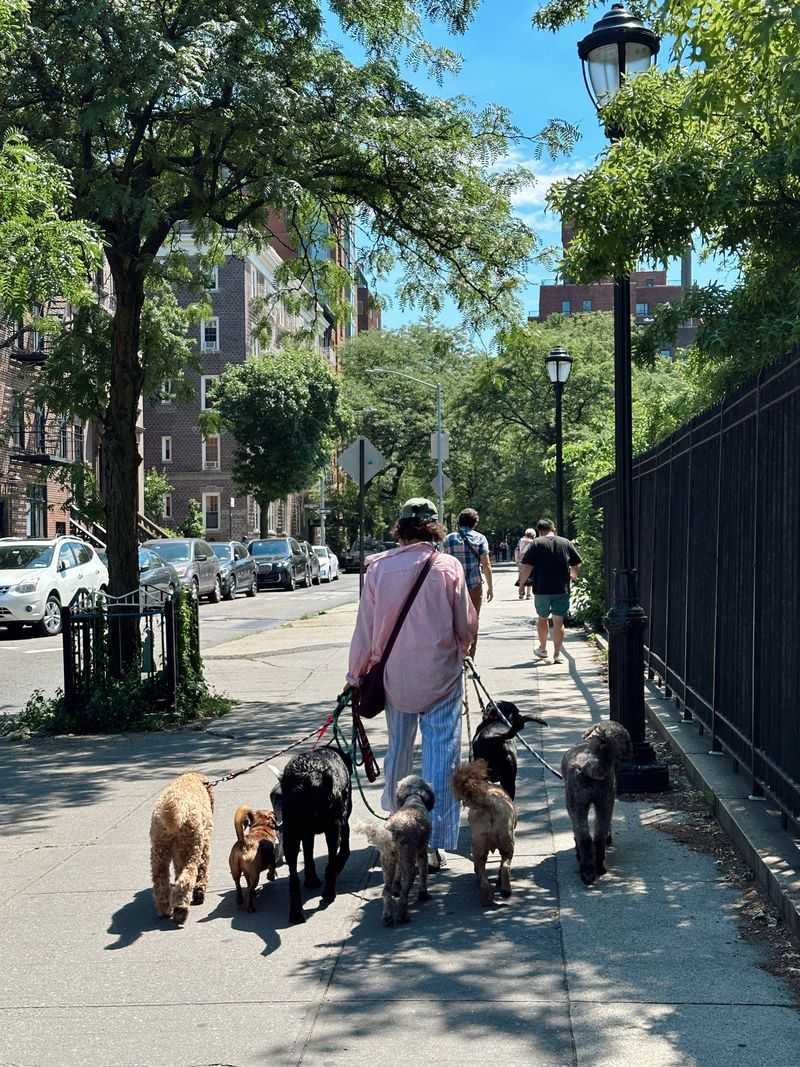
Exercise carries the whole arrangement. Small apartments work when dogs get moving outside.
Needs differ by individual, but many large breeds do best with at least an hour of vigorous activity each day. Long walks and dog park sessions can offset limited indoor room.
A tired dog is usually a well-mannered dog. Look at your actual work schedule, not your ideal one, before committing.
Know Your Local Park And Dog Run Rules
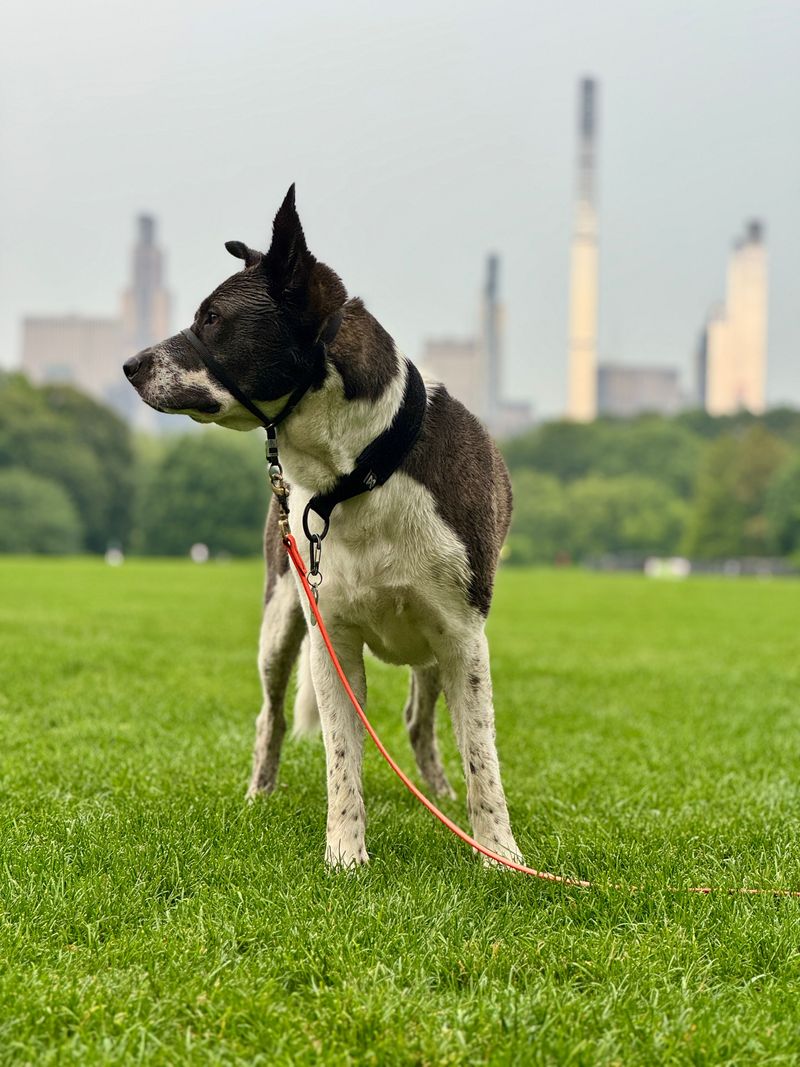
City parks have clear regulations worth memorizing. Leashes must be six feet or shorter between 9 a.m. and 9 p.m.
Dogs are not allowed in playgrounds, sports fields, or planted gardens. Dog runs offer fenced off-leash space during posted hours.
Certain unfenced areas permit off-leash time before 9 a.m. and after 9 p.m., though not in parks with an official run.
Three dogs per person maximum, and always clean up.
City Nerves Are A Real Consideration

Sirens, delivery bikes, jackhammers, crowds, and packed elevators arrive all at once here. Not every dog reads that as normal.
Ask the shelter or foster how the dog reacts to traffic noise, strangers, and tight spaces. Watch for loose, relaxed body language during a trial walk.
Thoughtful socialization and reward-based training build confidence over time. A trainer experienced with urban dogs can shorten the learning curve considerably.
Barking Is The Number One Neighbor Complaint

Thin walls change everything. Excessive barking ranks among the most frequent tenant complaints in city buildings.
Training matters here, particularly during quiet overnight hours. Reward quiet behavior, manage window views, and use white noise if hallway sounds trigger alerts.
Persistent noise can be treated as a nuisance, which may put a tenancy at risk even where the 90-day pet law applies.
Address barking early, not after complaints arrive.
Alone Time Deserves A Practice Plan

Long workdays test a dog’s independence. Some dogs struggle when left alone and show it through pacing, whining, or scratching.
Build tolerance gradually with short departures that grow longer. Frozen food puzzles give the dog something pleasant to do.
A pet camera lets you see what actually happens after you leave, which removes guesswork.
If separation anxiety appears, a trainer or veterinarian can help you make steady progress.
Mud, Rain, And Fur In 500 Square Feet
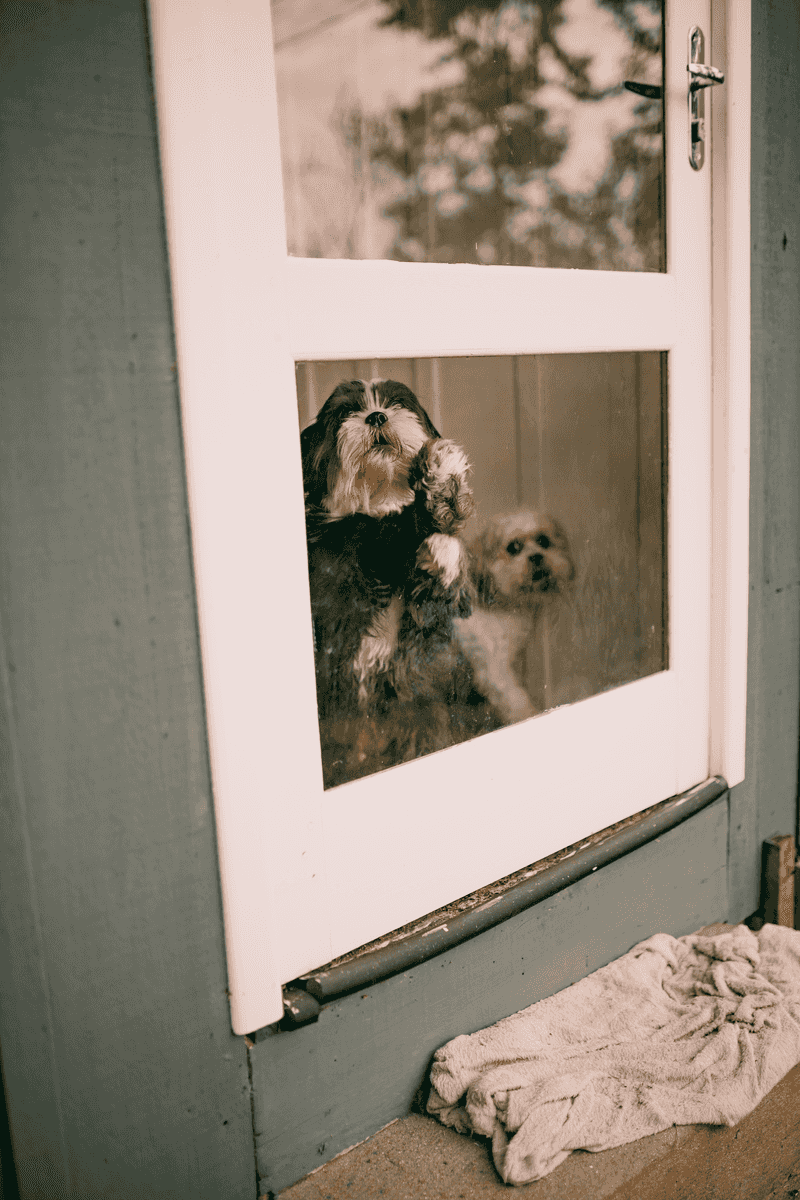
Slush season teaches every city owner the same lesson: have a doorway system.
Keep a towel, paw wipes, and a washable mat right at the entry. Wipe paws before the dog reaches the rug.
Brushing a few minutes daily controls shedding better than weekend marathons. A small handheld vacuum earns its shelf space quickly.
Some newer pet-friendly buildings include dog washing stations, which is a genuine amenity worth asking about.
Weather Planning For Both Extremes

Summer pavement gets hot fast. Rest the back of your hand on it for seven seconds.
Too hot for you means too hot for paws.
Walk early or late, keep water available, use shade, and stay in air conditioning midday. Never leave a pet in a parked car, and call 911 if you see one in distress.
Winter calls for rinsing salt off paws and warmth for short-coated dogs.
Price Out Walkers And Daycare Now
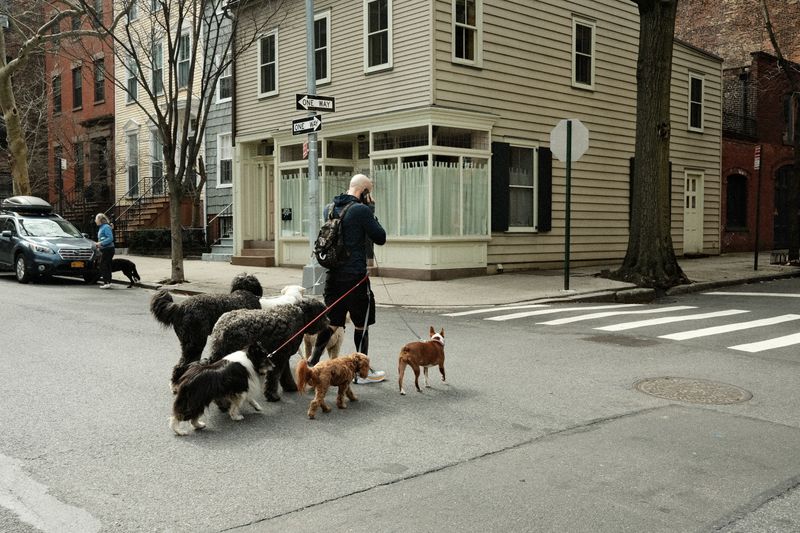
Coverage costs real money in this city. A 30-minute walk commonly runs about $18 to $25, with some services charging more depending on length and type.
Daycare averages roughly $49 per day, generally falling between $35 and $60. Monthly unlimited passes can reach around $1,035.
Puppies, extra dogs, late pickups, and holidays often carry surcharges. Confirm current rates locally, since pricing shifts year to year.
Think Two Leases Ahead

Leases end, jobs change, and rents move. Your dog will need a welcome mat at the next address too.
Pet-friendly inventory can be tight, and policies differ dramatically building to building. Weight caps often shrink your options further.
Keep a pet resume current with obedience certificates and landlord references. Start apartment hunting earlier than usual.
Planning for the move you have not made yet is the kindest promise you can offer.