20 New York Dog Paperwork Items Renters Should Have Ready Before A Competitive Apartment Search

Apartments in New York can rent fast, and pet owners often need to move even faster. Having your dog’s papers ready lets you apply the moment you find the right place.
A tidy folder also shows a landlord that you are organized and responsible. Here is a friendly guide to the documents worth gathering now, so your search feels calm instead of rushed.
1. Dog Resume

Landlords meet hundreds of applicants, so give them a quick reason to remember your dog. A one-page dog resume does exactly that.
List your dog’s name, breed, age, weight, and spay or neuter status.
Add a short note about temperament, like quiet indoors or relaxed around neighbors. Mention any training classes and daily routines.
Keep the tone honest and upbeat. A clear, truthful profile builds trust faster than glowing promises ever could.
2. Recent Dog Photos

A good photo can settle questions before anyone asks them. Many buildings have size or weight limits, so landlords want to see your dog clearly.
Choose two or three recent pictures taken in good light. One full-body shot shows size well.
Another can capture your dog resting calmly at home. Skip blurry or heavily filtered images.
Saving them as small files makes emailing them quick when a listing suddenly opens up.
3. Vaccination Records
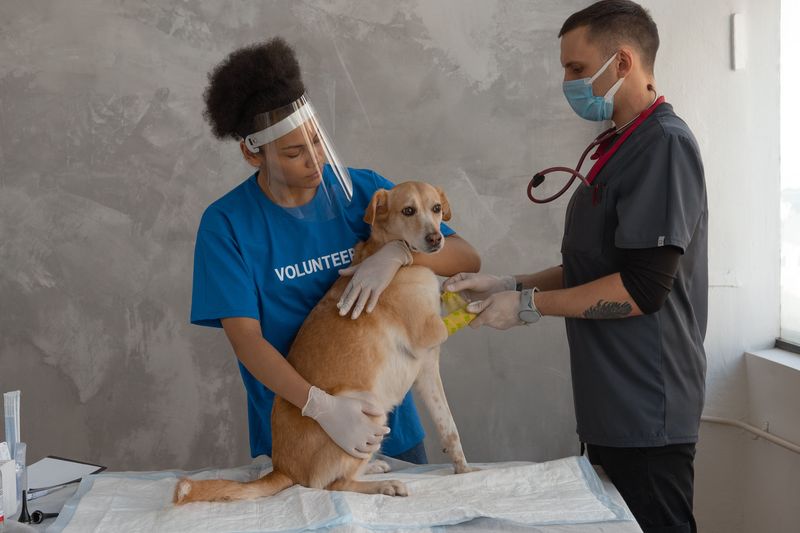
Picture a property manager scanning your file and seeing every shot neatly dated. That small moment says a lot about your care.
Ask your veterinarian for a printed or digital vaccine history. It should cover rabies plus common core vaccines like distemper and parvovirus.
Some buildings with dog parks or shared spaces may ask about others, such as bordetella. Rules vary by building, so confirm what each landlord actually expects before applying.
4. Rabies Vaccination Certificate
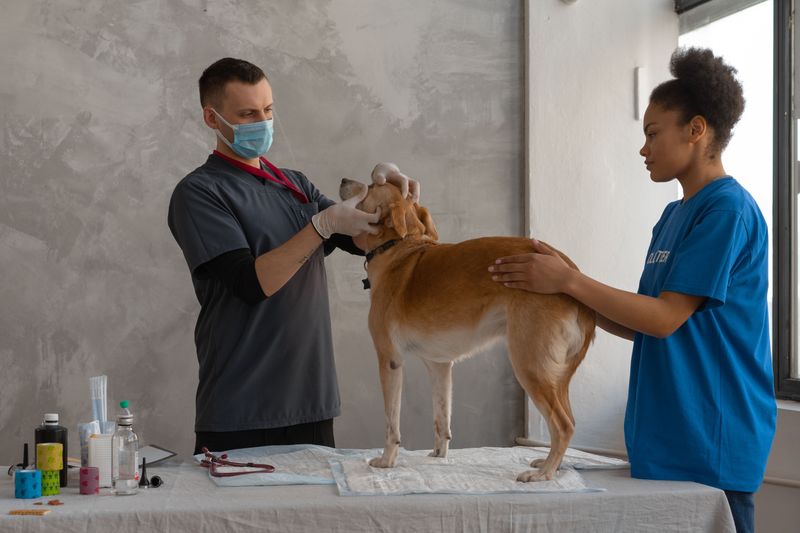
Here is one document New York State law actually requires behind the scenes. Dogs must be vaccinated against rabies by four months of age.
After the first shot, a booster follows within about a year. Later boosters are usually given every one to three years, depending on the vaccine used.
The signed certificate, not just the tag, is your proof. Keep a copy handy, because licensing offices and many landlords ask for it.
5. Dog License

Every dog four months or older in New York State needs a license. Your city, town, or county issues it, so the process differs by location.
In New York City, licensing runs through the Health Department, and dogs must wear the tag in public. You will need proof of rabies vaccination to apply.
Fees are often lower for spayed or neutered dogs. A current license copy shows landlords you follow local rules.
6. Veterinary Health Records
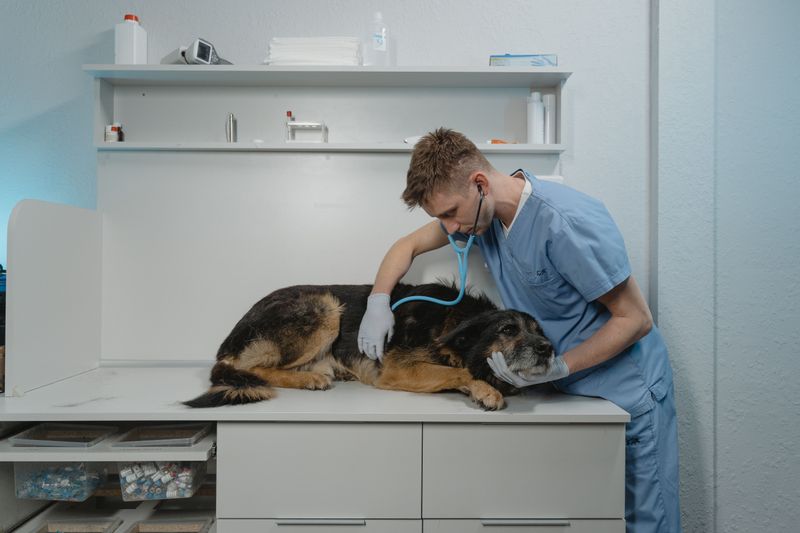
Think of a wellness summary as your dog’s report card from the vet. It shows recent checkups, weight, and any ongoing conditions that are well managed.
Request a short summary from your last annual exam. One or two pages is plenty for a landlord.
You do not need to share every detail of your dog’s medical life. Focus on showing steady, regular care, which quietly signals that problems are handled early and responsibly.
7. Spay or Neuter Certificate
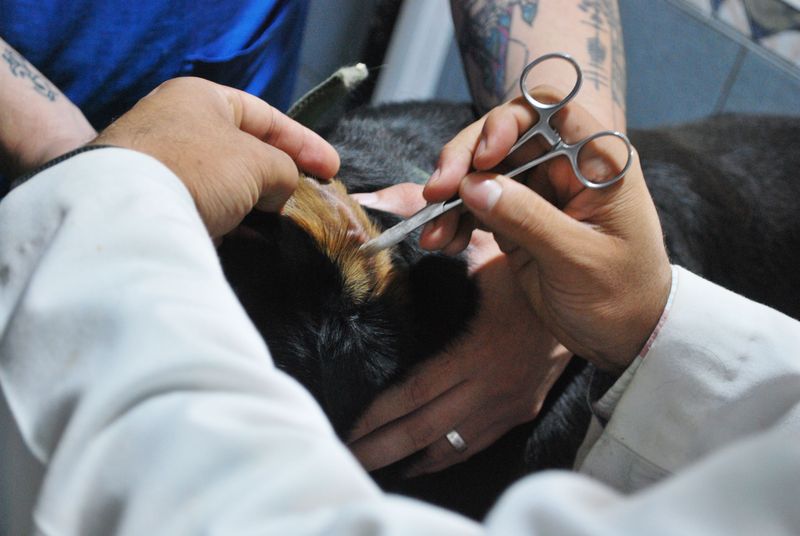
Fun fact: in many New York areas, spayed or neutered dogs qualify for cheaper license fees. That alone makes this certificate worth keeping.
Your vet or the shelter that did the surgery can provide proof. Adoption paperwork often includes it too.
Some landlords like seeing it, since it can reduce certain behaviors like marking. If your dog is not sterilized for health reasons, a short vet note can explain that kindly.
8. Microchip Registration
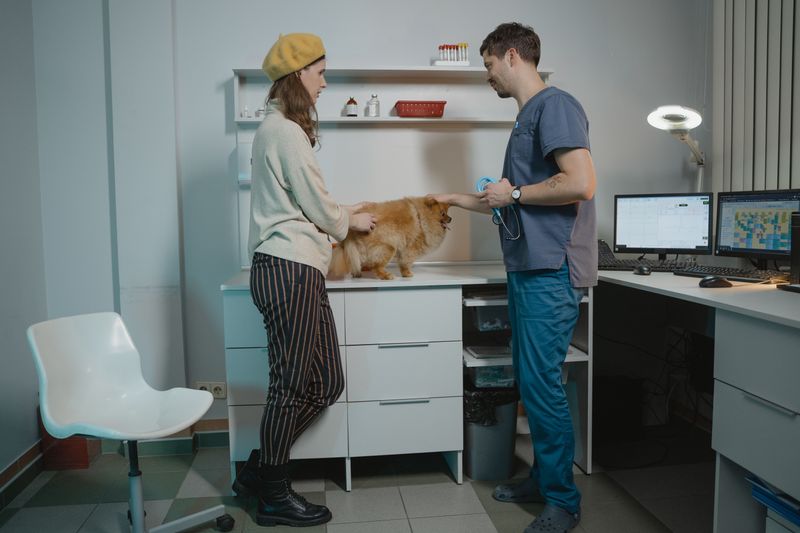
A microchip only helps if the phone number behind it still works. Many owners forget to update details after a move.
Print a confirmation from your registry showing the chip number and your current contact information. Microchipping is not required to rent, but it shows careful planning.
Shelters and vet offices routinely scan lost dogs. Once you sign a new lease, update your address right away so everything stays accurate.
9. Obedience Training Certificates

Graduation day for a puppy class may feel small, but that certificate carries weight. It tells landlords your dog has practiced real manners.
Gather certificates from basic obedience, puppy kindergarten, or leash skills classes. Even a simple completion letter from a trainer helps.
Landlords often worry about barking and chewing. Showing that you invested in training eases those worries and highlights a dog that listens and settles well indoors.
10. Canine Good Citizen Certificate

Did you know the American Kennel Club launched its Canine Good Citizen program back in 1989? It tests everyday manners in a ten-step evaluation.
Dogs show they can greet strangers politely, walk nicely on a leash, and stay calm around distractions. Any dog can take it, purebred or mixed.
Some landlords and insurers recognize the title. If your dog has earned it, include a copy.
It stands out in a crowded applicant pile.
11. Previous Landlord Reference

Nothing reassures a new landlord quite like hearing from an old one. A short reference letter turns your promises into proof.
Ask a past landlord or property manager to confirm your dog caused no damage or complaints. On-time rent and a clean move-out are worth mentioning too.
Request it before you leave, while memories are fresh. Include their phone or email, so the new landlord can verify details easily.
12. Veterinary Reference Letter
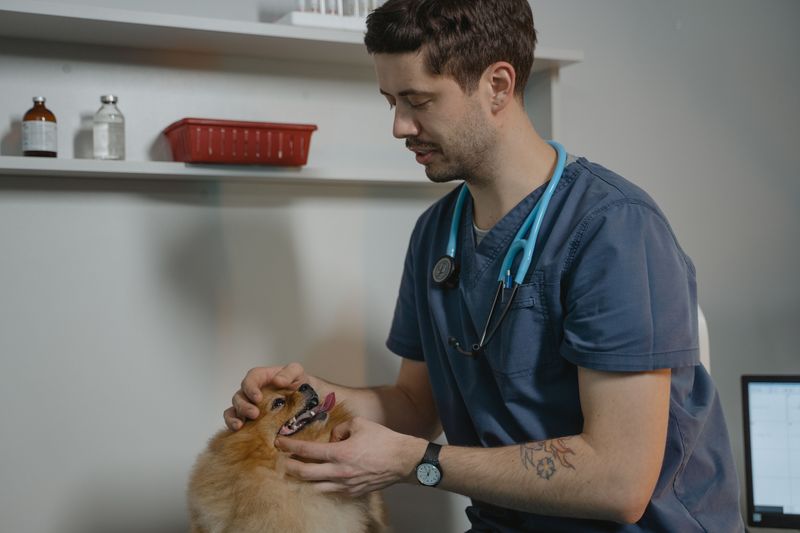
Your vet sees your dog in a stressful setting, which makes their opinion valuable. If your pup stays easygoing at the clinic, that says plenty.
Ask for a brief letter covering health status, regular care, and general behavior during visits. Many clinics are happy to help, though some charge a small fee.
Keep the request simple and give them a week. A professional voice adds credibility to your whole application.
13. Pet Insurance Documentation

Optional, yes, but surprisingly helpful. Proof of pet health insurance shows you are ready for unexpected vet bills.
Print your policy summary page with the coverage dates. Keep in mind that most pet health plans cover your dog’s medical care, not injuries to other people or property.
So it does not replace liability coverage. Still, it signals stability, which landlords tend to appreciate when choosing between several strong applicants.
14. Renters Insurance Policy

Many New York landlords now ask tenants to carry renters insurance. With a dog, the liability section matters most.
Personal liability coverage may help if your dog injures someone or damages property. Policies differ, and some exclude certain dogs or bite history.
New York has rules limiting breed-based decisions by insurers, but details can change. Read your declarations page and confirm dog coverage with your agent before you apply anywhere.
15. Adoption or Ownership Records

Whether your dog came from a shelter, rescue, or breeder, the paperwork tells a story of where they began. It also confirms that the dog is legally yours.
Keep the adoption contract or bill of sale with your other files. Rescue records sometimes include early health and behavior notes.
Those can be helpful extras. If paperwork is lost, contact the organization, since many keep copies for years.
16. Pet Application Form

Most management companies use their own pet application. Filling it out quickly can keep you ahead of other applicants.
Since you have already gathered your documents, answering questions should take minutes. Be accurate about weight, breed, and history.
Small mismatches can slow approval. Read every line, attach what is requested, and double-check spelling.
A complete, careful form shows you respect the process and makes the landlord’s decision easier.
17. Dog Behavior Assessment

Some dogs make poor first impressions on paper, especially larger or misunderstood breeds. A professional assessment can change that.
A certified trainer or behavior consultant can observe your dog and write a short evaluation. It might note calm reactions to strangers, noises, or other dogs.
Landlords with concerns often find an expert opinion reassuring. Ask the trainer about their credentials, and keep the report brief, clear, and recent.
18. Emergency Pet Care Plan

Life happens, from sudden travel to hospital stays. A written plan makes sure your dog is never left without care.
List a trusted backup caregiver with their phone number, plus your vet’s contact details. Add feeding notes and any medicines.
Landlords like knowing someone can step in quickly. NYC Emergency Management also encourages pet owners to plan for evacuations, so including a pet-friendly backup location is smart.
19. Pet Agreement

Before signing anything, ask to see the pet addendum. Reading it early prevents surprises after you move in.
Look for fees, weight limits, leash rules, and cleanup expectations. Check what happens if a neighbor complains.
Security deposit rules in New York are limited by state law, so ask how any pet charges fit in. If something seems unclear, request clarification in writing.
Clarity now protects your future home.
20. Assistance Animal Accommodation Documentation

Assistance animals are not treated as pets under fair housing laws. People with disabilities can request a reasonable accommodation, even in buildings with no-pet rules.
The federal Fair Housing Act and the NYC Human Rights Law both protect this right. Supporting documentation should come from a licensed provider who knows you.
Skip purchased online certificates or registries, since they carry no legal weight. Confirm details with a housing agency if questions arise.