What Alabama Dog Owners Should Know Before Bringing A Dog Into A State Park
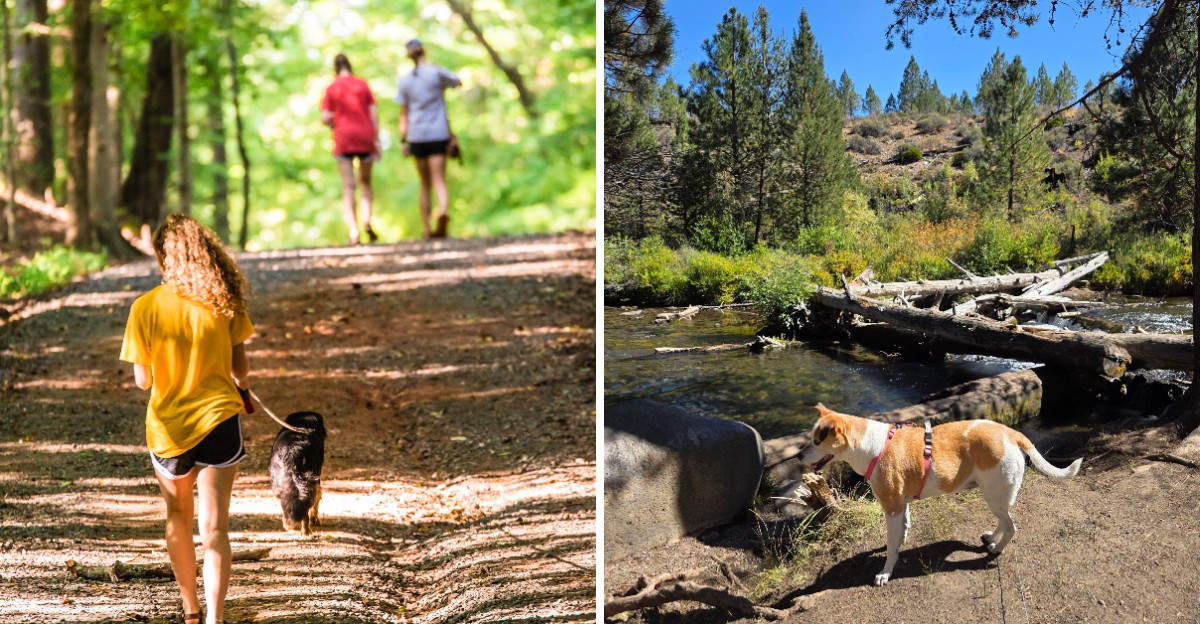
A shady Alabama trail can look wonderfully inviting, until a beach sign or cabin rule changes your plans. State parks welcome dogs in many outdoor spaces, but access comes with limits that protect pets, wildlife, and other visitors.
A little homework before leaving home can spare you a wasted drive and help your dog enjoy every sniff along the way.
1. Check Alabama State Park Rules Before Your Visit
One quick phone call can save a whole afternoon of changed plans. Start with the official Alabama State Parks website, then check your chosen park’s page for current notices.
Rules can differ between outdoor spaces, lodging, and special facilities.
Call the park office when anything seems unclear, especially before booking an overnight stay. Ask about closures, pet restrictions, and any seasonal changes.
Save the answers with your reservation details for easy reference when you arrive.
2. Keep Your Dog on a Leash No Longer Than Six Feet
A squirrel should never get to choose your hiking route. Alabama State Parks requires pets to remain under physical restraint at all times, such as in a crate or on a leash no longer than six feet.
A sturdy, fixed leash makes that limit easier to manage than an extended retractable model.
Keep the leash in your hand, with enough slack for comfortable walking. Shorten your grip near trail corners, parking areas, and other dogs.
Check the clip and collar before leaving the car each visit, too.
3. Check Which Trails Allow Dogs
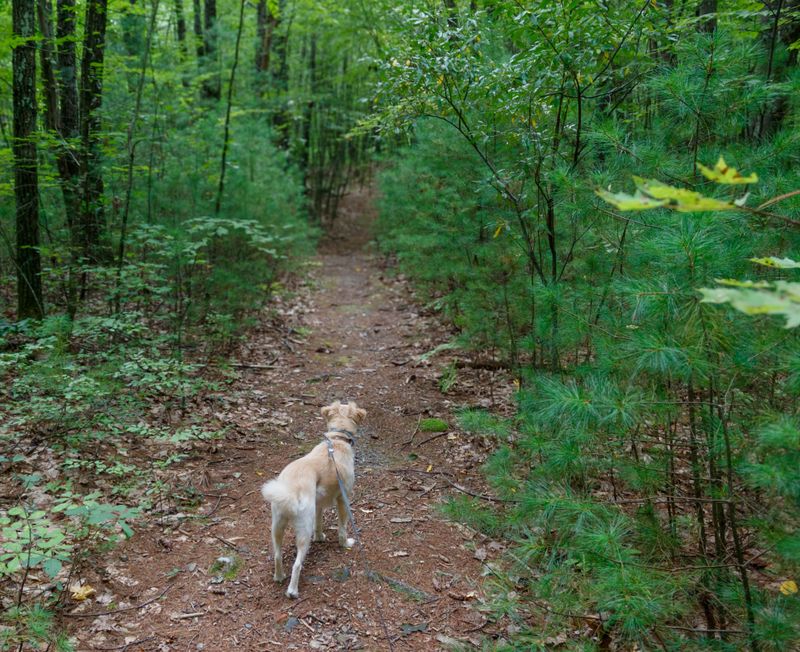
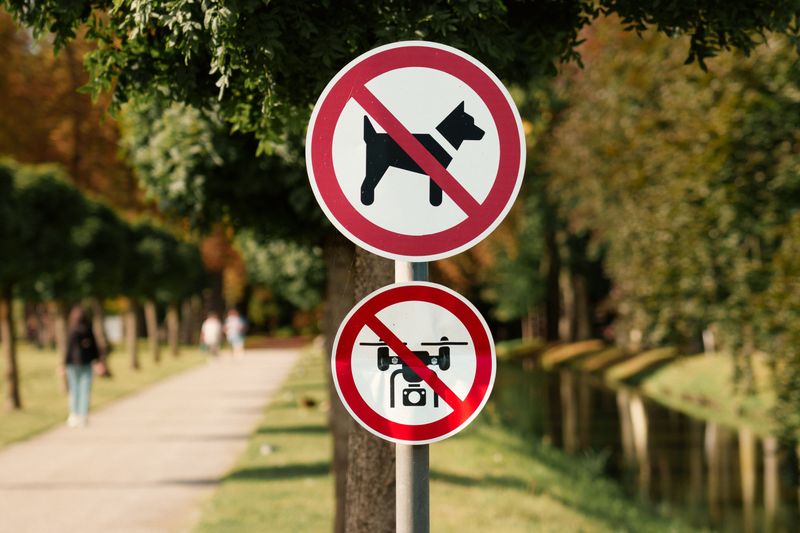
That beautiful trail photo may leave out one useful detail: whether dogs can join you. Many Alabama state park trails welcome leashed pets, but never assume every route does.
Check the park’s official trail information and posted entrance signs.
Ask staff about narrow sections, steep climbs, and routes shared with bikes or horses. Choose a distance that matches your dog’s fitness.
Download a map beforehand, since reliable phone service is not guaranteed throughout wooded areas.
4. Keep Dogs Away From Swimming Areas and Beaches
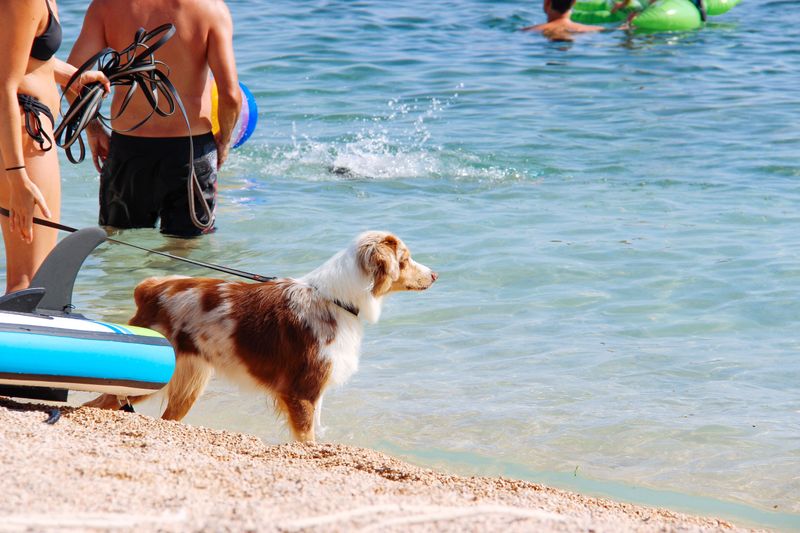
Water sparkling through the trees can tempt even the best listener. Alabama State Parks generally excludes pets from designated swimming areas and beaches.
Keep your dog outside those spaces, even when the shore looks quiet or swimmers have gone home.
Ask park staff whether another shoreline area permits dogs before heading toward the water. Posted signs always deserve a careful read.
Bring a shaded picnic plan instead, so a beach restriction never spoils your afternoon together.
5. Look for Dog-Friendly Cabins Before Booking
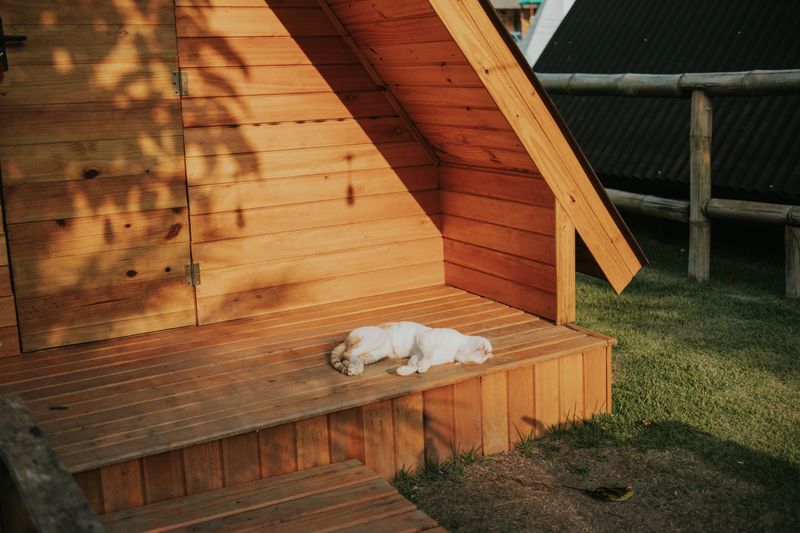
A cabin porch sounds better when your dog can join the stay. Alabama State Parks offers pet lodging at selected properties, but availability varies by park and accommodation.
Search official lodging listings for units specifically marked as accepting pets.
Before paying, confirm your dates, dog count, and any size restrictions directly with the property. Ask where dogs may walk around the cabin area.
Booking the right unit early helps avoid a disappointing scramble at check-in time.
6. Expect Additional Fees for Pet-Friendly Lodging
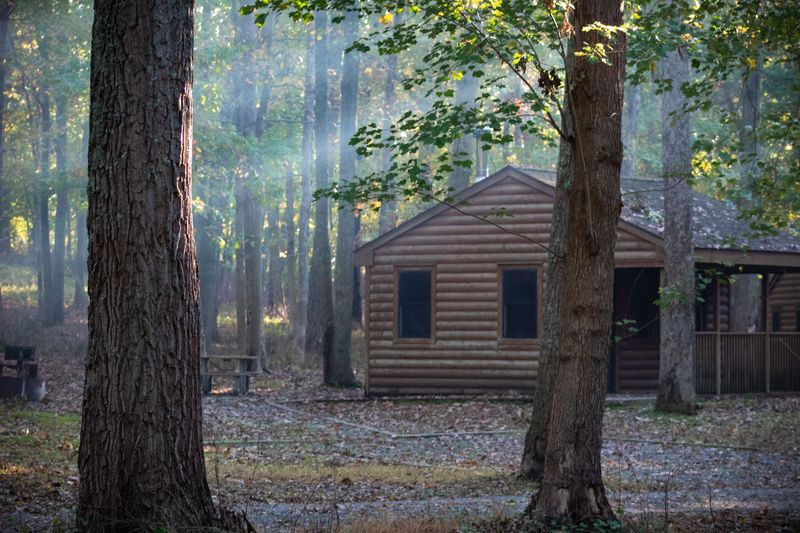
Your travel budget needs a little room for paws. Pet lodging often carries an additional charge beyond the nightly room or cabin price.
Fee amounts and payment terms can vary, so check the current policy before confirming your reservation.
Ask whether charges apply per night, per stay, or per pet. Also clarify cleaning expectations and possible damage charges.
Keeping a written copy of the quoted terms helps you understand the final bill without any guessing.
7. Remember That Not Every Cabin Accepts Dogs
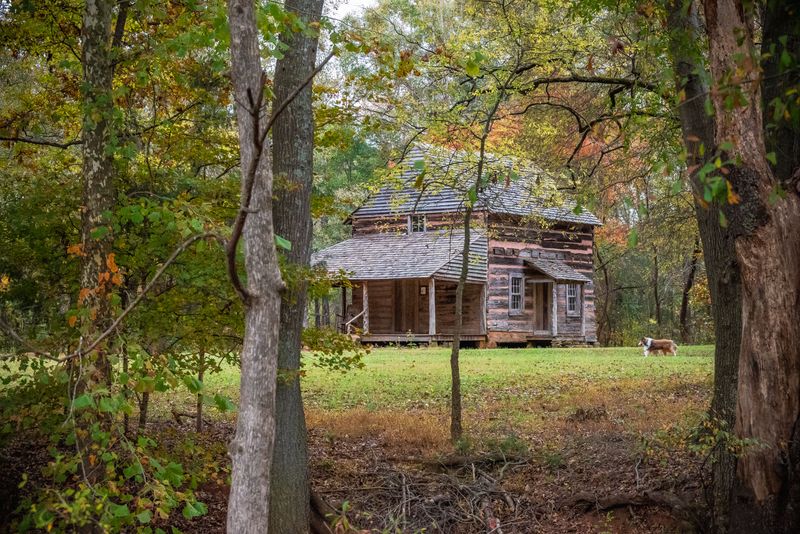
Two cabins can look alike and have very different pet policies. A park offering pet accommodations does not mean every cabin welcomes dogs.
Some units remain reserved for guests traveling without animals, and switching rooms may not be possible.
Confirm the exact unit or lodging category attached to your booking. Tell staff about your dog before arrival, not after collecting the key.
If pet units are full, choose another date or ask about suitable campground options.
8. Take Advantage of Dog-Friendly Campgrounds
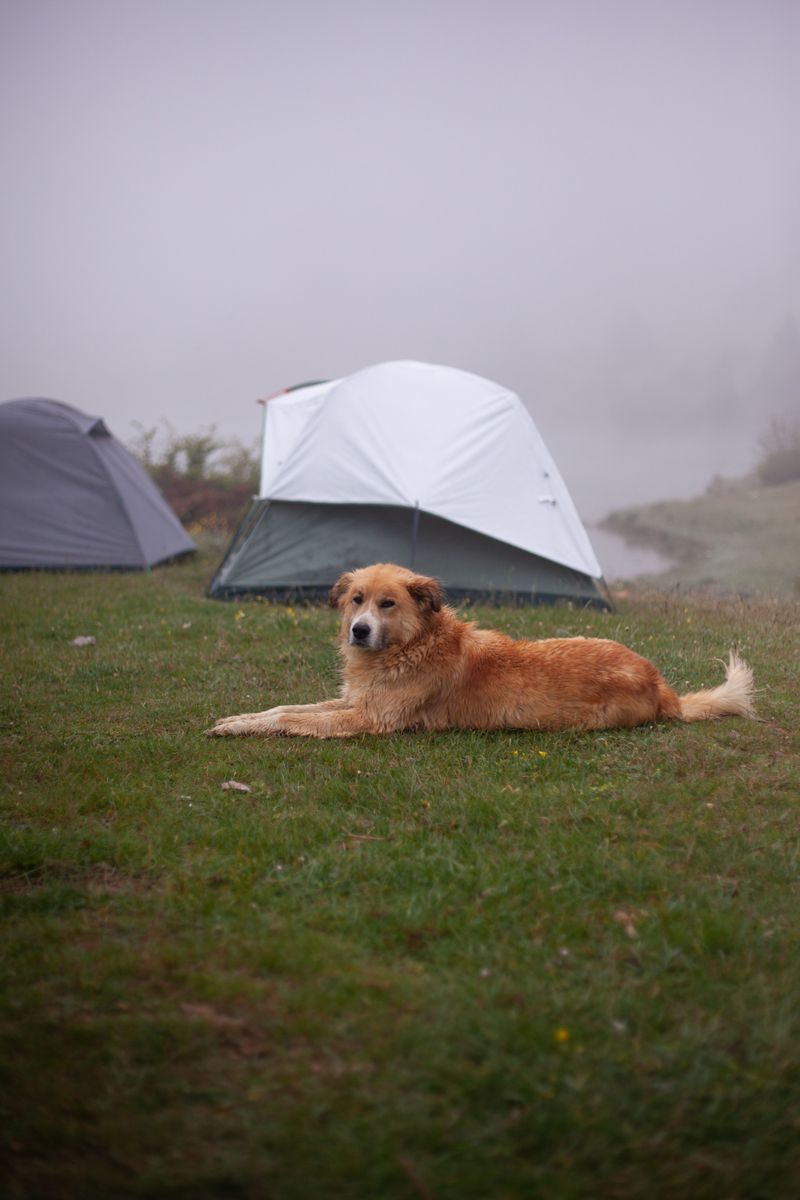
For dogs who love fresh air, a campsite can be a happy home base. Alabama state park campgrounds generally allow pets, subject to park rules.
Confirm your campground’s policy and choose a site with shade when possible.
Pack your dog’s usual bed, food, bowls, and a familiar toy. Keep supplies secure, and maintain control during setup and meals.
Quiet routines help dogs settle when neighboring campers arrive, children play, or unfamiliar sounds drift past after sunset.
9. Follow the Two-Dog Campsite Limit
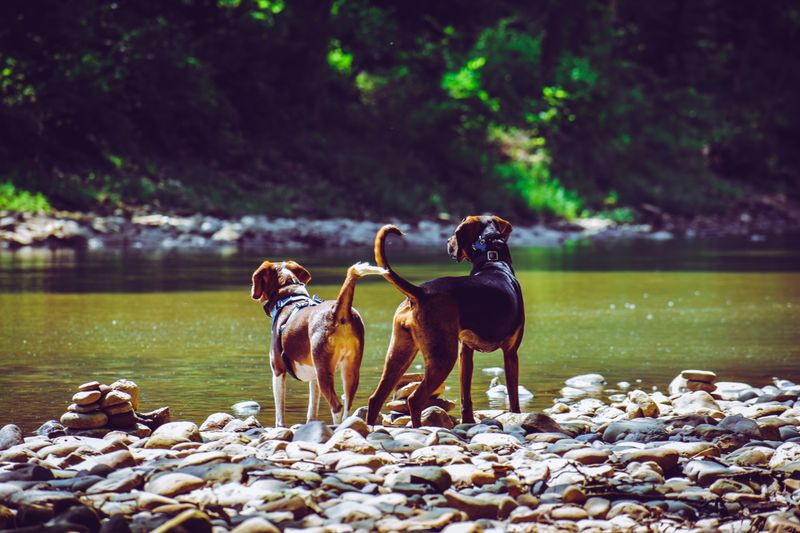
A bigger canine crew needs extra planning before camping. Alabama State Parks lists a limit of two dogs per campsite.
Count every dog in your group when arranging sites, including pets arriving later with friends or family.
Do not assume a larger campsite allows extra dogs. Contact the park about suitable arrangements before making reservations.
Keep each dog under control, with separate bowls and resting spots, so the shared space stays comfortable for everyone throughout your stay.
10. Clean Up After Your Dog Every Time
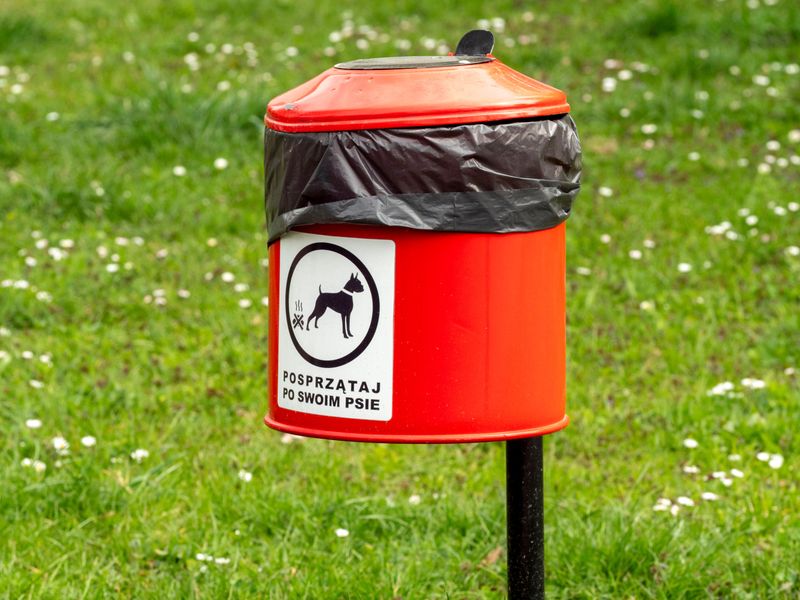
Nobody wants a surprise stuck to a hiking shoe. Carry more waste bags than you expect to need, even for a short visit.
Pick up after your dog immediately, whether you are beside a campsite or deep along a trail.
Place tied bags in an appropriate trash container. Never leave them beside the path for later collection.
Dog waste can pollute water and affect wildlife, so cleanup protects more than the next visitor’s nice shoes.
11. Keep Your Dog’s Vaccinations Current
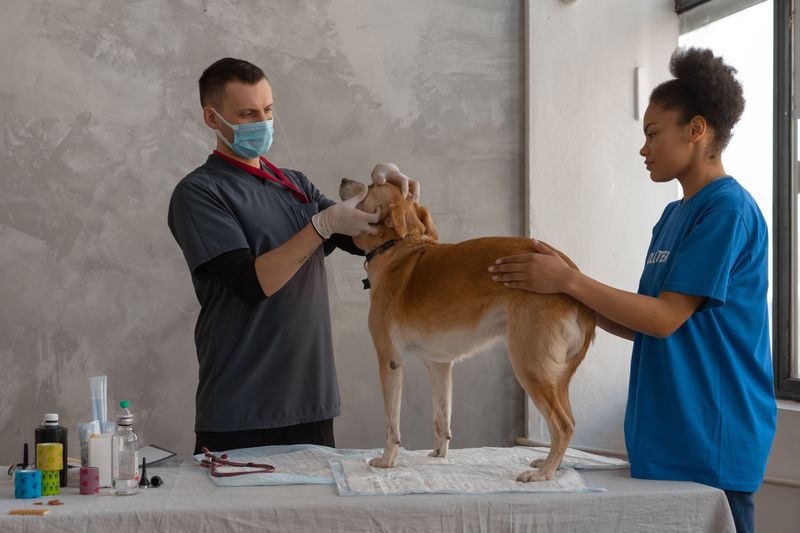
Paperwork is not exciting, but it earns its place beside the treats. Alabama law requires rabies vaccination for dogs, subject to legal requirements and exceptions.
Ask your veterinarian whether your dog’s protection is current before visiting a park.
Carry a copy of vaccination records and make sure identification tags are readable. Discuss flea, tick, and heartworm prevention with your veterinarian, too.
A current microchip registration adds another helpful layer if your dog becomes separated from you.
12. Do Not Leave Your Dog Unattended
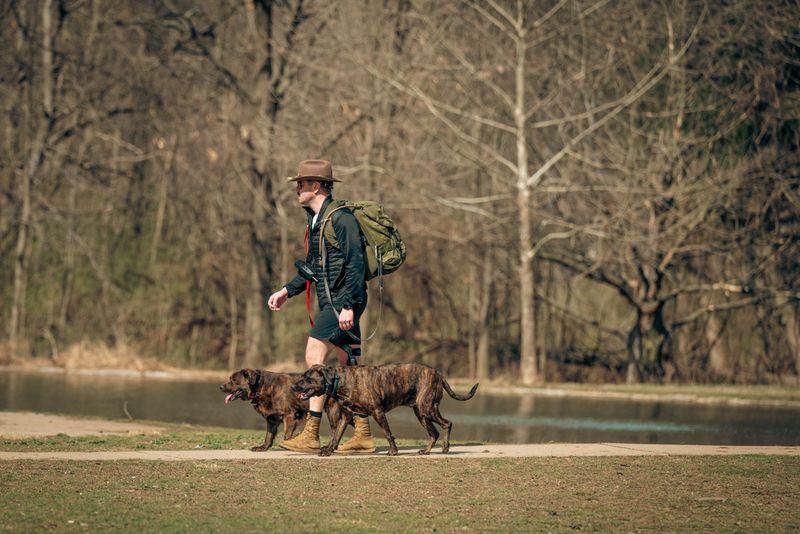
A quick errand can feel much longer to a waiting dog. Plan to supervise your pet throughout the visit rather than leaving them alone.
An unfamiliar campsite, cabin, or parked vehicle is no substitute for your company.
Never leave a dog in a warm car, even with windows partly open. Arrange meals, restroom stops, and activities around responsible supervision.
Traveling with another adult can help, provided someone always stays with your dog and follows park rules.
13. Prepare for Alabama’s Warm Weather
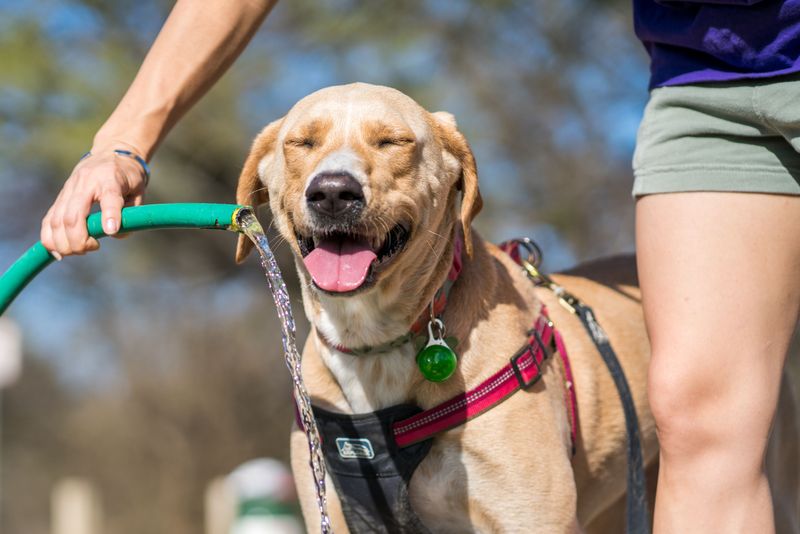
Humidity can turn a gentle walk into hard work surprisingly fast. Alabama’s warm seasons call for early starts, shaded routes, and shorter outings.
Dogs with flat faces, thick coats, or health conditions may need even more care.
Check pavement with your hand and avoid surfaces that feel uncomfortably hot. Heavy panting, drooling, or weakness means activity should stop.
Move to shade, begin cooling with water, and seek veterinary help promptly if heat illness is a concern.
14. Bring Plenty of Fresh Drinking Water
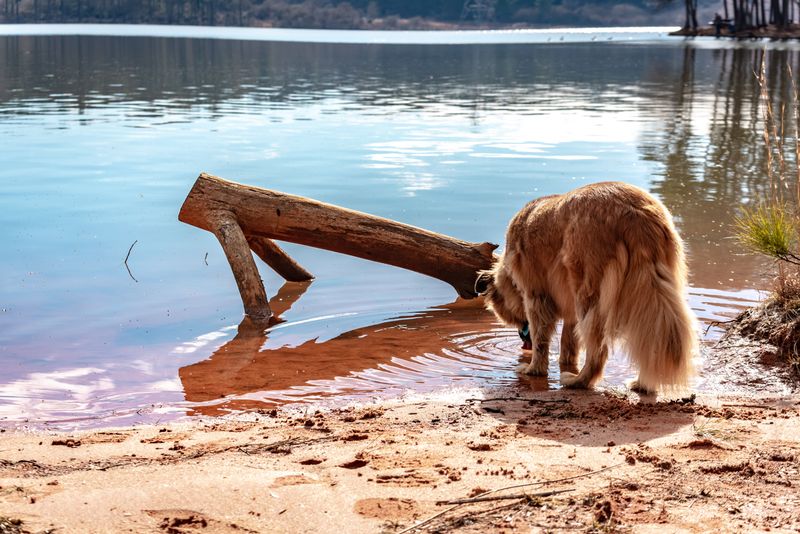
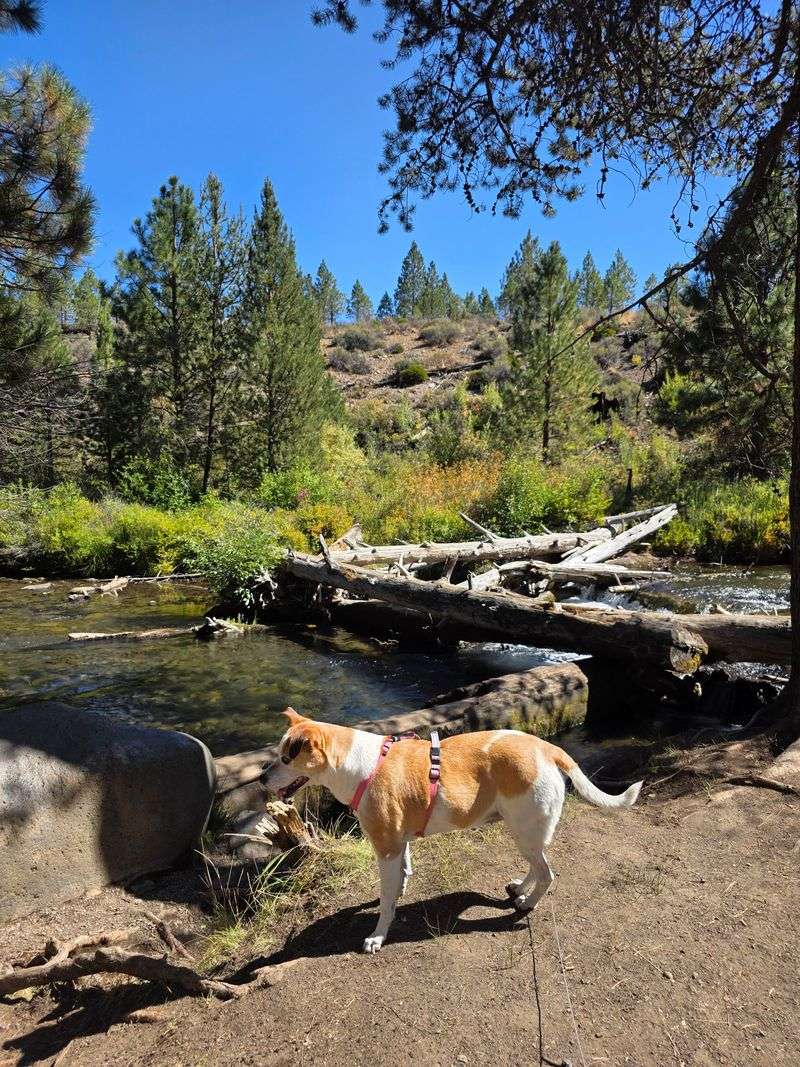
A creek beside the trail is scenery, not a guaranteed drinking station. Carry fresh water for your dog and yourself, plus extra for delays.
Offer small drinks regularly instead of waiting until your dog seems very thirsty.
Bring a bowl that packs easily, and check whether working refill stations are available. Discourage drinking from puddles, lakes, or streams, which may contain harmful organisms.
Keep dogs away from discolored water, surface scum, and posted water quality warnings.
15. Give Wildlife Plenty of Space
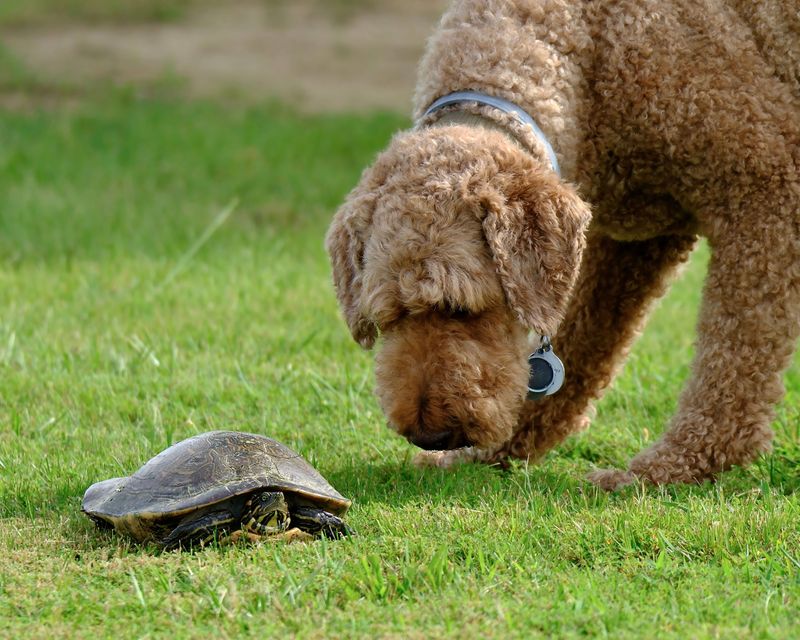
A rustle in the leaves can switch on your dog’s curiosity instantly. Keep enough distance that wildlife can continue moving or feeding undisturbed.
Never allow chasing, digging into animal shelters, or approaching animals for a closer photograph.
Stay alert near brush, logs, and water edges. In coastal Alabama, follow posted alligator warnings and keep dogs away from risky shorelines.
Store pet food securely at camp, and never offer snacks to wildlife, however charming the visitors seem.
16. Be Considerate of Other Park Visitors
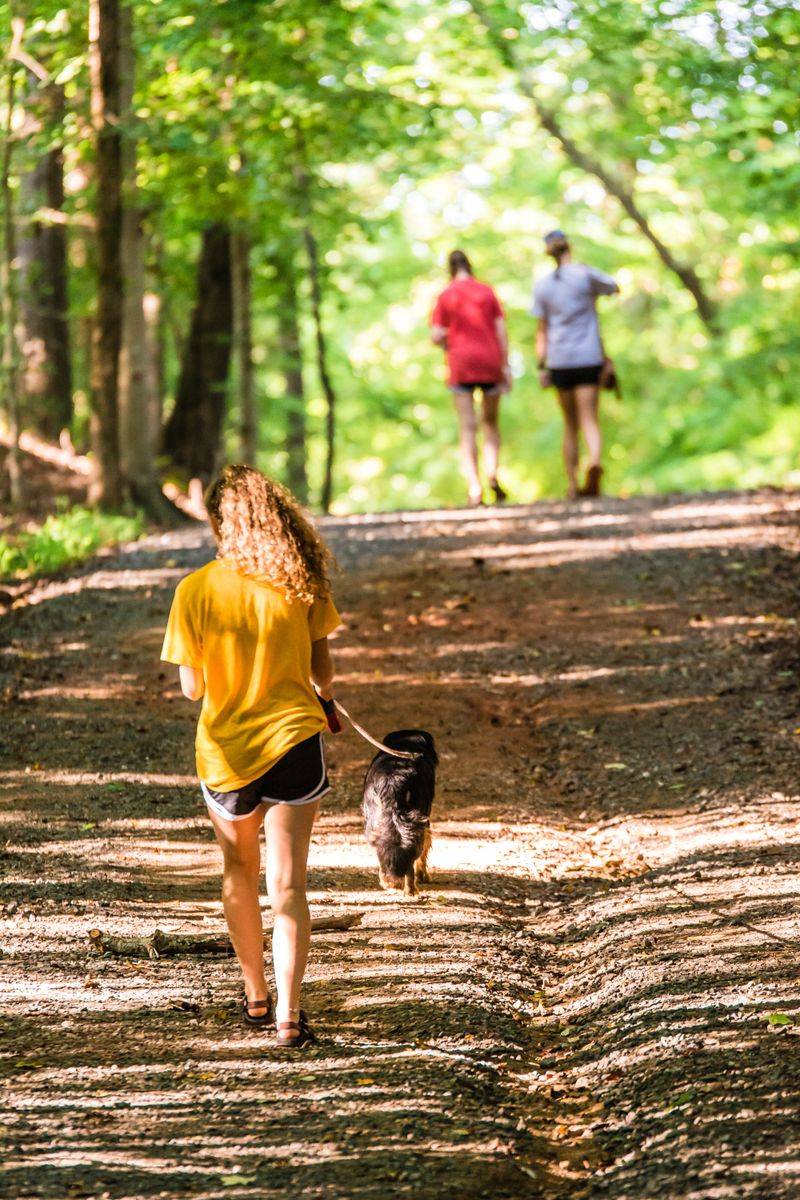
Not every visitor wants a nose pressed against their picnic basket. Give people space, and ask before allowing your dog to greet anyone.
Some visitors have allergies, feel uneasy around dogs, or simply prefer a quiet walk.
Step aside safely when others pass, keeping your dog close. Reward calm behavior and redirect repeated barking before it becomes a campground concert.
Around horses or bikes, follow posted guidance and communicate clearly instead of assuming others see you.
17. Know When Your Dog Needs a Break
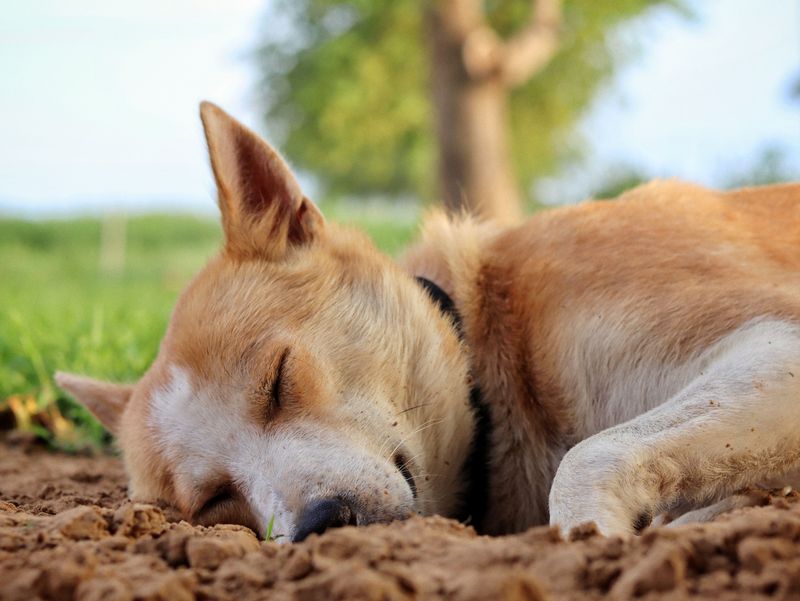
The best turnaround point might come before the scenic overlook. Watch for slowing, repeated sitting, limping, or unusual panting as you walk.
Puppies, older dogs, and pets building fitness often need shorter routes than enthusiastic owners expect.
Stop in shade, offer water, and check paws for irritation or debris. Remember that every step outward must usually be walked back.
Choose comfort over distance, and end the outing early whenever your dog seems tired or uncomfortable today.
18. Understand When Park Staff Can Ask You to Leave
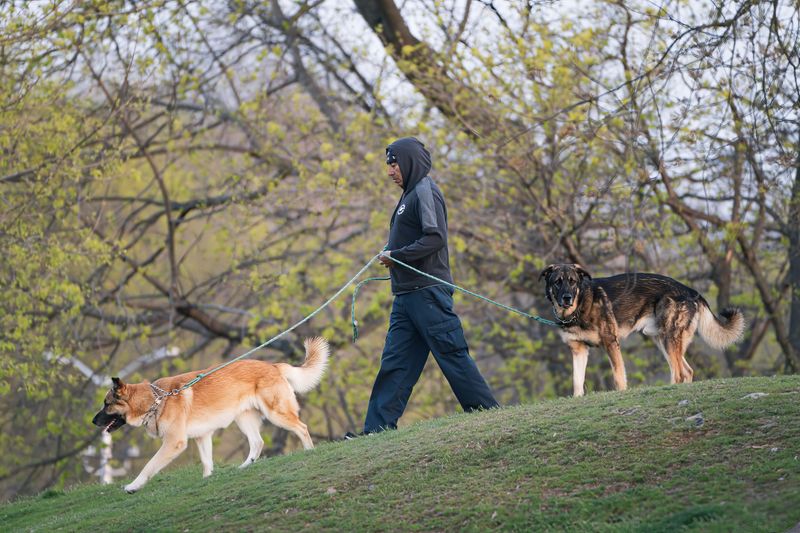
Good park manners help keep the welcome mat out for dogs. Staff may require a pet’s removal when rules are ignored or behavior creates problems.
Repeated barking, roaming, and disturbing other visitors can put your visit at risk.
Follow staff directions politely and address concerns right away. If your dog cannot settle, choosing to leave is the kindest option.
Pack thoughtfully, keep that leash handy, and let a comfortable dog set the pace next time out.