What Indiana Dog Owners Should Know About Coyotes Near Suburban Greenways
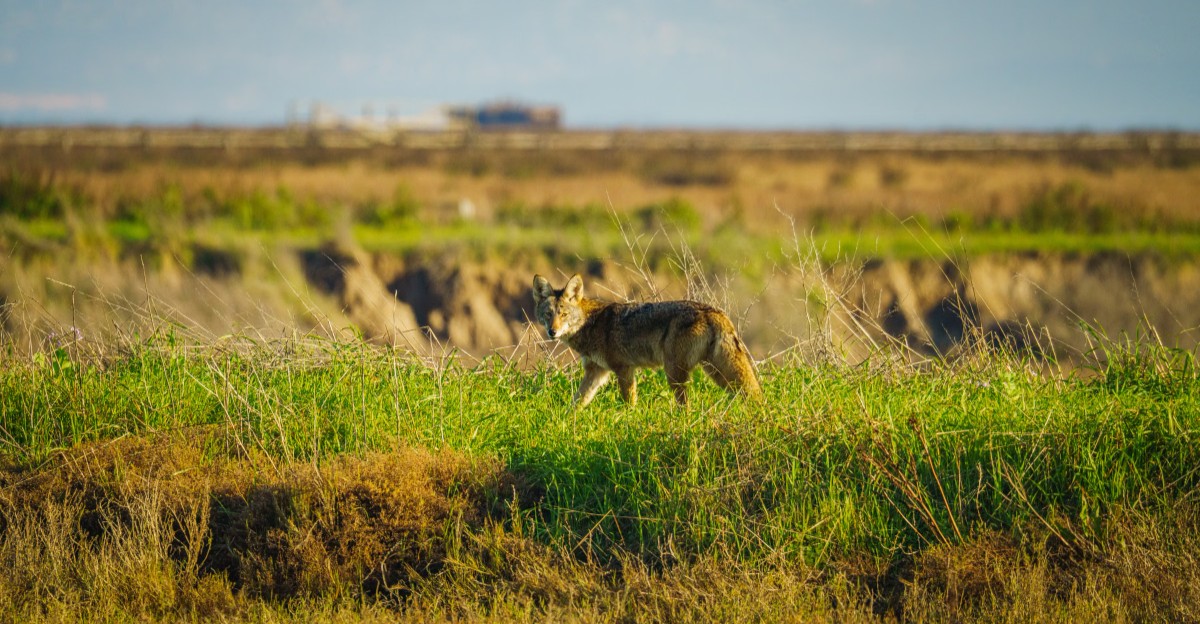
Your favorite greenway may also be part of a coyote’s daily route through your Indiana neighborhood. Sharing that space usually takes awareness, a secure leash, and a little extra room.
Most coyotes avoid people, but dogs can change how they respond. Knowing what to watch for helps you enjoy your walks, choose sensible routes, and handle an unexpected sighting with confidence.
1. Why Coyotes Appear Near Indiana Neighborhoods
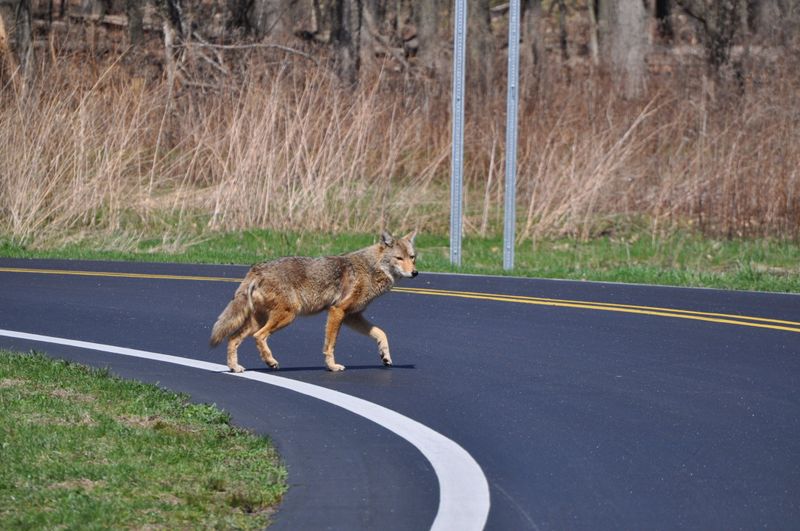
A strip of trees behind your neighborhood can provide more wildlife habitat than you might expect. Indiana coyotes adapt well to places offering food, water, and cover.
Rodents, rabbits, fallen fruit, and unsecured scraps can draw them nearby.
Their presence alone does not mean something is wrong. Reduce food sources around your property, and keep your dog supervised.
Learning why coyotes visit helps you respond with useful changes instead of unnecessary worry about every sighting.
2. Greenways Offer Convenient Travel Routes
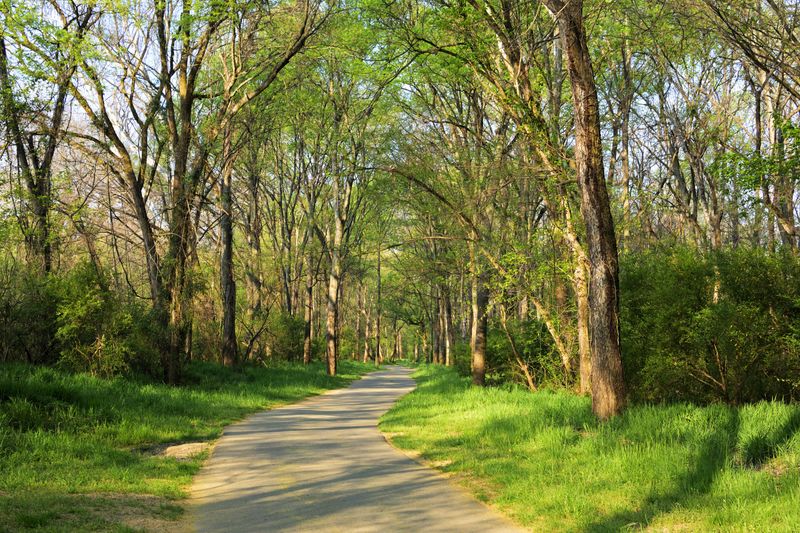
Connected trails link the same places wildlife needs: water, shelter, and feeding areas. Creek banks, wooded edges, and drainage corridors let coyotes travel between scattered patches of habitat.
A paved path may simply run beside their usual route. Notice where vegetation connects across your regular walk, especially near bridges and stream crossings.
Keep your dog close through those stretches. Choosing open sections gives you more time to notice wildlife and calmly change direction when needed.
3. Dawn and Dusk Deserve Extra Attention
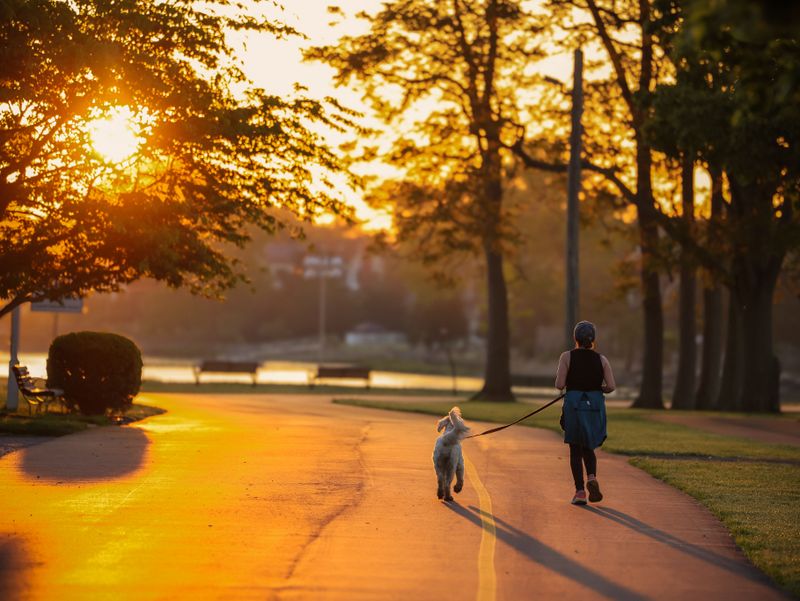
Early walks often overlap with coyote activity, especially around dawn and dusk. Coyotes can also appear during daylight, so the clock never tells the whole story.
Bring a flashlight when visibility is poor, and skip headphones that block nearby sounds. If sightings become common at your usual hour, try walking later in the morning.
A daytime sighting alone does not prove illness or danger. Focus on the animal’s behavior and your available space instead.
4. People and Dogs Can Get Different Reactions
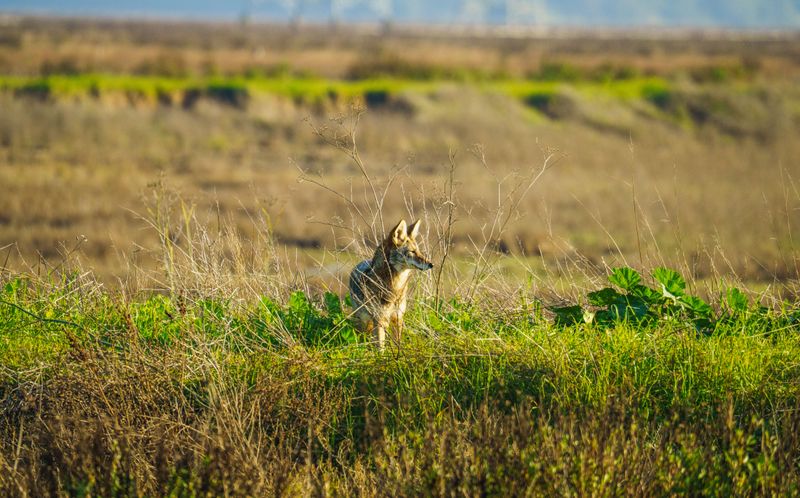
Your dog may interest a coyote more than you do. While coyotes generally avoid people, they may view dogs as competitors or threats.
Some pause to watch before moving away.
Do not treat that attention as an invitation to approach. Keep your dog beside you, and prevent barking or lunging when possible.
An animal standing still is not necessarily preparing to approach. Give it an escape route, and leave without trying to test its reaction.
5. Small Dogs Need a Closer Safety Bubble
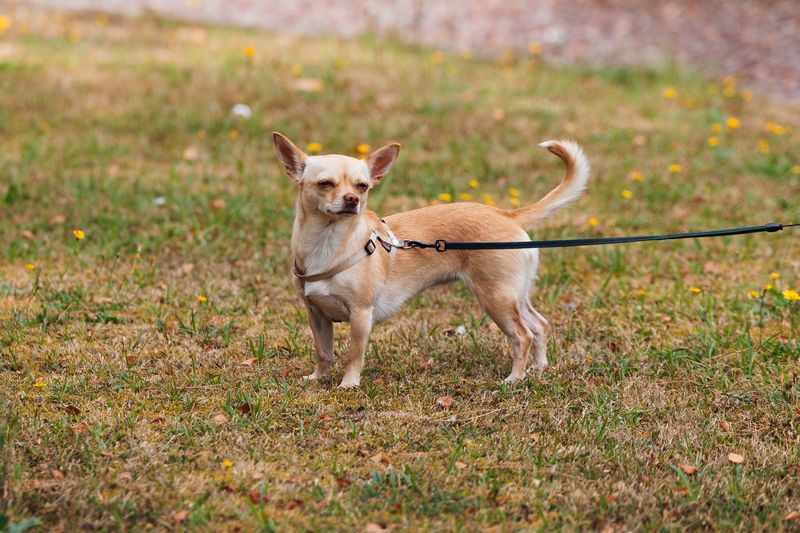
A little dog can disappear behind tall grass surprisingly fast. Small dogs may be viewed as potential prey, making close supervision especially useful near brush.
Use a secure harness or collar, and keep the leash short enough for quick control. If a coyote approaches, pick up your dog when you can do so safely.
Avoid bending toward the coyote or reaching between animals. Larger dogs also need protection, since size does not prevent territorial encounters.
6. A Leash Gives You Time to Respond
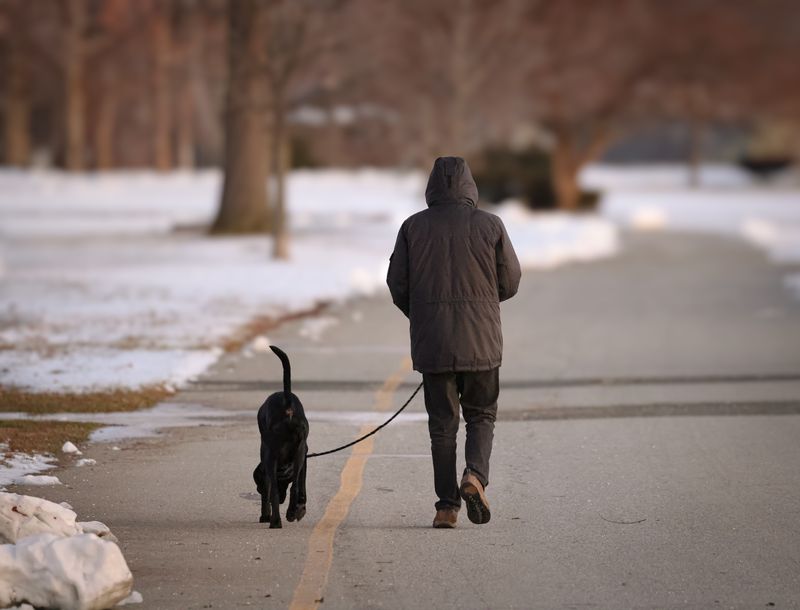
One sudden squirrel chase can carry an unleashed dog straight into hidden wildlife. A sturdy leash helps prevent that surprise and lets you guide your dog away early.
Choose a fixed leash, often six feet or shorter, while following posted trail rules. Indiana communities and park systems set different leash requirements, so check local regulations.
Even reliable recall can fail during excitement. Save off leash exercise for designated areas where conditions and local rules allow.
7. Trail Clues Can Reveal Recent Activity
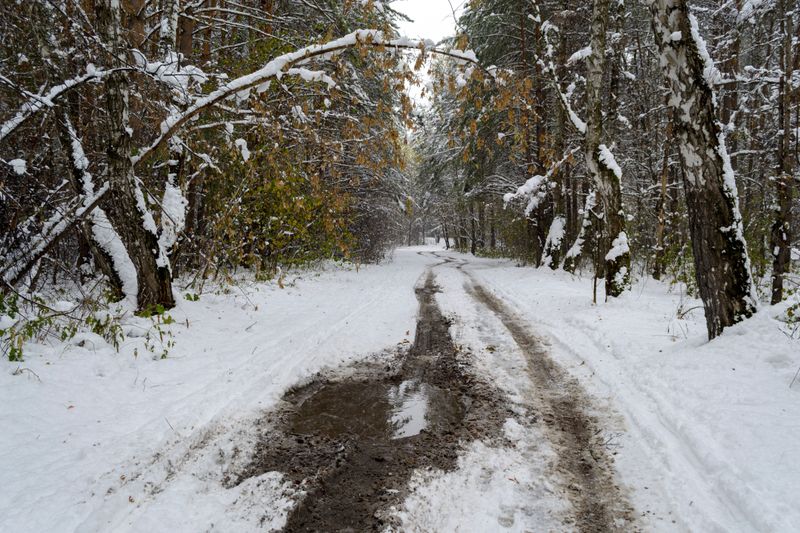
Muddy patches sometimes tell you more than a quick glance down the trail. Canine tracks, droppings containing fur, and repeated sightings can suggest nearby coyote activity.
Tracks and droppings are easy to confuse with those of other animals, including dogs. Avoid making firm conclusions from one clue.
Keep your dog from sniffing closely, eating droppings, or rolling in them. Leave signs undisturbed, wash your hands after cleanup, and note locations where sightings repeatedly occur nearby.
8. Pup Season Calls for Wider Detours
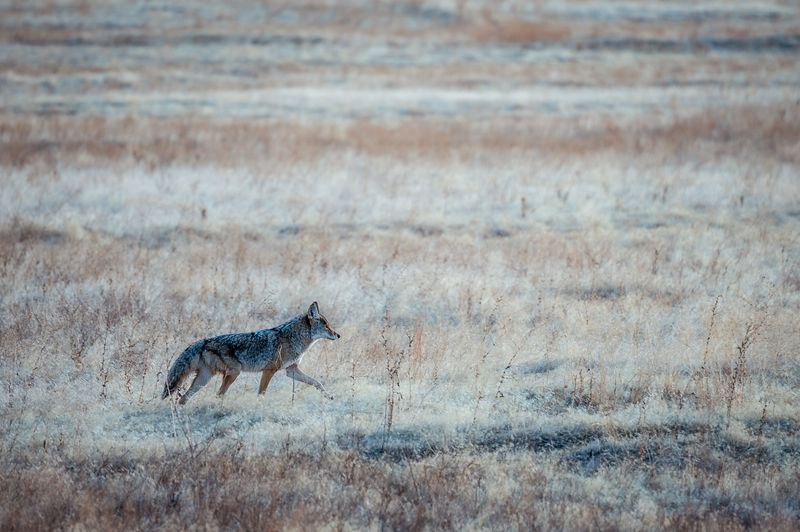
Spring brings family duties for coyotes, and protective behavior can continue while pups grow through summer. Adults may become less willing to tolerate dogs near a den.
Give extra room when an animal watches closely, vocalizes, or follows as you pass. Quietly choose another route rather than waiting nearby.
Seasonal timing varies, so behavior matters more than calendar dates. A temporary detour protects your dog while giving the family space to raise its young undisturbed.
9. An Unexpected Sighting Starts With a Pause
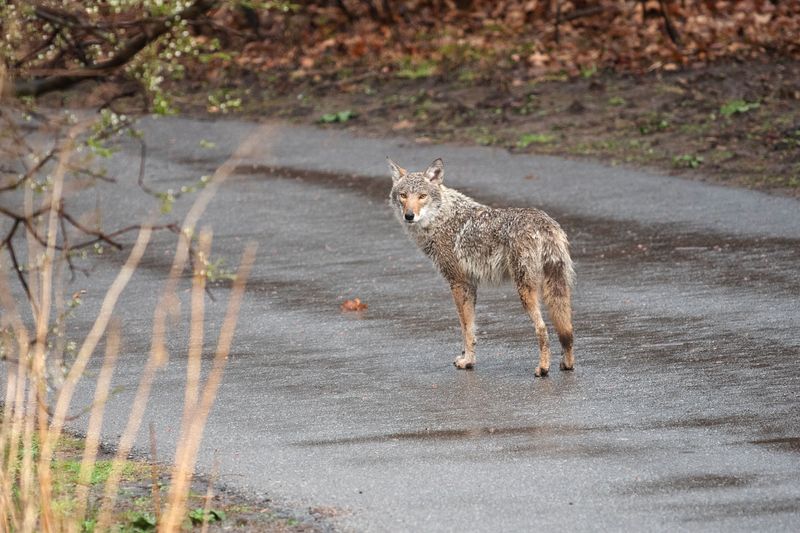
Spotting a coyote ahead does not require a hurried exit. Stop, gather your leash, and give both animals a moment of space.
If the coyote keeps its distance, back away calmly or choose another path. Do not run, approach for photographs, or let your dog investigate.
Keep the animal in view without moving closer. When an encounter ends quietly, continue elsewhere rather than following it.
Distance is usually your simplest and most useful safety tool.
10. Following Behavior Means You Should Leave
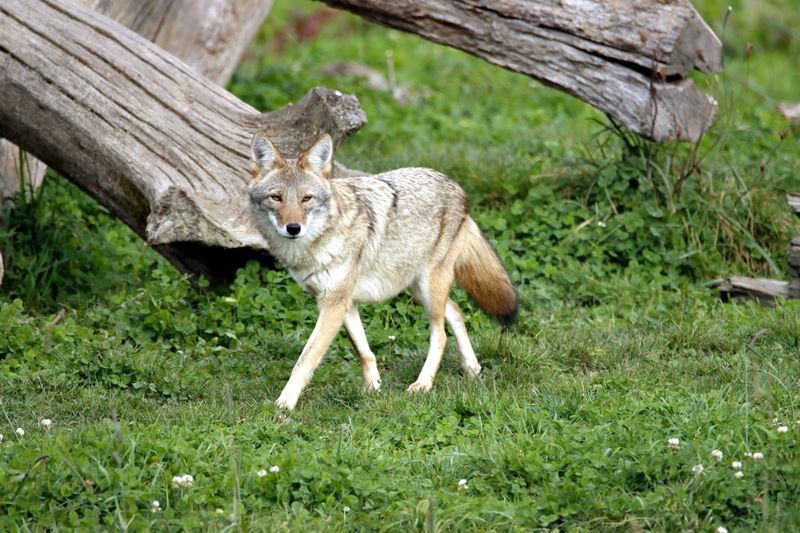
Being followed can feel unsettling, but it may reflect territorial behavior near pups. Keep your dog close and move steadily away from that area without running.
If the coyote keeps approaching, face it, stand tall, wave your arms, and shout firmly. Avoid cornering it, and leave an open escape route.
Do not remain near a possible den to keep hazing. Once safely away, report persistent following to park staff or local animal control for guidance.
11. Brush Is No Place for a Chase
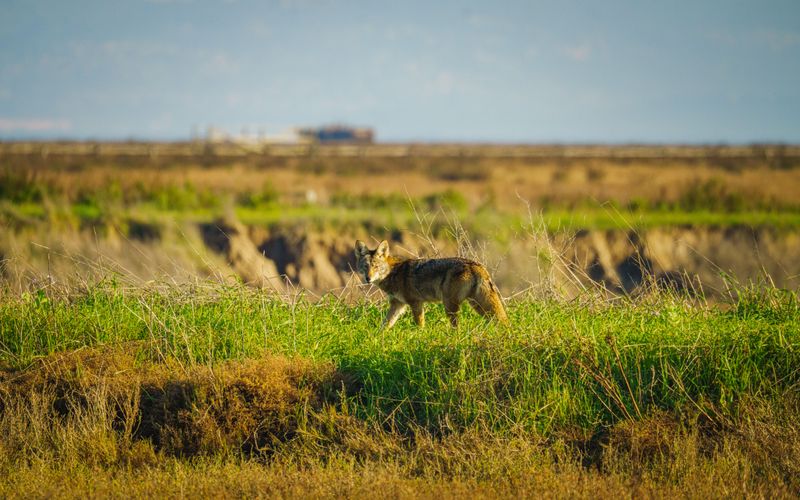
A chase can turn a distant sighting into a close encounter within seconds. Dense brush hides uneven ground, other wildlife, and possible den areas from your view.
Never release your dog to scare a coyote away. Practice a cheerful turn around cue before you need it, rewarding your dog for following.
If your dog gets loose, avoid rushing blindly into cover. Call from a safe position and seek help if you cannot regain control promptly.
12. Dens and Pups Are Best Left Alone
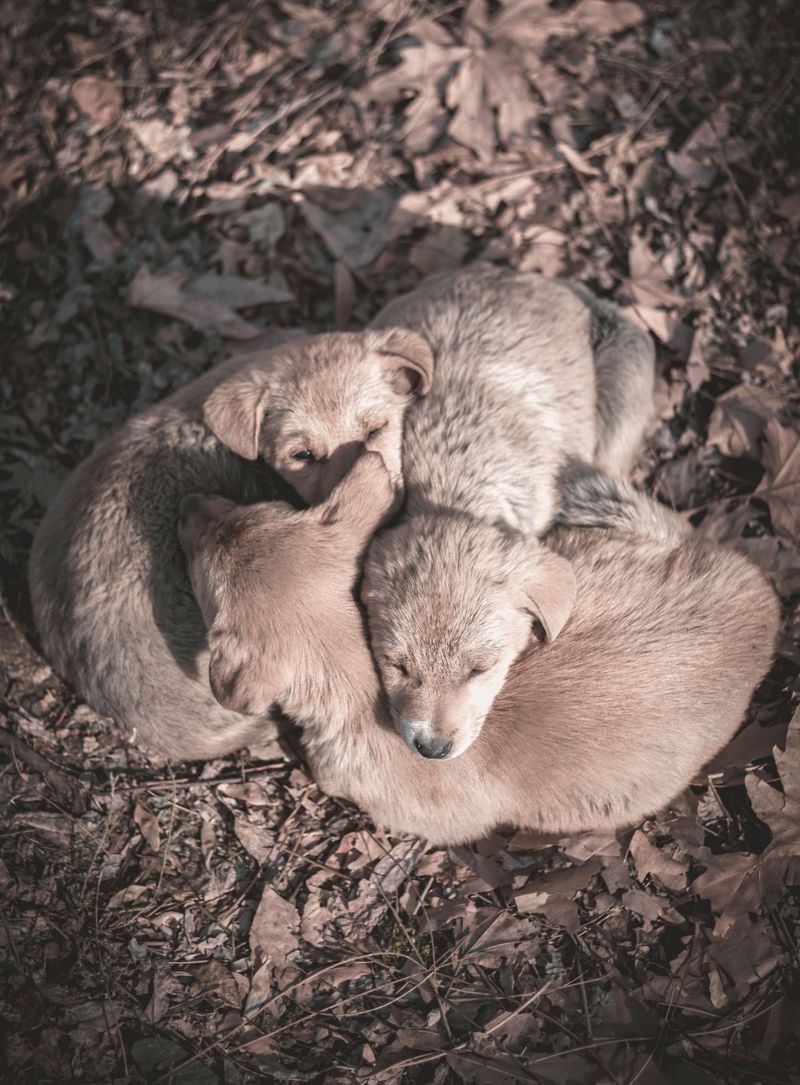
Curiosity is understandable when you notice a burrow or hear young animals nearby. Resist stepping closer, even if no adult coyote is visible.
Keep dogs away from holes, sheltered banks, and areas where adults repeatedly show concern. Never handle pups or offer them food.
A pup alone is not automatically abandoned. Mark the general location privately and notify park staff if the site borders a busy trail.
Let trained professionals decide whether action is needed.
13. Open Trail Sections Offer Better Visibility
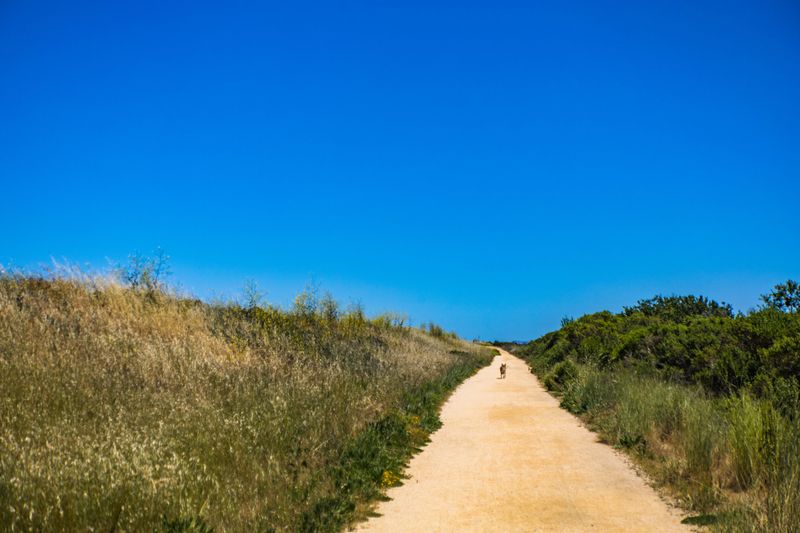
Tall summer growth can hide an animal only a few steps away. Open sightlines give you more time to notice movement and change course.
Favor maintained paths over narrow shortcuts through weeds, especially during low light. Keep your dog on the trail rather than letting it explore thick edges.
If vegetation blocks a busy section, tell the managing park department. Maintenance decisions should remain with staff, since nearby plants may protect stream banks or wildlife habitat.
14. Retractable Leashes Can Leave Too Much Distance
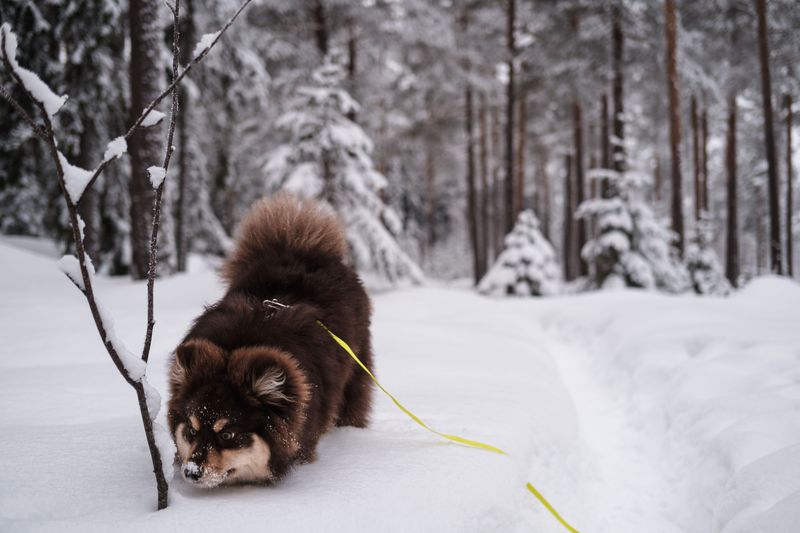
Extra roaming room can become extra trouble when wildlife steps onto the path. A dog far ahead may reach a coyote before you can shorten a retractable leash.
Thin cords can also tangle around legs during a quick turn. For wildlife areas, use a sturdy fixed leash with a comfortable grip.
Check clips, stitching, and collar fit before leaving home. Reliable equipment cannot prevent every surprise, but it makes calm control much easier when needed.
15. Outdoor Food Can Encourage Repeat Visits
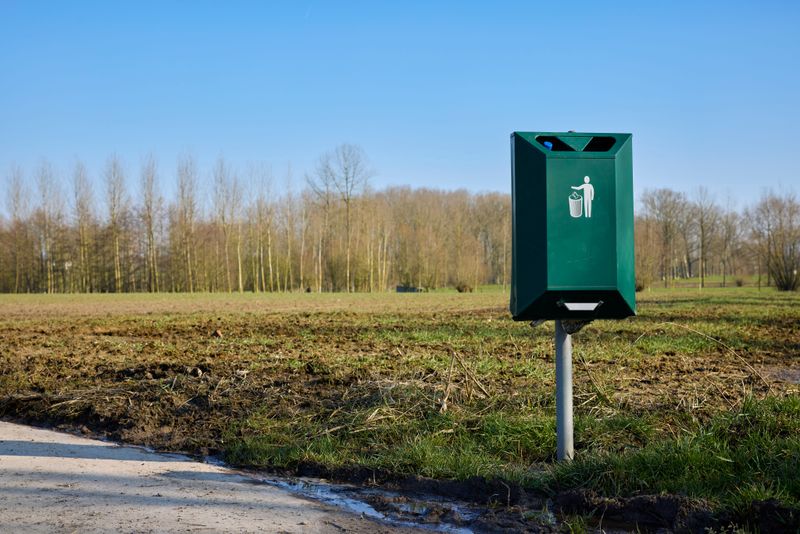
A bowl left on the patio can teach wildlife that your yard offers an easy meal. Pet food, dropped treats, unsecured trash, and spilled birdseed can attract coyotes or their prey.
Feed dogs indoors, clean up leftovers, and secure garbage containers. Carry training treats in a closed pouch, and pick up anything you drop.
Never feed coyotes intentionally. When neighbors also remove food sources, the whole block becomes less rewarding for wildlife seeking convenient meals nearby.
16. Physical Contact Needs Prompt Veterinary Advice
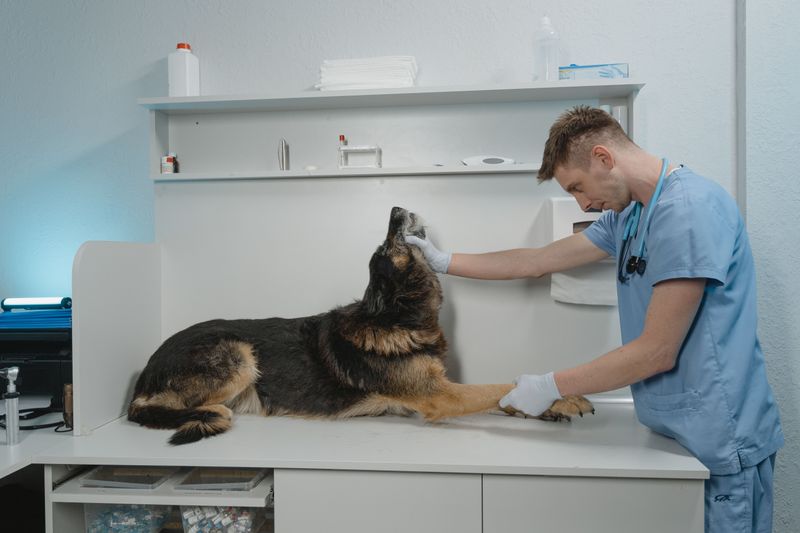
After close contact, move your dog somewhere secure and contact your veterinarian immediately. If your dog has been bitten or scratched, wear gloves and wash the wound with soap and running water for at least 10 minutes.
Small punctures can hide beneath fur, so an apparently normal dog may still need examination.
Keep your hands away from the animals’ mouths, and never reach between them. Tell the veterinarian about possible bites, scratches, or saliva exposure.
Have your dog’s rabies vaccination record ready.
If a person is bitten or coyote saliva contacts broken skin, the eyes, or the mouth, wash the affected area thoroughly with soap and water and promptly contact a healthcare provider and the local health department.
17. Report Concerning Behavior Through Local Channels
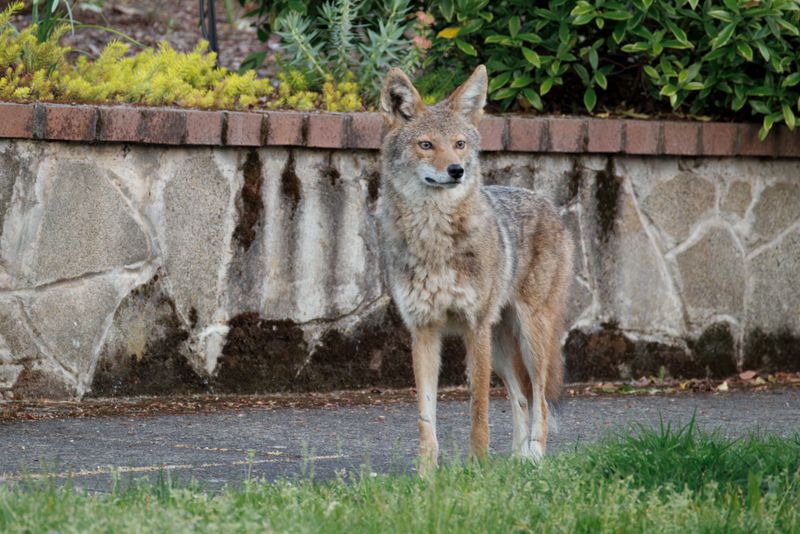
Repeated close approaches, persistent following, or an animal appearing disoriented deserve a report. Contact local animal control or park staff first.
Indiana DNR can help direct wildlife concerns.
Record the location, time, behavior, and whether food or dogs were involved. Take photos only from a safe distance.
Reporting procedures vary by community. Call 911 for an immediate threat to people.
Otherwise, remember your reliable basics: leash close, allow space, and choose another route when needed.