15 Everyday Georgia Dog Routines That Change Between Metro Atlanta And Rural Acreage
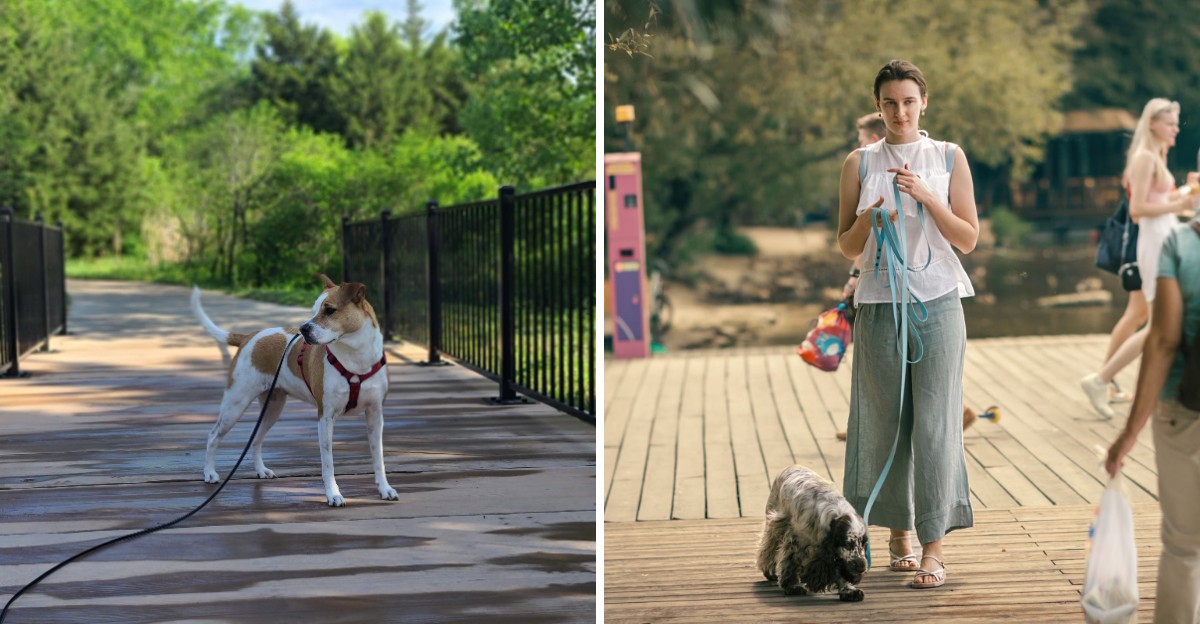
Your dog’s daily needs stay familiar, but your Georgia address can change how you meet them. A morning outing in Midtown feels different from opening a gate beside a quiet pasture.
Whether you live near Atlanta traffic or have room beyond the suburbs, small changes help routines work better. Knowing what to adjust keeps your dog comfortable and gives you more confidence throughout the day.
1. Morning Potty Breaks Look Different in the City and the Country
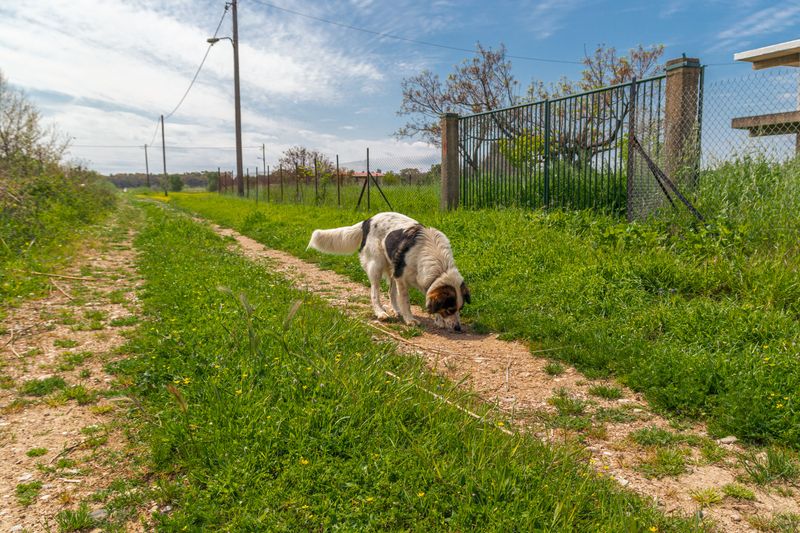
Before your coffee finishes brewing, your dog may already need a reliable bathroom spot. Atlanta owners often navigate hallways, sidewalks, and shared grass before reaching one.
Keep shoes, bags, and a leash beside the door.
Country mornings can feel simpler, but an open door should not replace supervision. Check the yard before heading outside together.
A consistent cue and familiar spot help dogs settle quickly, whether home overlooks Peachtree Street or a quiet Georgia pasture.
2. Leash Walks Versus Open-Space Exercise
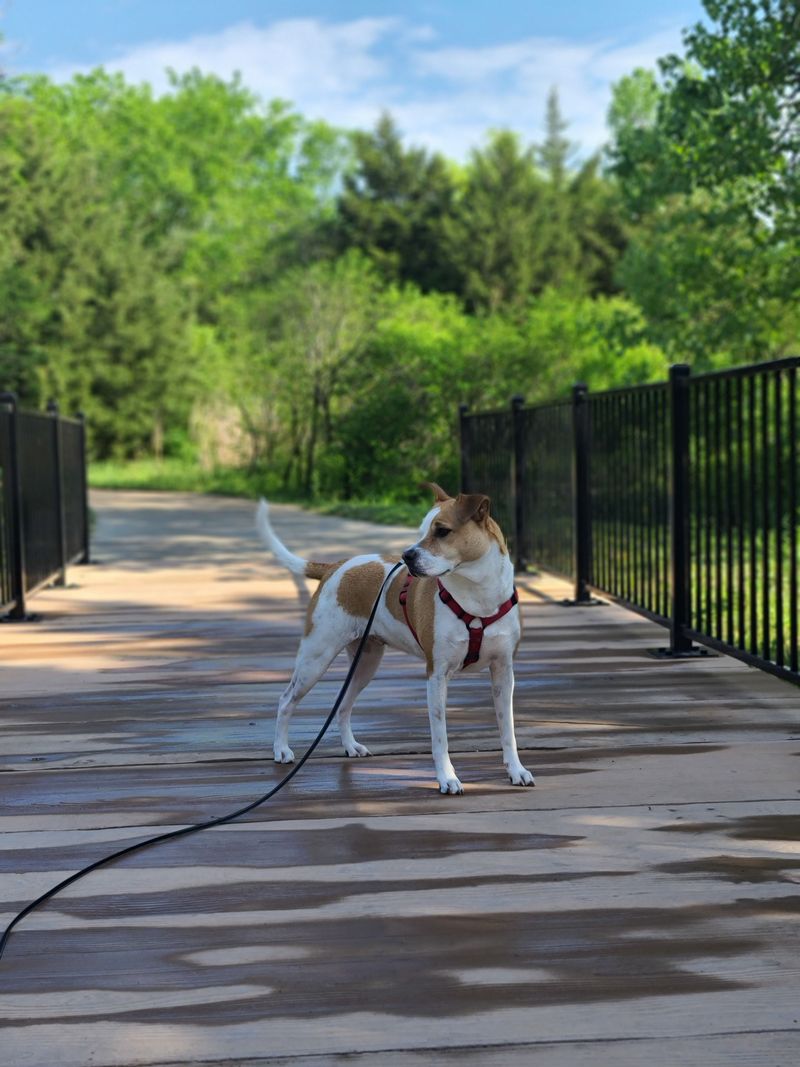
A wide field looks inviting, but room to run does not guarantee reliable recall. Practice coming when called inside secure fencing first.
A long line attached to a harness offers freedom while keeping training manageable.
Metro walks usually require closer handling around driveways, people, and other dogs. Leash rules vary across Georgia cities, counties, and parks.
Check local requirements rather than assuming rural land means unrestricted roaming, especially near roads, livestock, or neighboring private property.
3. Apartment Elevators Change the Daily Schedule
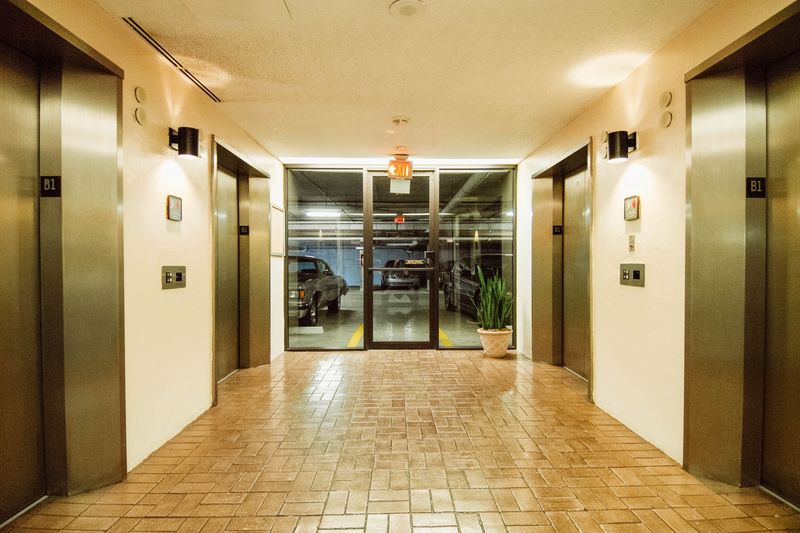
Waiting for an elevator adds minutes that a country porch never demands. Puppies, older dogs, and dogs with health concerns may need earlier departures.
Plan bathroom trips before urgency makes the journey uncomfortable for everyone.
Keep your dog close while doors open, and let crowded elevators pass when needed. Never allow the leash to become caught between closing doors.
Ask building staff about stairs, cleanup supplies, and backup plans when maintenance interrupts your usual route.
4. Fencing Becomes a Daily Priority on Rural Acreage
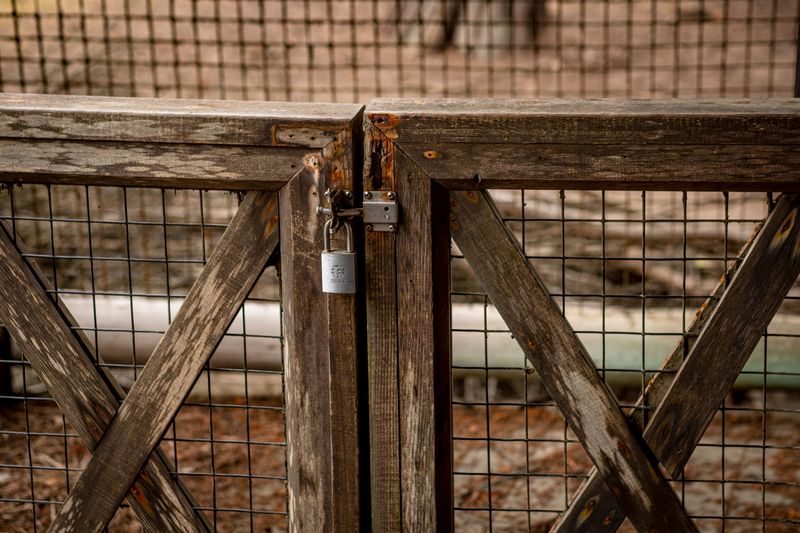
Yesterday’s secure boundary deserves another look today. Rain can soften soil, branches can damage wire, and delivery visits can leave gates unlatched.
Walk your dog’s enclosure regularly, paying attention to corners and digging spots too.
Pasture fencing may contain livestock without containing a curious dog. Choose barriers suited to your dog’s size, climbing habits, and strength.
Even suburban yards need checks, but larger properties often have more fence line and more gates requiring daily attention.
5. Wildlife Encounters Require Different Precautions
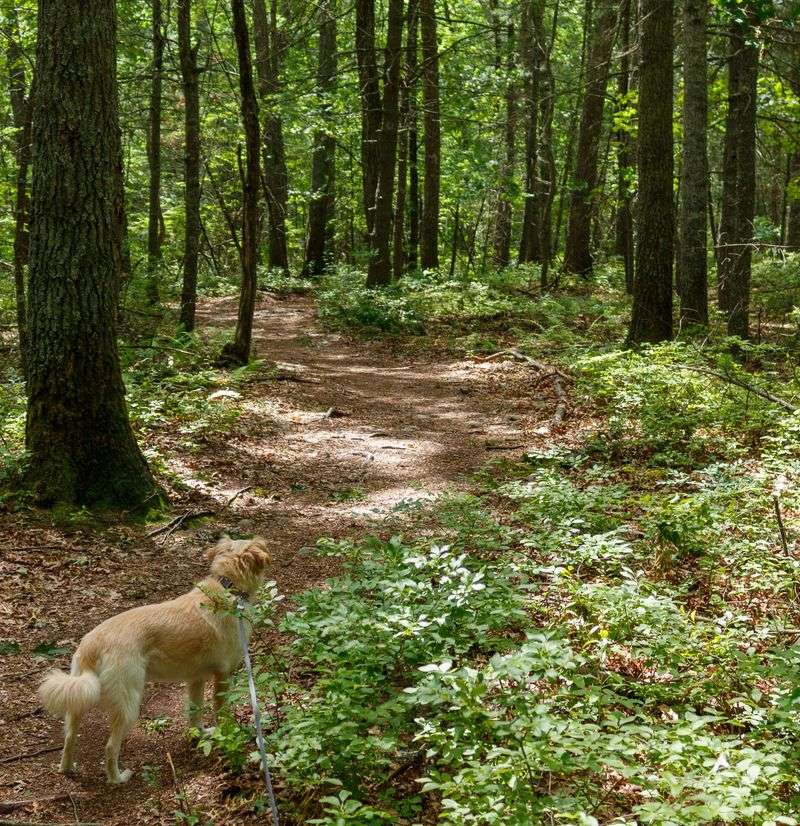
Sniffing along a brushy edge can bring unexpected company. Rural properties may offer more wildlife habitat, but Atlanta greenways and yards attract animals too.
Keep dogs away from dense cover when visibility is poor outside.
Practice leaving distractions alone, and bring pets inside before investigating unusual movement. Never encourage chasing or approaching wildlife.
Ask your veterinarian about local exposure concerns and recommended protection. Store pet food securely, and remove outdoor leftovers that could attract visitors.
6. Traffic Awareness Shapes Everyday Walks
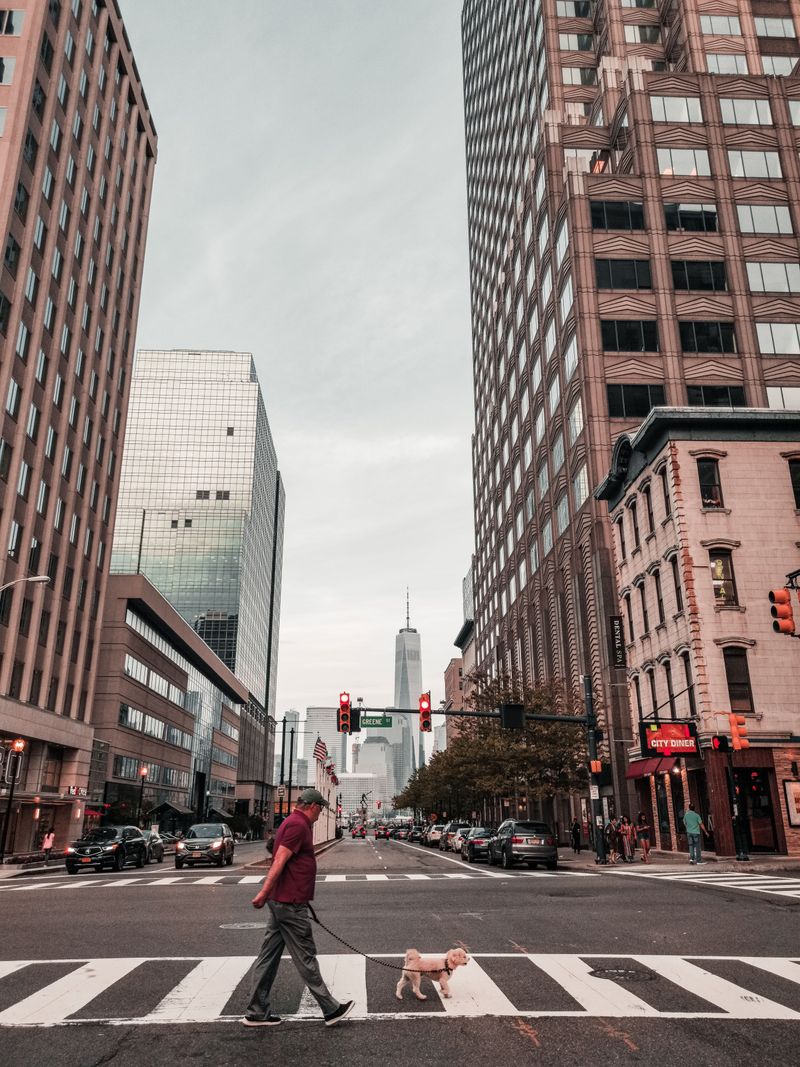
Busy intersections are obvious places to pause, but quiet roads deserve attention too. Rural routes may lack sidewalks, shoulders, or lighting.
Choose routes with clear sight lines, and avoid stretches without safe space for walking.
In metro neighborhoods, watch turning vehicles and cars backing across sidewalks. Keep your dog away from the curb while waiting to cross.
Reflective gear improves visibility in low light, but it cannot replace careful route choices and attentive leash handling.
7. Bathroom Cleanup Changes With the Living Environment
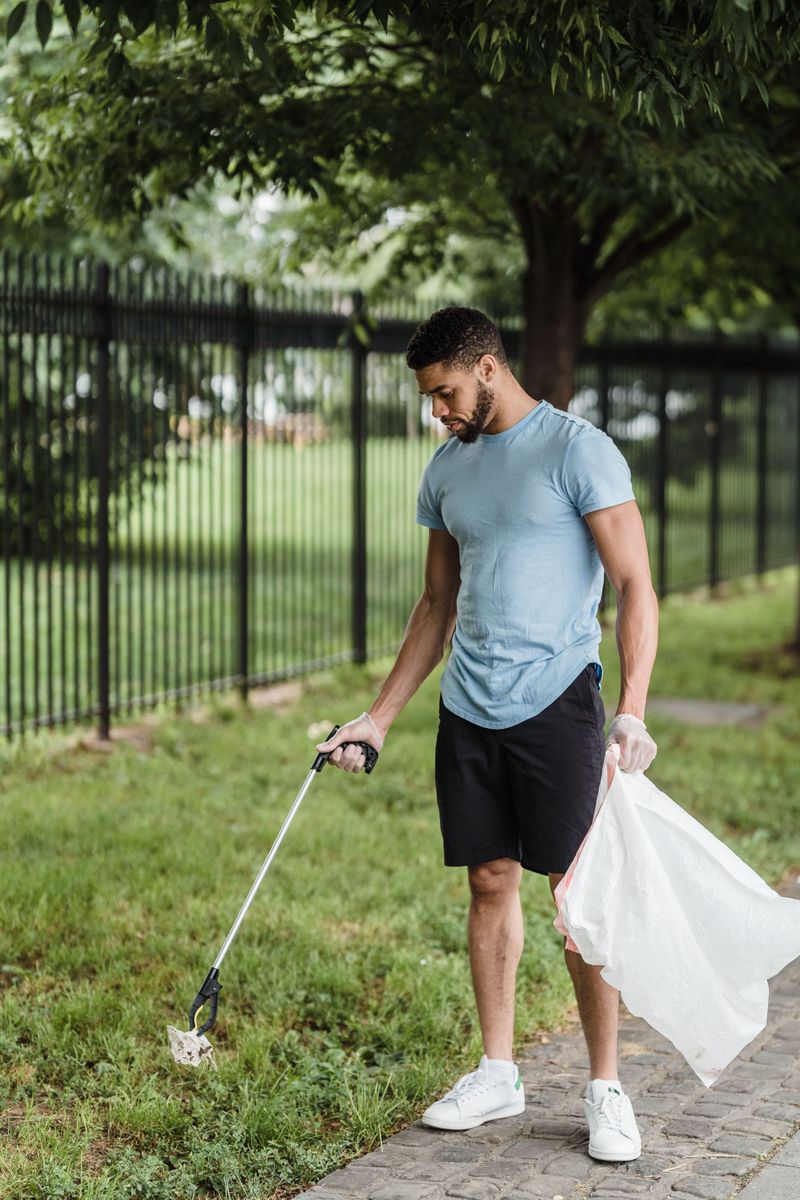
More grass does not make dog waste disappear responsibly. Shared Atlanta lawns need prompt pickup, while rural yards benefit from a regular collection schedule.
Focus especially on play areas, walking paths, and spaces near homes.
Carry bags even when your usual route seems empty. Keep waste out of vegetable gardens, drainage channels, and waterways.
Follow local disposal guidance, since requirements vary. Consistent cleanup reduces exposure to some parasites and keeps outdoor spaces pleasant for everyone.
8. Barking Matters More in Closely Spaced Neighborhoods
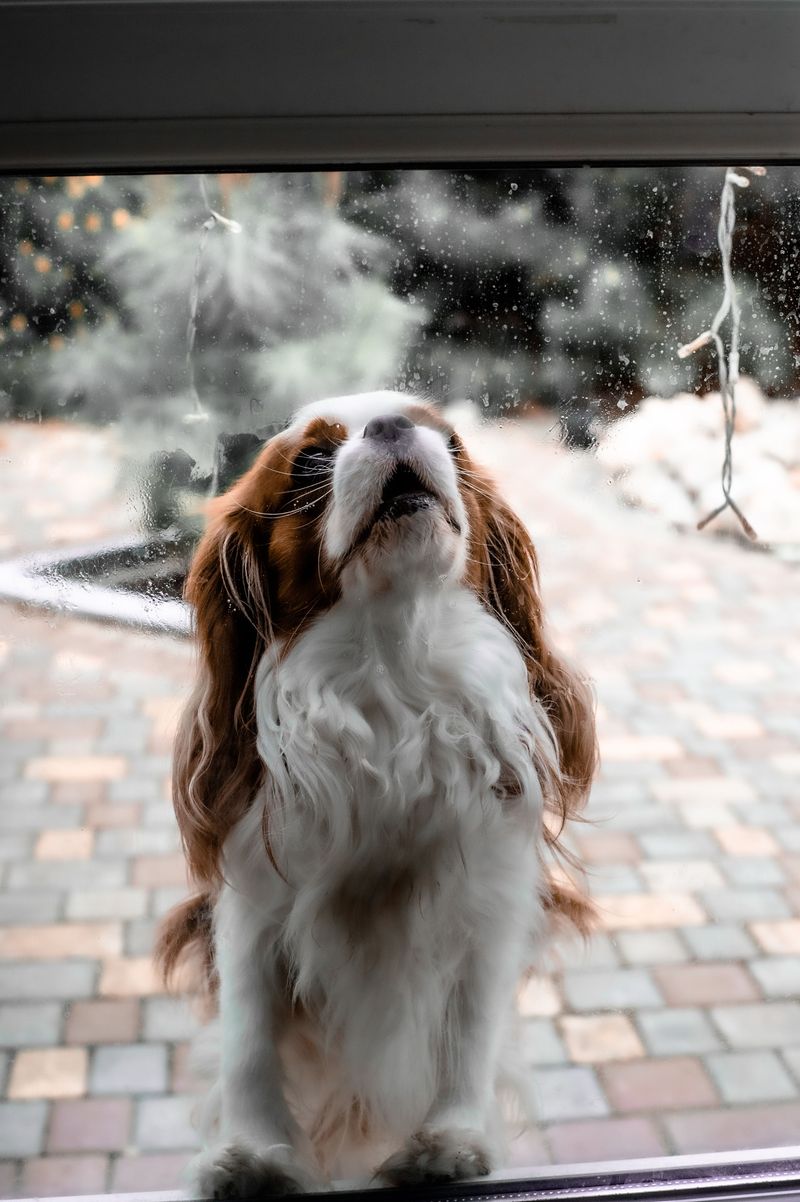
A delivery truck can announce itself through several neighboring windows at once. Close housing makes repeated barking more noticeable, especially during early mornings.
Move resting spots away from busy windows and reward calm behavior indoors.
Country dogs can also disturb neighbors, even across larger distances. Learn local noise rules instead of assuming acreage creates an exception.
If barking suddenly increases, consider boredom, unfamiliar sounds, or discomfort. Your veterinarian or a qualified trainer can help investigate.
9. Daily Exercise Depends on More Than Available Space
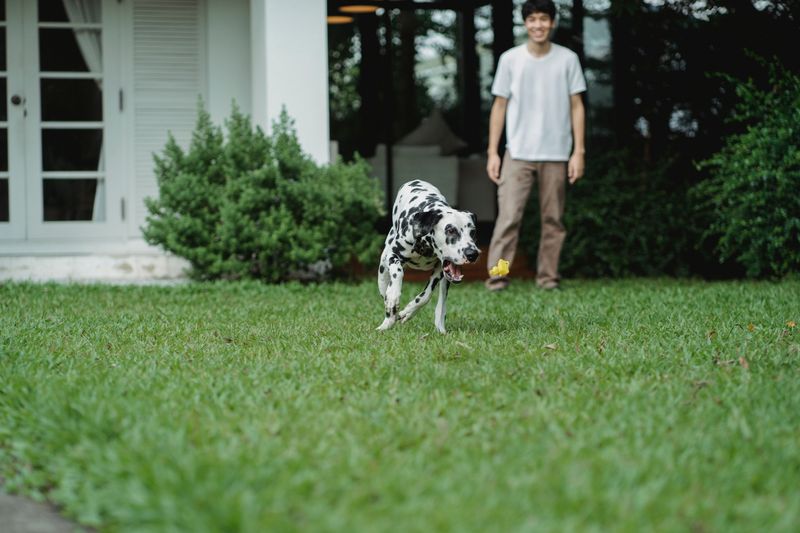
Even ten acres can become boring without something interesting to do. Dogs often need shared activity, not simply access to land.
Combine sniffing, training, and suitable play rather than expecting a yard to provide everything.
Apartment dogs can enjoy rich exercise routines through thoughtful walks and indoor games. Adjust activity for age, fitness, weather, and medical needs.
Ask your veterinarian before increasing exercise for a dog with health concerns. Short sessions often fit busy households.
10. Grooming Routines Change With Outdoor Conditions
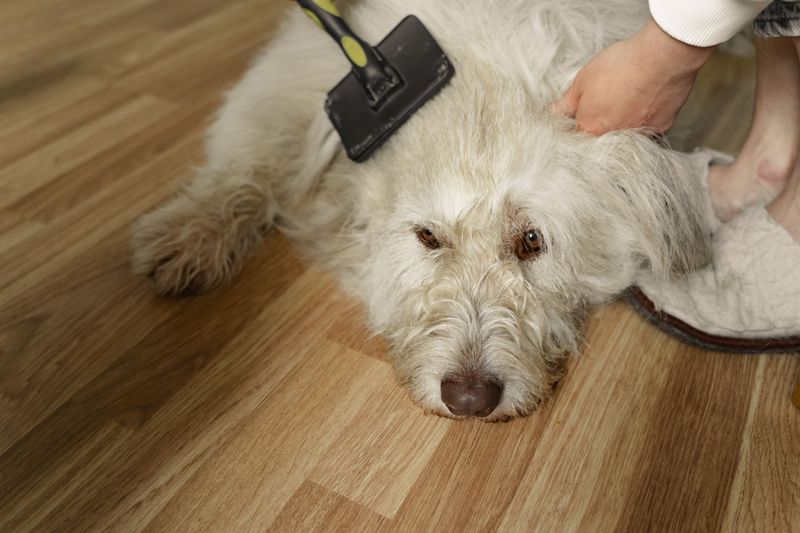
Red clay has a talent for following Georgia dogs indoors. Country outings may add burrs, seeds, and muddy paws to that familiar mess.
Check feet, ears, and coats after exploring fields or wooded edges nearby.
City dogs still collect grit and debris from sidewalks and landscaped areas. Keep a towel near the entrance, and brush according to coat needs.
Ask your veterinarian about persistent itching or irritated paws. Avoid trimming away material embedded in skin.
11. Flea and Tick Checks Become Part of Outdoor Time
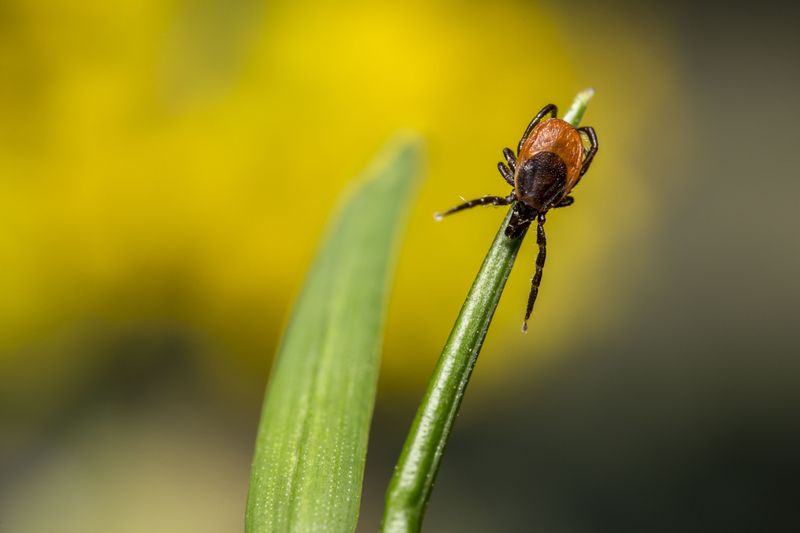
Georgia’s mild stretches can keep parasite prevention relevant beyond summer. Ask your veterinarian about consistent protection against fleas, ticks, and heartworms.
Rural brush increases some exposures, but neighborhood lawns and city parks are not exempt.
After outings, feel through your dog’s coat and check around ears, toes, and the collar. Follow veterinary guidance for removing attached ticks.
Never combine treatments without checking compatibility. Routine checks support prevention, but they do not replace recommended veterinary products.
12. Car Rides Replace Some Everyday Walking Trips
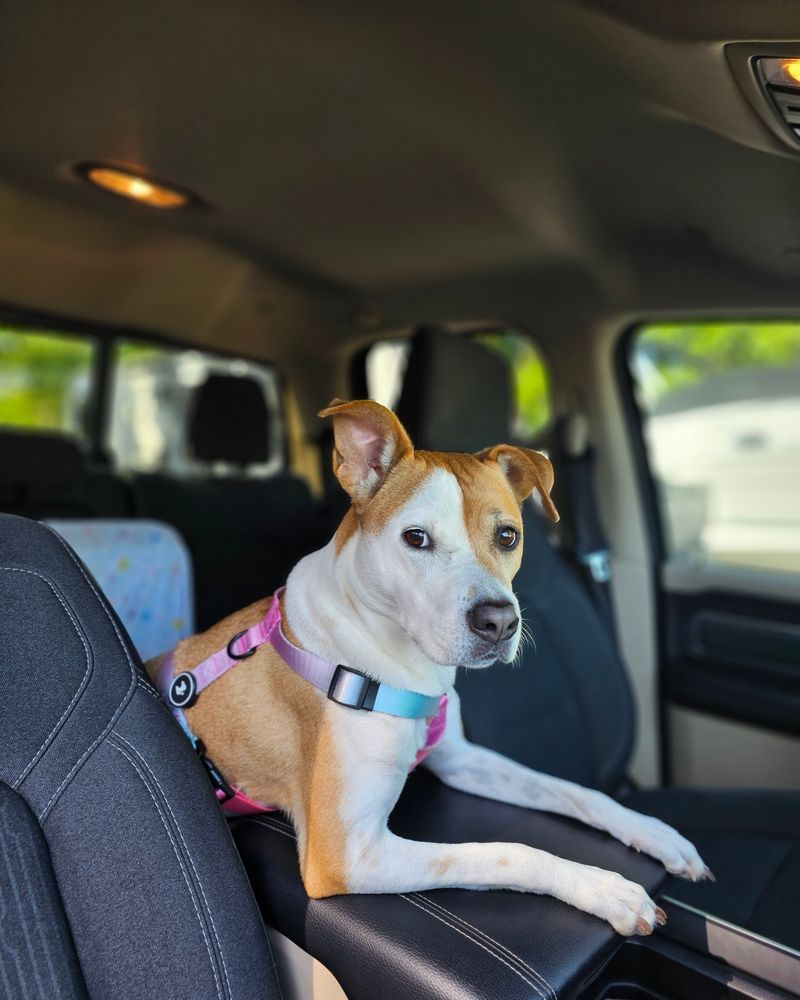
The nearest clinic or walking trail may be several miles from a rural home. That makes comfortable car travel part of ordinary care.
Use an appropriate vehicle restraint, and practice short trips before longer appointments.
Metro owners may walk to services, yet traffic can still lengthen driving time. Bring water and keep your veterinarian’s contact details handy.
Never leave your dog alone in a parked vehicle. Plan errands so your companion stays safely with you.
13. Socialization Opportunities Depend on the Neighborhood
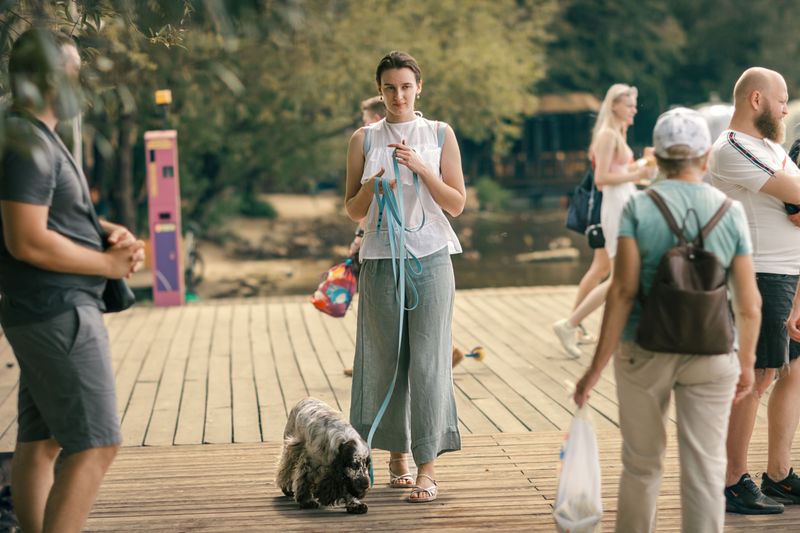
Meeting everyone is not the goal of a good outing. Comfortable socialization means learning that everyday sights and sounds are manageable.
Atlanta dogs may need breaks from crowds, while rural dogs may need planned exposure.
Choose quiet locations and reward relaxed observation from a comfortable distance. Avoid forcing greetings with people or unfamiliar dogs.
For puppies, ask your veterinarian how to balance disease prevention with early learning. Positive experiences matter more than a packed calendar.
14. Feeding and Water Routines Change During Outdoor Play
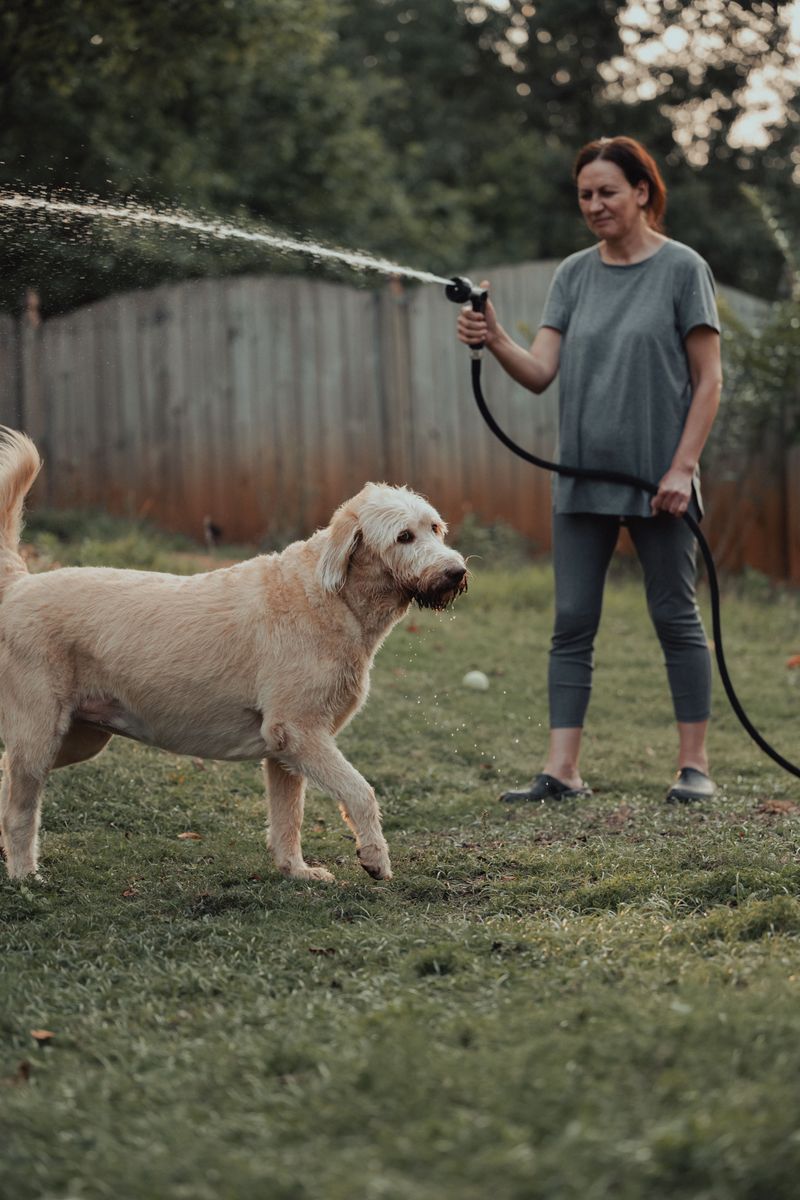
A shady porch needs fresh water, not just a familiar bowl. Check supplies during outdoor time, and clean bowls regularly.
Georgia heat and humidity make cool rest areas and shorter activity sessions especially helpful outdoors.
Keep meals measured rather than assuming acreage automatically raises calorie needs. Store food indoors or in secure containers that discourage wildlife.
Offer breaks during play, and watch for unusual panting or slowing. Move indoors and contact your veterinarian when concerned.
15. Supervision Matters Even When Dogs Have Plenty of Room
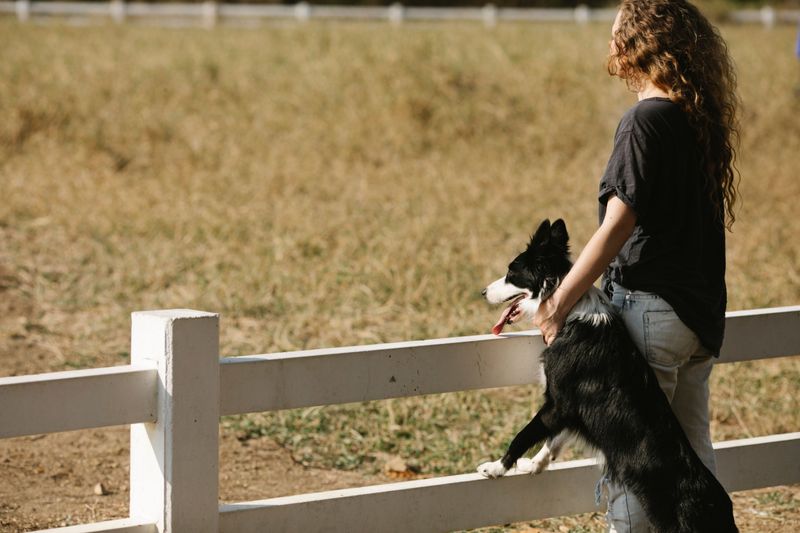
Freedom works best when someone is paying attention. Large properties can include equipment, open gates, ponds, or unfamiliar visitors.
Stay involved during outdoor time, and create a smaller secure area when closer oversight is needed.
In metro homes, watch balconies, shared entrances, and busy common areas instead. Keep identification current, including microchip registration details.
Wherever your Georgia dog lives, steady routines beat assumptions. Know the surroundings, notice changing needs, and enjoy the day together confidently.