15 Colorado Reservoir Rules And Shoreline Restrictions To Check Before Bringing A Dog
A reservoir walk can be a great outing with your dog, but shoreline rules change across Colorado. Some places welcome leashed pets, while others protect swimming areas, drinking water, or wildlife by limiting dog access.
Before loading the car, check the reservoir’s official page and any current notices. A little planning helps you find a legal route, pack what your dog needs, and enjoy the water without surprises.
1. Start With Dog Access, Hours, And Current Rules
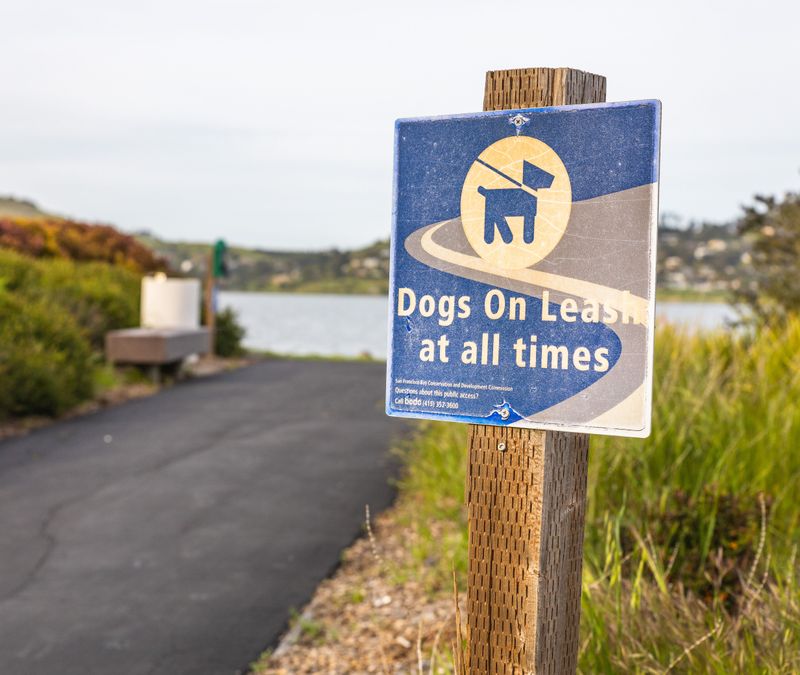
A beautiful shoreline does not always mean dogs are welcome. Reservoir managers set different rules for trails, picnic areas, and water access.
Start with the official recreation website, not an old trail review.
Confirm pet access, opening hours, parking arrangements, and any reservation requirements before planning a longer visit. Recheck notices before every trip, since conditions and policies can change.
If wording seems unclear, call staff and describe exactly where you hope to walk together.
2. Leave Quincy Reservoir Off Your Dog’s Outing List
Quincy Reservoir is not a dog walking destination. Aurora prohibits dogs there, so a leash does not make a shoreline visit acceptable.
Choose another location before leaving home rather than expecting an exception at the entrance.
Also, avoid treating Quincy and Aurora reservoirs as interchangeable. Their pet policies differ, even though the same city manages both.
Check your navigation destination carefully, especially when friends share a meeting point using only the word reservoir in conversation.
3. Follow Aurora Reservoir’s Ten-Foot Leash Limit
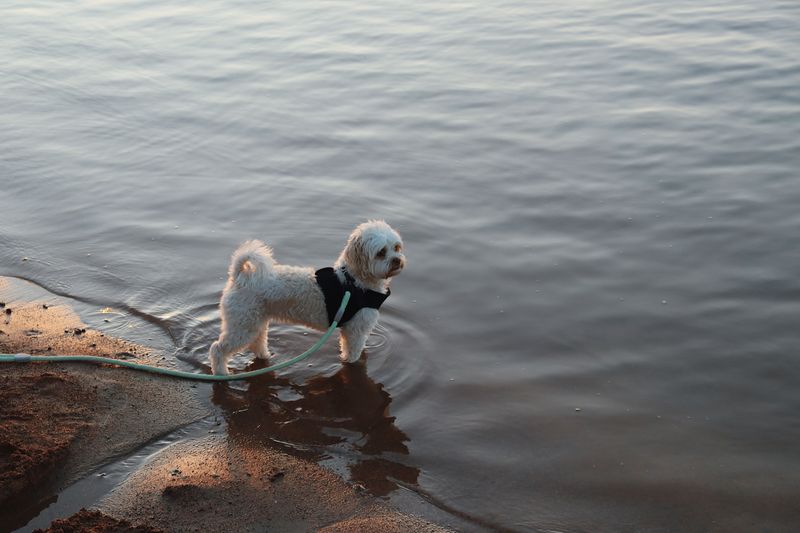
Extra leash length still comes with a firm limit. Aurora Reservoir allows dogs on leashes no longer than ten feet.
Keep your dog under control, and check posted rules when entering different recreation areas.
A shorter working length often makes passing walkers and cyclists easier. Retractable leashes can exceed the allowed distance, so lock yours appropriately or use a fixed leash.
Permission to walk nearby does not grant access to every beach or the water.
4. Skip Aurora Reservoir’s Beaches And Water
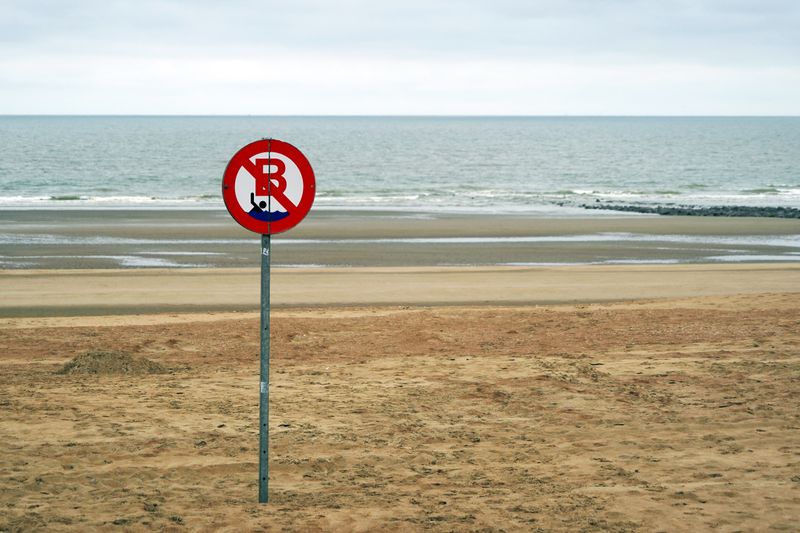
Sand can look like an invitation, especially to an eager dog. At Aurora Reservoir, dogs must stay off beaches and out of the water.
A quiet stretch of shoreline does not create an exception.
Plan a walk on permitted routes instead of bringing a fetch toy for swimming. Give beach entrances plenty of space, and follow barriers around recreation areas.
If your dog needs cooling, offer fresh water and rest somewhere shaded along your legal route.
5. Mark Boulder Reservoir’s Seasonal Dog Ban
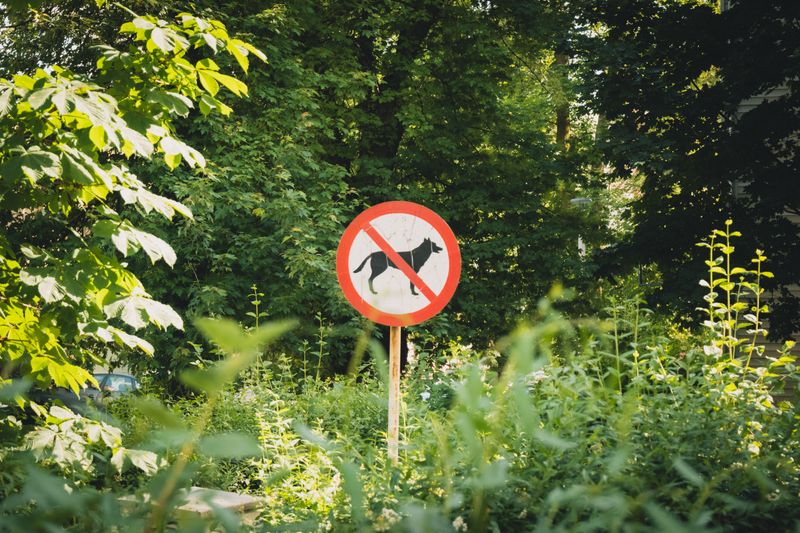
Your calendar matters as much as your leash in Boulder. Dogs are not allowed inside Boulder Reservoir’s gated recreation area from May 15 through Labor Day.
That restriction includes shoreline outings within the gates.
Outside that seasonal window, follow the reservoir’s current leash and access requirements. Nearby trails may have separate rules, so confirm the exact route rather than assuming everything shares one policy.
Check the city’s official page before arranging your visit with other owners.
6. Measure The Six-Foot State Park Leash
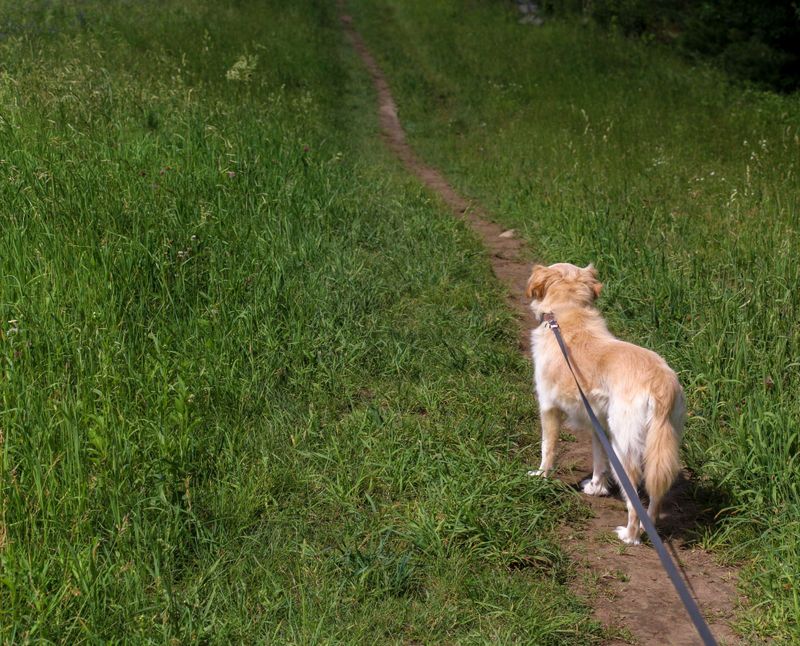
A long training line may be handy elsewhere, but state parks have a shorter standard. Colorado state parks generally require pets on leashes no longer than six feet, except in designated areas.
That rule applies at reservoir parks such as Chatfield and Cherry Creek outside their designated off-leash areas. Carry a suitable leash before reaching the gate.
Park-specific restrictions still apply, including beach exclusions and wildlife closures, so read entrance boards rather than relying on general guidance.
7. Separate Dog Walks From Designated Swimming Beaches
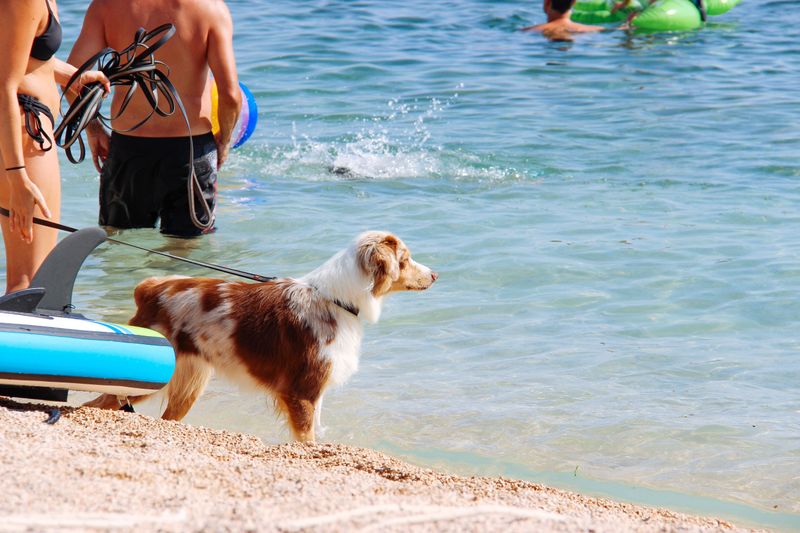
Swimmers and dogs often use different parts of a reservoir. Colorado state parks prohibit pets on designated swimming beaches.
Other reservoir operators may set similar restrictions, sometimes covering nearby lawns or changing areas.
Look for the full boundary, not just the waterline. An empty beach remains restricted when the rule still applies.
Ask staff where dogs may walk, and whether water entry is allowed anywhere. Never assume a nearby fishing bank serves as a dog beach.
8. Verify Rueter-Hess Reservoir Access Before Driving
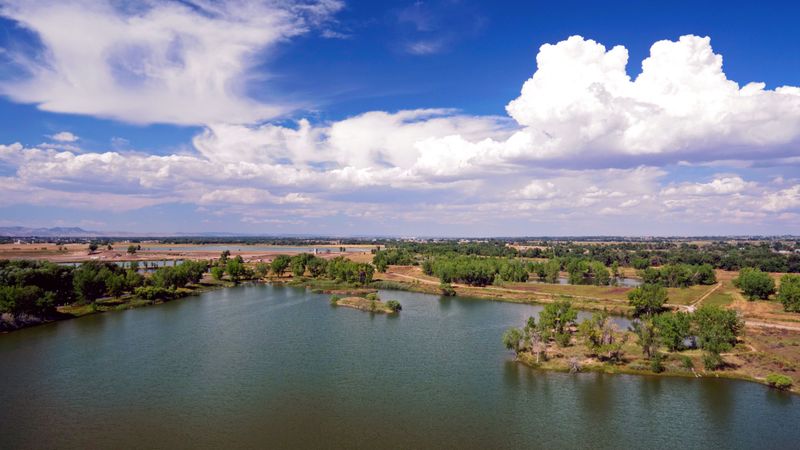
Not every part of a growing recreation destination welcomes canine visitors. Dogs are permitted on designated trails at Rueter-Hess Reservoir, but they must remain leashed and are restricted to Newlin’s Gold Trail on the reservoir side.
Review the official visitor rules before making plans, including current operating days and any required reservations.
Nearby trails and the incline can have separate management boundaries and policies. Do not extend one area’s permission to another.
If your outing combines several stops, verify each location individually and choose a different dog-friendly destination when reservoir access excludes your companion.
9. Give Barr Lake’s Wildlife Refuge Extra Space
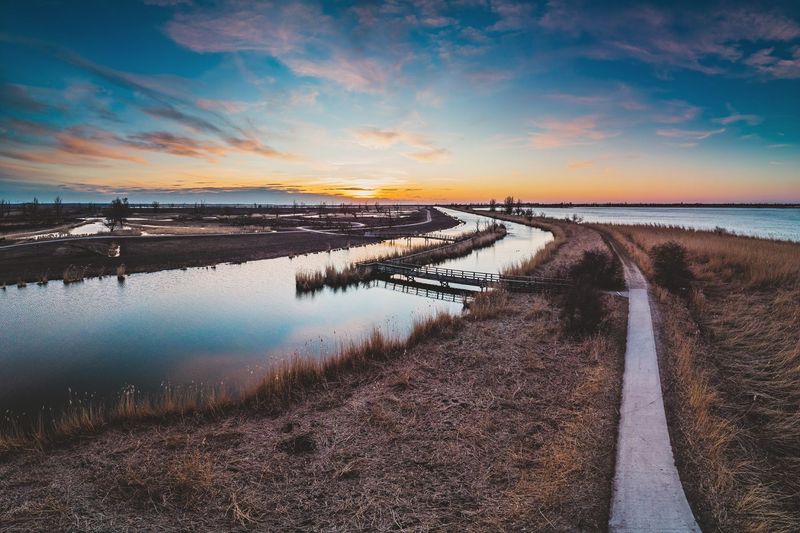
Birdwatching is a major draw at Barr Lake, and wildlife protection shapes pet access. Dogs must remain leashed in permitted areas.
They are not allowed in the designated wildlife refuge, so check the park map before choosing your route.
Watch for signs where paths approach protected habitat. Keep your dog from chasing birds or entering reeds, even outside restricted sections.
Ask a ranger about current boundaries if your planned walk follows the lake’s southern shoreline closely.
10. Protect Drinking Water And Pack Your Own
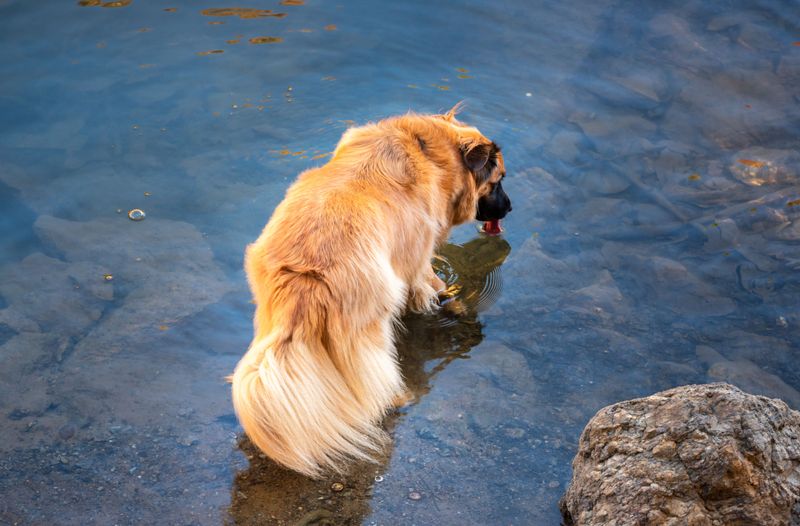
Some reservoirs supply drinking water, which can mean strict limits on contact with the lake. Rules may exclude dogs from the water, certain banks, or the entire recreation property.
Confirm the operator’s policy instead of judging by appearances.
Bring fresh drinking water and a bowl for your dog. Clear reservoir water can still contain germs or other hazards.
Offer regular drinks during your walk, and carry enough for delays, warm weather, and the return trip home.
11. Treat Restricted Shoreline Areas As Firm Boundaries
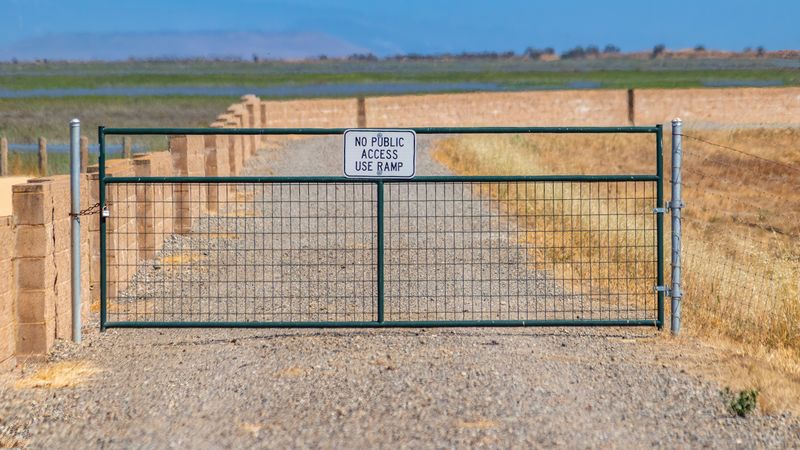
A gap in a fence is not an invitation. Dams, spillways, maintenance roads, nesting areas, and restoration sites may be closed to visitors and pets.
Follow posted boundaries even when another person has crossed them.
Keep enough leash control to prevent your dog from slipping beneath barriers or exploring drainage structures. Choose established public paths rather than shortcuts along the water.
When access signs conflict with an online map, follow current signs and ask reservoir staff.
12. Carry Every Waste Bag Back To A Bin
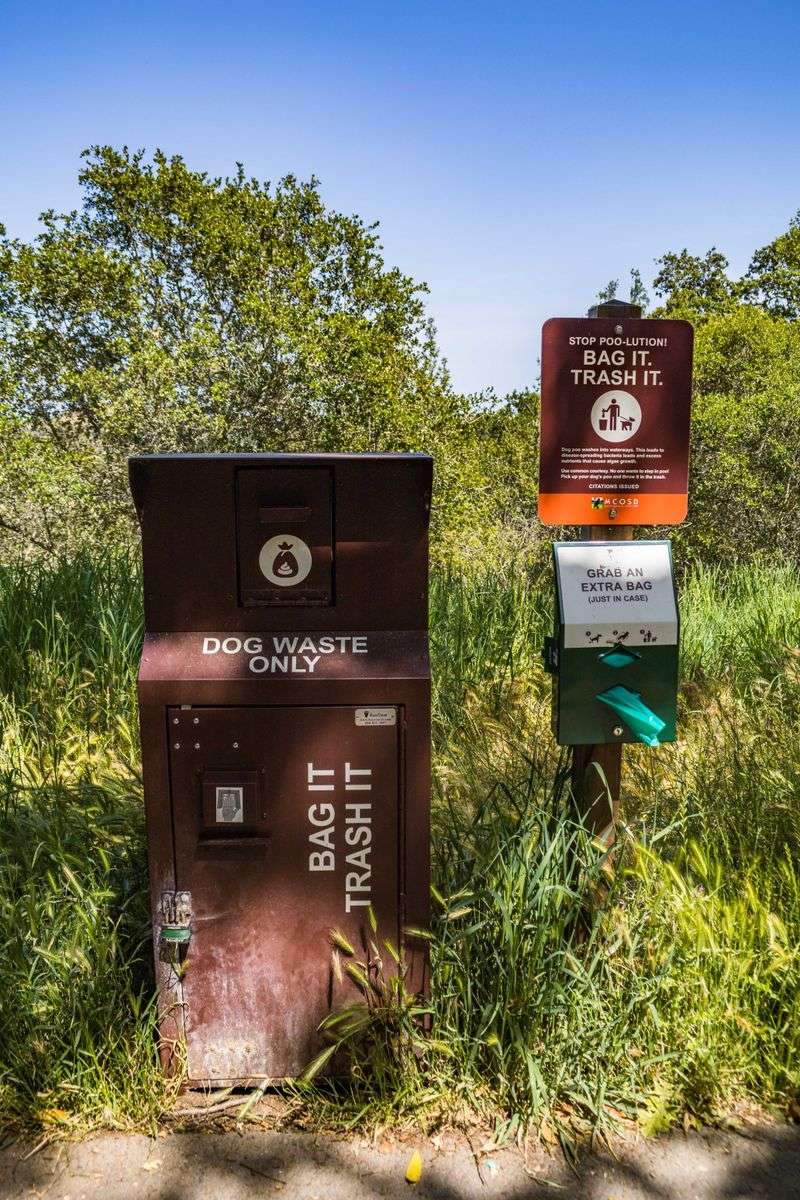
Shoreline manners start with a pocket full of bags. Pick up your dog’s waste promptly and place it in an approved trash bin.
If none is available, carry the sealed bag until you find one.
Leaving a bag beside the trail for later still creates litter while you are gone. Keep waste away from water, picnic spaces, and boat ramps.
Pack extra bags for longer routes, and bring a small carrying pouch to make cleanup easier.
13. Read Temporary Water Advisories Before Approaching
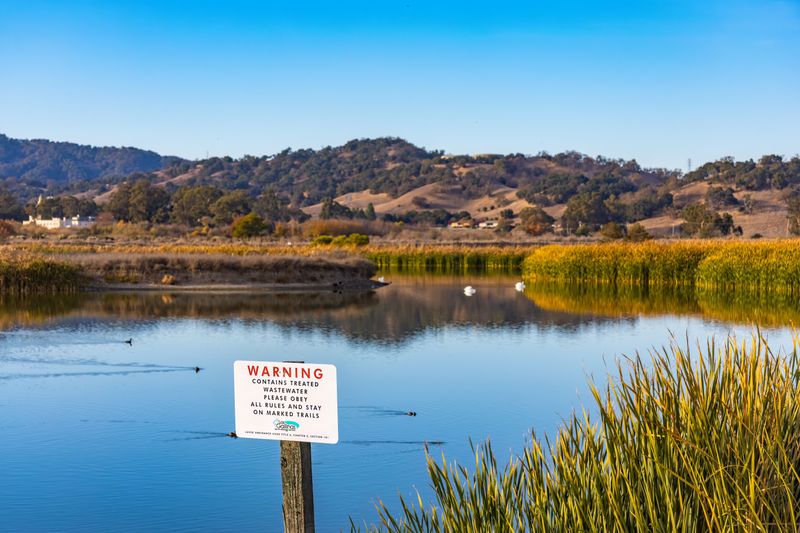
Yesterday’s open shoreline may have different limits today. Harmful algae advisories, flooding, construction, or other conditions can trigger temporary water restrictions.
Check the reservoir operator’s alerts and read notices at the entrance.
Keep your dog away from water covered by a warning, including nearby puddles or shoreline material mentioned in notices. You cannot judge water safety by appearance alone.
After suspected exposure, prevent licking and contact your veterinarian promptly for advice suited to the situation immediately.
14. Keep Boat Ramps Clear And Dogs Close
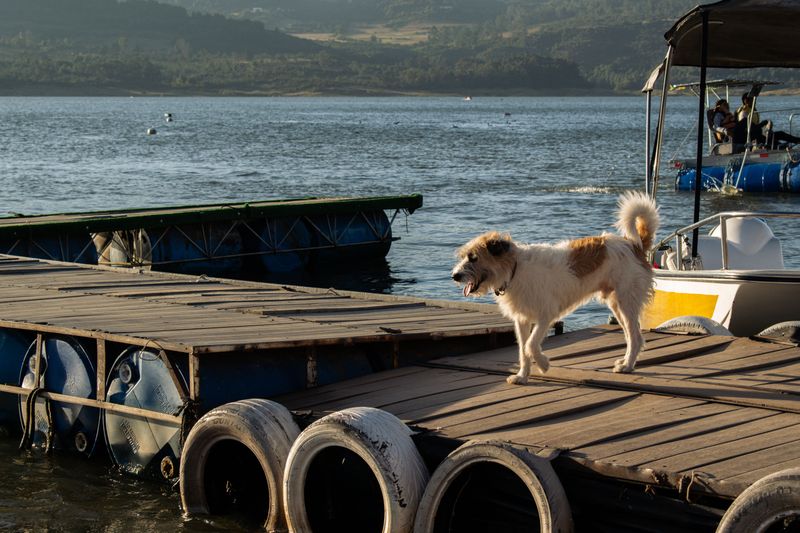
Boat launches are work zones as well as recreation spaces. Drivers may be backing trailers, and people often carry bulky equipment.
Keep your dog close and stay outside launch lanes unless a marked pedestrian route allows passage.
Check whether pets may enter docks, marinas, or rental areas before approaching. Do not attach a leash to moving equipment or let it cross walkways.
Wait somewhere spacious while companions launch, and choose a quieter place for sniffing breaks.
15. Unclip Only In Designated Off-Leash Areas
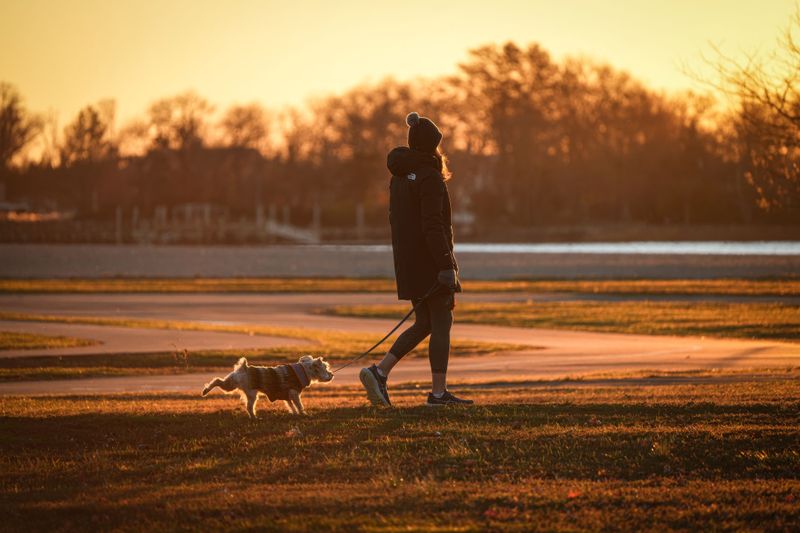
An open field beside water is not automatically an off-leash area. At Chatfield and Cherry Creek state parks, designated dog areas have specific boundaries, rules, and separate access fees.
Confirm current requirements before entering.
Keep the leash attached everywhere else, including the approach to the entrance. Inside, supervise your dog and follow posted water access rules.
Choose another activity if reliable control is difficult. Check first, respect boundaries, and let a well-planned walk be the reward.