Florida Dog Owners With Pools Need A Different Pet-Sitter Checklist Than Owners Without One
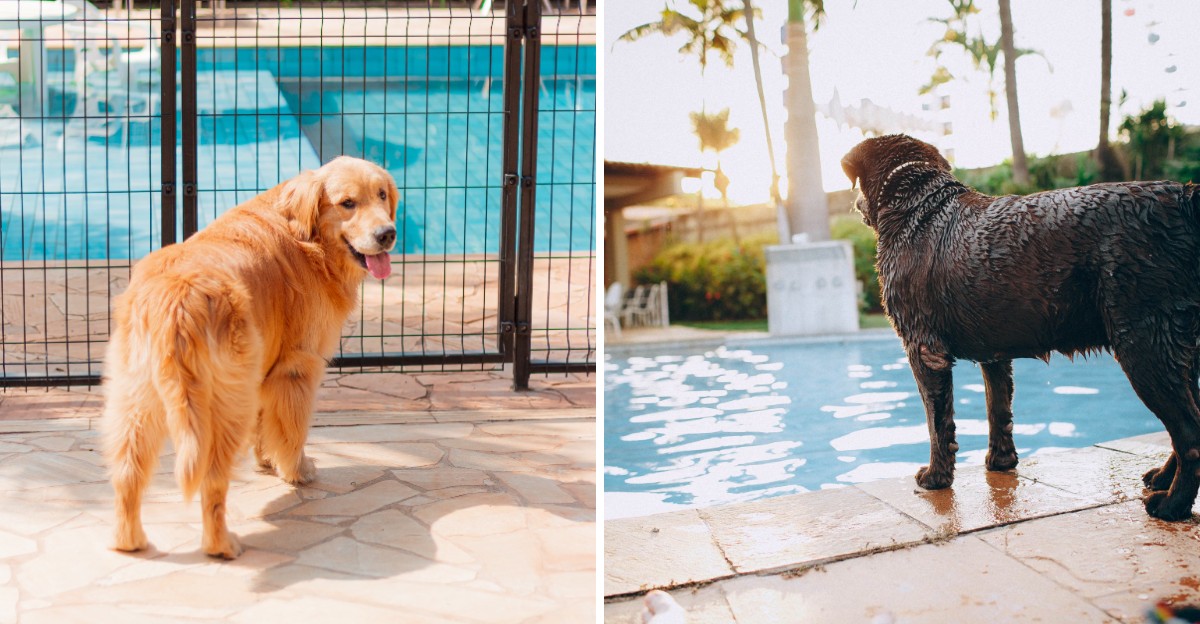
Your Florida pool changes more than your backyard view. It also changes what your pet sitter needs to know before you leave.
Even dogs that enjoy swimming need clear boundaries, close attention, and a sitter who understands your setup. A quick walkthrough and a written plan can make pool care feel manageable, while helping your dog stay comfortable through sunny afternoons, sudden storms, and everyday outdoor breaks.
1. Check Whether the Pet-Sitter Is Comfortable Around Pools
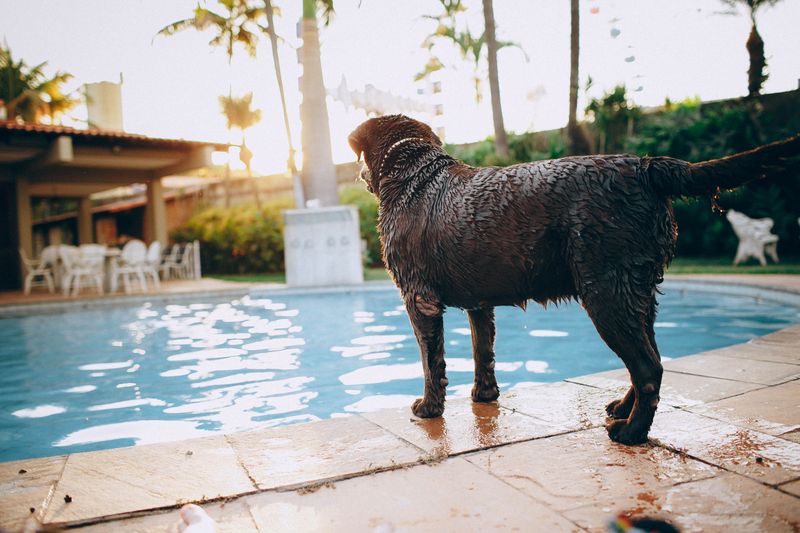
A great dog walker may still feel uneasy beside deep water. Ask directly about pool experience before booking, rather than assuming comfort follows general pet experience.
Discuss whether the sitter can enforce boundaries, recognize swimming trouble, and follow your emergency plan. Swimming ability alone does not establish rescue skills.
Arrange a paid walkthrough with your dog present. If the sitter seems uncertain, choose someone else or require all outdoor visits away from the pool area entirely.
2. Make Pool Access Rules Clear From the Start
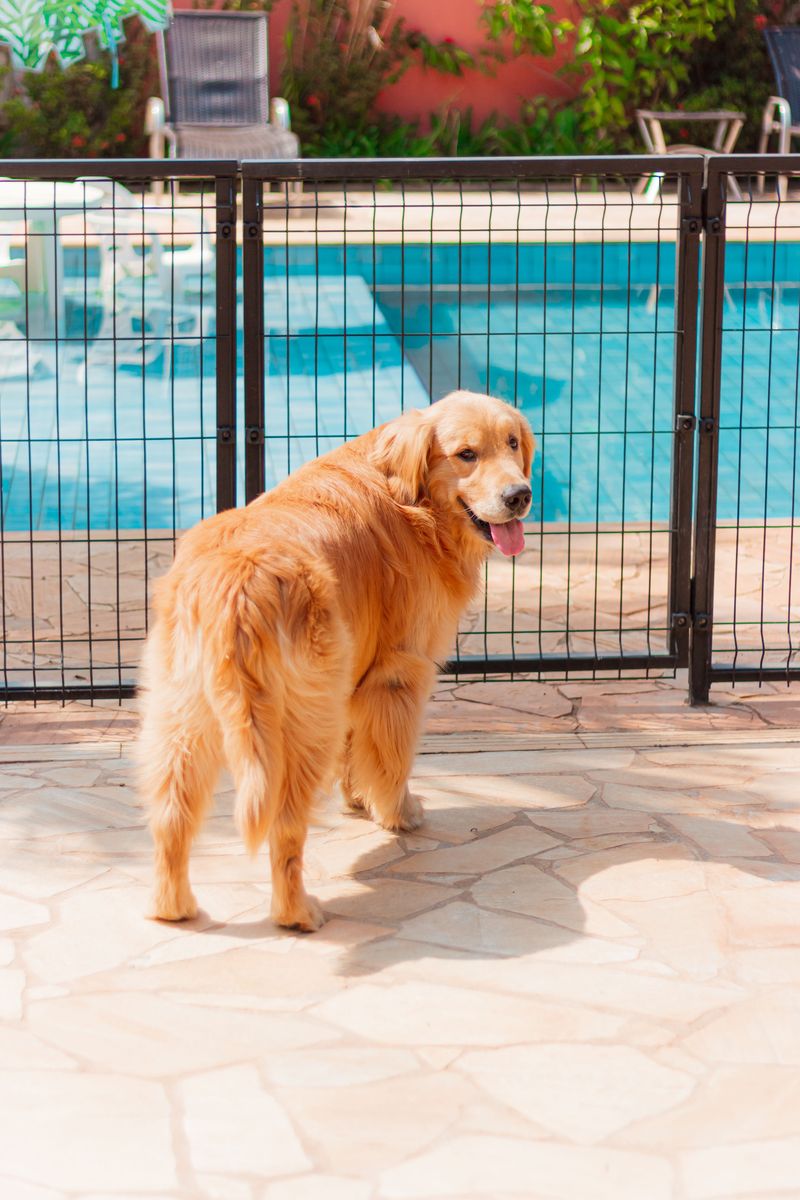
Vague permission creates room for mistakes, especially when a dog begs at the patio door. Write down whether pool access is forbidden or allowed under specific conditions.
Name the approved areas, permitted times, and required equipment. Explain whether swimming is excluded entirely during your trip, even if you normally allow it.
Ask the sitter to repeat the rules back. Keep one copy near the outdoor door and send another digitally for easy reference during every visit.
3. Never Assume Your Dog Can Swim Safely
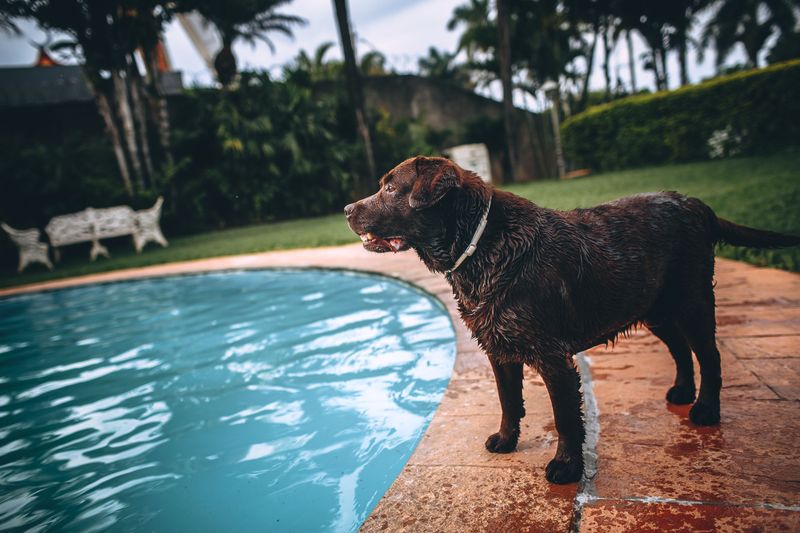
Paddling is not the same as staying safe in a pool. Dogs can tire, become confused, or struggle because of age, body shape, or health conditions.
Tell your sitter what your dog actually does around water. Mention hesitation, frantic splashing, past difficulties, and any veterinary restrictions.
If swimming is permitted, provide a properly fitted canine life jacket and direct supervision. Neither replaces secure barriers.
Avoid asking a sitter to teach swimming while you are away traveling.
4. Show the Sitter Where the Pool Exits Are
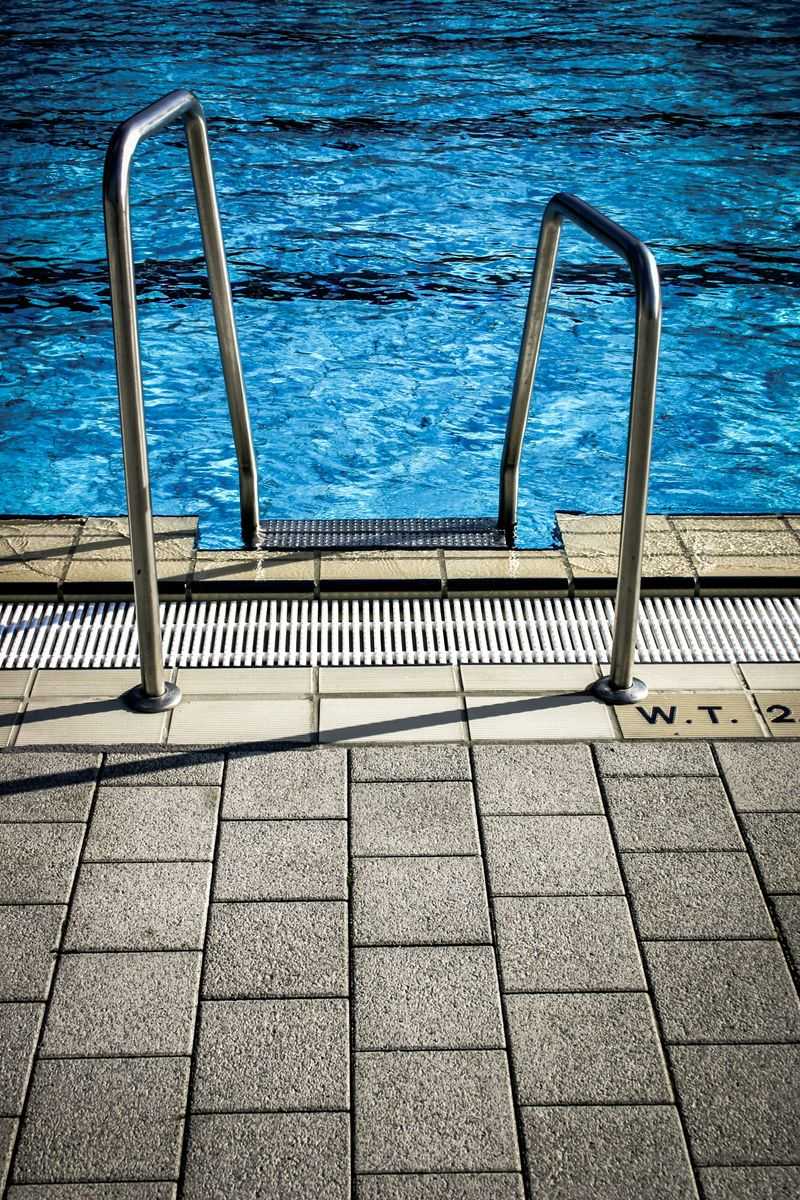
From water level, familiar surroundings can look surprisingly different. Walk your sitter around the pool and identify steps, shallow entries, and any approved dog ramp.
Explain which exit your dog already knows. A ladder designed for people may not offer a usable route for a dog.
Check that the route stays clear of furniture and floating items. If your dog lacks reliable exit skills, keep swimming off the schedule until proper training happens with you present.
5. Explain How to Keep Pool Gates Secure
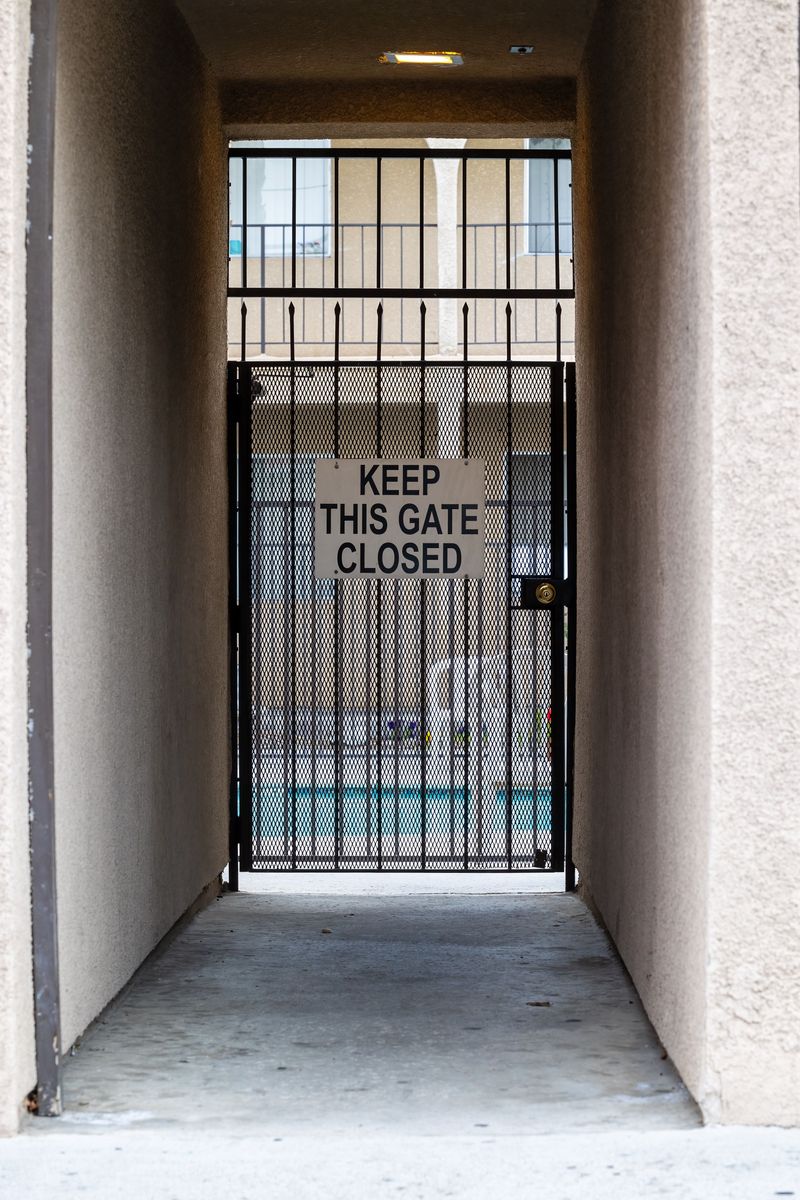
A gate only helps when it closes and latches properly. Demonstrate the latch, then have your sitter open and close it independently.
Remove objects that could block closure or help your dog climb. Never allow gates to remain propped open during deliveries or yard work.
Florida residential pool safety requirements depend on applicable law and property circumstances. Local rules may add requirements.
Confirm compliance with your building department, rather than treating this checklist as legal advice.
6. Set Clear Rules About Unsupervised Outdoor Time
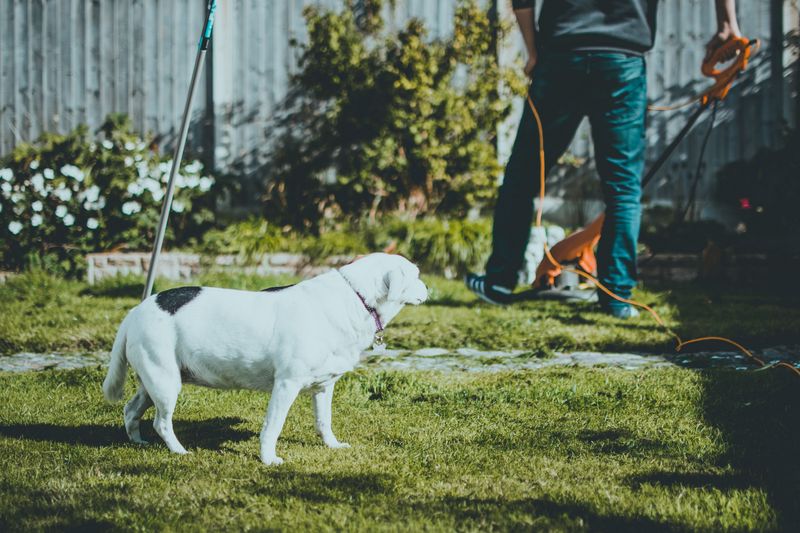
A quick bathroom break can become a longer adventure when nobody stays outside. Require the sitter to accompany your dog throughout every backyard visit.
Specify whether a leash is needed between the door and a separate potty area. Close any dog door that provides uncontrolled access, following your written instructions.
Phones, chores, and conversations can pull attention away. Make clear that watching through a window does not replace staying nearby and actively supervising your dog outside.
7. Provide a Poolside Safety Checklist
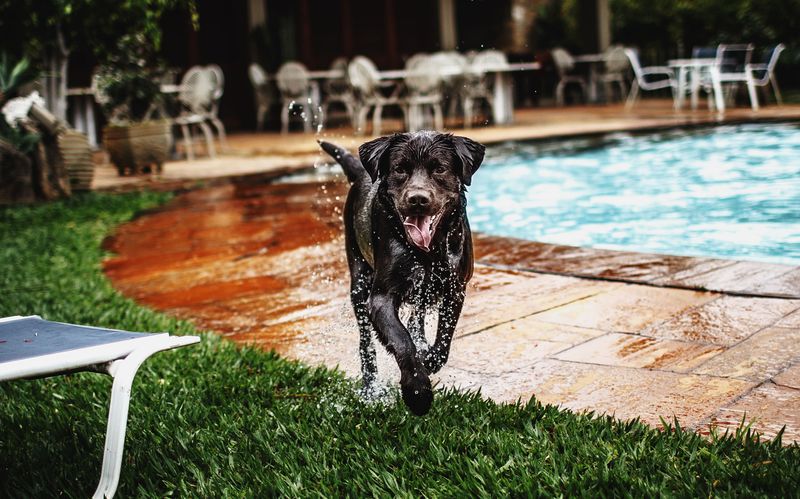
Memory gets less reliable when several care tasks compete for attention. Leave a short checklist covering gates, drinking water, deck conditions, weather, and safety equipment.
Put tasks in the order your sitter will perform them. Separate arrival checks from departure checks so nothing gets lost in a crowded paragraph.
Use a waterproof sleeve near the door, not beside the water. Review the list together once, then invite questions before the first solo visit begins that week.
8. Explain What to Do If Your Dog Falls Into the Pool
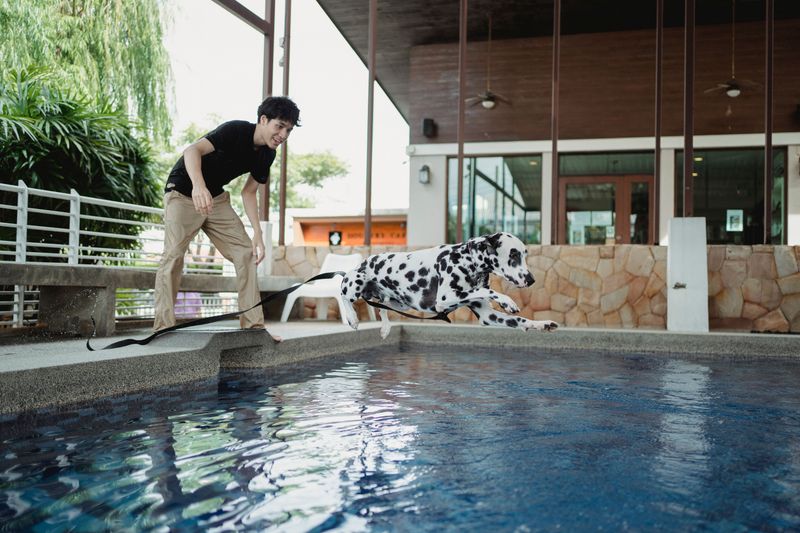
Preparation works best when the response is simple and practiced. Ask your veterinarian to help create instructions suited to your dog and pool.
The sitter should avoid entering water if doing so creates danger. Demonstrate safe assistance toward an exit using appropriate equipment, without risky reaching.
After unexpected submersion, contact a veterinarian promptly, even if your dog seems recovered. Breathing changes, coughing, weakness, or unusual behavior need urgent veterinary attention.
Keep transport arrangements ready in advance.
9. Keep Pool Toys Away From Your Dog
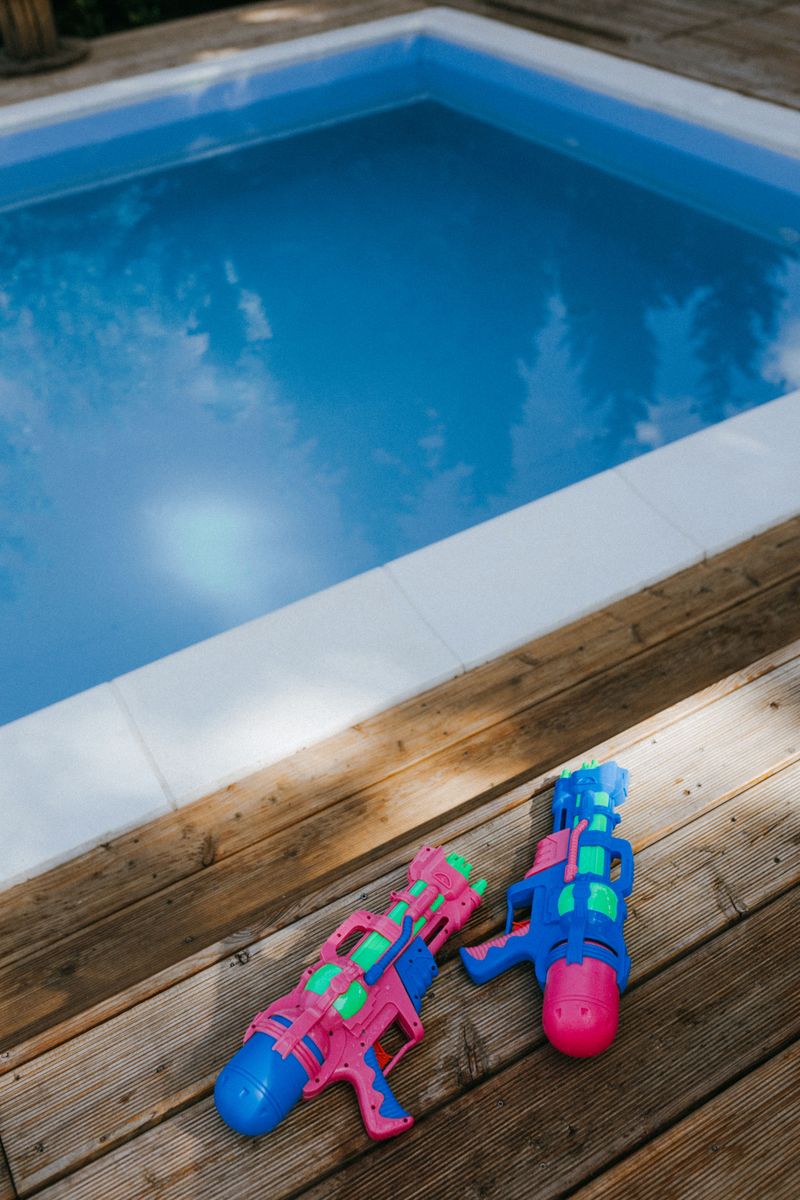
A drifting ball can turn a quiet patio visit into an unexpected chase. Remove floating toys before your sitter arrives, including items your dog usually ignores.
Store floats, noodles, and small accessories behind a closed door. Besides attracting dogs toward water, chewed pieces can create swallowing hazards.
Leave approved dog toys in a separate play area instead. Tell the sitter never to toss anything across the pool, even during games that usually seem harmless at home.
10. Watch Out for Slippery Pool Decks
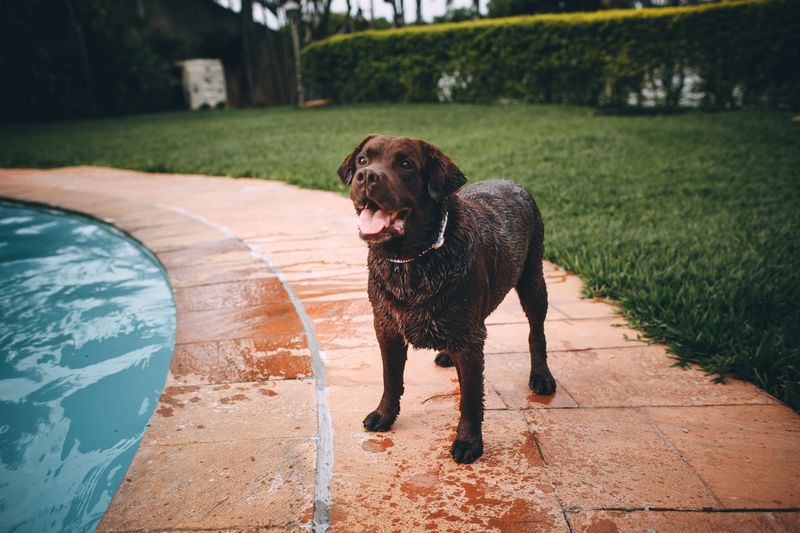
Wet paws and smooth decking are an awkward combination. Show your sitter where puddles collect and which surfaces become slippery after rain.
Keep hoses, towels, and loose equipment out of walking paths. Ask for calm movement near the pool, with no chasing or excited fetch games.
Inspect any outdoor mats for sliding edges or trapped moisture. If footing looks unsafe, move the bathroom break elsewhere.
Older dogs may need a different route even on dry days.
11. Include Florida Heat in the Outdoor Care Routine
Florida humidity can make an ordinary afternoon feel demanding for dogs. Schedule shorter outings during cooler hours, with shade and indoor breaks readily available.
A pool is not a substitute for a sensible heat plan. Avoid hot decking, and adjust activity for your dog’s health and tolerance.
Give the sitter your veterinarian’s instructions for heavy panting, drooling, weakness, or confusion. Suspected heat illness needs immediate veterinary guidance.
Move indoors when thunder starts, rather than waiting outside.
12. Keep Fresh Drinking Water Separate From Pool Water
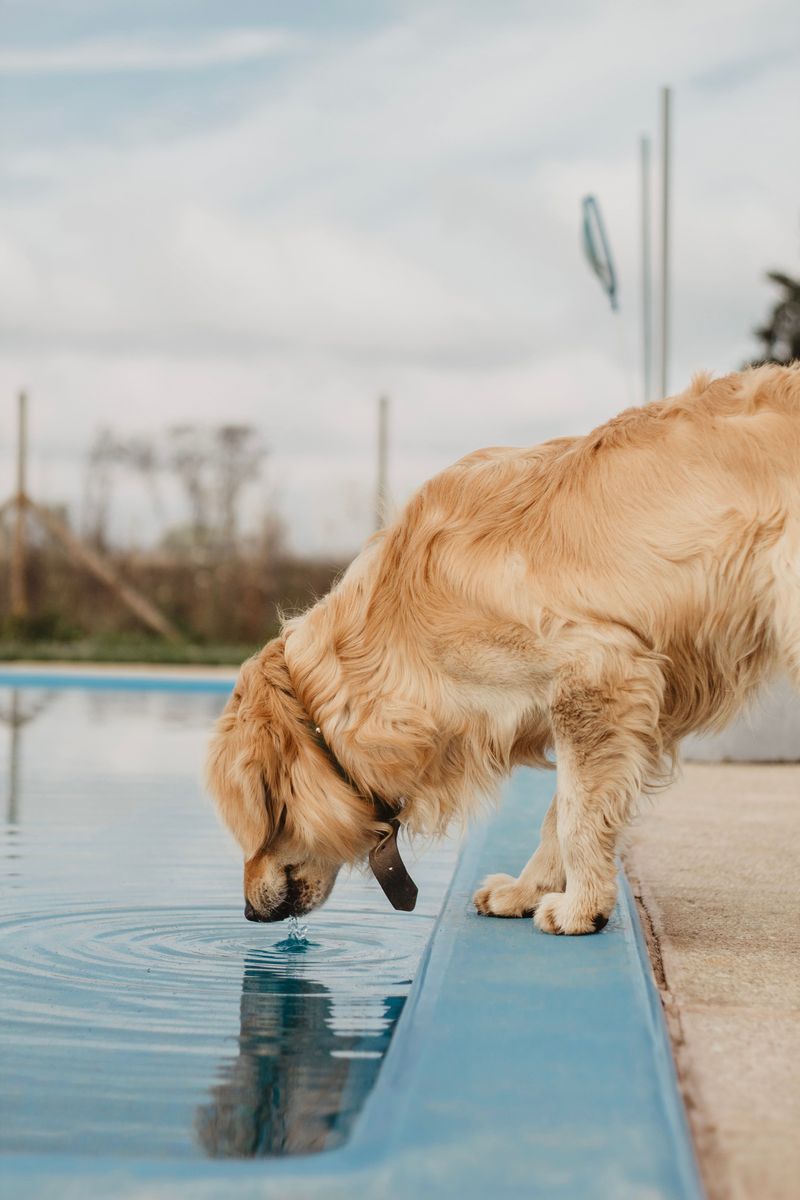
Your dog’s water bowl should be easier to reach than the pool. Place fresh drinking water in a shaded, approved area away from the edge.
Ask the sitter to refill it during every visit and wash away visible dirt. Discourage drinking pool water, including water from saltwater pools.
Repeated gulping can cause stomach problems or other health concerns. Report unusual thirst, vomiting, or behavior changes to your veterinarian.
Never rely on pool access to satisfy thirst.
13. Explain Your Pool Chemical Safety Rules
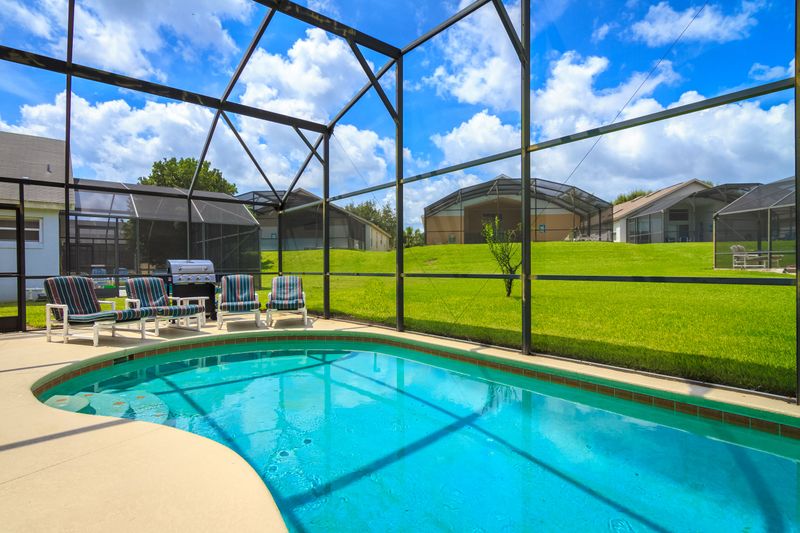
Pool maintenance adds another layer to your sitter’s instructions. Store chemicals securely in original labeled containers, following storage directions and keeping pets away.
Tell the sitter when service is scheduled and who handles treatments. Nobody should mix products or add chemicals without appropriate knowledge and authorization.
Swimming restrictions depend on product directions and water conditions, not one universal waiting period. Ask your pool professional for clear instructions.
Keep dogs away from spills, containers, and maintenance equipment.
14. Check Your Pool Cover and Safety Equipment
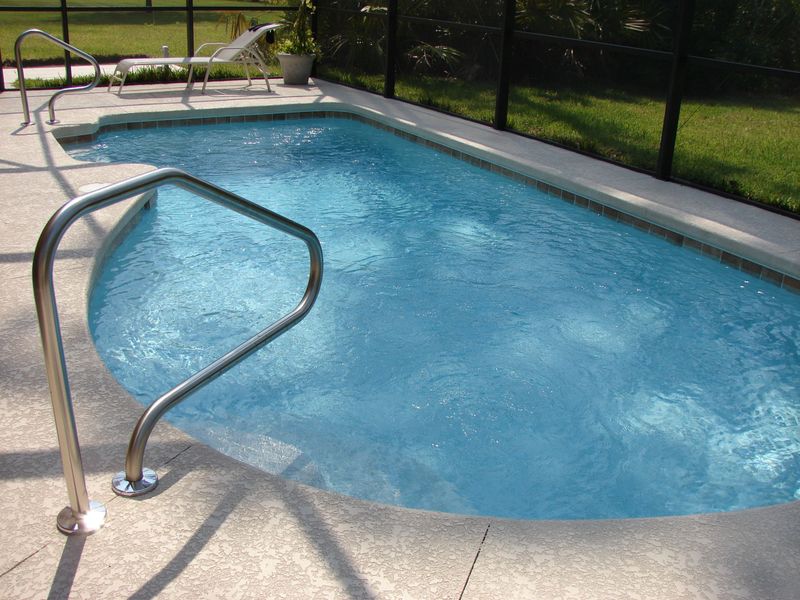
Not every pool cover is a safety barrier. Solar blankets and floating covers should never be treated as surfaces that support your dog.
Review your cover’s purpose, condition, and operating instructions before departure. Have damaged barriers or equipment repaired rather than asking the sitter to improvise.
Test alarms according to manufacturer instructions and explain their limits. Alarms supplement barriers and supervision; they do not replace either.
Keep rescue equipment accessible without creating new climbing opportunities nearby.
15. Leave Emergency Contacts and Veterinary Details
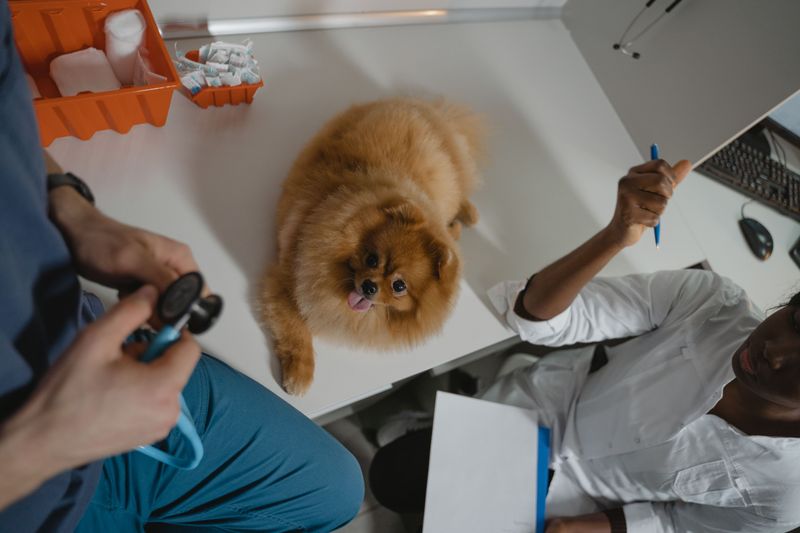
Finding a clinic should not become a last minute scavenger hunt. Leave your regular veterinarian’s number and the nearest appropriate emergency clinic’s details.
Confirm current hours before traveling, since availability can change. Include your dog’s medications, medical history, identification information, and any care authorization your clinic requests.
Provide a reachable backup contact and explain transportation arrangements. Discuss payment procedures directly with the clinic.
Keep printed instructions available in case phone service or battery power fails unexpectedly.
16. Ask for Poolside Updates During Each Visit
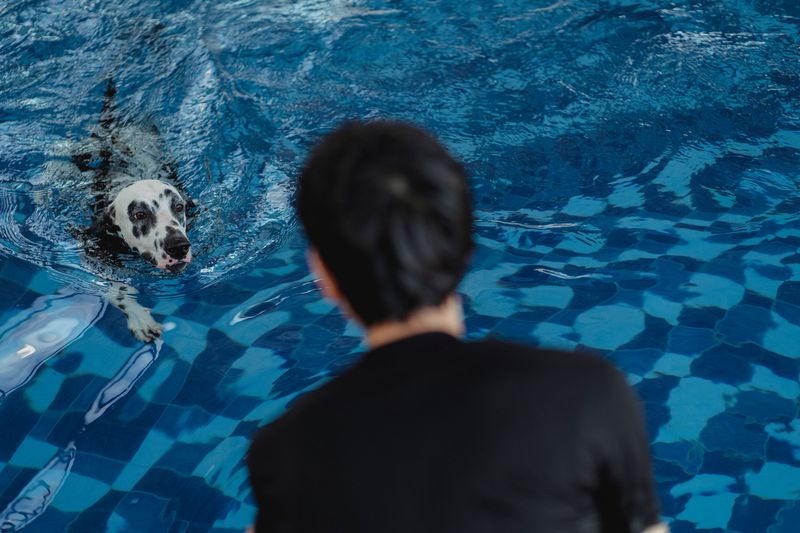
A useful update says more than your dog looked happy. Request confirmation that gates latched, drinking water was refreshed, and outdoor time followed your rules.
Ask about weather changes, unusual behavior, and maintenance visits. Photos can help confirm conditions, but they should never distract from supervision.
Have the sitter send messages after bringing your dog safely indoors. Explain which concerns need an immediate call instead of a routine text.
Keep expectations brief enough to follow consistently.
17. Make Special Arrangements for Senior Dogs and Puppies
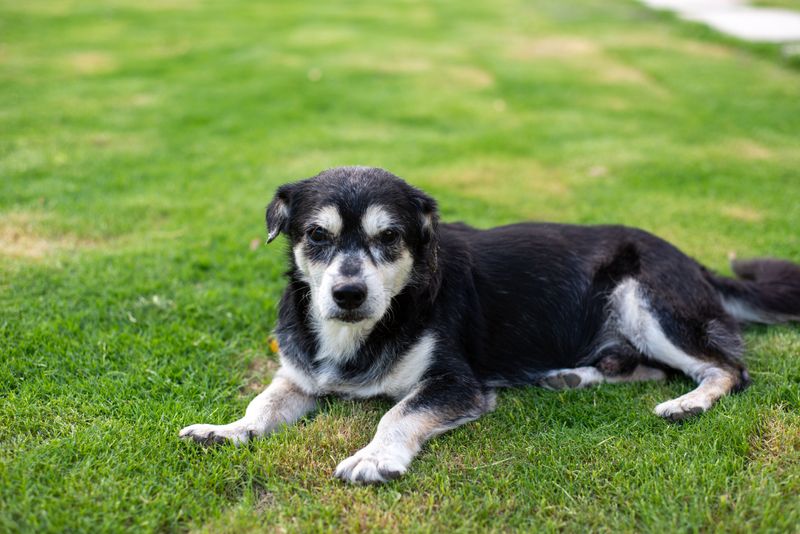
Young explorers and older companions often need different boundaries. Puppies may squeeze through gaps, while senior dogs may struggle with vision, balance, or stiff joints.
Walk the property at your dog’s height and check escape spaces. Discuss recent health changes with your veterinarian before deciding whether swimming belongs in the plan.
Arrange shorter outings, closer supervision, and easier walking routes when needed. A familiar indoor resting area can be the best alternative during your time away.
18. Create a Different Checklist for Homes Without Pools
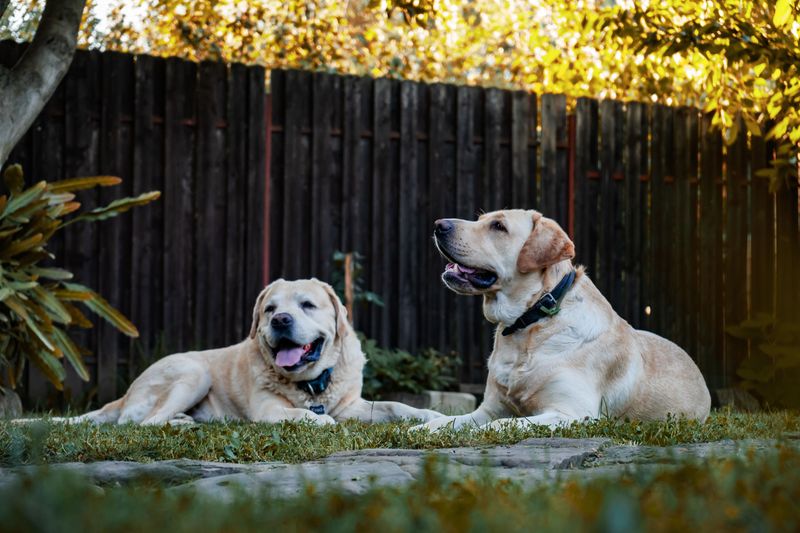
Removing pool duties does not remove the need for outdoor planning. Homes without pools still need secure fences, fresh water, heat precautions, and clear emergency contacts.
Check for nearby canals, ponds, and neighboring pools before approving walking routes. Florida wildlife and sudden storms also deserve practical, location specific instructions.
Keep the checklist matched to the property rather than copying someone else’s routine. Clear boundaries, a prepared sitter, and simple habits make leaving home feel easier for everyone.