What Wisconsin Dog Owners Should Know About Blastomycosis Near Lakes And Damp Soil
Wisconsin lake days and wooded walks give you and your dog plenty to enjoy. Knowing about blastomycosis helps you make sensible choices around damp soil without giving up those favorite outings.
This fungal infection can be hard to spot at first, but knowing the warning signs makes a difference. A few practical habits and timely veterinary advice can help you feel better prepared.
1. Meet the Fungus Behind Blastomycosis
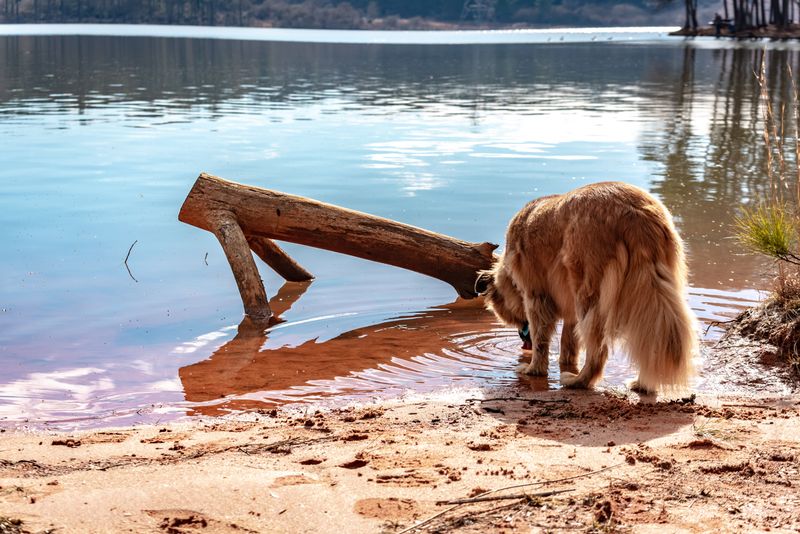
A muddy walk can involve more than dirty paws, although most outings never lead to illness. Blastomycosis is an infection caused by Blastomyces fungi living in certain outdoor environments.
Dogs usually become infected after breathing in tiny fungal spores.
The infection often starts in the lungs and can spread elsewhere. Wisconsin owners should recognize the name because the fungus occurs here.
Awareness helps you share useful clues when your dog feels unwell after ordinary outdoor adventures.
2. Lakeshores Can Offer Suitable Growing Conditions
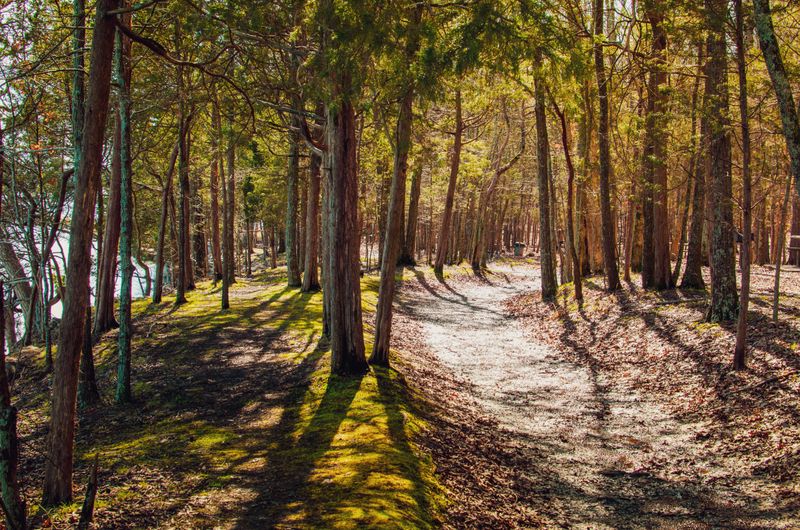
Look beneath shoreline leaves, and you may find damp soil rich in decaying plant material. Such conditions can support the fungus, especially around wooded waterways.
However, not every wet shoreline contains Blastomyces, and appearance cannot reveal whether spores are present.
The main concern is breathing spores from the environment, not simply touching lake water. Choose established paths where possible.
Keep your dog away from disturbed soil, rotting wood, and muddy banks during your lakeside visits together.
3. Wisconsin Is Within the Fungus’s Known Range
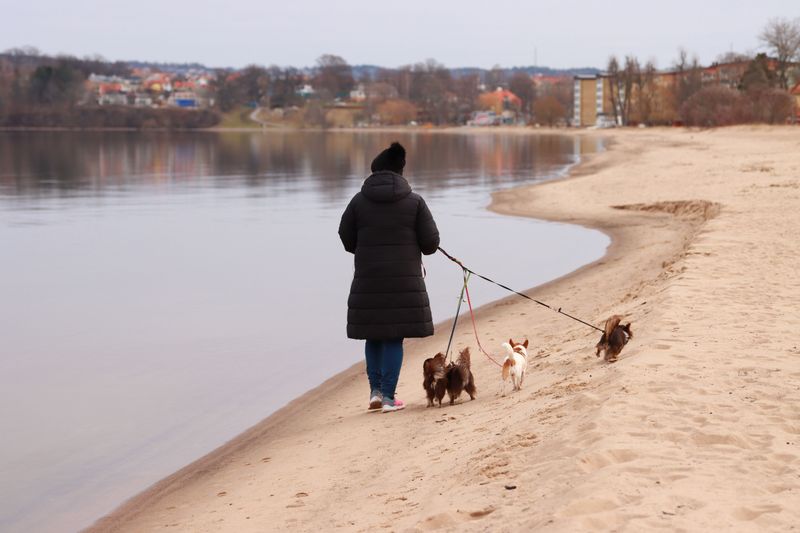
Our state’s forests, rivers, and lakes provide some suitable habitats for Blastomyces. Wisconsin is a recognized area for blastomycosis, with cases reported in both dogs and people.
Risk is not identical across every county, neighborhood, or shoreline.
Your veterinarian may know about recent local cases, although reports cannot map every exposure site. Ask whether blastomycosis deserves special attention where you live or vacation.
Avoid assuming that another Wisconsin town has exactly the same environmental conditions nearby.
4. Breathing Spores Is the Usual Route
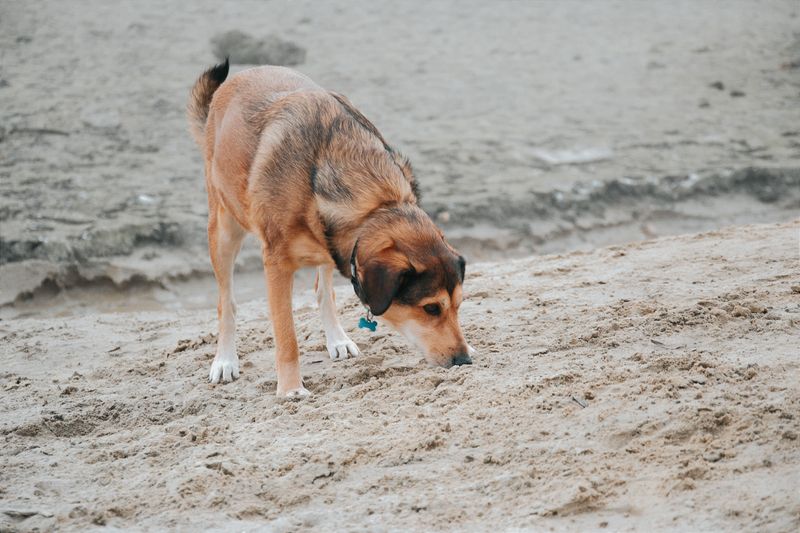
A curious nose keeps dogs close to the ground, where disturbed soil can release spores. Once inhaled, those spores can change form inside the body and cause infection.
Less commonly, the fungus may enter through a skin wound.
Dogs do not need to eat dirt or swim to become infected. A routine outdoor visit can provide exposure under suitable conditions.
Focus prevention on limiting soil disturbance rather than worrying about every puddle your dog walks past.
5. Digging at the Water’s Edge Deserves Caution
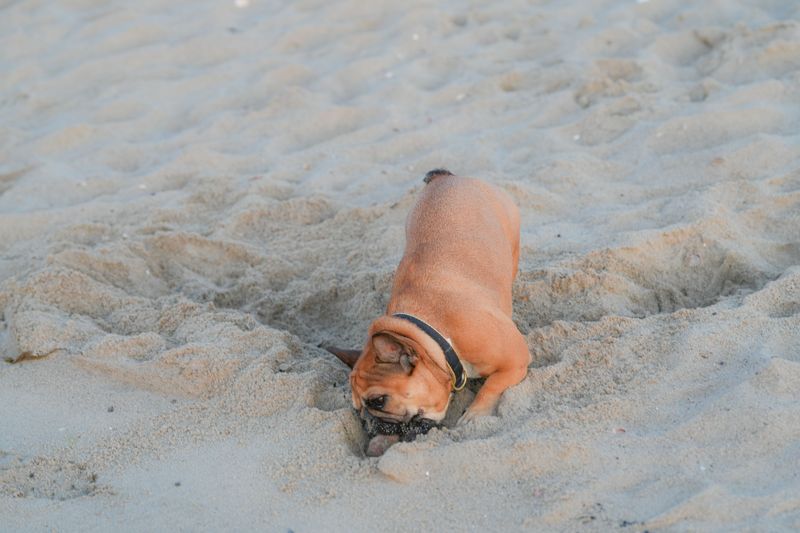
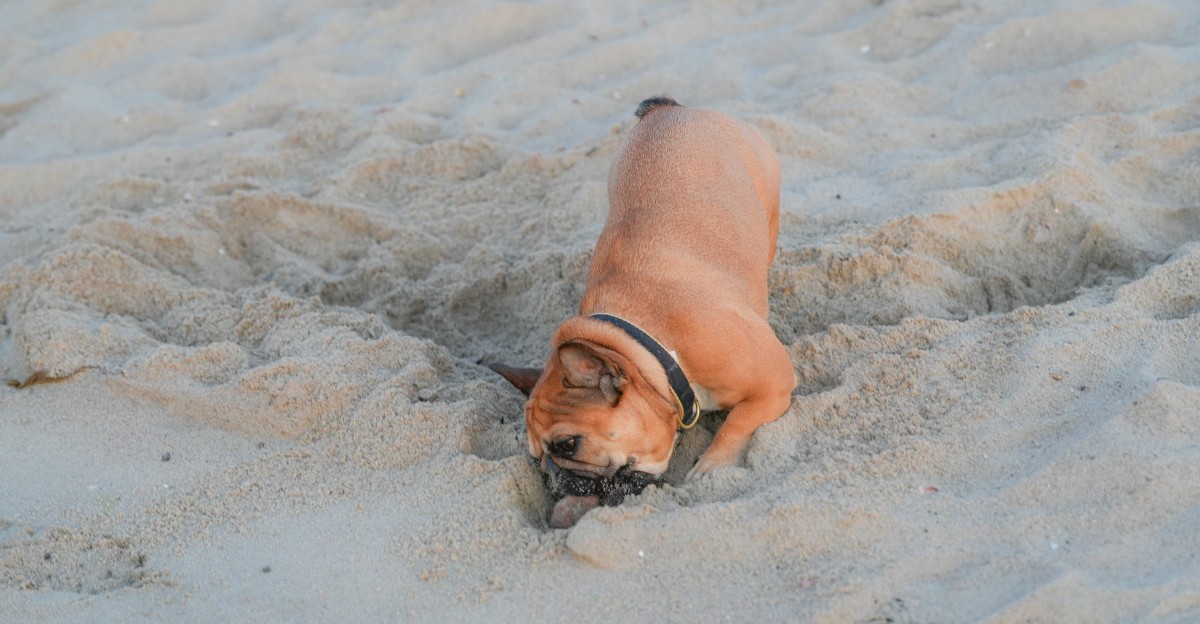
That exciting hole beside the dock deserves a gentle interruption. Digging can disturb soil and bring a dog’s nose close to material that may contain spores.
Damp banks with leaves, roots, or decaying wood warrant particular care.
Use a leash to guide your dog toward a firmer, maintained walking surface. Practice a cheerful recall and reward moving away.
Redirecting digging reduces one possible exposure opportunity, but no outdoor habit can guarantee complete protection from this infection.
6. Outdoor Activities Can Change Exposure Opportunities
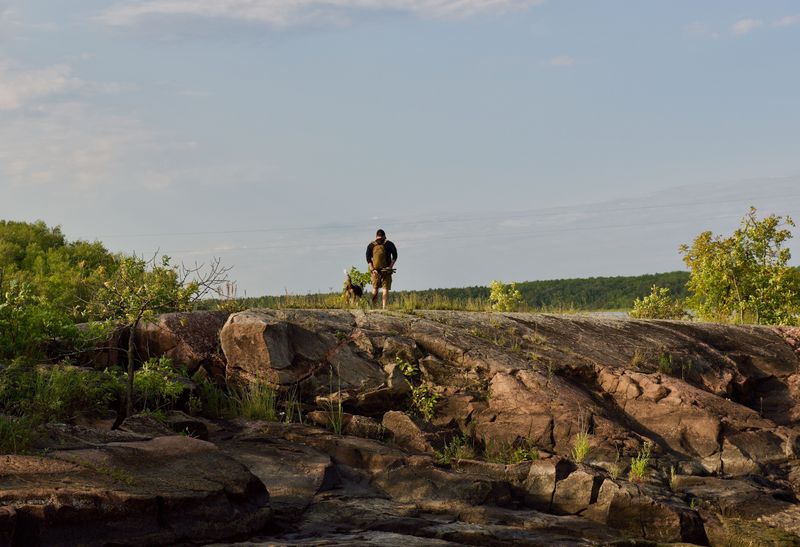
Hunting, camping, hiking, and exploring shorelines can bring dogs into environments where the fungus occurs. Time spent sniffing brush, digging, or investigating disturbed earth may create additional exposure opportunities.
Working and sporting dogs often spend many hours in these settings.
Still, a backyard pet can develop blastomycosis too. Consider what your dog actually encounters rather than relying on breed labels.
Plan breaks on maintained ground, supervise exploration, and keep notes about trips beyond your usual neighborhood.
7. Familiar Trails Still Deserve a Fresh Look
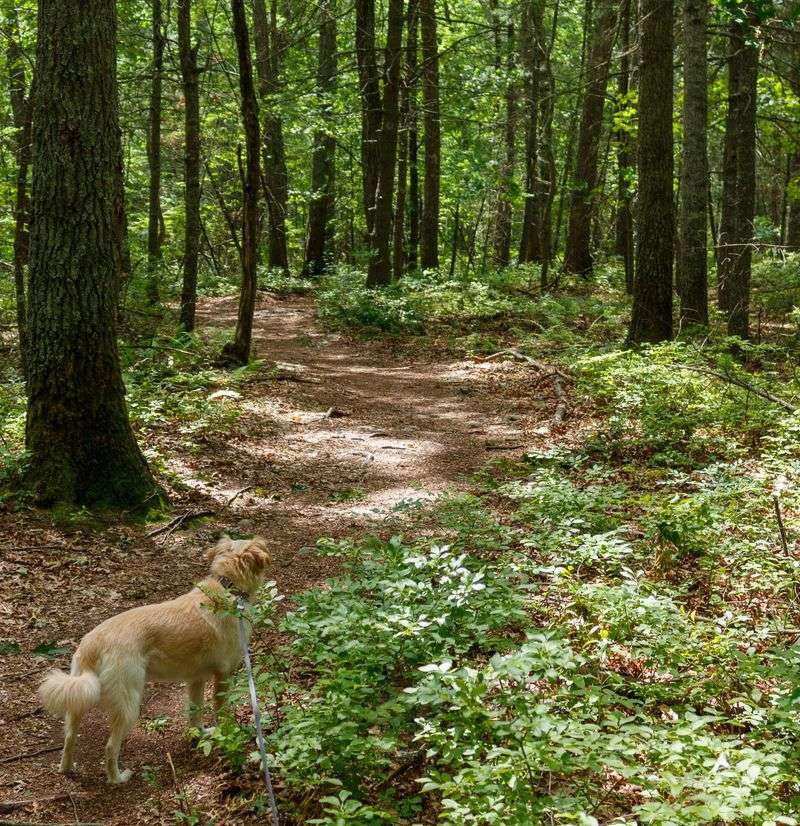
Yesterday’s comfortable walking route can look different after storms, flooding, or nearby digging. Fallen trees and trail work may expose soil that previously stayed covered.
Familiarity does not tell you whether fungal spores are present.
Scan ahead for muddy banks, fresh excavation, and piles of decaying vegetation. Take another route when your dog cannot avoid investigating those spots.
You do not need to abandon favorite trails, just adjust outings when conditions encourage close contact with disturbed ground.
8. Watch for Coughing and Changes in Energy
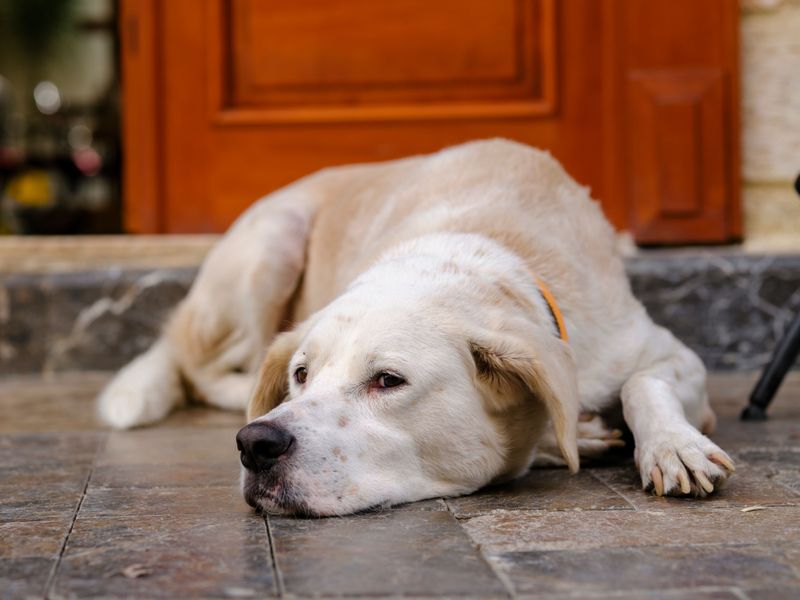
A dog who skips playtime or leaves breakfast untouched may simply be having an off day. However, blastomycosis can cause tiredness, reduced appetite, weight loss, fever, coughing, or breathing changes.
Not every infected dog shows every sign.
Notice patterns rather than trying to diagnose one symptom yourself. Record when changes began and whether they are worsening.
Contact your veterinarian about unexplained symptoms, especially after outdoor exposure in Wisconsin, where several illnesses can initially look quite similar.
9. Check Skin, Movement, and Eyes Too
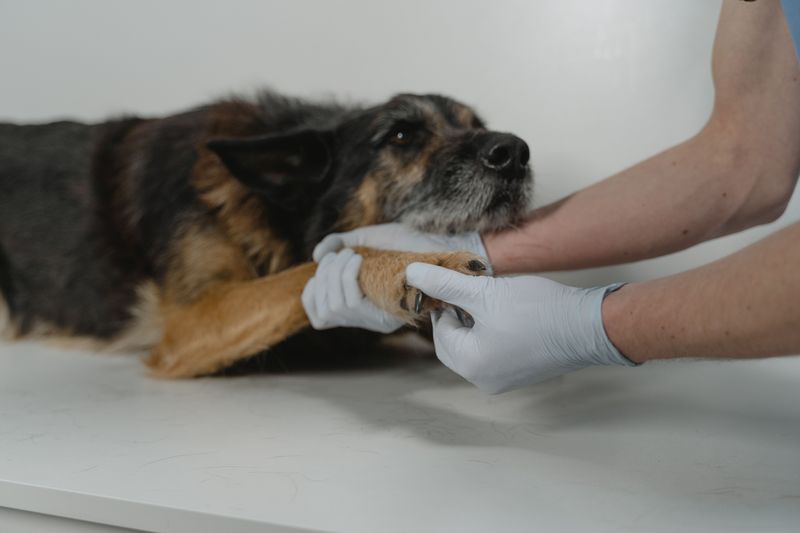
Sometimes the clue appears far from the lungs. Skin bumps or draining sores, limping, swollen areas, and eye changes can accompany blastomycosis.
Redness, cloudiness, squinting, or trouble seeing deserve prompt veterinary attention.
Avoid assuming a sore is only a scrape or that limping always means a sprain. Photograph visible changes and tell your veterinarian about any coughing or appetite changes.
Never apply leftover eye medicine, since some products can worsen certain eye conditions without an examination first.
10. Symptoms May Take Weeks or Months to Appear

The weekend at the lake may feel long past when your dog begins acting different. Signs can develop weeks to months after exposure, making the original location difficult to identify.
A recent walk is not necessarily the source.
Keep a simple record of camping trips, cabin stays, and unusual digging episodes. Share several months of outdoor history when your veterinarian asks about travel.
Delayed symptoms also mean that feeling well immediately afterward does not rule out infection.
11. Know When to Call Your Veterinarian

Breathing trouble is a reason to seek emergency veterinary care, not wait for another symptom. New eye problems also need prompt attention because vision may be affected.
Call your clinic about persistent coughing, poor appetite, unusual tiredness, or unexplained sores.
Describe your dog’s symptoms clearly and mention possible Wisconsin soil exposure. The clinic can help judge how quickly an examination is needed.
While arranging care, keep your dog calm and avoid exercise that increases breathing effort further.
12. Earlier Diagnosis Helps Guide Care
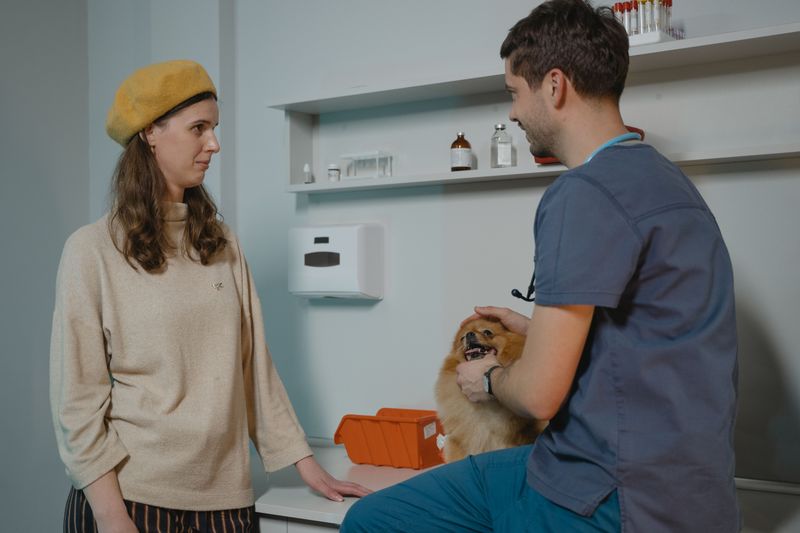
Getting answers sooner gives your veterinarian a chance to plan treatment before more problems develop. Blastomycosis can resemble other infections, lung conditions, or even certain cancers.
Mentioning outdoor history helps place this fungal infection on the list of possibilities.
Early evaluation does not guarantee a simple recovery, but it can reduce delays in appropriate care. Ask what changes require another call while tests are pending.
Keep appointments even if your dog’s energy briefly seems better at home.
13. Testing Often Combines Several Clues
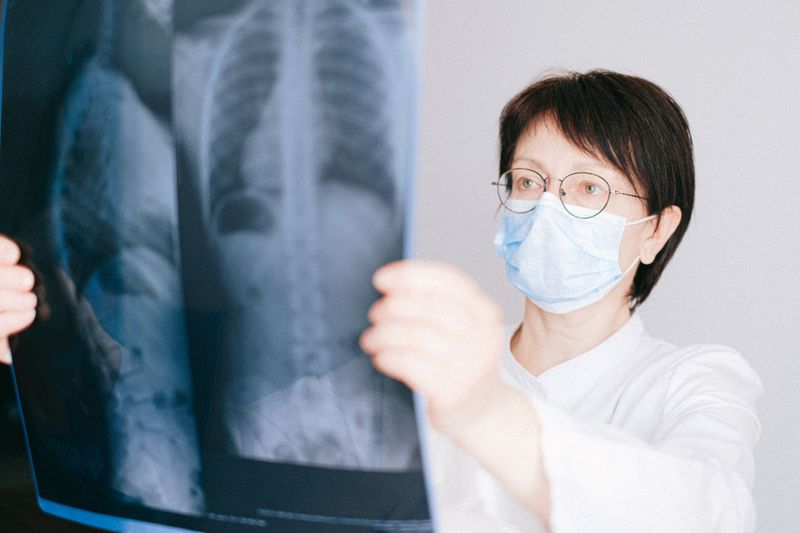
No single symptom confirms blastomycosis, so testing usually combines history, examination findings, and laboratory evidence. Veterinarians may use urine antigen testing, chest imaging, or samples from affected tissue.
Seeing the organism under a microscope can help confirm infection.
Antigen results need careful interpretation because other fungal infections can sometimes produce similar findings. Your veterinarian will choose tests based on your dog’s condition.
Ask what each result means and whether additional testing would change the recommended treatment plan.
14. Treatment Usually Takes Several Months
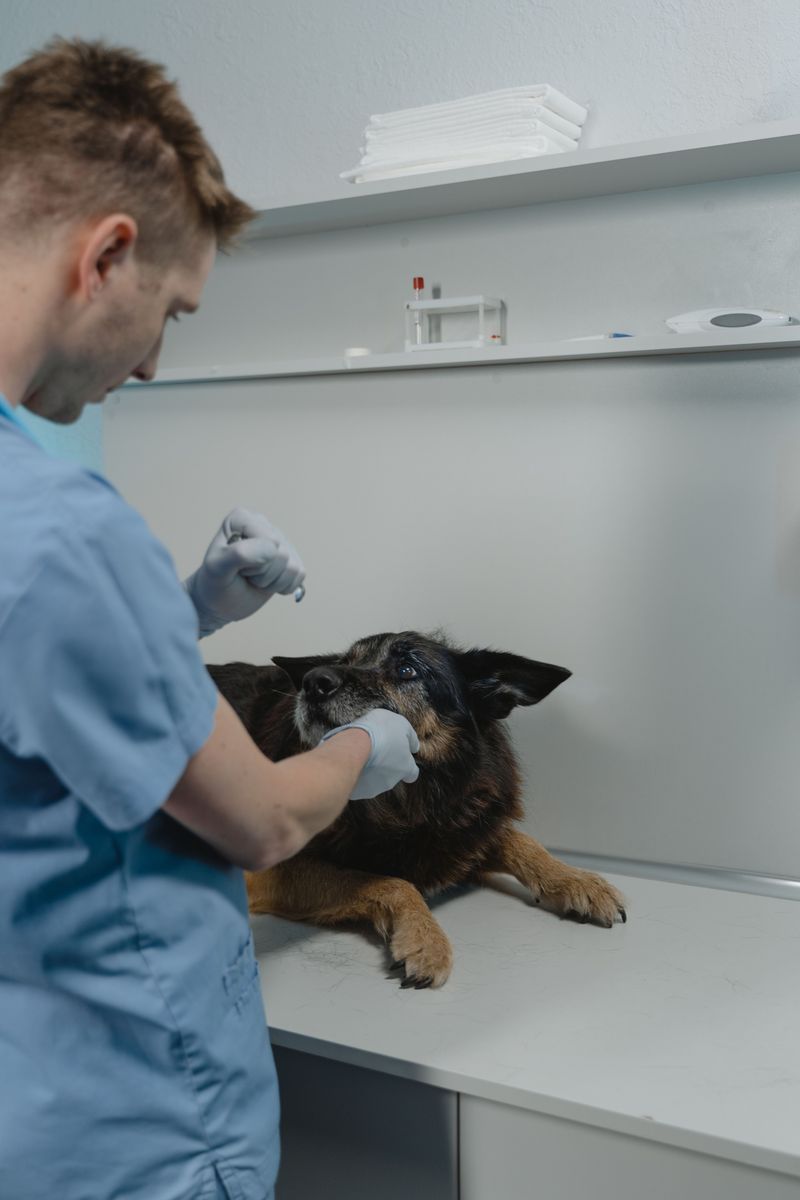
Recovery usually calls for prescription antifungal medicine over several months, sometimes longer. Itraconazole is commonly used, while other medicines or hospital care may suit particular cases.
Dogs with breathing problems may need oxygen and closer monitoring.
Follow the prescription exactly, including instructions about food and missed doses. Never substitute human remedies or stop medication because symptoms improve.
Ask about expected costs, possible side effects, and whom to contact if your dog struggles with treatment during the weekend.
15. Follow-Up Visits Protect Recovery Progress
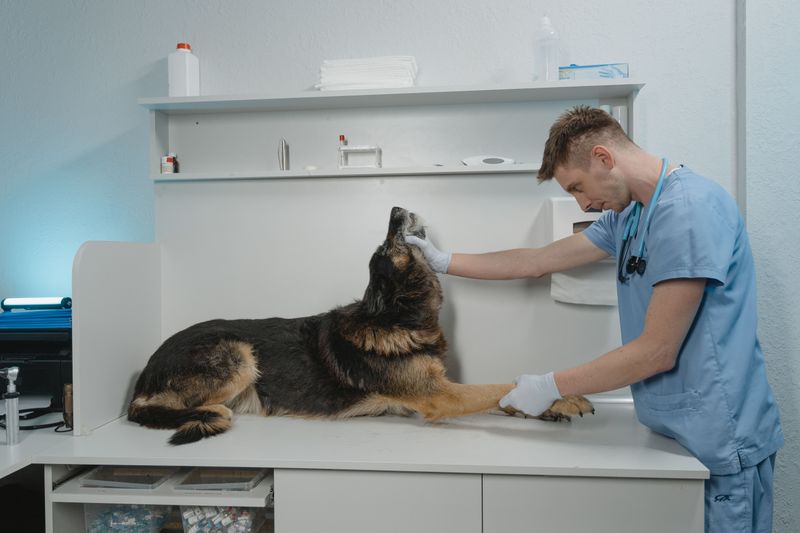
Looking brighter is encouraging, but it does not always mean the infection has cleared. Follow-up examinations help track progress and identify medication problems.
Your veterinarian may recommend blood tests, repeat imaging, or antigen testing during recovery.
Keep a daily note of appetite, breathing, activity, and medicine doses. Report vomiting, appetite loss, worsening cough, or other new concerns promptly.
Treatment decisions depend on the whole picture, not one good afternoon or a single test result viewed by itself.
16. Ordinary Contact Does Not Usually Spread Infection

Sharing a couch with an infected dog is not the usual way people develop blastomycosis. People and dogs generally become infected from environmental spores, not ordinary contact with each other.
Rare transmission involving bites or infected material has been reported.
Avoid direct contact with draining sores, wear gloves for wound care, and wash your hands afterward. Follow your veterinarian’s handling instructions.
If you develop symptoms after shared outdoor exposure, tell your healthcare provider about your dog’s diagnosis too.
17. One Diagnosis Can Flag Shared Environmental Exposure
A positive diagnosis may offer a clue about places your household has recently visited. Other dogs or people using the same environment could have encountered spores, although illness is not inevitable.
The exact exposure site often remains uncertain.
Tell your veterinarian about other pets and shared outdoor routines. Ask whether any local reporting or public health guidance applies.
Avoid naming one yard or trail as the source without evidence, since symptoms may follow exposure by many weeks.
18. Reduce Exposure Without Giving Up Outdoor Life
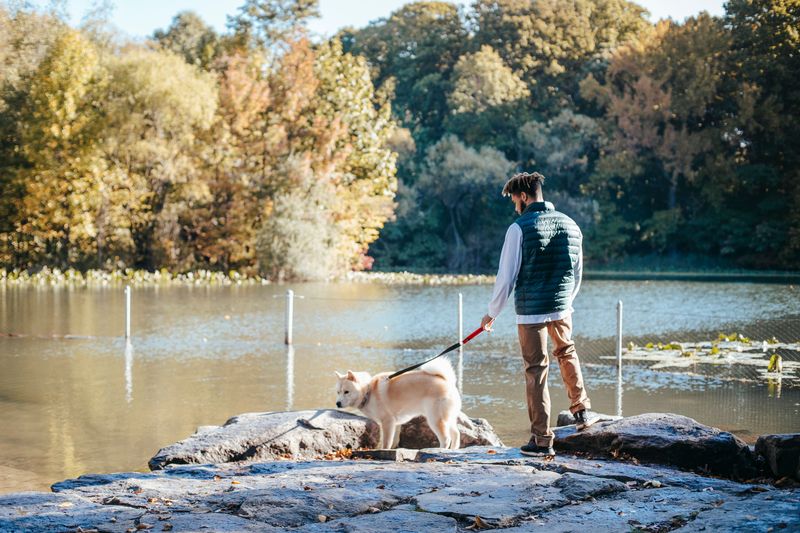
Small choices can lower opportunities for exposure while keeping walks enjoyable. Use a leash near damp banks, discourage digging, and avoid fresh excavation or decaying wood piles.
Choose maintained routes when practical, especially where dogs would otherwise nose through loose soil.
No vaccine currently prevents canine blastomycosis, and complete avoidance of spores is not realistic. Paw washing supports cleanliness but cannot undo inhalation.
Focus on sensible route choices, supervision, and knowing when changes in health need attention.
19. A Negative Soil Sample Cannot Clear a Trail
Unfortunately, there is no reliable routine yard test that proves an outdoor area is free of Blastomyces. The fungus can occur in scattered patches, and environmental sampling may miss it.
A negative sample cannot promise that nearby soil is safe.
Do not rely on bleach, fungicides, or landscaping changes to guarantee removal. Discuss specific property concerns with your veterinarian or local public health department.
Enjoy Wisconsin outdoors thoughtfully: watch the ground, know the signs, and seek advice early.