What Florida Law Says If Another Dog Bites Yours

Finding out another dog has attacked yours is upsetting, but knowing your legal rights can make a real difference. Florida has specific laws that protect dog owners when their pet is injured by someone else’s dog.
Understanding those laws helps you take the right steps quickly, from getting your dog treated to knowing who is responsible for the costs. This guide walks you through what Florida law actually says, so you feel informed, steady, and ready to handle the situation with confidence.
Florida Statute 767.01 Is the Law That Protects Your Dog
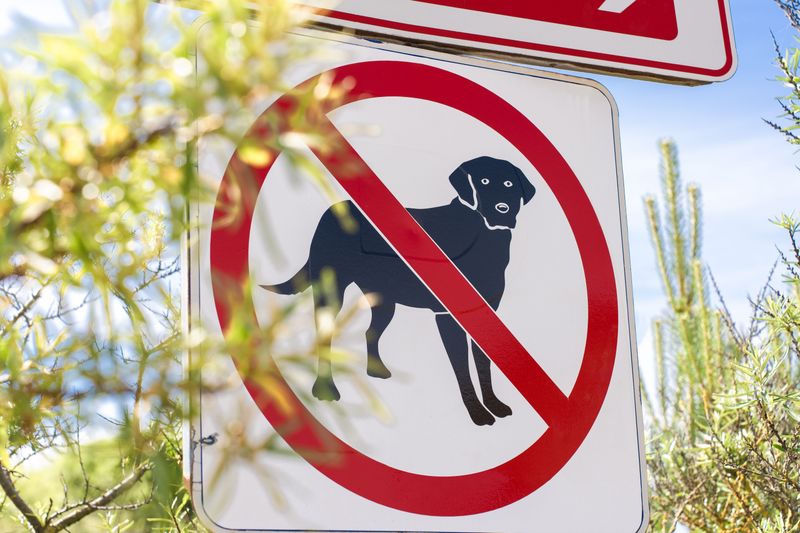
Florida Statute 767.01 is the key law dog owners need to know. It holds a dog’s owner liable for any damage their dog causes to a person, a domestic animal, or livestock.
This is a strict liability rule, meaning the owner can be held responsible even without a history of aggression.
The law does not require the attacking dog to have bitten anyone before. However, you must still show that the dog committed an affirmative or aggressive act that directly caused your pet’s injuries.
Dogs Are Legally Considered Domestic Animals in Florida

Florida Statute 585.01 spells out what counts as a domestic animal under state law. Dogs are expressly included in that definition, along with cats, horses, cattle, goats, and several other species.
That inclusion matters more than many owners realize.
Because dogs qualify as domestic animals, any damage caused to your dog by another dog falls directly under Florida Statute 767.01. Your pet is not just a companion.
Florida law recognizes your dog as a domestic animal whose injury can support a legal claim brought by you as the owner.
Florida Statute 767.04 Covers People, Not Dog-on-Dog Attacks

Many people assume Florida Statute 767.04 covers all dog bite situations, but that is only partially true. That particular statute focuses on cases where a dog bites a person.
Dog-on-dog attacks fall under a different part of the law entirely.
Florida Statute 767.01 is the correct statute for claims involving injury to another dog. Knowing which law applies helps you frame your claim correctly from the start.
Citing the wrong statute could slow down or complicate your case.
Strict Liability Means the Owner Does Not Get a Free Pass

Strict liability is one of the most owner-friendly parts of Florida dog law. Under this standard, the attacking dog’s owner can be held responsible even if the dog had no prior record of aggression.
The owner does not get a pass just because the bite was unexpected.
You do not have to prove the owner knew the dog was dangerous. Florida Statute 767.01 removes that burden from you entirely.
The attack itself is enough to establish the owner’s responsibility for your losses.
Collect the Other Owner’s Information Right Away

Right after an attack, your first instinct is to check on your dog, and that makes complete sense. But once your pet is stable, gathering information about the other owner becomes your next most important task.
Getting their name, address, phone number, and any insurance details is critical.
Your claim is filed against the attacking dog’s owner, not the dog itself. Without accurate contact details, pursuing compensation becomes much harder.
Ask politely but firmly, and write everything down or photograph it immediately.
Get Your Dog to a Vet Without Delay
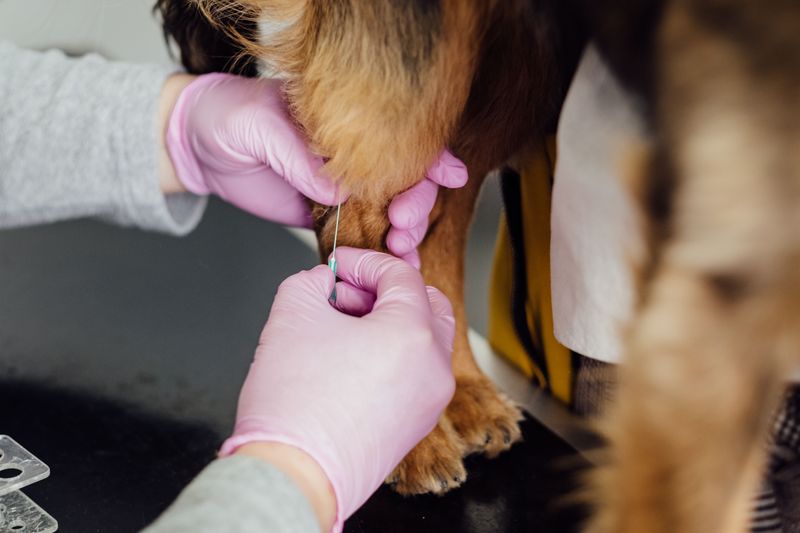
Prompt veterinary care is one of the most important steps you can take after a dog attack. Bite wounds can hide deeper tissue damage, carry infection risk, and worsen quickly without proper treatment.
Waiting even a day can make injuries harder to treat and harder to document.
From a legal standpoint, quick treatment also strengthens your claim. Vet records created close to the time of the attack show a clear link between the incident and the injuries.
Delaying care can create gaps that complicate your case later.
Report the Attack to Local Animal Control

Filing a report with your local animal control agency creates an official record of the incident. That record can support your claim, help investigators assess the attacking dog’s history, and alert authorities to a potential public safety concern.
Reporting is especially important when the dog was roaming freely or escaped a yard.
Animal control officers are trained to handle these situations calmly and thoroughly. Their report may also be used if the case later involves a dangerous dog classification.
Do not skip this step, even if the injuries seem minor.
What Damages You May Be Able to Recover
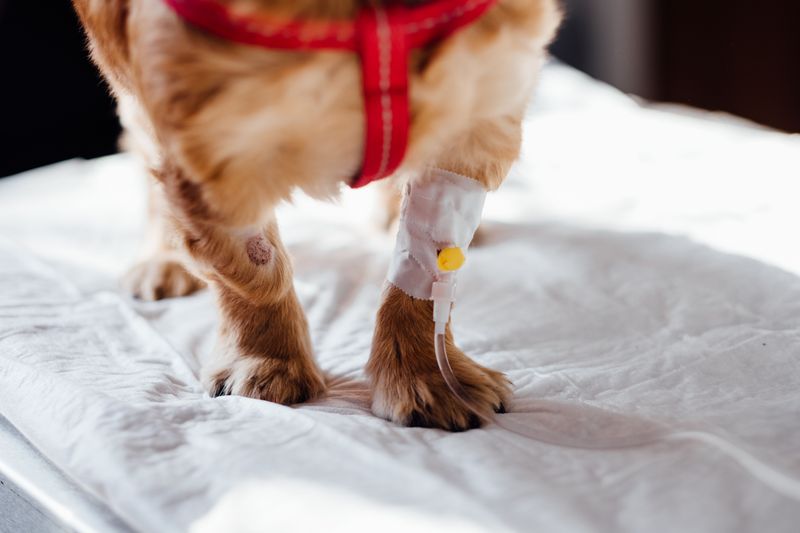
Florida law allows you to seek compensation for losses directly caused by the attack. Reasonable veterinary bills are the most common recoverable expense, but other direct costs may also qualify.
The key word is reasonable: charges must be connected to injuries the attack actually caused.
Supporting your claim with solid evidence is essential. Keep every receipt, bill, and record from the moment the attack happened.
Photographs of injuries, written estimates, and follow-up visit records all help establish what you are owed and why.
A Single Attack Does Not Always Mean a Dangerous Dog Label

Florida Statute 767.11 sets specific criteria for classifying a dog as legally dangerous. Under state law, a dog generally must have severely injured or killed a domestic animal on more than one occasion while off its owner’s property.
A single attack, while serious, does not automatically meet that definition.
This distinction matters because the classification triggers additional legal consequences for the owner. If you believe a dog should be classified as dangerous, speak with animal control directly.
They can explain the exact standard that applies in your county.
Animal Control Must Investigate and Offer the Owner a Hearing
When animal control receives a report that could lead to a dangerous dog classification, they are required by Florida law to investigate the incident. The process is formal and includes reviewing evidence, interviewing witnesses, and assessing the dog’s history.
Owners are not shut out of this process.
Before a dog is officially classified as dangerous, the owner must be given an opportunity to attend a hearing. That hearing allows them to present their side.
Knowing this helps you understand why the process may take some time to complete.
Owners of Dangerous Dogs Face Serious Legal Consequences

When a dog already classified as dangerous attacks or bites another domestic animal without provocation, Florida law treats it as a serious matter. The owner may be charged with a first-degree misdemeanor, which carries real legal penalties.
The dog can also be confiscated immediately by animal control.
After confiscation, the dog is typically held for at least ten business days while the owner may request a further hearing. Florida law builds in these steps to balance public safety with due process.
Understanding the process helps you know what to expect if this situation applies to your case.
Document Everything and Seek Legal Advice When Needed

Good documentation is the backbone of any successful claim after a dog attack. Save every photograph, video, veterinary bill, animal control report, and written message exchanged with the other owner.
A clear paper trail makes your case much easier to present and much harder to dispute.
Local ordinances in Florida cities and counties may add requirements beyond state law, so check those too. If the other owner disputes liability or the bills are significant, consult a Florida attorney promptly.
Professional legal guidance can help you navigate the process with confidence.