15 Tick and Mosquito Risks Every North Carolina Dog Owner Should Know
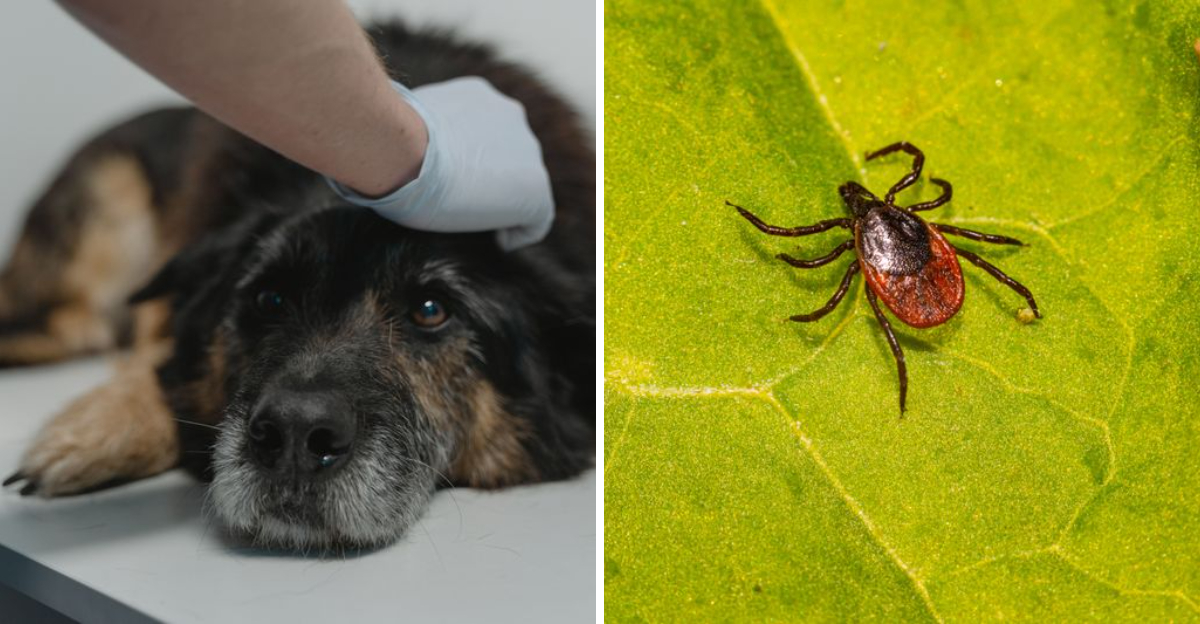
Living in North Carolina means enjoying beautiful trails, warm summers, and plenty of outdoor time with your dog. It also means sharing that space with ticks and mosquitoes that can affect your pet’s health in real ways.
From wooded backyards to lakeside parks, these tiny parasites are more common here than many owners realize. Knowing what to watch for puts you in a much better position to keep your dog safe and healthy all year long.
1. Lyme Disease from Infected Ticks
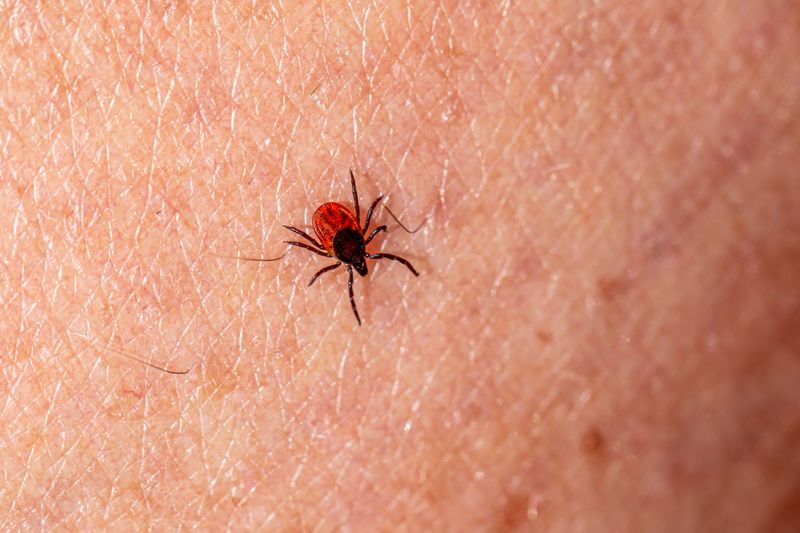
Lyme disease has been climbing steadily in North Carolina over the past two decades, and the black-legged tick, also called the deer tick, is the main carrier. This small tick passes the Borrelia bacteria to dogs through its bite.
Symptoms in dogs can include joint swelling, fever, and fatigue. Prompt diagnosis matters a great deal, since early treatment leads to much better outcomes.
Ask your vet about the Lyme vaccine as an added layer of protection.
2. Ehrlichiosis from Lone Star Tick Bites
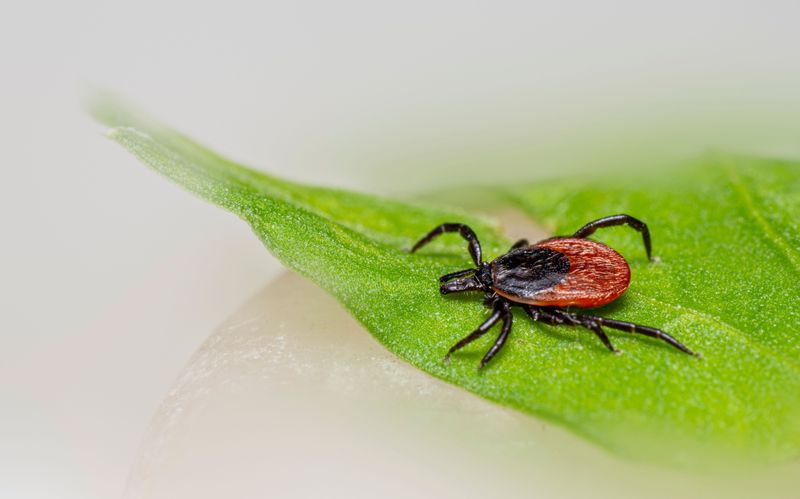
In 2024, ehrlichiosis was the most frequently reported tick-borne disease in North Carolina. The lone star tick, easily identified by the white dot on its back, is the main culprit spreading this bacterial infection to dogs.
Early signs are easy to miss. Fever, low energy, and reduced appetite can all appear in the first days.
Getting a vet involved quickly makes a real difference, since the infection responds well to early antibiotic treatment.
3. Spotted Fever Rickettsiosis from Infected Ticks
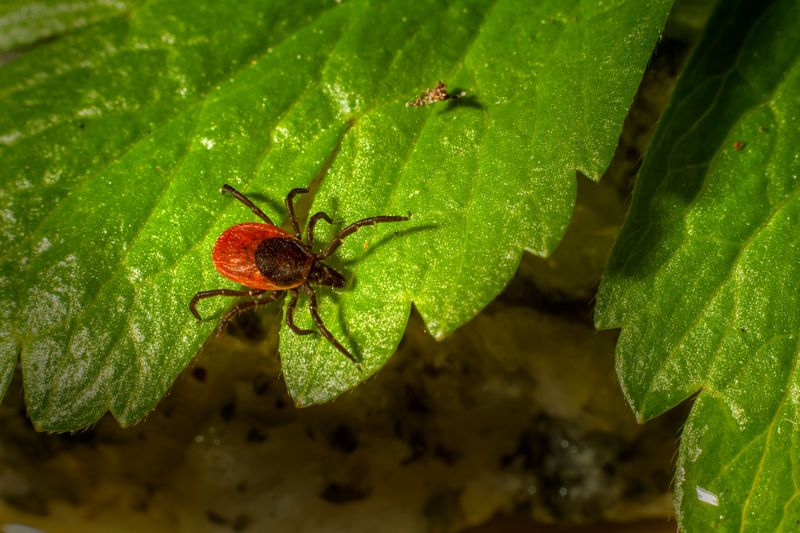
Spotted fever rickettsiosis is actually a group of related bacterial infections, and it is the most commonly reported tick-borne illness category in North Carolina overall. Both the American dog tick and the lone star tick can spread these infections.
Symptoms often look similar across the group: fever, headache in humans, muscle pain, and sometimes a rash. Talking to your vet about which ticks are active in your specific county can help you choose the right preventative approach.
4. Tick Paralysis Caused by Certain Tick Bites

Tick paralysis is a lesser-known but striking condition. A toxin in the saliva of certain feeding ticks can interfere with a dog’s nervous system, causing weakness that starts in the hind legs and can move forward.
The good news is that recovery typically begins quickly once the tick is fully removed.
Doing a thorough full-body check after every outdoor outing is the simplest way to catch feeding ticks before they cause lasting trouble for your dog.
5. Heavy Tick Infestations Can Cause Anemia
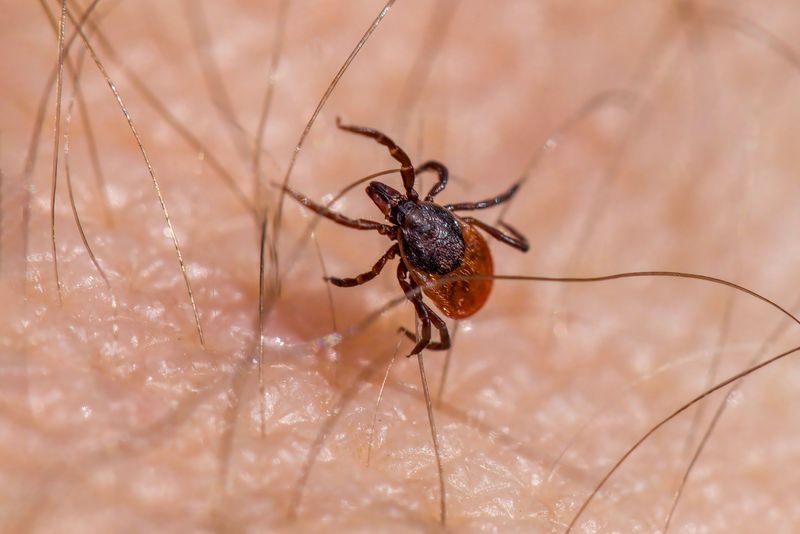
A single tick feeding on your dog is unpleasant. A heavy infestation is a different matter entirely.
When large numbers of ticks feed at once, the blood loss they cause can lead to anemia, especially in smaller or younger dogs.
Pale gums, weakness, and unusual tiredness can all signal low red blood cell levels. Consistent use of a vet-recommended tick preventative, combined with regular grooming checks, dramatically reduces the chance of a serious infestation building up unnoticed.
6. Ticks Hiding Around Ears, Neck, and Between Toes

Ticks are clever about where they attach. They gravitate toward warm, sheltered spots where they are harder to spot, including deep inside ear folds, along the neck under the collar, in the groin area, and tucked between the toes.
Running your fingers slowly through your dog’s coat after every outing takes only a couple of minutes. Pay extra attention to those hidden zones.
Finding a tick early, before it has fed for long, significantly lowers the chance of disease transmission.
7. Dogs Bringing Ticks into the Home

Your dog can unknowingly act as a taxi for ticks, carrying them right through your front door. Once inside, an unfed tick may detach and crawl onto furniture, carpets, or a family member looking for its next meal.
The disease risk to people comes from the tick’s bite directly, not from contact with your dog. Checking your dog before it settles indoors, and checking yourself after outdoor time, keeps the whole family safer during peak tick season.
8. Tick Exposure During Wooded Hikes and Outdoor Activities

Wooded trails, nature parks, and forest edges are some of the best places to enjoy North Carolina with your dog. They are also prime tick territory, since ticks wait on low vegetation for a passing host.
Staying on marked paths and avoiding overgrown edges cuts exposure noticeably. Applying a vet-approved tick preventative before a hike, and doing a head-to-tail check once you return to the trailhead, turns a fun outing into a safe one too.
9. Anaplasmosis from Certain Tick Species
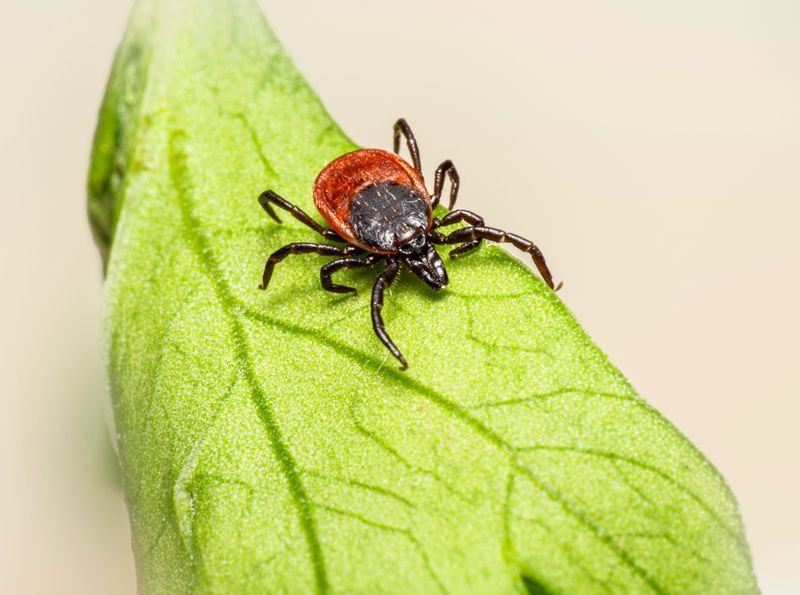
Anaplasmosis is a tick-borne illness reported in North Carolina and spread primarily by the black-legged tick. Cases that required hospitalization were documented in 2024, which shows how serious this infection can become when left untreated.
Dogs with anaplasmosis may develop fever, joint pain, and bruising. Regular tick checks after outdoor time, combined with veterinarian-approved preventatives, are the most reliable way to lower your dog’s exposure risk throughout the year.
10. Tall Grass and Brush Increasing Tick Exposure

Ticks do not jump or fly. Instead, they practice a behavior called questing, clinging to the tips of tall grasses and low shrubs with their front legs outstretched, waiting to grab onto a passing animal or person.
Keeping your lawn trimmed short and clearing brush piles near play areas removes a big chunk of tick habitat right around your home. This simple yard habit, combined with a reliable preventative product, lowers your dog’s daily tick risk without much extra effort.
11. Mosquito Bites Transmitting Heartworm Disease
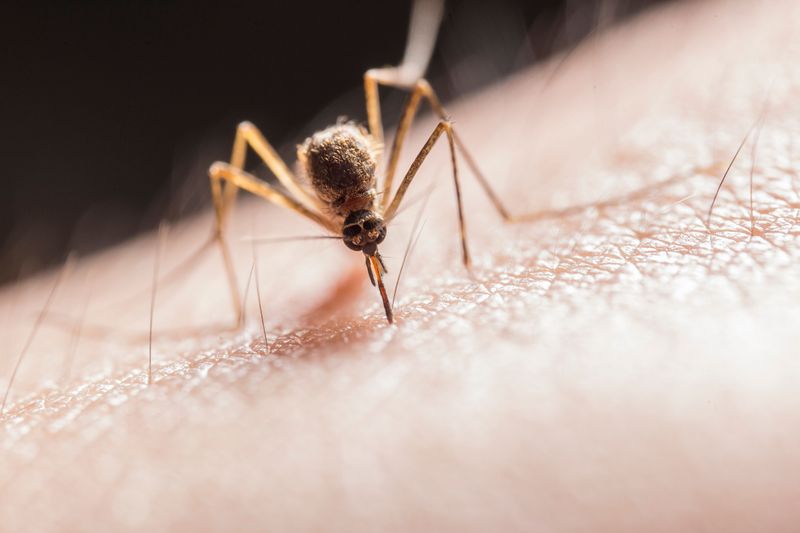
Heartworm disease has only one route into your dog’s body: the bite of an infected mosquito. A mosquito picks up microscopic heartworm larvae by feeding on an already infected animal.
Those larvae develop inside the mosquito over about 10 to 14 days before becoming transmissible.
When that mosquito bites your dog, the larvae enter the bloodstream and begin a slow journey toward the heart. No direct dog-to-dog transmission occurs.
A mosquito is always the bridge between an infected animal and your pet.
12. Heartworm Infections Damaging the Heart and Lungs

Adult heartworms can grow up to a foot long and live inside a dog’s heart, lungs, and surrounding blood vessels. Over time, they obstruct blood flow and trigger serious inflammation throughout the cardiovascular system.
Pulmonary hypertension, right-sided heart failure, and a condition called caval syndrome are all possible outcomes in heavily infected dogs. Even after successful treatment, lasting damage to the heart and arteries can remain.
Consistent prevention is far simpler and safer than managing a full infection.
13. Rocky Mountain Spotted Fever from Infected Ticks
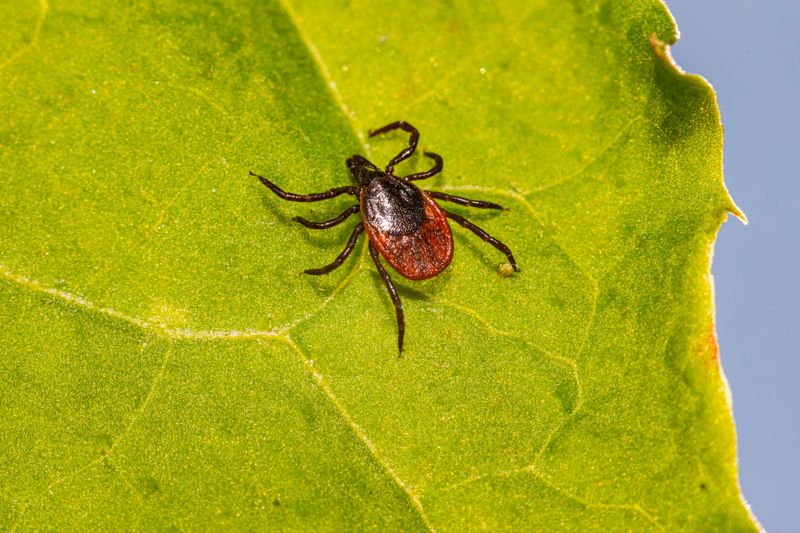
Despite its name, Rocky Mountain spotted fever is well-established in North Carolina, which reports some of the highest case counts in the country. The American dog tick is the primary carrier here.
This illness can become severe quickly, so fast treatment is critical. Dogs may show fever, muscle pain, and loss of appetite.
Because the bacteria can also affect people through tick bites, protecting your dog protects your whole household too.
14. Greater Mosquito Exposure Around Standing Water

Female mosquitoes need only a small amount of still water to lay their eggs. A clogged gutter, a forgotten plant saucer, an old tire, or even a bottle cap holding rainwater can become a breeding site within days.
Walking your yard and emptying any containers that collect water is one of the most direct ways to reduce mosquito numbers near your home. Fewer mosquitoes breeding nearby means fewer chances for your dog to receive an infected bite during its daily outdoor time.
15. Year-Round Parasite Protection in North Carolina’s Long Warm Season

North Carolina’s warm, humid climate keeps mosquitoes and ticks active well beyond what many owners expect. Mosquitoes can emerge whenever temperatures hold consistently above 50 degrees Fahrenheit, which happens across much of the state even in winter months.
The American Heartworm Society and the American Veterinary Medical Association both recommend year-round parasite prevention for all dogs. North Carolina ranks among the top states for heartworm-positive pets.
Keeping prevention consistent through every season is simpler, cheaper, and far kinder to your dog than treating an established infection.