15 Ohio Dog Rules That Catch New Owners By Surprise

Bringing a dog home in Ohio is one of the best decisions you can make. But along with all the joy comes a set of rules that many new owners simply do not know about until something goes wrong.
Ohio has some specific laws around registration, confinement, and dog behavior that go well beyond the basics. Knowing these rules ahead of time puts you in a much better position as a responsible, caring dog owner.
Think of this as a friendly heads-up from someone who wants you and your dog to stay on the right side of the law. Each rule here is grounded in actual Ohio law or widely recognized guidance, so you can feel confident acting on what you read.
Where rules vary by location, you will find a note to check with your local authority. By the time you finish reading, you will have a solid, clear picture of what Ohio expects from dog owners, and why most of these rules actually make good sense.
1. Your Dog Must Be Registered Once It Turns 3 Months Old

Many new owners are caught off guard by just how early Ohio’s registration clock starts ticking. Ohio requires dogs to be registered, but the deadline depends on when you acquire the dog and when it reaches three months of age.
The standard registration window runs from December 1st through January 31st each year.
Missing the January 31st deadline triggers a penalty equal to one full year’s registration fee. County boards of commissioners do have the authority to extend this deadline in some cases.
Check with your local county auditor to confirm the current rules in your area.
2. Bringing Home a Dog Can Trigger a 30-Day Registration Deadline

Adopting or purchasing a dog outside of the regular licensing period comes with its own deadline. If the dog is already over three months old and you bring it home after January 31st, you generally have 30 days to register it with your county.
Skipping this step can result in a penalty, even if you just got the dog. Keep the adoption or purchase date documented so you can show when the 30-day window began.
Your county auditor’s office is the right place to get this done quickly.
3. The Registration Tag Has To Stay On Your Dog

Ohio law is clear: a valid registration tag must stay on your dog’s collar or harness at all times. If an animal control officer finds your dog without a current tag, it can be treated as evidence that the dog is unregistered.
An unregistered dog may only be held for three days before a dog warden can legally act. A licensed dog, by contrast, is held for at least 14 days.
That tag is a small piece of metal with big legal significance, so keep it on.
4. A Dog Cannot Simply Roam Your Property

Ohio Revised Code Section 955.21 requires owners to physically confine or restrain their dogs on their own premises. A fence, secure enclosure, leash, or tether all count as acceptable methods.
Simply having a large yard does not give your dog the legal right to wander it unsupervised.
Off your property, your dog must be under the reasonable control of a person. That typically means being on a leash.
The rule applies whether you are in a neighborhood, a park, or a rural area.
5. Letting Your Dog Escape Can Lead To a Fine

Violating Ohio’s confinement rule is not just a warning situation. A first offense for a non-designated dog can bring a fine between $25 and $100.
Repeat violations can push that range to $75 to $250, and may even carry up to 30 days of imprisonment.
Courts also have the authority to order dog obedience training or require personal supervision of the dog going forward. A good fence and consistent leash habits are far less expensive than the alternative.
Prevention is always the smarter path.
6. Dangerous-Dog Rules Can Change How You Handle Your Pet

A formal dangerous or vicious dog designation in Ohio brings a whole new set of handling requirements. These go well beyond standard leash rules and cover confinement, restraint, and public safety measures.
Ignoring them can lead to criminal charges.
The designation is tied to the dog’s behavior, not its breed. Any dog, regardless of size or appearance, can receive this classification after a qualifying incident.
If your dog has had a concerning encounter with a person or another animal, talk to your local dog warden about what that could mean legally.
7. Certain Dangerous Dogs Need $100,000 In Liability Insurance

Ohio requires owners of both dangerous and vicious dogs to obtain liability insurance of at least $100,000. The policy must provide coverage for each occurrence involving damage or bodily injury to, or the death of, a person caused by the dog.
This requirement surprises many owners because it functions more like a legal obligation than a standard choice. Contact your home insurance provider to find out if your current policy covers this.
If it does not, a separate policy may be needed.
8. A Dangerous Dog May Need a Six-Foot Chain-Link Leash Off Your Property
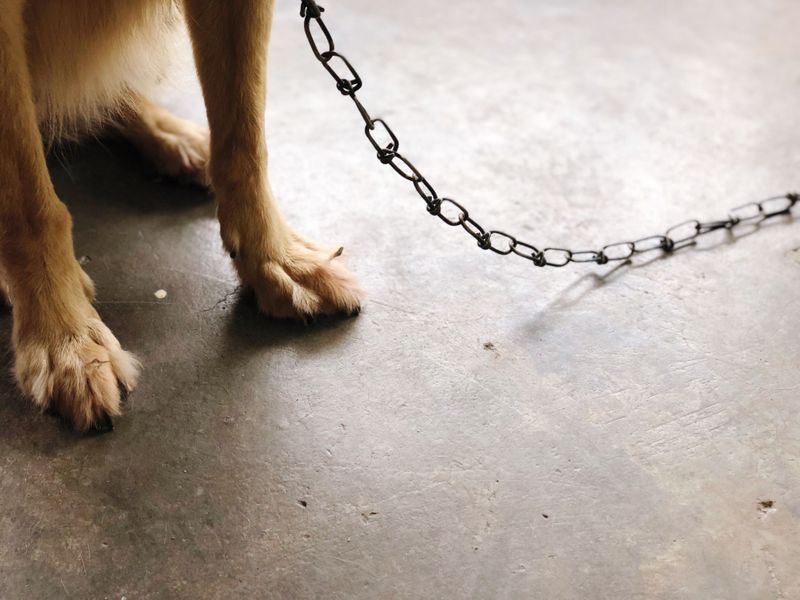
When a dangerous or vicious dog leaves the owner’s property, Ohio law specifies the leash or tether must be made of chain-link and cannot exceed six feet in length. That is a more specific requirement than most owners expect.
The leash must also be held by a person of suitable age and discretion, or secured to a stationary object that can adequately restrain the dog. Both conditions must be met, not just one.
Check with your local dog warden if you are unsure whether your current setup meets the standard.
9. A Muzzle Can Be Part of the Legal Requirements for a Dangerous Dog
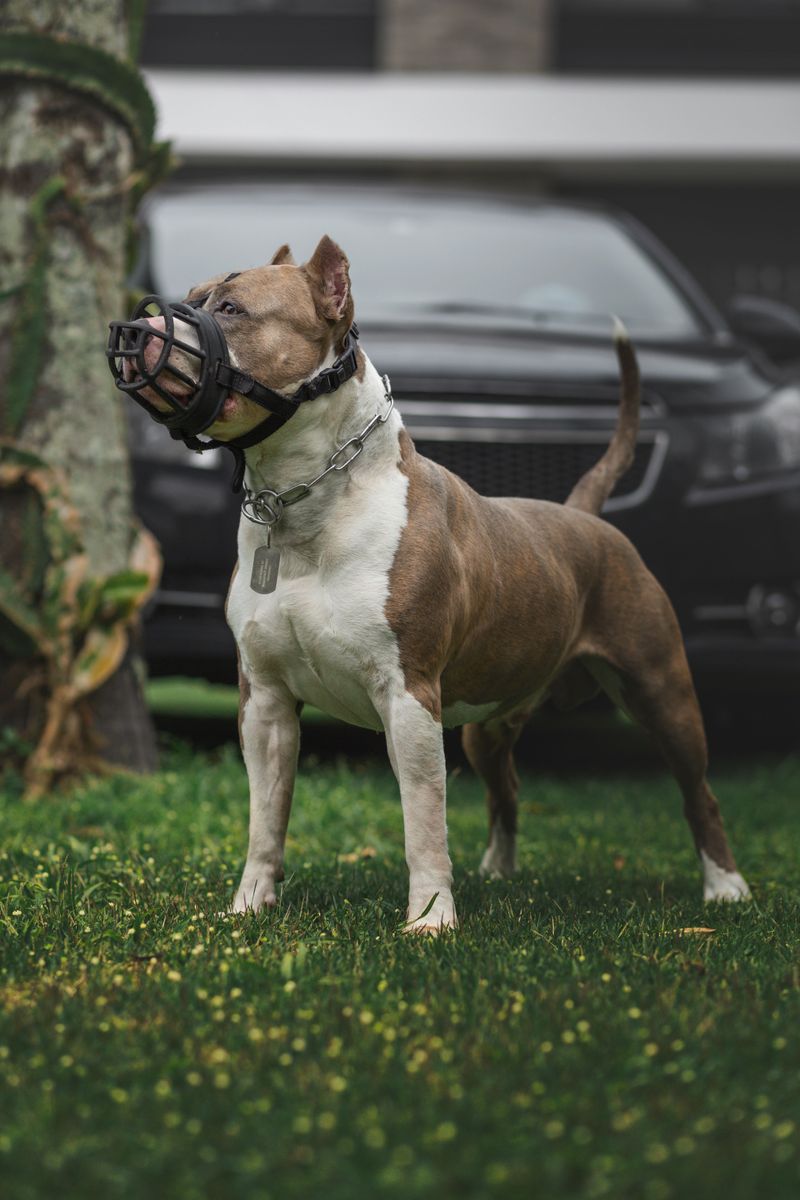
For a dangerous or vicious dog away from home, Ohio law includes muzzling as one of the required or permitted additional restraint options. This is not a punishment for the dog.
It is a public safety measure with a clear legal basis.
Muzzles come in several styles, and a properly fitted basket muzzle allows a dog to breathe, pant, and drink comfortably. If your dog has received a formal designation, ask your dog warden exactly which restraint requirements apply in your county.
Getting it right protects everyone, including your dog.
10. A Dog Can Be Designated a Nuisance, Dangerous, or Vicious Dog

Ohio law recognizes nuisance, dangerous, and vicious dog classifications, each with specific legal definitions and consequences.
The classifications are tied to conduct described in state law rather than the dog’s breed.
For example, dangerous dog acts can include certain injuries to people, fatally injuring another dog, or serious injury to another dog that results in euthanasia, while vicious dog acts include fatally injuring a person, causing serious injury to a person through physical contact, or committing a dangerous dog act after already being designated dangerous.
11. You Have a Short Window To Challenge a Dog Designation

Getting a designation notice in the mail can feel overwhelming, but Ohio does give owners a path to challenge it. After receiving notification that your dog has been classified as nuisance, dangerous, or vicious, you generally have ten calendar days to submit a written appeal.
That appeal goes to the municipal or county court with jurisdiction over your area. Ten days moves fast, so act promptly if you plan to contest the designation.
Consulting with a local attorney who handles animal law can help you understand your options clearly.
12. A Complaint Does Not Always Mean You Will Be Charged

Here is something most dog owners never expect: if an authorized official investigates a complaint about your dog but decides not to issue a citation, they are still required to notify you. Ohio law mandates this notice be posted on your dwelling door within 24 hours of concluding the investigation.
The notice explains the complaint, cites the relevant laws, and provides contact information for the investigating official. This keeps owners informed even when no charge is filed.
Consider it an early signal worth taking seriously, and an opportunity to adjust your setup before anything escalates.
13. Rabies Quarantines Can Temporarily Change Your Dog’s Rules

During a declared rabies quarantine in Ohio, dogs must remain confined on the owner’s premises or in a suitable enclosure. The quarantine is declared by the director of health or a local health board when rabies is considered prevalent in the area.
A dog may still leave the premises during a quarantine if it is on a leash and under the control of a responsible person. Separately, if your dog bites someone, a mandatory 10-day observation quarantine applies regardless of vaccination status.
Your local health commissioner oversees this process.
14. Local Dog Rules Can Be Stricter Than the Statewide Rules
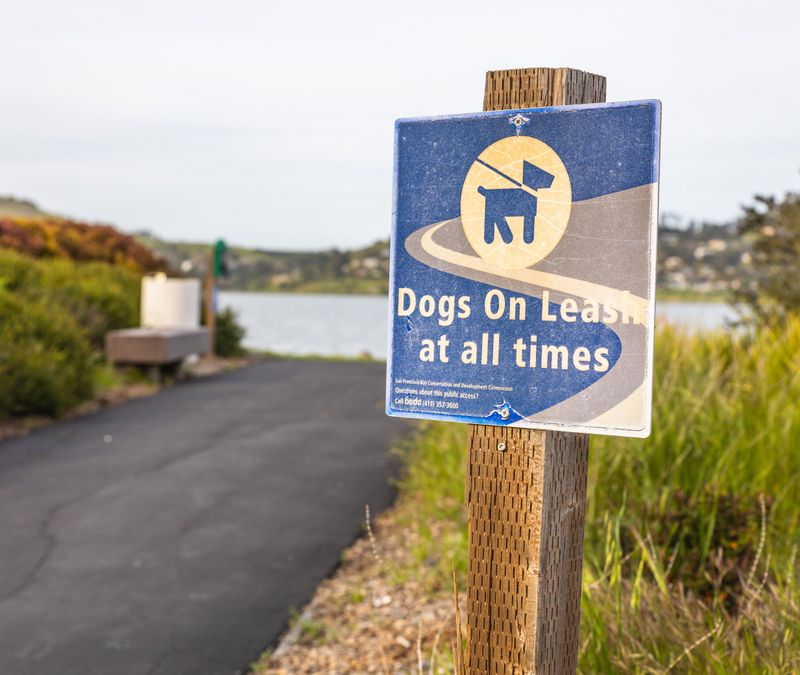
Ohio’s state laws set the minimum standard for dog ownership, but cities, counties, health districts, and parks can all layer on stricter rules. What is acceptable in a rural township may not be permitted inside a city limit or a managed park space.
Ohio State Parks, for example, generally require dogs to stay on a leash no longer than six feet and under control at all times, except in designated off-leash areas. Before visiting a new location with your dog, check the posted rules or contact the managing authority directly.
Local rules can vary more than most people realize.
15. Selling a Puppy Under 8 Weeks Old Is Restricted

Ohio law prohibits selling or offering for resale any dog under eight weeks old to the general public at retail. The goal is to make sure puppies are properly weaned, healthy, and socialized before being separated from their mothers and littermates.
A first offense can result in a minor misdemeanor charge. If you are buying a puppy from a breeder or pet source, asking for the birth date is a reasonable and smart step.
Any seller who pressures you to take a puppy before eight weeks is not following Ohio law.