What Coastal Georgia Dog Owners Should Prepare Before Hurricane Season
Living near the Georgia coast means watching the tropics from June through November, and your dog counts on you to have a plan. The good news is that preparing ahead takes only a weekend of small, simple steps.
Once your supplies, records, and shelter options are sorted, storm updates feel far less stressful. Think of this as a friendly checklist from one local owner to another, covering everything worth handling before the first named storm appears.
Build A Go-Bag For Your Dog
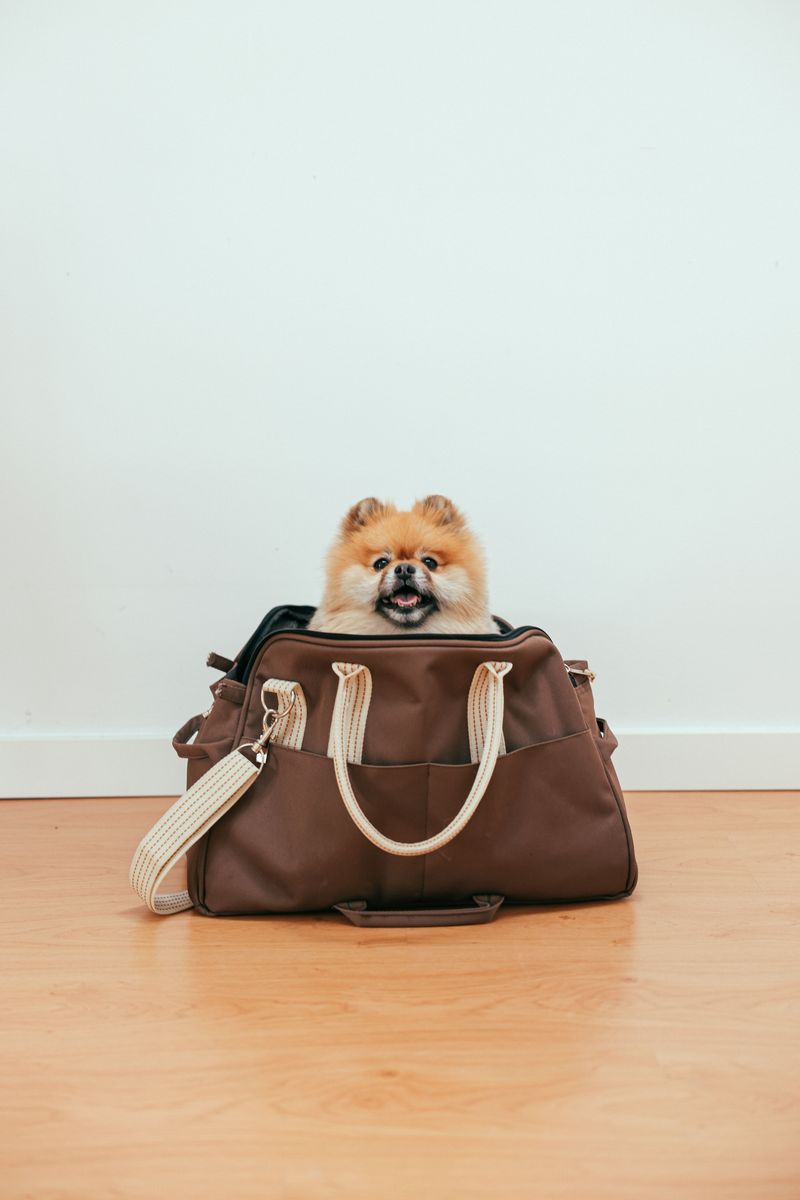
Every solid storm plan starts with one bag you can grab in seconds. Pack food, bottled water, medications, collapsible bowls, a leash, waste bags, and a familiar toy.
Store it near the door or with your family emergency kit, not buried in an attic.
Label the outside with your dog’s name and your phone number. Check the contents each spring, swapping expired food and refreshing anything that looks worn.
Stock Up On Extra Dog Food
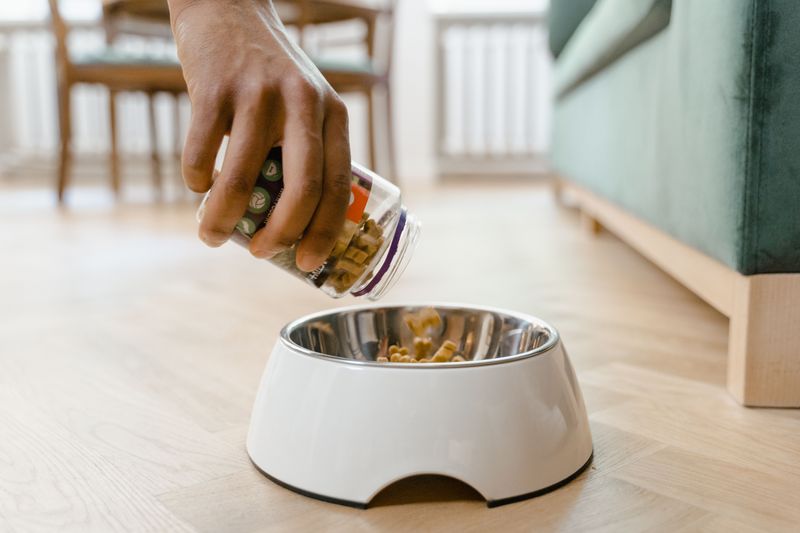
Shelves empty fast when a storm enters the forecast cone, especially specialty diets.
Aim for several days of your dog’s regular food beyond what you normally keep at home. Sudden diet switches often upset a dog’s stomach, so stick with the same brand.
Seal everything in a waterproof, airtight container to block humidity and pests.
Rotate the supply into daily meals every couple of months so nothing sits past its date.
Keep Plenty Of Fresh Water
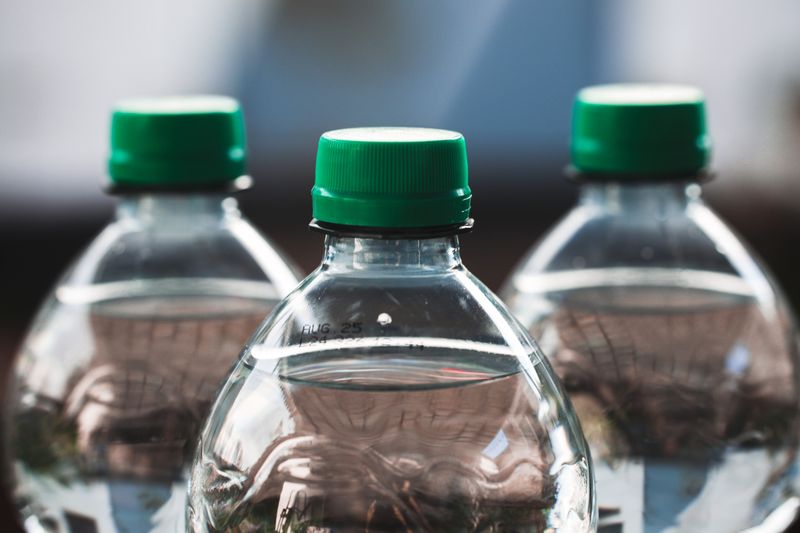
Water service along the coast can be interrupted or placed under boil advisories after heavy weather.
Set aside bottled or jugged water for your household and count your dog in that total. Water needs vary by a dog’s size, diet, activity level, weather conditions, and health, so ask your veterinarian how much your dog typically needs each day.
Add a little extra for rinsing paws and cleaning bowls.
Store jugs somewhere cool and dark, and replace them yearly to keep everything tasting fresh.
Update Your Dog’s Identification
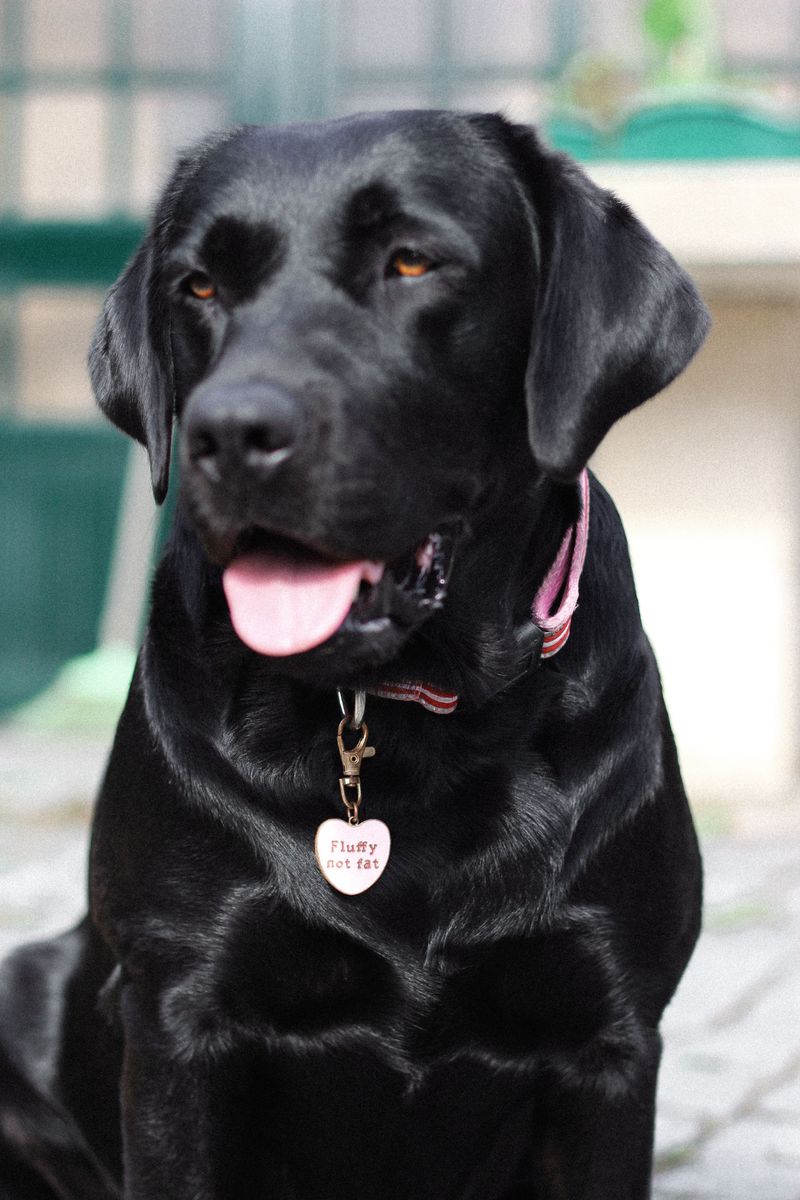
Storms rattle even calm dogs, and a startled pup can slip through a gate.
Check that your dog’s tag is readable and lists a phone number you actually answer. Add a second contact who lives inland if you can.
Microchips help too, but only when the registry has your current details.
Log in to the chip company’s website and verify your address before hurricane season begins each year.
Gather Important Veterinary Records
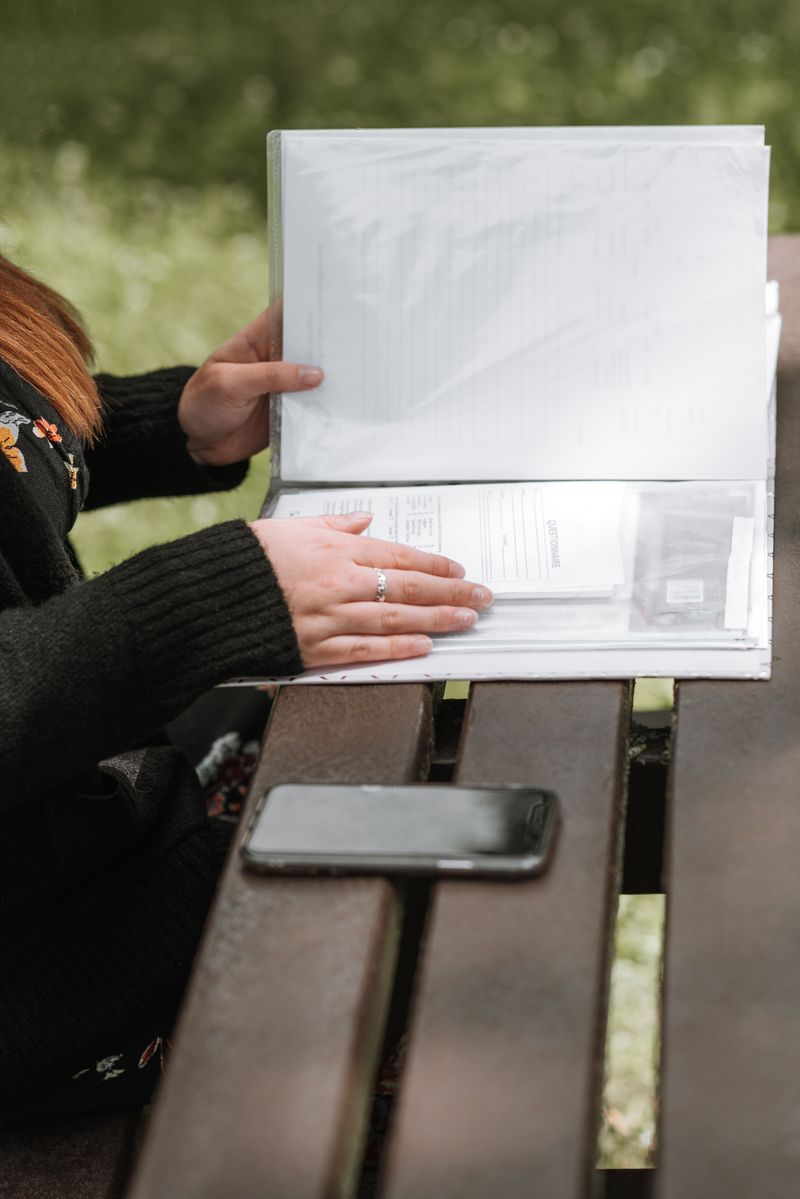
Boarding kennels, many hotels, and some emergency shelters ask for proof of vaccination before accepting a dog.
Slide rabies certificates, vaccine history, and prescription details into a waterproof folder.
Snap clear photos of each page and email them to yourself as a backup.
Cloud storage works well since phones can be lost or drained during outages. Ask your veterinary clinic for copies now rather than during a busy pre-storm rush.
Refill Necessary Medications

Pharmacy and clinic delays happen when a coastal county issues evacuation notices.
Review every medication your dog takes at the start of June and request early refills if supplies look thin.
Ask your veterinarian how much extra you may reasonably keep on hand.
Pack pills in a waterproof case with dosing instructions written on the outside. Some products need cool storage, so plan a small cooler for those.
Choose A Safe Indoor Space
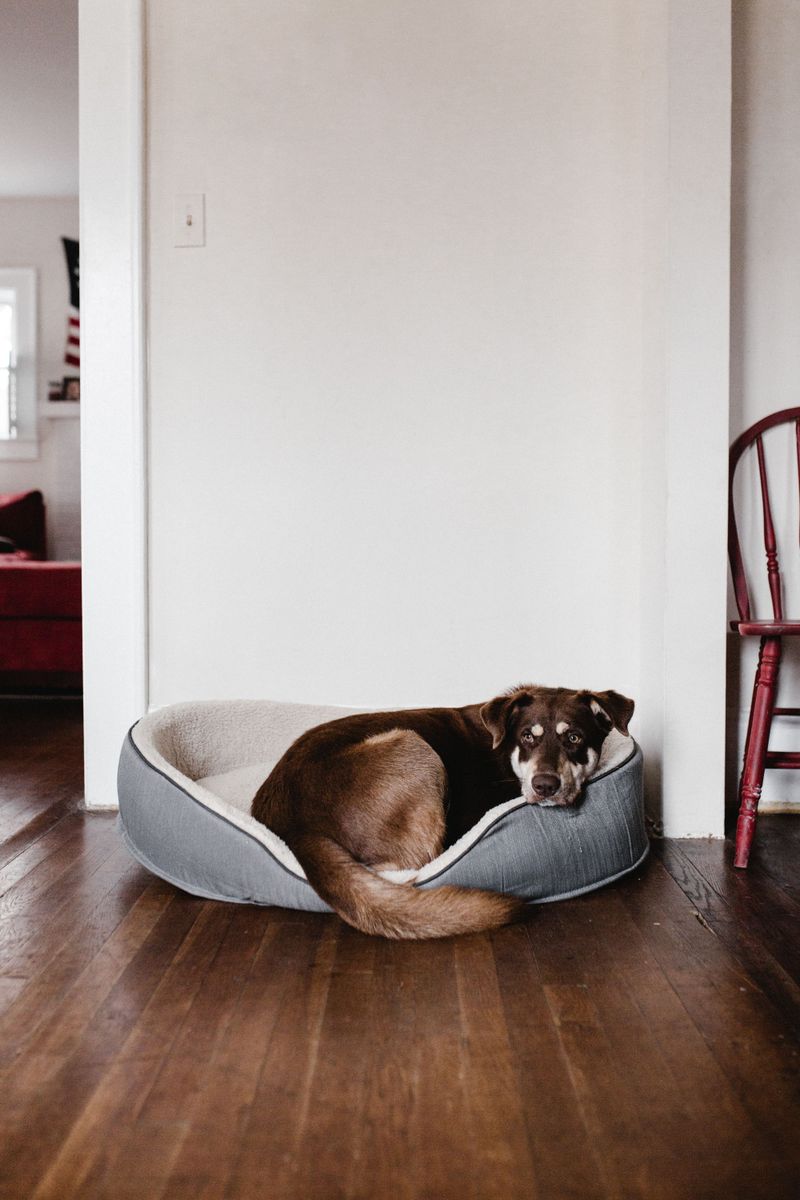
Strong winds, heavy rain, and unfamiliar sounds can make some dogs anxious during a storm.
Pick an interior room or hallway away from windows and glass doors for the roughest hours.
Clear out anything that could tip over, then bring in bedding, water, and a chew to keep things normal.
Practice short stays there on ordinary afternoons. Familiarity makes the real thing feel routine rather than strange.
Plan Where Your Dog Will Stay
Deciding where to go while the wind picks up rarely ends well.
Build a short list now: relatives inland, friends with a spare room, pet-friendly hotels, and boarding facilities along your route.
Write down phone numbers on paper in case service drops.
Call ahead once a storm forms, since rooms book quickly across Georgia and neighboring states. Having three options beats depending on one.
Check Pet-Friendly Evacuation Options
Policies change from year to year, and rules vary by county and city along the coast.
Confirm current pet rules with hotels, campgrounds, and any co-located shelter your county emergency agency lists.
Some locations may require crates, vaccination records, identification, or advance registration.
Your local emergency management office and animal control can tell you what is available this season. A quick phone call in May saves real guesswork later.
Secure A Sturdy Leash And Collar
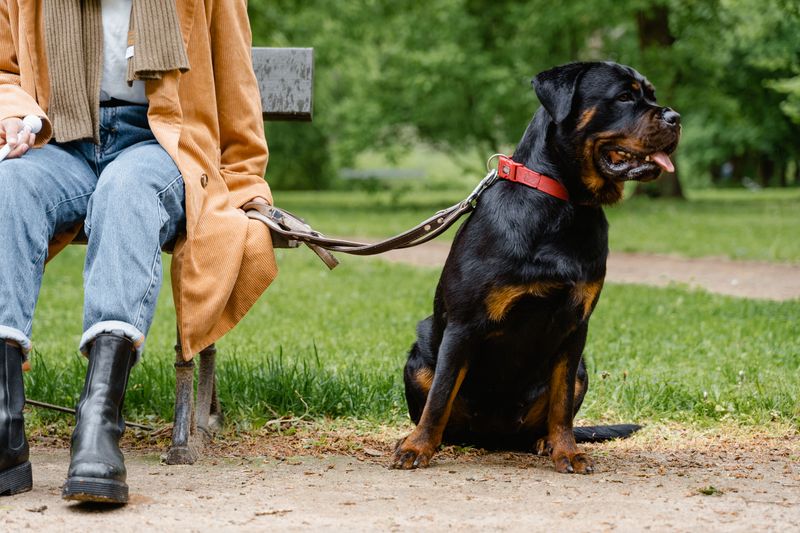
Buckles break and clips fail, usually at the worst possible moment.
Keep a well-fitting collar or harness plus a strong six-foot leash in your kit, then add a spare.
Two fingers should slide comfortably under the collar, no looser.
Retractable leads offer little control in crowded parking lots or unfamiliar yards. Standard leashes give you steadier handling when your dog is nervous and surroundings feel unpredictable.
Prepare A Comfortable Carrier Or Crate
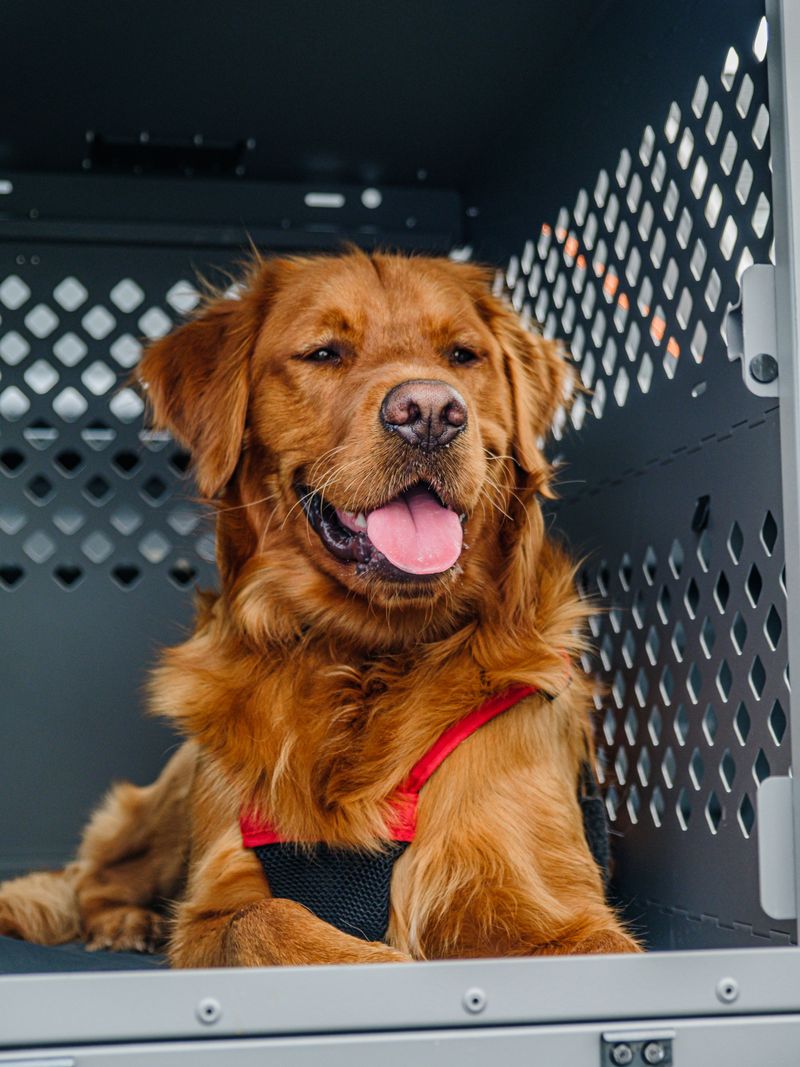
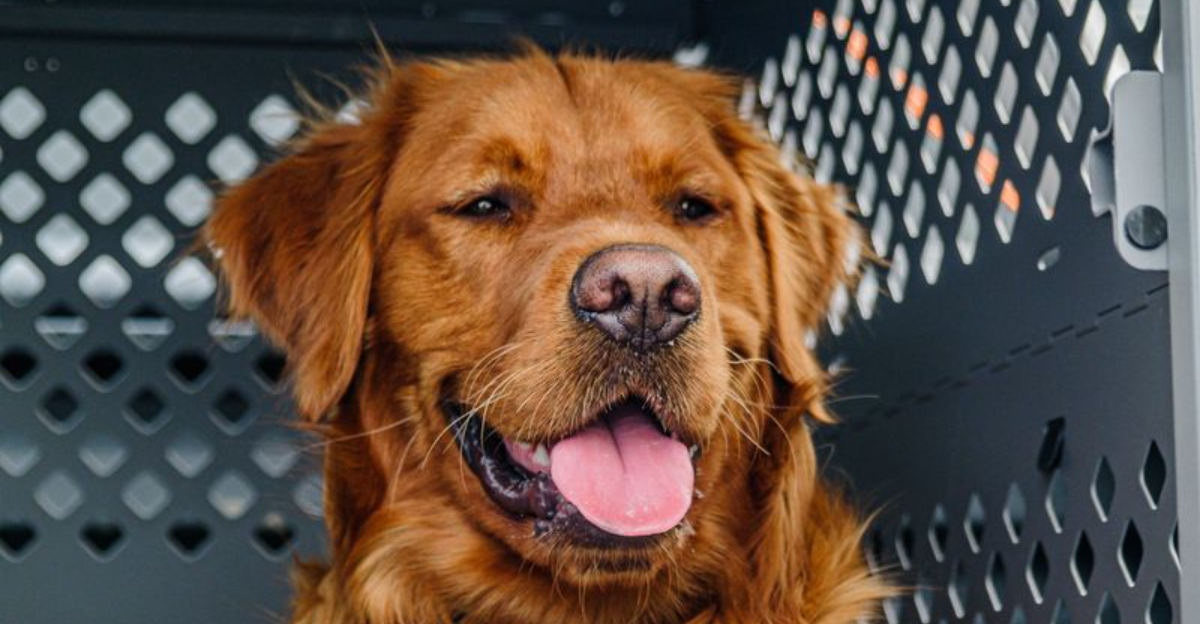
Crates earn their keep during evacuations, giving your dog a portable pocket of home.
Inspect latches, wipe it down, and confirm your dog can stand and turn around inside.
Attach a tag with your name, phone number, and your dog’s name.
Toss in bedding that already smells like your house. Dogs unused to crates should get short, pleasant practice sessions well before storm season arrives.
Protect Your Dog From Floodwater
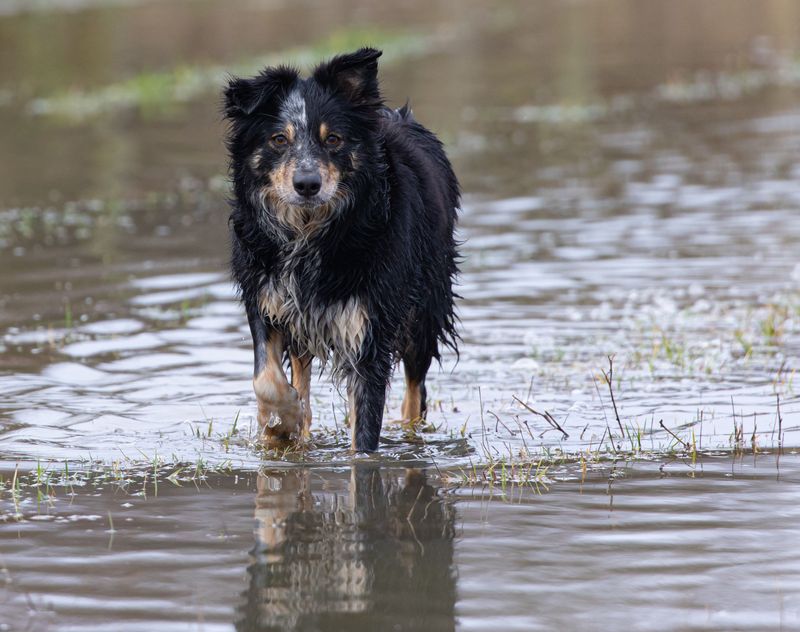
Post-storm streets look calm and hide plenty underneath.
Standing water can carry fuel, sewage, sharp debris, and bacteria that upset a dog’s system.
Keep walks on higher ground and skip the tempting puddles entirely.
If paws do get wet, rinse them with clean water and dry between the toes. Contact your veterinarian if your dog drinks floodwater or develops stomach trouble afterward.
Bring Familiar Comfort Items
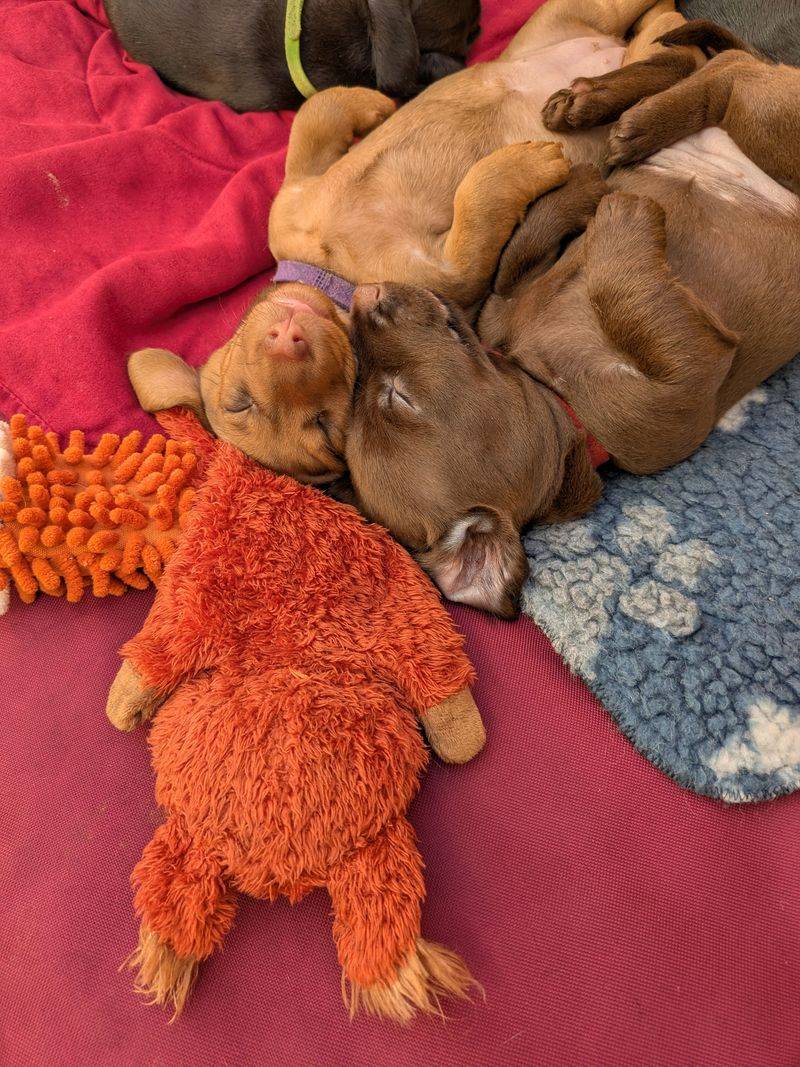
A raggedy squeaky toy can do more for a stressed dog than any gadget.
Pack one blanket, a favorite toy, and a chew that keeps busy paws occupied.
Familiar smells help dogs settle in hotel rooms and relatives’ guest bedrooms.
Choose items that fold small and stay dry in a sealed bag. Leave bulky beds behind unless your vehicle has plenty of space.
Have Cleaning Supplies Ready
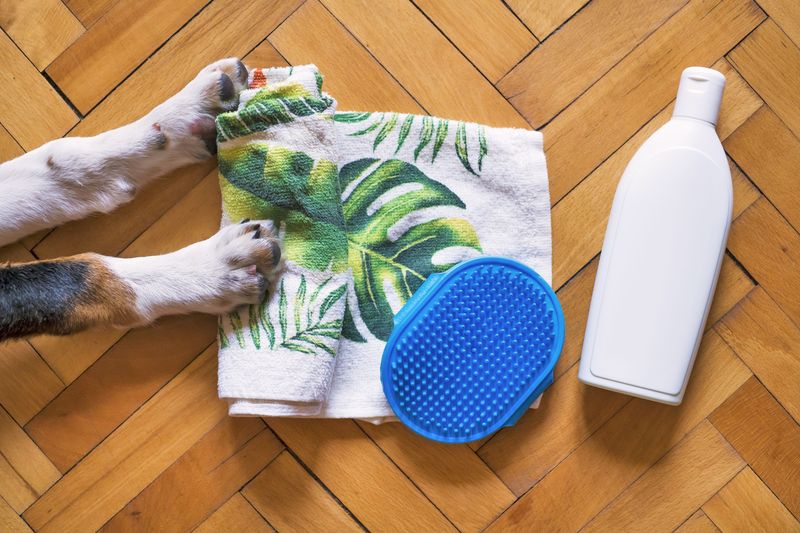
Wet paws, muddy floors, and indoor accidents come with the territory after heavy rain.
Stash paper towels, extra bath towels, waste bags, and a cleaner labeled safe for pet areas with your kit.
An enzyme cleaner handles indoor messes better than plain soap.
Add a small scrub brush for sandy paws. Coastal grit gets everywhere, and having supplies ready keeps temporary lodging comfortable for everyone.
Keep A Recent Photo Of Your Dog
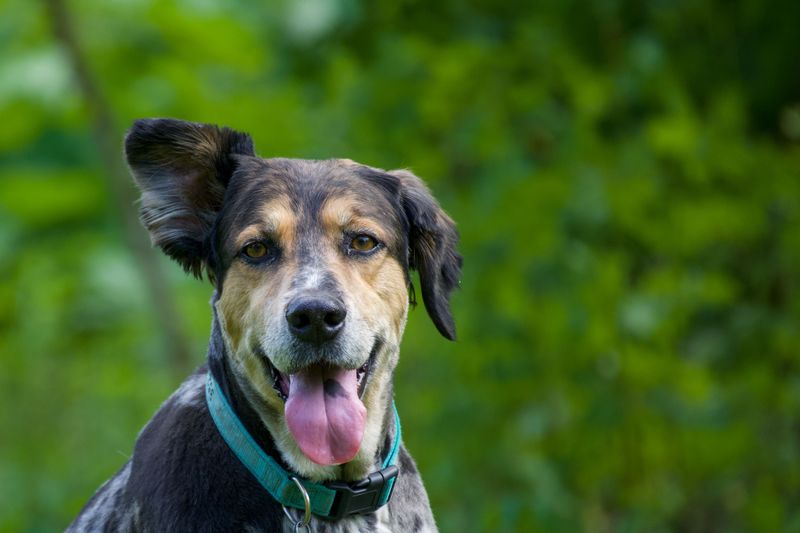
Clear pictures make reuniting far easier if your dog wanders off during the commotion.
Take a few fresh photos each spring: one full body, one face, and one showing any unique markings.
Include a shot of you together, which helps prove ownership.
Print a copy for your waterproof document folder since phone batteries fade during outages. Update the images whenever your dog’s coat changes noticeably.
Prepare For Power Outages

Georgia summers stay warm and humid, and outages can stretch on for days.
Think through how your dog will stay cool: tile floors, battery fans, damp towels, and shaded windows all help.
Keep flashlights or lanterns handy for nighttime yard trips.
Watch for heavy panting or sluggishness, and call your veterinarian with concerns. Portable power banks also keep your phone alive for weather updates.