What Missouri Dog Owners Should Know Before Taking A Dog To The Lake Of The Ozarks
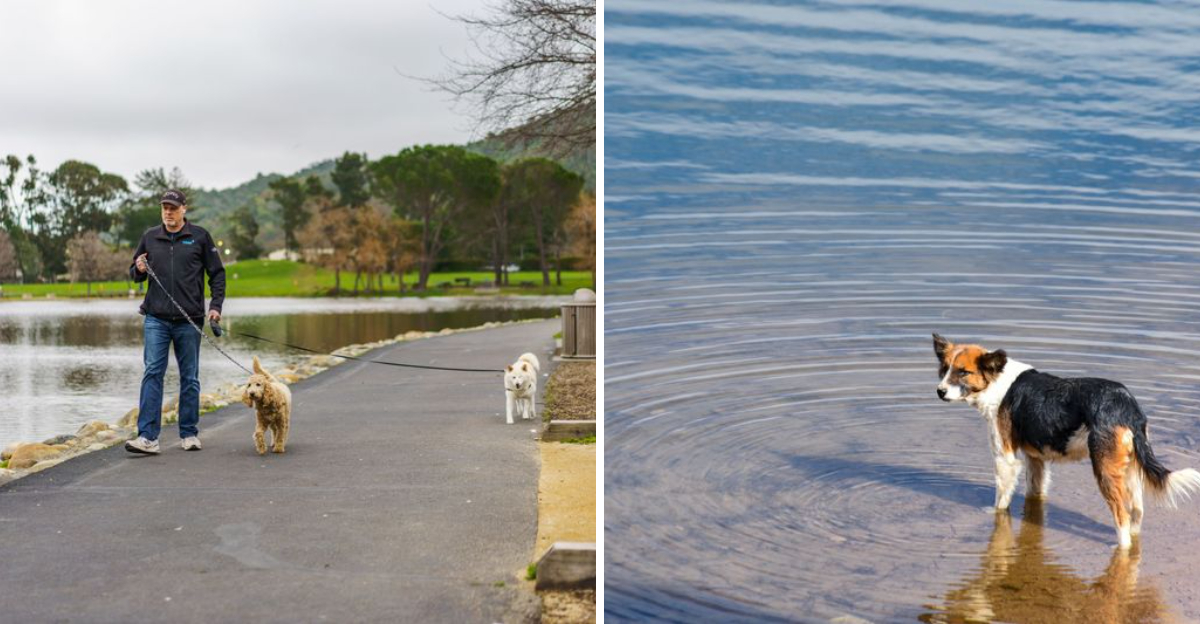
The Lake of the Ozarks can be a blast with a dog, but the fun goes smoother when you know the local rules first. A few smart choices can help you avoid closed beaches, risky water, and stressful surprises at camp or on the boat.
Missouri parks also have specific pet rules that catch plenty of visitors off guard. Get those details right, and the whole trip feels lighter, easier, and much more tail-friendly.
1. Beach Rules Come First
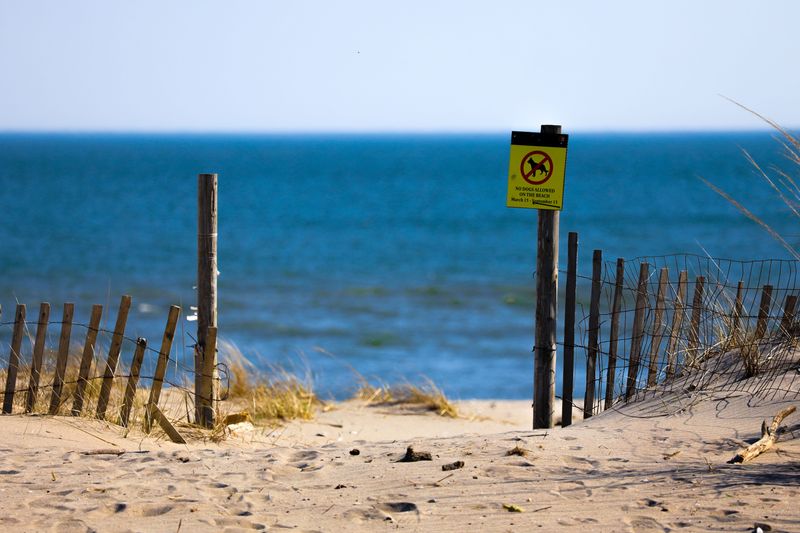
Warm sand looks inviting, but some spots are off limits for pups. At Lake of the Ozarks State Park, dogs are not allowed on designated swimming beaches, including Grand Glaize Beach and Ozark Beach.
That rule protects swimmers and keeps beach areas cleaner during busy months. Plan for shoreline walks elsewhere, and always watch posted signs near public swim zones.
A little route planning saves you from an awkward turnaround with a dog and disappointed kids.
2. Know The Off Limits Areas
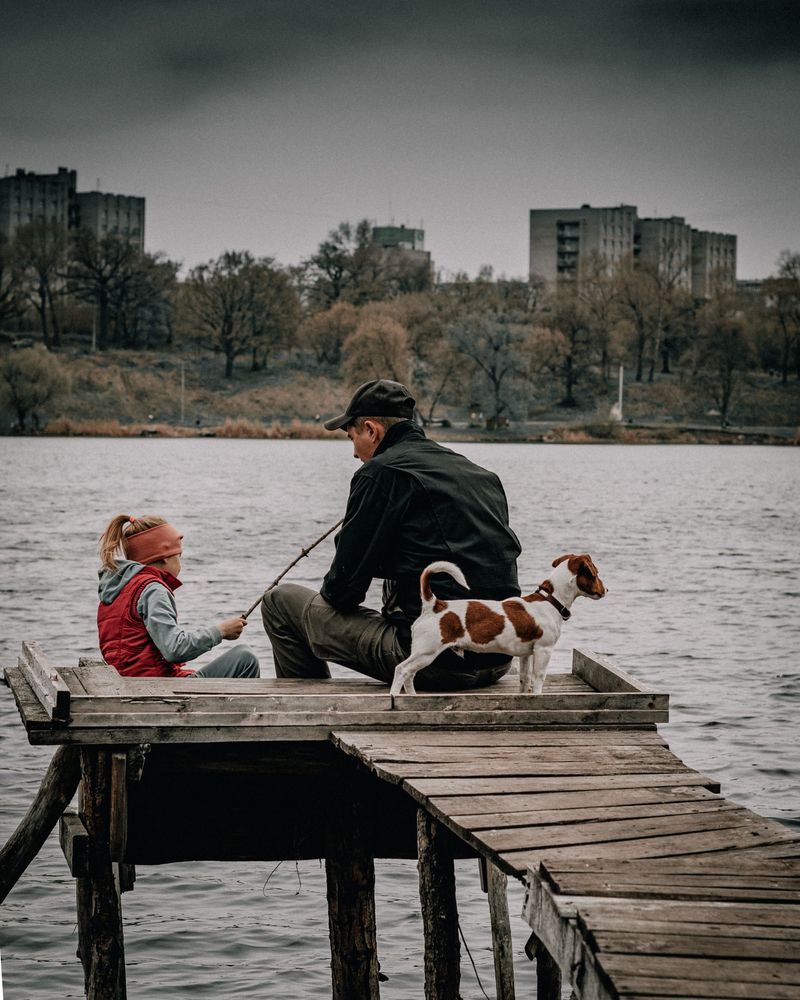
One sneaky detail catches many visitors by surprise. Missouri state park rules also restrict pets from certain buildings, public swimming areas, beaches, and waters set aside for fishing.
Service animals are the exception, but family pets need different plans during those stops. Before heading out, check maps and signs so you do not wander into a no pets zone.
That scan prevents stress, saves time, and keeps your lake day running smoothly for everyone nearby.
3. Campground Etiquette Counts
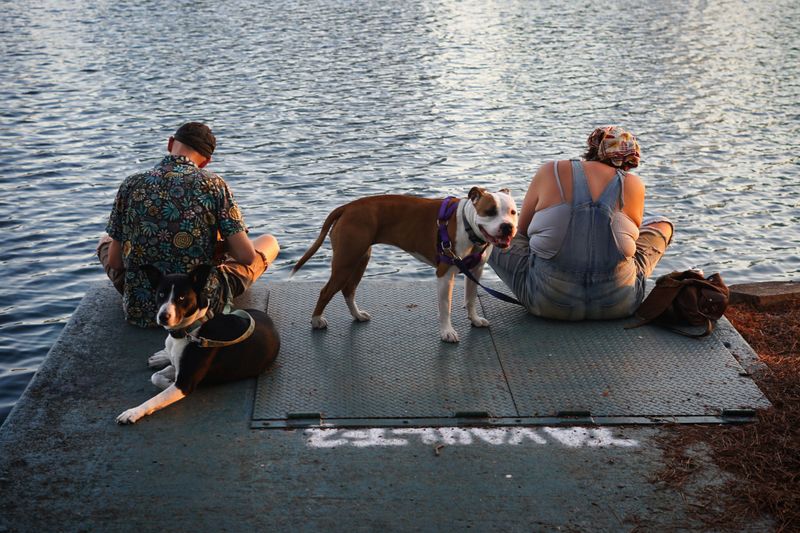
Campgrounds can feel peaceful until one barking match starts. Missouri state parks recommend no more than two dogs per campsite, and pets must stay controlled, quiet, and supervised.
You should not leave a dog unattended outside, even on a leash. If you step away, secure your dog inside the tent, camper, or cabin unit instead.
Following those basics keeps neighbors happy and helps your campsite stay friendly instead of frazzled by sunset each busy evening.
4. Lodging Must Say Yes To Dogs
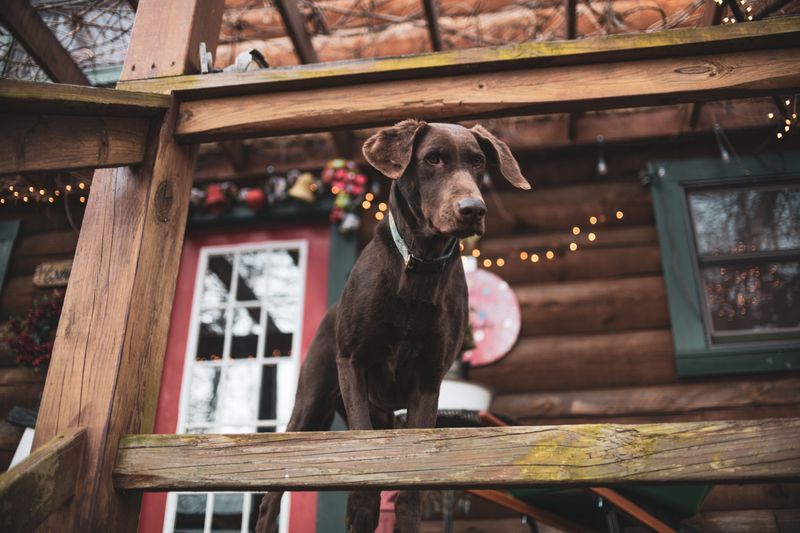
Booking a place without checking pet rules is a classic travel oops. Around the Lake of the Ozarks, some cabins, yurts, and rentals welcome dogs, while others do not.
Missouri State Parks offers some Cabins for Canines units, but limits and fees still apply. Ask about dog size, nightly charges, cleaning rules, and how many pets are allowed.
A quick call now beats unloading bags later, only to learn your pup cannot stay that night.
5. Leash Length Really Matters
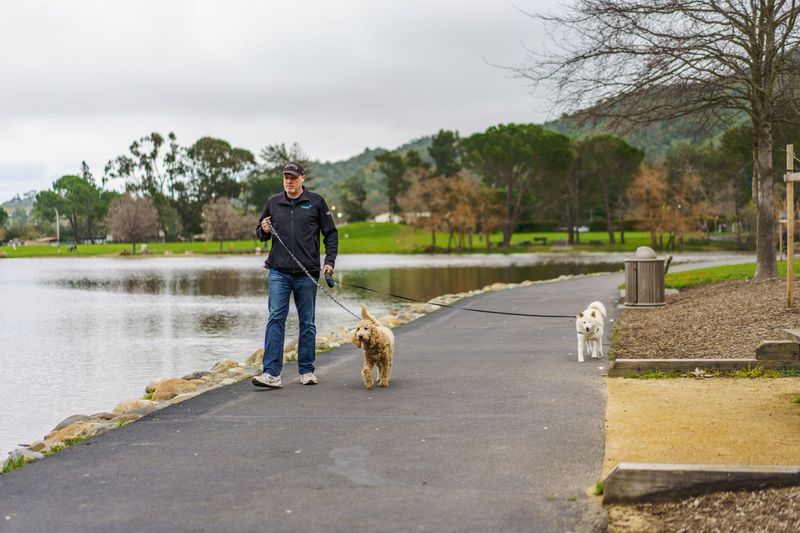
Lake days start better with clear rules. In Missouri state parks, dogs must stay on a leash no longer than 10 feet at all times.
That short leash helps you react fast near wildlife, bikes, and drop offs. It also keeps your dog from greeting strangers who may not want a muddy hello.
Pack a sturdy leash before you go, because a retractable line can easily stretch too far on busy paths around the lake.
6. Pack More Waste Bags Than You Think
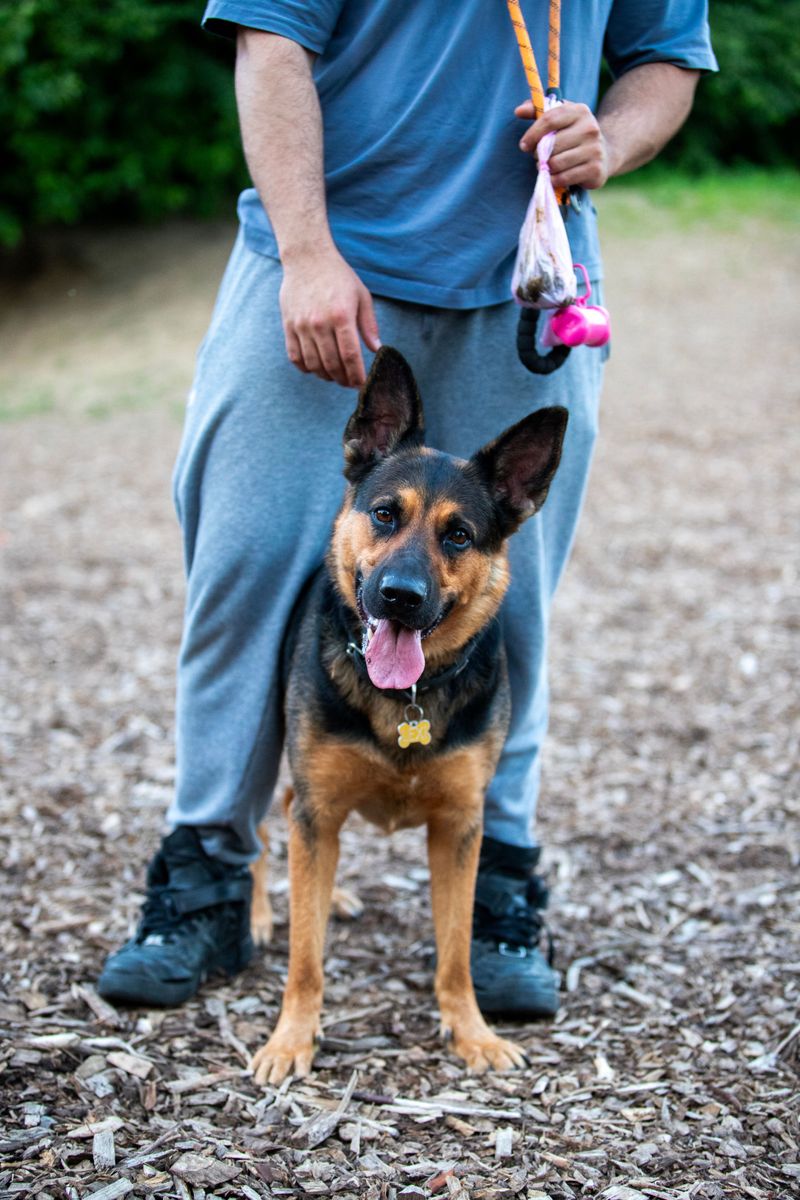
Nothing ruins a trail faster than stepping in a surprise. Bring plenty of waste bags, because owners must clean up after pets throughout the park and around lodging areas.
Tuck bags in your pocket, daypack, car door, and tackle box so you are never caught short. Use trash receptacles when you find them, and never leave filled bags beside the trail.
Good cleanup manners keep paths pleasant, campsites tidy, and travelers welcome on future visits.
7. Shared Trails Need A Short Bubble
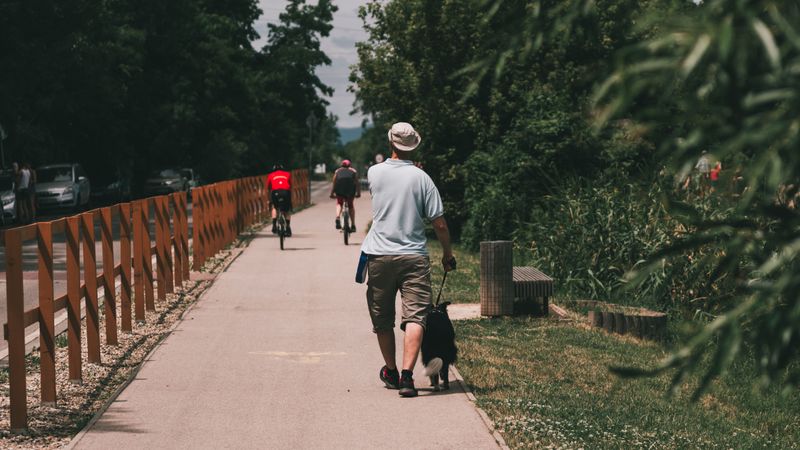
Trails around the lake can switch moods in a hurry. One minute feels quiet, then a cyclist or horse appears on the same route.
Keep your dog close on multi use trails, even if your pet usually listens well. A short leash and steady pace help everyone pass safely without tangles, jumps, or startled hooves.
Move to the side early, ask your dog to sit, and reward calm behavior with praise during busy trail moments.
8. Ha Ha Tonka Calls For Careful Feet
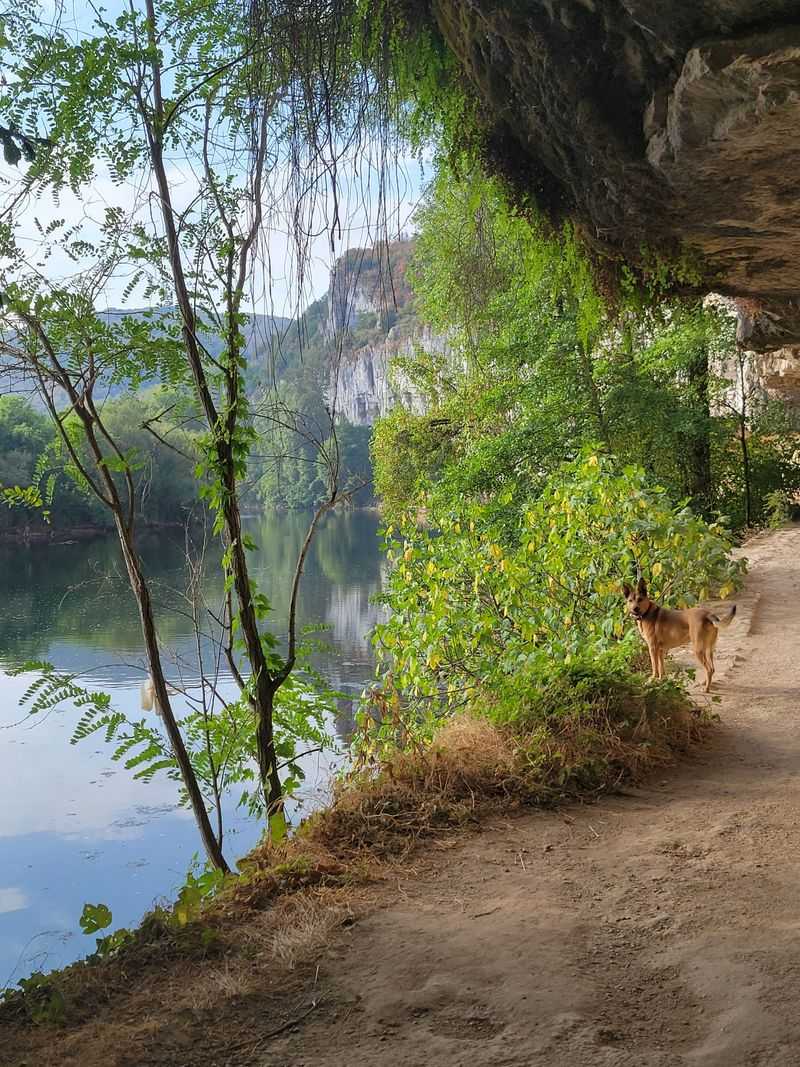
Ha Ha Tonka is gorgeous, but it is not a flip flop stroll. Rocky paths, uneven ground, bluff edges, and castle areas can challenge dogs that rush ahead.
Use extra caution on steep trails at Ha Ha Tonka State Park in Camdenton. Keep your dog leashed, choose sturdy footing, and skip any shortcut that looks loose or slick.
Slow steps beat brave ones here, especially after rain when those beautiful rocks turn surprisingly slippery fast.
9. Water Access Is Not A Dog Beach
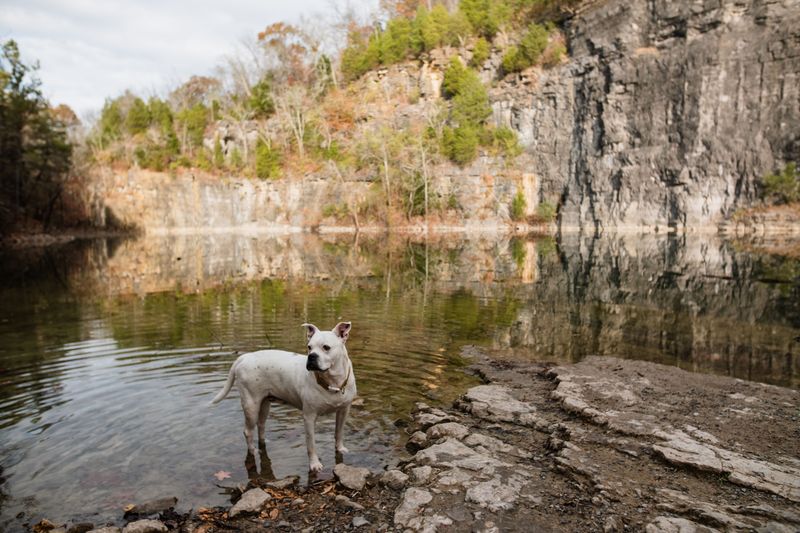
Water access can fool you into thinking swimming is fair game. At Ha Ha Tonka State Park, lake access and the spring area are not designated dog swimming beaches.
Let your dog sip fresh water from your bowl instead of treating the shoreline like a splash zone. Slick rocks, changing depths, and visitor traffic make that spot for a look than a swim.
If your pup needs water play, choose safer spot after checking rules.
10. Trust Weird Water Warnings
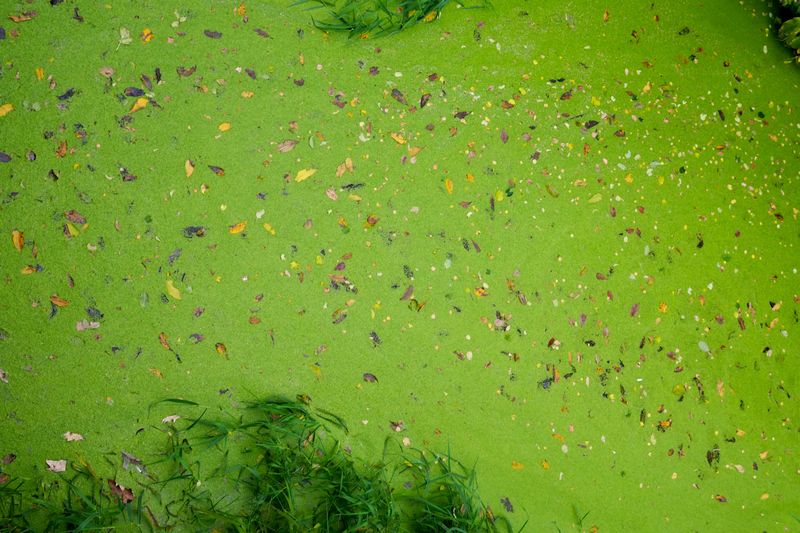
Sometimes the lake sends a warning without using words. If you see algae, scum, or strange discoloration, keep your dog completely out of the water.
Harmful algal blooms can look like pea soup, green paint, or a thick film near shore. Dogs face serious risk because they may swim, lick wet fur, or gulp water during play.
When the surface looks odd, trust your eyes and walk away, no matter how tempting it seems today.
11. Check Bloom Advisories Before Swim Time
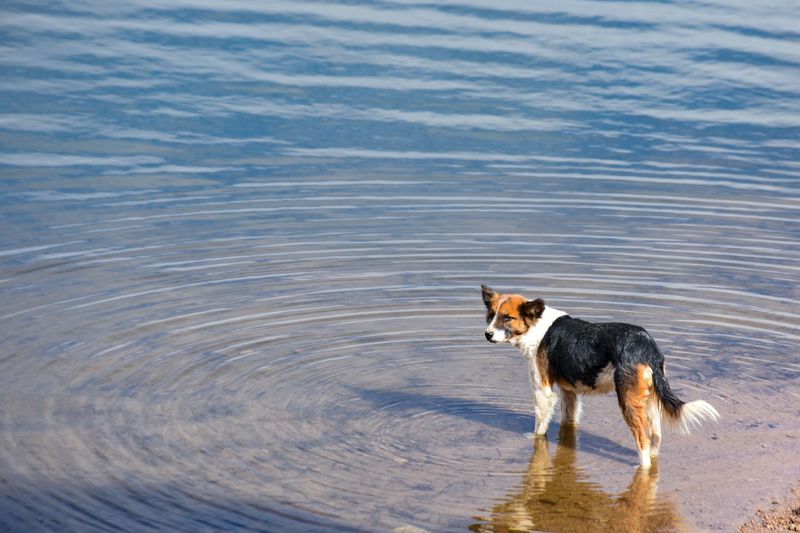
Before the first splash, do a quick homework check. Harmful algal bloom advisories can change, and they matter more than yesterday’s sunny photos.
Look at the Missouri Department of Natural Resources Harmful Algal Bloom Reports Map before swim time. Also scan signs at park offices, marinas, and access points for fresh water quality notices.
That two minute habit can spare your dog a dangerous swim and give you better peace of mind for the day.
12. Bring A Better Drink
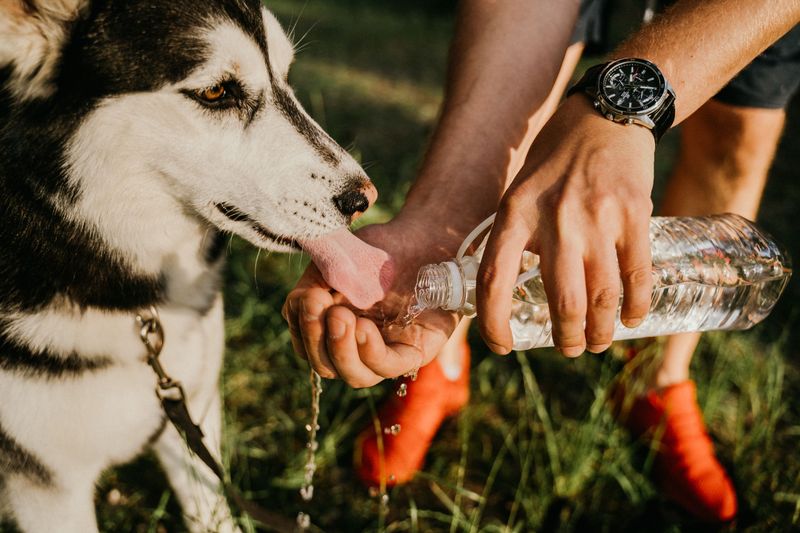
Lake water may look clean, but your dog needs a better drink. Bring fresh drinking water and a bowl, especially on warm days when panting ramps up fast.
Many dogs slurp from the lake between swims, then end up swallowing too much dirty water. Offer water breaks often in the shade, and praise your dog for choosing the bowl.
A cooler packed with extra bottles can be the quiet hero of the whole trip there.
13. Ask Your Vet About Leptospirosis
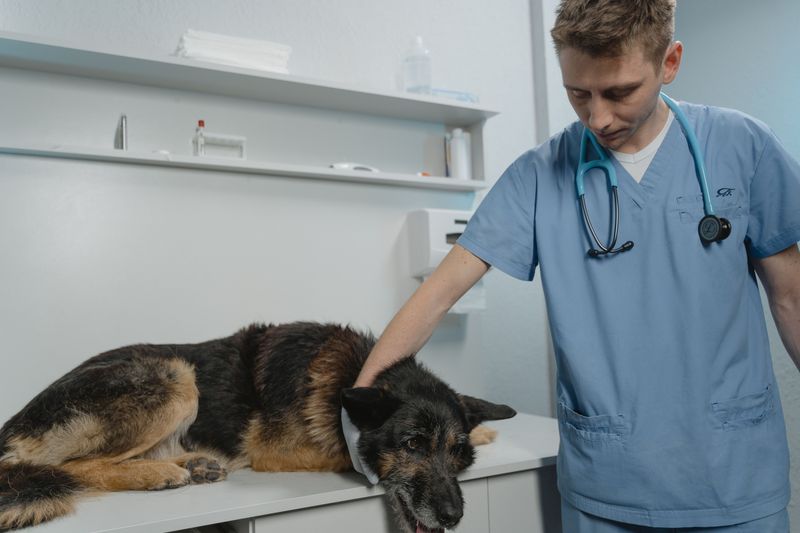
Vet prep is not the flashy part of trip planning, but it matters. Ask your veterinarian about leptospirosis protection before a water heavy visit to the Ozarks.
Leptospirosis is a bacterial infection linked to lakes, streams, rivers, and damp soil, especially in warm, slow water. Dogs can be exposed by swimming, wading, or drinking where infected wildlife has been.
A simple appointment before travel may save you from a very stressful surprise later for everyone.
14. Tick Checks Should Be Automatic
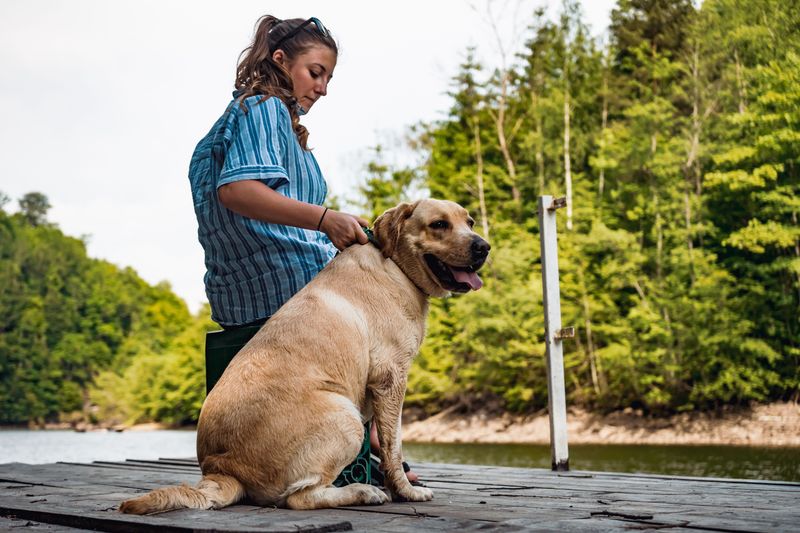
Ticks love the same leafy corners your dog loves. Around the Lake of the Ozarks, tick season often runs from April through October, so checks should become routine.
After hiking or camping, run your hands through your dog’s coat and inspect ears, toes, belly, and collar area. Bring a tick remover, and ask your vet which preventives fit your dog best.
A careful once over at dusk is easier than spotting a hitchhiker days later.
15. Brush And Rock Piles Are Not Playgrounds
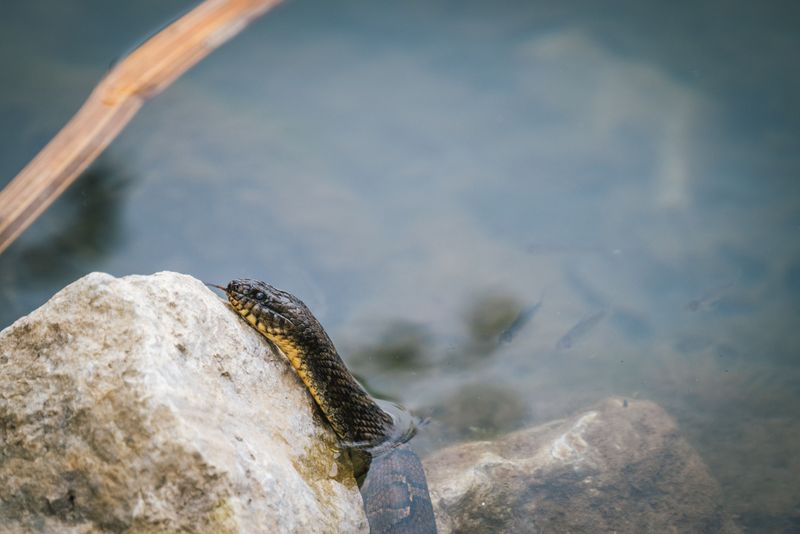
The Ozarks are beautiful partly because they stay a little wild. That means dogs should avoid rock piles, thick brush, leaf litter, and places where snakes may rest or hide.
Copperheads, cottonmouths, and timber rattlesnakes live in parts of the region. Stay on marked trails, keep your dog leashed, and do not let curious noses poke into crevices or wood piles.
Watching each step sounds simple, yet it is one of the smartest habits around.
16. Life Jackets Are Lake Day Gear
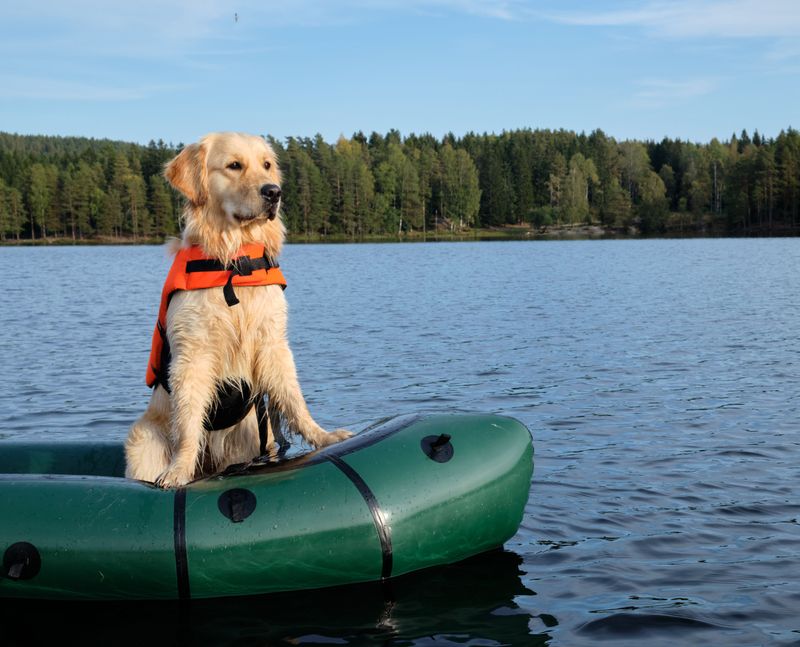
Even strong swimmers can get tired in open water. A properly fitted canine life jacket gives your dog extra buoyancy and makes grabbing them much easier from a boat or dock.
Choose one with snug straps, bright color, and a sturdy top handle. Let your dog wear it at home first, so the big debut does not happen during a choppy ride.
At the Lake of the Ozarks, that choice can turn nerves into confidence.
17. Do Not Tie Your Dog To A Moving Boat
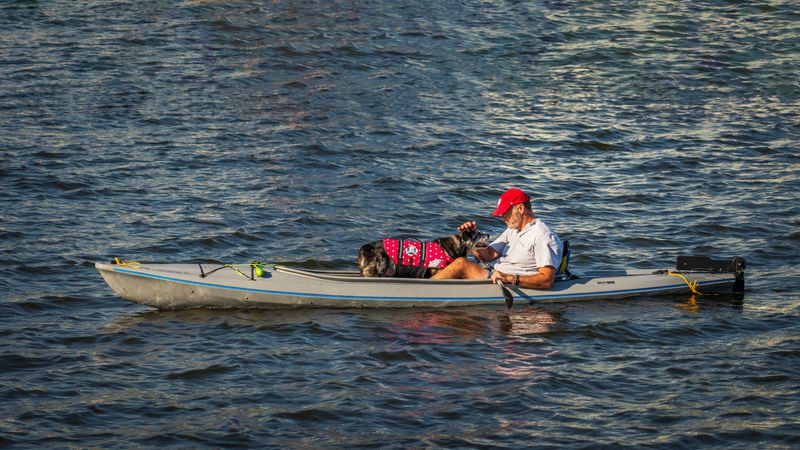
A leash seems helpful on a moving boat, but not always. Do not tether your dog to a boat while it is underway, because sudden turns or jumps can create scary tangles fast.
Instead, keep your dog safely inside the boat and hold the leash only when needed. Non slip footing, shade, and a settled spot away from the edge help your passenger relax.
Calm containment beats restraint once motor starts humming across the water.
18. Stay Clear Of Unfamiliar Powered Docks
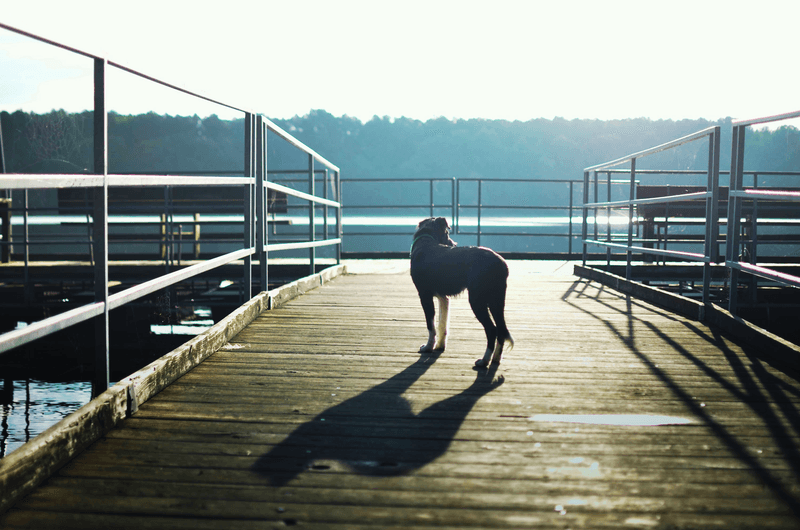
Not every dock is safe for dog paddles, even on a hot afternoon. Keep swimming dogs away from unfamiliar powered docks, because faulty wiring can electrify water without any obvious warning signs.
Small electric currents can stop muscles from working normally. If you plan to swim near a private dock, turn off power first and choose another area when you are unsure.
Smart lake days end when your dog comes home tired and trouble free.