17 Minnesota Dog Laws Even Longtime Owners May Not Know
If you share your Minnesota home with a dog, a little legal know-how goes a long way. Most state rules exist to keep pets comfortable, neighbors at ease, and owners out of avoidable trouble.
Yet even folks who have had dogs for decades are surprised by a few of them. Below are 17 rules and protections worth knowing, explained in plain language.
Remember that cities and counties often add their own ordinances, so a quick call to local animal control is always smart.
1. Watching a Dog Can Make You Its Owner
Here is a detail that surprises many pet sitters. Under Minnesota bite law, an owner includes any person keeping or harboring a dog, even briefly.
So a friend watching your dog for the weekend may share legal responsibility if something happens.
If you sit for others, ask about temperament, triggers, and vaccination records first. Write down instructions.
A short conversation before the handoff protects everyone, including the dog whose routine just changed.
2. Harm to Another Person’s Pet Falls on the Owner
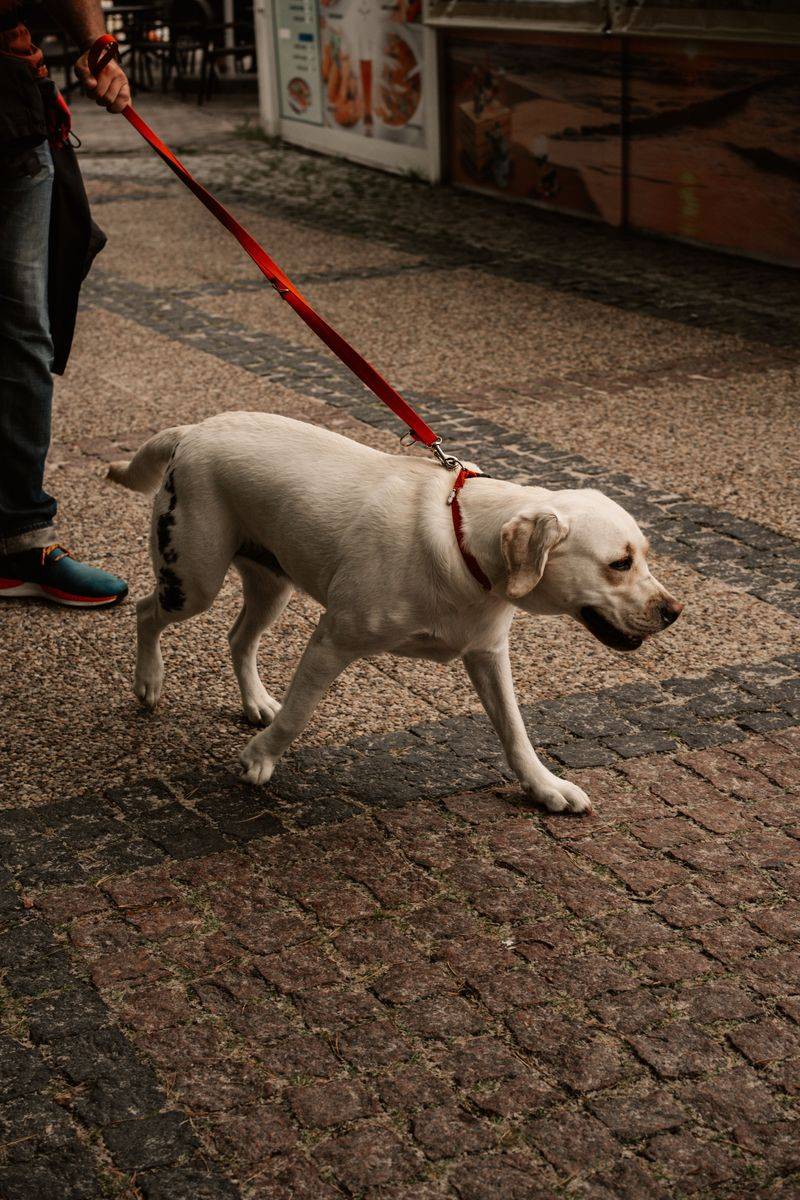
Bite law in Minnesota is not limited to people. Owners can also be held liable when their dog injures another domestic animal, including a neighbor’s pet.
Veterinary bills add up fast, and those costs typically land on the responsible party.
Leash control during walks matters most at close range. Keep introductions short and calm, and step aside when another dog seems tense.
A wide berth solves more problems than any correction ever will.
3. Chasing Livestock Carries Real Consequences
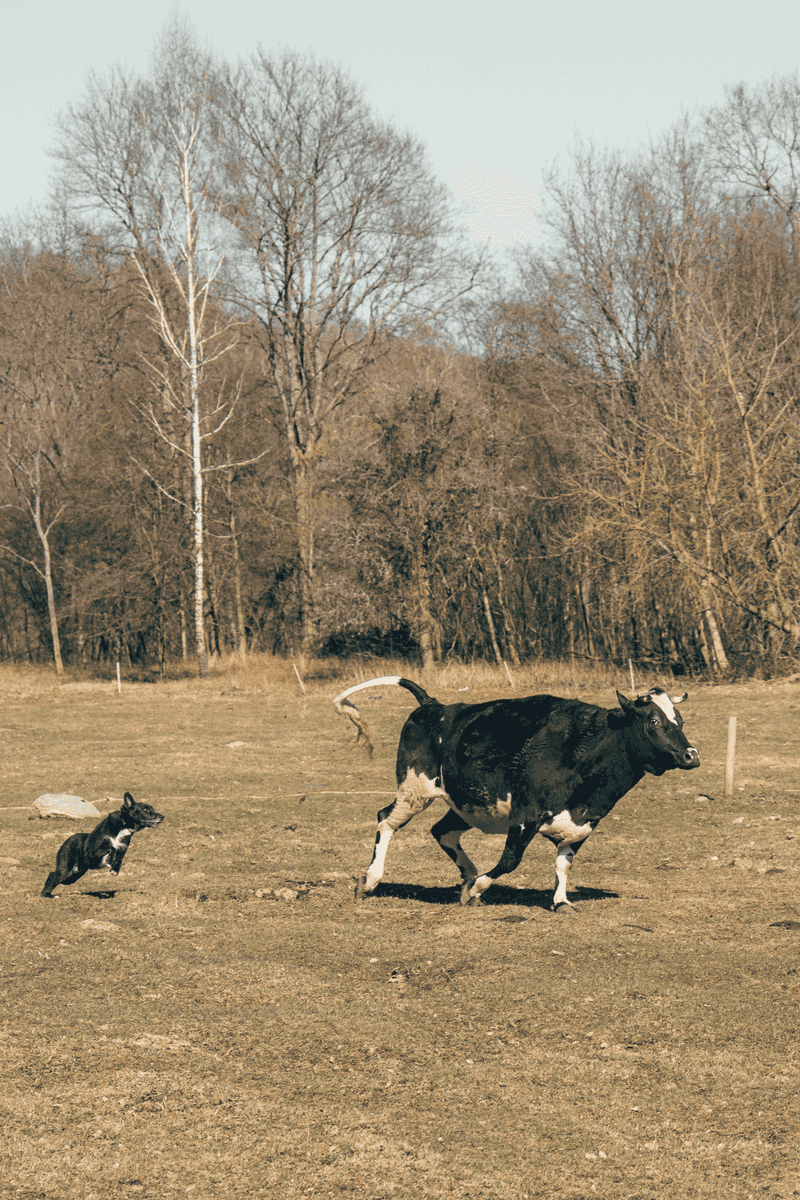
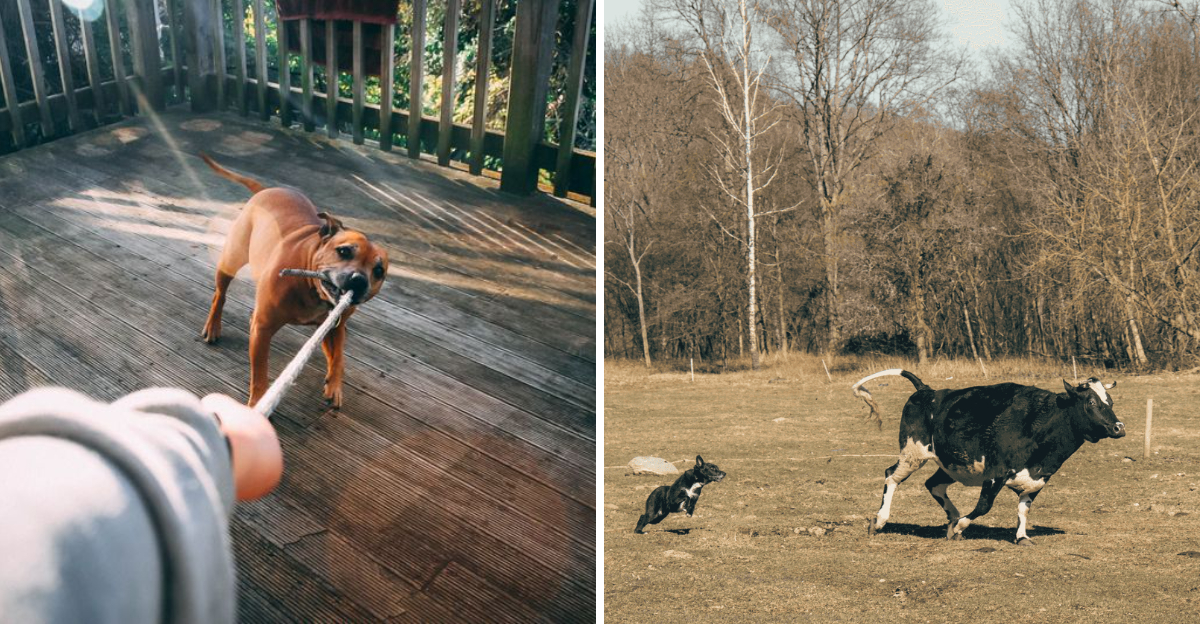
Rural walks come with a rule city owners rarely hear. Minnesota law allows penalties against owners whose dogs pursue, harass, or harm livestock and poultry.
Owners may owe the farmer for losses, and repeat problems draw more serious attention.
Sheep, calves, and chickens trigger chase instincts in even mellow pets. Leash up near pastures, and avoid letting dogs roam along fence lines.
Farmers appreciate a heads-up if your dog ever slips away.
4. Liability When a Dog Bites Without Provocation
Minnesota uses a strict liability rule for dog bites. If a dog injures someone who was acting peacefully and lawfully, the owner is generally responsible for the damages.
Prior good behavior does not excuse it. There is no free pass for a first incident.
Provocation and trespassing can change the outcome, but courts decide that case by case. Practical takeaway: manage greetings carefully, use secure fencing, and consider liability coverage through your homeowners or renters policy.
5. Farmers Have Legal Protection for Their Herds

Not the cheeriest entry, but owners deserve the facts. Minnesota law permits livestock owners to use force to protect animals from dogs actively attacking or harassing them.
The protection exists because farm animals cannot escape a determined chase.
That is exactly why loose dogs in farm country are so risky. Keep gates latched, check fence gaps each spring, and use a long line in open areas.
Prevention keeps this law purely theoretical for you.
6. Habitual Road Chasing Counts as a Public Nuisance

Some dogs treat passing cyclists and cars like personal challenges. Under Minnesota law, a dog that habitually chases or harasses people on public roads can be declared a public nuisance.
That label opens the door to enforcement action by local authorities.
Fixing the habit early saves stress. Block sightlines along the road, add a secure barrier, and reward calm behavior indoors.
Most road chasers simply need less access and more structured exercise.
7. Identification Is Required Away From Home

Tags do more than help a lost dog get home. State law says a dog off its owner’s premises and not under control must wear an approved form of identification.
Collar tags, license tags, and similar markers generally satisfy that expectation.
Microchips are a smart backup, though a chip cannot be read by a passerby. Keep your phone number current on the tag.
Check your city’s licensing rules too, since many require annual registration.
8. Parked Cars Are Not Safe Waiting Rooms

Minnesota summers heat a closed car surprisingly fast, and winters chill one just as quickly. State law prohibits leaving a dog unattended in a vehicle when heat, cold, or lack of ventilation endangers it.
Cracked windows do not reliably solve the problem.
Simplest fix: plan errands without the dog, or bring a second person to stay with them. Pet-friendly patios and drive-throughs handle the rest of your day nicely.
9. Officials May Open a Vehicle to Help a Pet
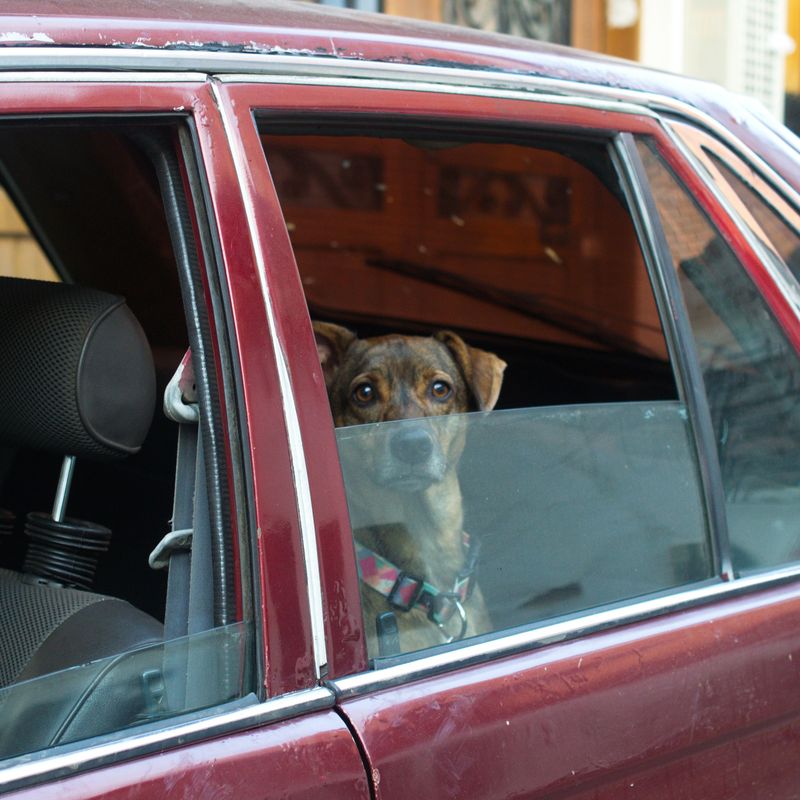
Worth knowing before you panic in a parking lot. Minnesota law allows certain officials, such as peace officers, humane agents, and animal control officers, to enter a vehicle to remove an endangered dog.
They are shielded from liability for reasonable damage during that rescue.
Private citizens do not have the same protection. If you spot a pet in distress, call 911 or local animal control, note the plate, and wait nearby.
10. Walking Away From a Dog Is Against the Law
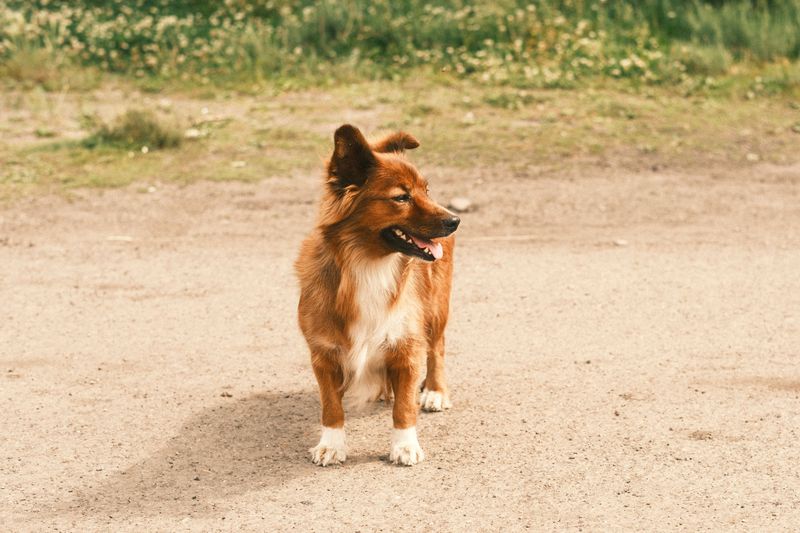
Life changes sometimes force hard decisions about a pet. Abandonment, however, is illegal in Minnesota, and that includes leaving a dog behind at a home, roadside, or park.
Owners are expected to arrange proper care or transfer.
There are real alternatives. Contact a shelter, humane society, or rescue group, and ask about surrender options or temporary help.
Many communities also offer pet food shelves and short-term boarding assistance during emergencies.
11. Food, Water, and Shelter Are Legal Minimums

Basic care is not just good manners in Minnesota, it is required. Owners must supply adequate food, clean water, and shelter suited to the animal’s needs.
Falling short can bring an animal cruelty or neglect charge.
Practical version: fresh water daily, quality food in appropriate portions, and a dry resting spot. In freezing weather, check that outdoor water has not iced over.
Heated bowls solve that headache from December through March.
12. Outdoor Housing Must Handle Minnesota Weather

January in Minnesota tests every shelter. State standards require outdoor dogs to have structurally sound, weatherproof housing with a floor, roof, and sides.
During colder months, wind protection at the entrance and dry bedding are expected as well.
Straw bedding insulates better than blankets, which absorb moisture and freeze. Face the doorway away from prevailing winds.
Even hardy northern breeds benefit from indoor time when temperatures drop sharply overnight.
13. Shade Is Not Optional in Summer

Come July, a bare yard becomes an uncomfortable place. Minnesota’s care standards call for shade during warmer months so dogs can escape direct sun.
Trees, awnings, canopies, or shaded structures all work.
Airflow matters as much as cover. A doghouse in full sun can hold heat rather than block it.
Add a raised cot in a shady corner, refill water often, and schedule walks for morning or evening hours.
14. Harsh Training Methods Are Off Limits
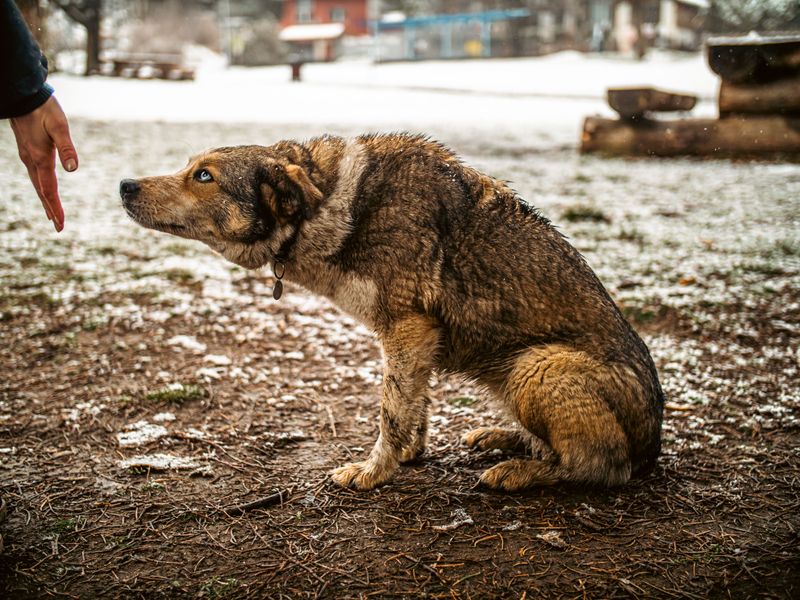
Training styles vary, but the law draws a line. Minnesota prohibits cruel treatment, including training or handling methods that cause unnecessary pain or suffering.
Equipment misused to inflict harm can fall under that prohibition.
The good news is that reward-based methods work well and build trust faster. Look for trainers who explain their approach clearly and welcome you to watch a class before enrolling.
Your dog learns better when relaxed.
15. Veterinary Care and Parasite Control Count Too

Care standards reach beyond food and fencing. Owners in Minnesota are expected to provide adequate health care, which includes treating illness and injury and controlling parasites.
Ignoring a worsening condition can be treated as neglect.
Ticks thrive across much of the state, so year-round prevention makes sense. Ask your veterinarian about heartworm testing, flea and tick products, and a vaccination schedule that fits your dog’s age and lifestyle.
16. Crossing State Lines Requires Paperwork

Moving or road-tripping with a dog? Minnesota generally requires dogs entering the state to have a current rabies vaccination and, in many cases, a certificate of veterinary inspection.
Requirements depend on age, origin, and purpose of the trip.
Rules also shift for imported rescue animals. Check with the Minnesota Board of Animal Health before travel, and carry copies of records in the glove box.
Digital backups on your phone help at checkpoints.
17. State Parks Have Their Own Leash Expectations
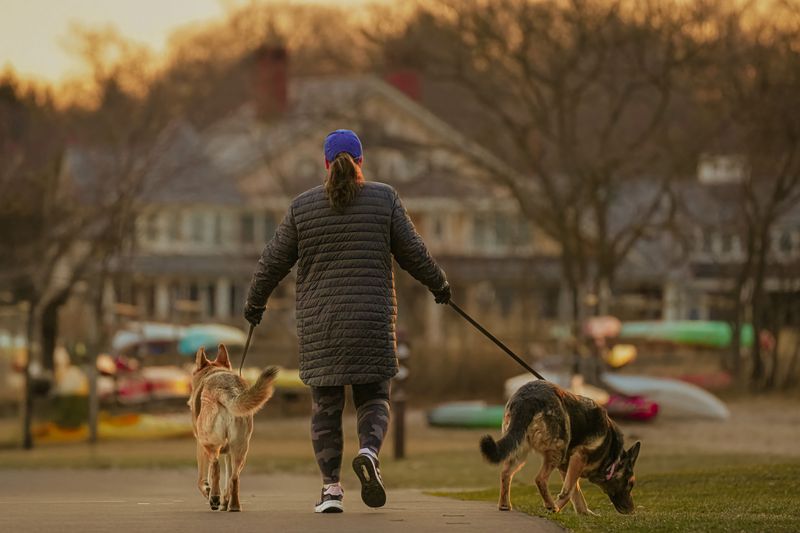
Minnesota state parks welcome dogs, with conditions. Pets must be kept on a leash generally no longer than six feet and cannot be left unattended anywhere in the park.
Buildings, beaches, and certain trails may be off limits entirely.
Check the specific park page before you go, since amenities differ. Pack water, waste bags, and proof of vaccination.
Then enjoy the trail knowing you and your dog are exactly where you belong.
Stay curious, stay kind, and your paperwork will rarely matter.