14 Water-Loving Dog Breeds For Delaware’s Bays And Beach Towns
Dewey Beach hands out its own dog licenses. Lewes opens its bay shoreline before 8 a.m.
Bethany rolls out the welcome mat once October arrives. Delaware’s coast runs on a schedule, and the dogs who thrive here are the ones built to use every minute of it: webbed paws, oily coats, rudder tails, and a total lack of hesitation about cold saltwater.
Some of these breeds will surprise you. Here are fourteen that were practically designed for the First State’s shoreline.
1. Labrador Retriever
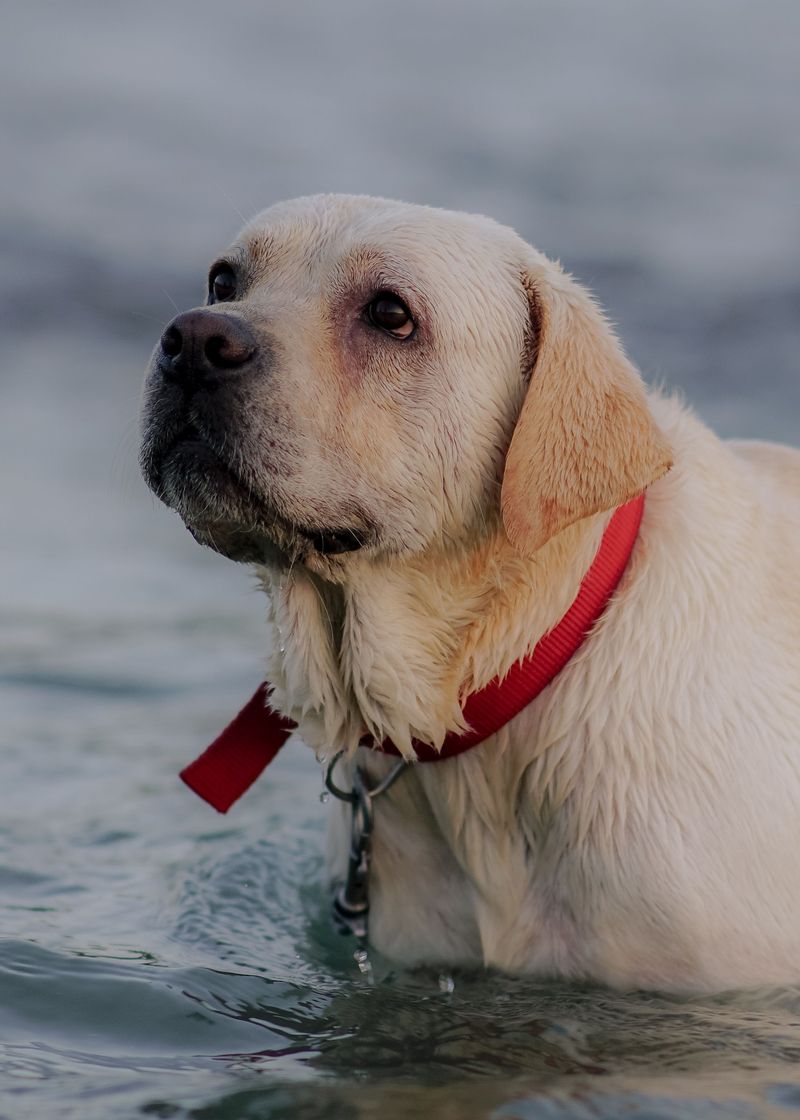
Ask any Dewey Beach regular which dog owns the early morning window, and the answer usually barks back with a tennis ball in its mouth. Labs pair a waterproof double coat with webbed toes and a thick otter tail that steers like a boat rudder.
Fun twist: the breed actually traces back to Newfoundland fishing crews, not Labrador. Bring two toys, because one always floats away.
2. Golden Retriever
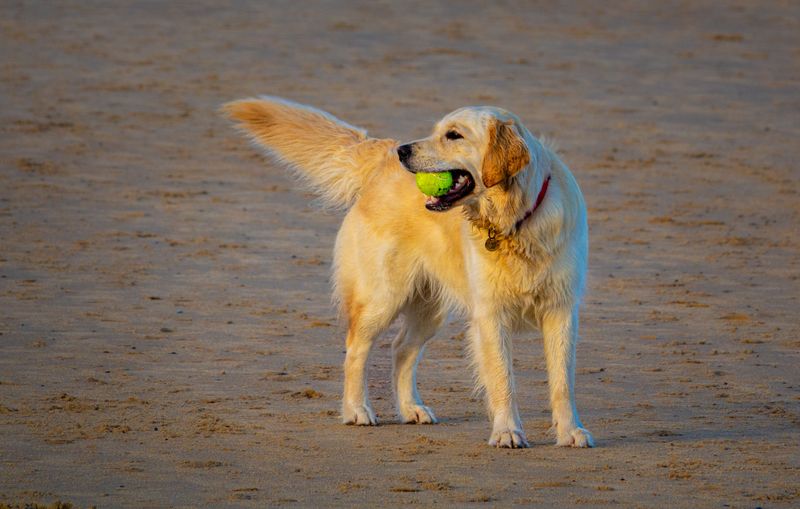
Golden coats and golden hour go together, especially along Lewes Beach after 6:30 p.m. in summer. Bred in the Scottish Highlands to fetch downed waterfowl, Goldens carry webbed feet and a dense, water-repellent double coat.
They swim cheerfully for ages and rarely complain about sandy car rides home.
One caution: that feathering traps grit, so rinse thoroughly and brush before knots settle in.
3. Chesapeake Bay Retriever
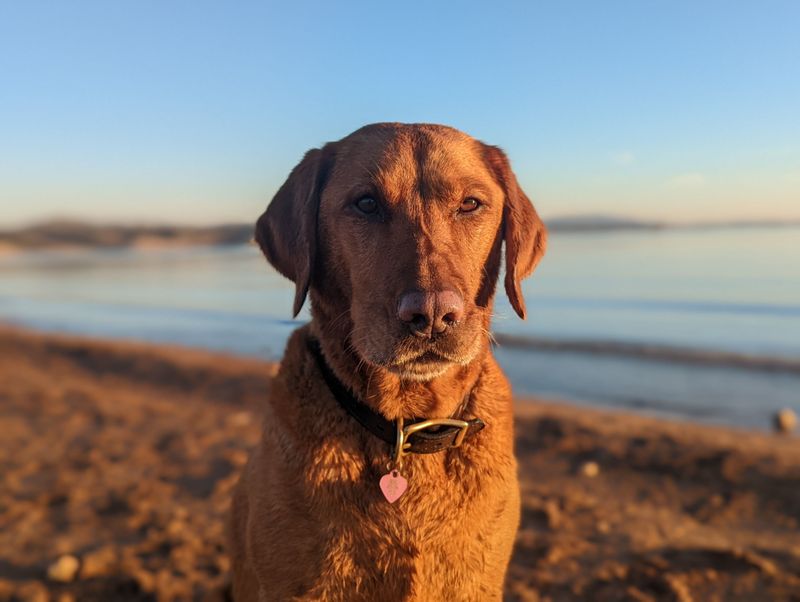
Just across the peninsula from Delaware, this breed earned its name working icy duck marshes. The Chessie coat feels oily and slightly wavy, shedding water the way a duck’s back does, with insulation underneath for chilly November swims.
Powerful shoulders and webbed feet keep them going long after other dogs quit.
Loyal, watchful, and a touch stubborn, they reward owners who train with patience and purpose.
4. Portuguese Water Dog
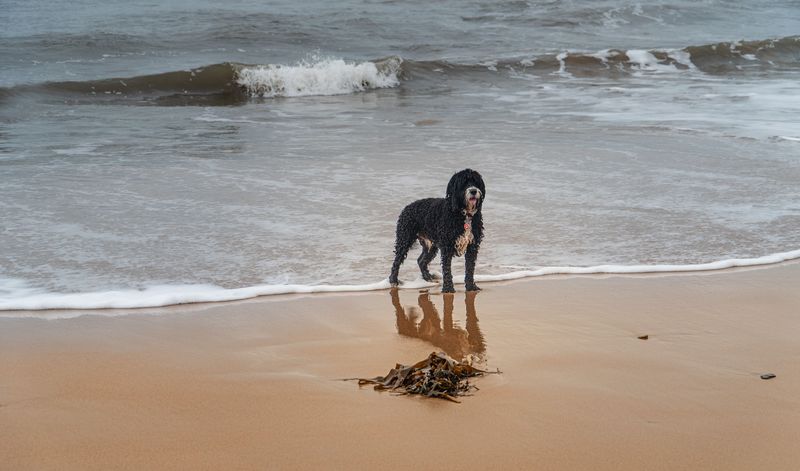
Picture a dog whose ancestors ferried messages between fishing boats and hauled in loose nets. That resume belongs to the Portie, and it shows the second paws hit the surf.
Curly, water-resistant hair, webbed feet, and a compact muscular frame handle chop with ease.
Low-shedding coats need regular grooming, though. Sharp, sociable, and hilariously chatty, they thrive on jobs, games, and daily saltwater workouts.
5. American Water Spaniel
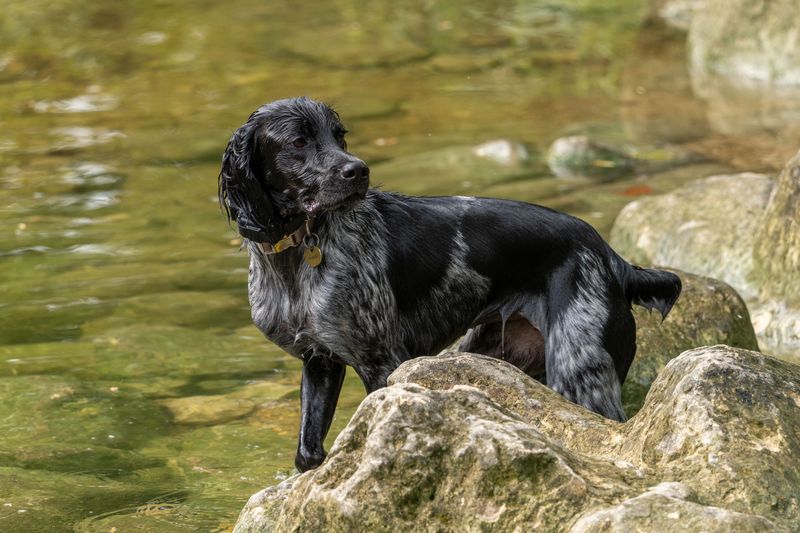
Wisconsin gave the world this pint-sized marsh specialist, bred to hop in and out of small skiffs without capsizing them. Tight curls form a waterproof shell that handles cool bay temperatures nicely.
Their nose is remarkable, and their determination borders on comic.
Rare enough that you may be the only one on the sand with one, an American Water Spaniel packs big retrieving talent into a portable frame.
6. Irish Water Spaniel
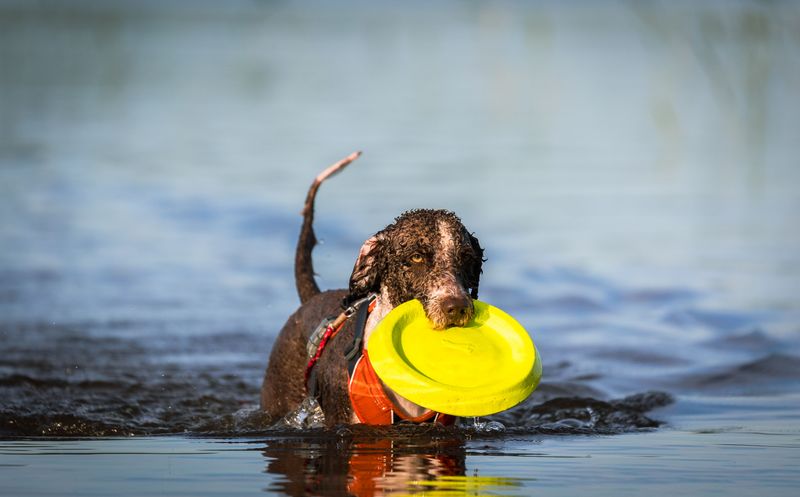
Nicknamed the clown of the spaniel family, this is also the tallest spaniel around. That famous smooth rat tail works as a rudder, steering through current while the crisp ringlets repel water.
Webbed toes finish the package.
Athletic and clever, they need real activity, not a token stroll. Give one an off-season Rehoboth shoreline and a floating bumper, and you have a very happy afternoon.
7. Boykin Spaniel
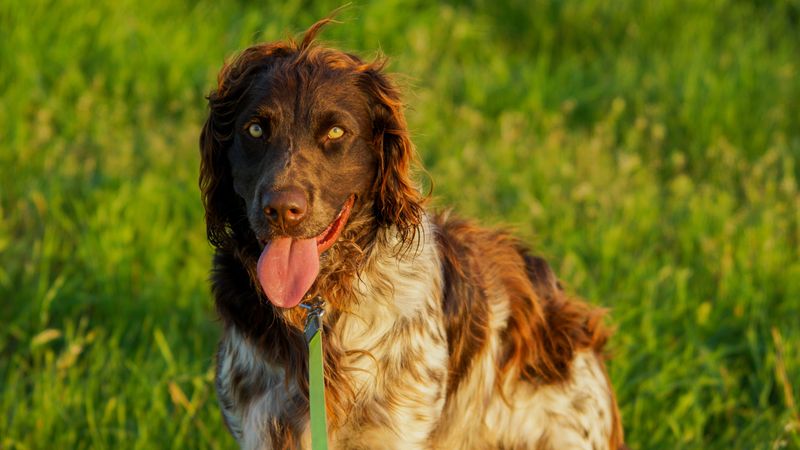
South Carolina swamps produced this bouncy little retriever, and warm weather barely slows it down. Heat tolerance makes the Boykin a smart pick for muggy July mornings along Delaware Bay.
Webbed feet and a water-repellent coat handle the swimming duties.
Cold snaps are another story, so a neoprene vest helps in late fall. Friendly with kids and endlessly game, they turn fetch into an athletic event.
8. English Springer Spaniel
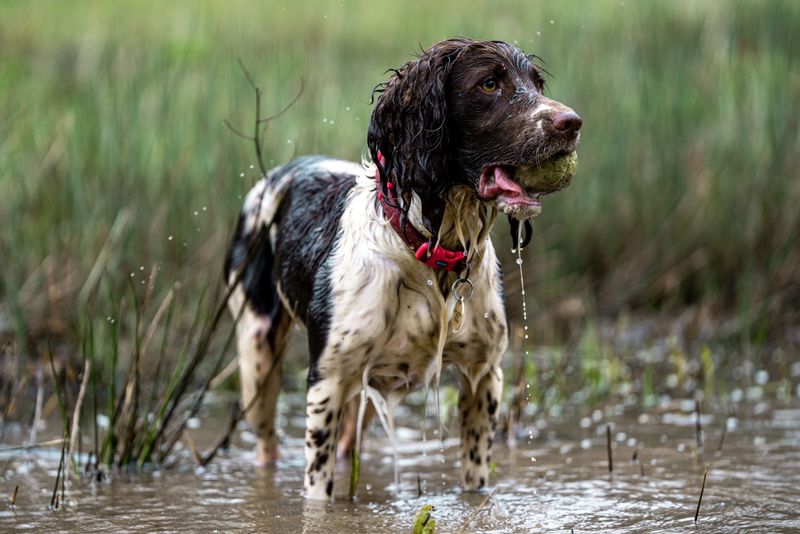
Ears flapping, feet churning, a Springer hits the water like the tide personally invited it. Webbed toes improve their paddling, and their eager-to-please wiring makes recall training pleasantly straightforward.
They handle cool water fine, though a vest helps once temperatures drop.
Those long ears trap moisture, so dry them after every swim. Trails at the James Farm Ecological Preserve in Ocean View suit their leashed exploring perfectly.
9. Nova Scotia Duck Tolling Retriever
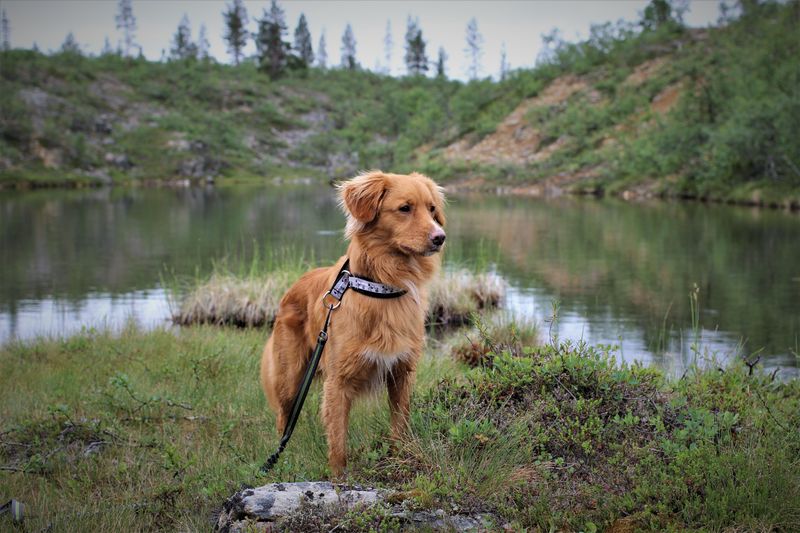
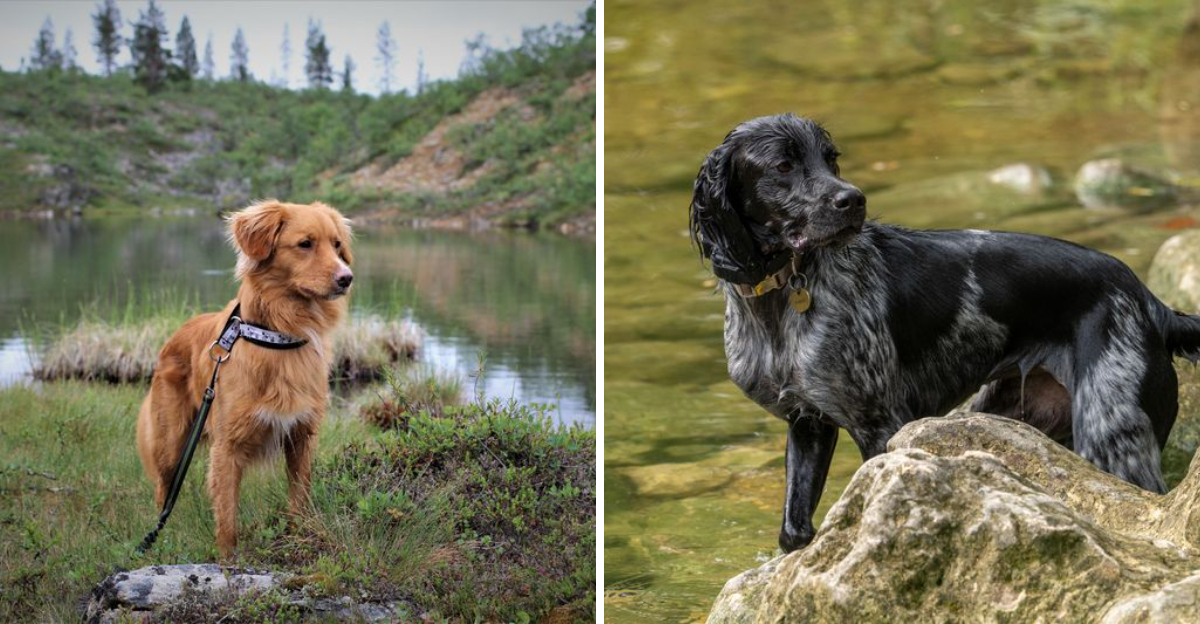
Foxy red coat, white blaze, and a job description unlike any other retriever: tolling means luring curious ducks closer by playing at the water’s edge. Tollers still bring that theatrical energy everywhere.
A water-repellent double coat and webbed feet handle cold work with no fuss.
Compact enough for a beach cottage, intense enough to need real exercise, they suit active owners who enjoy training sessions.
10. Flat-Coated Retriever
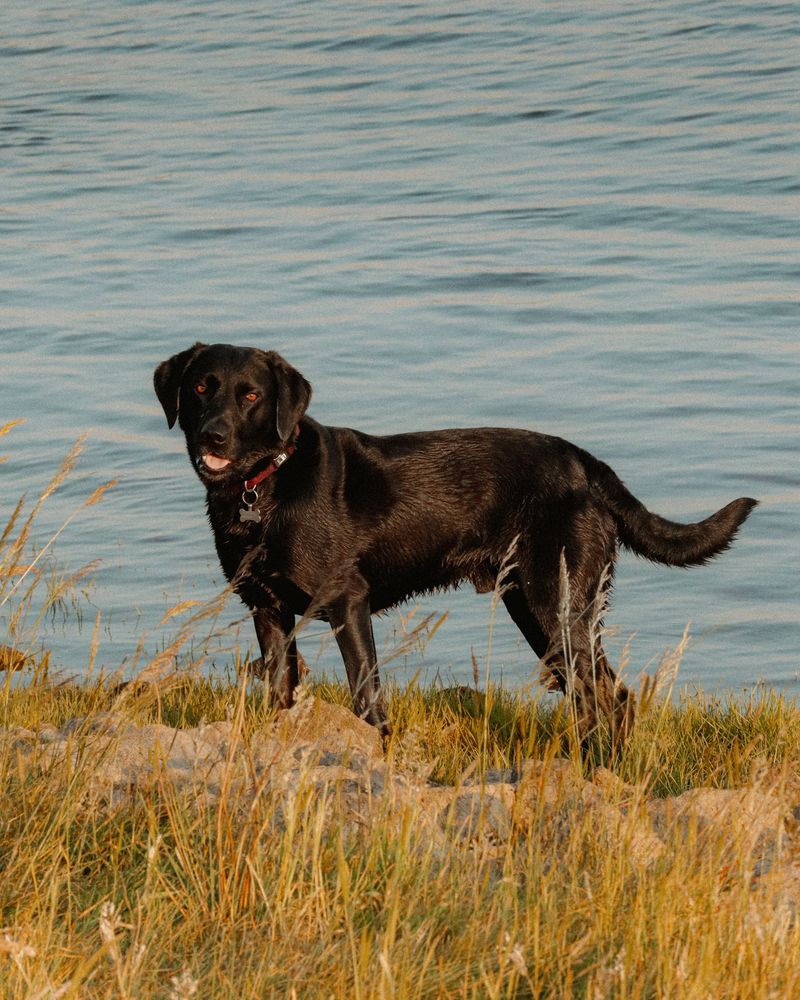
Forever young at heart, this glossy retriever treats every wave like a personal invitation. Flat-Coats were built as water-repellent retrievers, and swimming remains their favorite way to burn energy.
They love carrying things, so expect driftwood deliveries you did not request.
Sensitive souls, they respond best to cheerful encouragement rather than sharp corrections. Off-season strolls along Bethany Beach give them room to romp legally and happily.
11. Newfoundland
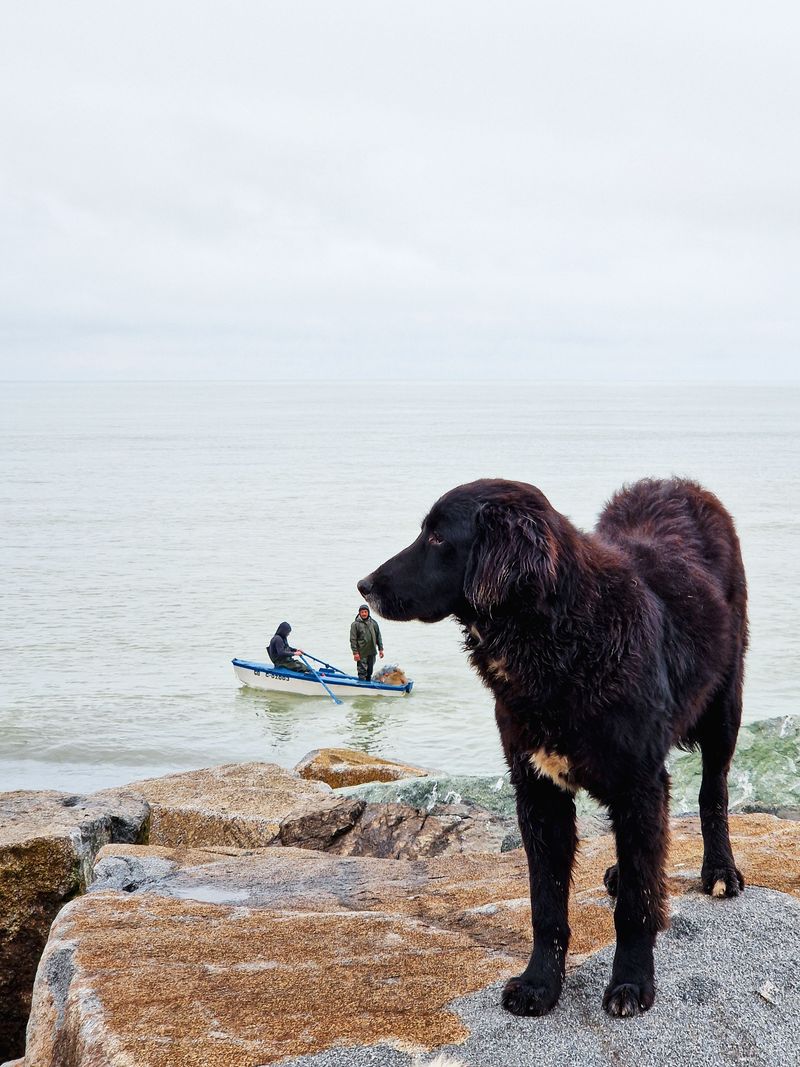
Nature’s lifeguard shows up wearing a fur coat two sizes too big and paws like paddles. Newfoundlands float remarkably well, thanks to a thick waterproof double coat and serious lung capacity.
Fishermen relied on them for hauling lines and rescuing people overboard.
Calm, steady, and famously tolerant, they prefer cooler days over August heat. Bring towels, plural, and expect a puddle wherever this giant decides to nap.
12. Standard Poodle
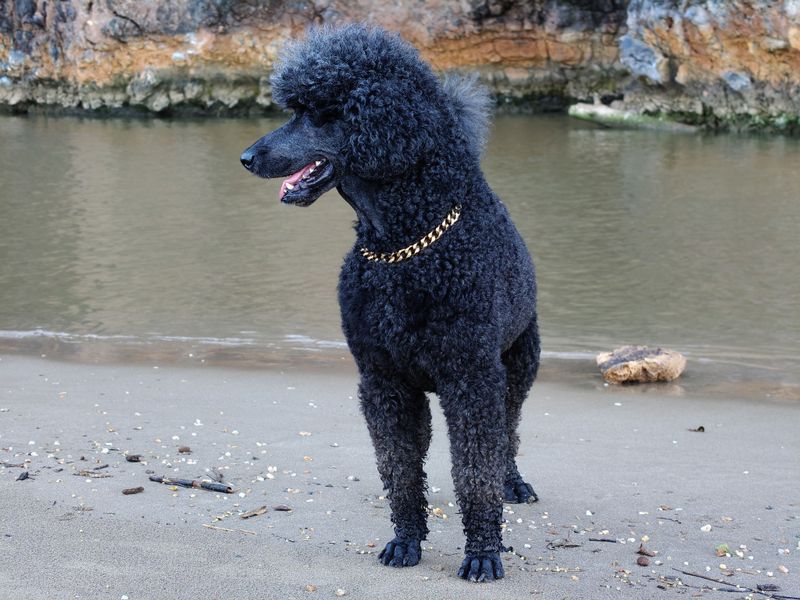
Underneath the show-ring reputation sits a genuine German duck dog. The name comes from pudel, meaning to splash, and that traditional lion clip was purely practical: less drag while swimming, extra coat over joints and chest.
Dense curls insulate against cold water.
Standards are athletic, quick-thinking, and easily bored, so pair beach time with training games. A sporty short trim keeps sand from settling in.
13. Spanish Water Dog
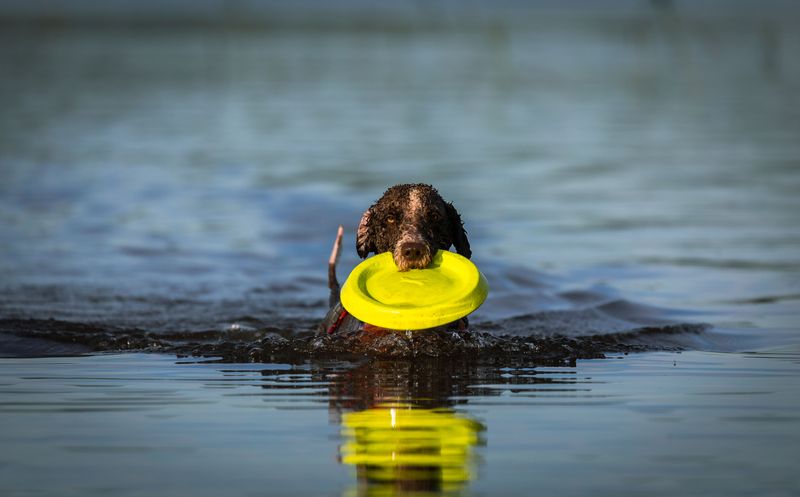
Corded curls, webbed feet, and a coastal Spanish work history make this breed a shoreline natural. Their woolly coat naturally forms cords that shield skin and shrug off water.
Historically, they helped fishermen with nets and kept an eye on the day’s catch, plus herded livestock inland.
Loyal to their people and wary of strangers, they benefit from early socialization. Skip brushing; the cords are meant to separate by hand.
14. Barbet
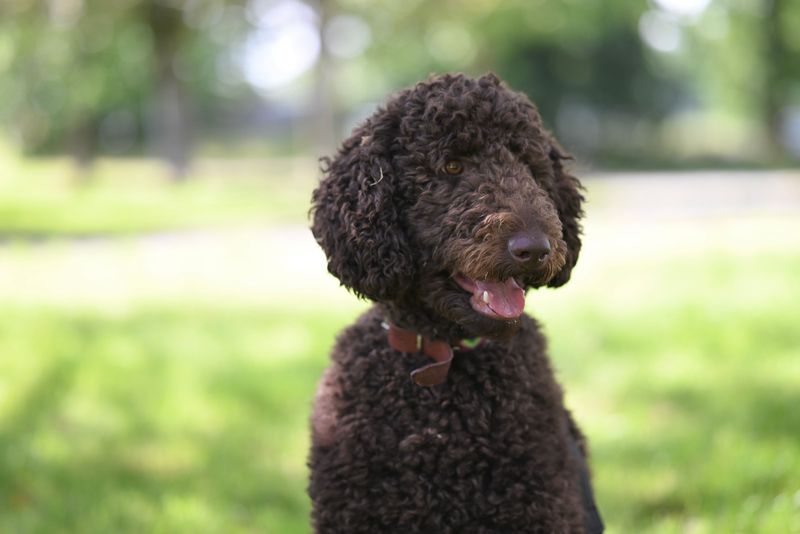
Long before poodles took the spotlight, French marsh hunters relied on this shaggy swimmer. The Barbet’s dense woolly coat is genuinely waterproof, and a beard gives it a permanently amused expression.
Powerful legs push through current with surprising speed.
Still uncommon in the States, Barbets are clever, affectionate, and deeply attached to their humans. Broadkill Beach, near Prime Hook National Wildlife Refuge, welcomes leashed dogs year-round for exactly this kind of paddling.