What Georgia Dog Owners Need To Know About Heat, Humidity, Snakes, And Summer Walks
Summer in Georgia has its own rhythm: thick air, warm sidewalks, and afternoon storms that never quite cool things down. If you walk a dog here, a few local habits make all the difference between a pleasant stroll and a rough one.
The good news is that most summer risks are easy to manage once you know what to watch for. Here is what experienced Georgia owners keep in mind, from humidity and hot pavement to the snakes that share our yards and trails.
1. Read The Full Weather Picture, Not Just The Temperature
A quick glance at the thermometer misses half the story. Heat index, humidity percentage, and whether there is any breeze all shape how hard your dog has to work.
Still air on a sticky afternoon traps heat close to the ground where your dog walks.
Take ten seconds to check your weather app before leashing up. That small habit helps you choose the right route, the right pace, and the right length of walk.
2. Sunrise And After Dark Are Your Best Windows
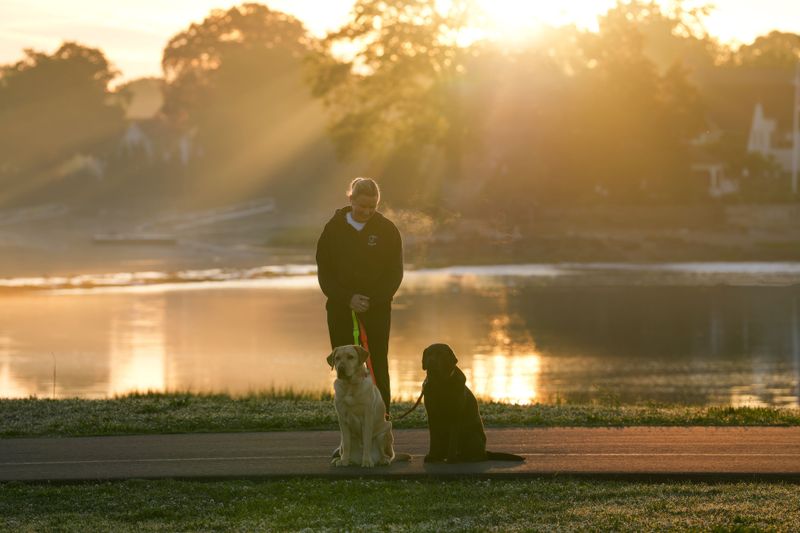
Ask any Georgia dog walker and they will tell you the day has two good windows. Before about 10 a.m. and after roughly 7 p.m. tend to be kindest.
Early mornings often win because surfaces cooled all night long.
Evening walks can still feel warm since pavement holds heat for hours after sunset. Shift your schedule seasonally, and both of you will enjoy the outing far more than a midday slog.
3. Humidity Changes The Whole Equation
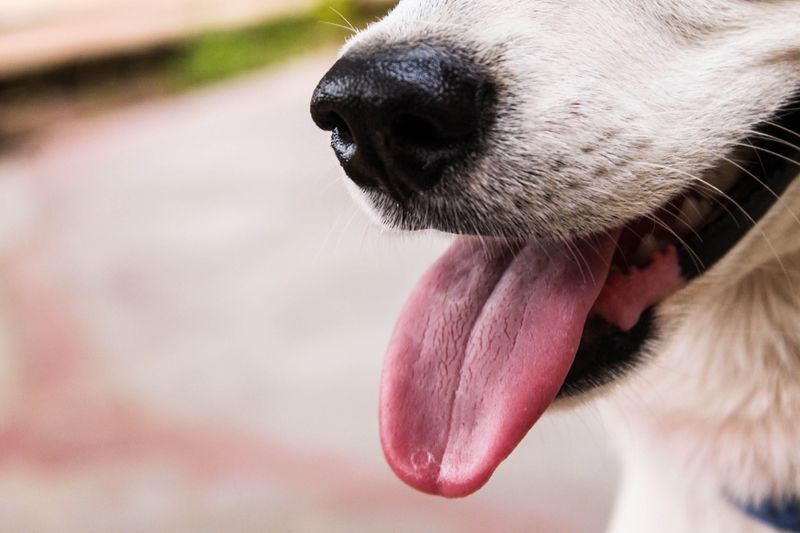
Dogs do not sweat the way we do. They cool off mainly by panting, which relies on moisture evaporating from the mouth and airways.
When Georgia air is already loaded with moisture, that evaporation slows way down. Panting simply works less well.
So a muggy 82 degree morning can stress a dog more than a dry 90 degree day. Watch the humidity number, not just the temperature reading, before you head out the door.
4. Your Winter Routine Needs A Summer Rewrite
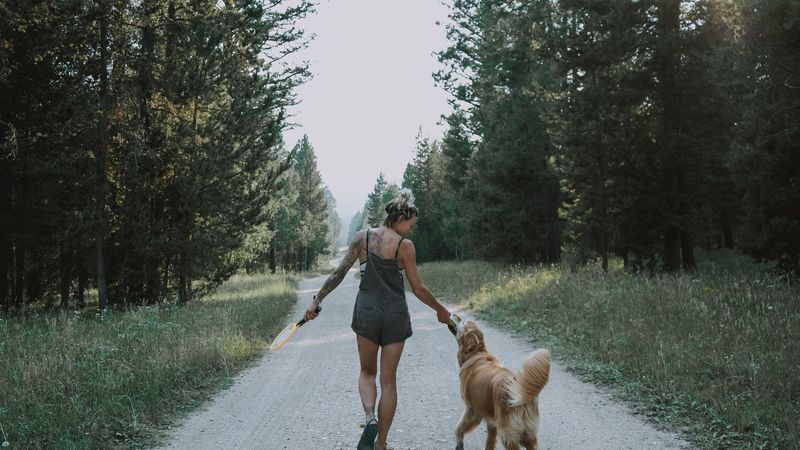
That brisk three mile loop you both loved in January can be too much in July. Heat and humidity raise the effort level without changing the distance.
Many owners swap one long outing for two or three shorter ones during cooler hours.
Sniff walks, shaded routes, and slower pacing still satisfy a dog’s need for stimulation. Adjusting the plan is not spoiling your dog.
It is smart seasonal training.
5. Some Dogs Have No Off Switch
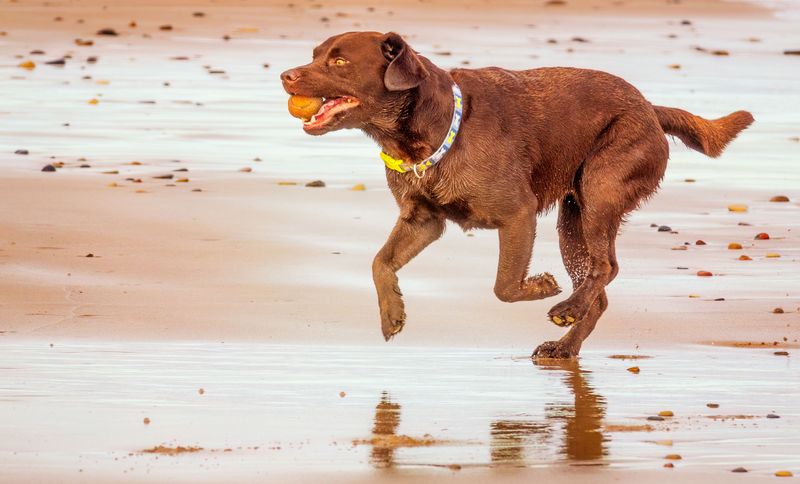
Retrievers, herding breeds, and any ball obsessed dog will often keep going long past sensible. Drive overrides discomfort in the moment.
Your dog is not going to call time out, so you have to.
Set limits before play starts: a set number of throws, a timer, or a shady break every few minutes. Ending a game while your dog still looks eager is usually the right call in summer.
6. Flat Faces, Gray Muzzles, And Extra Pounds Deserve Extra Care
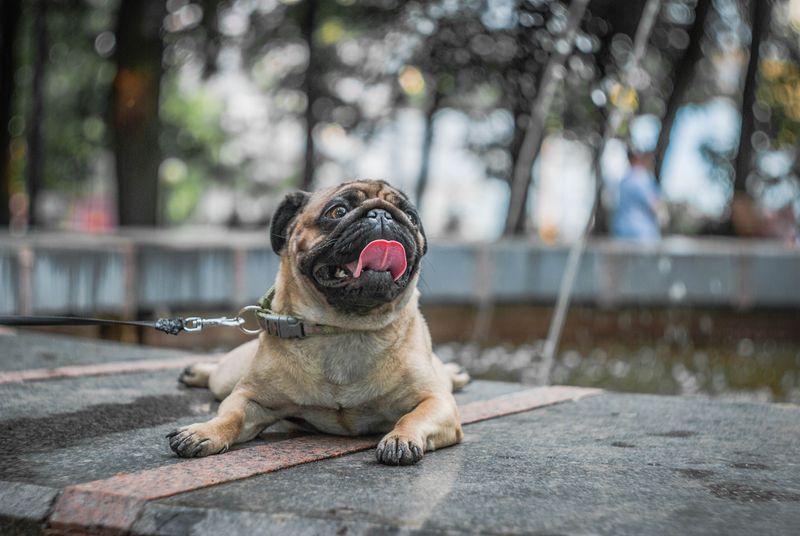
Bulldogs, Pugs, Boxers, Boston Terriers, Shih Tzus, and Pekingese have narrowed airways that make cooling harder. Panting just does not move enough air.
Senior dogs, young puppies, and overweight dogs also regulate temperature less efficiently.
Thick double coated breeds like Huskies, Malamutes, Chow Chows, Saint Bernards, and Great Pyrenees heat up quickly too. For these dogs, keep summer outings short, shaded, and close to home.
7. Pack Water Like You Would For Yourself
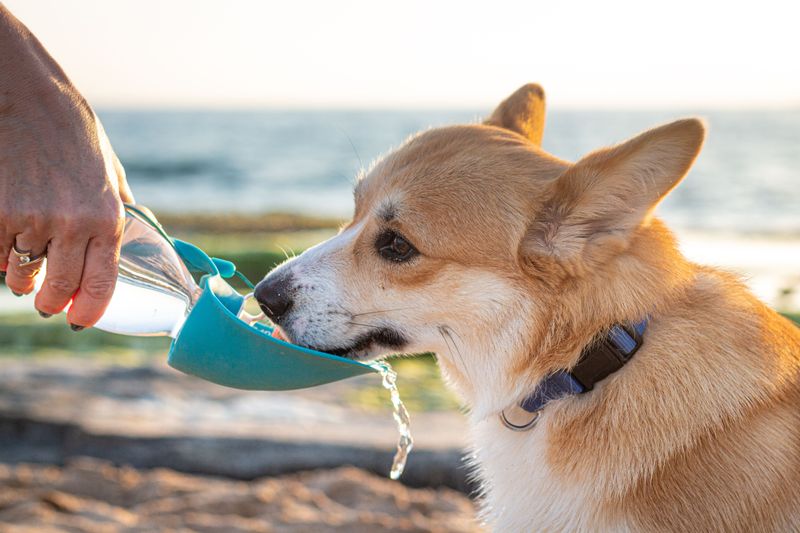
Panting burns through fluids fast, and Georgia humidity speeds that along. A portable bottle and a collapsible bowl weigh almost nothing.
Offer a drink every ten to twenty minutes on warm, sticky days.
Small sips more often work better than one big gulp at the end. Some owners freeze half a bottle overnight so the water stays cool through the walk.
Simple prep, noticeable difference in comfort.
8. Shade Helps, But It Is Not A Free Pass
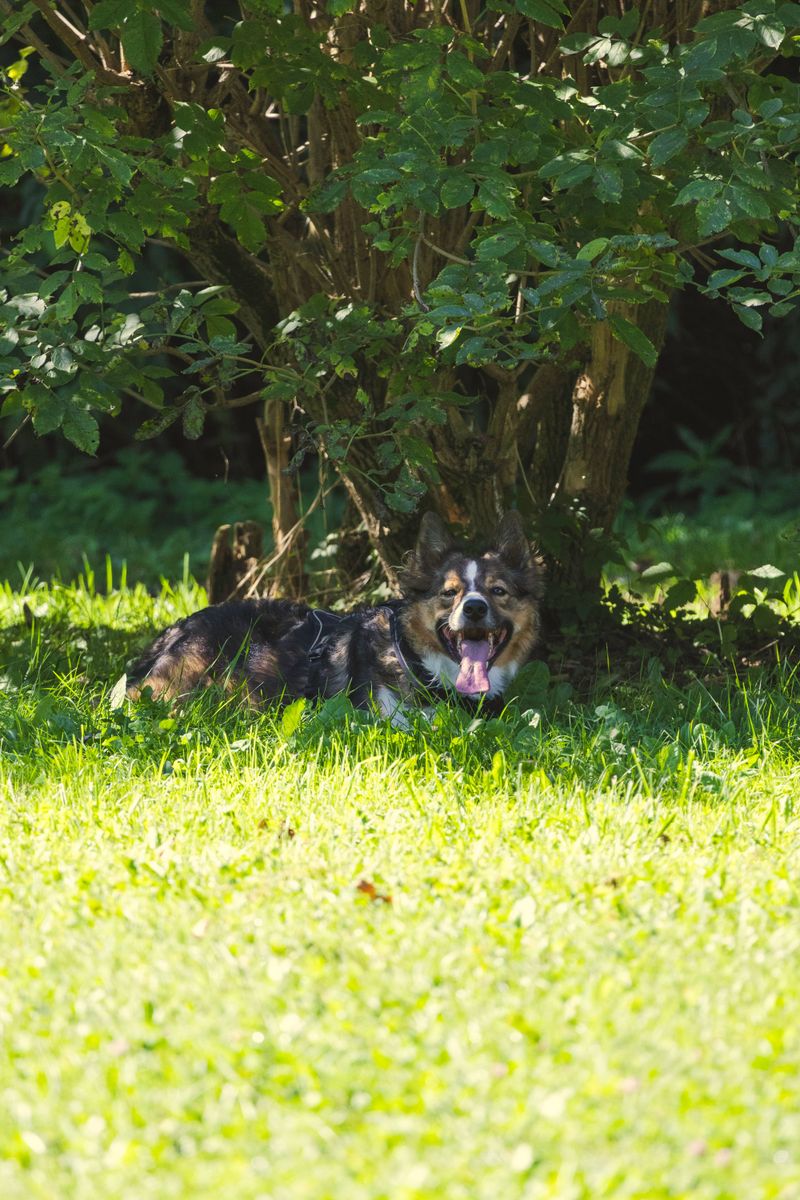
Stepping under a tree cuts direct sun, and that genuinely helps. What shade cannot do is dry out the air.
High moisture still blocks the evaporation your dog depends on for cooling.
Plenty of dogs overheat in shaded backyards on muggy Georgia afternoons. Treat shade as one tool among several: shorter time outdoors, water breaks, air movement, and indoor air conditioning when the humidity climbs high.
9. Asphalt Turns Into A Hot Plate
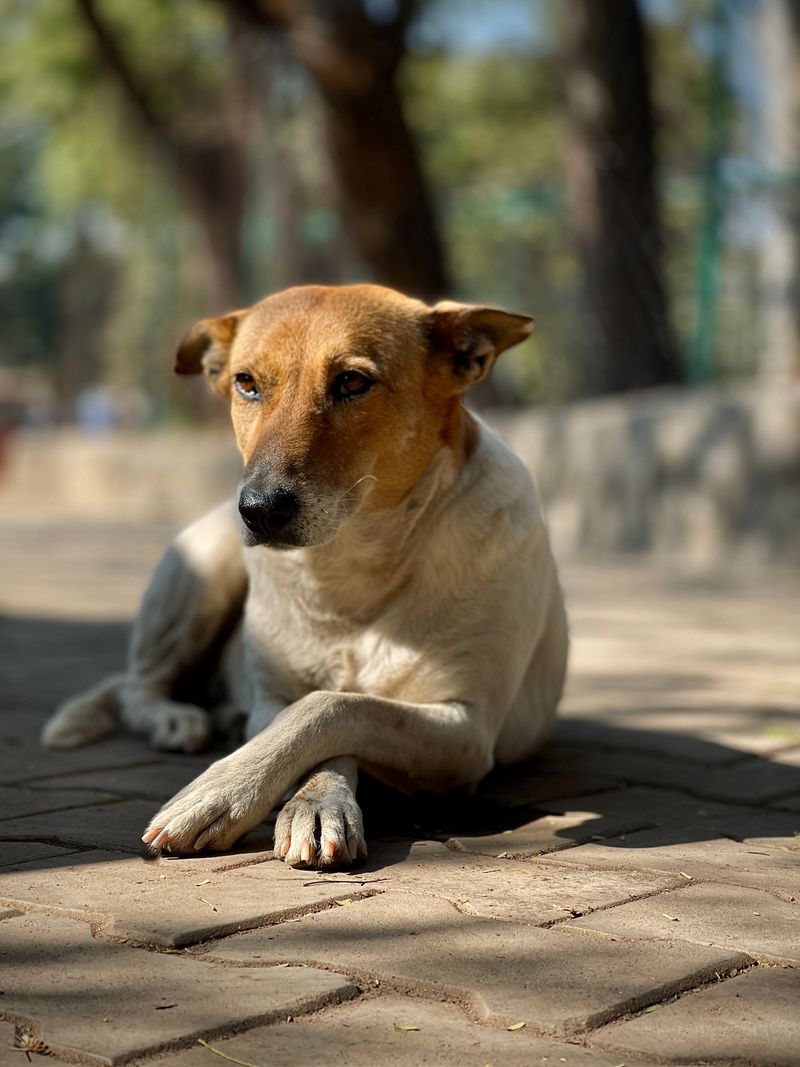
Dark surfaces soak up sunlight and hold it. Asphalt and concrete can run 40 to 60 degrees hotter than the air.
When it is 85 to 95 degrees out, pavement may reach 135 to 140 degrees.
Paw pads are tough but not fireproof, and burns can happen in minutes or less. Parking lots, driveways, and bridges are the worst offenders.
Cross them quickly or avoid them entirely.
10. The Back Of Your Hand Is A Reliable Tester
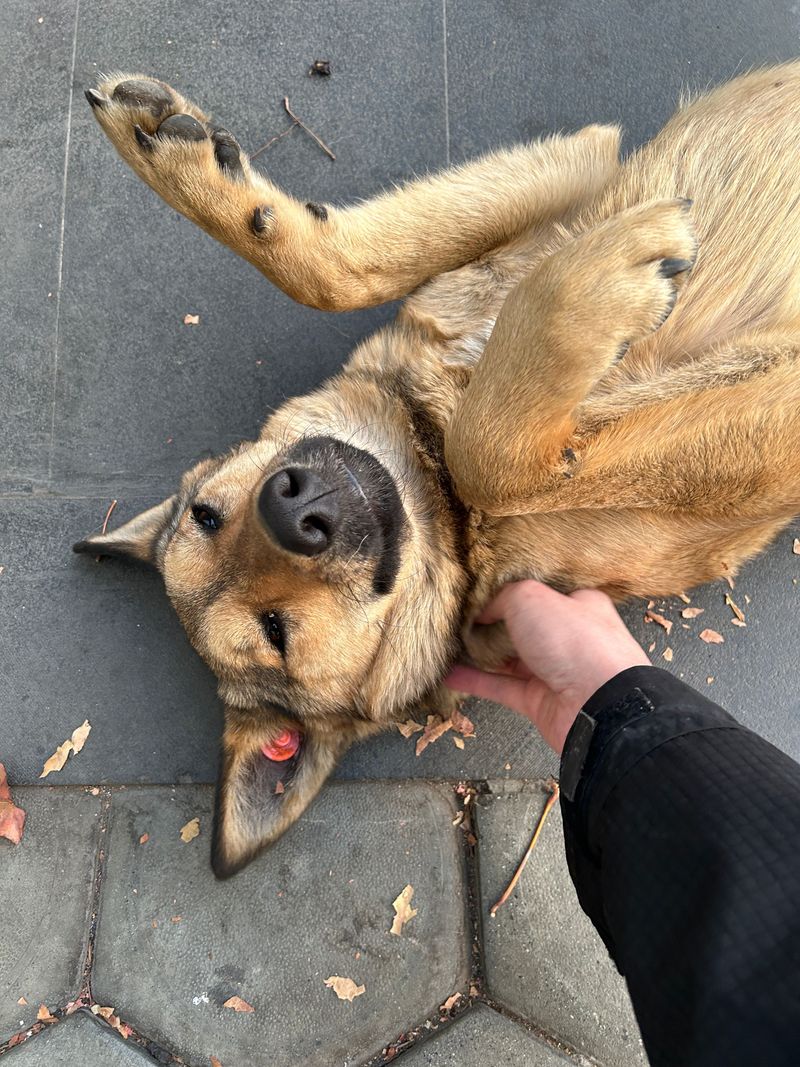
Here is the trick veterinarians repeat every summer: press the back of your hand flat on the pavement.
Hold it there for about seven seconds. If you pull away sooner, the surface is too hot for paws.
Some owners use a five second version to be safer. Either way, do the test at the start of the walk and again if you switch surfaces.
It takes a moment and settles the question.
11. Choose Grass And Shaded Dirt Whenever You Can
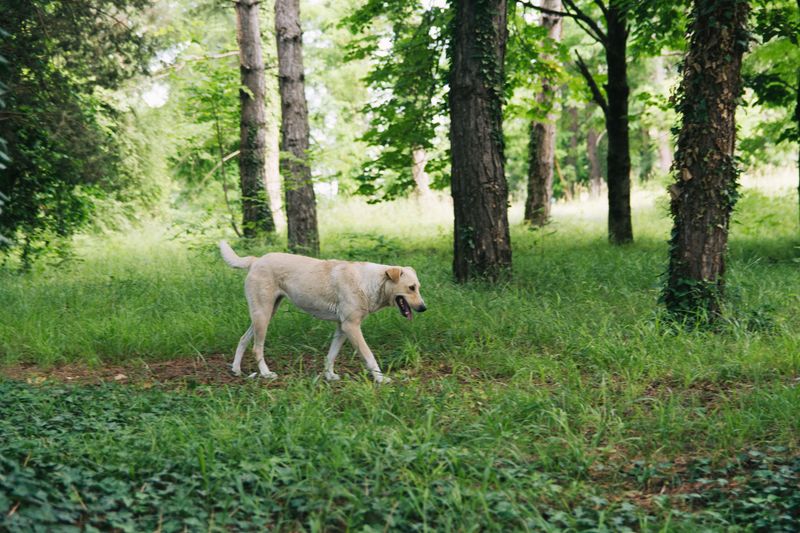
Natural ground stays noticeably cooler than pavement because it reflects less heat and holds moisture. Grass verges, dirt trails, and pine straw paths are all friendlier underfoot.
Georgia has plenty of tree lined parks and greenways worth exploring in summer.
Plan routes with soft footing and canopy cover, even if that means driving a few minutes. Your dog’s paws will thank you, and the walk feels cooler for you too.
12. Catch Heat Stress While It Is Still Early
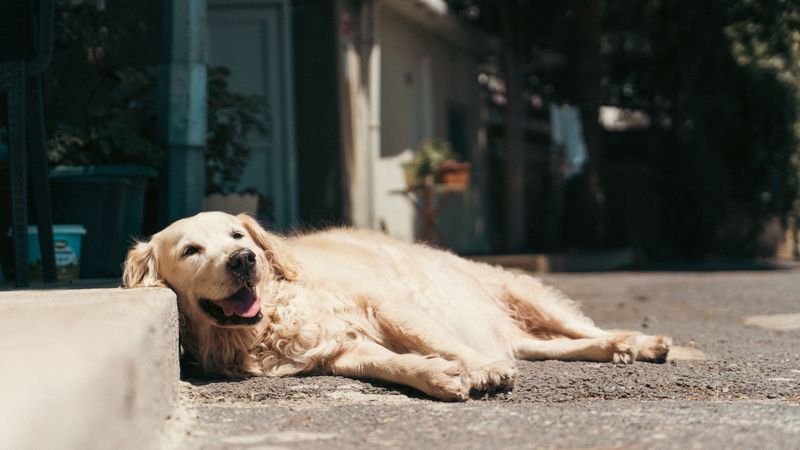
Early signals are usually subtle. Look for heavy panting, thick drooling, extra thirst, restlessness, or sudden sluggishness.
A dog searching for shade, slowing down, or planting their feet is telling you something.
Gums that look bright red or unusually pale, a racing heartbeat, and general weakness all belong on your watch list. Head home, offer water, and cool things down at the first sign rather than the third.
13. Suspected Heatstroke Means Call The Vet Now
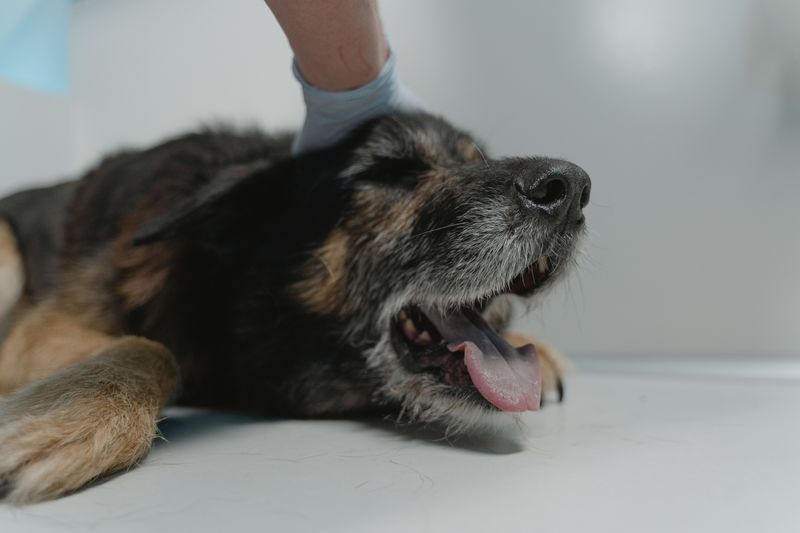
Heatstroke is a true emergency and needs veterinary help right away. Move your dog into shade or air conditioning first.
Begin cooling with cool, not icy, water over the head, belly, armpits, and feet, then add a fan.
Skip ice water and avoid draping wet towels, since both can slow cooling or trap heat. Call your veterinarian or an emergency clinic while you are on the way.
14. Parked Cars Are Off Limits, Period
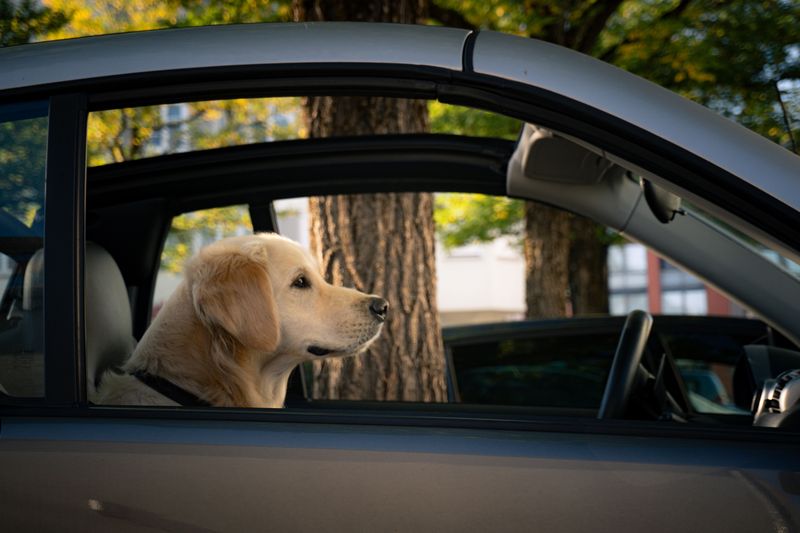
Car interiors heat up alarmingly fast, even on mild, overcast days. Temperatures can pass 100 degrees within minutes.
Georgia has no statute naming hot cars specifically, but the general animal cruelty law can apply, and penalties escalate if an animal is harmed.
Certain local ordinances go further. Augusta, for example, limits leaving an animal unattended in a vehicle when it is above 85 degrees.
Rules vary, so check locally.
15. Know Which Georgia Snakes Are Which
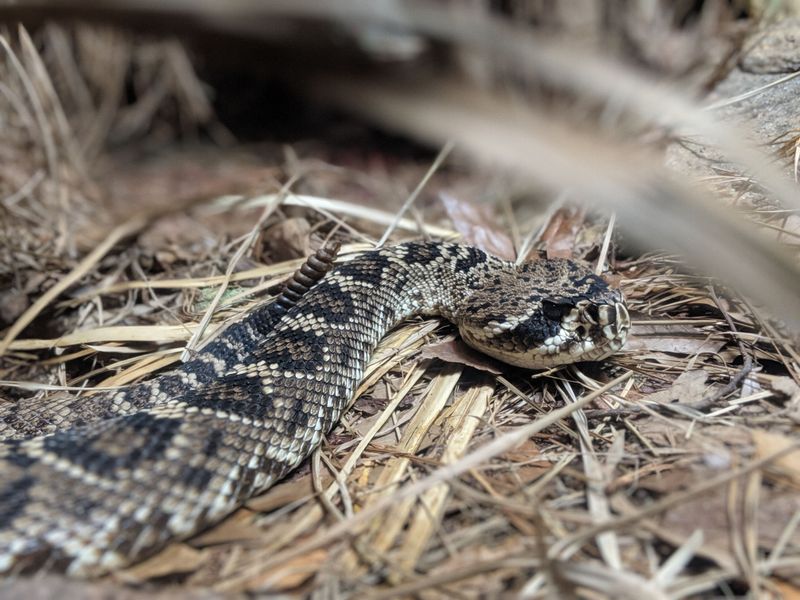
Georgia is home to 47 native snake species, and only six or seven are venomous. Odds favor a harmless neighbor.
The venomous group includes the Copperhead, Cottonmouth, Eastern Coral Snake, Eastern Diamondback Rattlesnake, Pygmy Rattlesnake, and Timber Rattlesnake.
Copperheads turn up most often in suburbs. Rat snakes, black racers, brown snakes, kingsnakes, and water snakes are common and helpful.
Kingsnakes even eat other snakes, venomous ones included.
16. Curiosity Is The Real Danger
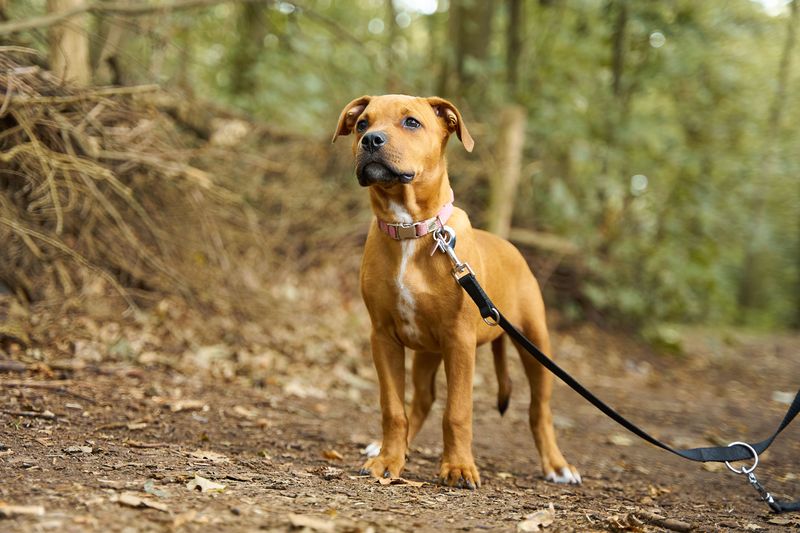
Most bites happen because a dog decided to investigate. Nose down, paw out, and the situation escalates in seconds.
Never let your dog chase, poke at, or corner a snake, even one that looks harmless.
A leash gives you the control to steer away calmly before things get interesting. Practice a solid recall and a reliable leave it cue.
Both are worth more than any warning sign on a trail.
17. Brush Piles And Rock Stacks Are Prime Real Estate
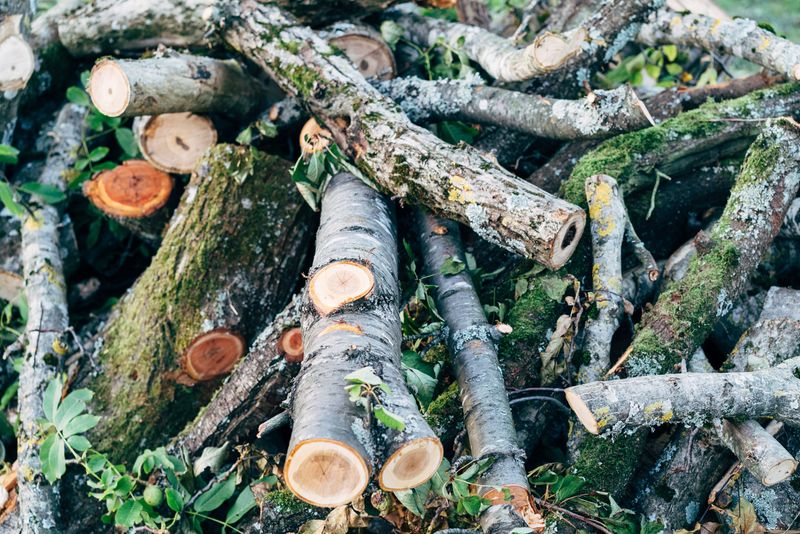
Snakes look for cover and cool hiding places, and cluttered yard corners deliver both. Fallen logs, woodpiles, tall weeds, and stacked stones are favorites.
Mow regularly, trim overgrown patches, and clear brush or debris piles when you can.
On walks, steer your dog around log edges, rock walls, and thick ground cover instead of through them. Reducing hiding spots at home cuts down surprise encounters more than anything else.
18. A Suspected Venomous Bite Cannot Wait
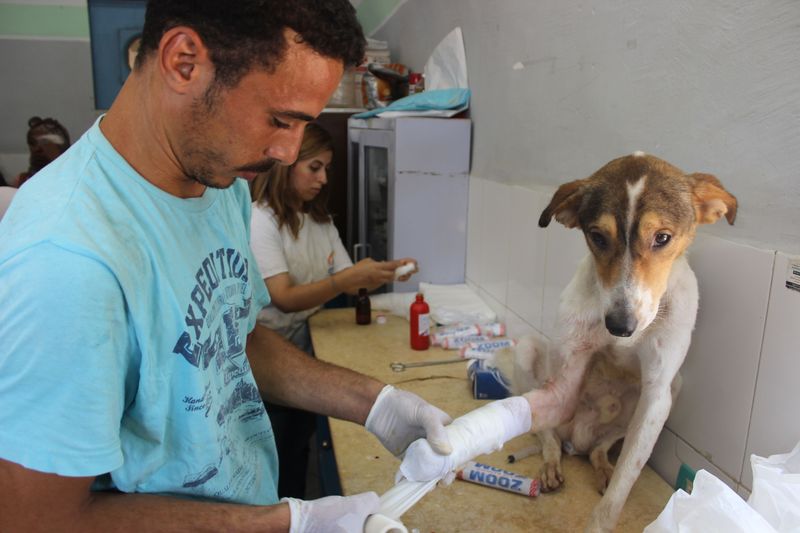
If you think a venomous snake bit your dog, call your veterinarian or the closest emergency clinic immediately. Antivenom works best when given early.
Keep your dog quiet and still, since movement helps venom travel faster.
Do not use a tourniquet, cut the wound, try to draw venom out, or apply ice. Those methods cause harm.
Even nonvenomous bites deserve a checkup because of infection risk.
Stay calm, move quickly, and let the professionals handle the rest. That combination keeps Georgia summers safe and enjoyable for both ends of the leash.