Why Rocky Shorelines And Cold Atlantic Water Change Dog Swim Safety In Rhode Island
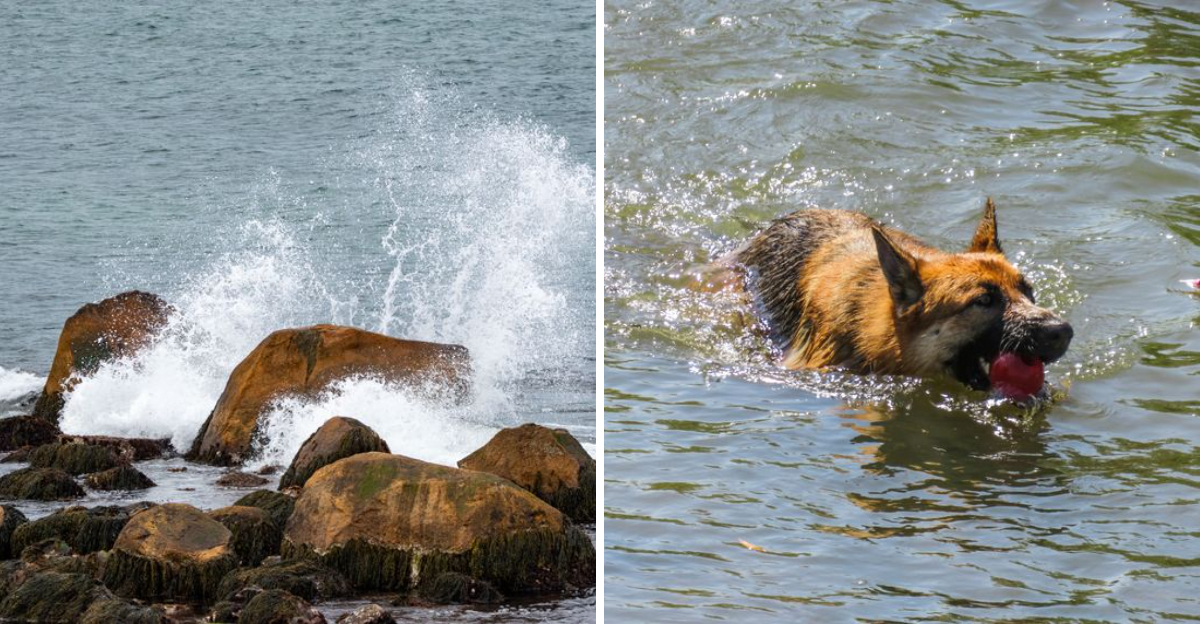
If you live in Rhode Island, chances are your dog has already met the ocean.
Our coastline is beautiful, varied, and genuinely fun for dogs, but it behaves differently than a calm pond or a backyard pool. Cold Atlantic water, shifting tides, jetties, and stretches of rock all change what a safe swim looks like.
Below you will find twenty practical points about cold water, rocky footing, currents, and the small habits that keep swims uneventful.
Cold Water Pulls Heat From Dogs Faster Than Owners Expect
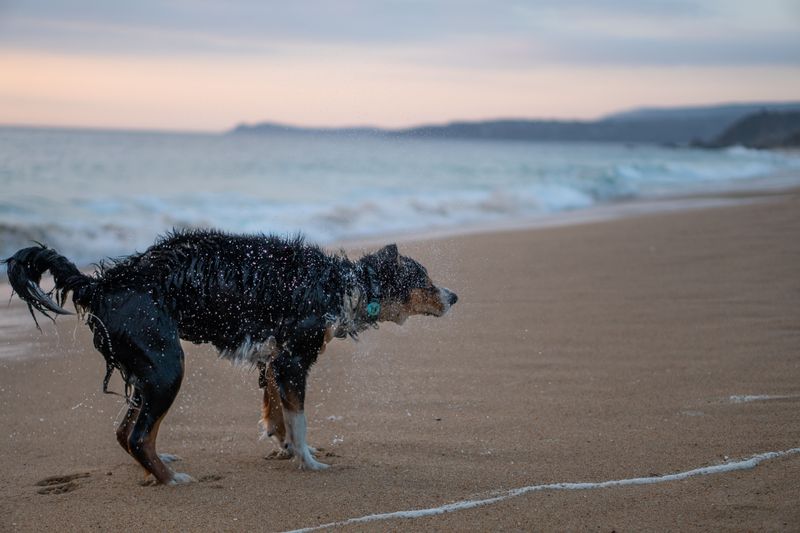
Atlantic water off Rhode Island stays chilly well into summer, and that matters. A dog’s normal temperature sits near 101 to 102.5 degrees Fahrenheit.
Water below 50 degrees can pull heat away quickly.
Shivering, stiffness, pale gums, or stumbling are signs to head home. Wind on wet fur speeds the cooling even more.
Simple rule: if the water feels too cold for you, treat it as too cold for your dog.
Puppies Lose Body Heat Quicker Than Grown Dogs
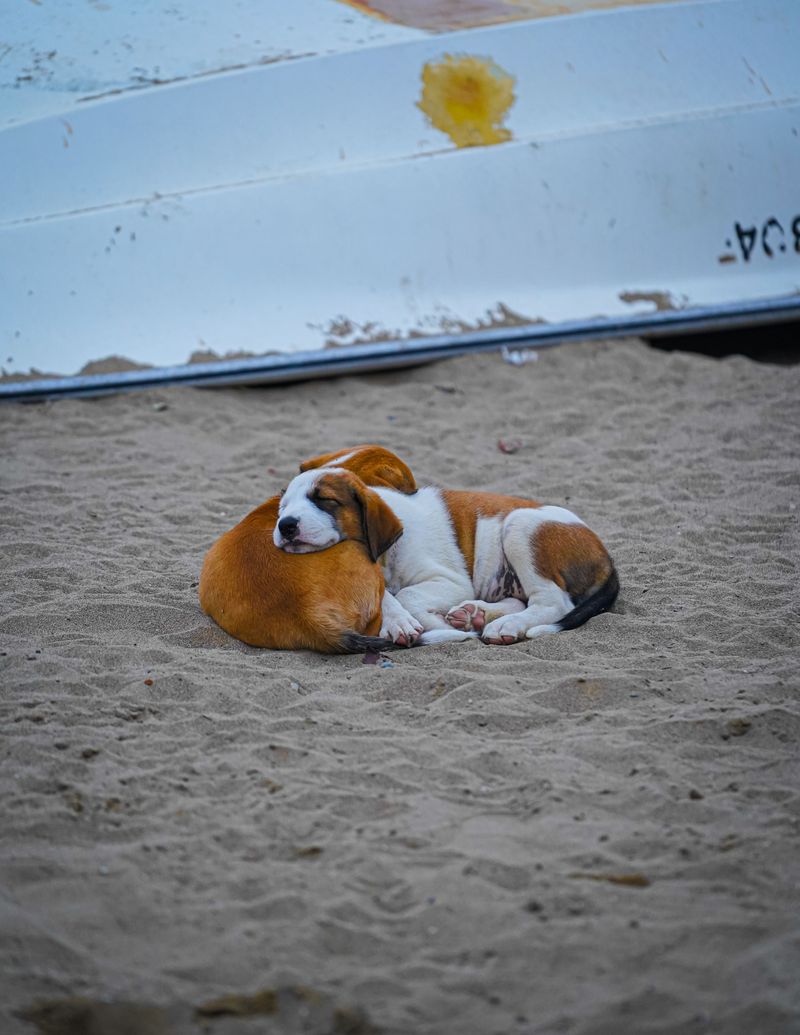
Young dogs have less body mass and thinner coats, so cold water affects them faster. Neonatal and very young puppies can chill in minutes.
Small breeds and short-coated dogs sit in the same vulnerable group. Their bodies simply cannot hold warmth well.
Keep first ocean visits short and shallow. Let a puppy wade, sniff, and leave while still comfortable.
Confidence builds better in brief, warm, positive sessions than in long cold ones.
Limber Tail Often Follows A Long Cold Swim
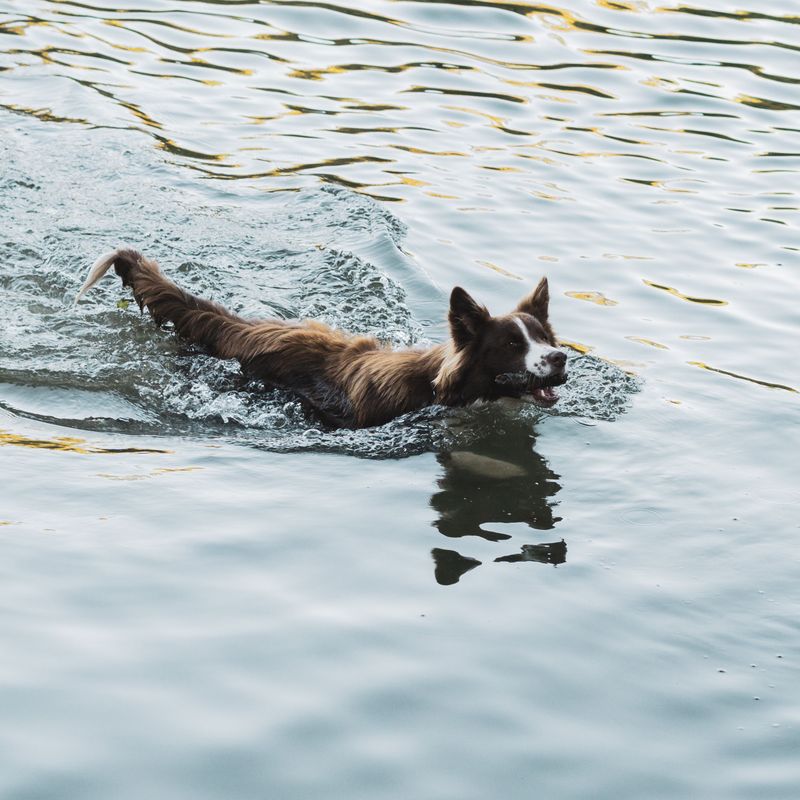
Ever seen a happy swimmer come home with a tail hanging flat? That is often limber tail, also called acute caudal myopathy or swimmer’s tail.
Cold water narrows blood vessels and tires the tail muscles, which can strain them.
Signs appear within hours to a day: soreness when touched, no wagging, restlessness, trouble settling. Most cases improve with rest, but a vet visit confirms the cause and eases discomfort.
Stamina Drops Sharply Once Legs Go Numb
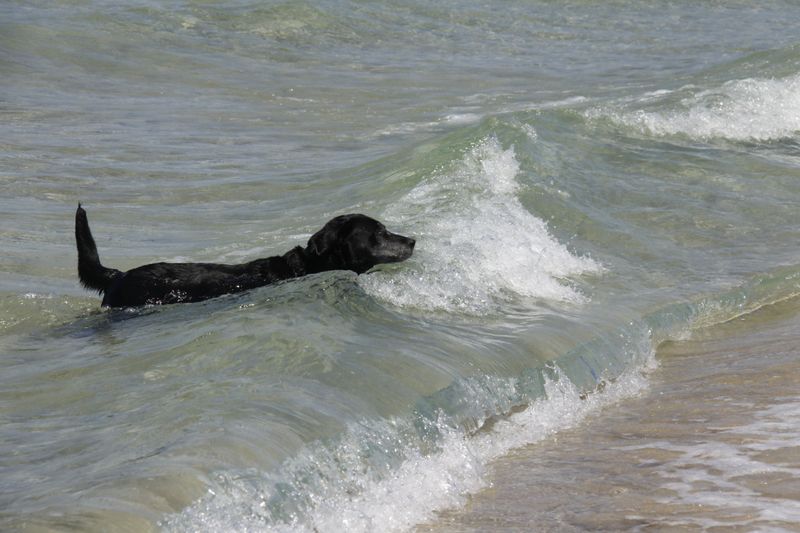
Cold water can affect a dog’s coordination in roughly five minutes. Legs grow numb, strokes get sloppy, and swimming turns into work.
Add current or waves and even fit dogs tire fast. Retrieving games make it worse, because dogs rarely quit on their own.
Watch for a lower body position, frantic paddling, or a head riding low. Call your dog in before fatigue shows, not after.
A Warm Beach Day Hides How Cold The Ocean Is
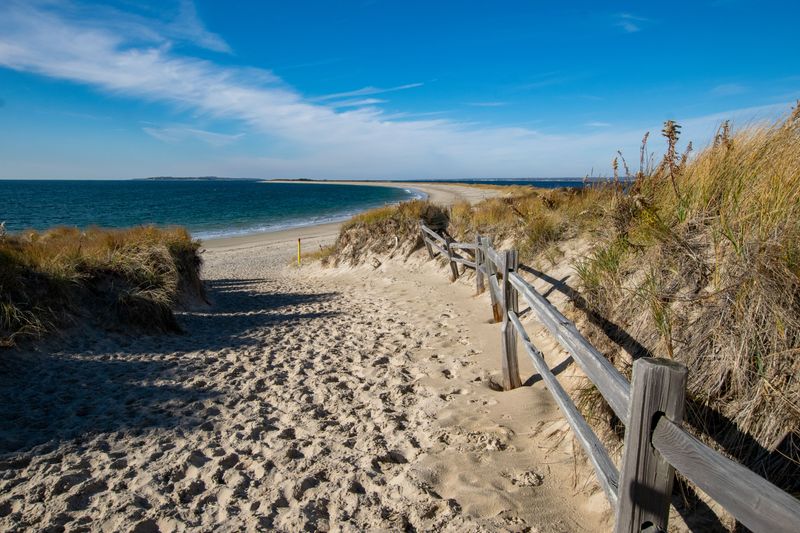
Eighty degrees on the sand tells you nothing about the water. New England ocean temperatures lag far behind the air, especially in spring and early summer.
A big gap between air and water can shock a swimming dog’s system.
Check a local water temperature reading before you go. Many beach and buoy reports post it daily.
Ten seconds of research changes how long you let your dog stay in.
Swimming Ability Varies More By Build Than By Breed Name
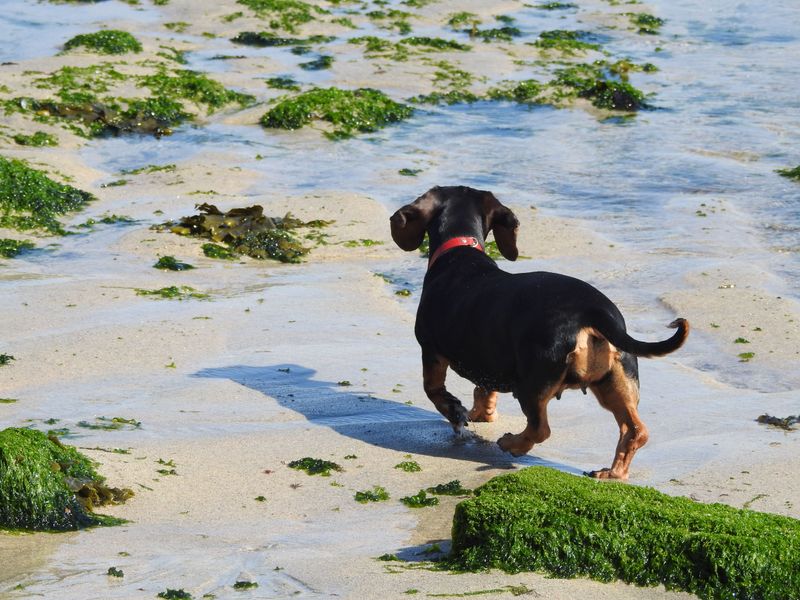
The idea that every dog swims naturally is a myth. Body shape decides much of it.
Long backs on short legs, like dachshunds, make paddling awkward. Flat-faced dogs such as bulldogs and pugs struggle to breathe while swimming.
Heavy bones and broad chests sink low in the water.
Test your dog’s ability in calm, shallow water first. Wading and splashing can be plenty of fun without any real swimming.
Rocky Coves Rarely Offer A Gentle Slope In

Much of Rhode Island’s shore is boulders, ledge, and cobble rather than smooth sand. Instead of a slow slope, the bottom often drops away suddenly.
Dogs that leap in from a rock may find no shallow footing on return.
Before letting your dog enter, look for at least one low, gradual spot to exit. If you cannot spot one, keep the visit to land and rock-hopping only.
Exits Are The Hard Part, Not Entries
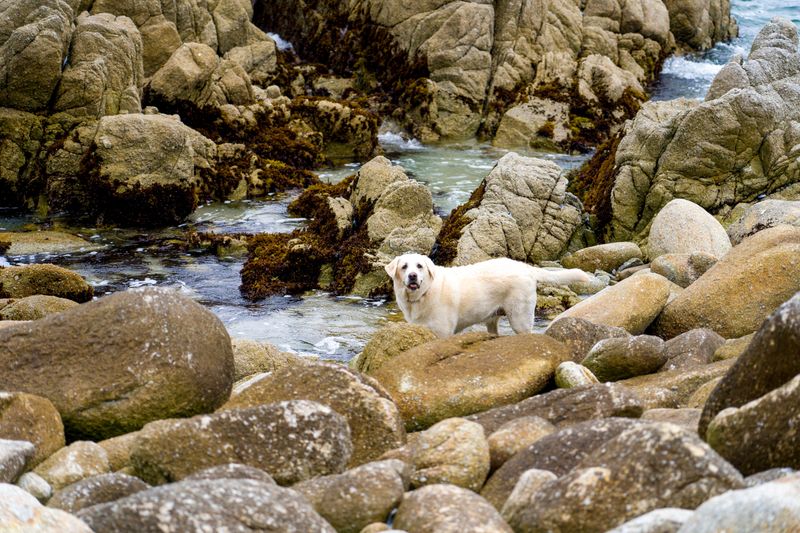
Excitement carries a dog into the water easily. Tired muscles and slick stone make coming out much tougher.
Rescue crews have freed dogs stuck between or beneath large shoreline boulders. Waves lifting and dropping a dog at the rock edge complicate everything.
Plan the exit first, the way climbers plan a descent. Stand near that spot, call your dog back often, and reward every return.
Slick Stone Turns Sure Paws Into Careful Ones
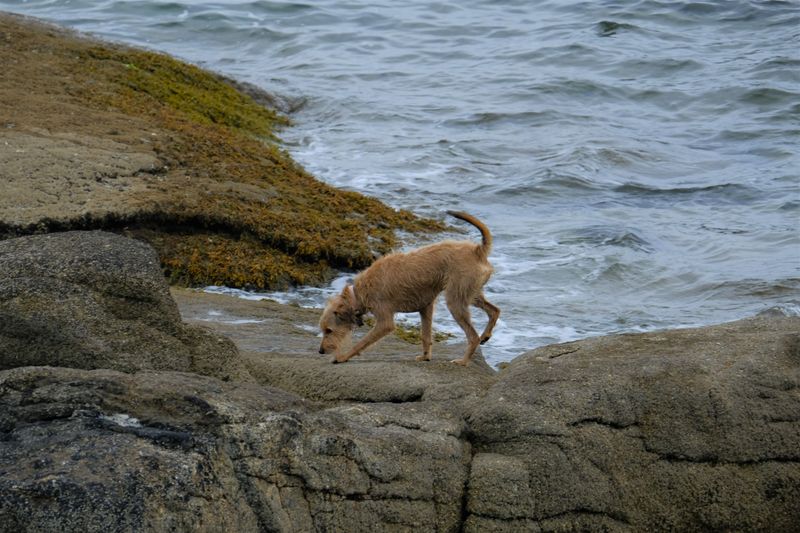
Wet rock coated with algae is slippery for four feet just as much as two. Dogs often shorten their stride, slow down, or hesitate on uneven stone.
That caution protects them, so let them take their time.
Falls on rock can jar joints or bruise muscles. Keep a leash short but loose on rocky ground, and never rush a dog across a stretch it is studying.
Breaking Waves Can Shove A Swimmer Toward Stone
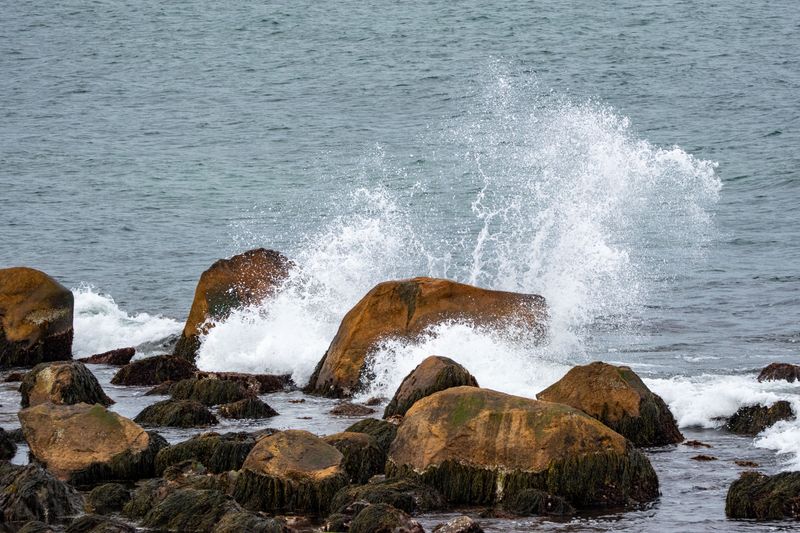
Surf near rock is a moving problem. A wave that looks small can carry a dog sideways and press it against a boulder.
Crews have rescued dogs stranded on wave-washed rocks after being swept there.
On days with visible whitewater against the rocks, choose a sandy beach instead. Save rocky coves for calm, glassy conditions when the water is barely moving against the stone.
Water Behaves Strangely Around Rocky Points
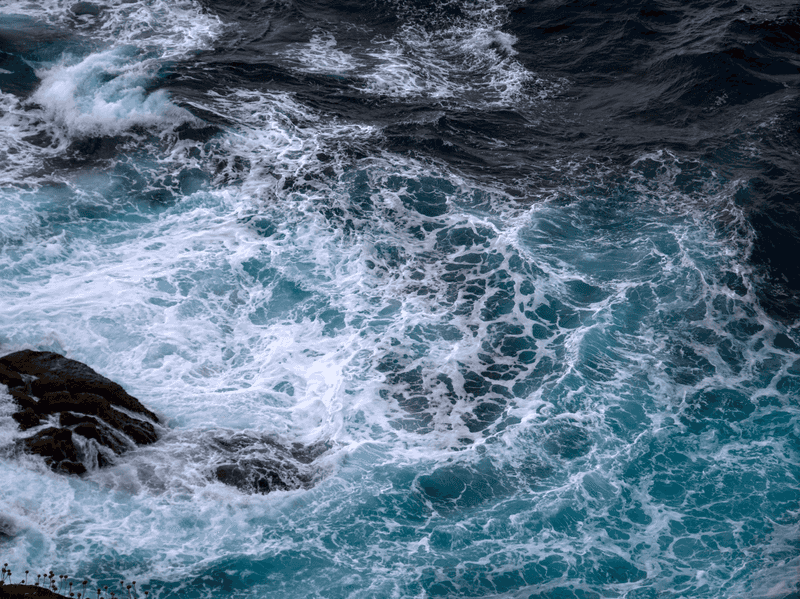
Water squeezing past an outcrop churns, swirls, and pushes in odd directions. Currents can run parallel to shore, then turn out to sea.
Rip currents commonly form near jetties, piers, and gaps in sandbars.
Take a minute to watch foam and floating seaweed. If it moves away from shore or spins in place, that is not a swimming spot.
Move down the beach to calmer water.
Shells And Barnacles Cut Paw Pads Easily
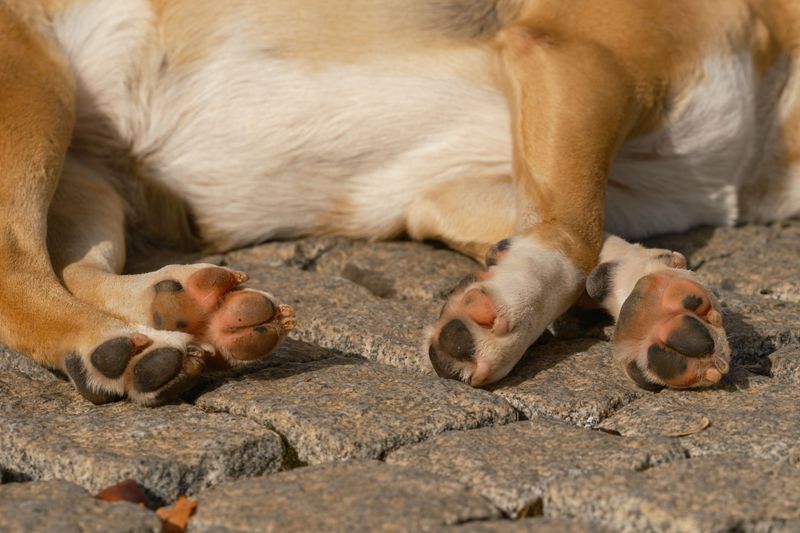
Barnacles, broken shells, sharp stone, and stray debris all sit along the tide line. Paw pads tear, scrape, and puncture more easily than people expect.
Saltwater then stings the wound and raises infection risk.
Rinse paws with fresh water afterward and check between the toes. Limping, licking, or a red pad deserves a call to your veterinarian.
Booties help some dogs on especially rough cobble beaches.
Crevices Between Boulders Catch Legs
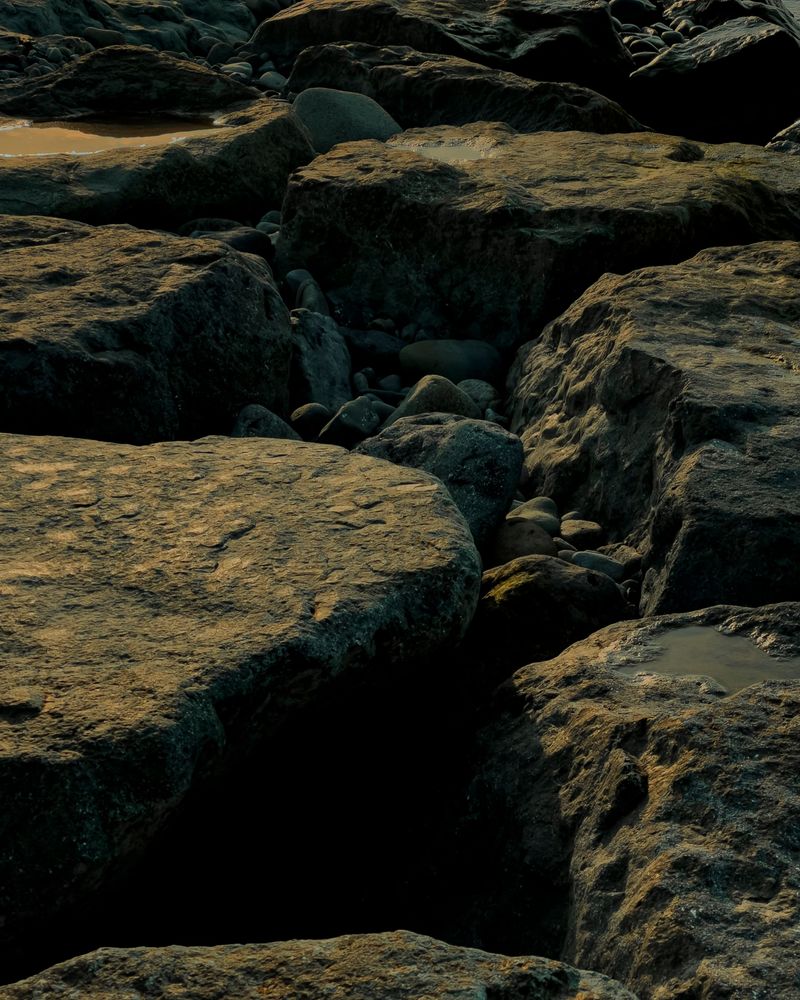
Gaps hidden between big rocks are easy to miss, especially when covered by seaweed. A leg can slip in and wedge tight.
Dogs have needed rescue after becoming trapped in shoreline crevices. Jetty rocks add open holes and sudden drops.
Keep enthusiastic jumpers leashed on boulder fields. If your dog does get stuck, stay calm and call local animal control or the fire department for help.
Tides Rewrite The Shoreline While You Walk

The path you walked out on may be gone in two hours. Rising water shrinks usable beach and can cut off routes around rocky headlands.
Checking a tide chart before heading out is a small habit with big payoff.
Aim to explore rocky sections on a falling or low tide. Set a phone alarm so you turn back with room to spare, not at the last minute.
Rip Currents Move Dogs Offshore Quickly
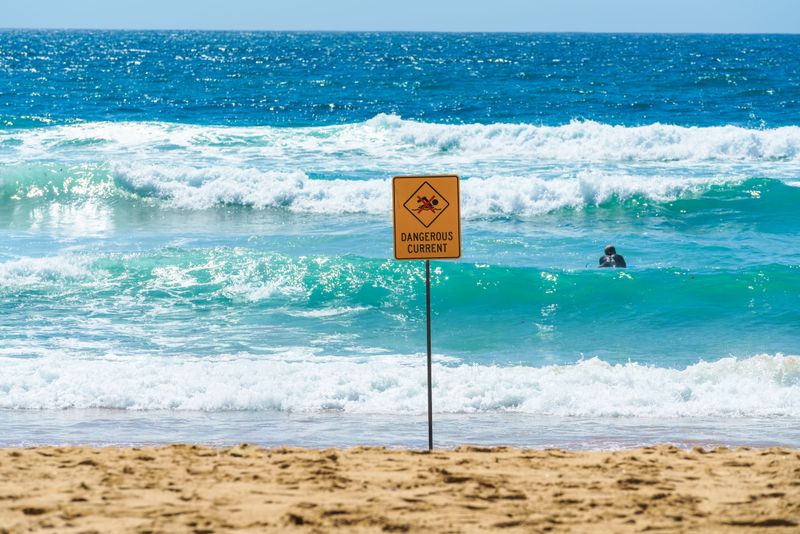
A rip current is a narrow river of water heading away from the beach. Dogs get carried out before anyone notices.
Like people, dogs instinctively fight the current straight back and wear themselves out.
Look for gaps in breaking waves, foam streaming seaward, or murky lines of water. Never swim out after a dog.
Call the current away from the rip and alert lifeguards immediately.
Jetties Concentrate Current Right Where Dogs Explore
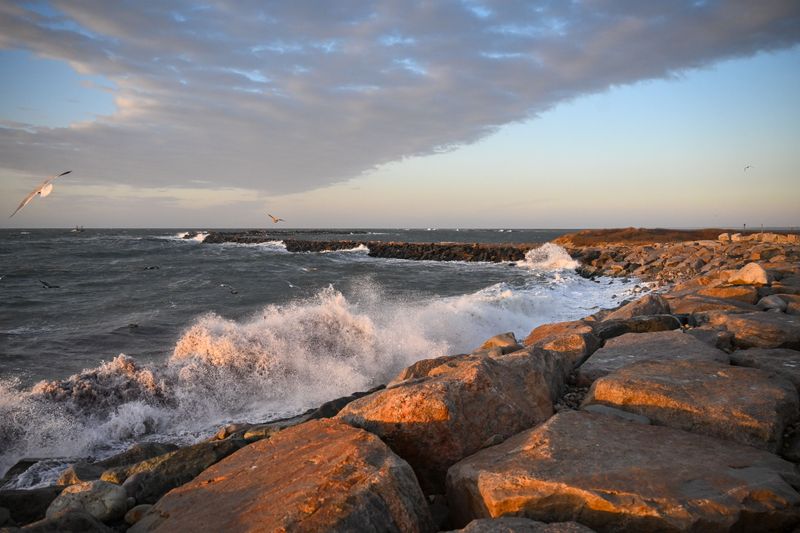
Those long stone arms reaching into the sea are popular walking spots and tricky water. Jetties funnel current and steepen waves alongside them.
Rip currents form near them regularly. If a dog goes in there, retrieving it safely may be impossible.
Keep dogs leashed on jetties, or skip them on windy days. Wet, uneven granite plus fast water is a combination worth admiring from dry land.
Choppy Surf Means More Saltwater Goes Down
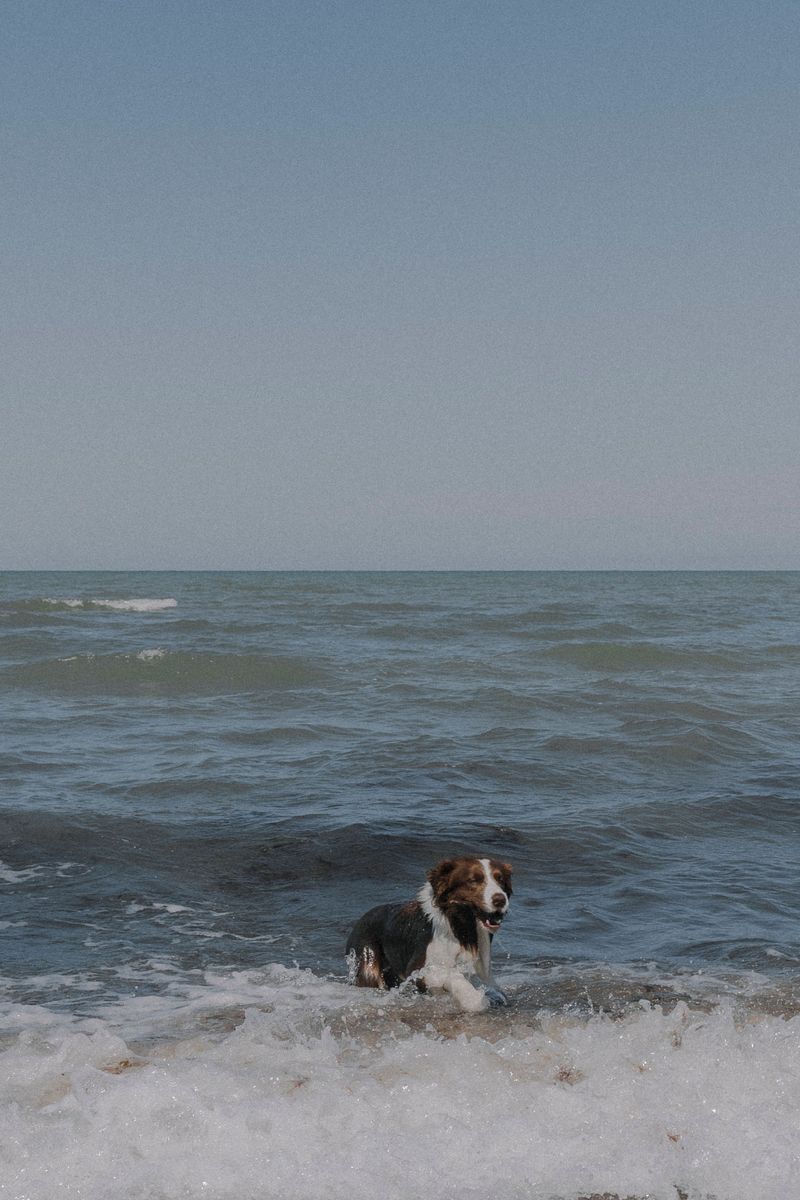
Dogs biting at waves swallow far more seawater than owners realize. Too much salt can cause hypernatremia, with vomiting, diarrhea, and dehydration.
Severe cases affect the nervous system and need urgent veterinary care.
Bring plenty of fresh water and offer it every fifteen minutes. A thirsty dog drinks the ocean by default.
Limit repetitive wave-biting games, and take frequent shade breaks away from the surf.
A Struggling Dog Gulps Without Meaning To
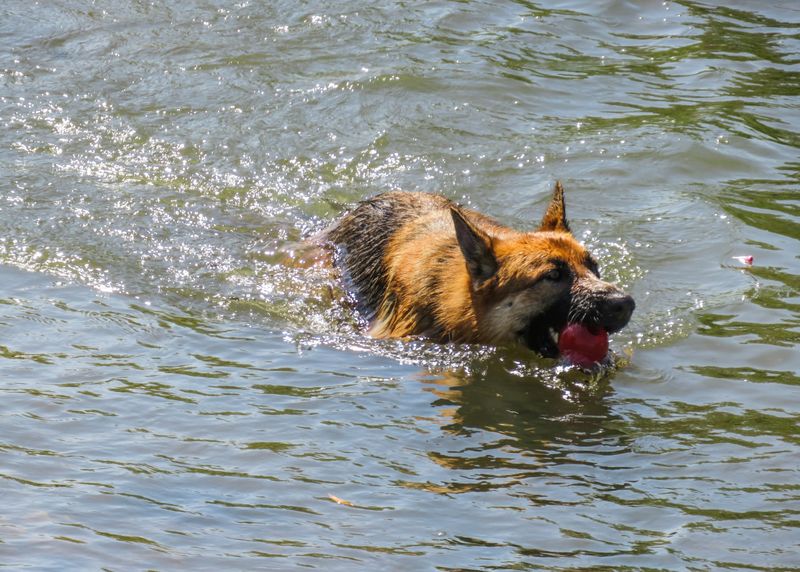
Panic changes breathing. A dog fighting waves or current takes in water with each gasp, which raises the risk of salt poisoning and inhalation.
Calm dogs swim better, so keep your own voice steady and low.
End the swim at the first sign of stress: wide eyes, high head, splashing front paws. Guide your dog to shallow footing, then rest before deciding anything else.
A Well Fitted Life Vest Doubles As A Handle
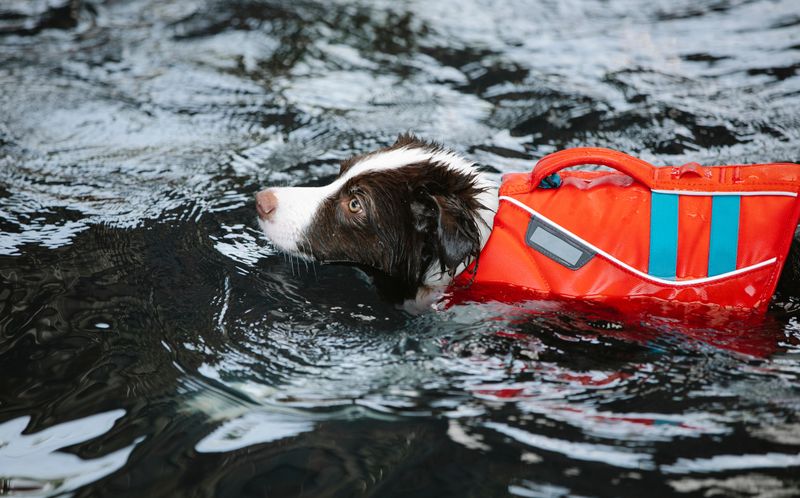
Canine life vests earn their keep on this coastline. Waves, current, and cold all drain energy faster than a dog can judge.
Choose one that fastens at several points and includes a sturdy grab handle on the back.
That handle lets you lift a wet dog up onto rock or into a kayak without wrestling. For rocky exits, it is the single most useful piece of gear you can buy.
Breathing Trouble Can Show Up Hours Later
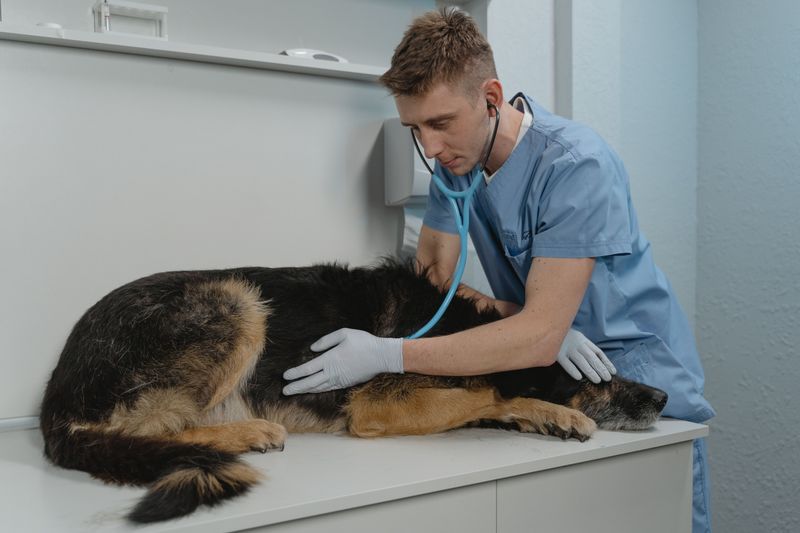
Complications sometimes appear after the beach bag is unpacked. Inhaled water can irritate airways or trigger vocal cord spasms, terms often called dry or secondary drowning.
Lung inflammation and pneumonia can follow, hours or days out.
Watch overnight for coughing, wheezing, fast or labored breathing, pale gums, unusual tiredness, or restlessness. Any of those means a prompt vet visit.
Know your nearest emergency clinic before you go, and enjoy the shore.