What To Do If A Coyote Appears During An Ohio Dog Walk
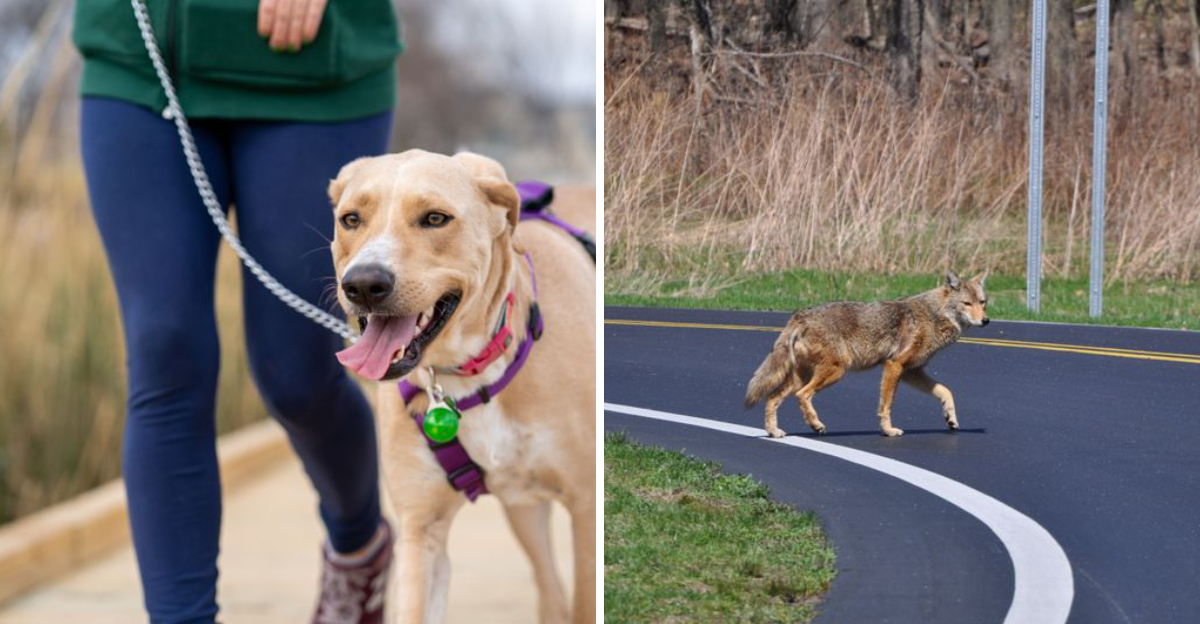
Seeing a coyote during a dog walk in Ohio can feel surprising, but it does not have to ruin your outing. Most encounters are brief, especially when owners stay calm and make smart choices.
Knowing what to do helps protect your dog, lowers stress, and keeps the situation from becoming more complicated. A few simple habits can make you feel much more prepared the next time you head outside.
Stay Calm and Keep Your Dog Close
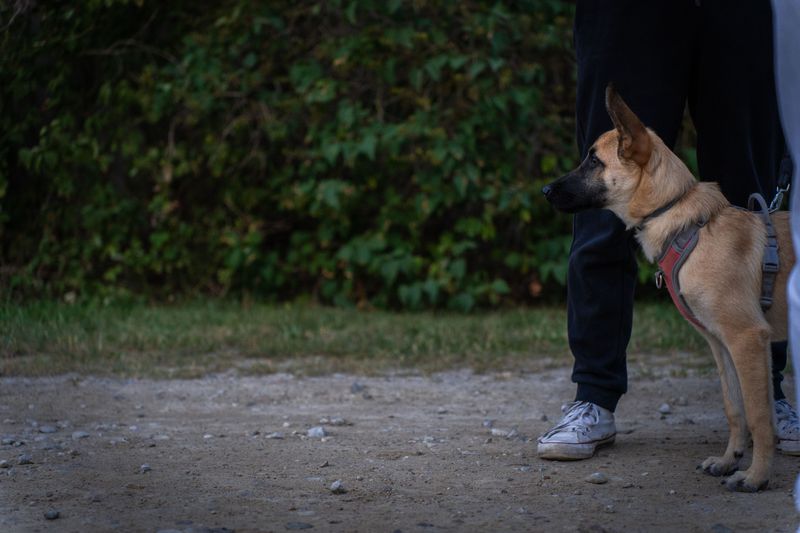
When a wild animal appears, your dog notices your mood first. Take a breath, shorten the leash, and bring your dog beside your leg.
Calm handling helps prevent pulling, barking, or sudden lunges.
Many Ohio coyotes move on quickly when people stay steady. Avoid squealing, waving wildly, or giving mixed signals.
Your composed response keeps the moment simpler and gives you a better chance to leave safely, without turning a sighting into a stressful standoff.
Do Not Run From the Coyote
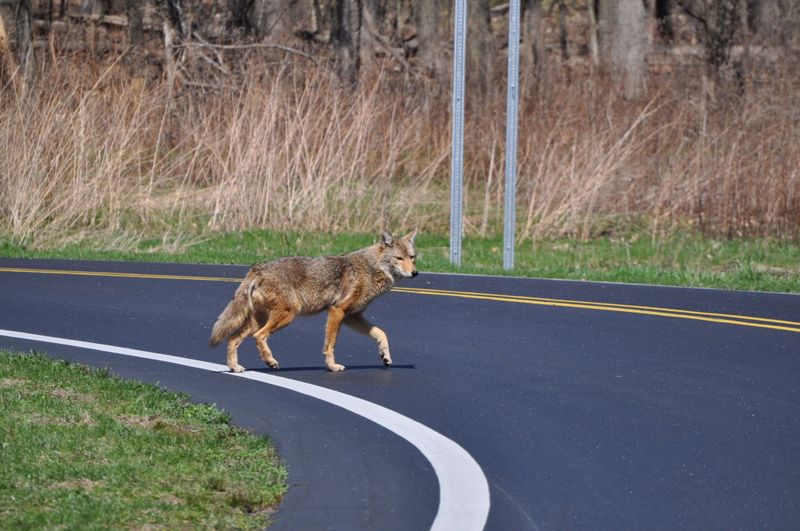
If fear hits, avoid running and keep your dog close. Move away calmly while maintaining awareness of the coyote.
Running can encourage pursuit from some wildlife and may also cause your dog to bolt or become harder to control.
Instead, back away slowly and give the coyote plenty of space to leave. Keep your movements controlled and avoid sudden actions that could increase tension.
Make Yourself Look Bigger
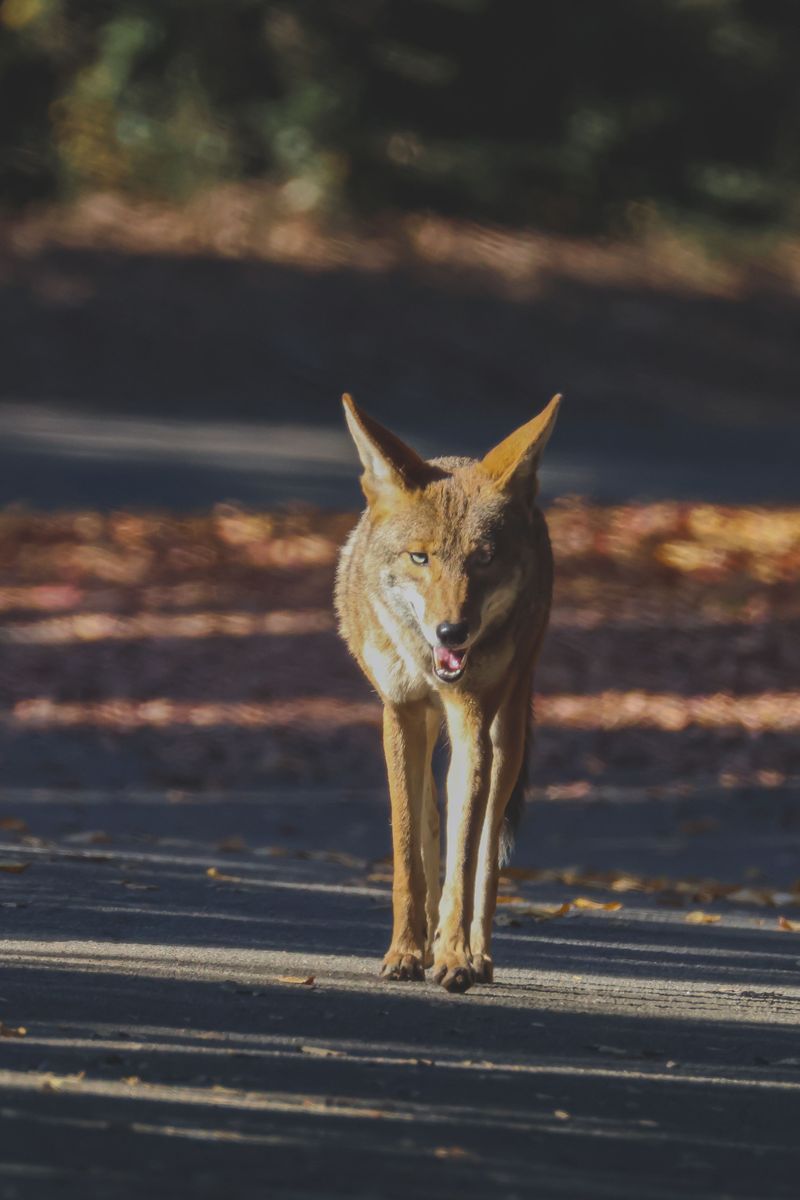
A coyote usually prefers easy space over a close encounter. Stand tall, square your shoulders, and raise an arm or jacket calmly.
Bigger body language can make you seem less approachable without creating panic.
If you carry a flashlight at dusk, use it to improve your visibility and awareness without approaching the coyote. Pair a confident posture with steady movements and plenty of space.
The goal is simple, show presence, protect your dog, and encourage distance without moving closer to the coyote.
Use a Firm, Confident Voice
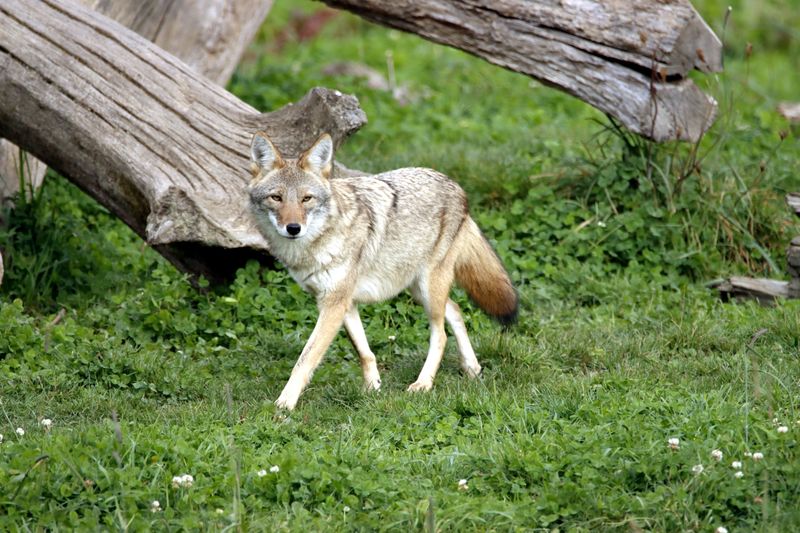
Sometimes your voice is the best tool you have. Speak loudly and clearly, using short commands like go away or leave.
A firm tone often tells wildlife you are alert and not easy to approach.
Skip high, nervous sounds, because they can confuse your dog. Keep talking as you back off.
That confident sound can support your posture, help your dog focus on you, and make the coyote decide path is not worth investigating today.
Back Away Slowly
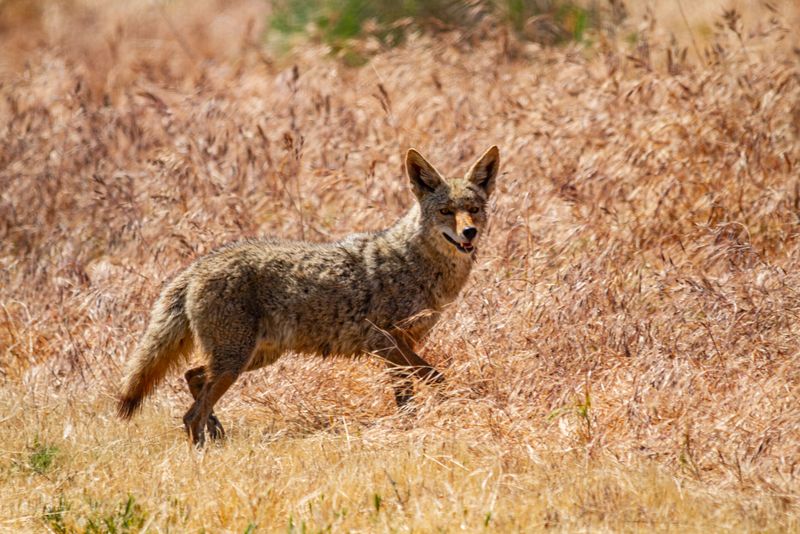
Leaving well matters as much as noticing the coyote. Turn your body slightly, keep your dog near, and step back at an even pace.
Sudden spinning can tangle the leash or stir more interest.
Try to keep the coyote in view without staring hard. That balance helps you avoid surprises.
A slow retreat gives the animal room, keeps your footing secure, and lets you head toward a busier, safer area nearby for the rest of the walk home.
Never Let Your Dog Chase
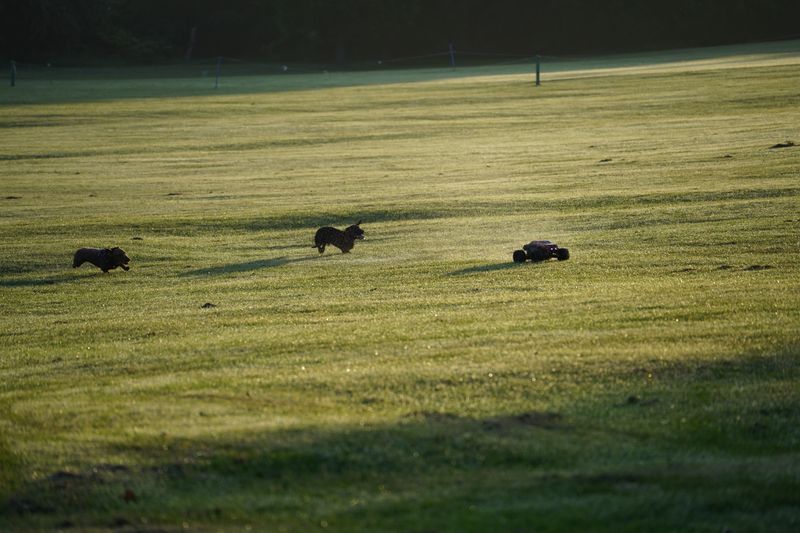
Even a brave dog can make a hard situation worse. Chasing turns a simple sighting into a moving conflict, and coyotes are often faster and more agile.
Your dog could also pull free or run beyond your reach.
Hold the leash securely and redirect attention with your voice. In Ohio neighborhoods and parks, that restraint protects pets, wildlife, and other walkers.
Curiosity feels normal, but control is what keeps everybody safer in the moment there.
Pick Up Small Dogs When Safe
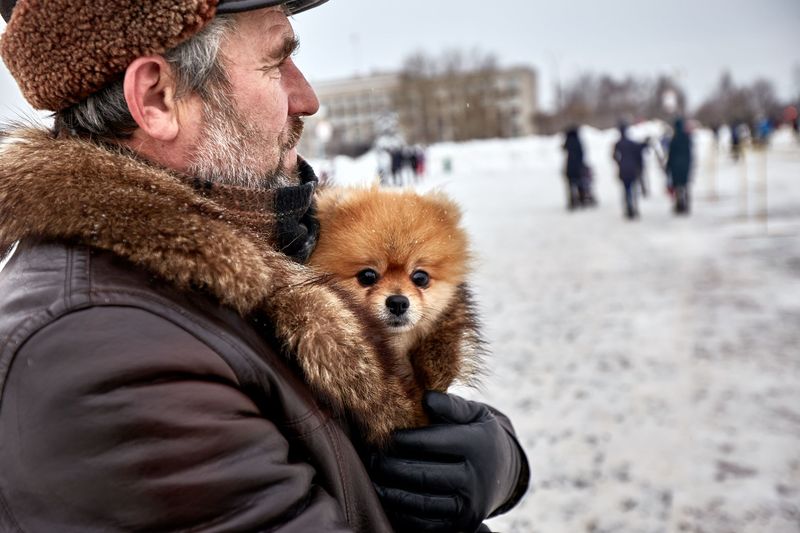
For tiny dogs, being low to the ground can raise concern. If your dog is small and calm enough, lift them only when you can do it safely.
Bending down at the wrong time may loosen the leash or throw off balance.
First check your footing and the coyote’s distance. Then tuck your dog against your chest.
Secure handling reduces kicking, keeps little paws contained, and helps you retreat without extra risk or panic nearby.
Give the Coyote an Escape Route
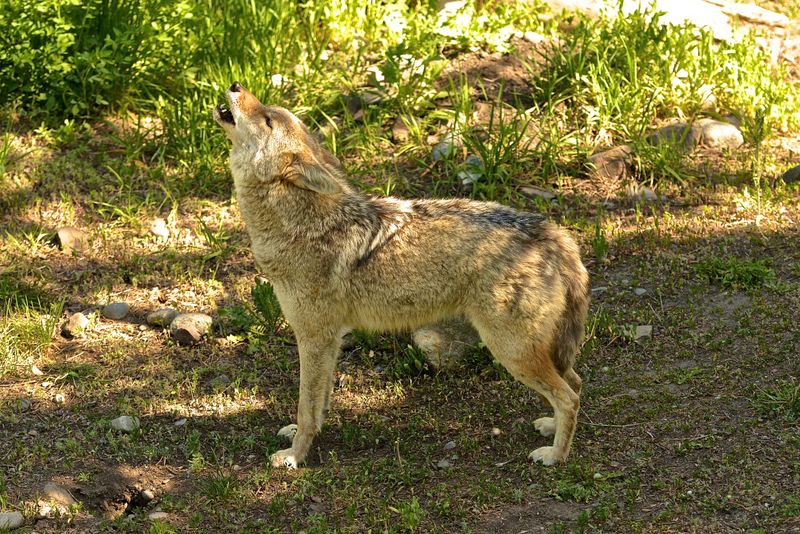
Picture a hallway instead of a showdown. Coyotes usually want a clear way out, especially near trails, yards, or field edges.
Avoid cornering the animal against a fence, parked car, or building.
Shift your path so it has open space to leave. That simple choice can lower tension fast.
When wildlife feels trapped, behavior may become less predictable. An exit route often solves the moment better than noise, speed, or crowding from people and dogs.
Pay Attention to Your Surroundings
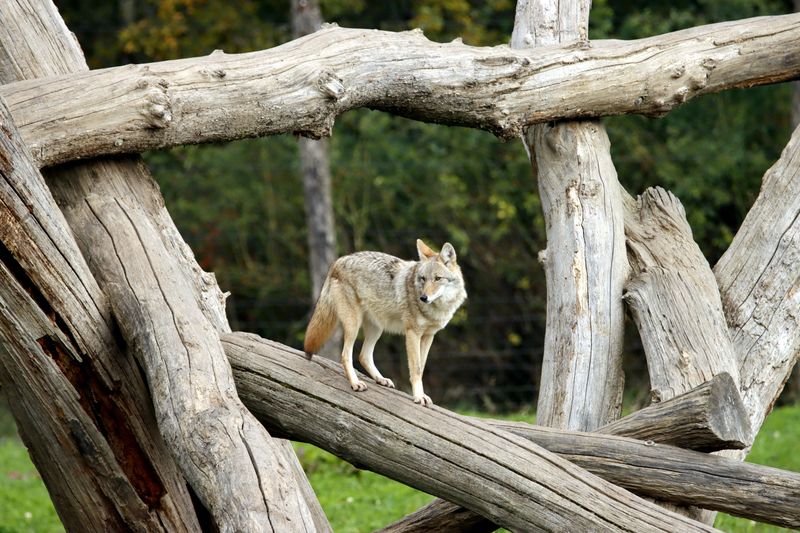
Ohio walks can change quickly, especially near wooded lots, creek banks, and quiet fields. Keep one ear open and scan ahead for movement, tracks, or rustling.
Many encounters feel sudden only because the walker was distracted.
Put your phone away for a few minutes when visibility drops. Dawn, dusk, and nighttime need extra attention.
The more you notice early, the more choices you have, including changing direction before your dog fixates on anything nearby unusual.
Do Not Approach a Coyote for a Better Look
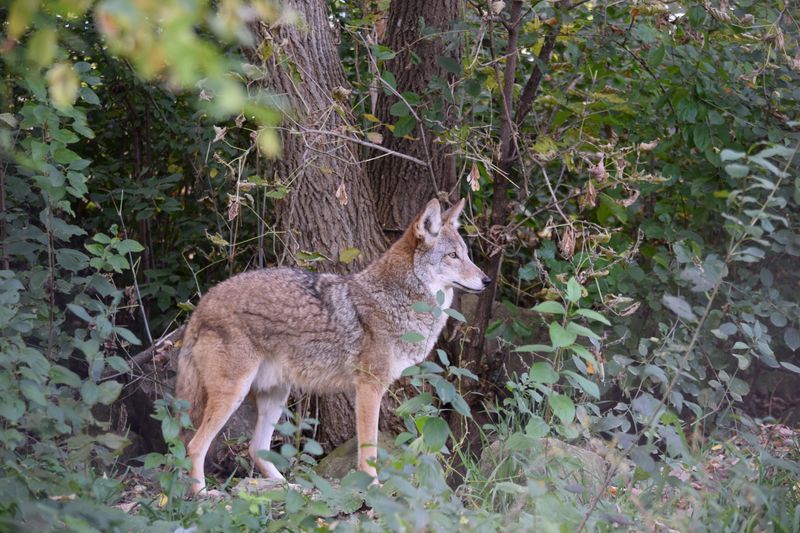
A coyote can seem calm from far away, but distance can fool you. Do not step closer for a photo, better view, or quick test of its behavior.
Wild animals need space, even when they appear uninterested.
Closing the gap may also excite your dog. Stay where you are, assess the scene, and leave room between you.
Respectful distance protects everyone better than curiosity, and it matches the advice wildlife officials commonly give pet owners.
Know When to Turn Around
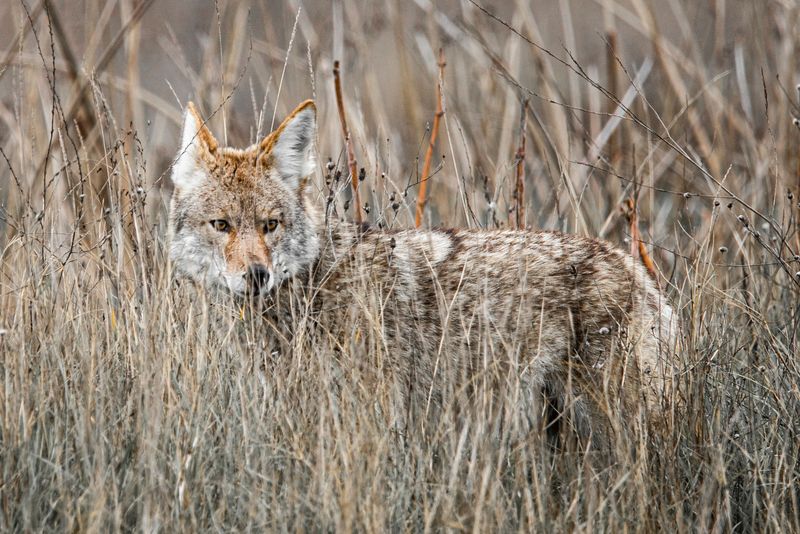
Some routes are not worth pushing through. If a coyote stays nearby, follows at a distance, or blocks the direction you planned, turn around.
Choosing a new path is smart, not timid.
Head toward houses, open businesses, other people, or brighter streets when possible. Trust the information in front of you.
Ohio parks and local trails vary, so conditions matter. A flexible plan keeps small concerns from becoming a longer, more complicated walk home today.
Keep Your Dog on a Leash
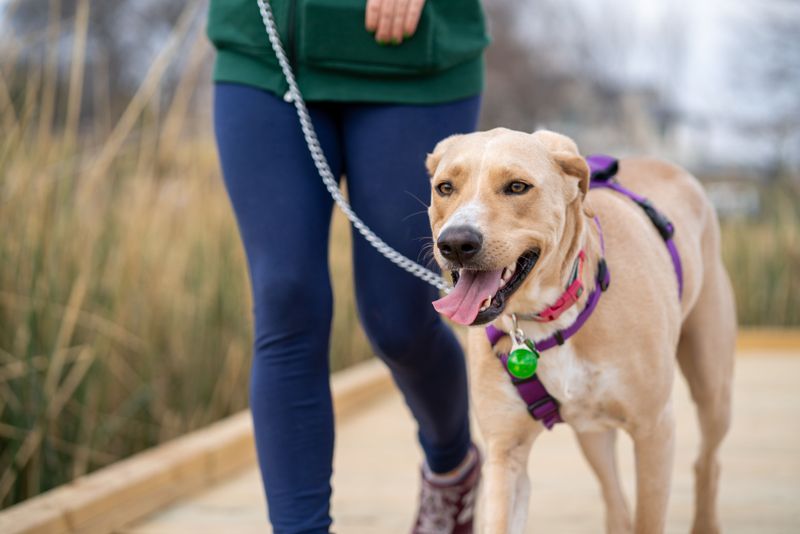
A leash is more than a rule, it is a safety link. In many Ohio parks, trails, and cities, leash requirements exist, though details can vary locally.
Confirm specific rules where you walk.
Beyond the law, a leash lets you guide, shorten distance, and prevent sudden chasing. Retractable leashes can be harder to manage during surprises.
A standard leash often gives better control, clearer communication, and faster response when wildlife appears along your route unexpectedly.
Check Your Yard After the Walk
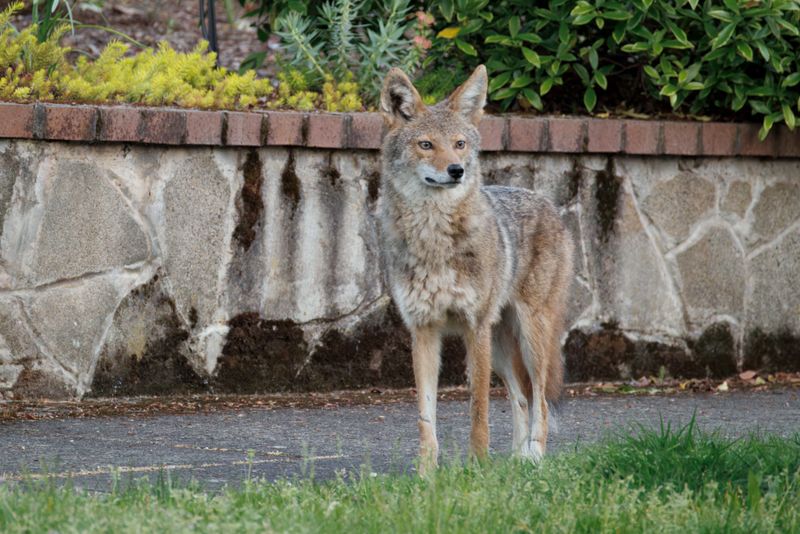
Home should feel restful, but a quick scan still helps. Before letting your dog roam outside again, look over the yard for food scraps, fallen fruit, or open trash.
Those attract animals, including coyotes and smaller prey they follow.
Check gates, fences, and dark corners too. Fresh signs can guide tomorrow’s walk choice.
A few minutes outside after returning may prevent another encounter and help your property feel calmer for both you and your dog.
Watch for Unusual Coyote Behavior
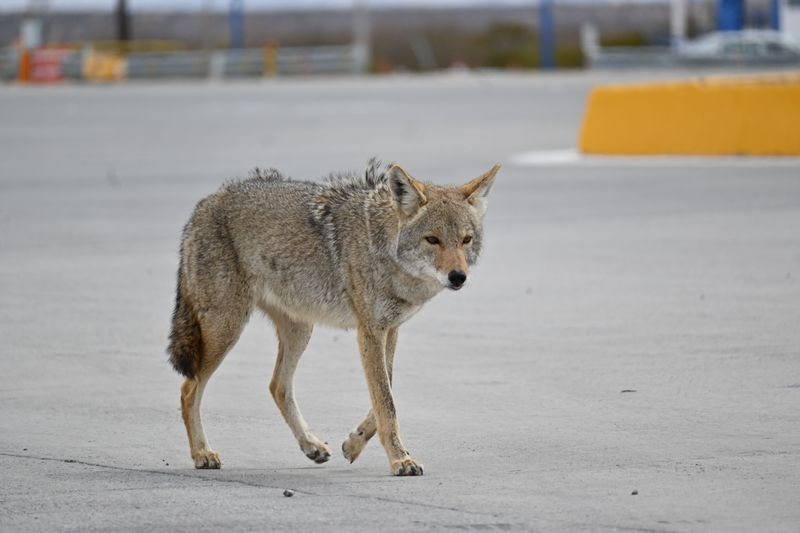
Most coyotes avoid people, so strange behavior deserves attention. Watch for an animal that seems unafraid, lingers too long, approaches repeatedly, or appears sick or injured.
Young pups nearby can also change how adults act.
Keep distance and leave the area. Do not try to judge every detail yourself.
Behavior can have several causes, and local wildlife staff or animal control can better advise what counts as concerning in your city, township, or county today.
Report a Concerning Encounter
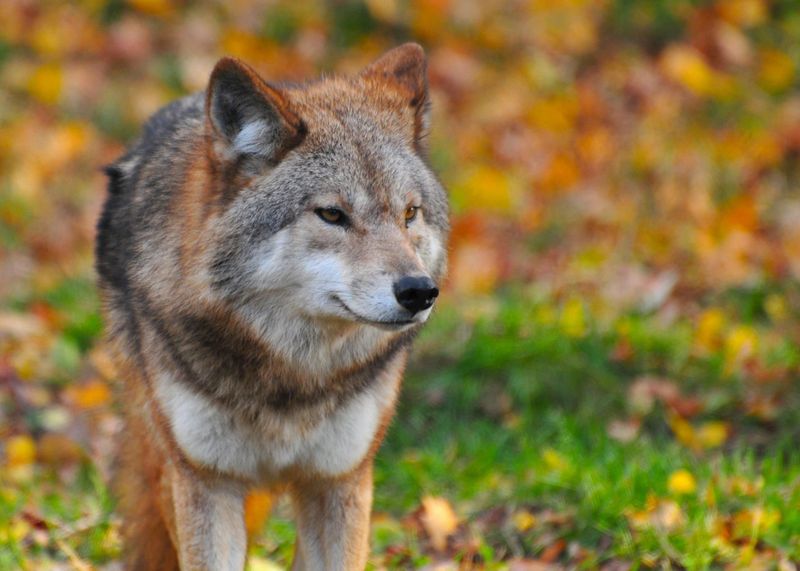
Sometimes sharing what happened helps the whole neighborhood. If a coyote acts boldly, remains around people, or seems unwell, report the encounter to local animal control, park staff, police nonemergency, or the Ohio Division of Wildlife, depending on location.
Procedures vary by city and county, so use local guidance first. Note the time, place, and behavior.
Clear reports are more useful than guesses, and they help officials decide whether follow-up makes sense there today.
Check Your Dog After Any Encounter
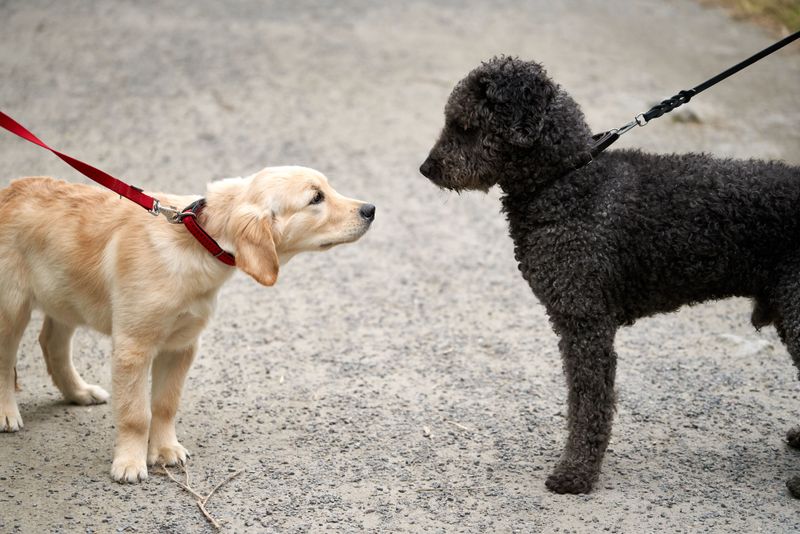
Once you are safely away, give your dog a careful look. Check paws, legs, collar, and coat for scrapes, burrs, ticks, or signs of strain from pulling.
Even without contact, stress can leave a dog shaky or overly alert.
Offer water and settle somewhere quiet. If you notice an injury or unusual behavior, call your veterinarian.
Prompt observation matters because small problems are easier to handle when caught early, before they interrupt recovery or routine tomorrow.
Keep Rabies Vaccinations Current
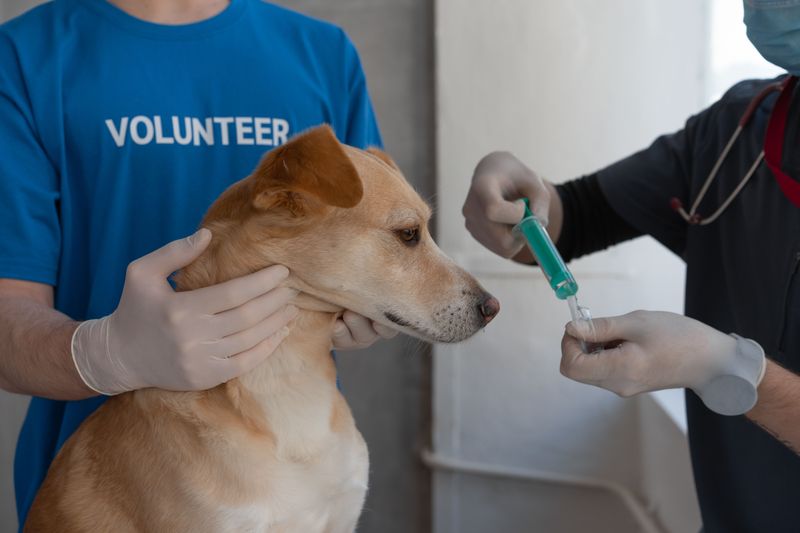
Paperwork is not exciting, but it matters here. Ohio law allows the state or local health authorities to require rabies vaccination when a quarantine is declared, and local health districts may also issue vaccination requirements.
Confirm the current requirements with your local health district and veterinarian.
Current vaccination supports your dog’s protection and helps if an encounter raises health questions later. Keep records easy to find.
A quick file, photo, or app note can save stress during an already tense week.
Make Future Walks Less Risky
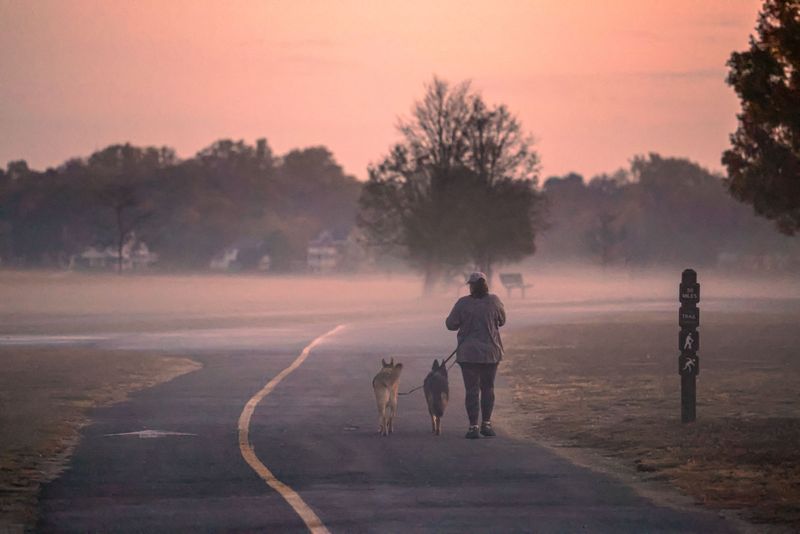
The best walks start before you clip the leash. Choose brighter routes, avoid known den areas, and skip spots with overflowing trash or loose pet food.
Walking with a friend can also help.
Carry a flashlight at dusk and keep your phone charged. Ask your local park or animal control office about recent activity if needed.
Small habits add up. With smart planning, Ohio dog walks can stay calm, routine, and more comfortable for everyone.