Why Tick Checks Matter After Indiana Woodland Trails
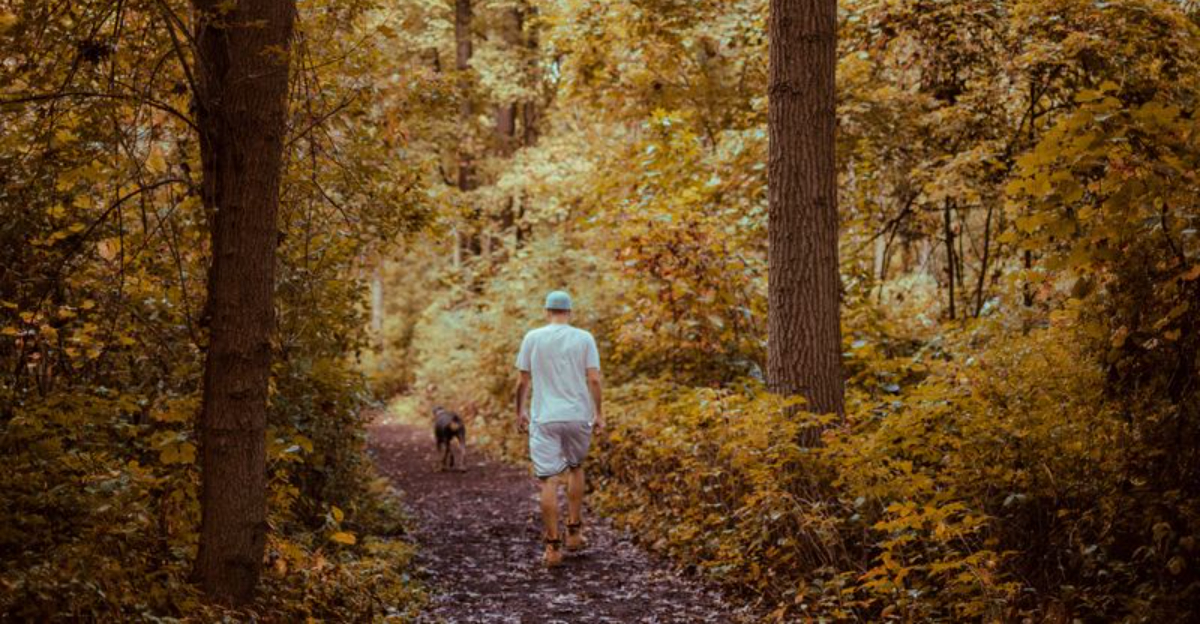
If you walk Indiana woodland trails with your dog, a tick check should be part of coming home. Ticks are common in brushy, shady places, and dogs can pick them up without anyone noticing.
The good news is that a calm, simple routine makes checks easier and much more effective. Knowing where to look and what to do helps you protect your dog without turning every hike into a worry.
Why Indiana Woodland Paths Raise Tick Exposure
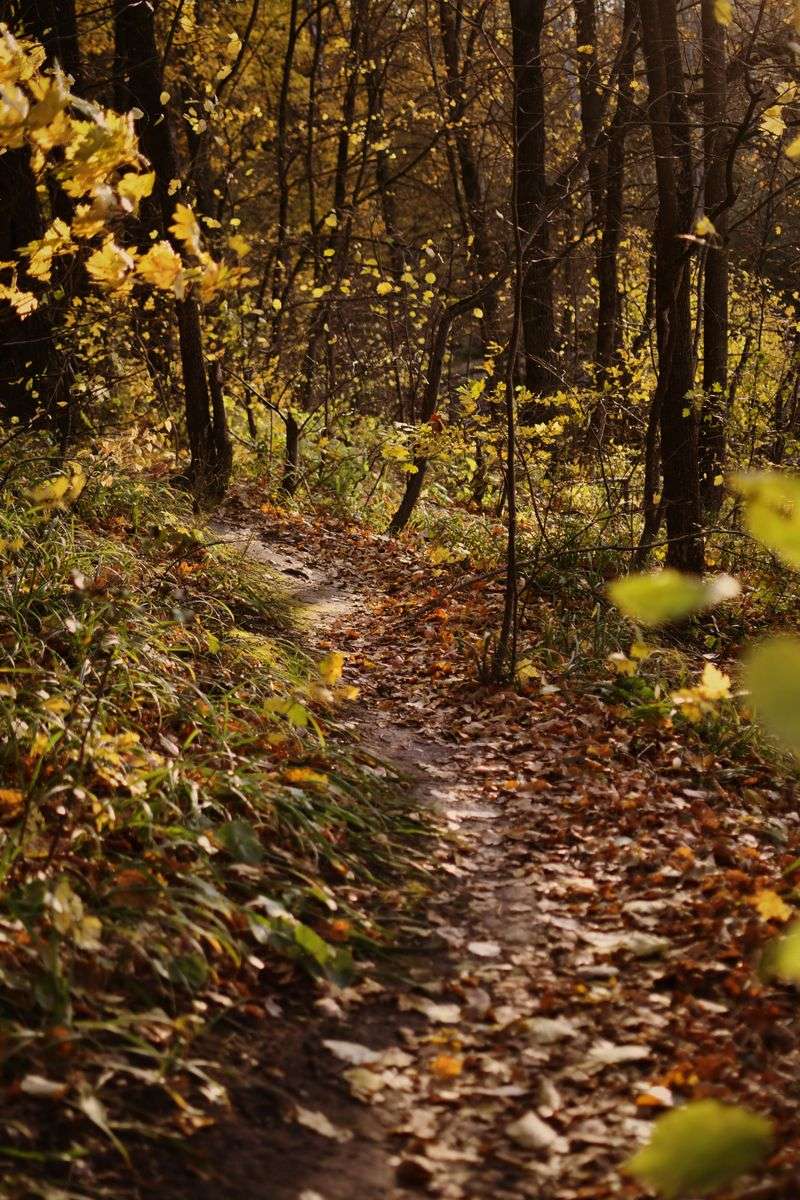
Indiana woods can look tidy, but ticks thrive in leaf litter, brush, and shady trail edges. Dogs brush past those spots easily.
Tick activity can vary with temperature, season, habitat, and local conditions, and some ticks may remain active during mild weather. Exposure can therefore vary from one park or trail to another.
Knowing that helps owners stay alert without feeling worried, especially after hikes near tall grass, fallen logs, and damp ground and narrow woodland paths nearby too.
Check Your Dog Soon After Every Trail Walk
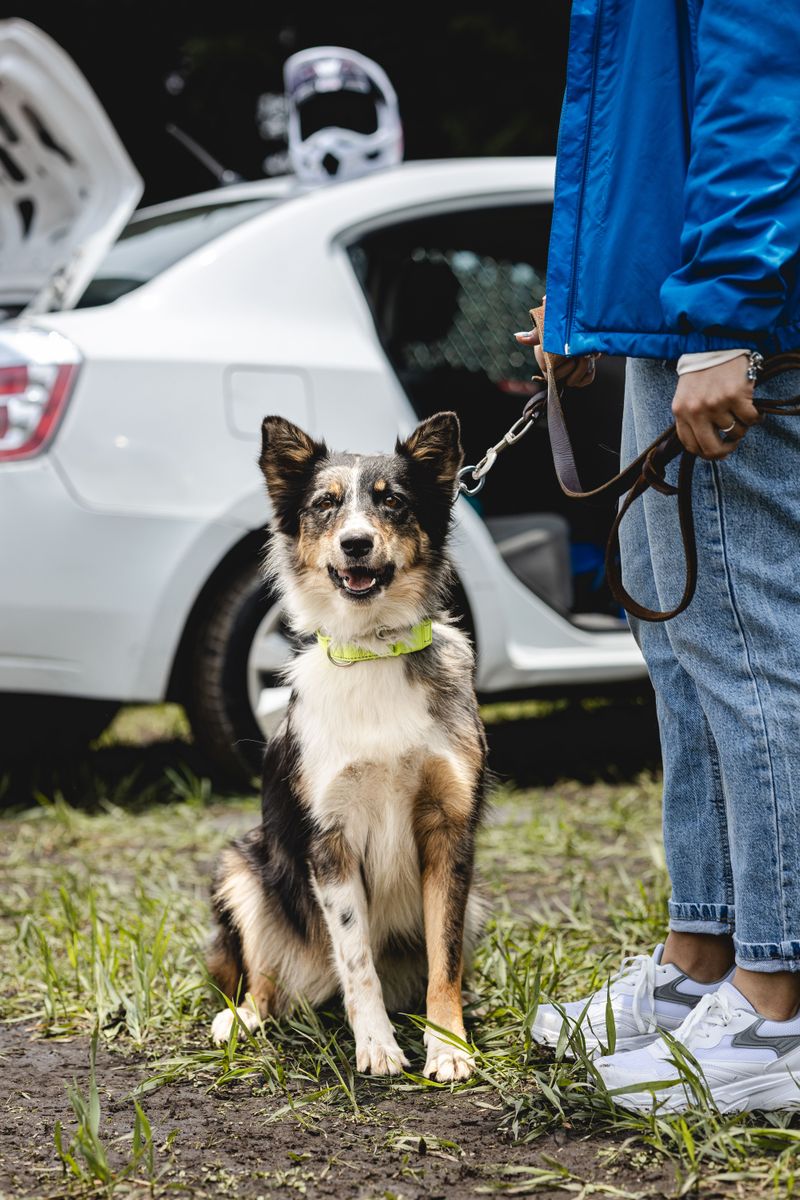
Once you are back from the trail, check your dog as soon as practical. An early inspection can help you find ticks before they remain unnoticed in the coat or become attached.
Early checks are easier on both you and your dog. They also help you spot burrs, scratches, and mud after the walk.
If you wait until bedtime, tiny ticks can be harder to find. Keep a towel, comb, and good light near your entryway for faster post-trail routines every single time.
Focus on Warm, Hidden Areas First
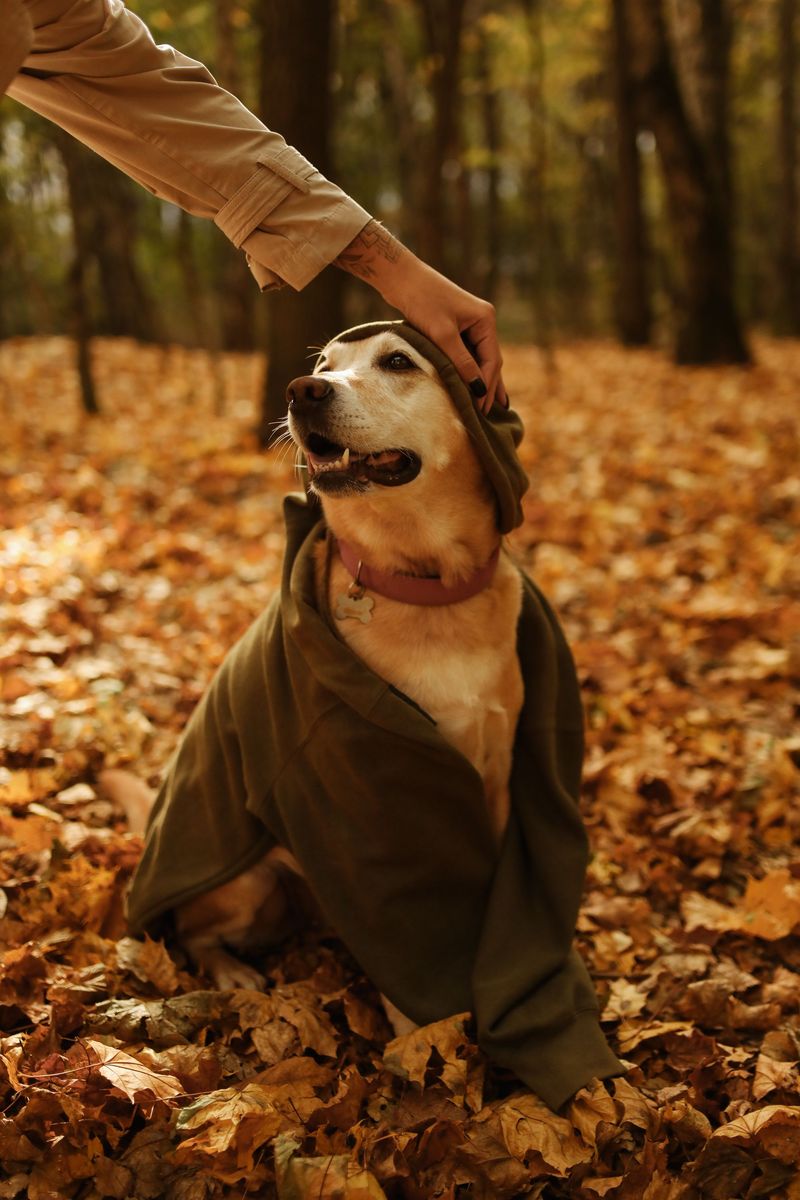
Ticks love the tucked-away places dogs rarely notice. Start with armpits, groin, under the tail, and skin folds.
Body heat and thinner fur make those spots inviting. Slow down there, even if the rest of the coat looks clean.
Small dogs may need lifting onto a bench or mat for better access. Larger dogs often do best standing still for treats while you check hidden areas with your fingers, not just your eyes each time.
Do Not Forget Your Dog’s Face
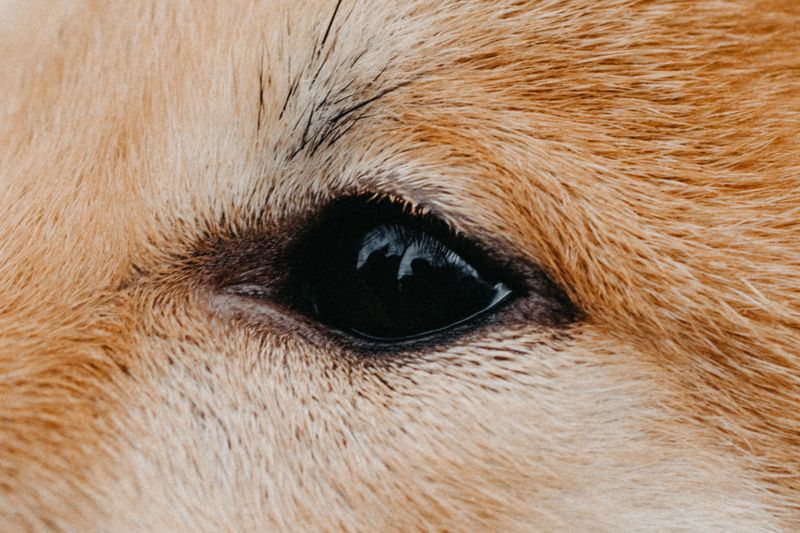
A dog’s face is busy on trails, sniffing logs, grasses, and low branches. That curiosity can bring ticks close to eyelids, lips, and ears.
Use calm hands and good light when checking the head. Part the fur around the ears, under the chin, and along the cheeks.
For wiggly dogs, pause and offer praise between steps. If anything is stuck near an eye, call your veterinarian instead of trying awkward removal at home by yourself.
Run Your Hands Through Thick Fur
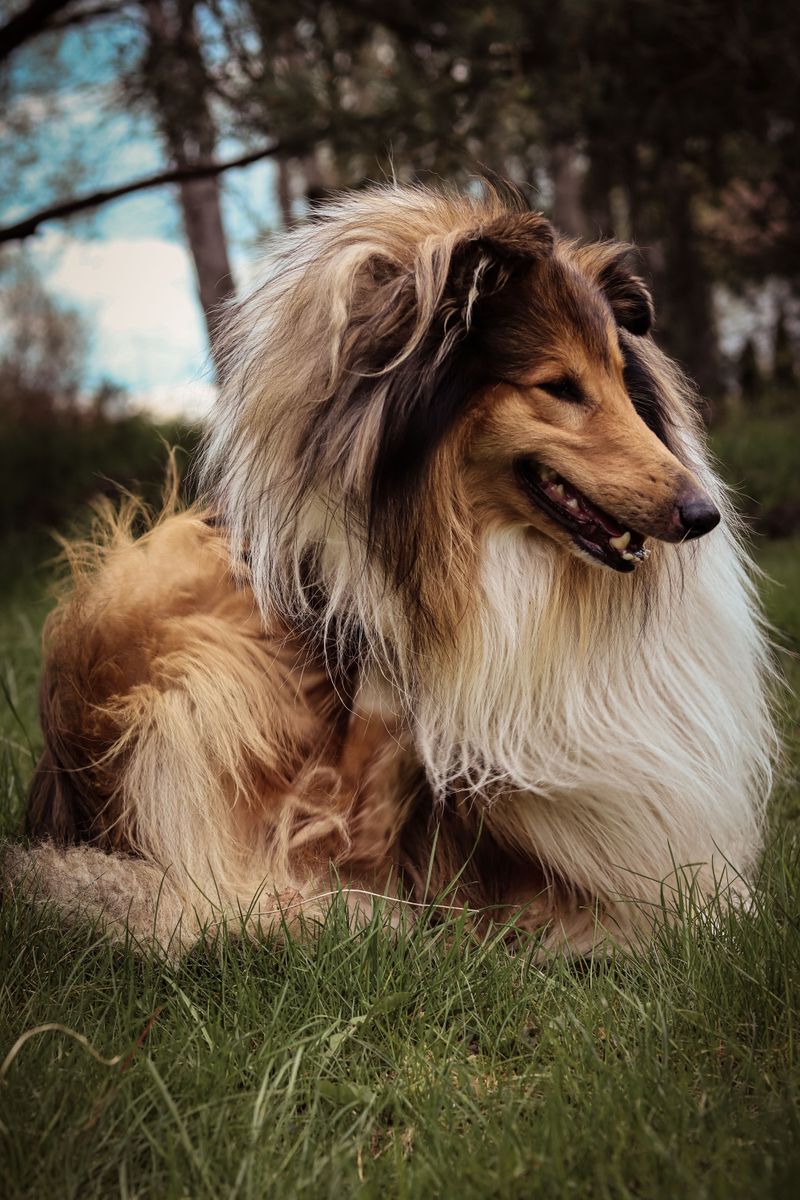
Fluffy coats can hide a lot after a woodland walk. Long-haired dogs may carry leaves, seeds, and tiny ticks close to the skin.
Your fingers often find what your eyes miss. Work from neck to tail in slow sections, feeling for small bumps.
A metal comb can help separate dense fur around the chest and legs. Double-coated breeds need extra patience because ticks can be difficult to spot beneath a dense undercoat after Indiana hikes.
Check Between the Paw Pads
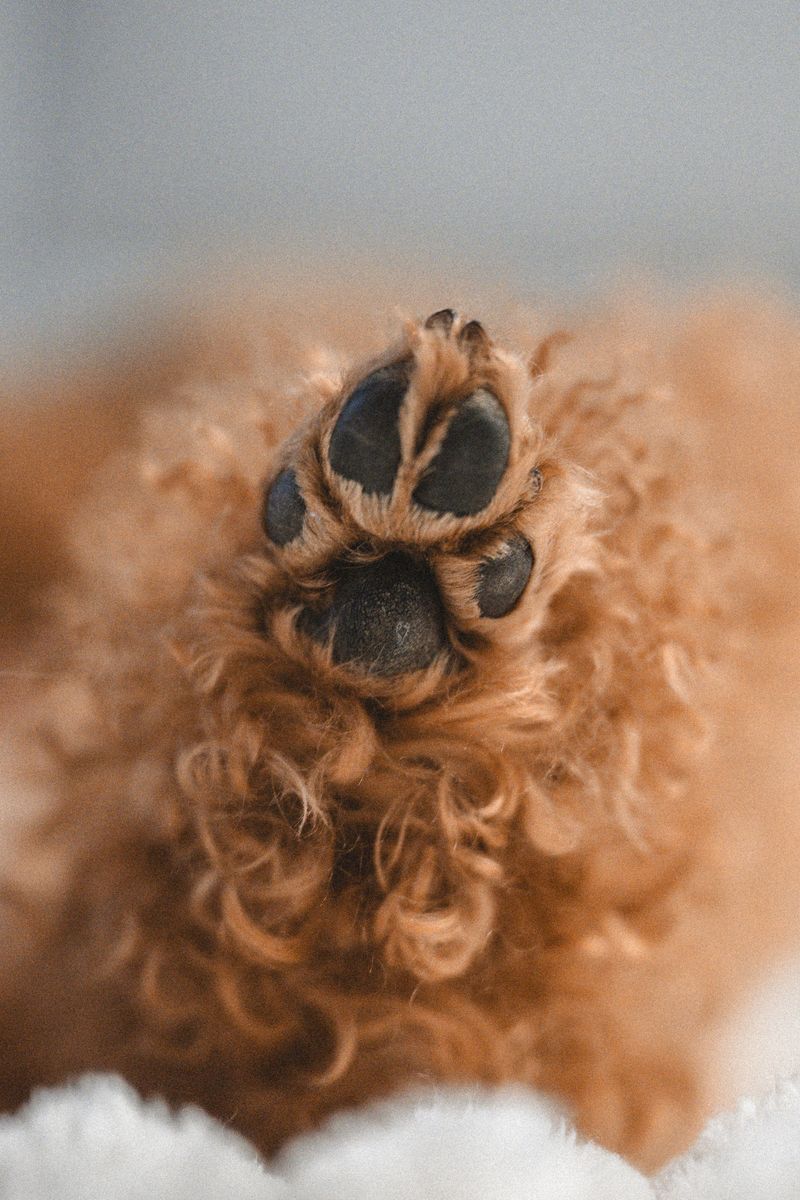
Trail dust hides one of the easiest spots to miss, the paws. Ticks can cling between toes or near the pads after brushy walks.
Check each foot before your dog races inside. Spread the toes gently, and look for dark specks or attached ticks.
Burrs and foxtail-like seeds can bother paws too, so a careful look does double duty. If your dog resists, inspect one paw at a time, then reward patience generously with treats.
Inspect Collars, Harnesses, And Leashes
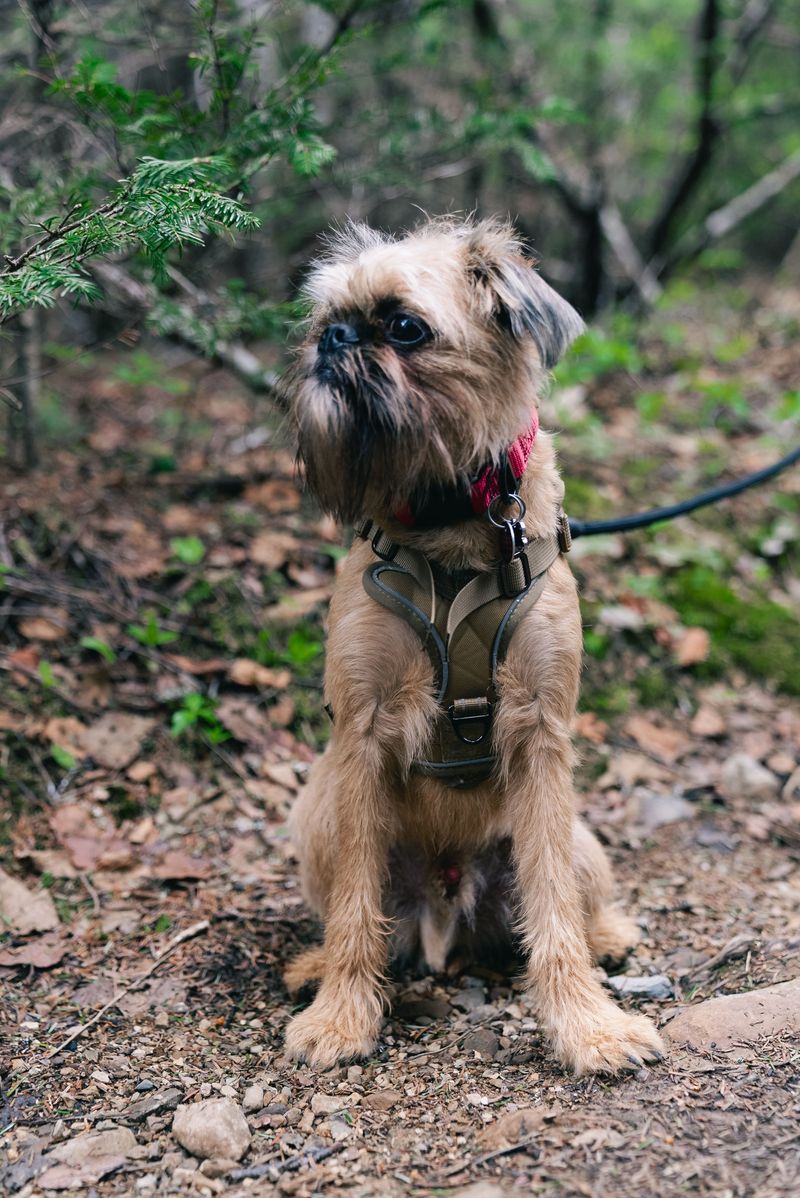
Gear can pick up more than dirt on wooded paths. Collars and harnesses can come into contact with vegetation where ticks may be present, so inspect them along with your dog’s coat.
Before unclipping everything, give each item a quick once-over. Check where straps touch fur, since ticks can hide under snug edges.
Shake out fabric gear outside when possible. Washing reusable bandanas and wiping hard surfaces helps too, especially after walks through tall grass, creek banks, or overgrown trail entrances in Indiana parks.
Brush Your Dog After Woodland Walks
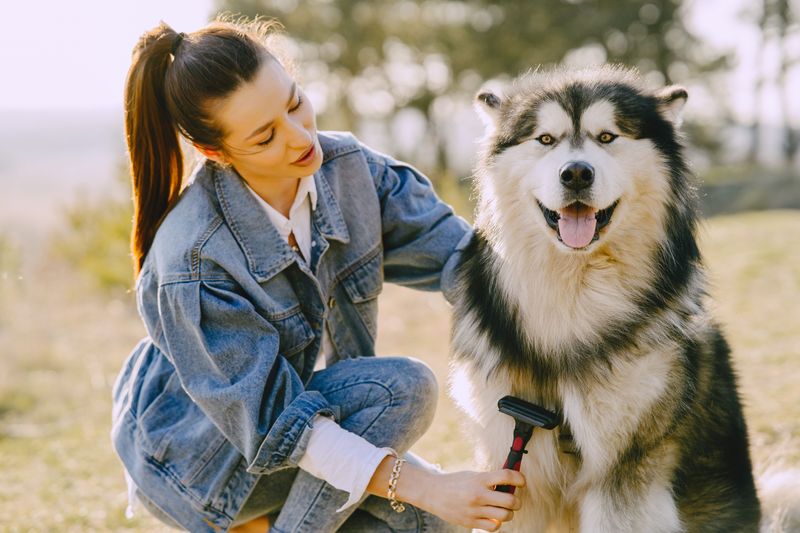
Brushing after a hike feels simple, yet it does a lot. It removes loose debris and can uncover crawling ticks before attachment happens.
Use a brush that suits your dog’s coat type. Short-haired dogs may need a rubber mitt, while longer coats often need a slicker or comb.
Brush outdoors or over an easy-to-clean surface. Follow with a hand check, since brushes help expose trouble, but they do not replace looking closely at the skin.
Check Before the Couch Gets Involved
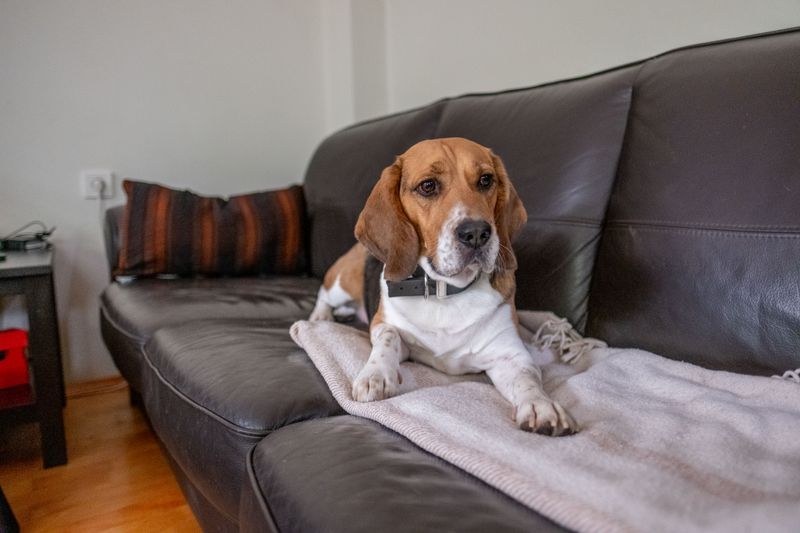
Nothing ruins a cozy evening faster than a hitchhiker reaching the couch. Checking your dog first helps keep ticks off blankets, beds, and favorite chairs.
Make the inspection part of coming inside. Keep wipes, a lint roller, or a washable towel near the door.
If your dog naps on furniture, look over the coat before that leap happens. The habit protects your home and gives you one more chance to catch tiny pests early today.
Know What An Attached Tick Looks Like
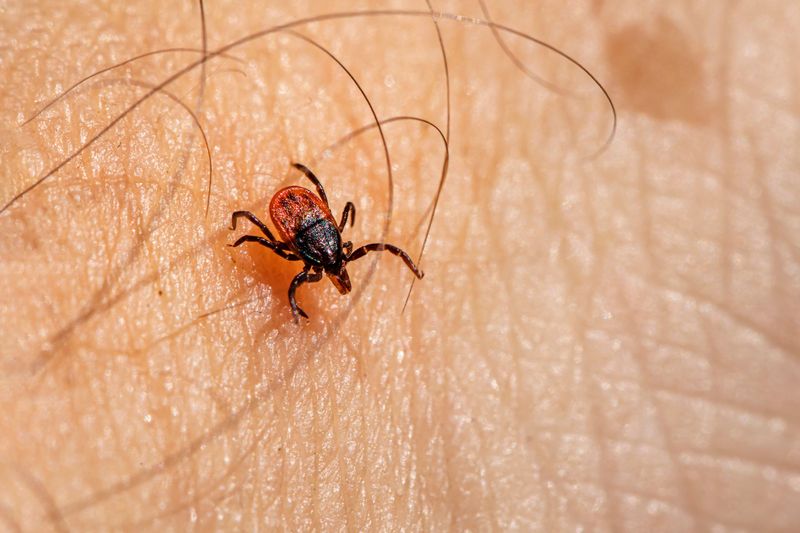
At first glance, an attached tick may look like a small bump. It can be gray, brown, or dark, with legs tucked close.
Skin tags, scabs, and nipples can fool people, so look carefully. A tick usually feels rounded and distinct from the skin around it.
If you are unsure, do not pull blindly. Ask your veterinarian or send a clear photo, if your clinic allows that kind of guidance before you decide what next.
Remove A Tick Promptly And Carefully
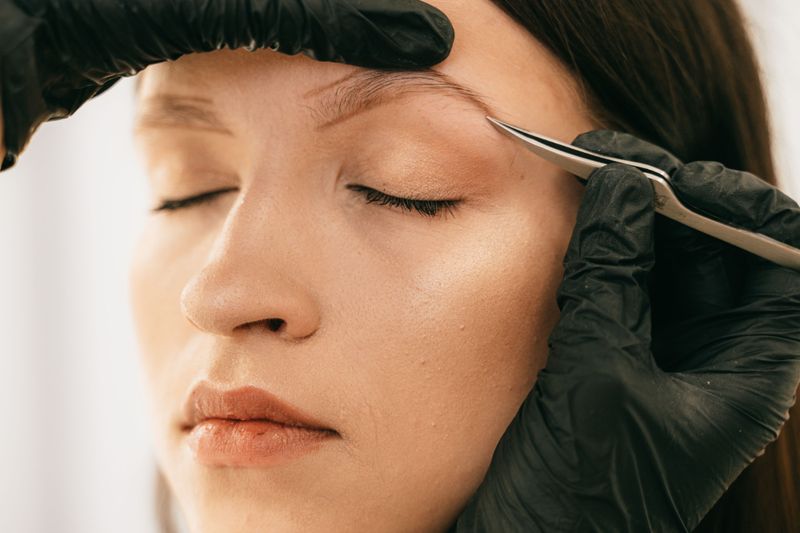
Finding a tick is unpleasant, but removal can stay straightforward. Use fine-tipped tweezers, grasp close to the skin, and pull steadily upward.
Avoid twisting, crushing, or coating the tick with home remedies. Indiana health guidance for people favors careful mechanical removal, and the same basic approach suits dogs.
Clean the area afterward, then wash your hands. If mouthparts seem left behind, or the site is awkward, contact your veterinarian for next-step advice the same day.
Watch The Bite Area After Removal
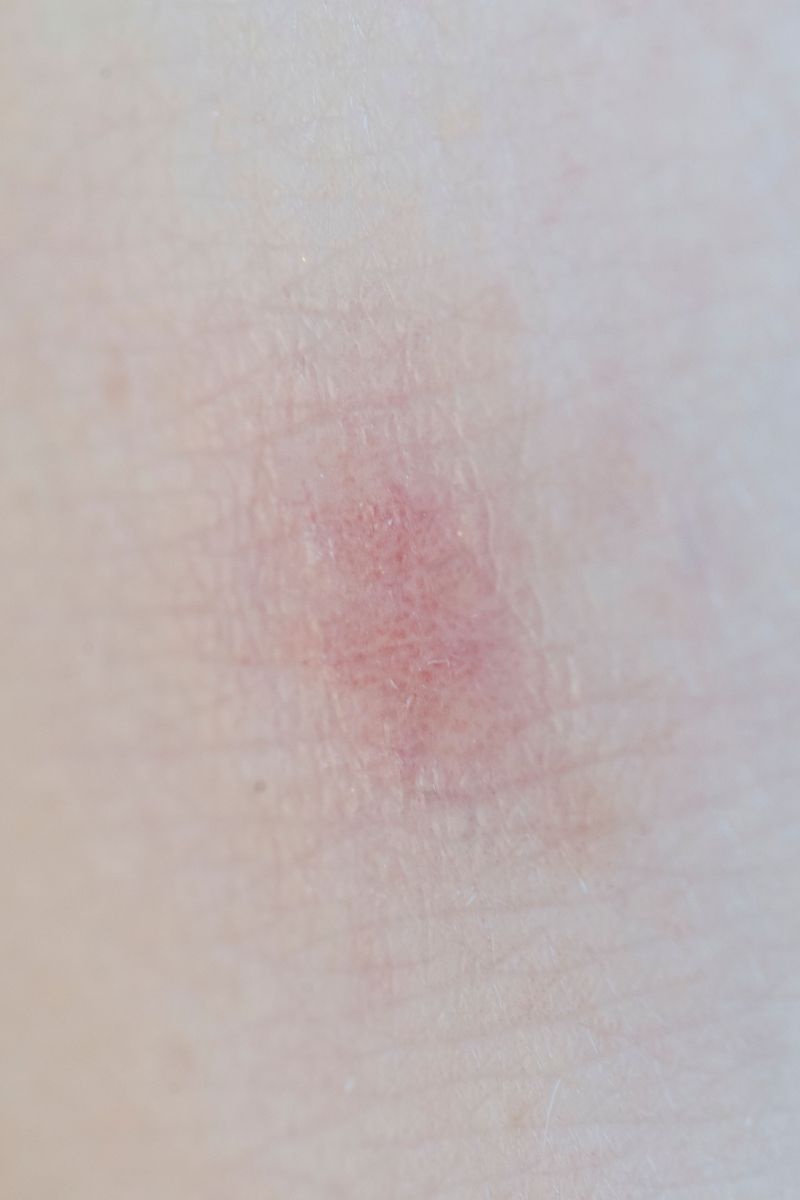
After removal, the job is not quite finished. A small mark can be normal, but the skin should not keep getting redder.
Check the spot over the next several days. Mild irritation may settle, especially if your dog scratched there.
Call your veterinarian if swelling grows, discharge appears, or the area seems unusually sore. Keeping a quick phone photo can help you notice changes without guessing from memory each day during your regular care checks.
Watch For Changes In Your Dog
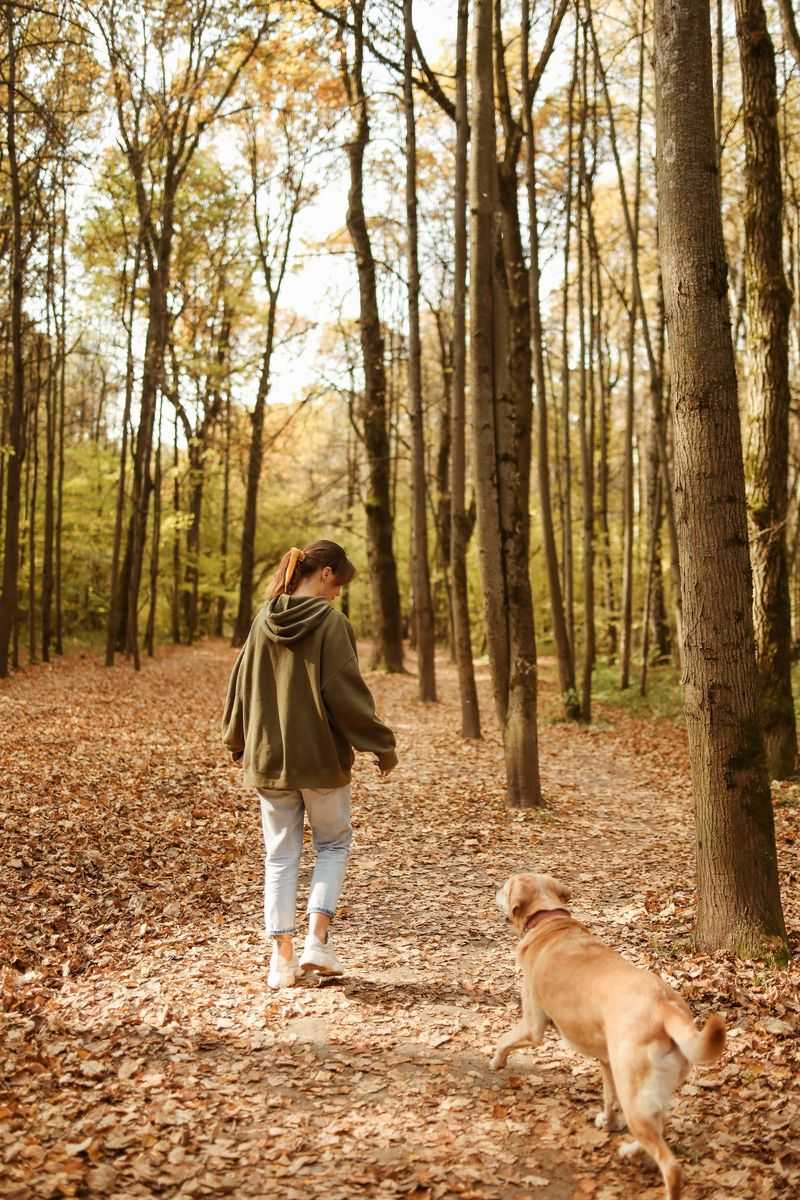
Sometimes the bigger clue appears days later, not on the trail. Owners know their dogs well, so small behavior shifts matter.
Watch for tiredness, less interest in food, limping, fever, or unusual sensitivity. Those signs can have many causes, not only ticks.
Still, recent trail time gives useful context for your veterinarian. Write down when the walk happened, where you went, and when changes started, so the visit feels clearer and more efficient for everyone.
Make Tick Prevention Part Of Trail Planning
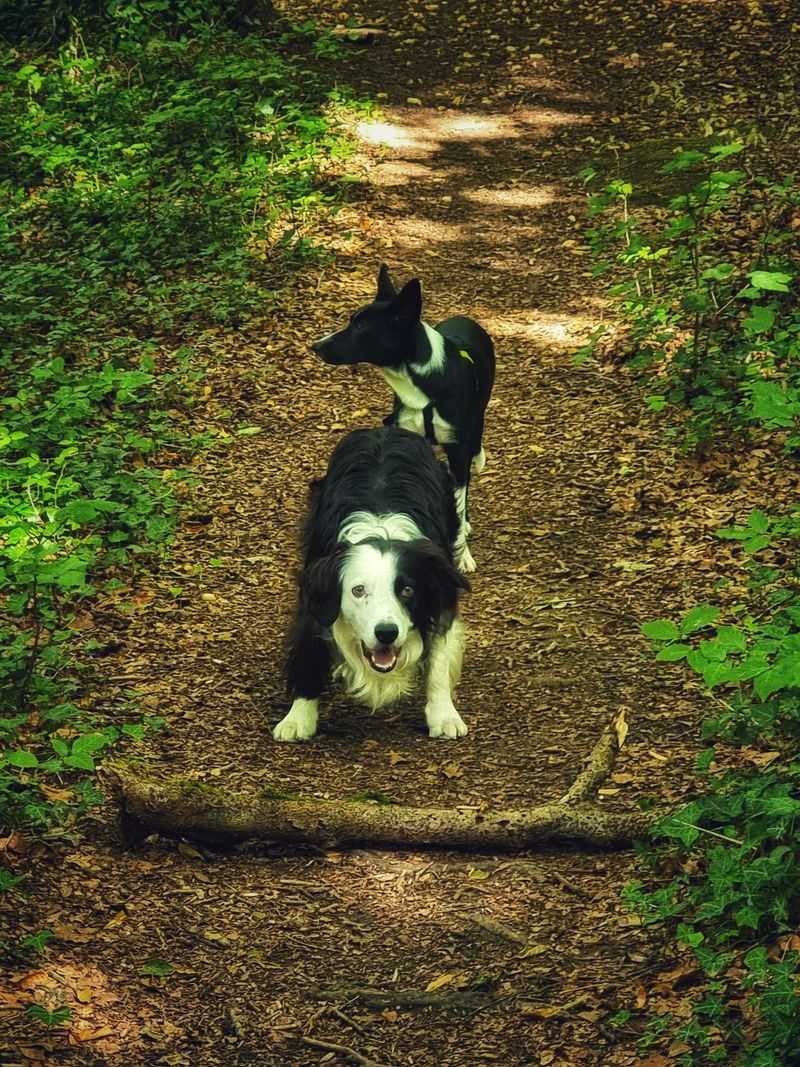
The smartest tick check starts before the leash clips on. Prevention products lower risk, and your veterinarian can suggest options that fit your dog.
No single product works perfectly, so pair prevention with physical checks. Ask what is suitable for your dog’s age, health, and lifestyle.
Trail choices matter too. Staying near the center path, avoiding heavy brush, and skipping peak overgrowth days can reduce exposure during Indiana woodland outings for many local dog owners.
Short Walks Still Deserve Full Checks
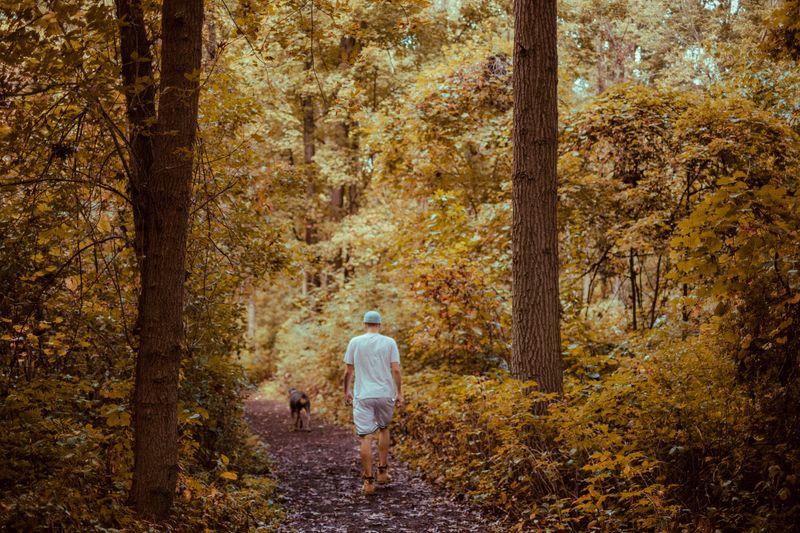
A brief stroll can still bring home a tick. Exposure depends more on contact with brush than on how long you walked.
That means potty breaks near trailheads, creek edges, or wooded yards deserve attention too. Quick outings often make people relax their routine.
Try not to guess based on time alone. If your dog stepped into tall plants or leaf litter, do a full check once you get back inside after those shorter trips.
Keep A Calm, Consistent Tick-Check Routine
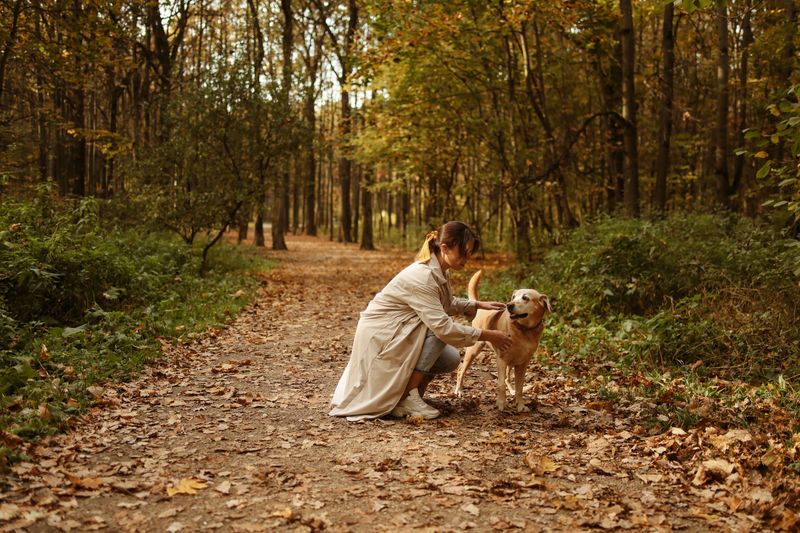
Dogs read our mood faster than our words. A calm, regular tick check helps your pet stand still and helps you notice more.
Use the same order each time, praise often, and keep treats handy. Consistency turns a chore into a familiar routine after Indiana trail walks.
If your dog stays relaxed, checks become quicker and more complete. Calm habits, clear steps, and steady attention leave you both better prepared for the next adventure together.