15 Questions Florida Condo Owners Should Answer Before Adopting A Large Dog

Bringing home a big dog while living in a Florida condo can absolutely work. It just takes a little planning before the leash and food bowl arrive.
Between association rules, elevator etiquette, summer heat, and shared hallways, there are details that first-time large-breed owners often miss. Think of the questions below as a friendly checklist from someone who has watched plenty of neighbors do this well.
Answer them honestly, and you will start your new life together on steady ground.
1. Does Your Florida Condo Allow Large Dogs?

Start with the documents, not the adoption listing. Florida condominium associations set their own pet policies through recorded declarations and bylaws.
Some buildings welcome dogs of any size, others cap the number of pets, and a few allow none at all. Ask the management office for the current governing documents in writing.
Verbal permission from a neighbor or agent means little later. Confirm the rule before you fall in love with a face.
2. What Is the Condo’s Weight Limit for Dogs?

Weight caps can vary widely across Florida condo communities. Some buildings set specific weight limits, while others do not.
A puppy that fits today may outgrow the rule in a year. Ask the shelter or rescue for an honest adult weight estimate.
Get the exact limit in writing from your association. Guessing here creates painful conversations down the road, and nobody wants that.
3. Are Certain Large Dog Breeds Restricted?

Breed rules deserve a careful read. Many Florida associations name specific breeds they will not permit, and insurance carriers sometimes influence those lists.
Mixed-breed dogs can be judged by appearance, which surprises new owners. Ask how your building handles that.
Statewide law does not create one uniform breed rule for private associations, so policies differ by community. Request the current list and keep a dated copy for your records.
4. Do You Need Written Approval From the HOA or Condo Association?

Paperwork protects you. Some Florida communities require a pet application, vaccination records, and board or manager approval before a dog moves in.
Submit everything early, since review can take weeks. Keep copies of approvals, receipts, and email threads in one folder.
If someone questions your dog later, documentation settles it quickly. A five-minute filing habit now saves genuine stress during a future board meeting.
5. Is There Enough Indoor Space for a Large Dog?
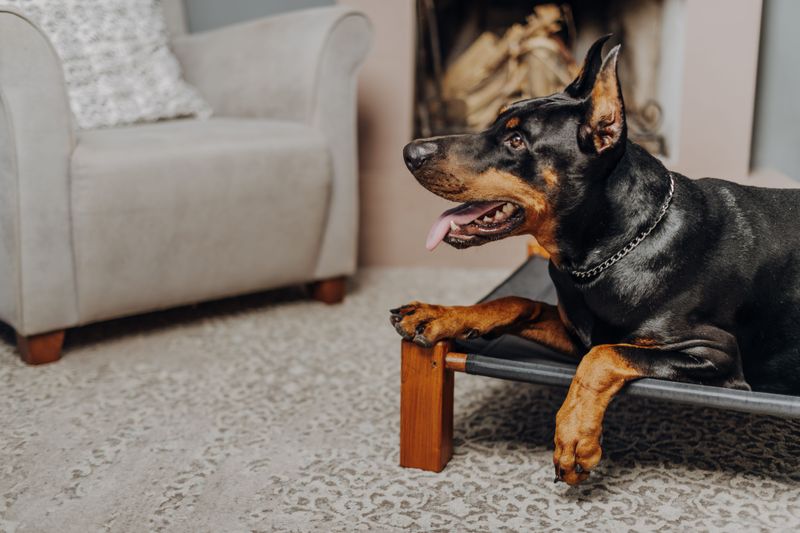
Square footage matters less than layout. A big dog needs a resting spot away from foot traffic, plus room to stretch without knocking things over.
Measure a corner for a crate or bed before adopting. Check that hallways and doorways stay clear.
Balconies are not substitutes for floor space, and railings can be unsafe for curious dogs. Arrange furniture so your dog has one calm, predictable retreat.
6. Can You Provide Enough Daily Exercise?
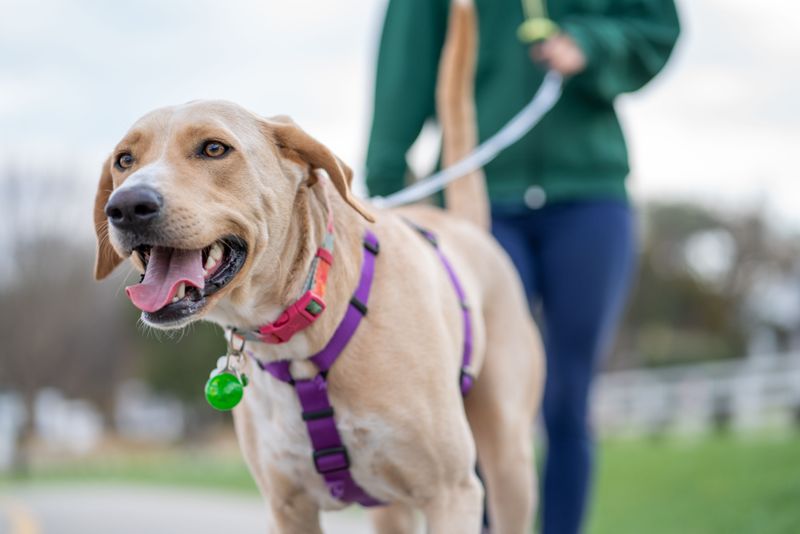
Energy has to go somewhere. Without daily walks and play, a large dog will redirect that energy toward furniture, doors, and barking.
Exercise needs vary considerably by breed, age, health, and individual temperament. Plan enough daily activity to meet the needs of the specific dog you are considering.
Florida owners often shift walks to early morning and evening because of heat. Map out realistic routes, nearby parks, and a backup plan for rainy afternoons before you commit.
7. Where Will Your Dog Get Its Bathroom Breaks?
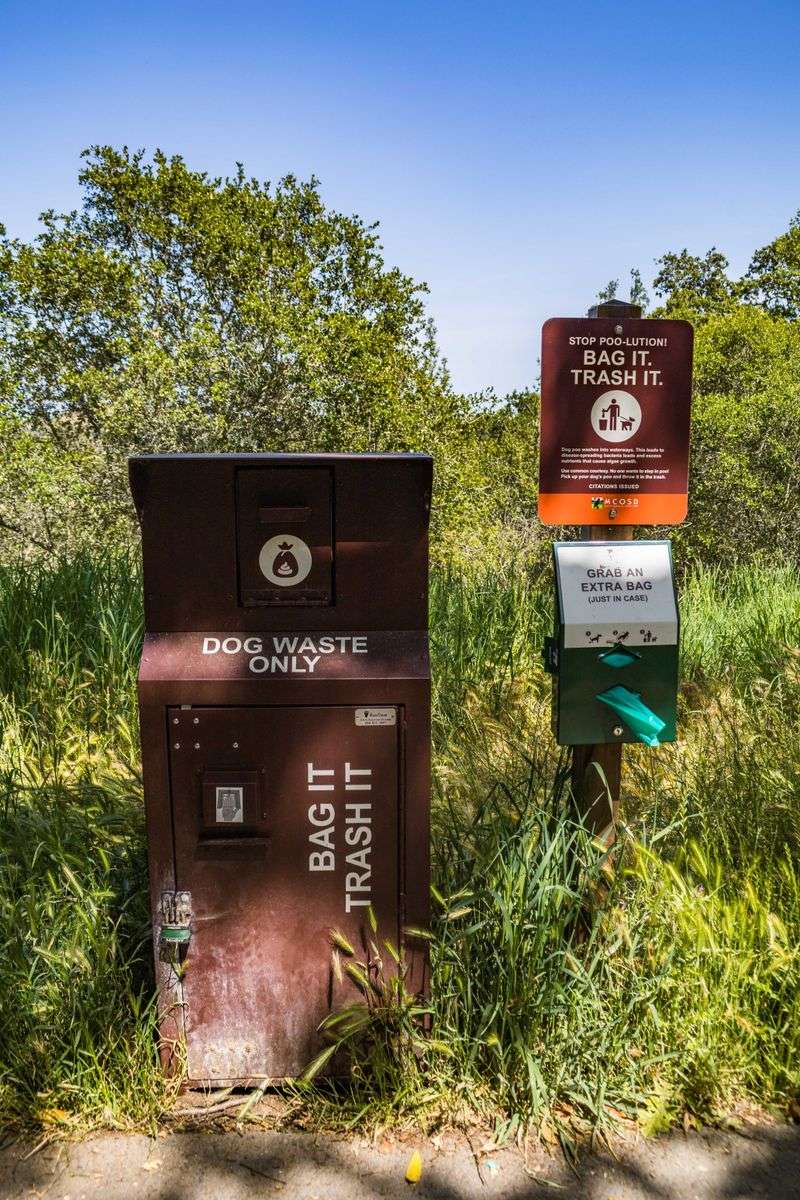
Fifteenth-floor living turns a simple potty break into a small expedition. Count the minutes from your door to the approved relief area.
Many Florida condos designate one grassy zone and prohibit others. Ask where it is and when it gets maintained.
Older dogs and puppies need more frequent trips. Consider a balcony potty patch only if your association permits it, and clean it often to control odor.
8. How Will You Protect Your Dog From Florida Heat?

Summer pavement can become hot enough to injure paw pads. Check the surface temperature before heading out and choose a cooler route or time when needed.
Walk during cooler hours, carry water, and keep sessions short during humid stretches.
Thick-coated and flat-faced breeds struggle most in this climate. Learn the early signs of overheating, like heavy panting and wobbliness, and ask your veterinarian what warning signs matter for your specific dog.
9. Can Your Dog Handle Elevator Rides?

Elevators are odd little rooms: they move, they beep, and strangers appear without warning. Some dogs shrug it off, others tense up.
Practice short rides during quiet hours and reward calm behavior. Teach a solid sit near the corner.
Keep the leash short and let neighbors board first if your dog is still learning. A few weeks of patient repetition usually turns nervous rides into routine ones.
10. Will Condo Noise Trigger Barking or Anxiety?

Shared walls mean constant sound: carts, doors, footsteps, and delivery knocks. Some dogs bark at every one of them.
Ask the rescue how the dog reacts to hallway activity and being alone.
White noise, window film, and a cozy crate spot away from the entry all help. If separation distress shows up, a trainer or your veterinarian can suggest a plan early, before neighbors notice.
11. How Will You Prevent Problems With Neighbors?

Good neighbor relations often decide how smoothly dog ownership goes. Introduce your dog calmly and let people opt out of greetings.
Teach a reliable sit for hallway encounters and keep the leash short around corners.
Not everyone in your building is comfortable near big dogs, and that is fine. Respecting personal space earns goodwill, which matters if a small complaint ever reaches the board.
12. What Are the Rules for Hallways and Common Areas?
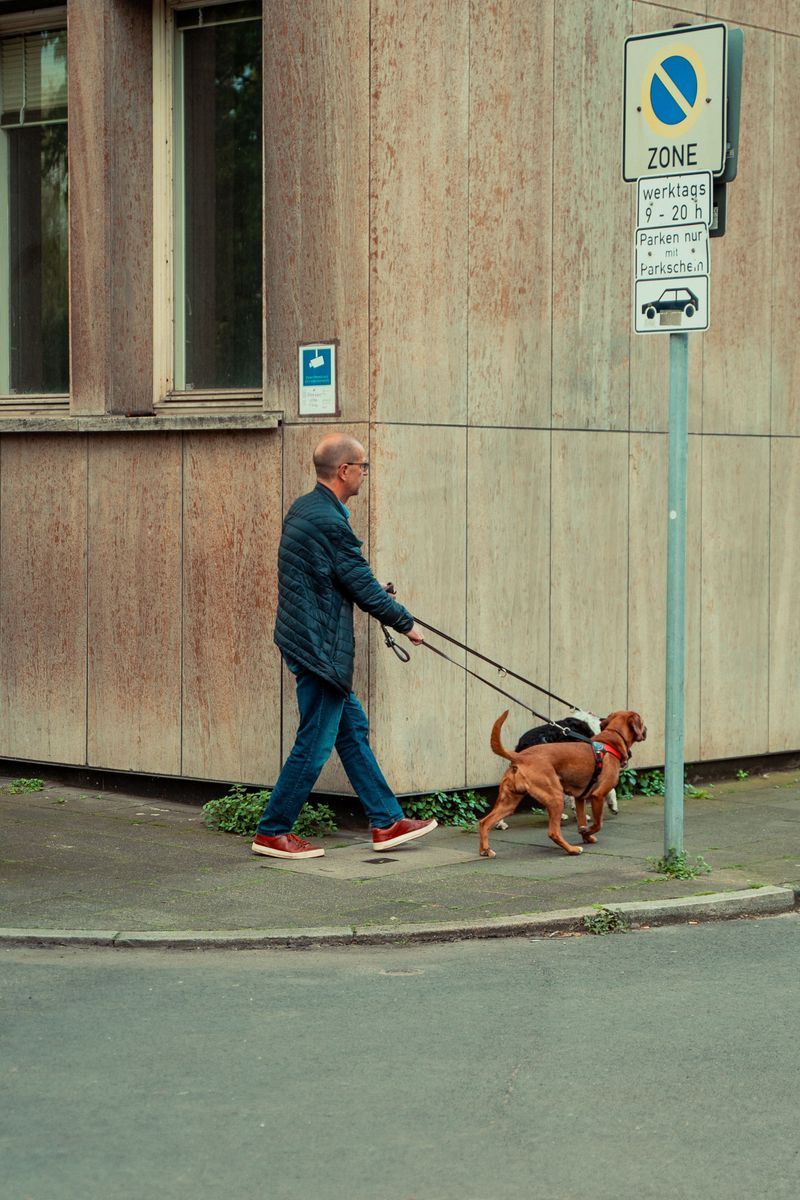
Common area rules can be surprisingly detailed. Buildings often require leashes at all times, ban pets from pool decks, and designate service entrances for dog traffic.
Local leash and waste ordinances also apply, and those differ by city and county.
Read the posted signs and the community handbook together. Following the small rules consistently is the simplest way to keep your dog welcome everywhere.
13. Who Will Care for Your Dog When You Are Away?

Hurricane season, work travel, and long shifts all raise the same question: who steps in?
Line up a walker, sitter, or trusted neighbor before adoption day, not during a crisis.
Confirm whether your building allows service providers access and what registration they need. Keep vaccination records, feeding notes, and your veterinarian’s number in one shared document.
Pet-friendly evacuation options are worth researching in advance too.
14. Can You Afford the Ongoing Cost of a Large Dog?

Bigger dogs simply cost more. Food, preventatives, and medication doses all scale with body weight.
Budget for routine veterinary visits, dental care, grooming, training classes, and an emergency fund or pet insurance.
Florida owners should also discuss year-round flea, tick, and heartworm prevention with their veterinarian, since parasite risks can persist throughout the year. Sketch a monthly number now so the numbers never catch you off guard later.
15. Are There Pet Fees, Deposits, or Insurance Requirements?

Money questions come next. Some Florida associations charge registration fees or refundable deposits, and rentals may add monthly pet rent.
Certain buildings require proof of liability coverage naming the association, especially for larger dogs.
Check your renters or unit owners policy for breed exclusions before adopting. Ask the manager for the exact amounts and requirements in writing, since these vary from one community to the next.