18 Dog Breeds Suited To New Mexico’s High-Desert Lifestyle
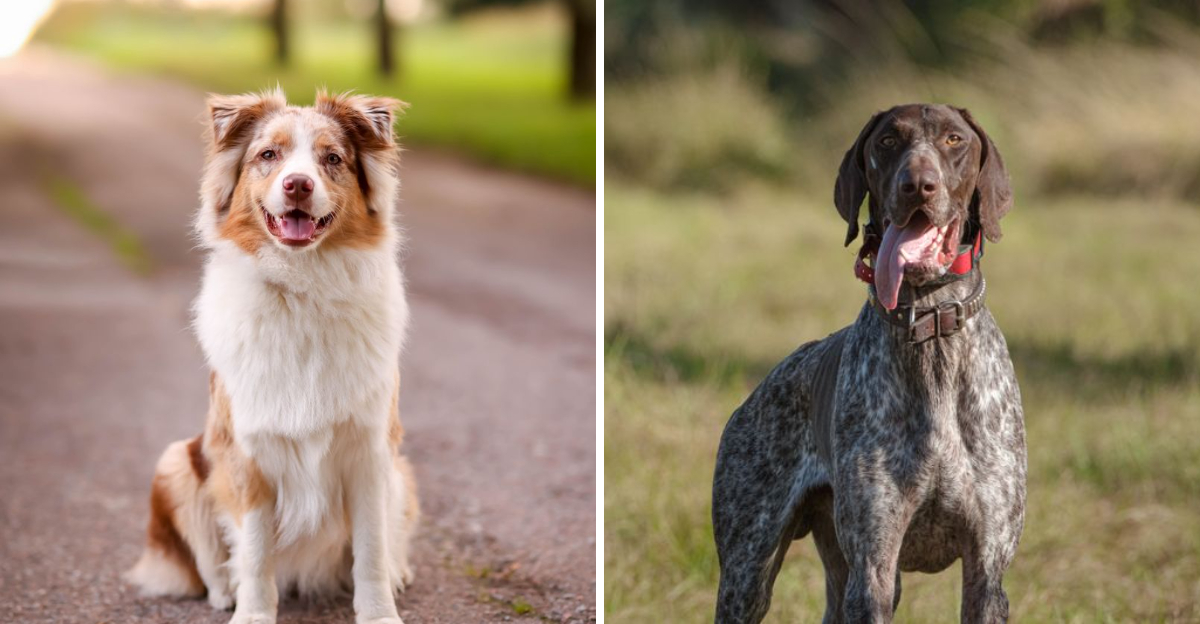
Seven thousand feet of elevation, cool mornings, blazing afternoons, and air so dry your lips crack by lunch. New Mexico asks a lot of a dog, and some breeds answer with a shrug and a happy trot up the mesa.
Others wilt before the first juniper. Knowing the difference saves you vet bills, ruined furniture, and a whole lot of guesswork.
Here are eighteen dogs built for sagebrush trails, sudden monsoons, and long naps in adobe shade.
1. Australian Cattle Dog
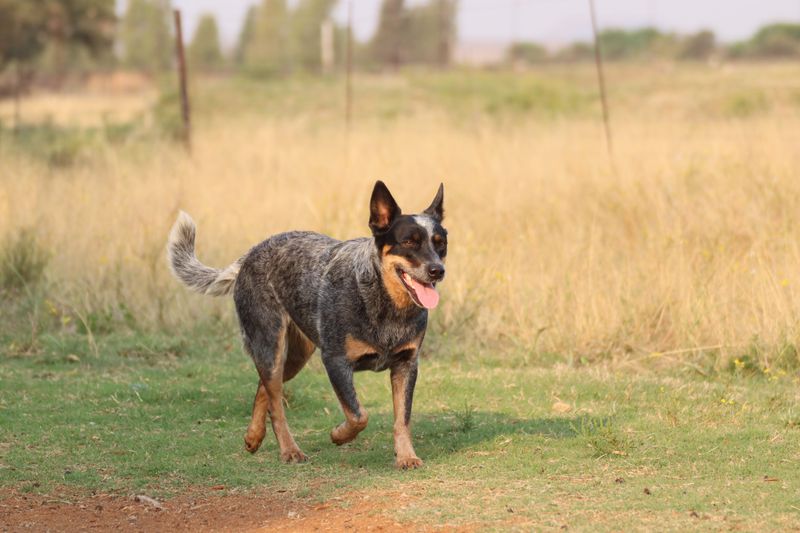
Bred for the scorched Australian outback, this dog treats a 90 degree afternoon like a mild inconvenience. Its short, dense double coat blocks sun while letting heat escape.
Plan on one to two hours of hard work daily: trail runs, herding games, agility, fetch until your arm quits. Skimp on that and your furniture pays.
Smart, loyal, and watchful, heelers may nip at sprinting kids, so early socialization matters enormously.
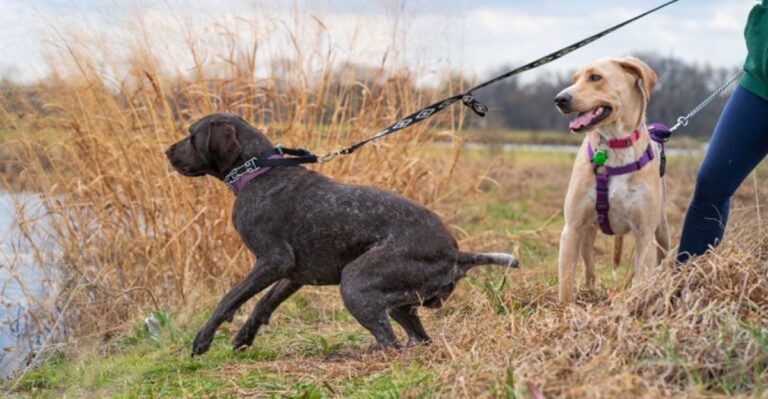
2. German Shorthaired Pointer
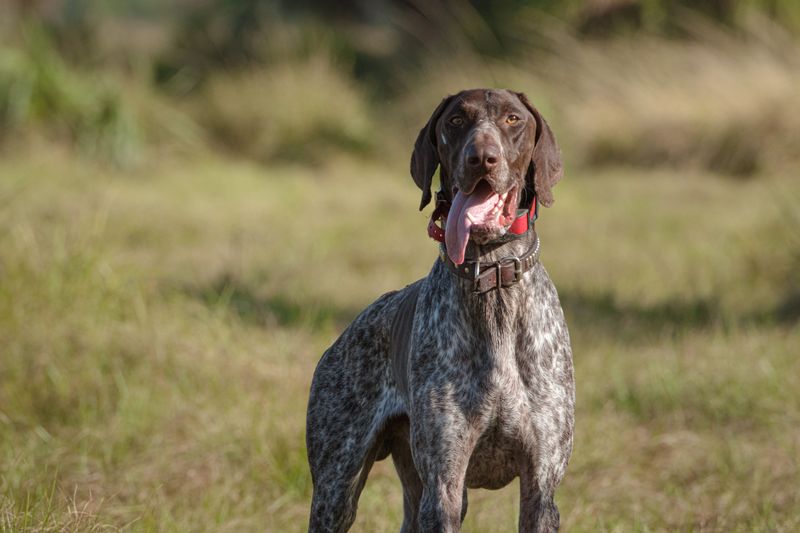
Ask any Rio Grande hiker about the sleekest dog on the trail and a GSP usually comes up. That short, dense coat handles heat well, and these dogs instinctively hunt down shade or water when they warm up.
Give them one to two vigorous hours, ideally split morning and evening. Scent work, swimming, and long hikes all fit.
Affectionate and clever, they truly dislike being left alone.
3. Vizsla
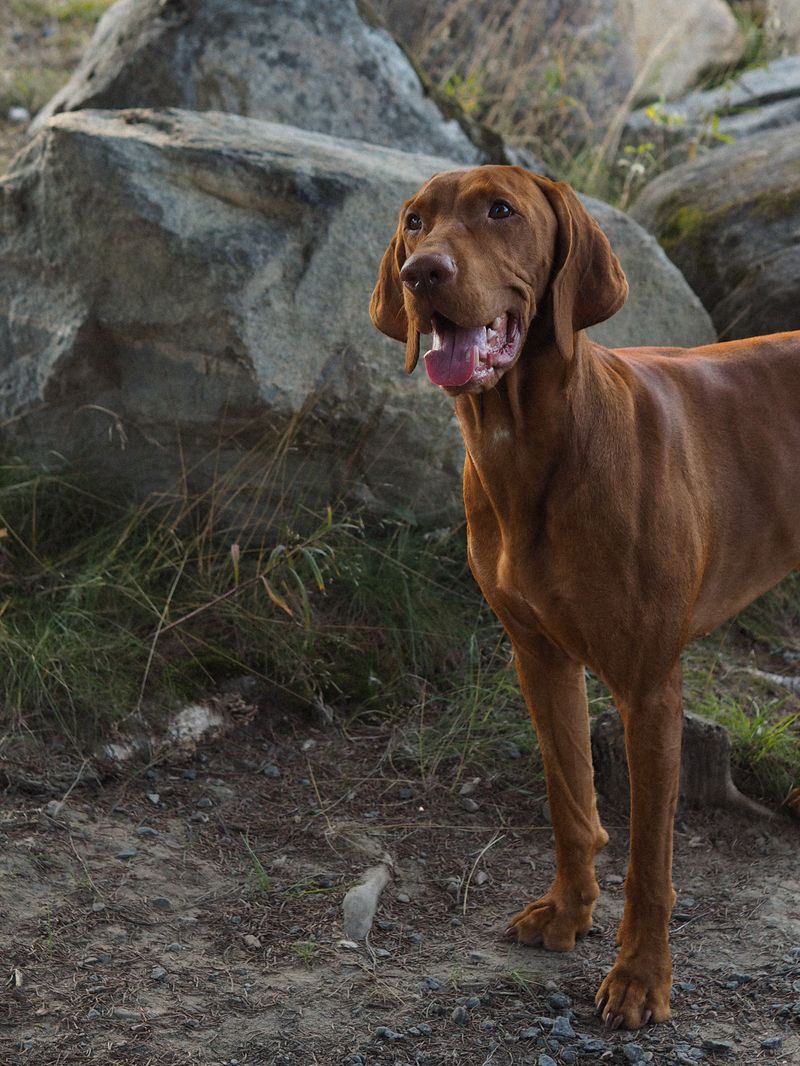
Hungarians call them golden ghosts, and the nickname fits. That russet gold coat reflects sunlight, and a lean frame sheds heat efficiently, so warm days suit them nicely.
No woolly undercoat means no outdoor kenneling, ever. Vizslas earned the Velcro dog label honestly, shadowing their people room to room.
Stamina is their gift, so jogging or biking partners get a devoted teammate. Mid-afternoon basking, though, can still overheat them.
4. Brittany
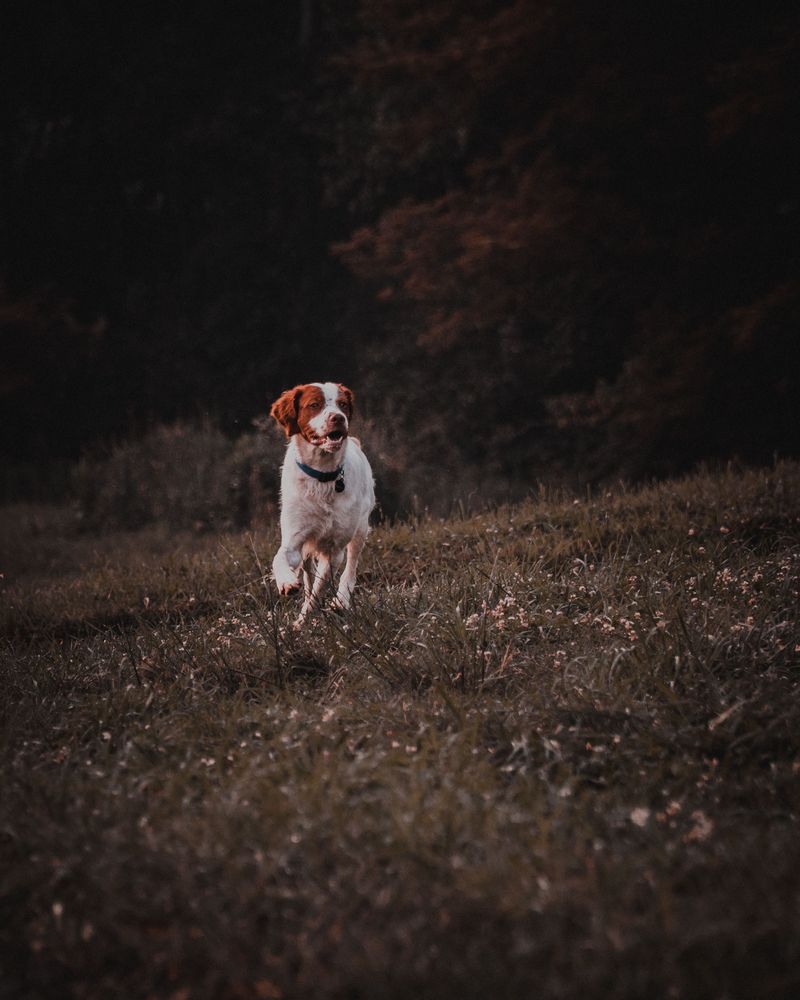
Compact, springy, and always ready, the Brittany packs enormous drive into a medium frame. Its hearty medium coat is weather-resistant and sheds dry dirt with a shake, handy after dusty mesa romps.
Budget roughly 90 minutes to two hours of real activity. Flyball, agility, and scent games keep that busy brain satisfied.
Sensitive souls, Brittanys crumble under harsh correction. Patient, upbeat training builds a happy hiking buddy fast.
5. Rhodesian Ridgeback
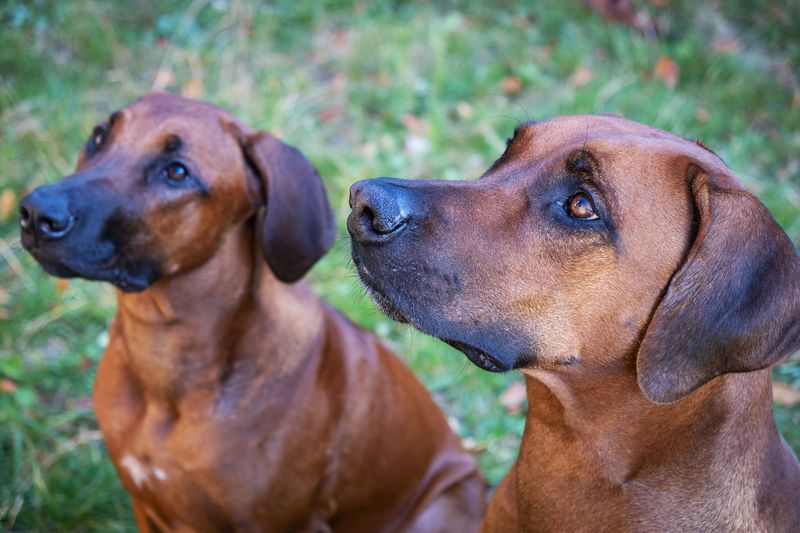
South Africa shaped this breed, and the ridge running backward along its spine is pure signature. A short, sleek, water-repellent coat insulates against sun while the dog handles heat capably.
Still, most Ridgebacks grumble above 88 degrees and hunt shade after fifteen sunny minutes. Shift walks to dawn or dusk.
Exercise needs stay moderate: brisk walks, lure coursing, tracking. Expect stubborn streaks and that famous full-body lean.
6. Dalmatian
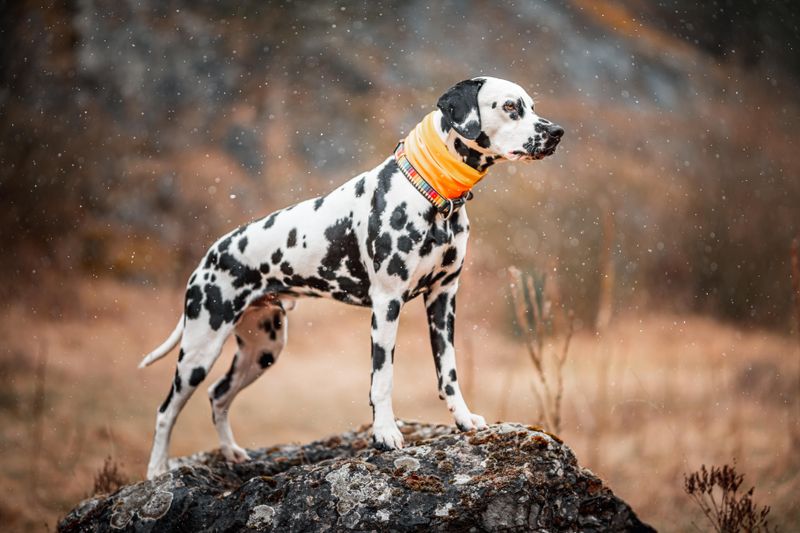
Carriage dogs once ran mile after mile beside horses, and that engine still hums under the spots. Short coat, no undercoat, plus white fur that bounces sunlight away equals solid desert credentials.
Endurance is the headline here, so casual strolls will not cut it. Save the big miles for cooler hours.
Watch pink skin on nose and ears, since sunburn happens quickly at 7,000 feet.
7. Basenji
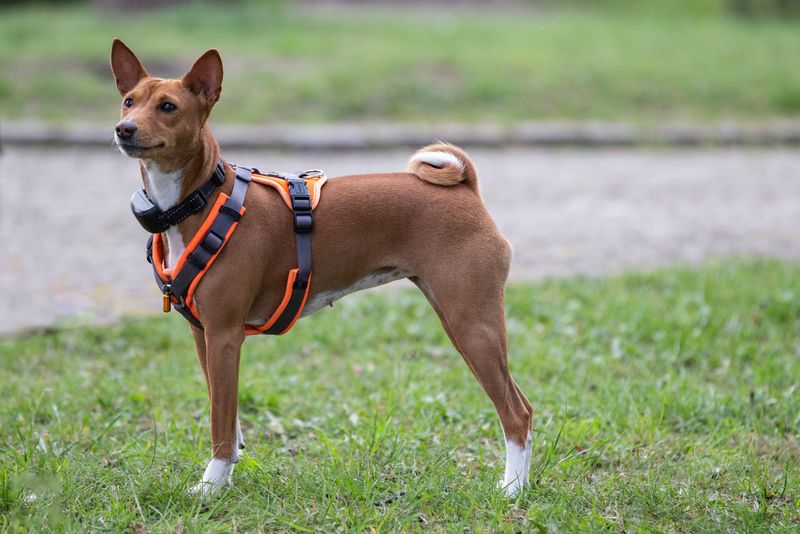
Central Africa gave us a dog that yodels instead of barking. Sleek short fur and tall, upright ears help the Basenji dump heat fast, making dry New Mexico air quite agreeable.
Two half-hour sessions daily keep the peace. Above 100 degrees, though, dial things back.
Cat-tidy, nearly odor-free, and gloriously independent, Basenjis need tall fencing. That prey drive answers to nobody, especially not your recall training.
8. Ibizan Hound
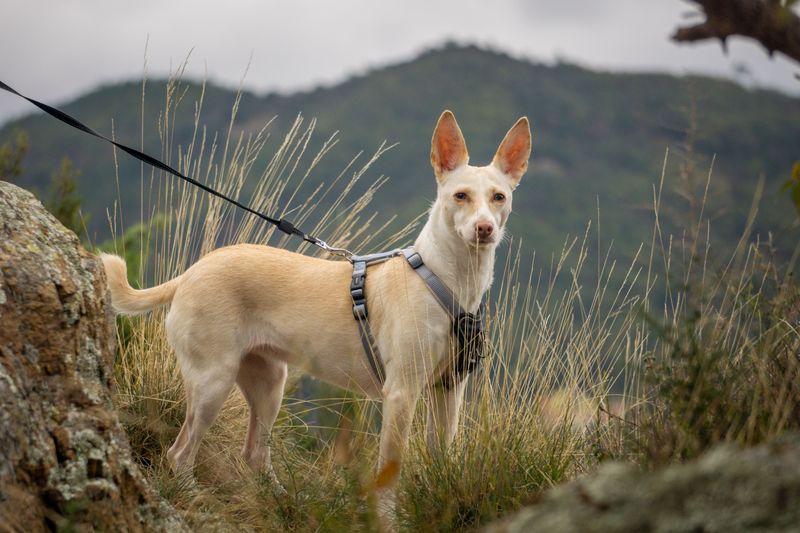
Picture enormous bat ears working like radiators on a Balearic island hillside. Ibizan Hounds hunted rocky, sun-baked terrain, and their thin coat plus lean build suits our arid mesas beautifully.
Sixty to ninety minutes of hard running keeps them level. They also jump absurdly well, so fences need six feet minimum.
Goofy at home, laser-focused outdoors, they cool off gladly and shiver in winter wind.
9. Pharaoh Hound
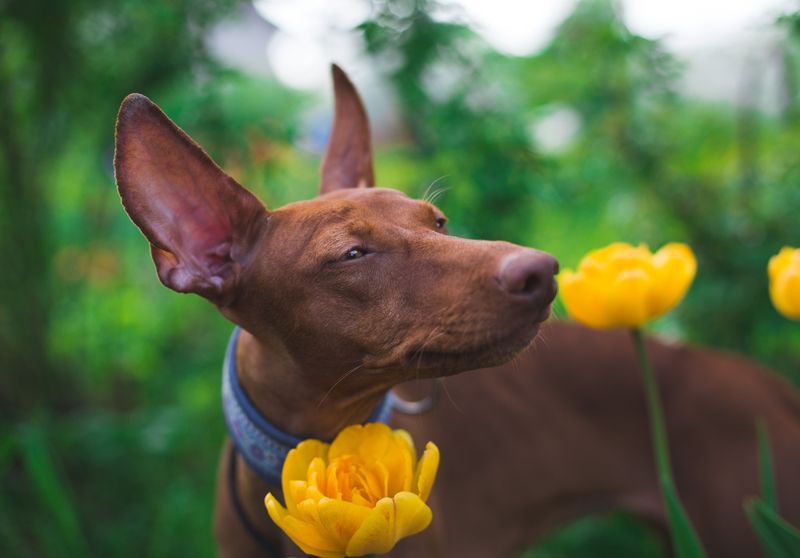
Malta’s national hound arrives with a party trick: it blushes. Nose and ears flush rosy when the dog gets excited or warm, which is oddly charming.
Thin, sparse fur, no undercoat, and huge cooling-fin ears with blood vessels near the skin make heat regulation almost effortless.
Daily running is non-negotiable, plus a grin you will swear is intentional. Cold nights, however, send them straight indoors.
10. Saluki
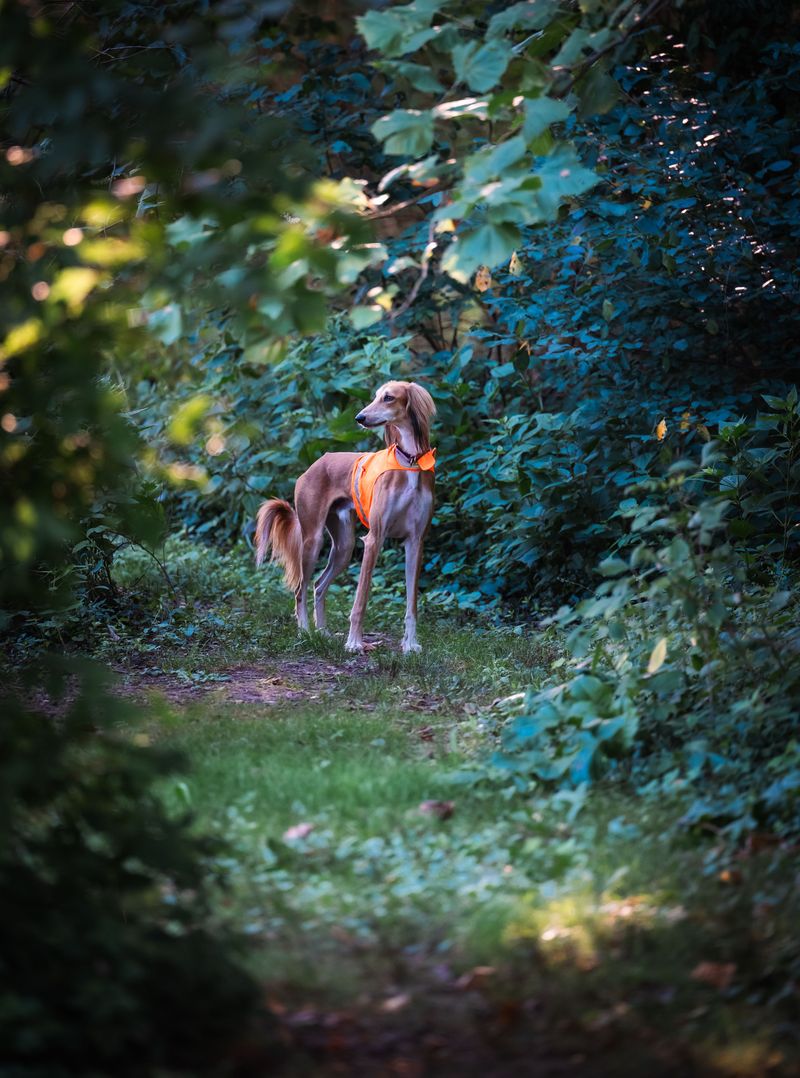
Ancient Middle Eastern nomads coursed game with these silk-coated speedsters across genuine desert. Long legs, single-layer coat, zero undercoat: dry heat tolerance runs above average.
Salukis are burst-and-rest athletes. Short explosive sprints in a six-foot-fenced yard beat any warm-weather jog.
Indoors they turn catlike, dignified, quiet, and draped across the softest cushion available.
Independent thinkers need patient positive training, never nagging repetition.
11. Whippet
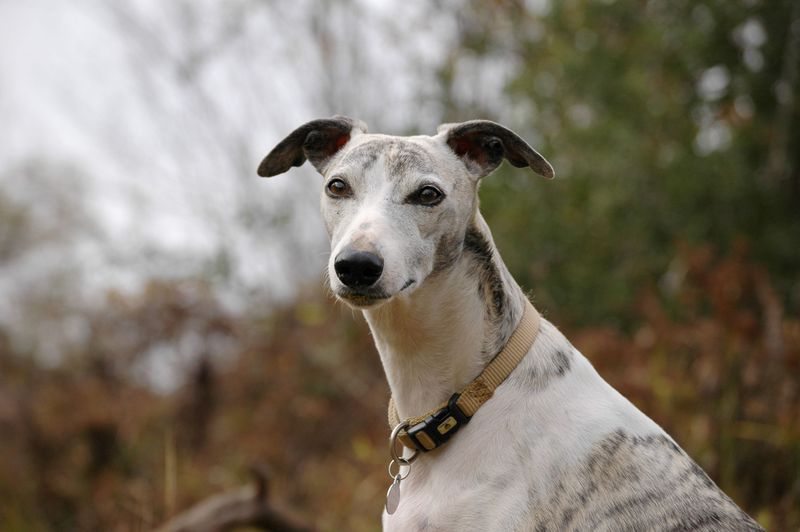
Ounce for ounce, few dogs cool down faster. A paper-thin single coat and almost no body fat let Whippets dump heat quickly, with comfort peaking between 60 and 80 degrees.
Above 83 degrees, ease up. Above 89, skip the sprinting entirely.
One hour daily suffices, mostly short bursts followed by championship-level couch napping. Hot pavement demands booties or paw wax, especially on July sidewalks.
12. Greyhound
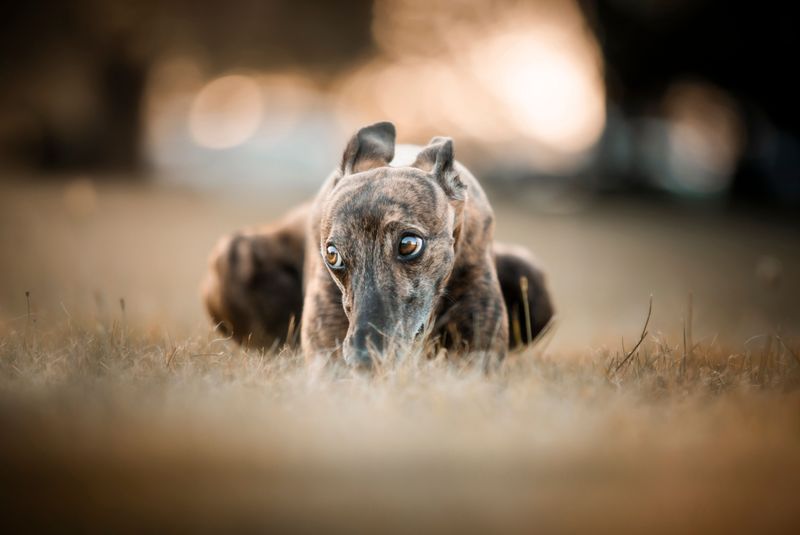
Forty-five mile per hour couch potatoes, and every Greyhound owner nods knowingly. Thin skin, short coat, and lean frame make temperature regulation genuinely efficient.
They sprint gloriously in fenced space, then lounge for hours, which suits siesta-style desert afternoons.
Extreme heat still poses real risk, so keep runs early or late. Bony bodies appreciate thick bedding, and small pets need supervision around that prey drive.
13. Xoloitzcuintli
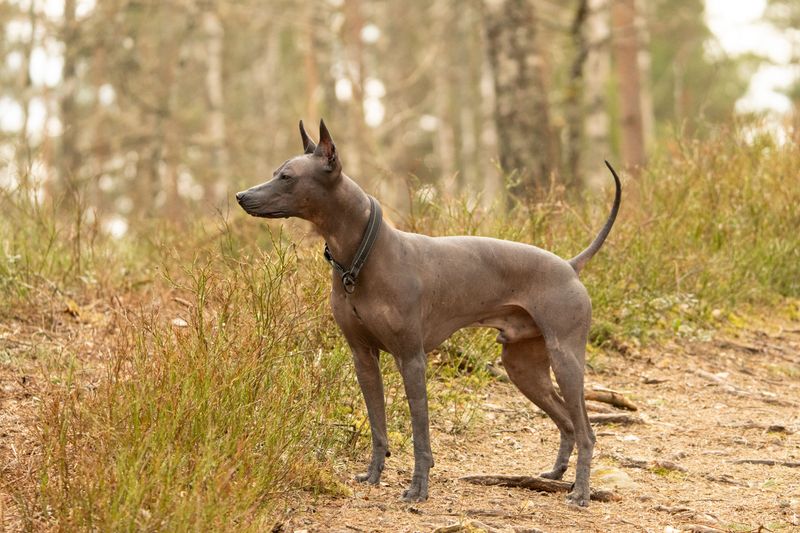
Thousands of years ago, the Chihuahuan Desert produced a nearly hairless marvel. Tough, smooth skin radiates heat brilliantly, and Xolos make solid warm-weather running partners with sensible precautions.
Dog-safe sunscreen is mandatory, particularly on pale individuals. Below 60 degrees they shiver, so sweaters earn their keep.
Thirty to sixty daily minutes suits them. Coated and hairless pups appear in the same litter, which never stops surprising people.
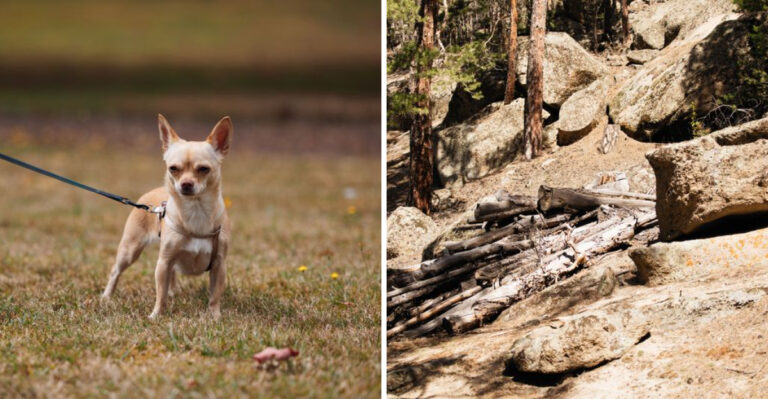
14. Chihuahua
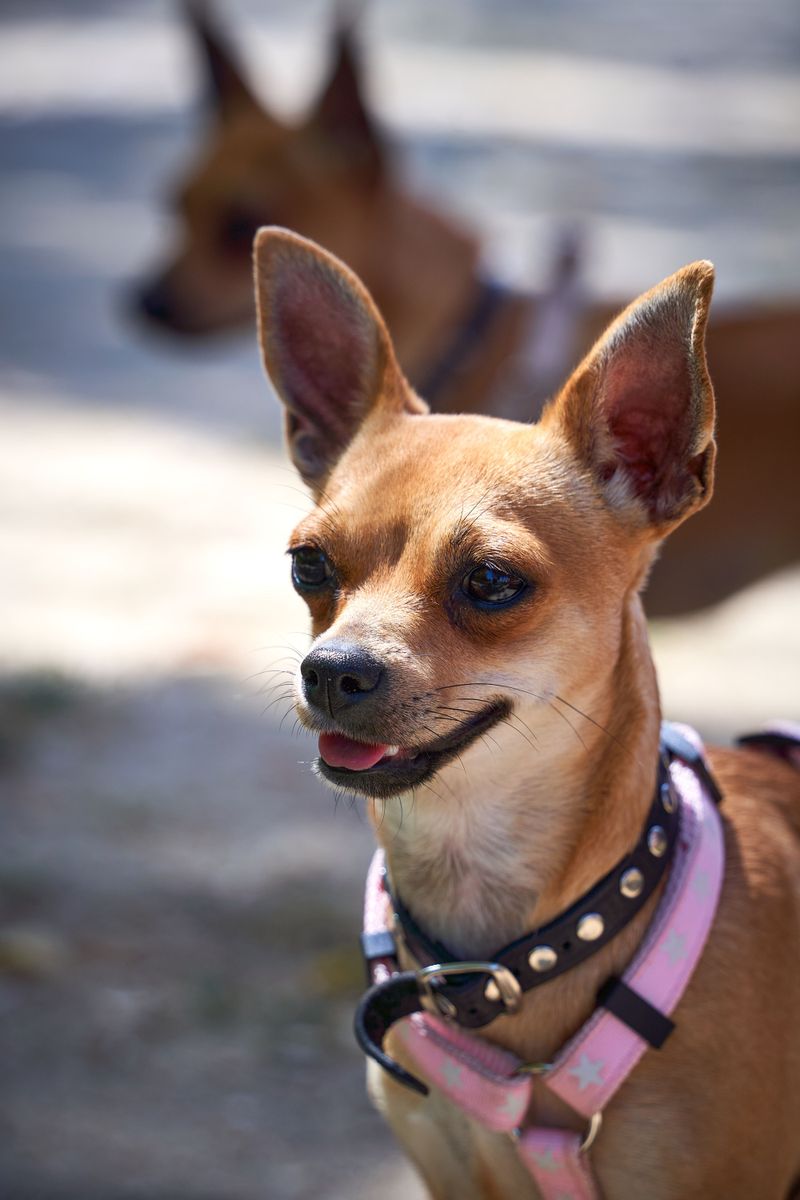
Named for a Mexican desert state, this pocket-sized powerhouse actively hunts sunbeams. Thin coats, short or long, plus tiny bodies release heat efficiently.
Small size cuts both ways, though. Dehydration and heatstroke arrive fast, so water, shade, and cool tile stay essential.
Exercise needs are modest: a daily walk plus indoor games. Winter brings shivering and sweater season.
Hot pavement burns those miniature pads within seconds.
15. Australian Shepherd
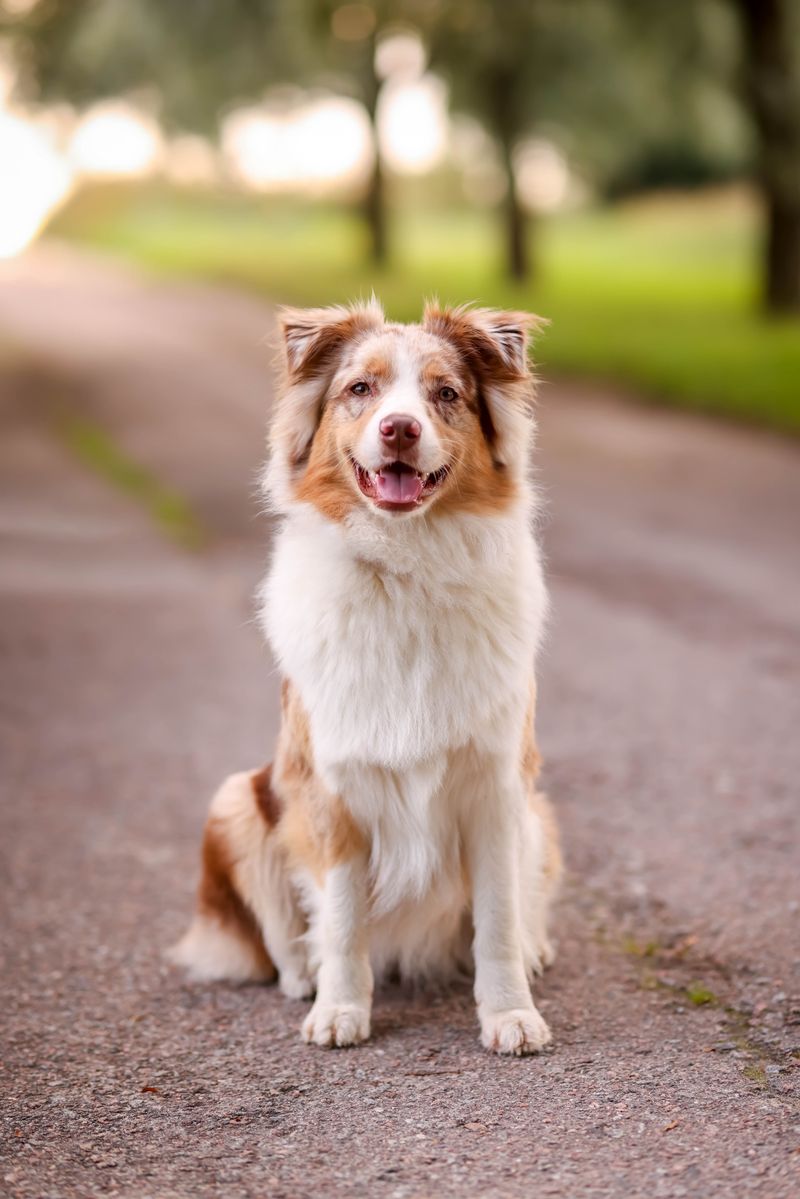
Ranch country from Roswell to Farmington runs on dogs like this. That waterproof double coat insulates against heat and cold alike, provided you rake the undercoat out regularly for airflow.
Comfort peaks near 68 degrees, and above 90 you rethink the long walk.
One to two hours of purposeful work prevents digging and chewing. Aussies need a job, even if that job is puzzle toys.
16. Standard Poodle
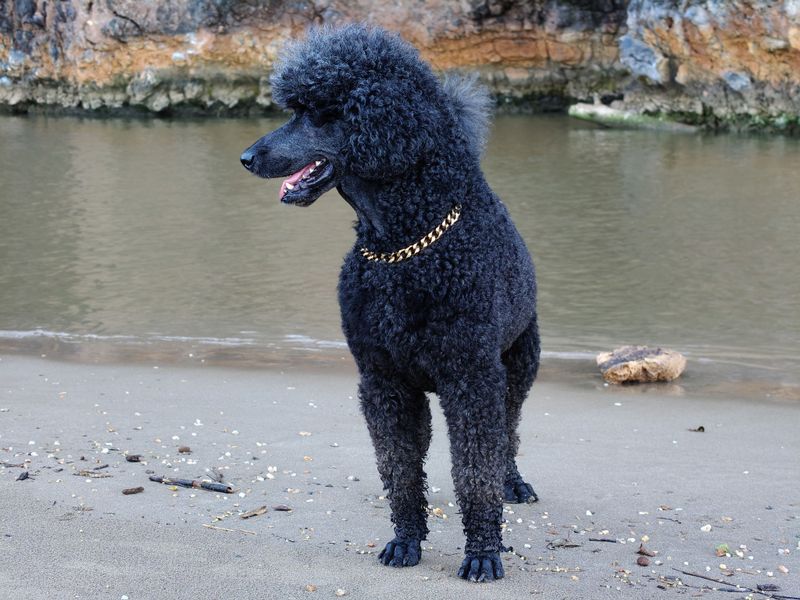
Forget the show ring stereotype. Clipped short, a Standard Poodle copes well with warmth, and evening walks in high desert heat rarely faze a fit one.
Sixty to ninety minutes of real activity keeps that brilliant brain busy. Scent work, agility, swimming, hiking: all welcome.
Non-shedding curls mean regular grooming appointments. Darker coats absorb more heat, so watch black poodles closely on sunny afternoons.
17. Belgian Malinois
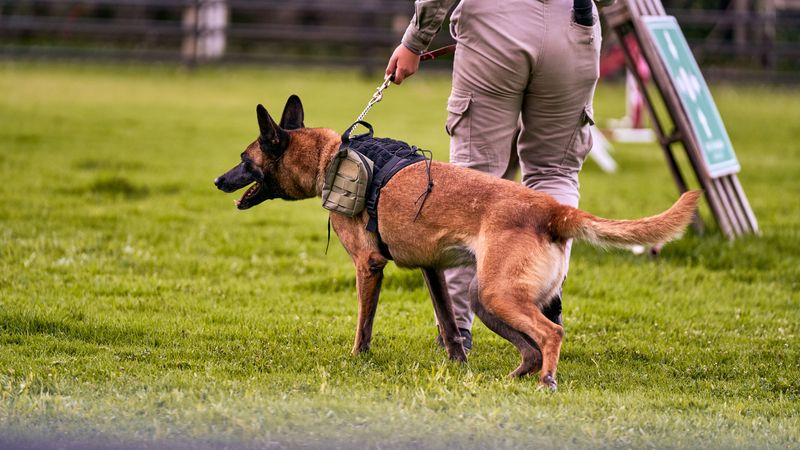
Military and police handlers deploy these dogs into genuine desert conditions, which tells you plenty. A short double coat plus a high-octane metabolism handles warm-weather work impressively.
Ninety to 120 minutes of intense activity is the floor, not the goal. Structured training, sprints, frisbee, scent work.
Water breaks and paw booties matter on scorching pavement. Without a job, a Malinois will invent one you dislike.
18. Border Collie
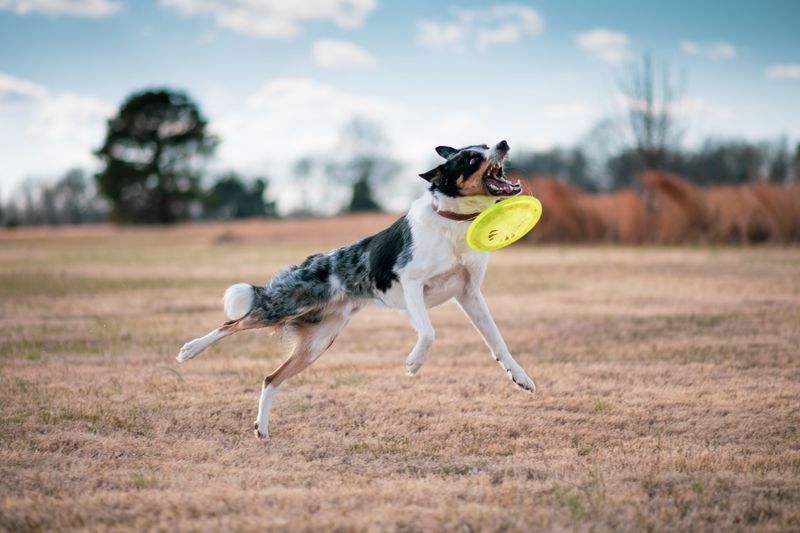
The world’s brainiest dog also has the worst off-switch. Smooth-coated Border Collies adapt to hotter climates reasonably well, since that double coat insulates both directions.
Danger comes from drive, not weather. Around 86 degrees, an exerting collie may show real distress, so you must call the breaks yourself.
Ninety minutes to two hours of activity, scheduled dawn and dusk, keeps this genius delightfully busy.