15 Florida Yard Plants And Palm Seeds Dog Owners Should Keep Out Of Reach
Florida yards grow fast, bloom hard, and drop seeds all year long. That means our dogs share space with tropical plants most owners never learned about.
The good news is that a little knowledge goes a long way, and most of these plants can stay in your landscape with simple precautions. Here is a friendly walk through the common ones worth watching, plus easy habits that keep curious noses safely occupied.
1. Sago Palm
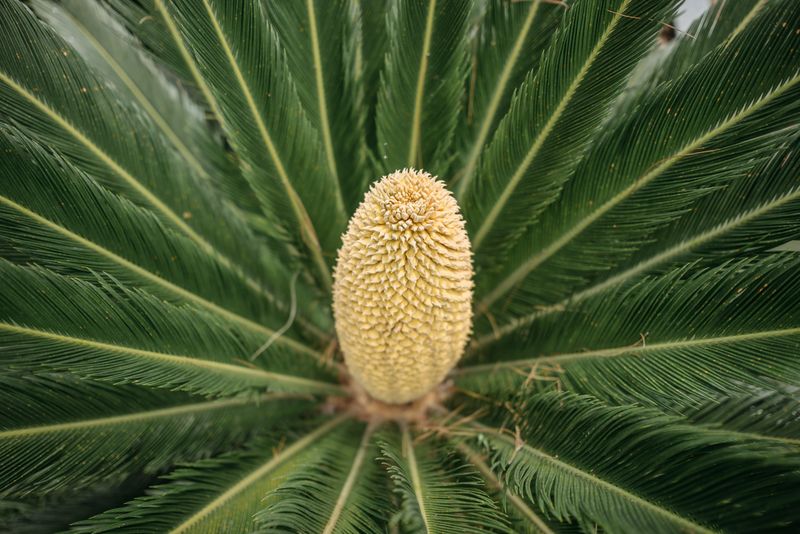
Nearly every Florida veterinarian keeps sago palm at the top of the watch list. The plump orange seeds fall within easy reach of curious noses.
Every part holds cycasin, a compound that troubles the liver, though seeds carry the most. Landscapers often plant them near driveways and pool decks.
Sweep fallen seeds weekly, fence the base, and call your vet right away if chewing happens. Many owners simply swap the plant for a dog-safe shrub.
2. Coontie Palm
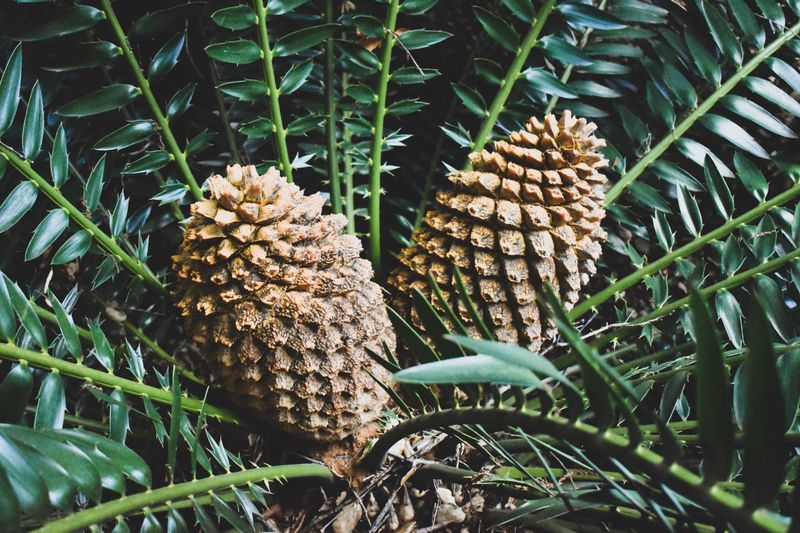
Florida’s only native cycad looks harmless tucked into a shady border. Coontie shares the same cycad chemistry as sago, so give it equal respect.
Its seed cones sit right at dog height, which makes them tempting. Puppies are the most persistent diggers here.
Gardeners prize coontie for hosting atala butterflies, and it can stay in your yard. Just add low fencing, rake dropped seeds, and scan the bed daily.
3. Cardboard Palm
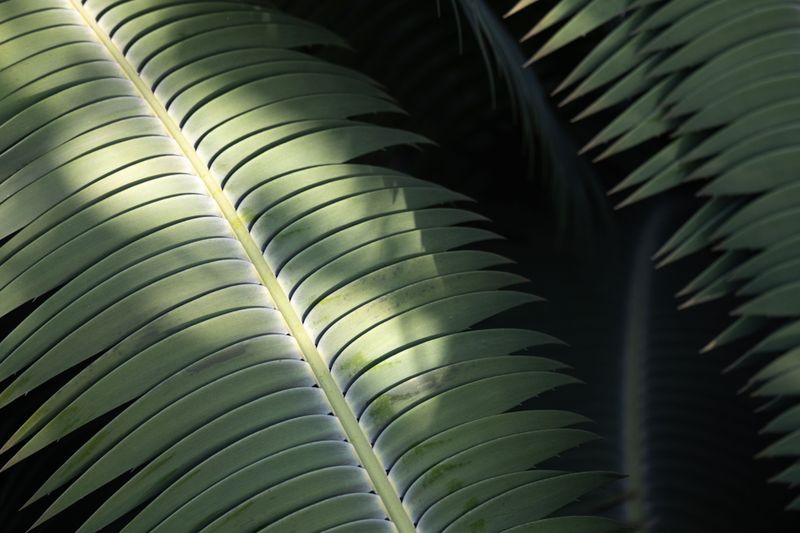
Stiff, fuzzy leaflets give cardboard palm its name and its popularity in parking lots and patios. Botanically it is another cycad, not a true palm.
The bright red seeds are the part dogs notice first. Same family, same cautions as sago and coontie.
Walk your yard after windy days and collect anything that has dropped. If your dog mouths a seed, rinse the mouth and phone your veterinarian.
4. Oleander
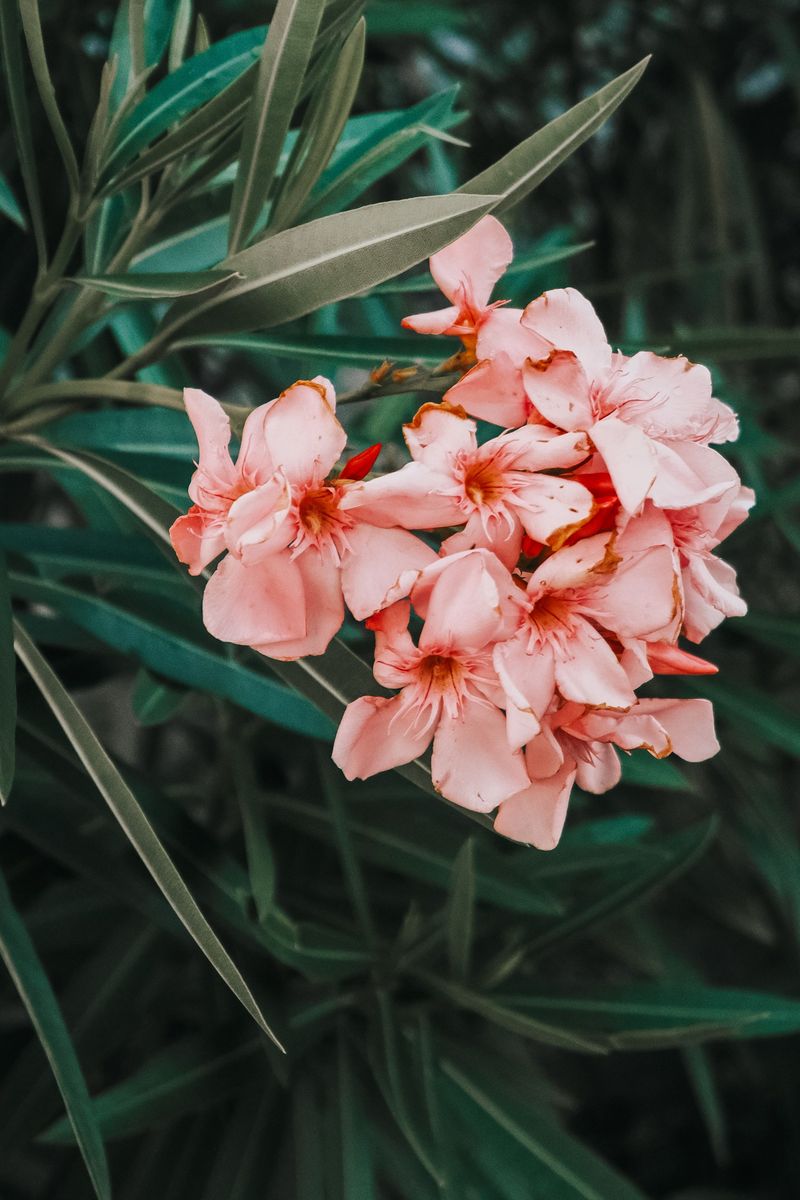
Those cheerful pink and white hedges lining Florida roads are usually oleander. Tough, salt-tolerant, and unfortunately risky for pets.
Leaves, flowers, and stems contain cardiac glycosides that affect the heart rhythm. Even dried clippings keep their punch.
Bag trimmings promptly and never burn them, since the smoke is irritating too. Keep water bowls away from hedge lines where petals drift, and supervise dogs who like to chew sticks.
5. Lantana
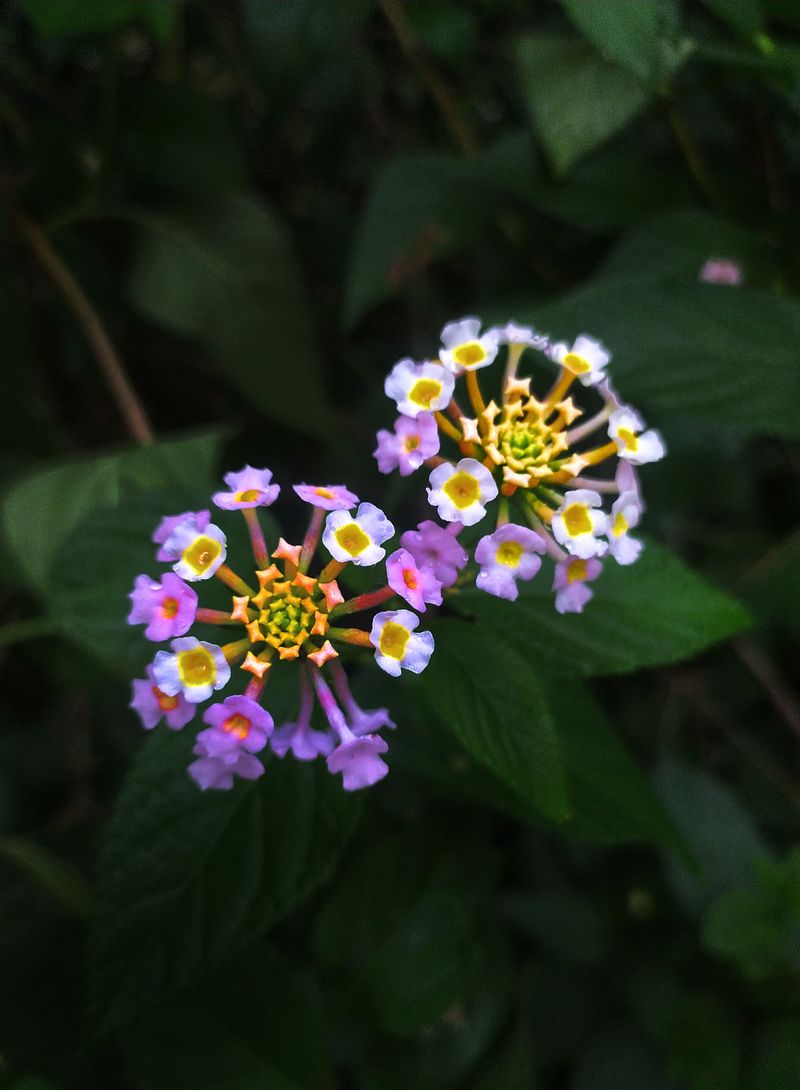
Butterfly gardeners love lantana, and honestly, so do I. Bees swarm it from March through November.
The catch is that lantana is toxic throughout the plant, with its toxic compounds found primarily in the leaves. In dogs, ingestion can cause vomiting, diarrhea, weakness, and other signs of poisoning.
Plant it where your dog does not lounge, or choose sterile varieties that set few berries. Deadheading spent blooms is a five minute job that removes most of the temptation.
6. Angel’s Trumpet
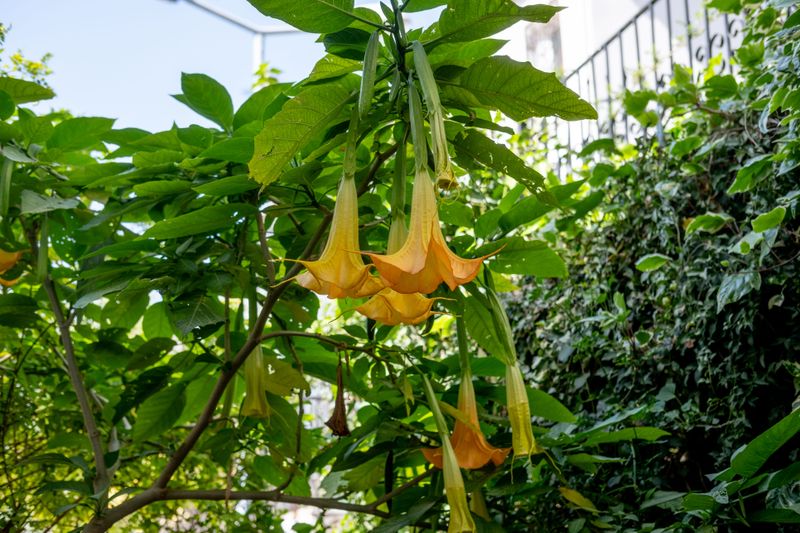
Few plants stop visitors like angel’s trumpet, with blossoms the size of a hand. The evening fragrance is unforgettable.
All parts contain tropane alkaloids that affect the nervous system, including those dramatic fallen flowers.
Because blooms drop constantly, the ground below needs regular attention. Rake beneath the shrub, plant it behind a border, and keep it out of the fenced run area.
Store prunings where a nosy dog cannot reach.
7. Azalea
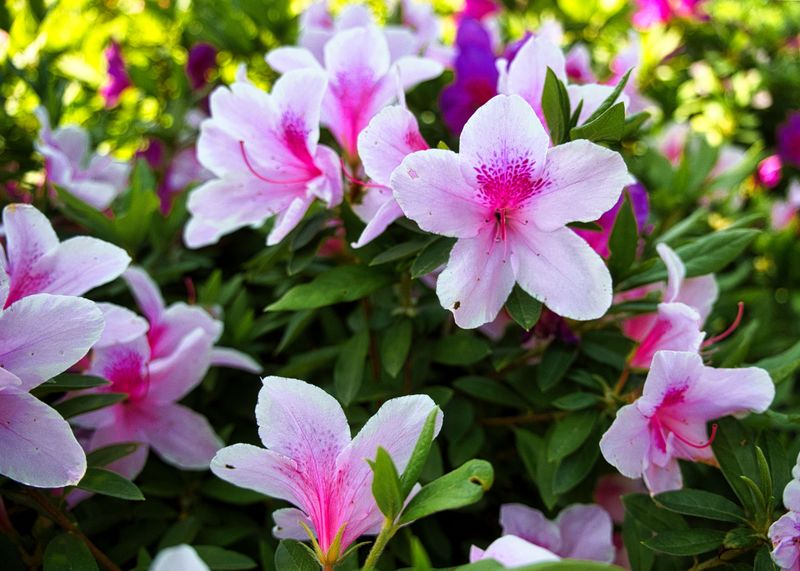
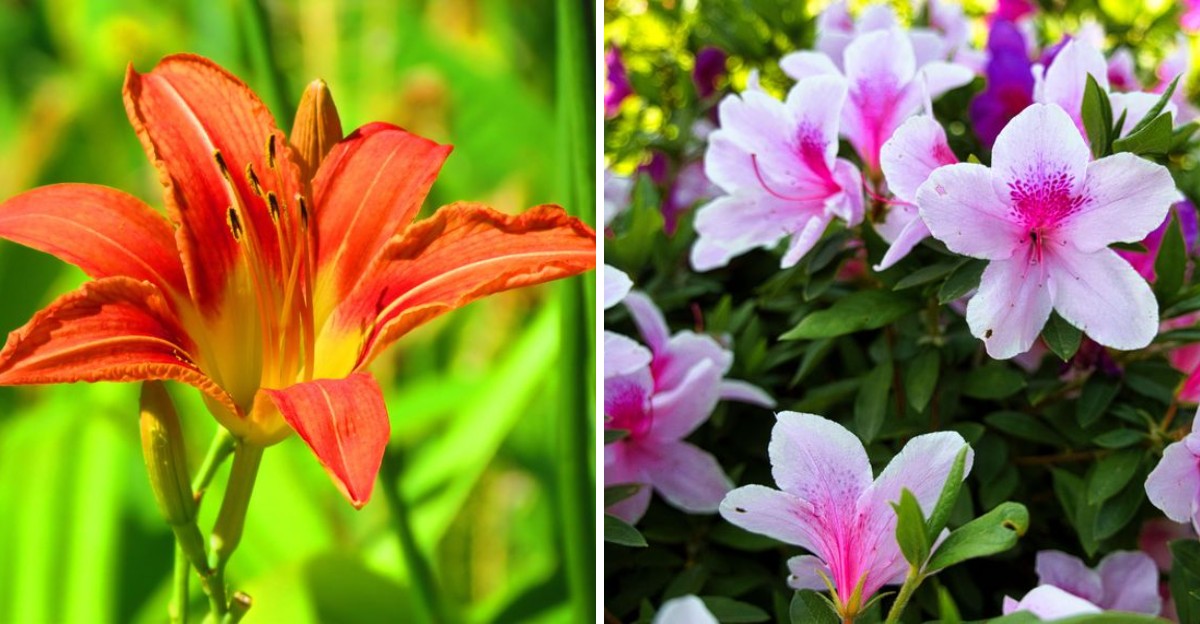
Spring in north and central Florida means walls of azalea color. Beautiful, yes, but the leaves contain grayanotoxins.
Even a small amount of foliage can upset the stomach and affect heart rate. Dried clippings stay problematic, which surprises many owners.
Rake beds after pruning and compost well away from your dog’s route. If you notice unusual drooling or wobbliness after yard time, call your veterinarian rather than waiting it out.
8. Rhododendron
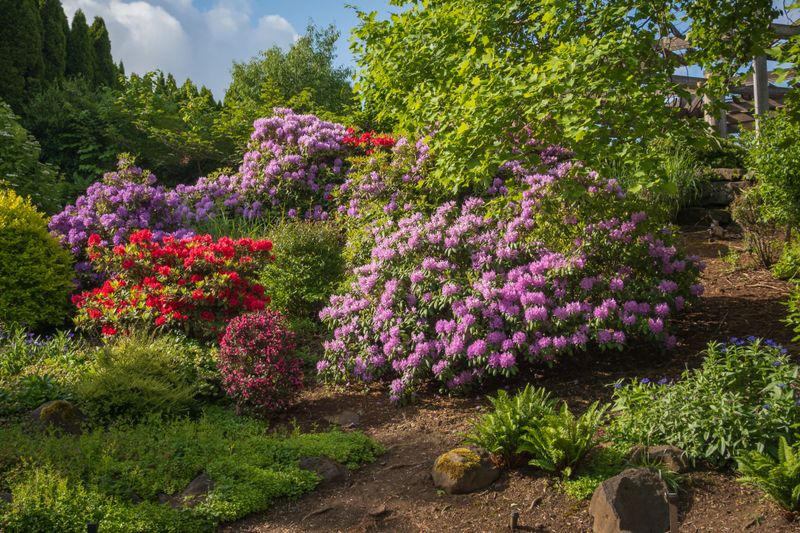
Cousins to azaleas, rhododendrons show up mostly in cooler north Florida gardens and shaded landscape beds. Same plant family, same grayanotoxin concern.
Chewed leaves may cause drooling, an unsettled stomach, and weakness. Larger amounts affect the heart.
Dogs rarely eat much on purpose, since the taste is bitter. Still, bored puppies experiment.
Give your pup a chew toy outdoors, fence the shrubs, and clear fallen leaves during pruning season.
9. Castor Bean
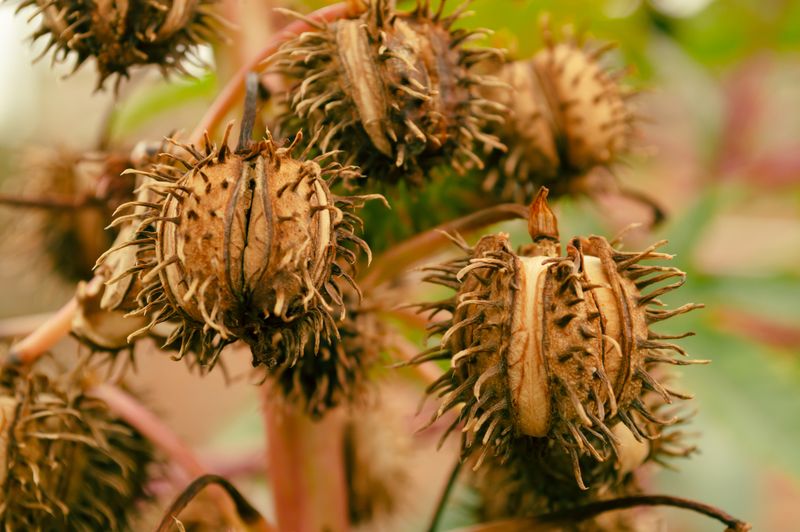
Ditch banks and fence lines across Florida sprout castor bean without any help from us. The reddish, spiky seed pods are hard to miss.
Those mottled seeds contain ricin, making them the riskiest part of the plant.
Wear gloves and pull young plants before pods form, roots and all. Check the back corners of your property each month.
Any suspected seed chewing deserves an immediate call to your veterinarian.
10. Nandina
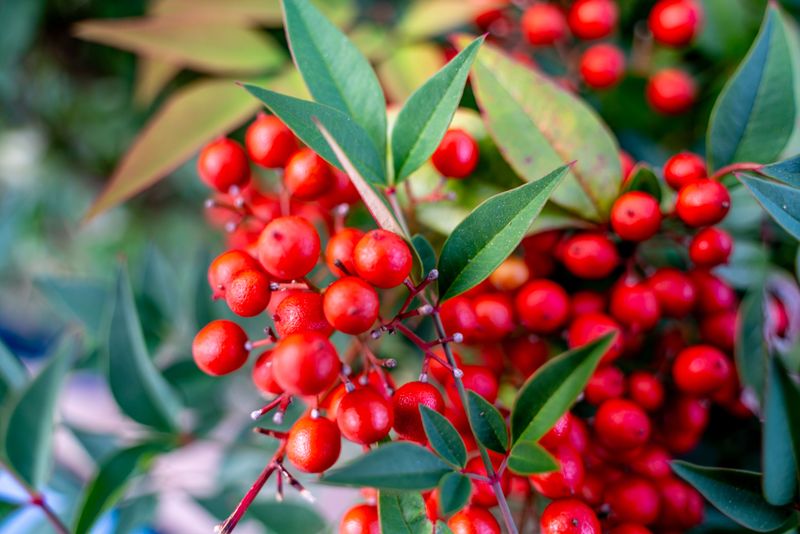
Sold for decades as heavenly bamboo, nandina holds its red berry clusters through winter. Pretty in a wreath, less ideal near a dog.
The berries contain cyanogenic compounds, so large mouthfuls are the concern rather than a single nibble.
Florida also lists it as invasive, which gives you two reasons to consider a replacement. Until then, snip berry clusters off in fall and bag them for pickup.
11. Daylily
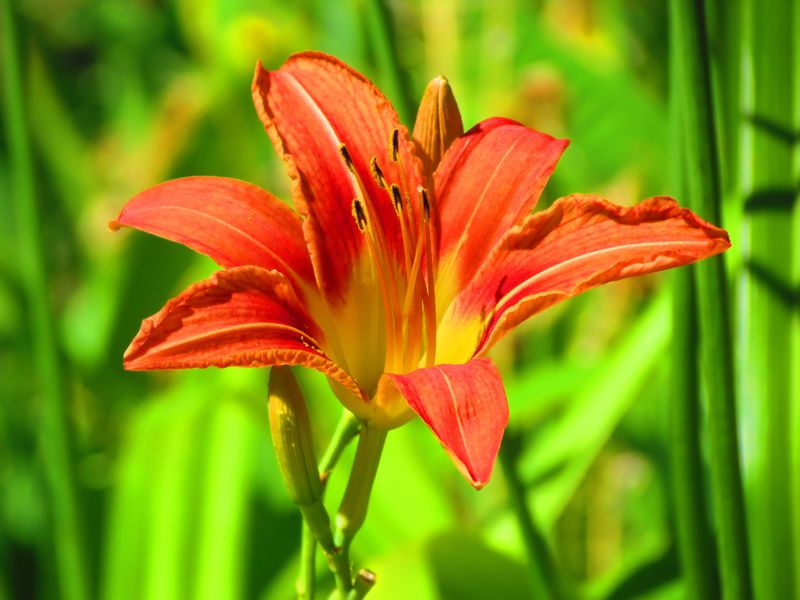
Here is a helpful bit of nuance. Daylilies can also be harmful to dogs, so they should not be treated as a cat-only concern.
In dogs, ingestion can cause gastrointestinal irritation, including vomiting and diarrhea, so any suspected ingestion should be discussed with a veterinarian.
Diggers face the bigger problem, since tubers are more concentrated. Mulch heavily, or plant daylilies in raised beds out of paw range.
Keep a note of your vet’s after hours number on the fridge.
12. Amaryllis
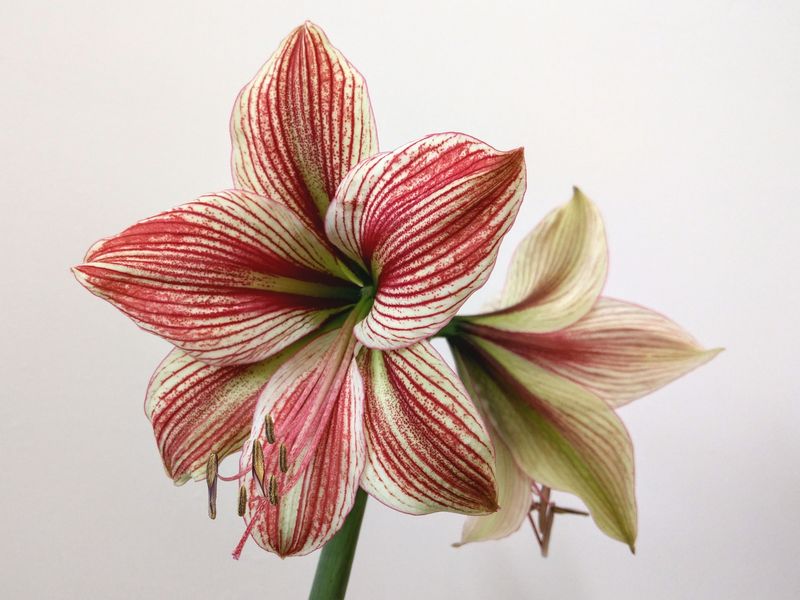
Gift amaryllis bulbs often end up planted outdoors here, where they naturalize happily. The bulb is the part that matters most.
Lycorine and related compounds can trigger drooling, vomiting, and low energy. Flowers and leaves are milder but still worth avoiding.
Plant bulbs deep, cover with mulch, and store spares in a closed bin on a shelf. Dogs who love excavating flower beds should have their own designated digging spot.
13. Daffodil
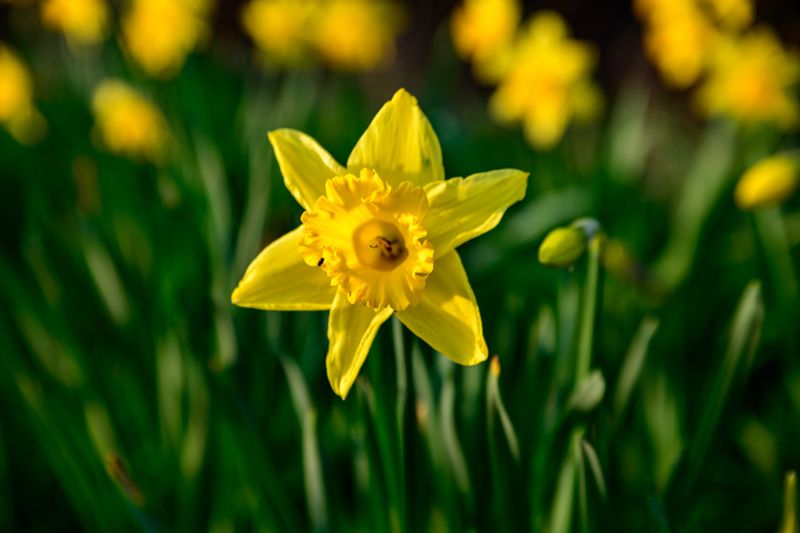
Daffodils manage to bloom in north Florida’s cooler counties, usually in late winter. Charming, and worth a small precaution.
Bulbs hold the highest concentration of lycorine, so planting day is the risky moment.
Keep bulbs in a sealed container while you work, and never leave the bag on the patio. A dog who unearths one may drool heavily or vomit.
Ring your veterinarian for guidance in that case.
14. Caladium
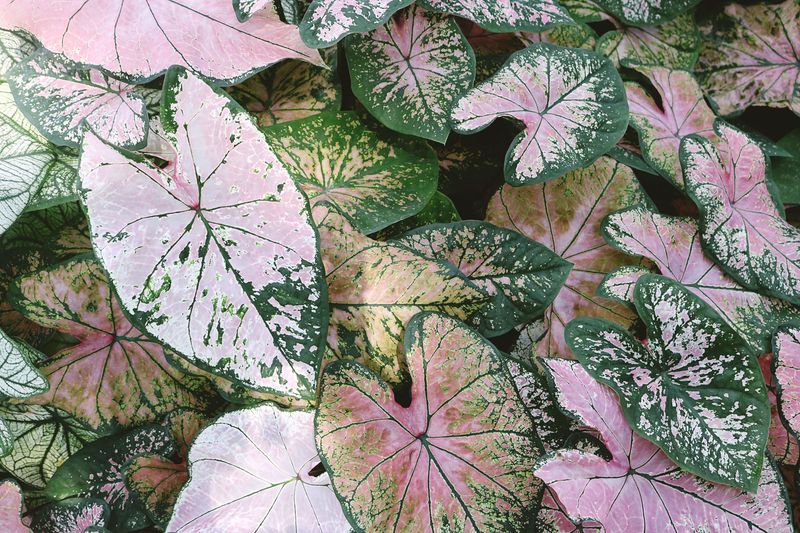
Central Florida is a major center of the caladium industry, particularly around Lake Placid and Sebring, where much of the world’s caladium tuber production is concentrated. The plants also contain insoluble calcium oxalate crystals.
A chewed leaf stings the mouth, causing pawing at the face, drooling, and sometimes a hoarse sounding bark.
Most dogs stop after one bite because the sensation is unpleasant. Rinse the mouth with cool water and check in with your vet.
Planting them in hanging containers solves the issue neatly.
15. Philodendron And Pothos
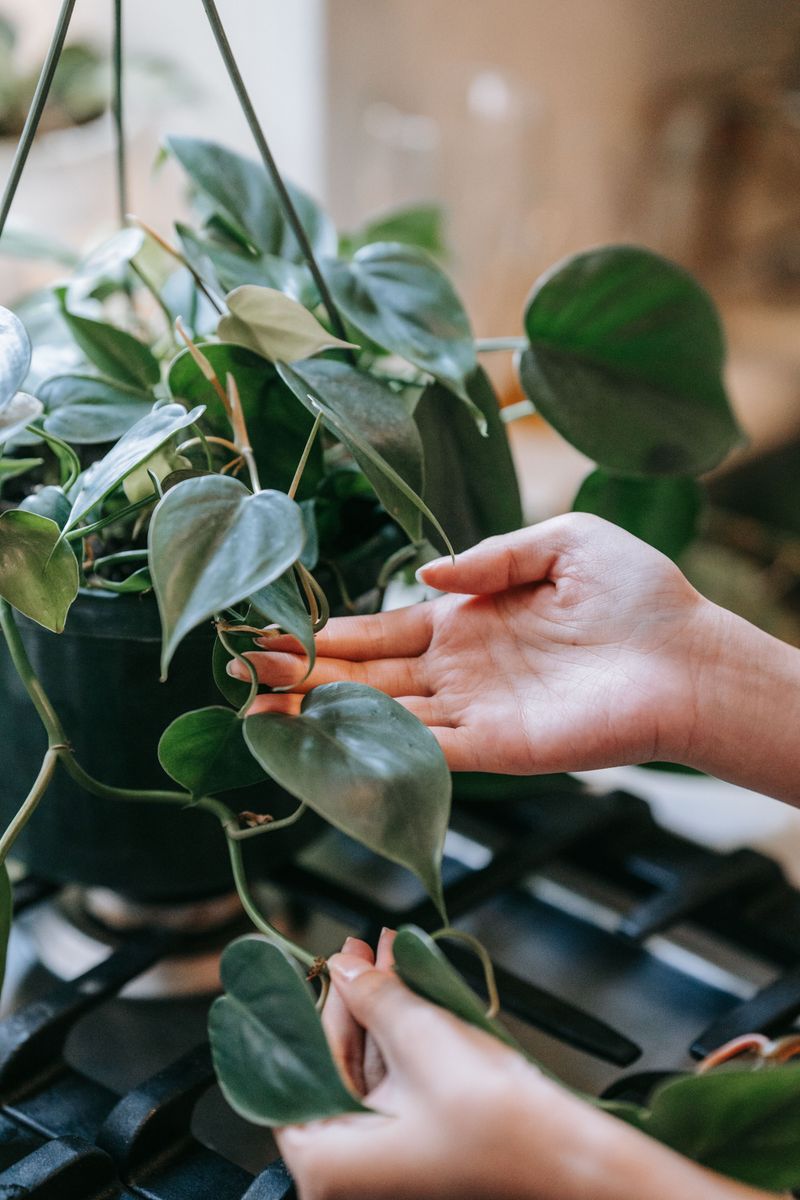
Left outdoors in Florida humidity, philodendron and pothos turn into sprawling vines that climb trees and spill from porch pots. Both carry the same irritating oxalate crystals as caladium.
Mouth discomfort and drooling are the typical signs, and most pups lose interest fast.
Hang baskets high, trim trailing stems, and tidy fallen cuttings. Learn your yard, save the Pet Poison Helpline number, and you can relax while your dog explores.