20 Everyday New York Dog Routines That Change Between City Apartments And Upstate Homes
Moving a dog between a Manhattan walk-up and a house upstate changes almost everything about daily life together. The walks, the potty breaks, the paw wipes, even the elevator rides all shift.
Neither setting is better, they simply ask different things of you and your dog. Here is a friendly, practical look at the routines that tend to change, so you can plan ahead, keep your dog comfortable, and feel confident wherever your address happens to be.
1. Potty Breaks Take Real Planning in the City
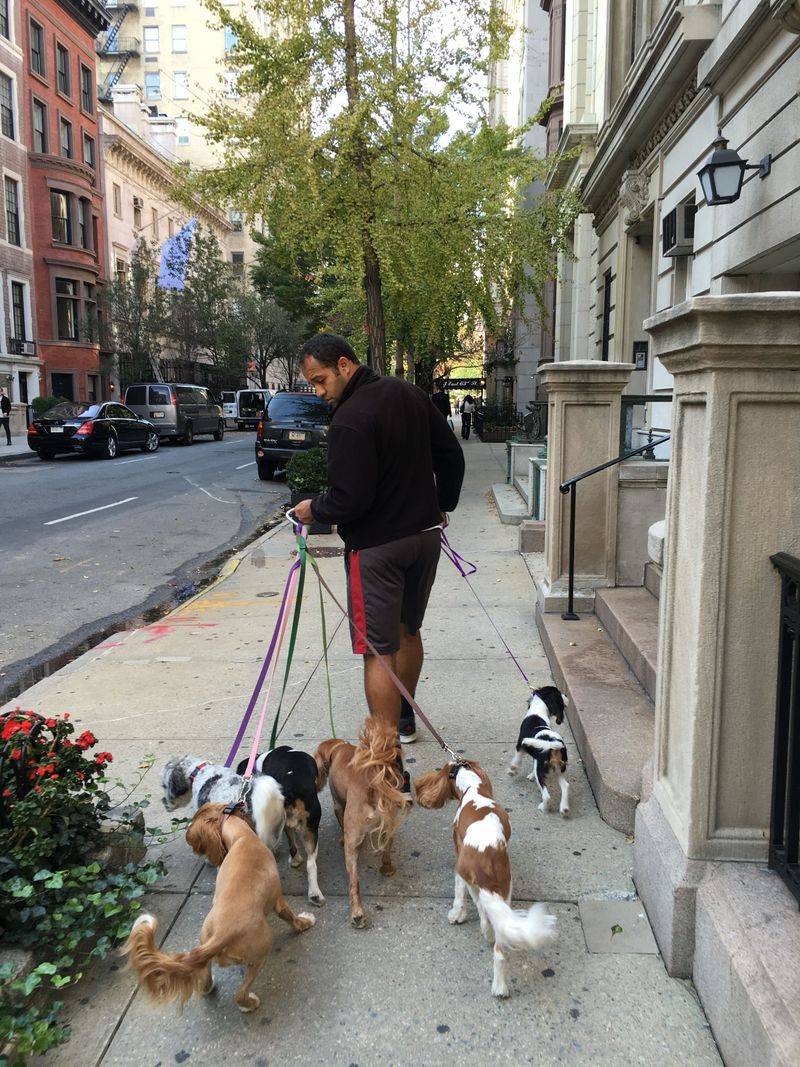
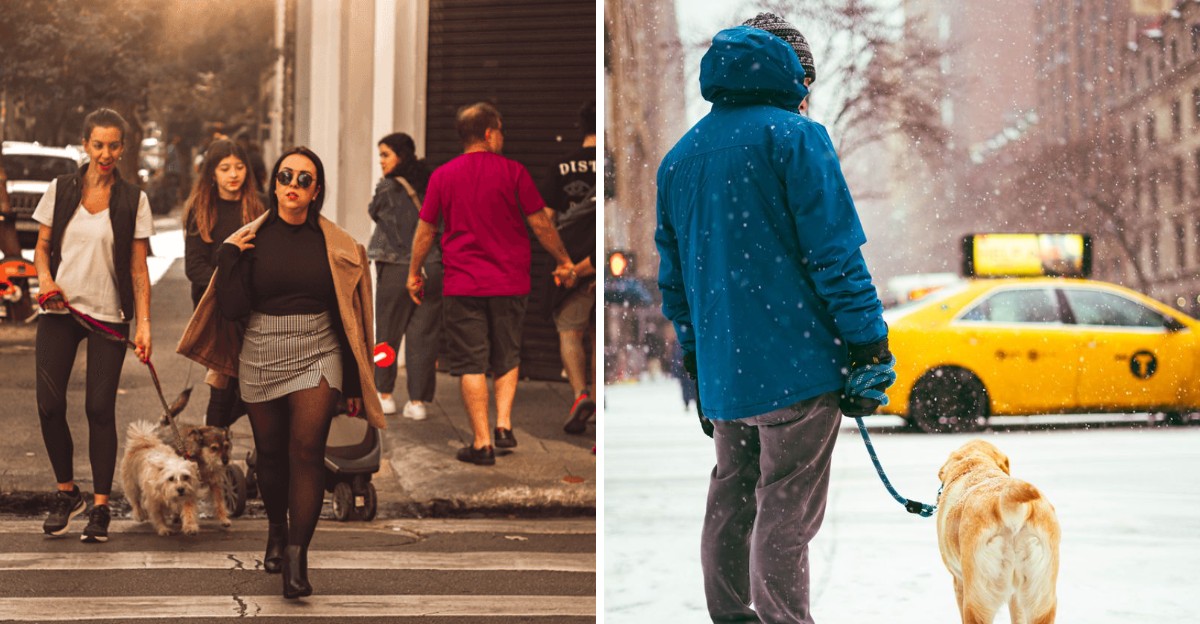
Three walks a day works as a practical baseline for most adult dogs in a city apartment. Think morning, midday, and a longer evening outing.
Puppies need far more, often every two or three hours at first. Add elevator waits, stairs, and a lobby door, and a quick trip becomes a ten minute project.
Build a schedule, set phone reminders, and consider a midday walker if your workday runs long.
2. Upstate Yards Shorten the Trip Outside
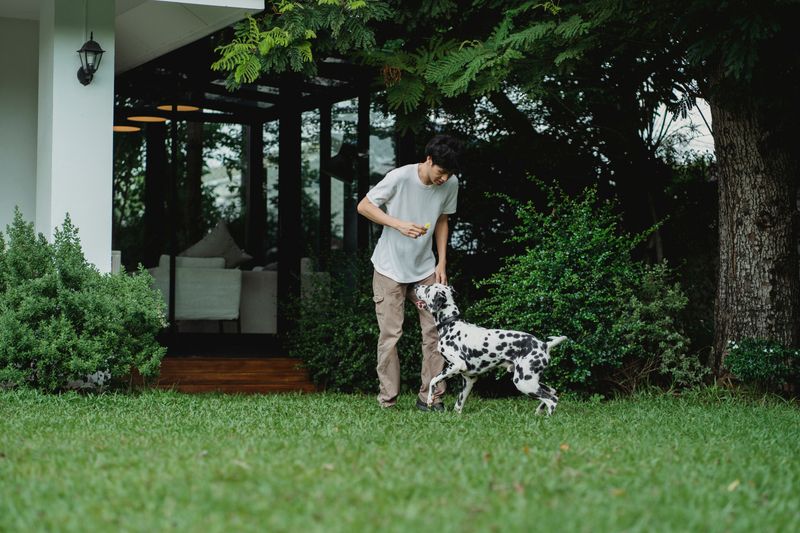
Open the back door, and your dog is outside. That simple change removes most of the friction city owners deal with daily.
Quick yard access helps older dogs, puppies in training, and anyone with an upset stomach at 3 a.m. Still, check fencing regularly for gaps.
Easier access does not mean unsupervised access. Many upstate owners stay outside with their dog, especially after dark.
3. City Exercise Comes Mostly From Walking
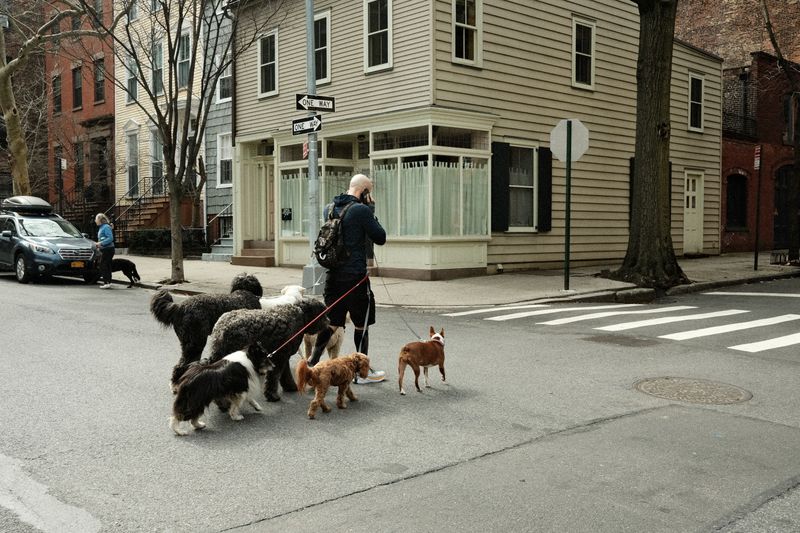
Most adult dogs in Manhattan need two to three walks daily, totaling roughly one to two hours. Those walks cover fitness, sniffing, and emotional balance all at once.
High energy breeds usually need more, often a longer run or a dog run session. Without a yard, walks carry the full load.
A midday outing breaks up hours of stillness and keeps evening restlessness from building.
4. Yard Play Joins the Walk Routine Up North
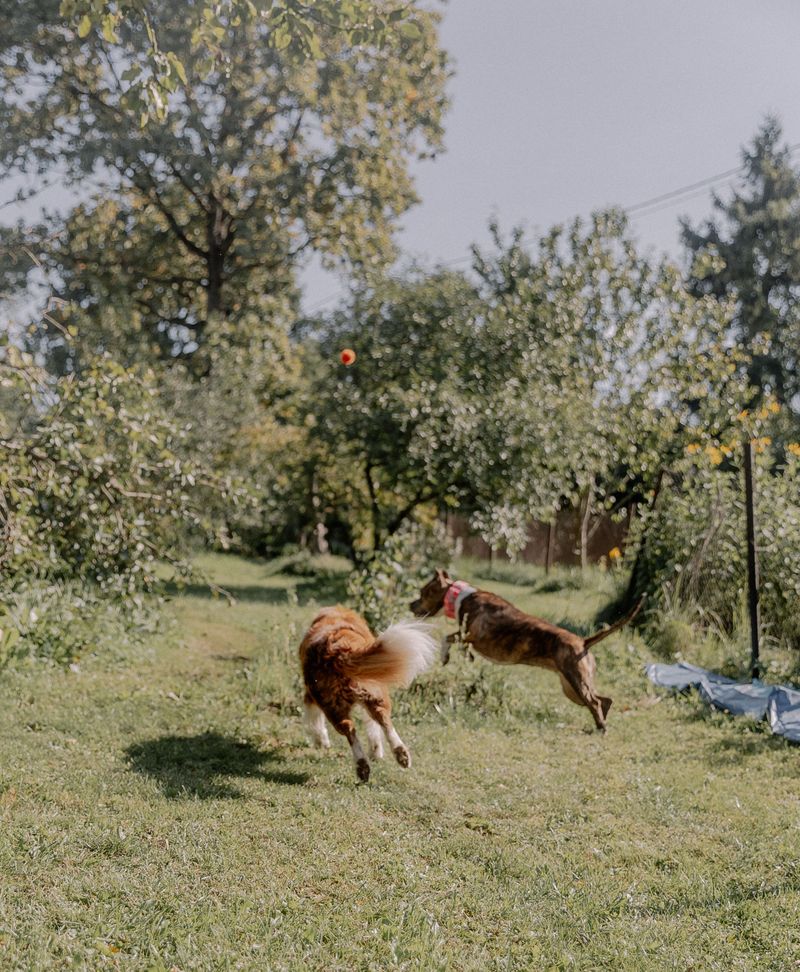
Fetch in the yard, then a walk down the road: many upstate dogs get both. The mix keeps bodies busy and minds curious.
Yard time handles the zoomies. Walks handle the sniffing, the new sights, and the social side of a dog’s day.
Owners often find their dogs settle better when both happen. Tug, flirt poles, and shallow kiddie pools all work as backyard add-ons.
5. Leashes Stay Clipped On Around the Clock in NYC
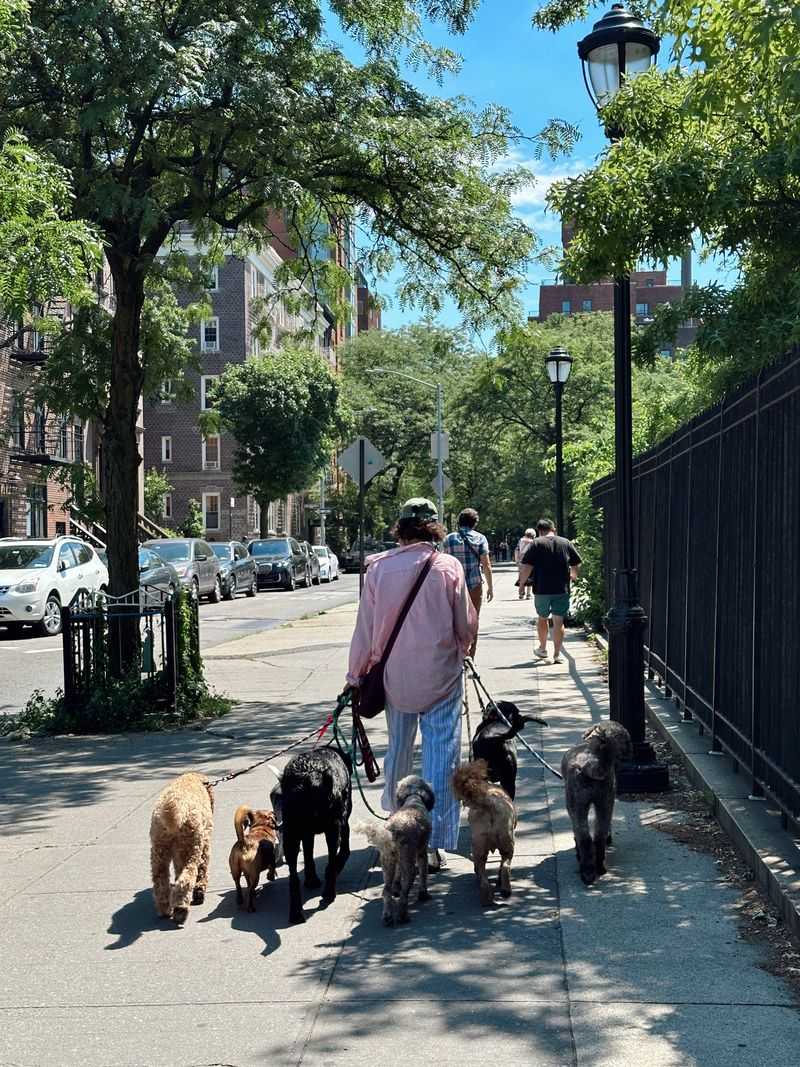
New York City requires dogs in public to be leashed, with a leash no longer than six feet. Sidewalks, streets, parks, and building common areas all count.
The rule applies at all hours, with narrow exceptions for designated off-leash times in certain parks.
New York State has no single statewide leash law. Towns and villages set their own rules, so confirm yours locally before assuming anything.
6. Elevator Etiquette Becomes a Daily Skill
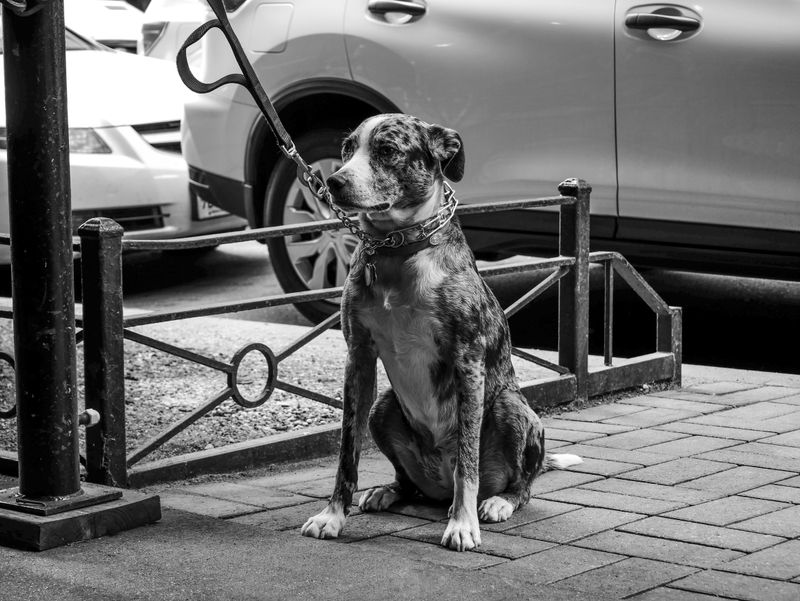
Tight walls, sudden movement, and strangers stepping in: elevators ask a lot of a dog.
Training helps. Start by hanging out near the doors, reward calm, then practice short rides with treats.
Teach a reliable sit near your leg.
Many buildings prefer dogs ride at the back, away from the doors. Ask before boarding if someone looks uneasy, and wait for the next car when needed.
7. Indoor Enrichment Fills the Gaps Between Outings
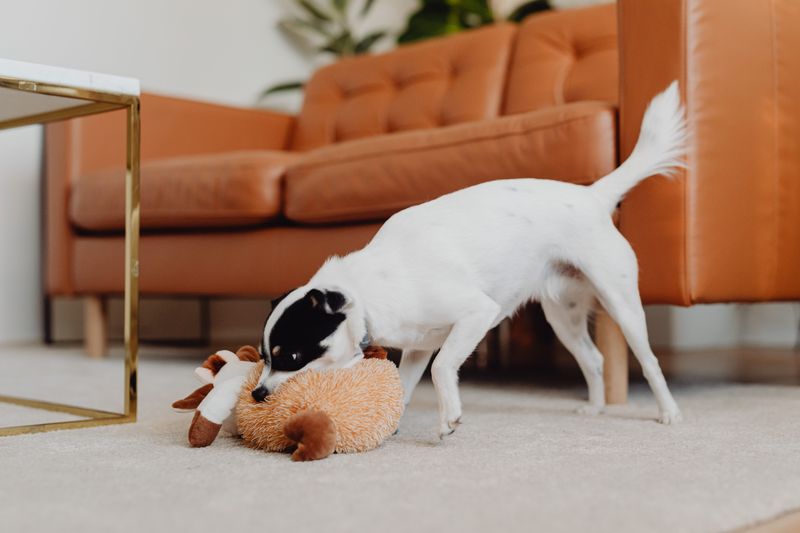
Small square footage means the brain needs a workout even when the body cannot roam.
Puzzle feeders, lick mats, and scatter feeding stretch mealtime into an activity. Hide treats around the room and let your dog use its nose.
Couch cushions and a broom handle can become a mini obstacle course. Fifteen focused minutes of sniffing often tires a dog more than a rushed extra lap.
8. Shared Walls Make Barking a Bigger Deal
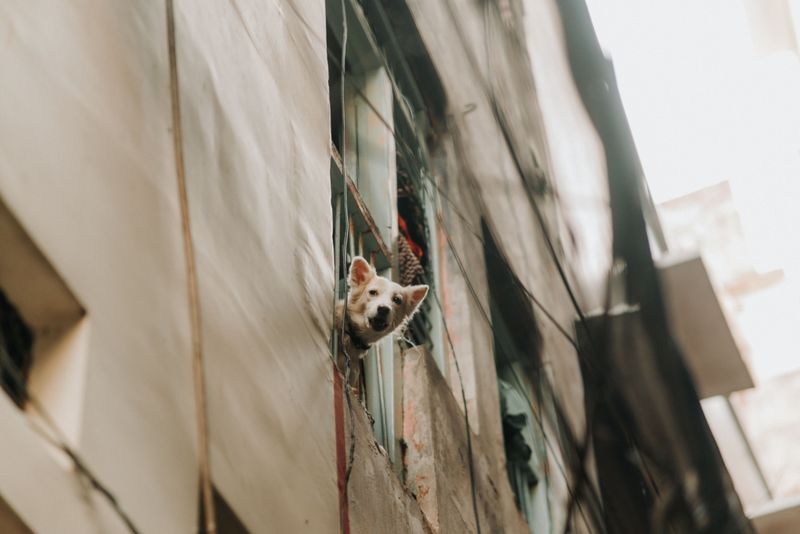
A single bark upstate drifts into the trees. The same bark in an apartment travels through walls, floors, and hallways.
Boredom fuels much of it, so enrichment and steady exercise help first. Hallway barking often responds well to rewarding quiet at the door.
White noise, closed blinds, and a resting spot away from the entry reduce triggers. Neighbors appreciate the effort, and your dog stays calmer too.
9. Sidewalk Traffic and Crowds Shape Every City Walk
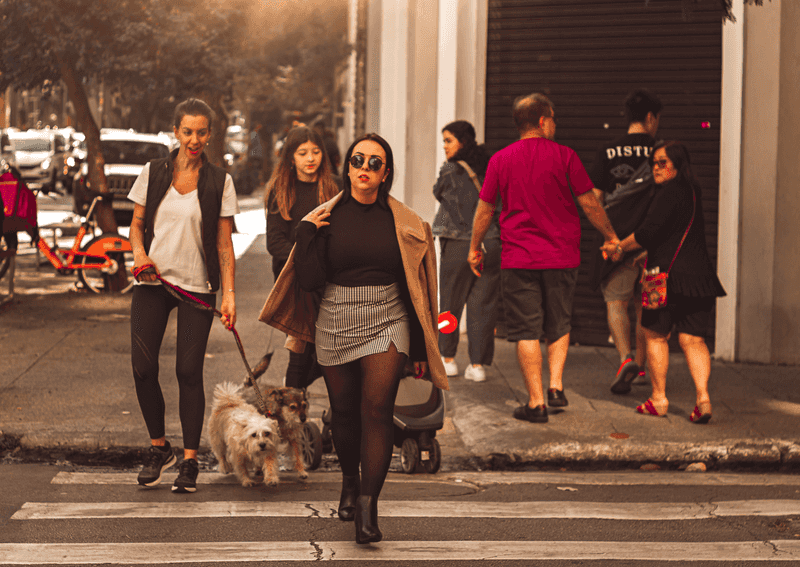
Crowded corners, honking buses, scaffolding, and scattered food scraps: city dogs process a lot in one block.
Keeping your dog on the building side of the sidewalk gives a buffer from curbs and traffic. Watch the ground for chicken bones and broken glass.
Plan routes that skip the busiest intersections. Reflective gear and a light on the collar help during dark winter evenings.
10. Wildlife Shows Up More Often Upstate

Deer at dawn, turkeys in the field, a skunk near the woodpile: upstate properties come with neighbors of the four-legged kind.
Most encounters end harmlessly if your dog stays leashed or under voice control. Porch lights and a quick scan before letting a dog out help at night.
Secure trash bins and avoid leaving food outside. Ask your veterinarian about vaccines suited to rural exposure.
11. Tick Checks Become a Nightly Habit in the Country
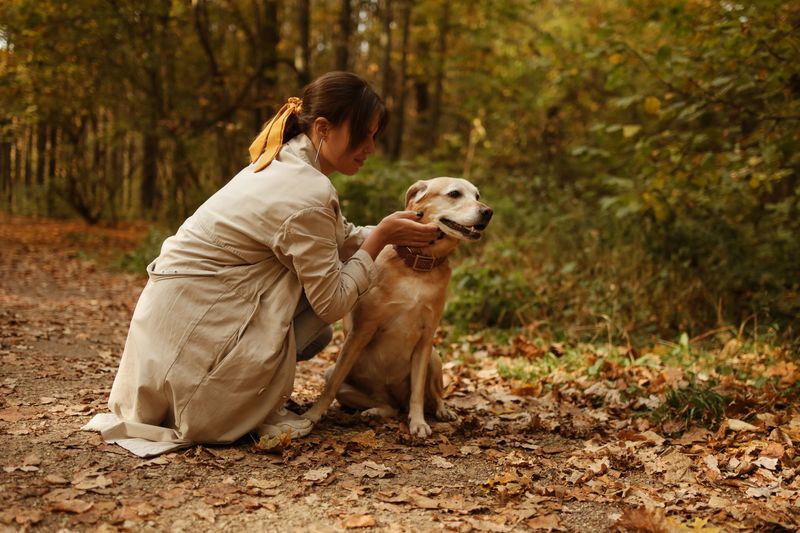
Upstate New York carries some of the country’s heaviest tick populations. Deer ticks, lone star ticks, and American dog ticks all live there.
They stay active from early spring into late fall, and even during mild winter stretches above 40 degrees.
Run your hands over ears, armpits, toes, and the tail base after outdoor time. Ask your vet about year-round prevention, since tick-borne illnesses are treatable but easier to avoid.
12. Recall Training Carries More Weight on Big Land
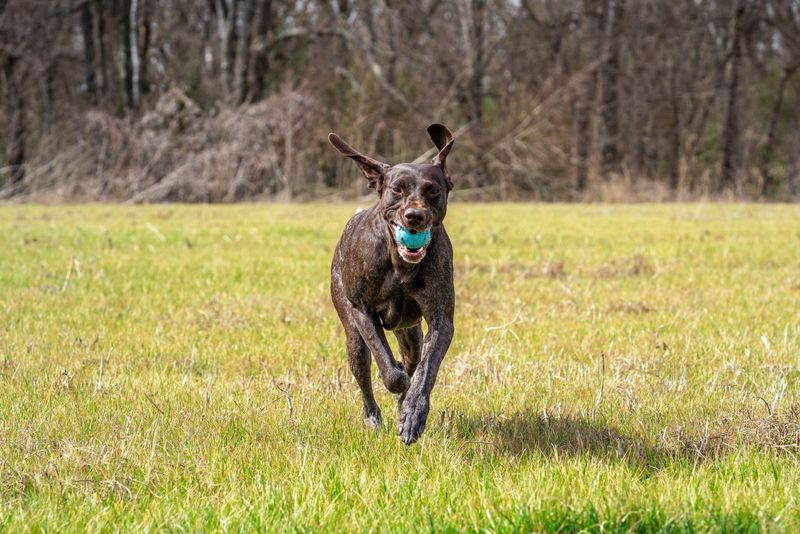
Acres of open space look wonderful until your dog spots something interesting past the tree line.
A dependable recall becomes a safety tool, not just a party trick. Practice on a long line first, rewarding generously every single time.
Train in low-distraction spots, then slowly add challenges like squirrels or distant noises. Never call your dog for anything unpleasant, or the word loses its magic fast.
13. Dog-to-Dog Encounters Pile Up Fast in the City
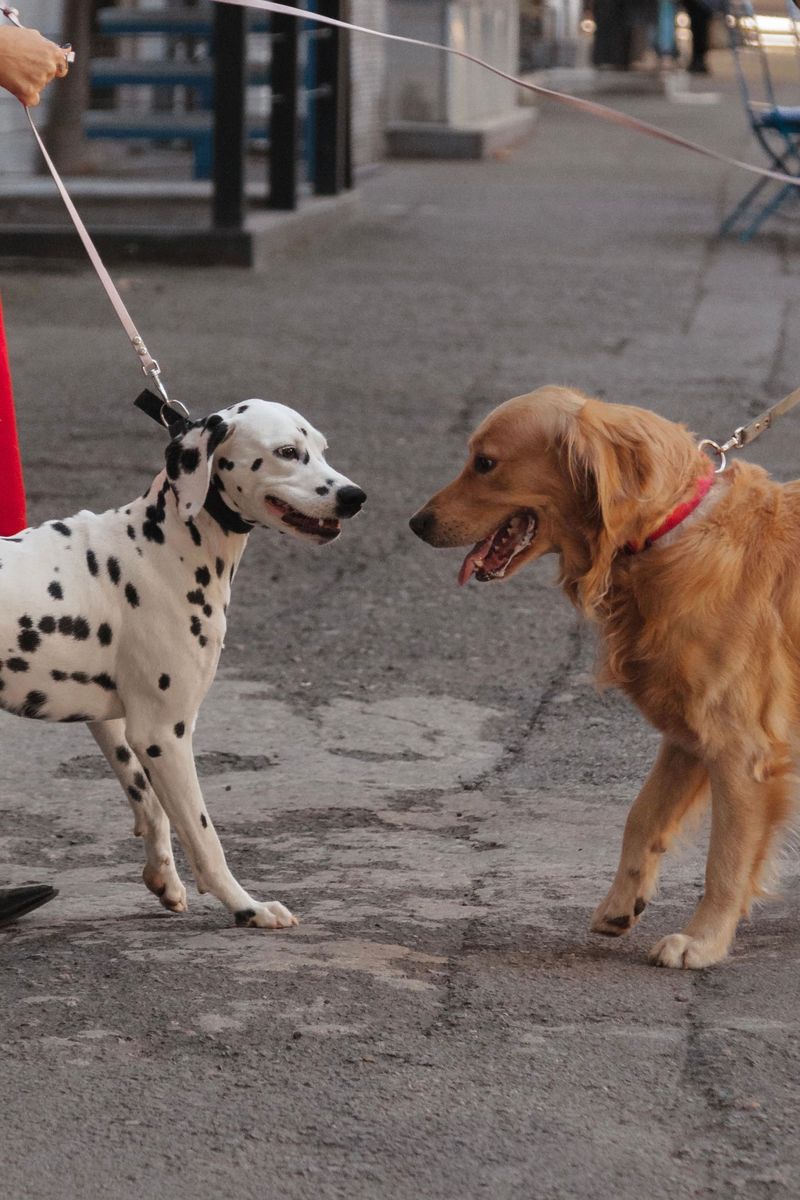
Narrow sidewalks, shared lobbies, and packed elevators put city dogs nose to nose constantly.
Stress can stack up across a walk before the next dog even appears. Watch for stiff posture, whale eye, or a suddenly rigid leash.
Crossing the street is a perfectly polite option. Dog runs offer off-leash play, though some dogs prefer quieter one-on-one meetups with a familiar friend.
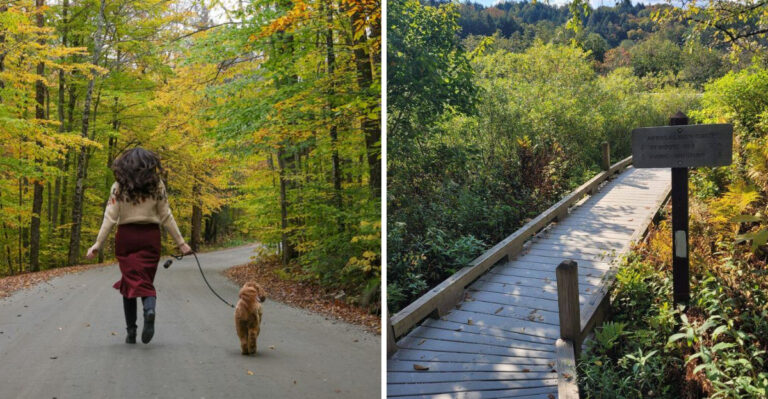
14. Trails and Wooded Paths Replace Pavement Loops
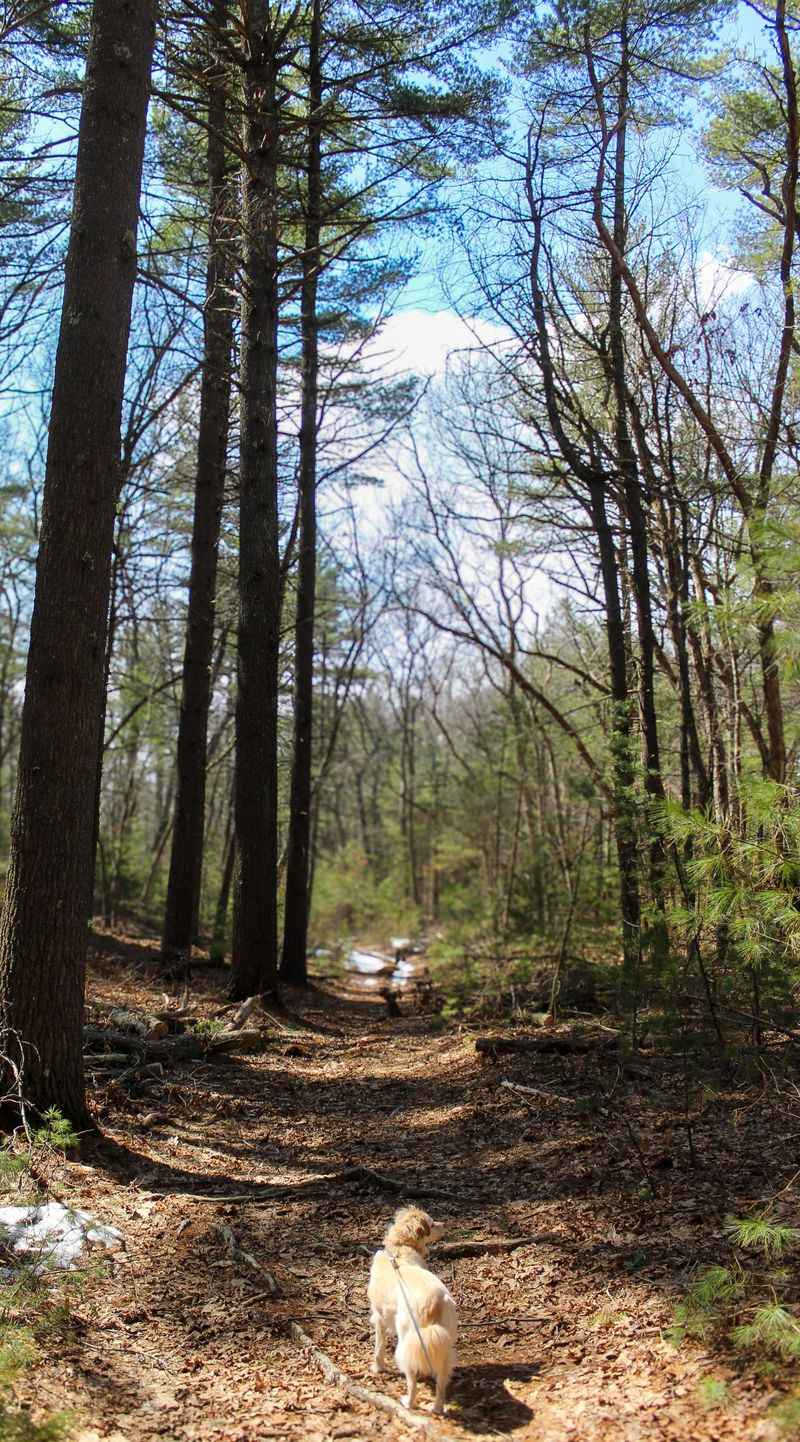
Letchworth, Minnewaska, and countless Catskill paths welcome leashed dogs on varied terrain.
Soft ground is kinder on joints than concrete, but roots and rocks demand attention. Bring water, since streams are not always safe to drink from.
Check each park’s rules ahead of time, as leash requirements differ by preserve. Start with shorter routes and build stamina before tackling a long climb.
15. Getting to the Vet Looks Different Without a Car
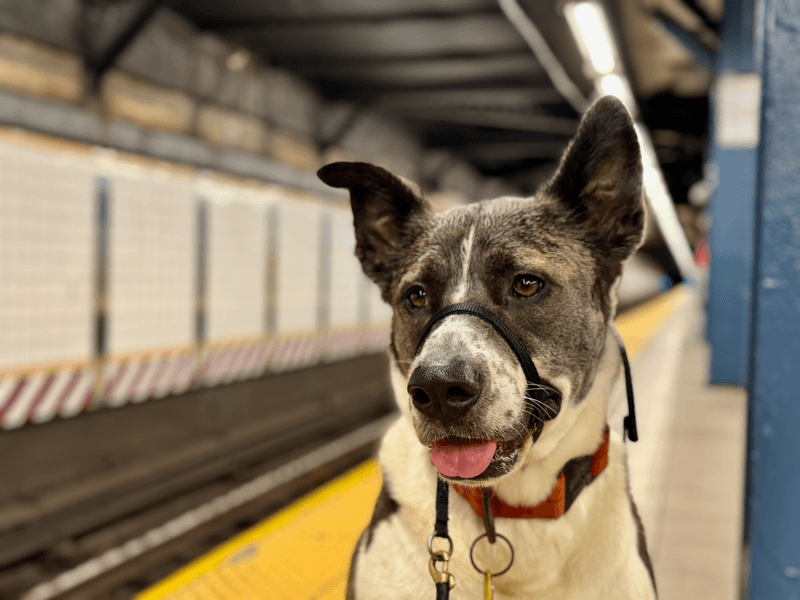
City owners often rely on subways, buses, rideshares, or pet taxis for appointments.
Subway rules generally require dogs to be carried in a container, so small dogs travel more easily than large ones. Not every rideshare driver accepts pets.
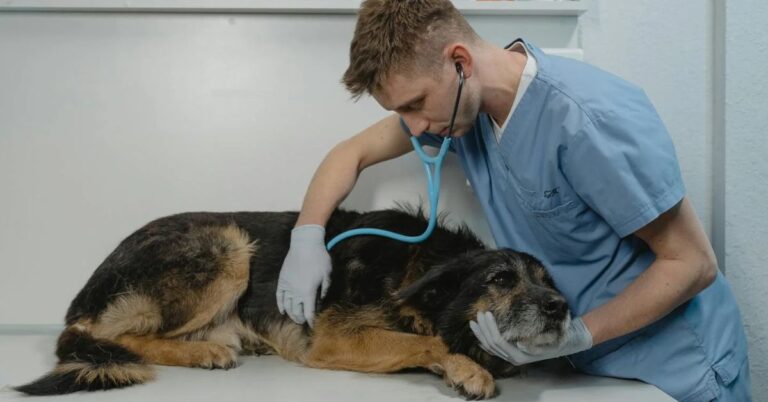
Book transportation before the appointment, not after. Upstate, the car solves the logistics, though the nearest emergency clinic may sit a long drive away.
16. City Paws Meet Grime, Salt, and Ice Melt
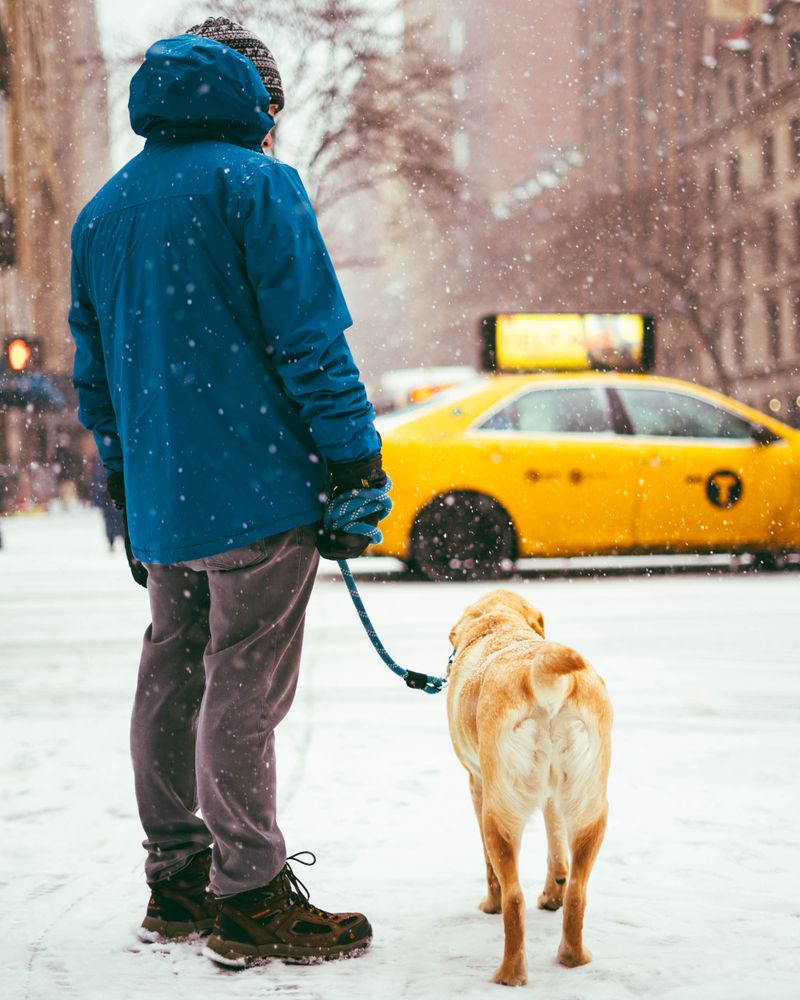
Winter sidewalks in New York get coated with salt and chemical ice melt, which can irritate paw pads.
Wipe or rinse each paw after walks, then dry thoroughly between the toes. Dogs lick their feet, so removing residue matters.
Keep a towel and a shallow basin by the door. Balm or booties add protection, especially for dogs with cracked pads or sensitive skin.
17. Country Paws Collect Mud, Burrs, and Snowballs
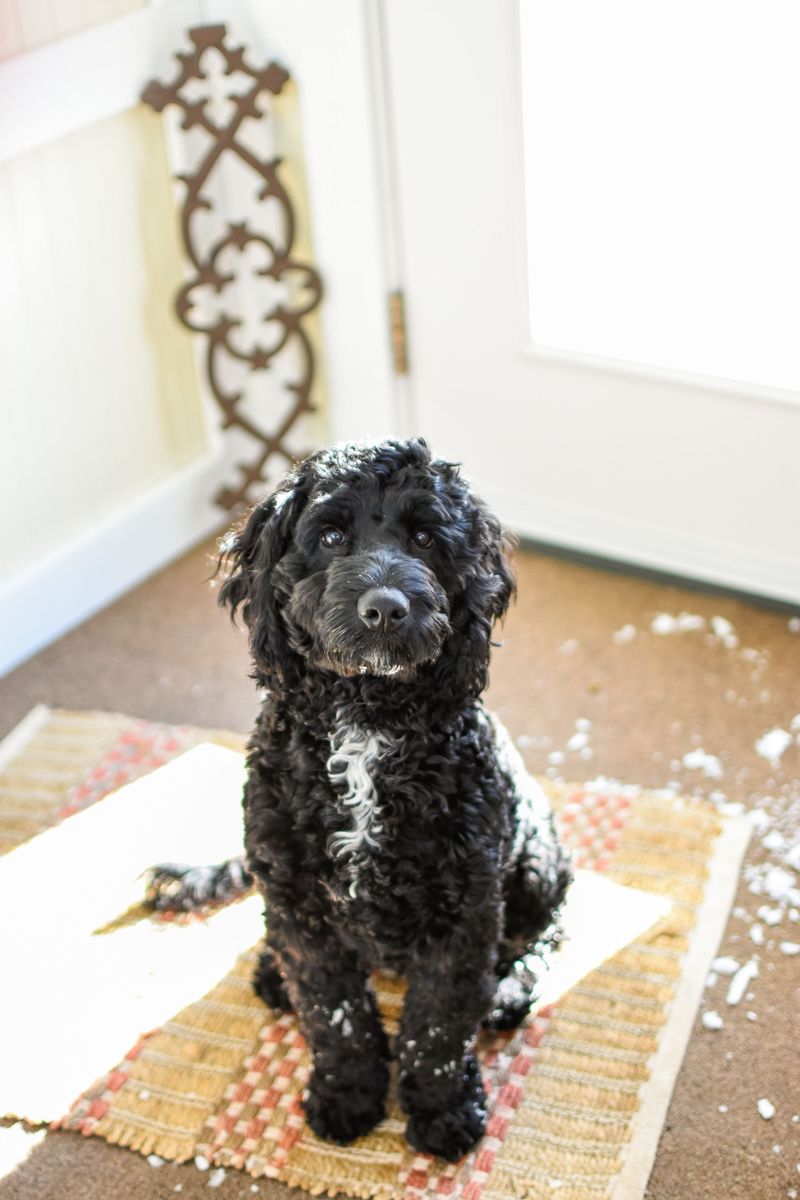
Trail dogs come home carrying half the woods with them.
Mud dries and mats, burrs tangle in leg feathering, and snow packs into icy clumps between the toes. Trimming the fur between pads reduces snowballing considerably.
A mudroom towel station saves your floors and your patience. Check for small cuts or thorns while you clean, since rough terrain occasionally leaves a surprise behind.
18. Storms and Cold Snaps Test Apartment Logistics
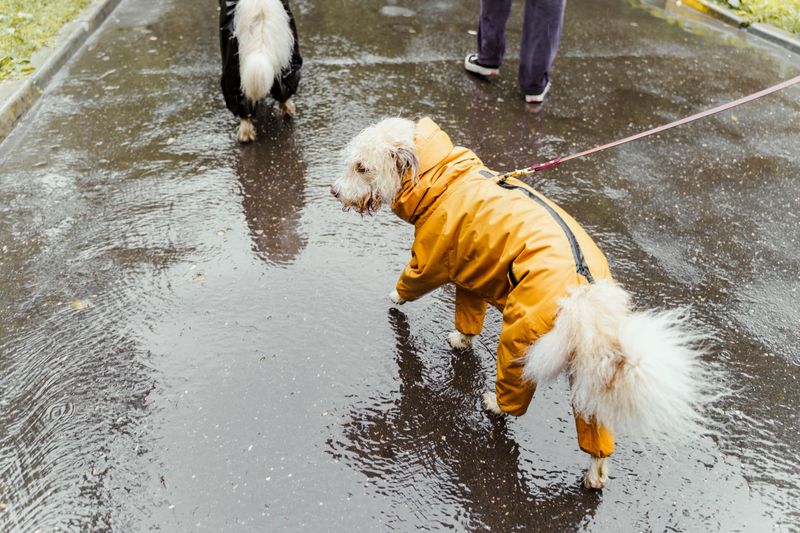
Rain does not pause a dog’s schedule, and an apartment offers no shortcut outside.
Keep a drying towel, a waterproof coat, and slip-on shoes by the door for fast exits. Short, purposeful trips beat long soggy walks.
Fill the rest of the day with indoor games and sniffing work. Some owners train a covered spot near the building for quick relief during heavy downpours.
19. A Yard Helps, Yet Walks Still Matter
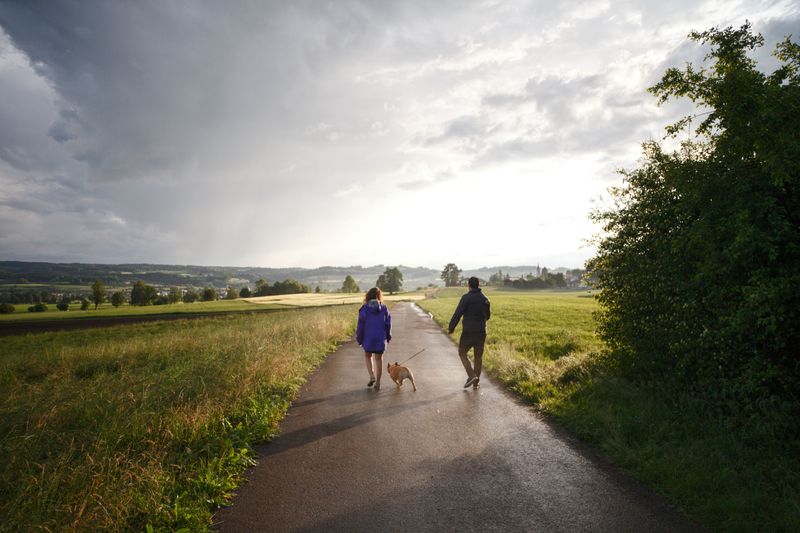
Plenty of upstate owners assume the yard covers everything. It rarely does.
The same grass smells the same every day. Walks deliver new scents, new sights, and the social contact that keeps dogs mentally flexible.
Structured outings also reinforce leash skills you will need at the vet or in town. Aim for regular walks even when the back door is right there.
20. Different Places, Different Safety Priorities
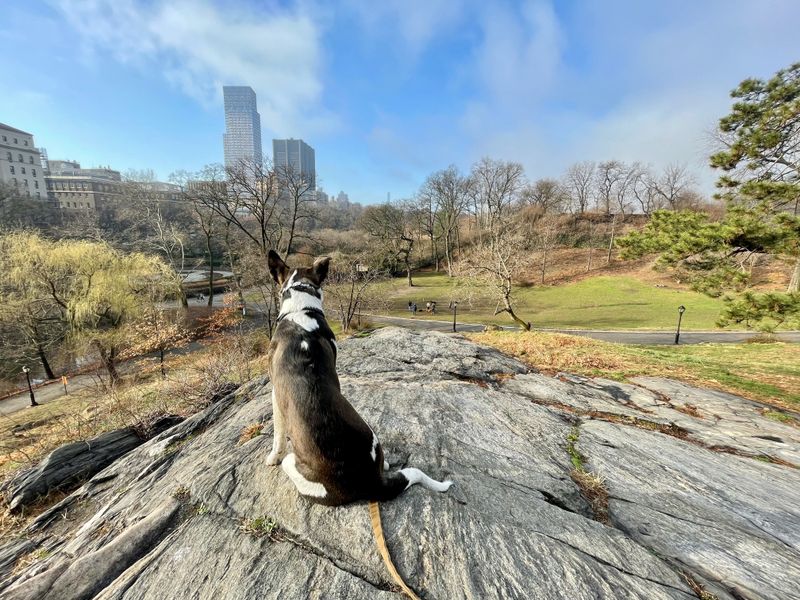
City routines revolve around crowds, traffic, noise, and constant close contact with people and dogs.
Upstate routines lean toward boundaries, wildlife awareness, ticks, and uneven ground. Both require attention, just aimed in different directions.
If you move between the two, give your dog a few weeks to adjust. Rules vary by town and county, so confirm local leash and licensing requirements with your municipality.