14 California Home Changes That Make Multi-Level Living Easier For An Aging Dog
Your dog may still love following you around the house, even when the stairs take more effort. In a multi-level California home, small changes can make those daily trips easier and more comfortable.
Start by watching where your dog slows down, slips, or waits for help. Then focus on the routes and rooms you both use most.
1. Add Non-Slip Runners to Smooth Floors
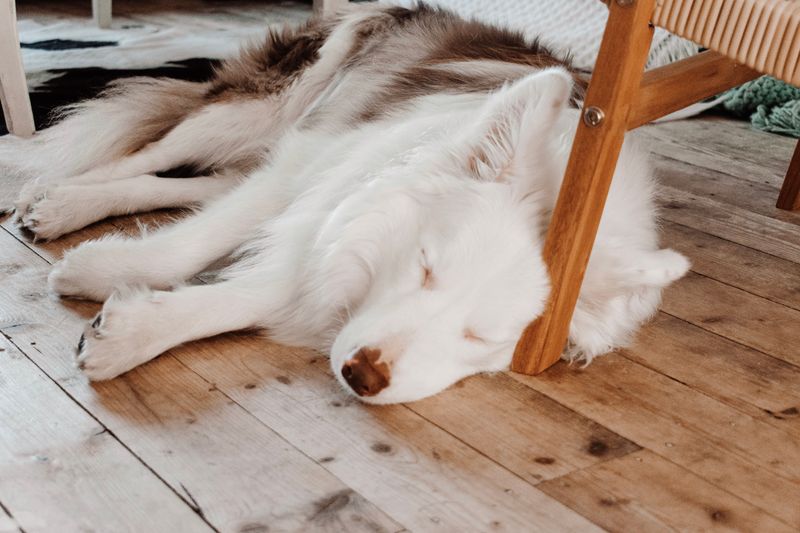
Shiny floors can turn an ordinary walk into a careful shuffle. Place non-slip runners along your dog’s usual route, especially between the stairs, water bowl, and resting area.
Choose a low pile that paws will not catch.
Secure each runner with a rug pad or tape made for your floor type. Check its edges often, since a curled corner creates another obstacle.
If your dog still slides, ask your veterinarian whether pain or weakness could be involved.
2. Make Every Stair Tread Easier to Grip
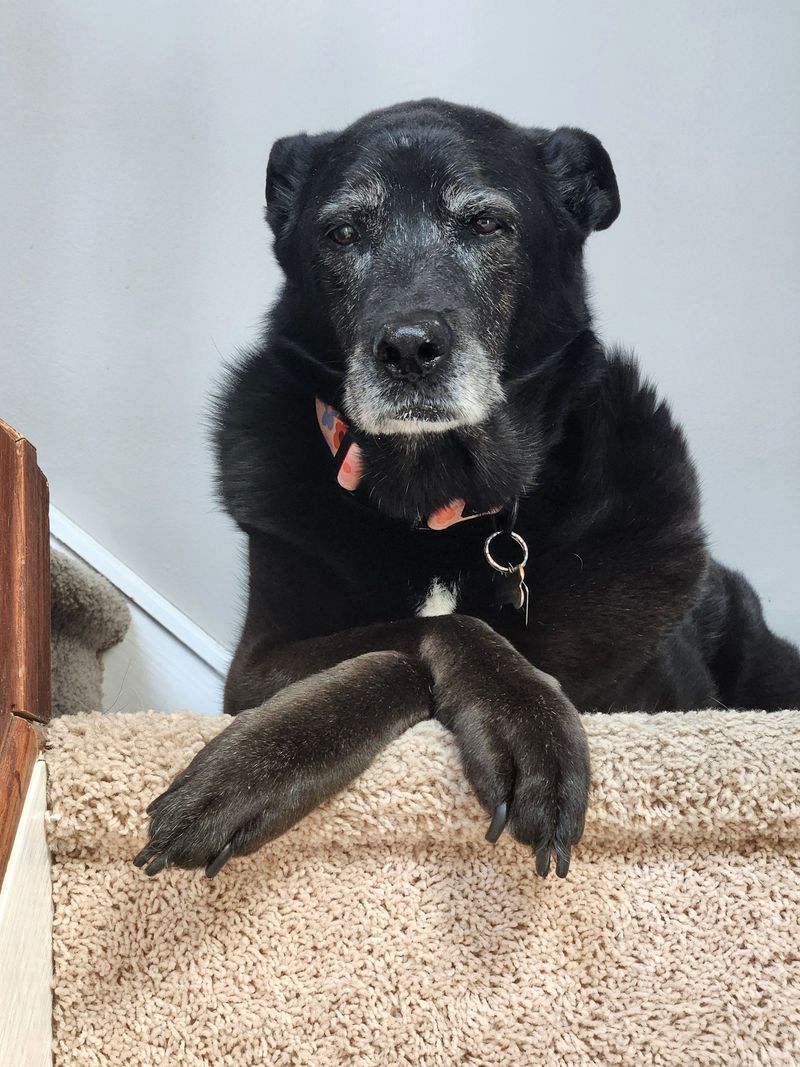
Stairs feel different when paws cannot get a firm hold. Add securely attached carpet treads or another surface made for stair traction.
Cover every step so your dog meets the same grip from bottom to top.
Measure carefully and follow the product’s installation directions. Loose corners or bulky edges can catch a paw, so inspect them regularly.
Watch your dog use the stairs afterward. If climbing remains difficult, reduce stair trips rather than asking your dog to push through.
3. Install a Sturdy Handrail Along the Stairs
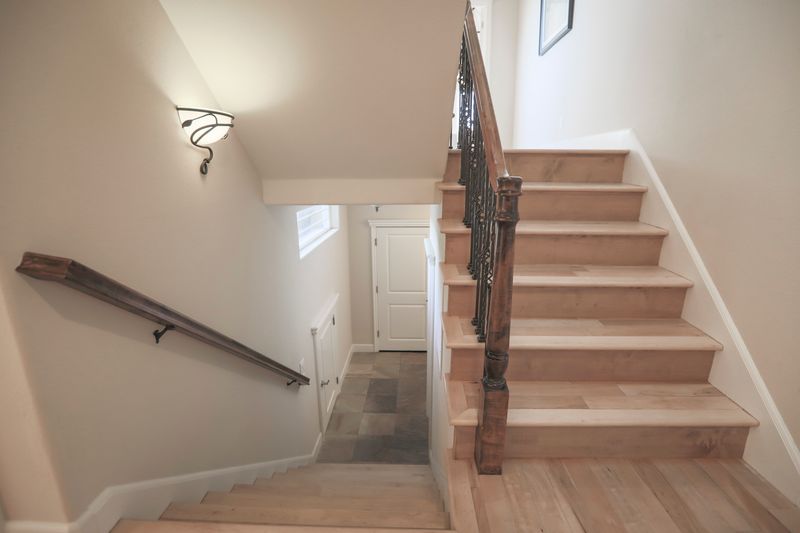
Your steady footing matters when you guide an older dog upstairs. A firmly mounted handrail gives you support, leaving your other hand free for a leash or properly fitted support harness.
It does not replace traction for your dog.
Have a qualified installer check the wall and secure the rail correctly. Local building requirements may apply to new work, so confirm details with your city or county building department.
Avoid pulling your dog by the collar on steps.
4. Improve Stairway Lighting for Nighttime Trips
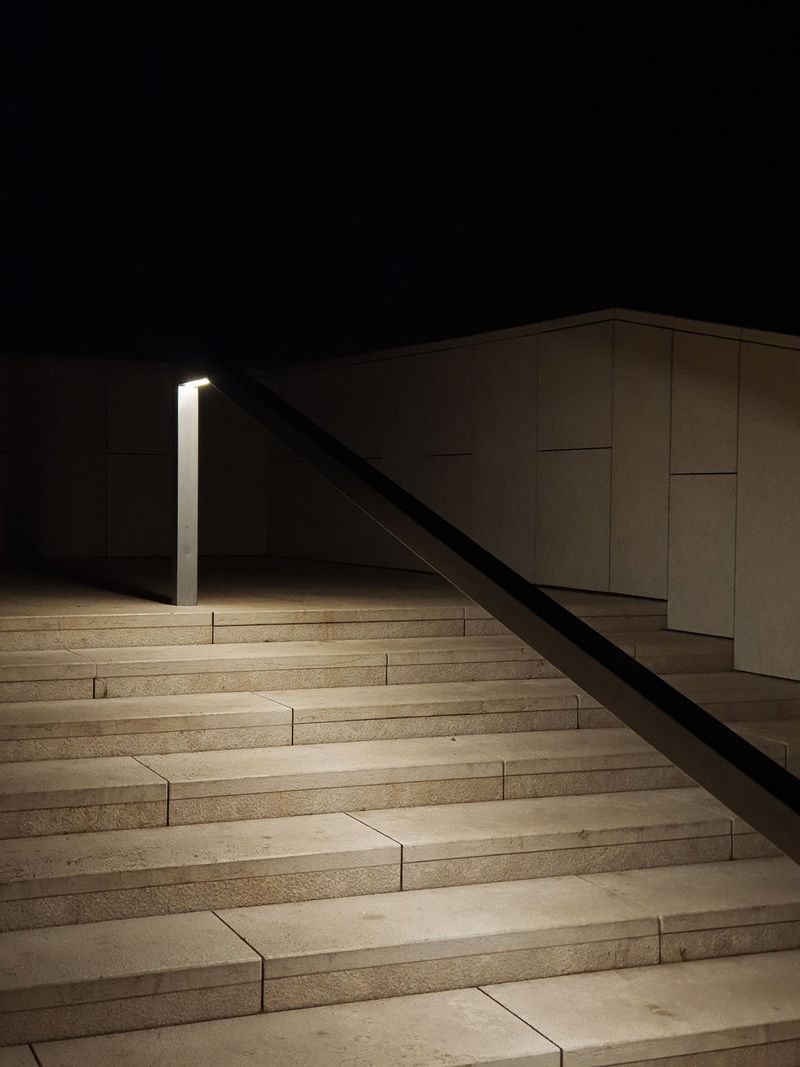
A dim staircase can hide the edge of a step from both of you. Bright, even lighting makes the route easier to see during evening and early morning trips.
Try motion-sensor lights where reaching a switch is awkward.
Light the landings too, and keep cords away from walking paths. Test the setup from your dog’s height for harsh glare or deep shadows.
For nighttime bathroom trips, leave a clear, lit path from the sleeping area to the door.
5. Create a Rest Spot Near the Staircase
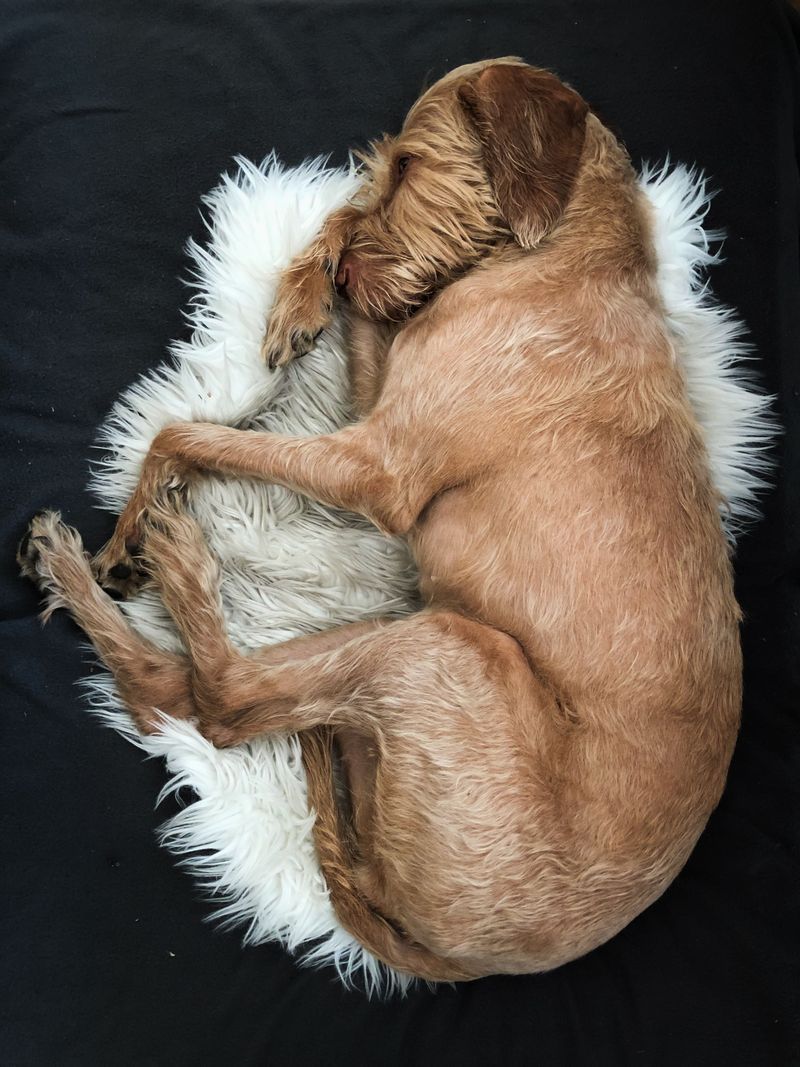
Some dogs pause before tackling another flight, and that pause is worth respecting. Set a supportive bed near the staircase, but outside the walking path.
A quiet spot lets your dog rest without feeling left out.
Place the bed on a non-slip surface, away from doors that swing open. Keep a favorite blanket nearby if it helps your dog settle.
If your dog suddenly needs much longer breaks, speak with your veterinarian about possible changes in mobility.
6. Put Water Bowls on More Than One Floor
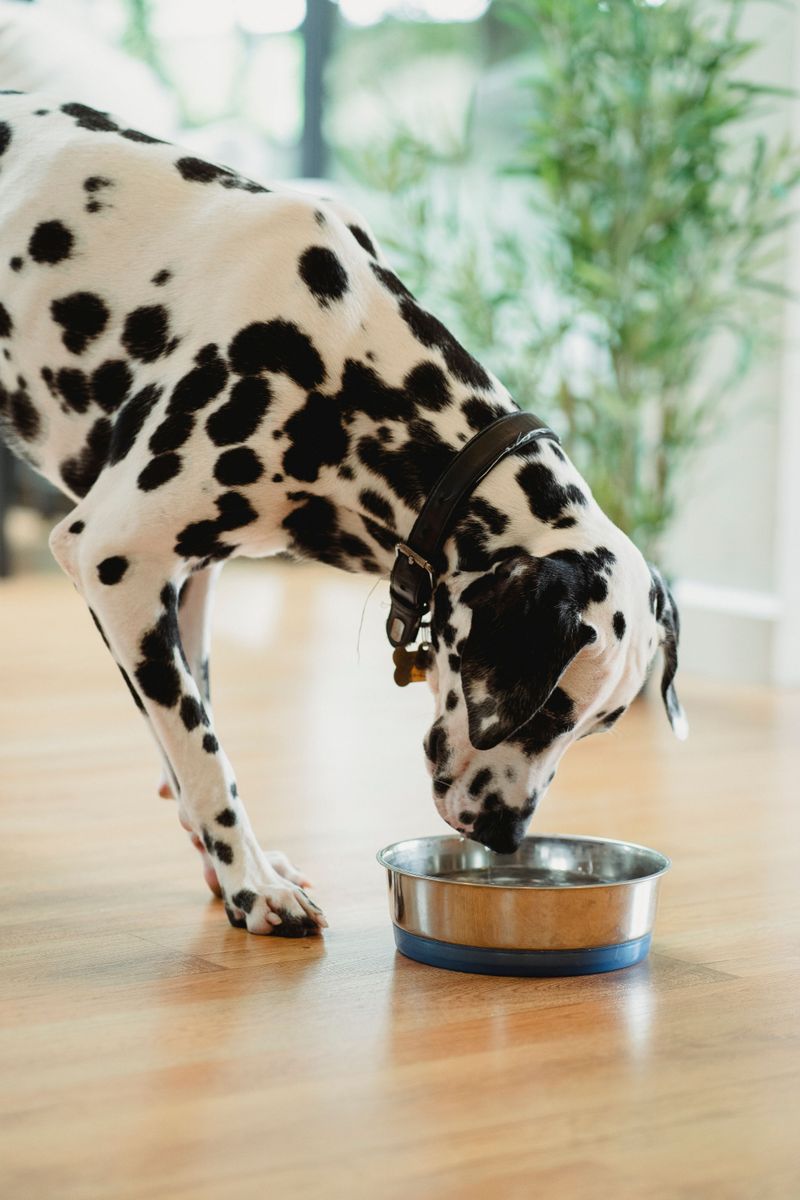
Thirst should not require a trip downstairs. Put a stable water bowl on each floor your dog uses, including the level where your dog sleeps.
Choose spots with enough room to approach and turn around.
Set bowls on washable, non-slip mats and refill them with fresh water each day. Check for spills before they make the floor slick.
If your dog suddenly drinks much more or less than usual, contact your veterinarian rather than simply moving the bowls.
7. Keep Food and Daily Supplies on an Easier Level
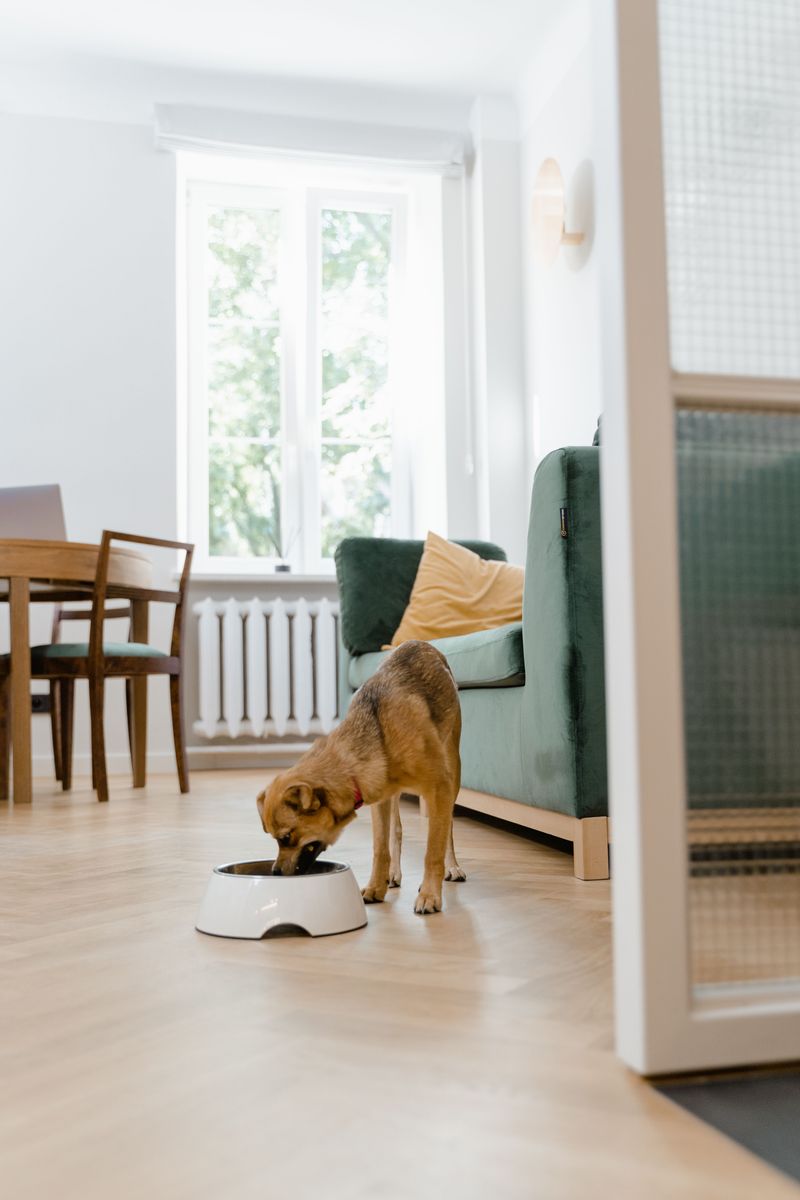
Daily routines become simpler when the essentials stay close together. Move meals, medication supplies, grooming tools, and a leash to the level your dog uses most.
Keep food stored securely where your dog cannot reach it between meals.
Try to place your dog’s favorite rooms on that same floor when possible. You might shift a desk or family seating area instead of asking for repeated stair climbs.
Follow your veterinarian’s directions for medicines and feeding schedules.
8. Replace High Door Thresholds
A raised doorway strip can feel like a small hurdle to stiff legs. Consider a lower-profile threshold where your dog regularly crosses between rooms.
The new surface should stay firm and meet the surrounding floor smoothly.
Ask an installer about weatherproofing before changing an exterior doorway. Some thresholds help keep rain and drafts outside.
Check local building rules if the work changes an entry. Until then, keep the area well lit and offer your dog time to step across.
9. Add a Gate to Block Unsupervised Stair Trips
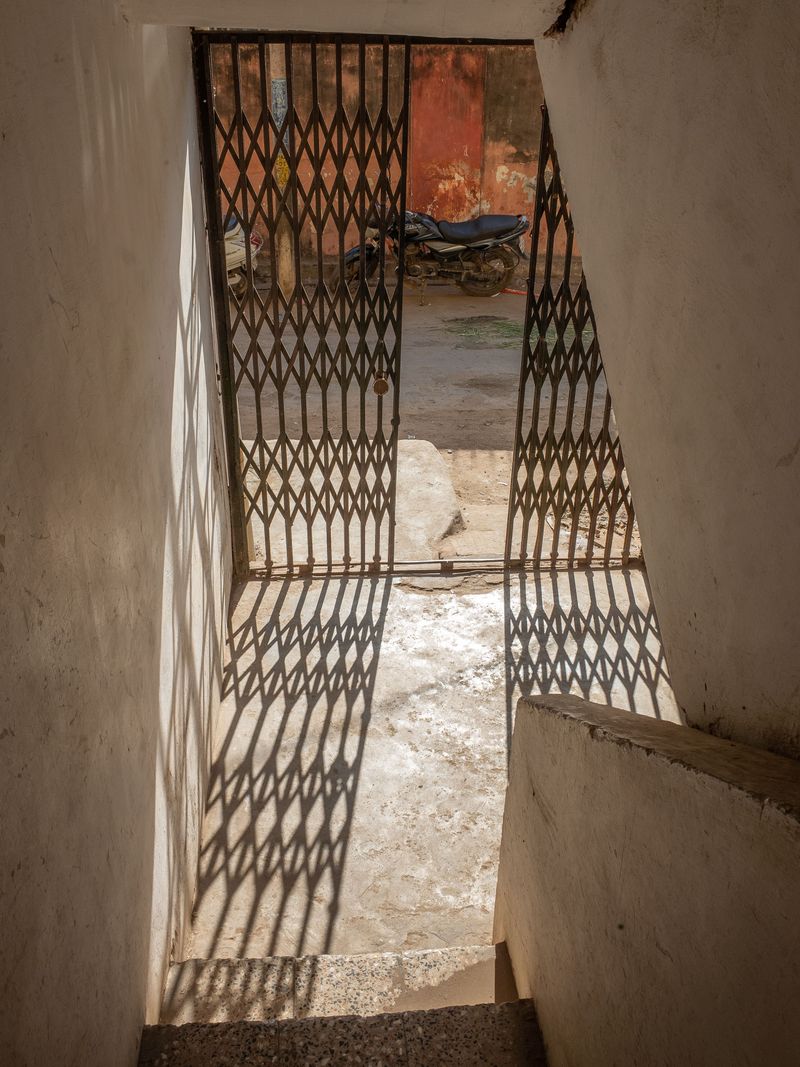
An adventurous dog may head for the stairs before you notice. A secure gate lets you choose when stair trips happen, especially while your dog adjusts to other changes.
Pick a model suited to its location and your dog’s size.
For the top of a staircase, choose a gate that mounts securely and follow its instructions. Avoid leaving a step-over bar where people may trip.
Check the latch each time, and give your dog comfortable access to essentials behind the gate.
10. Give Your Dog a Safer Place to Sleep
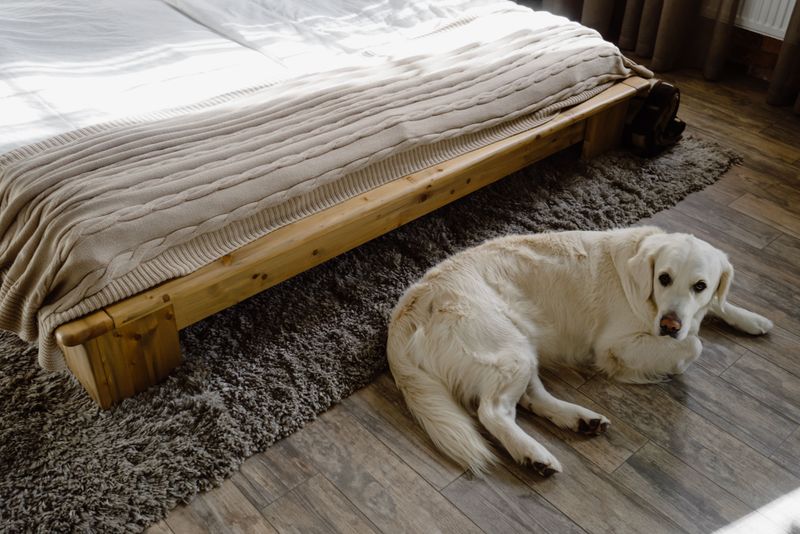
Bedtime should not end with one last difficult climb. Offer a low, supportive bed on a floor with easy access to water and an outside door.
Place it away from chilly drafts and busy walkways.
If your dog has always slept upstairs, move the bed gradually and spend time nearby. A familiar blanket can make the new spot feel welcoming.
Notice whether getting up from the bed looks comfortable. Ask your veterinarian for advice if stiffness seems to be increasing.
11. Make Outdoor Access Easier From the Main Living Area
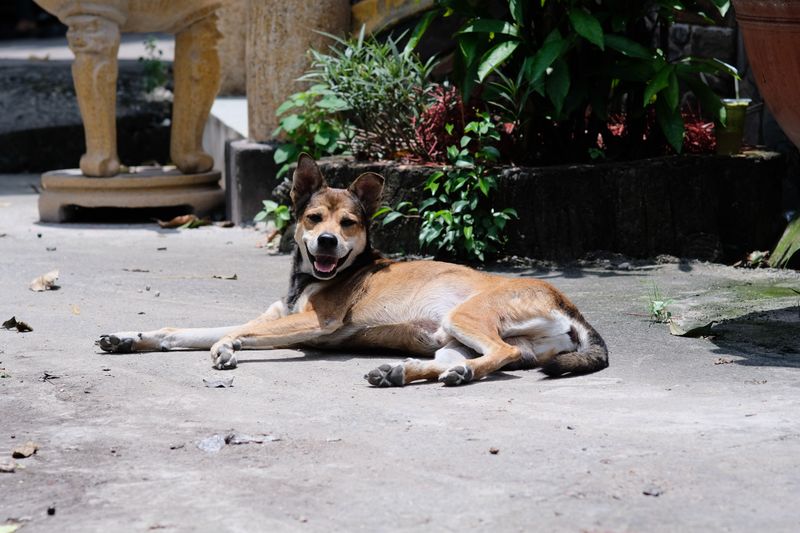
Quick outdoor breaks are easier when the nearest exit has a simple route. Clear the path from your dog’s main living area to the door.
Add traction near the doorway, where tracked-in water can make flooring slippery.
Outside, look for stable footing, shade, and a place to pause. California yards vary widely, so check pavement temperature before walks across sunny surfaces.
If the exit has steps, plan a supported route rather than expecting your dog to hurry over them.
12. Improve Entryway Access With a Ramp
Front steps can turn a short outing into your dog’s hardest task. For a frequently used entrance, consider a stable ramp with a gentle slope, good traction, and room to turn.
A temporary ramp must also stay firmly in place.
Measure the rise before choosing a design, and check its weight rating. Permanent changes may need local approval, especially where sidewalks or shared spaces are involved.
Ask your city, county, landlord, or homeowners association which rules apply before building.
13. Keep Hallways and Landings Clear
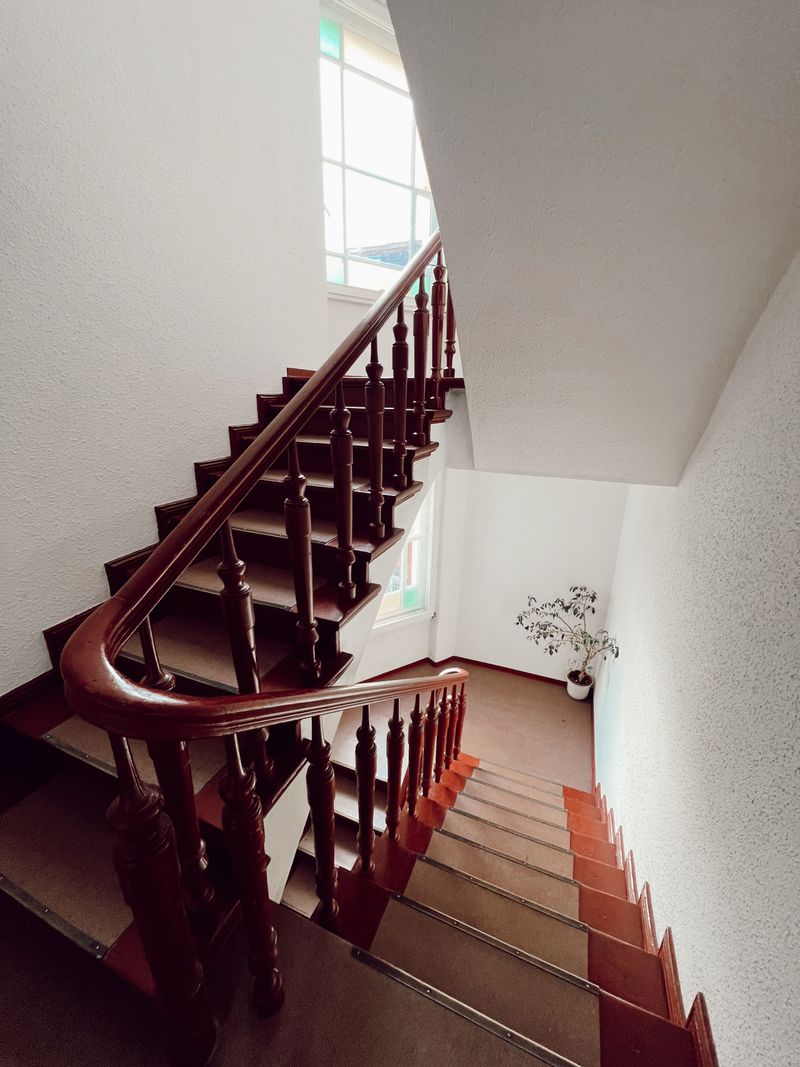
Dog toys have a way of collecting exactly where feet need space. Walk your dog’s route and remove shoes, baskets, cords, and loose mats.
Pay special attention to landings, where your dog may need room to stop and turn.
Give everyday clutter a storage spot away from the path. Keep doors fully open or closed when possible, rather than leaving narrow gaps.
A quick evening check helps preserve the clear route you worked to create during the day.
14. Use Furniture Placement to Create Wide Walking Paths
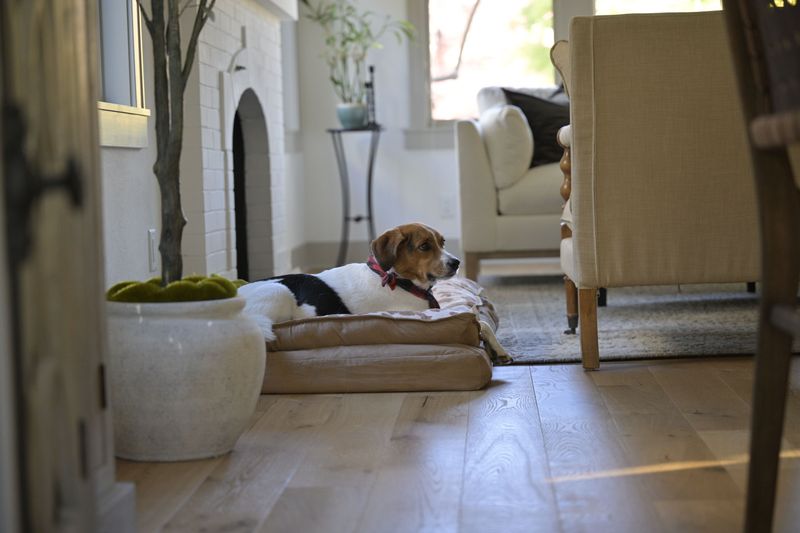
A room can look tidy yet still feel crowded to a dog with limited mobility. Shift tables and chairs to create a broad path between favorite resting places.
Avoid sharp turns near the stairs and doors.
As your dog’s needs change, reassess the layout instead of relying on an old plan. Watch for hesitation, bumping, or trouble turning around.
Your veterinarian can help you decide when home changes need added support, treatment, or a different daily routine.