20 New York Senior-Dog Walker Questions For Owners Who Cannot Manage Long Stair Trips
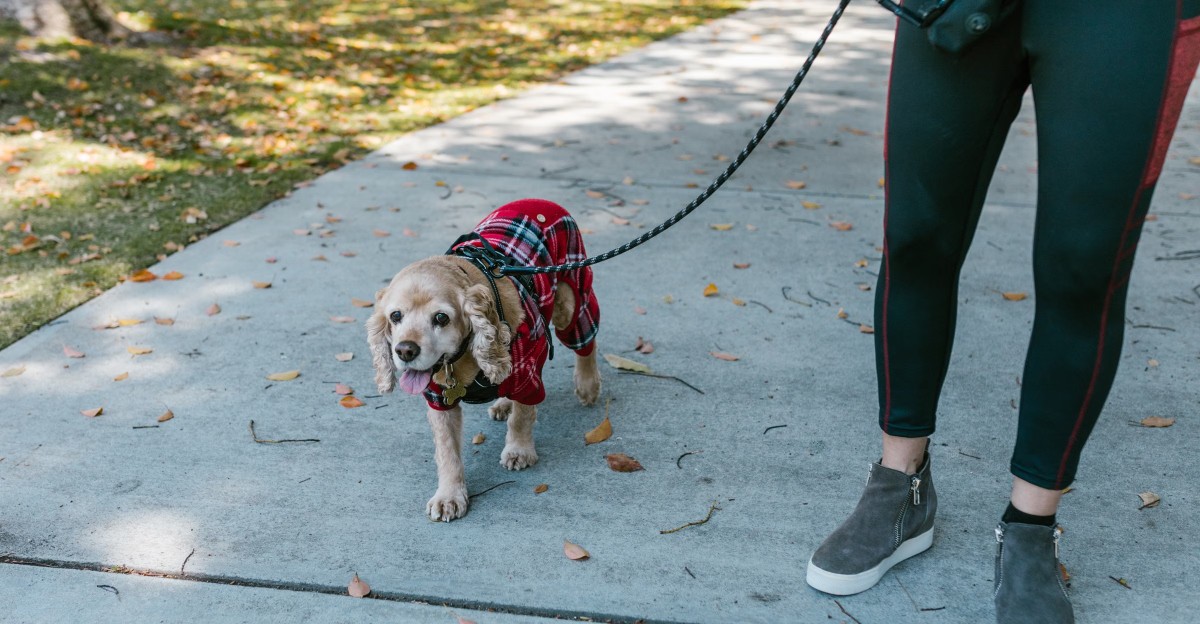
If your older dog lives in a New York walk-up, stairs can shape your whole day. Maybe your knees protest, or maybe your dog needs a slow, steady pace you cannot always provide.
Hiring the right walker changes everything, but only if you ask the right things first. The questions below help you find someone patient, observant, and honest about what they can handle.
Think of this as a friendly checklist before you hand over the leash.
1. Start With The Big One: Comfort Handling A Stair-Limited Senior Dog
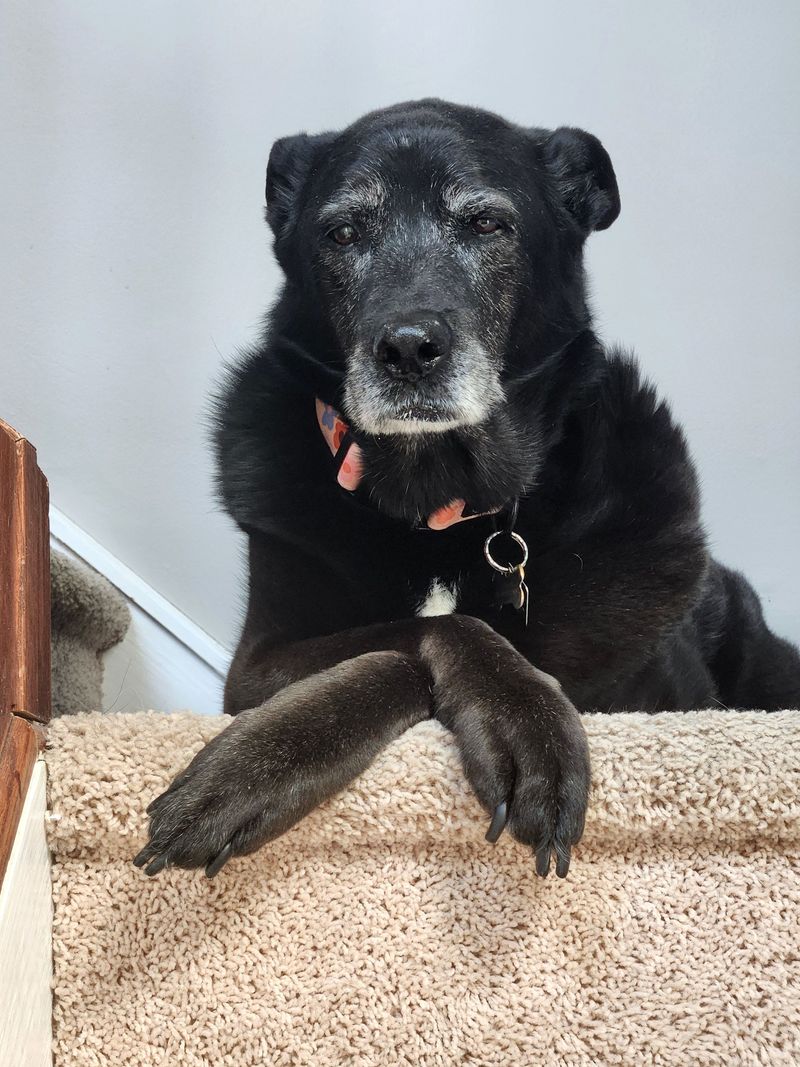
Before anything else, find out whether limited stair use fits their routine. Many walkers are used to young, bouncy dogs and long outings.
Older dogs usually do better with shorter, more frequent walks that stay gentle on the joints. Movement still matters, since it helps maintain muscle and keeps the mind sharp.
A good candidate will describe adjusting pace and length instead of pushing through. Hesitation here is useful information, not a problem.
2. Walk-Up Buildings Are Their Own Skill Set

Fourth-floor walk-ups are everywhere in this city, and they test both people and dogs. Ask directly whether your building type feels manageable to them.
Frequent trips up and down mean careful handling, especially with worn or slick treads. A walker should mention slowing down, watching footing, and offering steady support.
Someone who has done this before will talk about specifics, not vague confidence. Let them see the stairs first.
3. Short Walks Are Not Lazy Walks
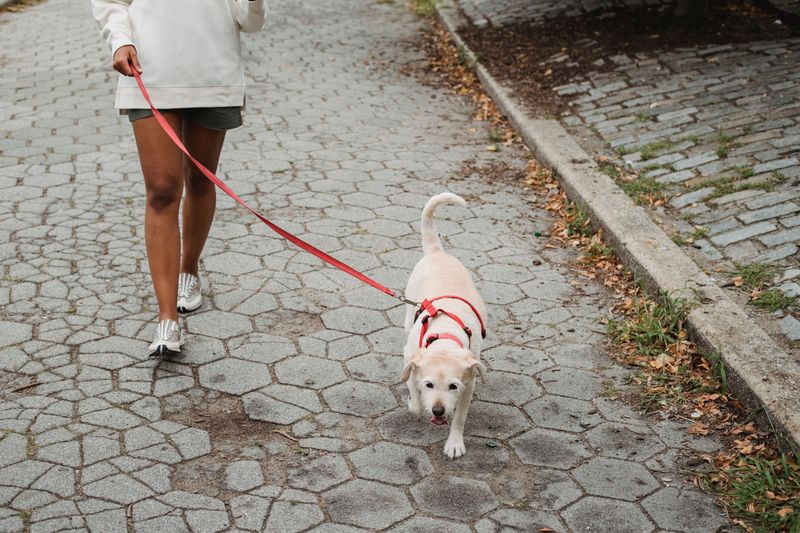
Ten to twenty minutes can be plenty for a dog with tired legs. Some owners worry a short walk means the walker cut corners.
For seniors, several brief outings usually beat one long trek. Lagging behind, heavy panting, or stiffness are cues to head home.
Ask how they decide when enough is enough. The answer should focus on your dog’s signals rather than a stopwatch or a mileage goal.
4. Elevator First, Always, When One Exists
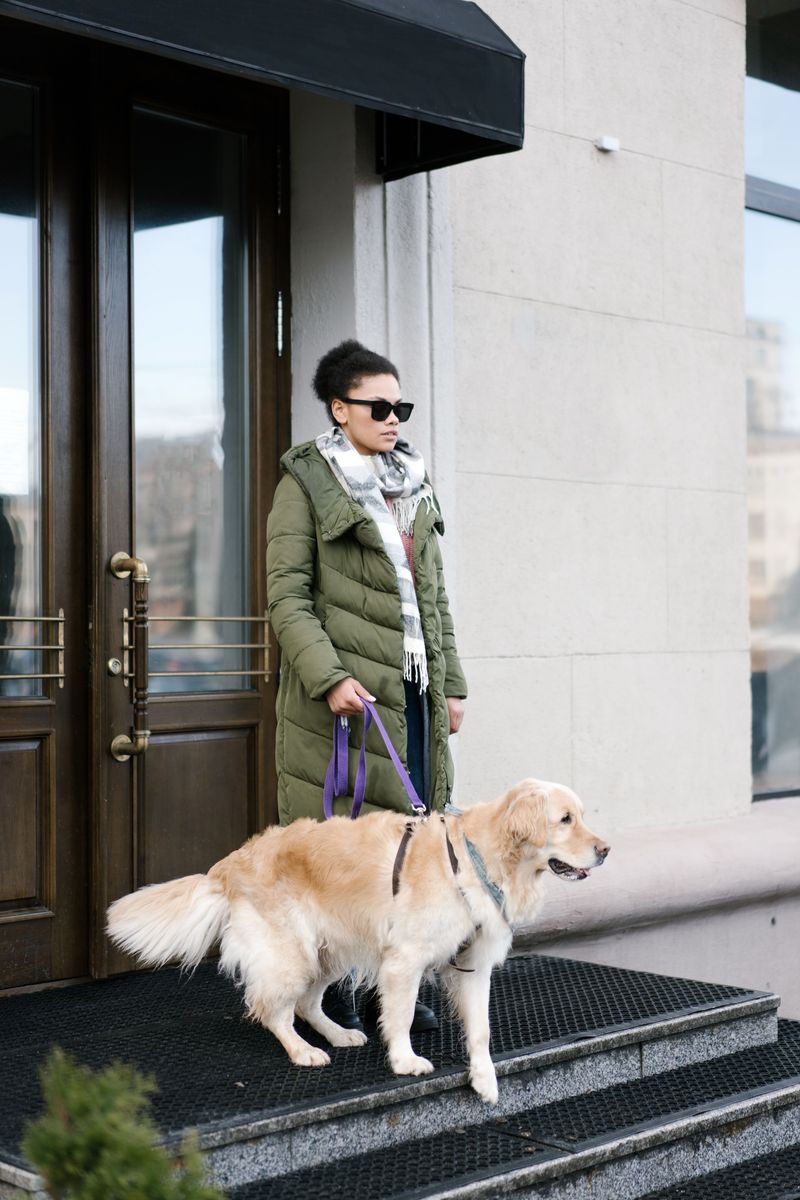
An available elevator is a gift for aging joints. Confirm the walker will choose it every single time, even when stairs feel faster.
Skipping a few flights reduces strain and lowers the chance of a slip. Some walkers default to stairs out of habit, so say it plainly.
If your building has a service elevator, explain how to access it. Small logistics prevent unnecessary climbing later.
5. When Paws Pause: Handling Hesitation And Slips
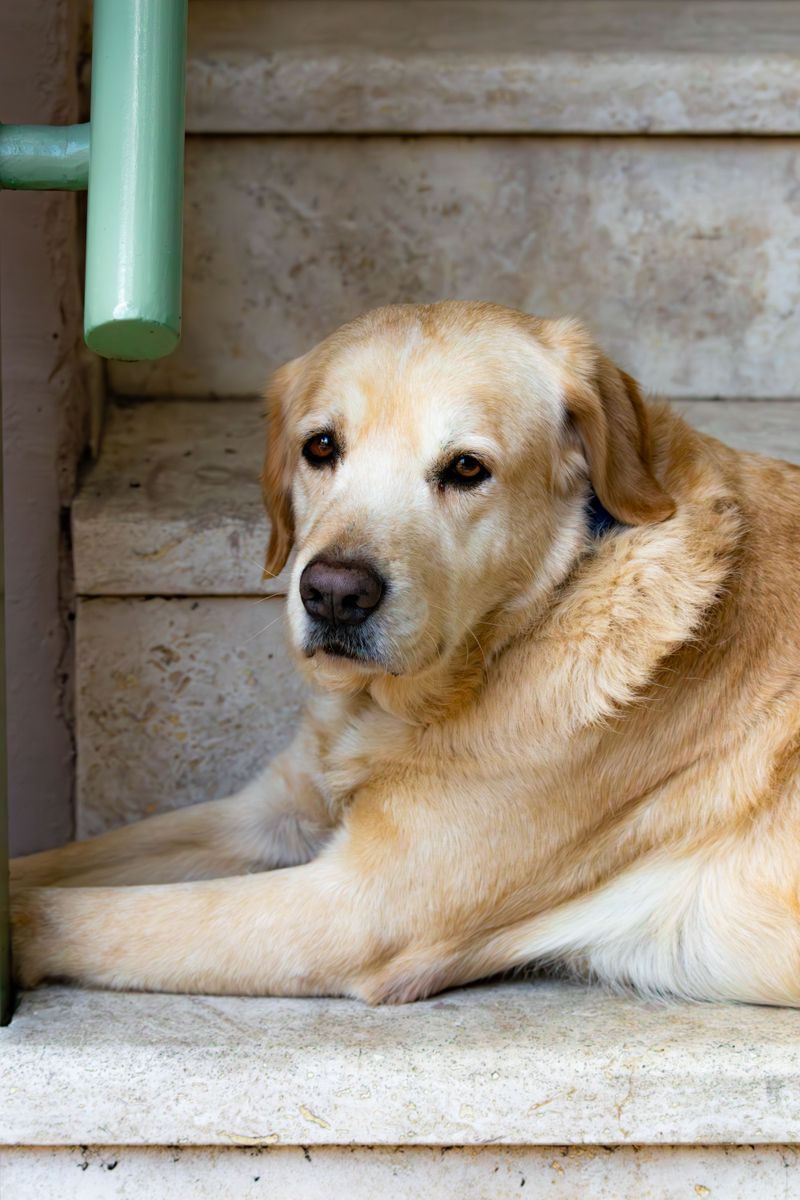
A dog who freezes on the third step is telling you something. Stiff joints or weaker back legs often show up exactly there.
The right response is patience: let the dog set the pace, no tugging, no hurrying. Non-slip treads or a carpet runner at home improve grip noticeably.
Sudden collapse or clear pain deserves prompt veterinary attention. Ask what they would watch for and report.
6. Support Harnesses And Slings: Real Hands-On Experience Counts
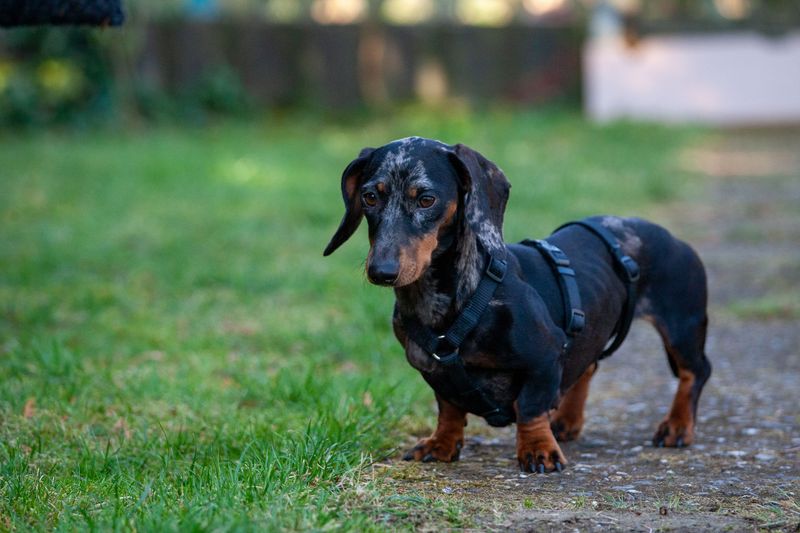
Gear only helps when someone knows how to use it. If your dog already wears a lifting harness or sling, ask about their comfort level.
Properly fitted equipment spreads pressure evenly and eases strain on hips and shoulders. Misuse can make a dog resist the whole process.
Offer a short demonstration during the meet-and-greet. Watching them fasten it tells you more than any conversation.
7. Your Veterinarian’s Limits Are Not Suggestions
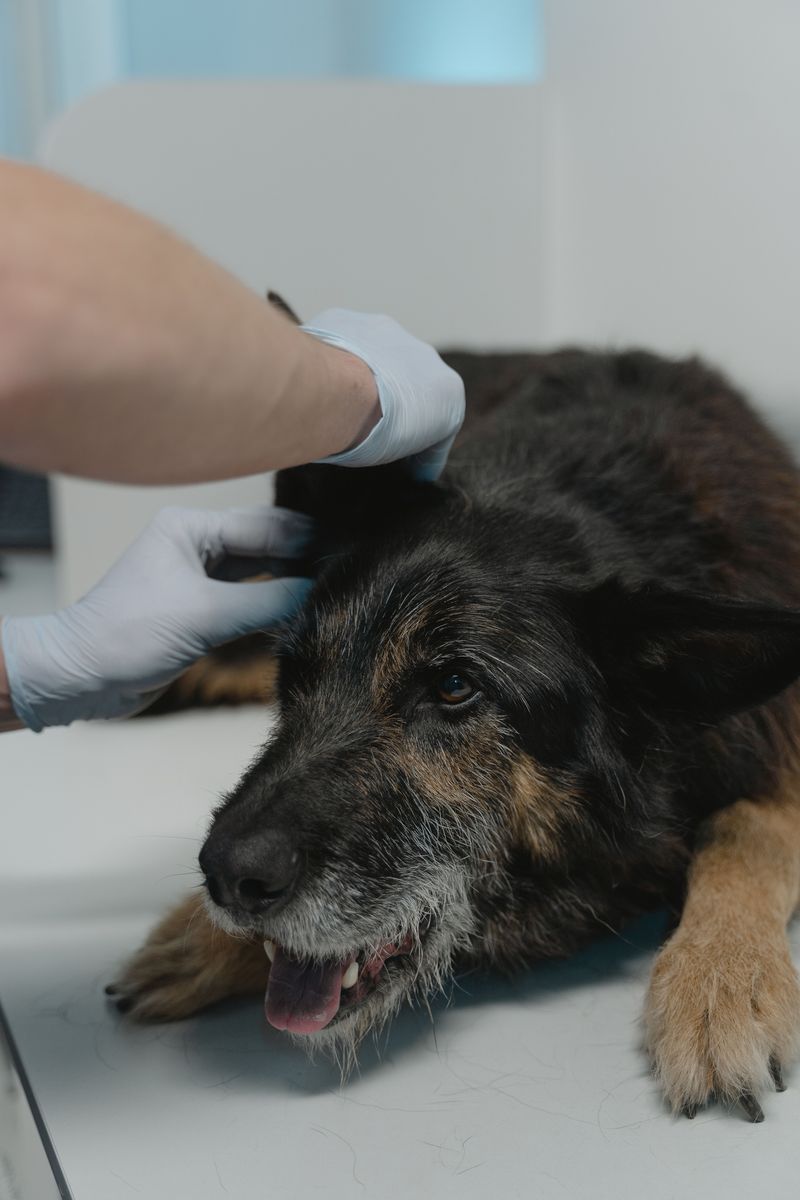
Arthritis, heart conditions, and post-treatment recovery all come with activity rules. Those instructions exist for a reason and should travel with the leash.
Write the limits down: maximum minutes, allowed surfaces, stair restrictions, rest requirements. Hand a copy to the walker and keep one by the door.
Ask whether they are willing to follow it exactly, even on a day your dog seems peppy. Consistency protects progress.
8. Skip The Extra Flights Out On The Route
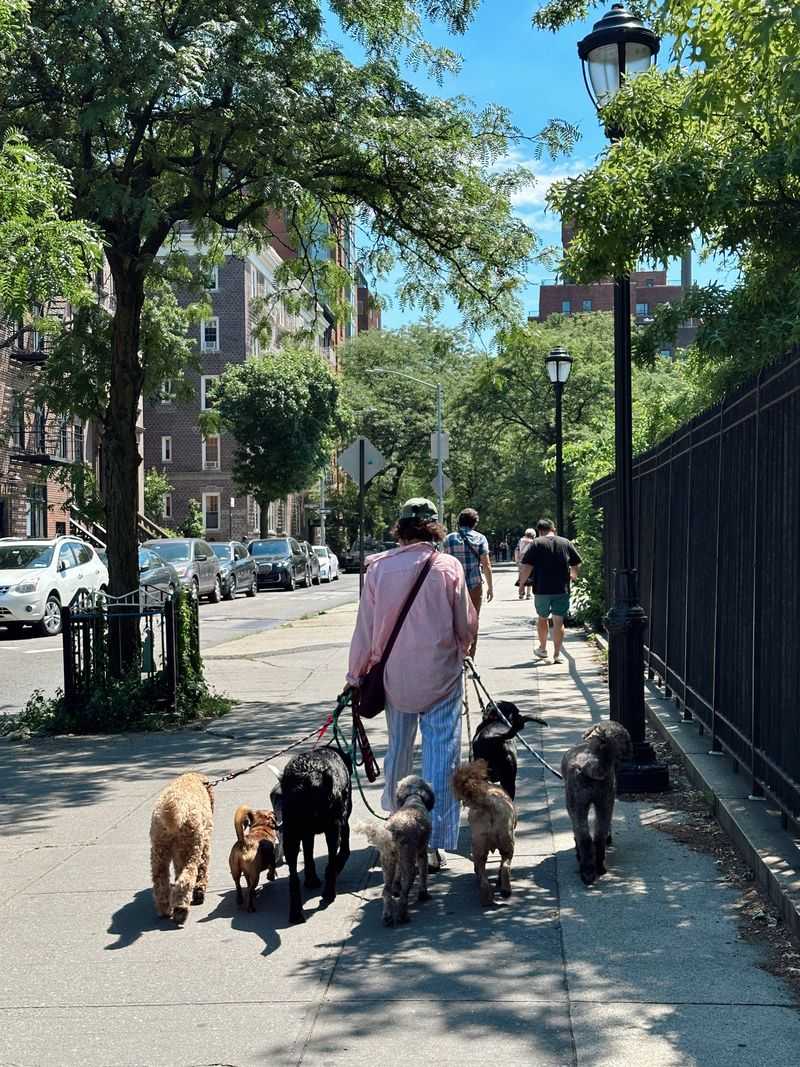
Stairs hide all over this city: park entrances, pedestrian bridges, sunken plazas. Each set adds wear your dog does not need.
A thoughtful walker maps a flat loop and sticks to it. Ask them to describe the route aloud so you can spot problem spots.
Curb cuts and level crossings make a real difference over time. Small planning choices keep your dog moving comfortably for longer.
9. Some Days Call For A Different Loop
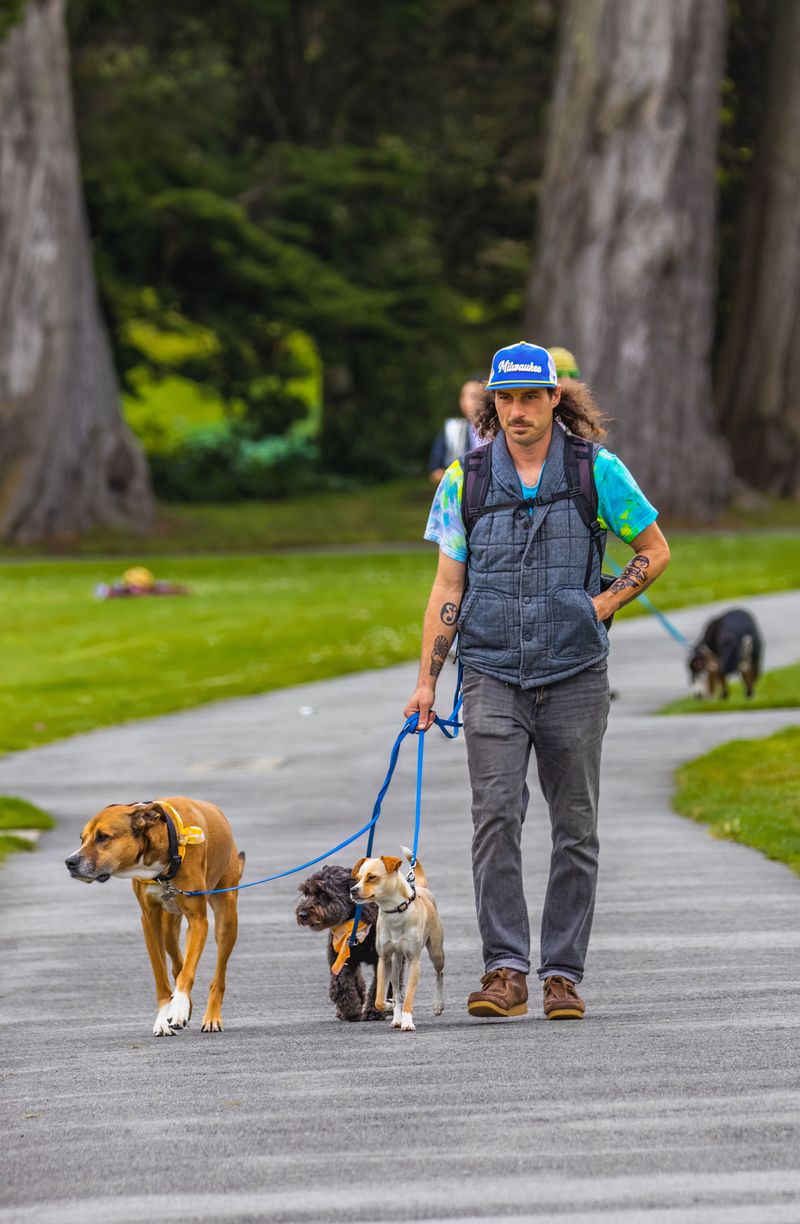
Mobility in older dogs shifts from morning to morning. Cold, damp weather or a restless night can change everything.
Flexibility is the skill you are hiring for. A walker should be ready to swap a longer loop for a short block, or choose grass over concrete.
Body language guides the call: slow starts, shortened strides, extra sniff pauses. Ask how they read those cues.
10. Knowing The Moment To Turn Back
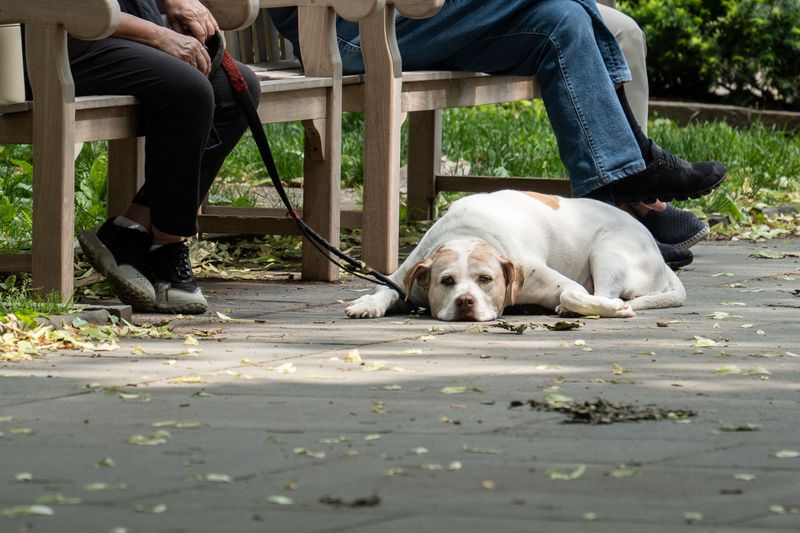
Turning around early is a win, not a failure. Common cues include lagging behind, stopping, heavy panting, and stiff movement.
Some dogs look for shade or simply lie down. Soreness the following day also signals the walk ran long.
Ask the walker to name a few signs unprompted. Specific answers suggest real experience with aging dogs rather than borrowed talking points.
11. Rest Stops Belong In The Plan
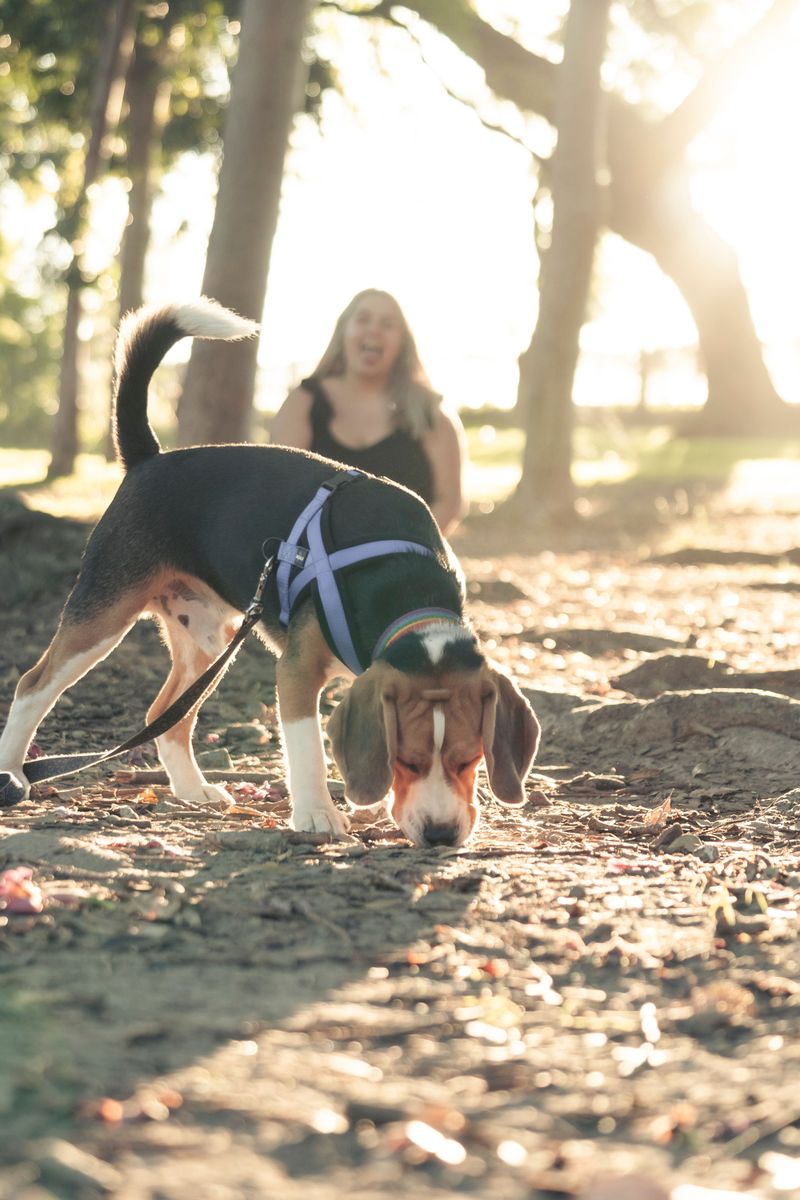
Sniffing counts as enrichment, and pausing counts as exercise recovery. Slow walks with frequent breaks suit older dogs beautifully.
Letting your dog choose the tempo prevents overexertion and keeps the outing enjoyable. A bench stop or a shady pause can reset a tired body.
Confirm the walker sees rest as part of the job. Rushed walks create soreness you will notice hours later.
12. Steep Hills And Subway Stairs Stay Off Limits
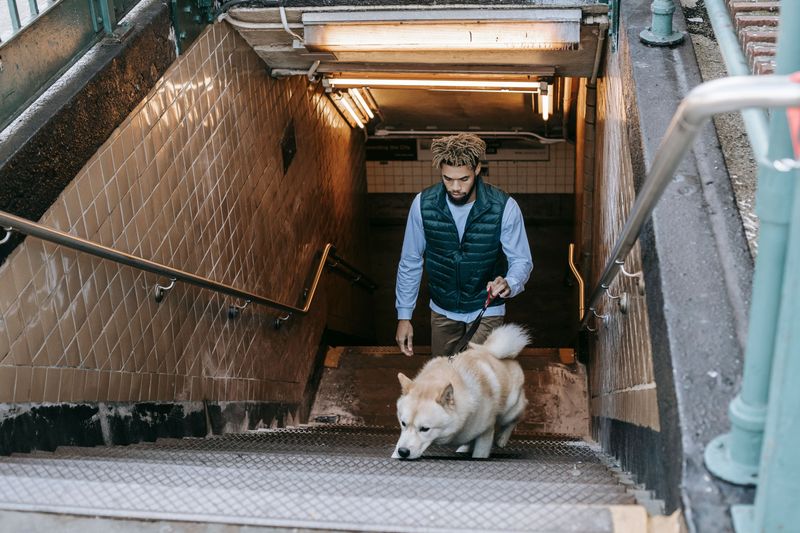
Long station staircases and rocky park paths punish aging joints. Steep inclines do the same, especially on the way down.
Well-maintained sidewalks, packed dirt, and grass are kinder choices. Quieter streets during off-peak hours also cut down on hazards.
Spell out any routes you want avoided entirely. Written boundaries remove guesswork for a new walker learning your neighborhood.
13. Doorways, Stoops, And The Unrushed Exit
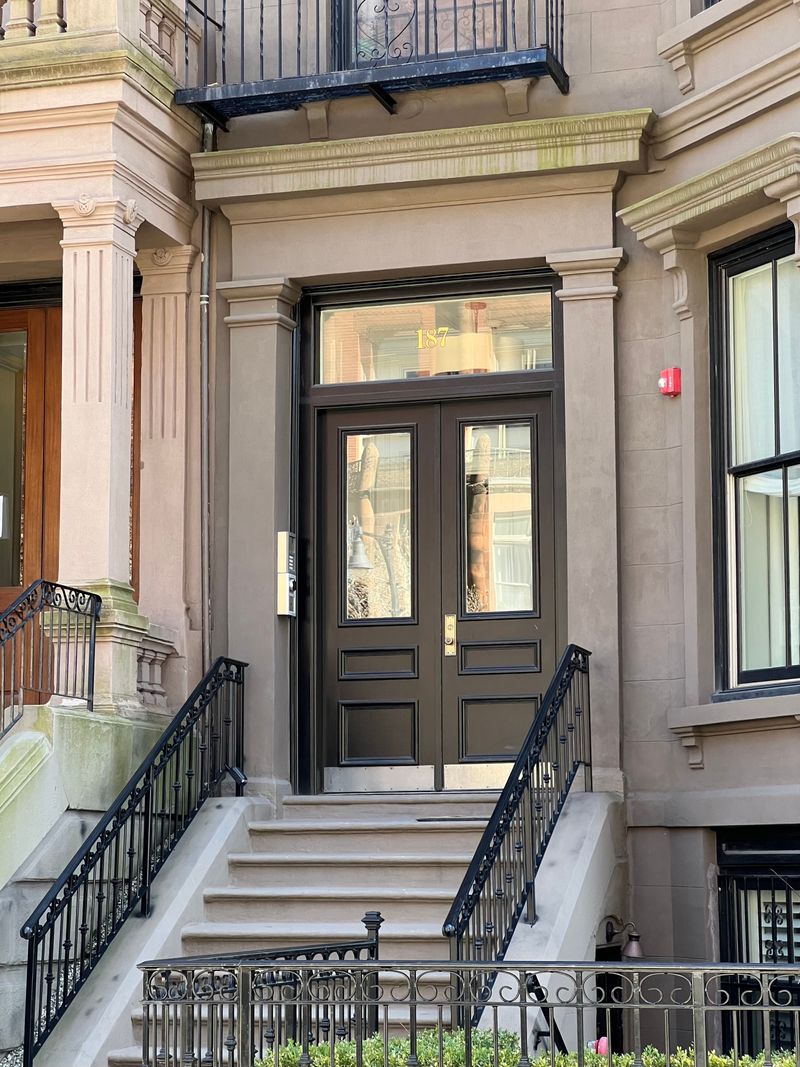
Getting out of the building is often the hardest part. Heavy doors, a tight vestibule, and two stone steps add up quickly.
Patience matters more than strength here. A walker should pause at thresholds, let your dog reposition, and offer light support when needed.
Show them your preferred sequence during the trial visit. Repeating the same routine helps your dog feel secure every time.
14. The What-If Question About Getting Home
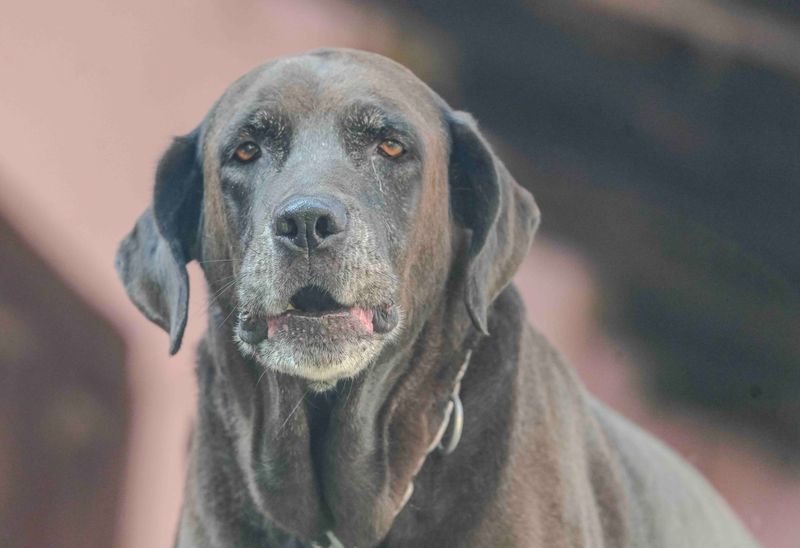
Occasionally a dog manages the walk but stalls at the return climb. Have a plan ready before that happens.
Gentle support with a sling works for many dogs, and smaller ones can be carefully carried. Larger dogs may need a ramp entrance, an elevator, or your immediate input.
Sudden weakness calls for urgent veterinary assessment. Keep your clinic number saved in the walker’s phone.
15. Fast Contact When Something Feels Off
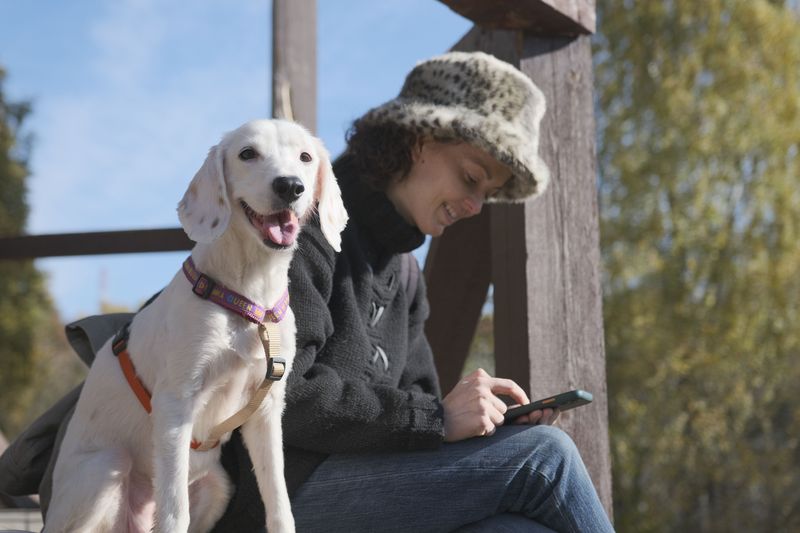
You know your dog’s normal better than anyone. Weakness, soreness, or unwillingness to move deserves a message right away, not at the end of the day.
Those signs can point to discomfort or a health change needing attention. Early word gives you time to call the veterinarian.
Agree on a contact method: text, call, or app. Clear expectations prevent well-meaning delays.
16. Experience With Stiff Joints And Slower Legs
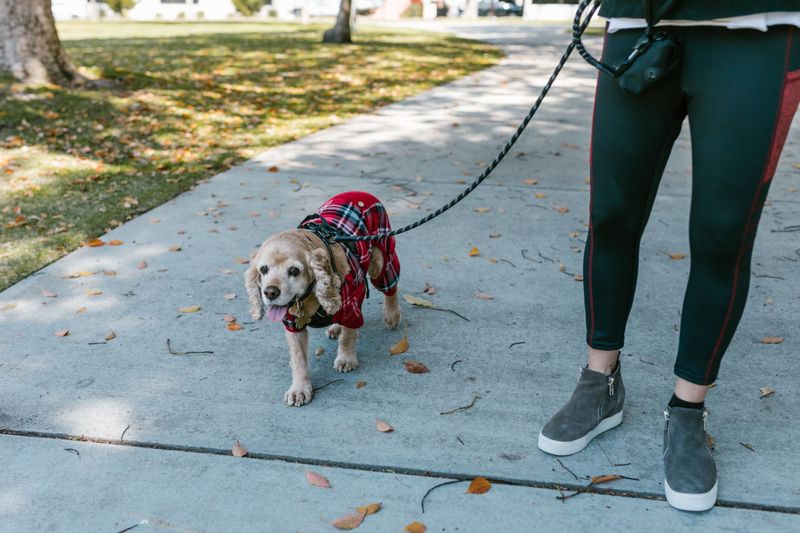
Arthritis shows up in small ways: a slow rise, a shortened stride, a reluctance to jump. Walkers who have handled it recognize those signs quickly.
Low-impact, regular movement often helps manage stiffness better than rest alone. Adjustments happen mid-walk, not afterward.
Ask about past senior clients and what they changed for them. Concrete stories reveal genuine familiarity with age-related mobility needs.
17. Crowds Can Knock A Wobbly Dog Off Balance
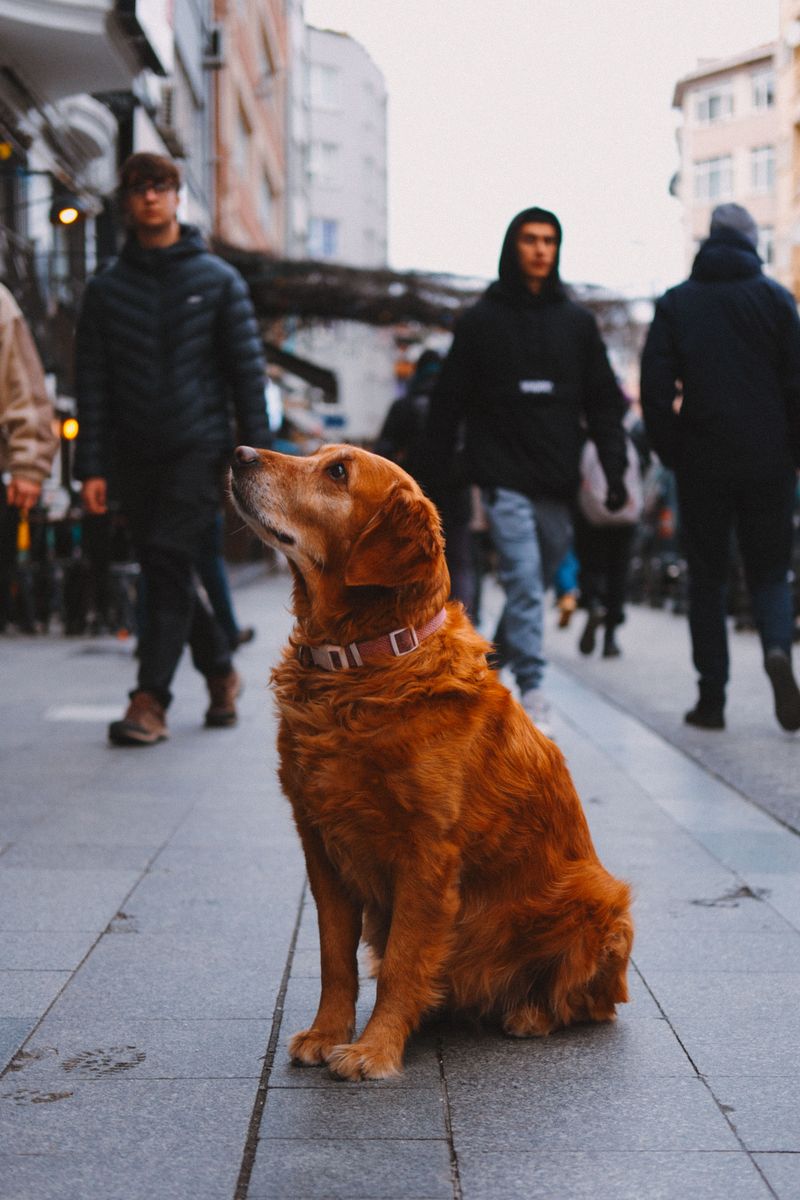
Rush hour sidewalks are no place for unsteady legs. Scooters, rolling suitcases, and tight clusters of people create bumping risks.
A short, secure leash and alert eyes go a long way. Crossing the street early to dodge an oncoming dog is smart, not rude.
Request off-peak timing when possible. Calm blocks let your dog walk with confidence instead of bracing for contact.
18. A Quick Post-Walk Report You Can Actually Use
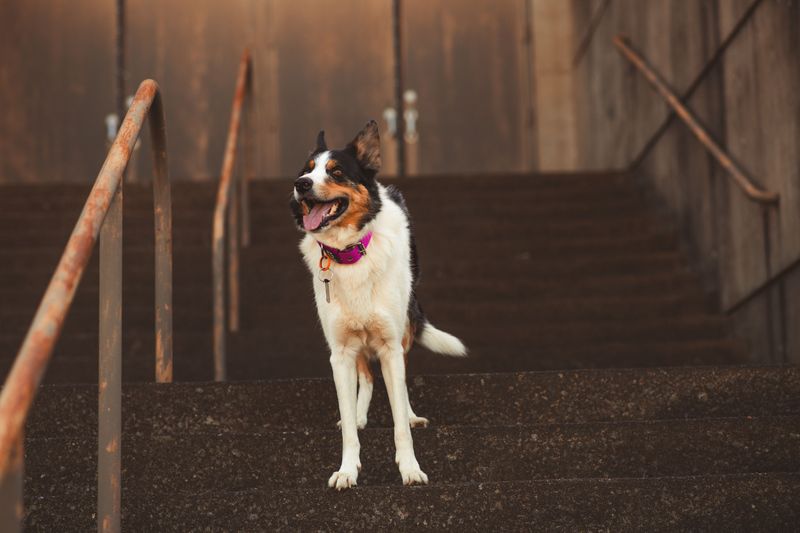
Four details tell you nearly everything: distance covered, stairs used, energy level, and any mobility hiccups. Ask for that summary after every visit.
Patterns emerge over weeks, and patterns are what veterinarians want to hear about. A dip in stamina becomes visible early.
Keep the notes in one place, digital or paper. Your future self will appreciate the record at the next check-up.
19. Backup Routes For Broken Elevators And Blocked Sidewalks
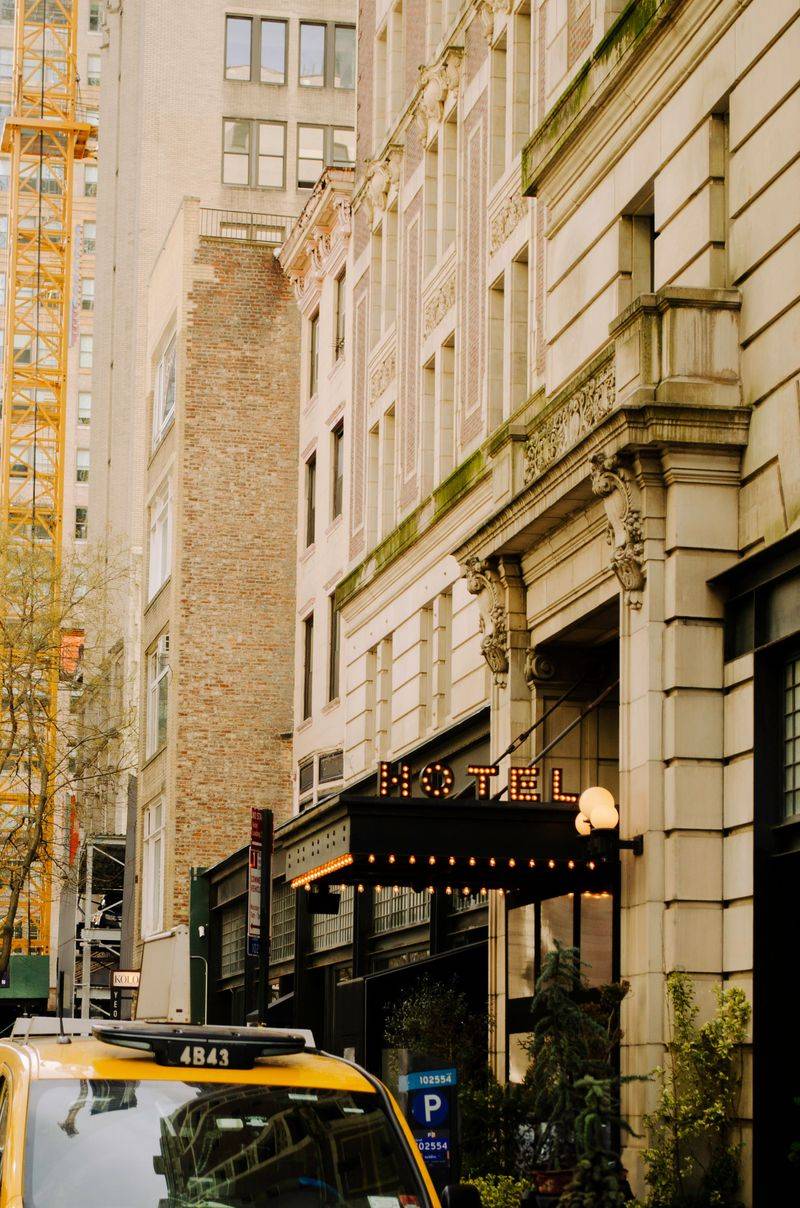
Elevators go down, scaffolding appears overnight, and sidewalk sheds reroute foot traffic. City life guarantees surprises.
A dependable walker already knows a second low-stair option nearby. If nothing works, they contact you before improvising.
Walk your alternate route together once so they recognize it. Ten minutes of planning saves your dog an unnecessary climb on a bad day.
20. Weather Judgment: Permission To Shorten Or Skip
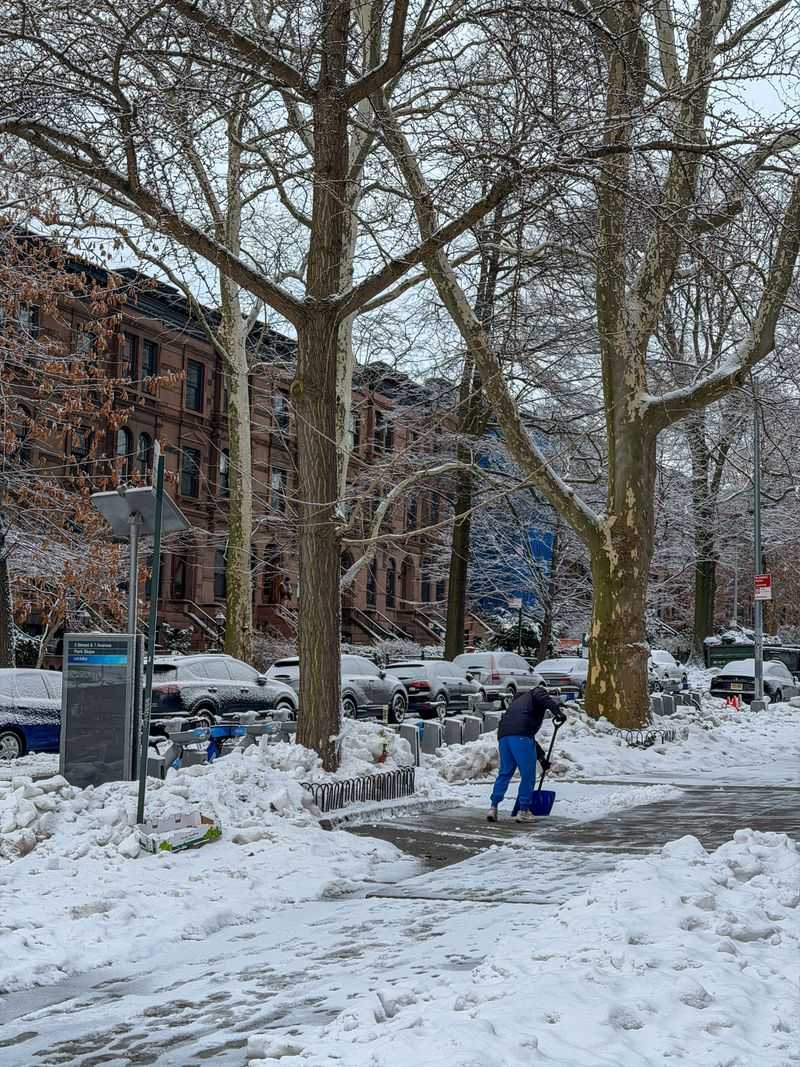
Ice, slush, and summer heat all change the math on stairs. Cold, damp air can also worsen achy joints in older dogs.
Tell your walker plainly that cutting a walk short is welcome. Removing pressure lets them make safe calls without worrying about disappointing you.
Your dog needs a careful partner more than a perfect schedule. Ask these questions early, then relax and enjoy the company.