15 Working Dog Breeds For Minnesota Farms And Livestock Properties
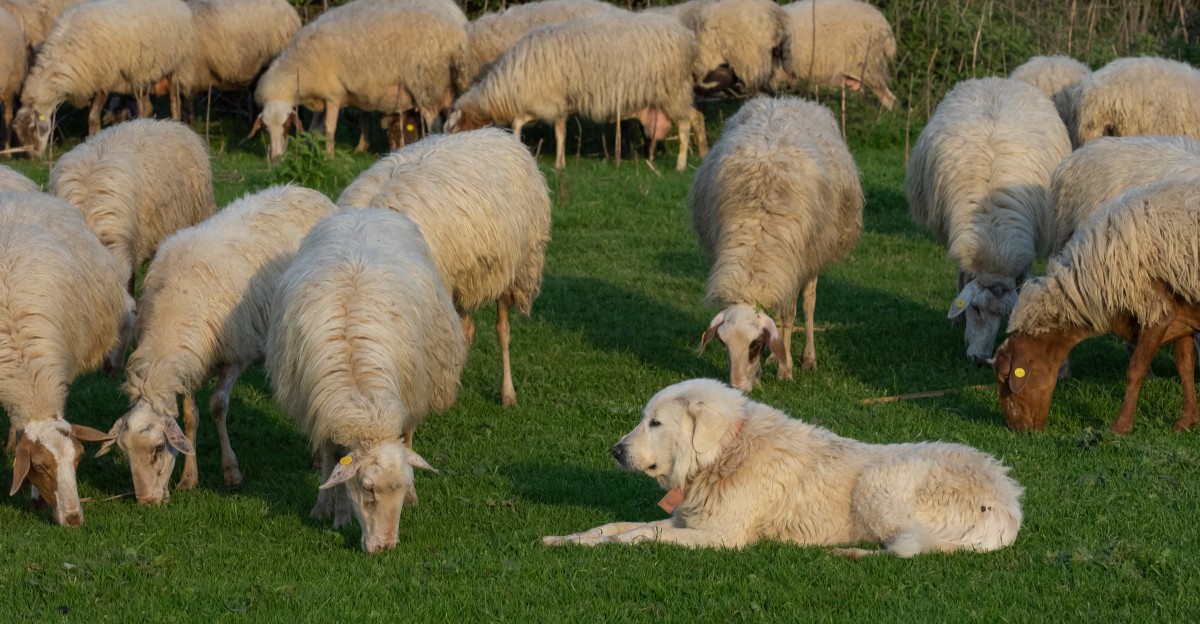
A Minnesota farm can change gears fast. One morning brings sheep to move, while the next brings deep snow and a gate that will not stay shut.
The right dog can help, but a skilled herder and a livestock guardian do very different jobs. Coat care, fencing, training, and even summer heat matter as much as breed reputation.
Here are working breeds worth getting to know before you choose a farm partner.
1. Great Pyrenees: A Calm Pasture Watcher
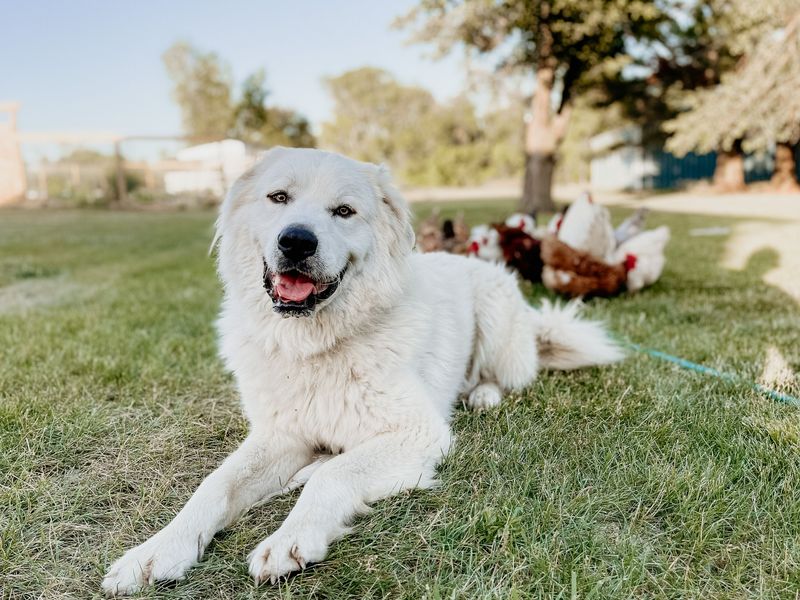
Snowflakes settle on a white coat, and the Great Pyrenees looks right at home. Bred to live near flocks, this dog watches its surroundings and often works independently.
Secure fencing matters because a curious guardian may patrol beyond the pasture.
Introduce puppies carefully to the animals they will live with, and reward calm behavior. Give this thick-coated breed shade, fresh water, and a cool resting spot during Minnesota’s warmer months.
Expect barking, especially at night.
2. Anatolian Shepherd: An Independent Guardian
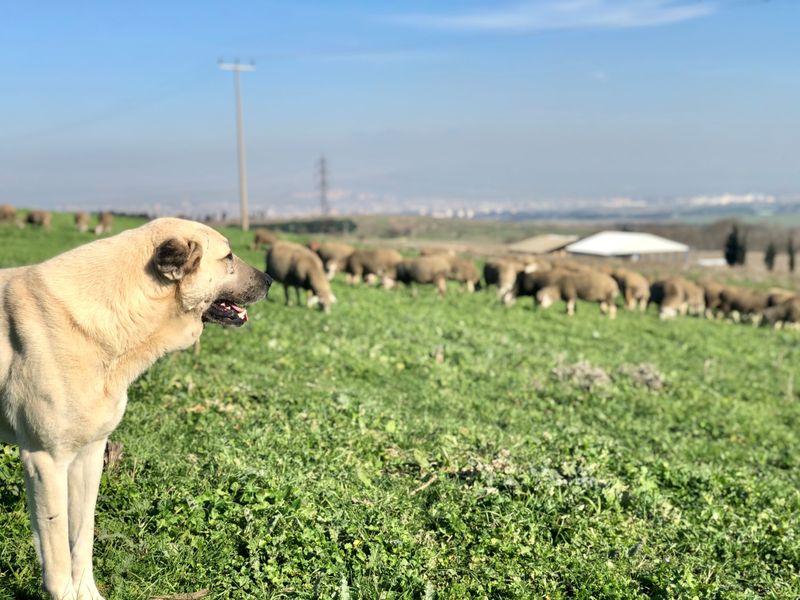
A quiet figure by the fence can notice trouble before anyone reaches the barn. The Anatolian Shepherd comes from a livestock guarding tradition and takes its job seriously.
Its independent thinking calls for patient training, not constant repeated commands.
Plan early, supervised introductions with goats or sheep, plus secure fencing around every grazing area. Visitors should meet this watchful dog with an owner present.
In winter, provide dry shelter, and keep drinking water from freezing daily.
3. Maremma Sheepdog: A Steady Flock Partner
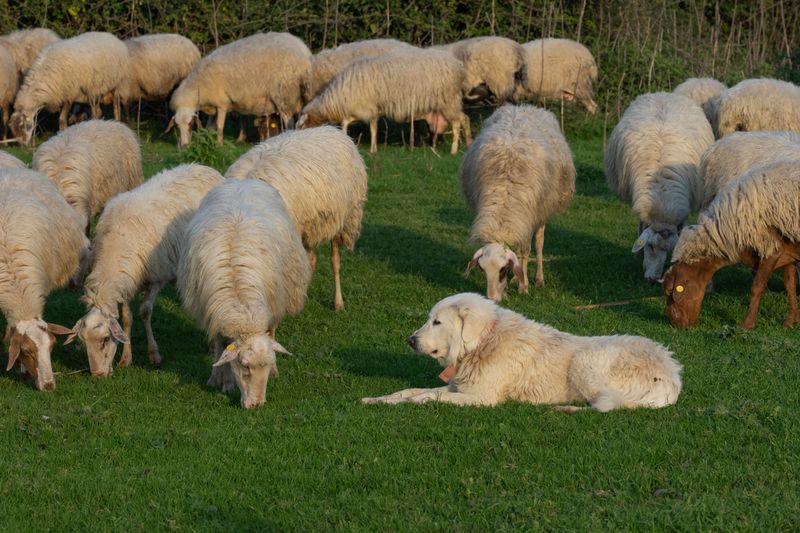
Among a group of sheep, a Maremma Sheepdog can seem like another woolly neighbor. This Italian guardian breed bonds with livestock and prefers steady routines.
It needs room to work, dependable fencing, and owners who respect its independent style.
Start livestock introductions while the dog is young, with careful supervision and calm guidance. Keep a sheltered, dry place available when sleet arrives.
Regular brushing helps manage the heavy coat, especially when shedding season turns the barnyard fluffy.
4. Komondor: A Guardian With a Remarkable Coat
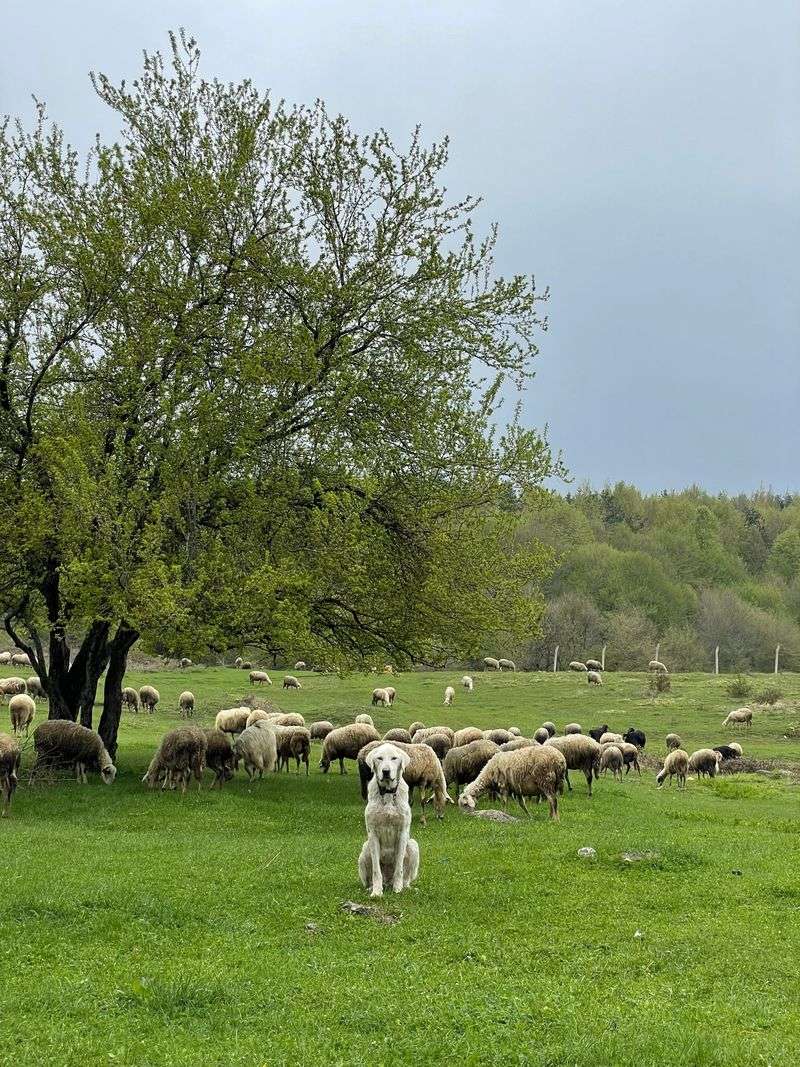
Those long white cords make the Komondor hard to mistake for any other farm dog. Developed as a livestock guardian in Hungary, it is watchful and often reserved around strangers.
Strong fencing and thoughtful introductions help it understand who belongs on the property.
The coat needs special care as cords form, particularly after muddy chores or wet snow. Ask an experienced breeder or groomer for guidance.
Provide a dry sleeping area and teach visitors to approach only with supervision.
5. Kuvasz: A Watchful Farm Guardian
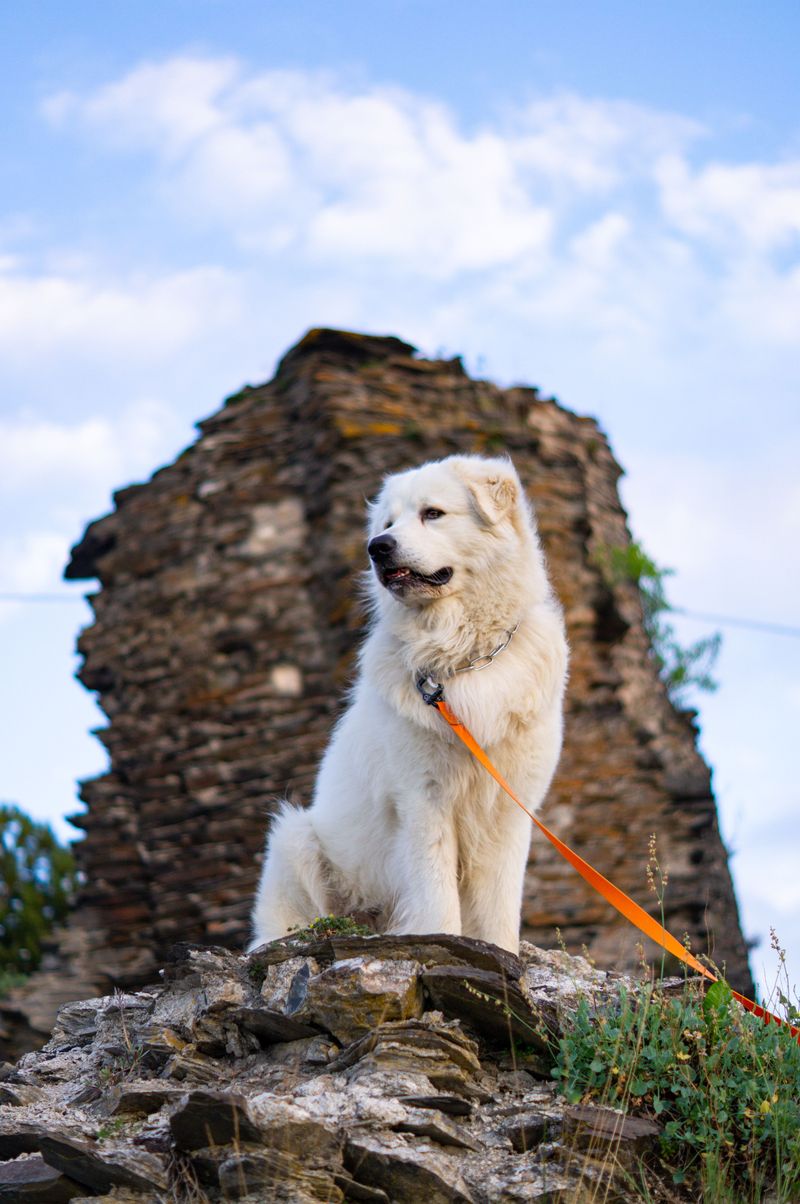
A flash of white crosses the pasture, then the Kuvasz pauses to study a new arrival. This Hungarian breed has a history of guarding livestock and can be confident without waiting for directions.
Early socialization helps it handle farm visitors and everyday activity.
Match this large dog with sturdy fences and a clear routine. Supervise livestock introductions instead of assuming instinct will do everything.
Brush its thick coat regularly, and offer shade when warm weather follows Minnesota’s long winter.
6. Australian Cattle Dog: A Busy Chore Buddy
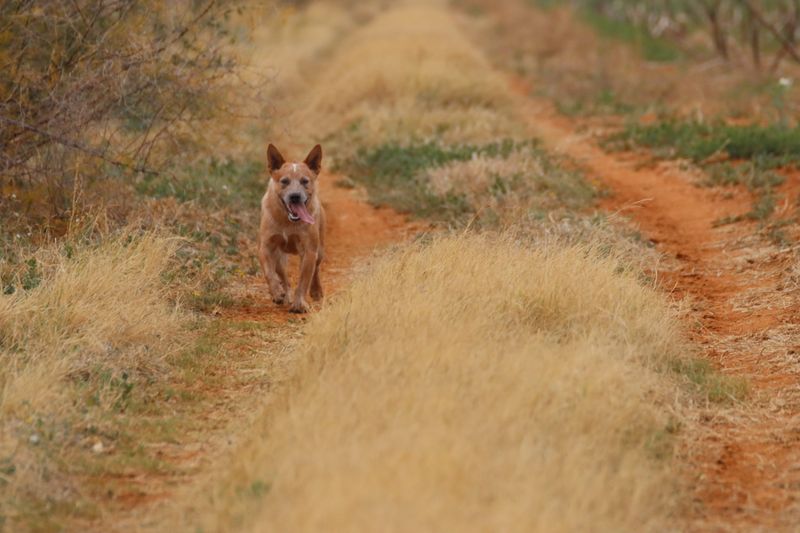
When cattle need moving, the Australian Cattle Dog is ready for a task. Developed for demanding stock work, this compact herder brings energy and quick decisions to daily chores.
Without enough work, it may invent games that nobody else enjoys.
Practice clear cues in a fenced area before working near livestock. Teach a reliable recall and reward calm behavior around children and smaller animals.
Give its mind a workout too, with short training sessions or safe puzzle games.
7. Border Collie: A Skilled Livestock Mover
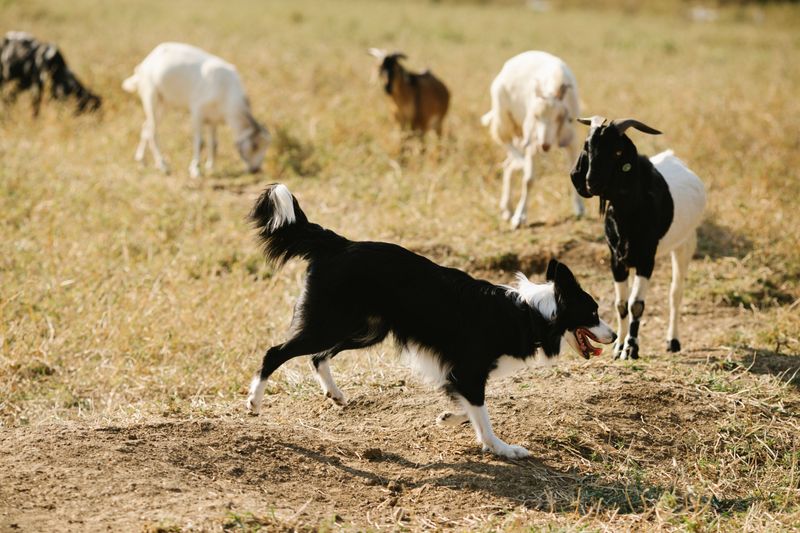
At the pasture gate, a Border Collie may spot the one sheep headed the wrong way. Famous for close teamwork with handlers, this breed excels at moving livestock when properly trained.
Its sharp mind also needs daily purpose beyond a quick walk.
Find a skilled herding instructor before asking a young dog to manage stock. Practice stops, recalls, and quiet waiting away from the flock.
Schedule rest breaks, since an eager worker may keep going after everyone else clocks out.
8. Australian Shepherd: An Adaptable Herder
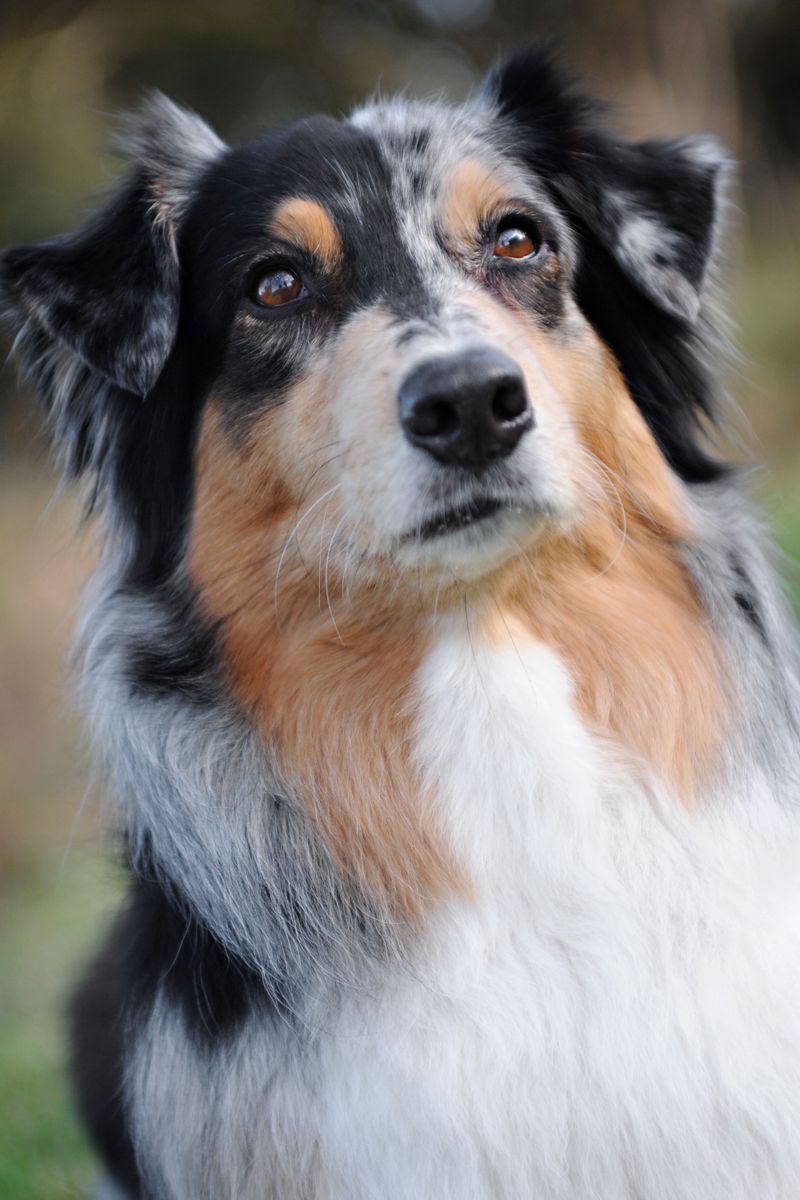
One minute, an Australian Shepherd follows a signal across the yard. Next, it is watching for the next chore.
Despite its name, the Australian Shepherd was developed in the United States and has a strong herding background.
Offer structured training and daily exercise before expecting reliable livestock work. Some Aussies may try to herd running children, so teach an alternate behavior early.
Check the coat after brushy fieldwork, and provide water and shade during hot summer afternoons.
9. Australian Kelpie: Quick on Its Feet
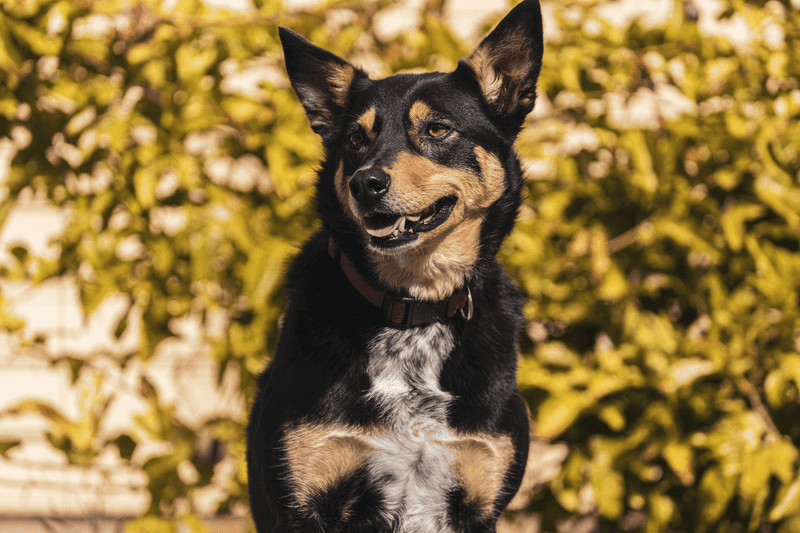
A gate swings open, and the Australian Kelpie is already paying attention. Bred for stock work, this agile dog can cover ground and respond quickly to a trained handler.
It suits farms that can offer regular, meaningful jobs.
Begin with basic manners and dependable cues before introducing livestock under expert guidance. A secure yard helps keep an energetic Kelpie safely occupied between chores.
On icy days, watch footing and shorten sessions when conditions make fast turns risky.
10. German Shepherd: A Versatile Farm Helper
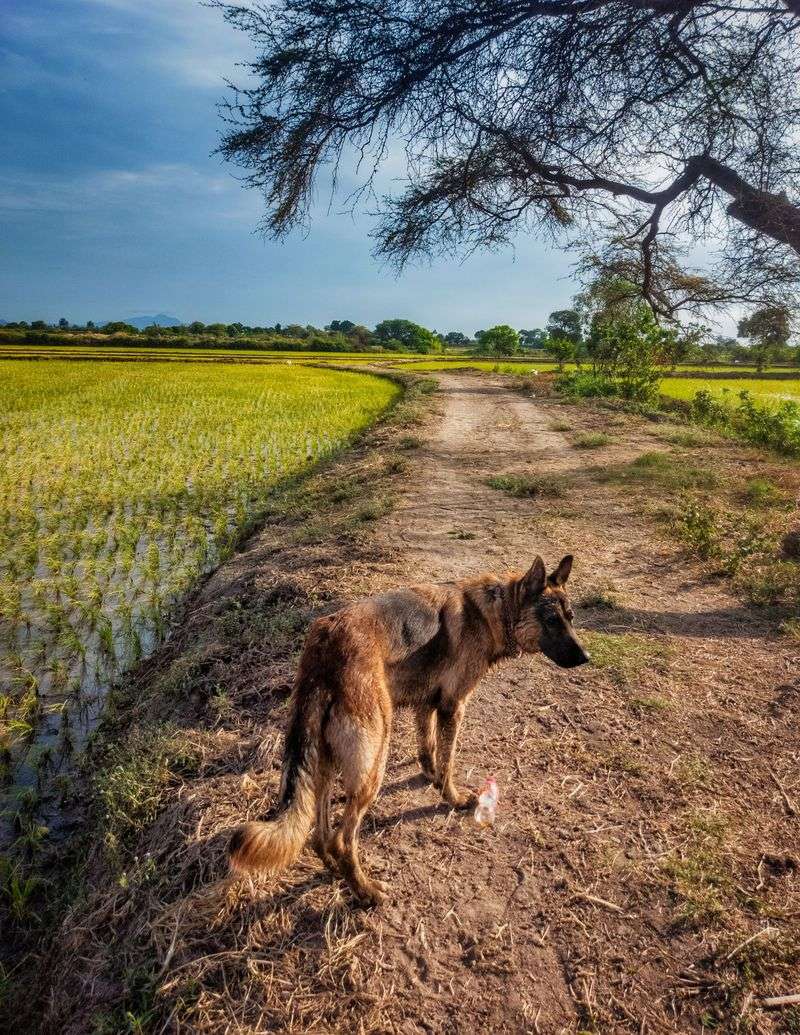
From the barn door to the driveway, a German Shepherd can learn farm routines and participate in suitable farm tasks with appropriate training. Its alert manner makes early socialization especially valuable on properties with visitors.
Teach polite greetings, a steady recall, and calm behavior around equipment. Choose a dog from health tested lines and discuss exercise needs with a responsible breeder.
Keep paws checked after icy walks and salted surfaces.
11. Rottweiler: A Strong, Trainable Worker
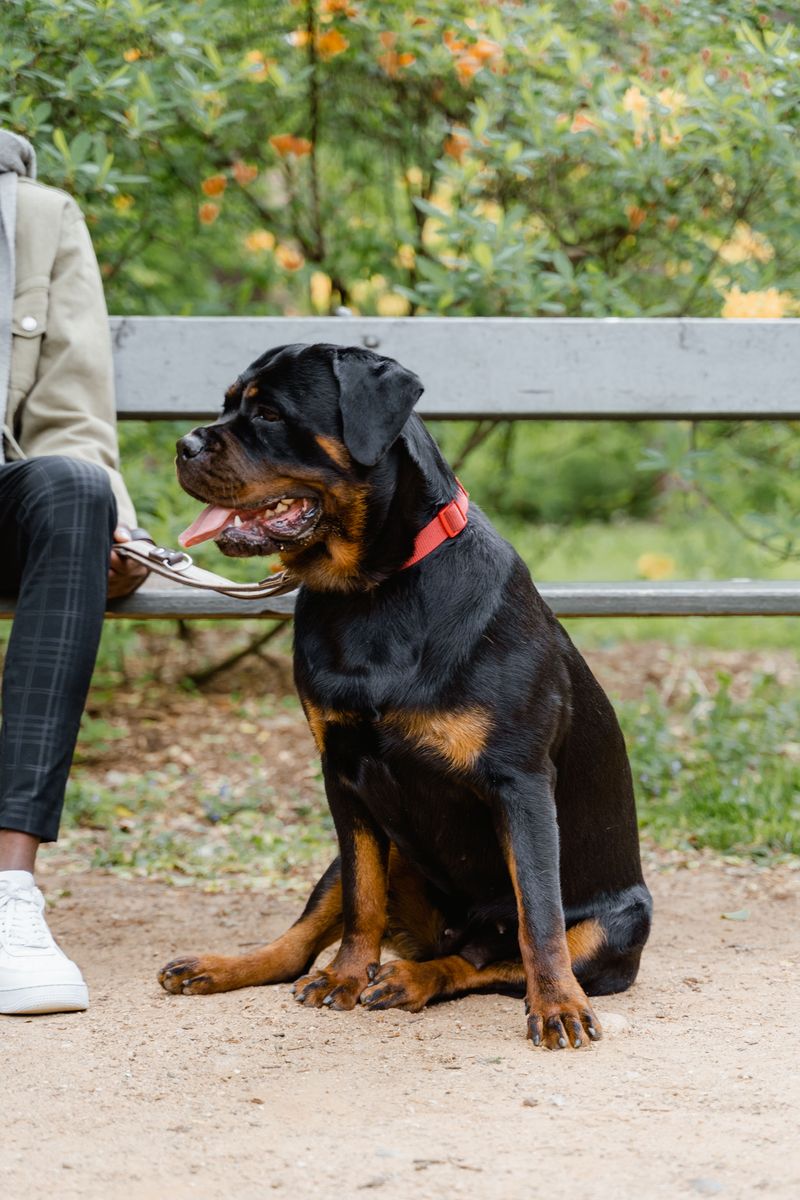
Heavy paws on a gravel lane give the Rottweiler a steady presence. Historically associated with cattle driving and general farm work, this powerful breed can enjoy structured work and close teamwork.
Good manners matter because its size can surprise people and livestock alike.
Build obedience skills before introducing farm chores, and keep early stock sessions controlled. Reward calm responses around guests, gates, and moving vehicles.
Ask a veterinarian about joint health and suitable exercise as the dog grows. Working should stay safe and enjoyable.
12. Bernese Mountain Dog: Built for Steady Chores
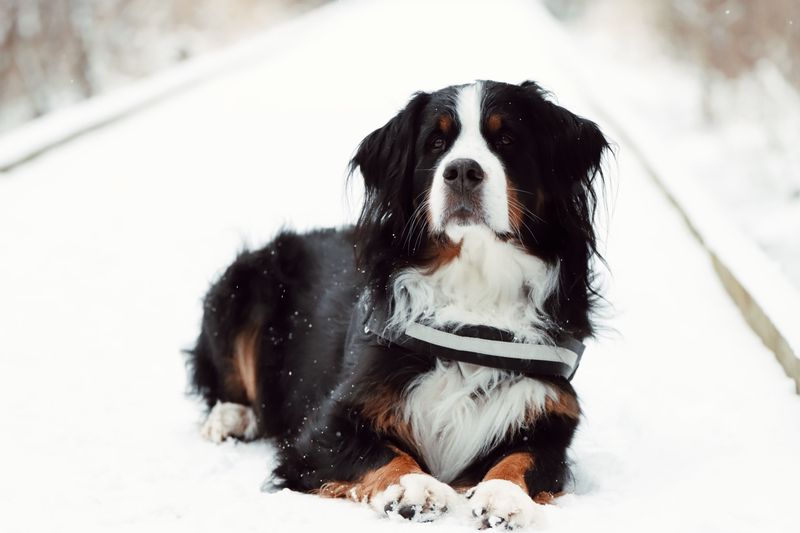
Fresh snow makes a Bernese Mountain Dog look ready for a postcard and a job. In Switzerland, the breed worked on farms, including pulling carts.
Today, a well-trained Berner may enjoy light activities that suit its size and health.
Never attach a cart without proper instruction and suitable equipment. Keep exercise gentle while puppies grow, and ask your veterinarian about joint care.
That thick coat needs brushing, plus a cool retreat when Minnesota summer feels surprisingly warm.
13. Newfoundland: A Patient Property Companion
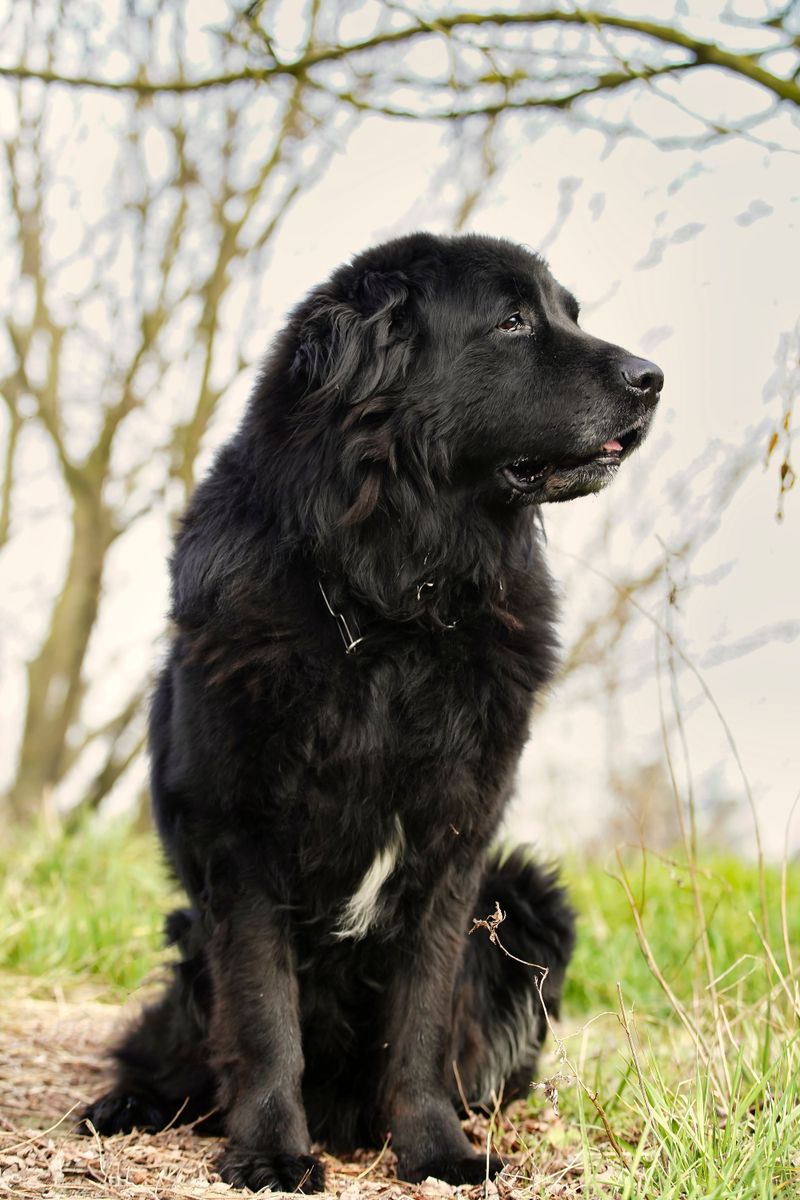
Beside the farm pond, a Newfoundland looks much happier than it does under a hot sun. Known for water work and pulling, this large breed is better suited to property activities such as carting and water-related work than to fast livestock herding.
Its calm company can still brighten long days outdoors.
Provide plenty of shade and drinking water, especially during humid Minnesota summers. Brush often and dry the coat well after swimming.
Teach leash manners early, since even friendly enthusiasm feels enormous at this size.
14. Saint Bernard: A Big Helper With Limits
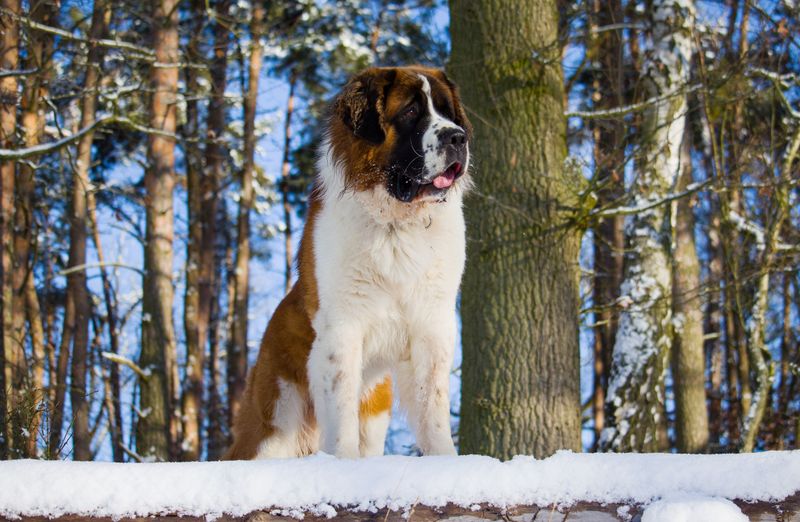
Snow on the barn roof seems made for a Saint Bernard photo. The breed became especially known for mountain rescue work at the Hospice of St. Bernard in the Swiss Alps, rather than primarily for herding or guarding livestock.
On a farm, its best role may be a well trained companion during suitable outdoor chores.
Make wide paths and secure gates part of the plan for this giant dog. Ask a veterinarian about growth, joints, and safe exercise.
Offer a cool indoor place during heat, and supervise meetings with smaller farm animals.
15. Rough Collie: A Thoughtful Yard Helper
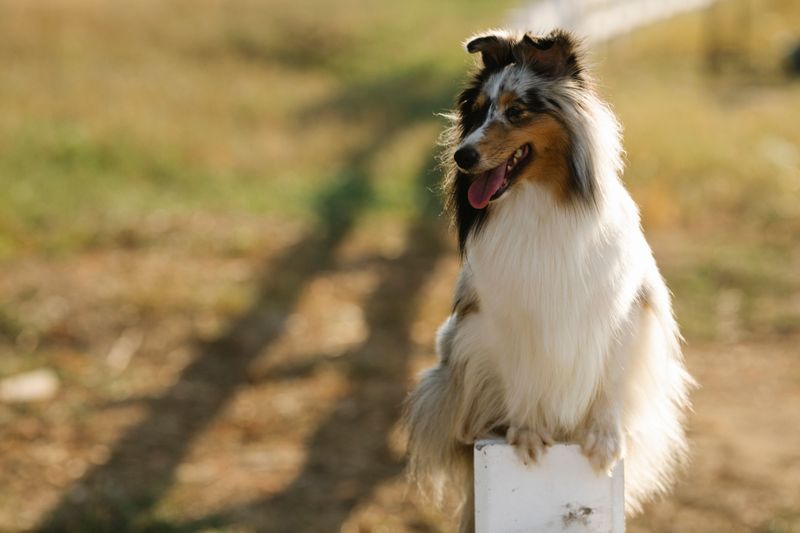
Wind lifts a Rough Collie’s coat as the sheep drift toward the far fence. This herding breed often enjoys learning alongside its people, though individual working drive varies.
Choose training goals that match the dog, not its famous television image.
Practice clear cues in short sessions before asking for help near livestock. Check the long coat for burrs after walks through weeds.
Provide a dry place to rest, and watch for ice collecting around furry feet.