What Pennsylvania Dog Owners Should Know About Porcupines In Northern Forests
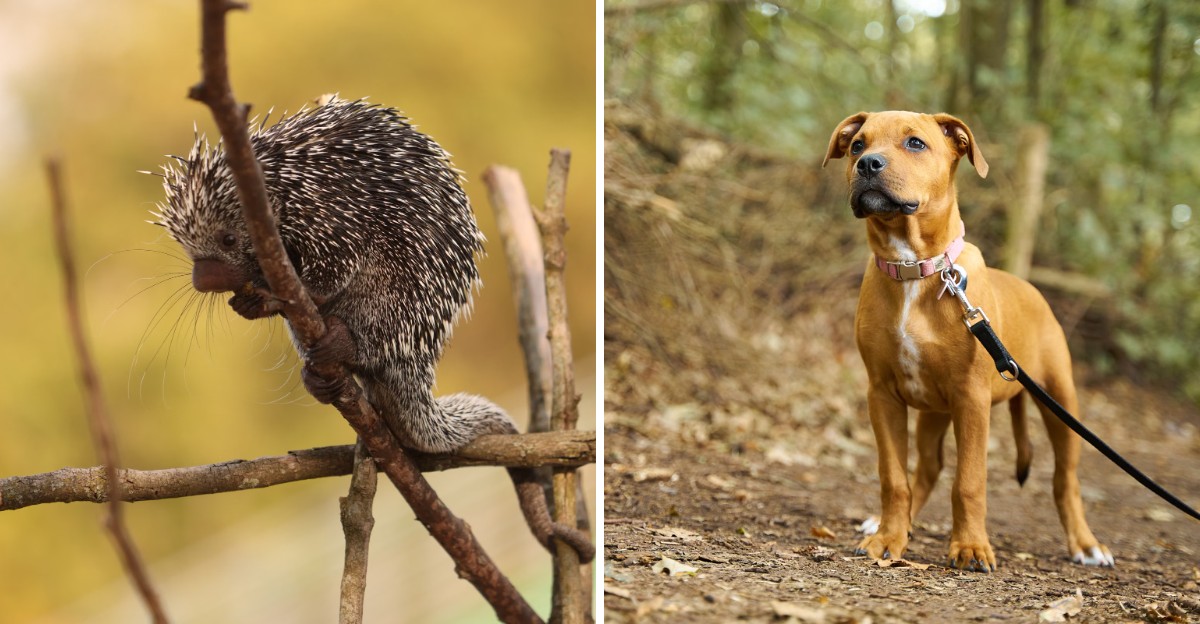
A forest walk with your dog is one of northern Pennsylvania’s simple pleasures. Porcupines share those woods, and knowing their habits can help you avoid an uncomfortable meeting.
You do not need to fear every rustling leaf, but a leash and a little awareness go far. Here is practical guidance for spotting trouble, protecting your curious companion, and knowing when to call a veterinarian.
1. Northern Forests Give Porcupines What They Need
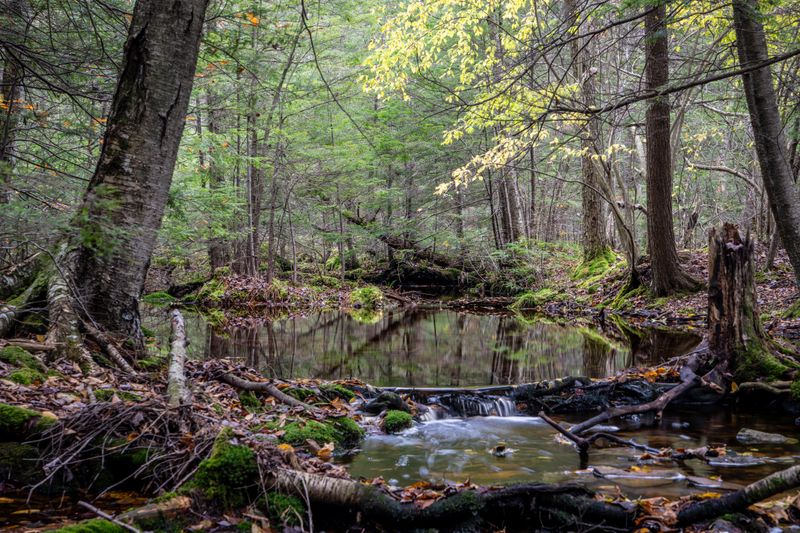
Those wooded hills offer more than beautiful views. Northern Pennsylvania provides suitable habitat for North American porcupines, including trees and other vegetation they use for food and shelter.
They eat bark, leaves, buds, and other plant material.
Porcupines remain active throughout winter rather than hibernating. Rocky spaces, hollow trees, and other sheltered spots may serve as dens.
Expect their presence across suitable forest habitat, even when you rarely see one during your regular walks.
2. Encounters Often Happen Near Trails and Trees
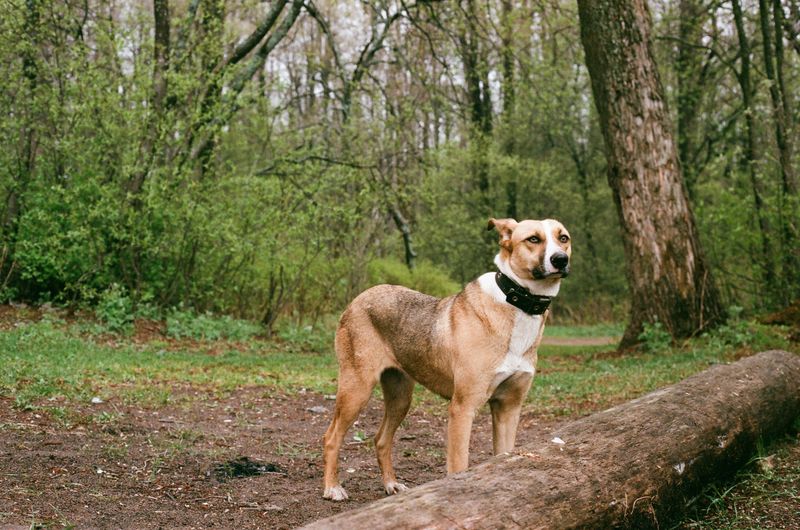
A familiar trail can still pass through porcupine territory. Dogs may find them near tree trunks, fallen logs, rocky ledges, or brush beside paths.
Porcupines also travel on the ground between feeding and resting places.
Look ahead where the trail meets thick vegetation or passes potential shelter. Keep your dog from investigating holes and log piles.
Wildlife does not follow trail boundaries, so even a maintained path deserves your attention outdoors.
3. A Cornered Porcupine Tries to Defend Itself
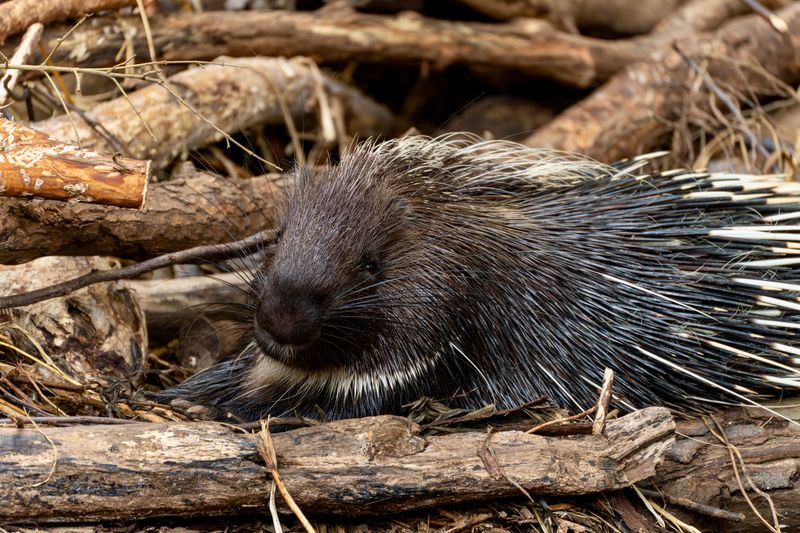
Giving wildlife room is often the simplest solution. A porcupine may move away, climb a tree, raise its quills, or turn its back toward an approaching dog.
When threatened, a porcupine may turn or present its quill-covered back toward a potential threat. Porcupines cannot shoot their quills, despite that familiar story.
Quills transfer through physical contact. If you spot one, stop your dog from approaching and retreat calmly rather than trying to move the animal yourself.
4. Curiosity Can Bring a Dog Too Close
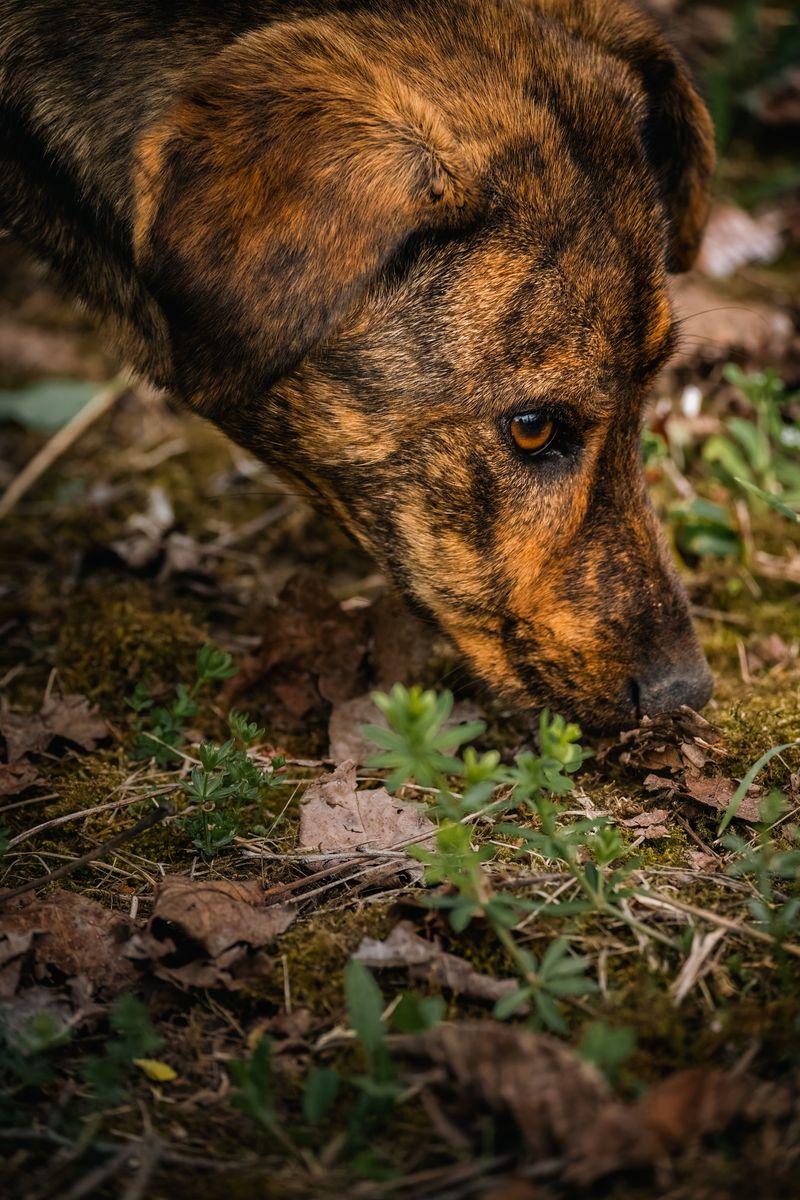
For a curious dog, an unfamiliar smell can feel irresistible. A slowly moving porcupine may encourage sniffing, barking, chasing, or pawing, even from an otherwise well behaved companion.
Do not assume your dog understands the warning signals. Previous encounters also do not guarantee future avoidance.
Watch for sudden pulling, fixed staring, or intense sniffing toward cover. Interrupt that interest early with a practiced cue, then guide your dog away without delay.
5. Quills Are More Than Loose Spines
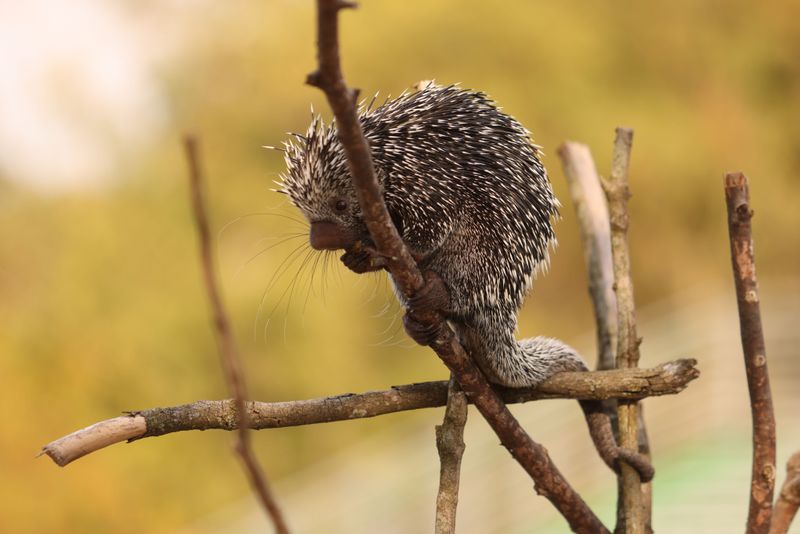
Small barbs make porcupine quills difficult to remove safely. They can lodge in skin and deeper tissues after contact.
Embedded quills can move farther into tissue after contact.
A few visible quills do not reveal the whole picture. Hidden or broken pieces can lead to infection and other complications.
Arrange veterinary care rather than judging the injury by appearance alone. Prompt treatment gives your veterinarian a better chance to locate them.
6. The Tail Deserves Plenty of Space
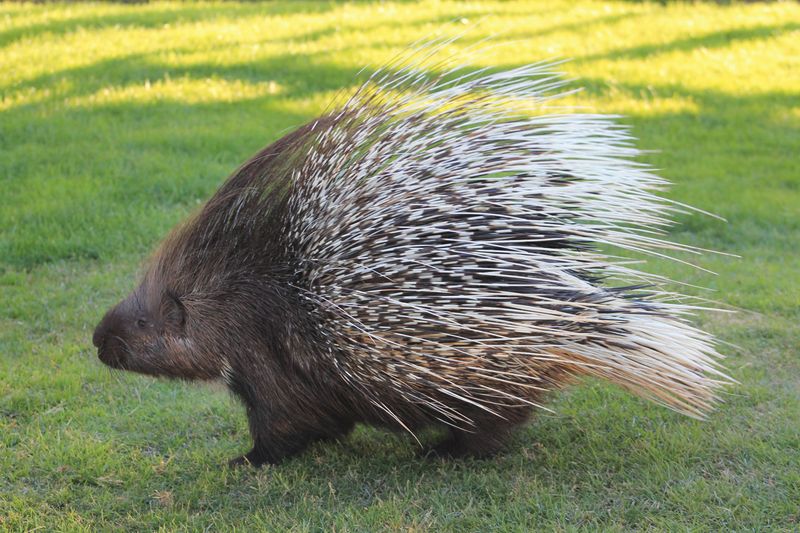
The rear end is not a safe approach route. A porcupine’s tail carries quills and can swing toward a dog that comes within reach.
Sniffing from behind still creates risk.
Keep your companion away from every side of the animal. Avoid stepping between them or reaching toward the porcupine.
Instead, use the leash to guide your dog backward with steady control. Choose another route when passing would bring either of you close.
7. Watch for Signs Beyond Visible Quills
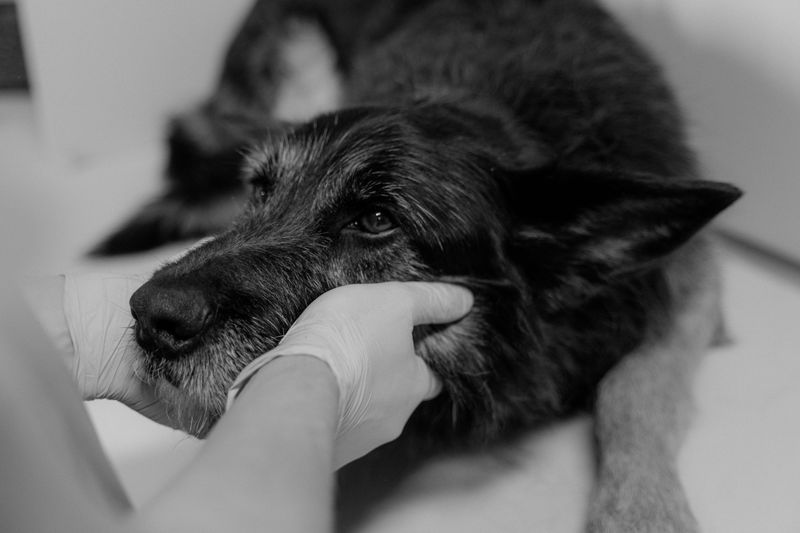
Sometimes the first clue is a sudden change in behavior. Your dog might paw at its face, drool, limp, whine, or resist having its head touched.
Visible quills commonly appear around the muzzle, face, chest, or paws after contact. However, an encounter may leave quills where you cannot easily see them.
Stop the walk and call a veterinarian if you suspect contact. Avoid opening a painful mouth or probing under the coat.
8. After Contact, Focus on Calm Transport
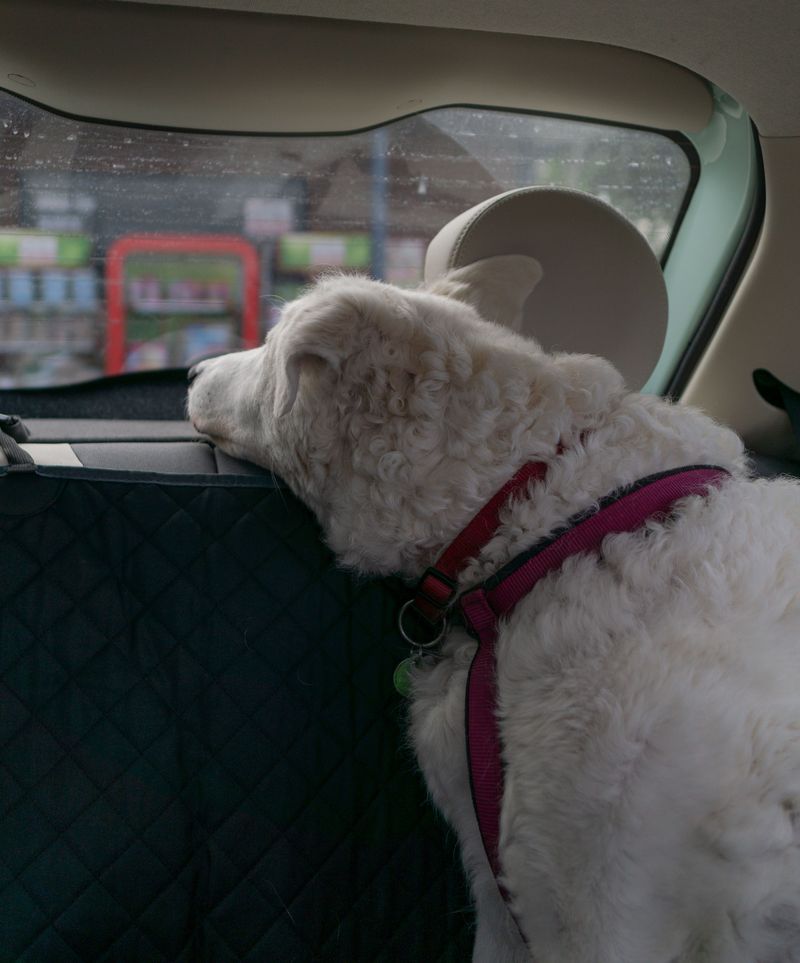
Take a breath and move away from the porcupine. Secure your dog, limit activity, and prevent rubbing or pawing when you can do so safely.
Call your veterinarian or an emergency veterinary clinic and explain what happened. Follow their instructions about transport, food, and water, since sedation or other treatment may be needed.
Do not force a muzzle over quills or mouth injuries. A painful dog may react unexpectedly, so handle gently and protect your hands during transport.
9. Leave Quill Removal to a Veterinarian
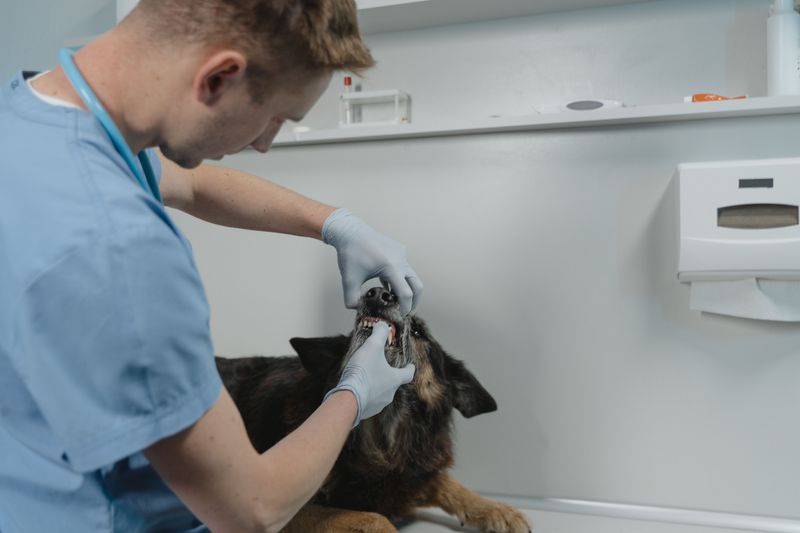
Pliers from a hiking kit are not the answer. Pulling quills at home can cause pain, break quills, or leave hidden pieces behind.
Cutting them does not make removal safer.
A veterinarian can assess the full injury and provide suitable pain control or sedation. That allows a more thorough examination and careful removal.
Resist online shortcuts, even when only one quill appears visible. Call first and let the clinic guide your next steps.
10. Any Embedded Quill Needs Veterinary Attention
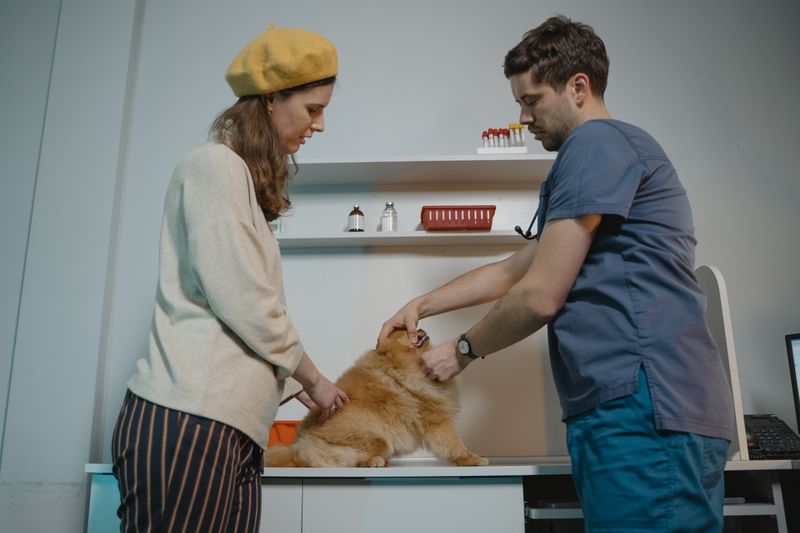
Do not wait for swelling before seeking help. Any embedded quill warrants prompt veterinary attention, even when your dog seems comfortable.
Call as soon as you discover or suspect contact.
Breathing trouble, eye involvement, difficulty swallowing, or marked distress requires emergency care. Ask your regular clinic where to go if it cannot help promptly.
Later swelling, discharge, or unusual behavior also deserves a call, because missed quills may cause problems after removal.
11. Mouth Quills Need Extra Care
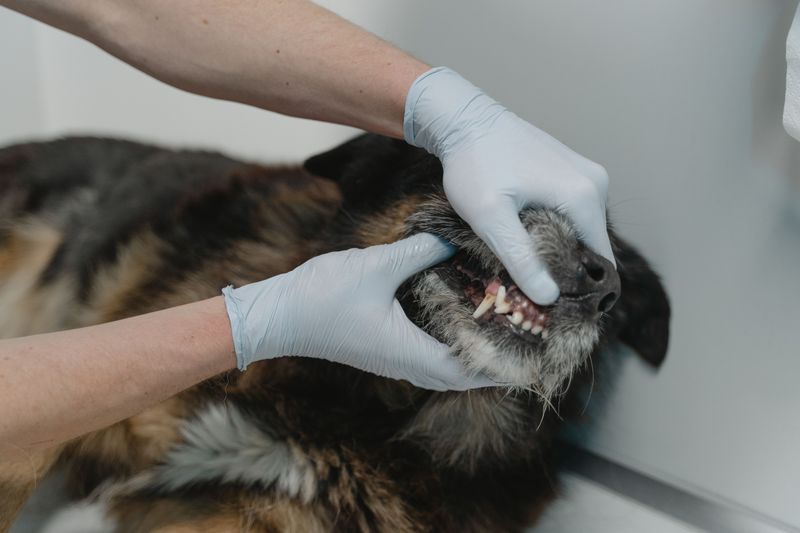
A dog that mouths a porcupine may have hidden injuries. Quills can lodge in the lips, tongue, gums, or farther inside the mouth, making inspection difficult.
Drooling, gagging, reluctance to eat, or trouble swallowing deserves immediate veterinary advice. Do not pry the jaws open or reach inside.
Tell the clinic about any breathing changes right away. Follow its feeding instructions, and avoid offering treats while arranging care unless the veterinarian approves them.
12. A Leash Creates a Useful Safety Buffer
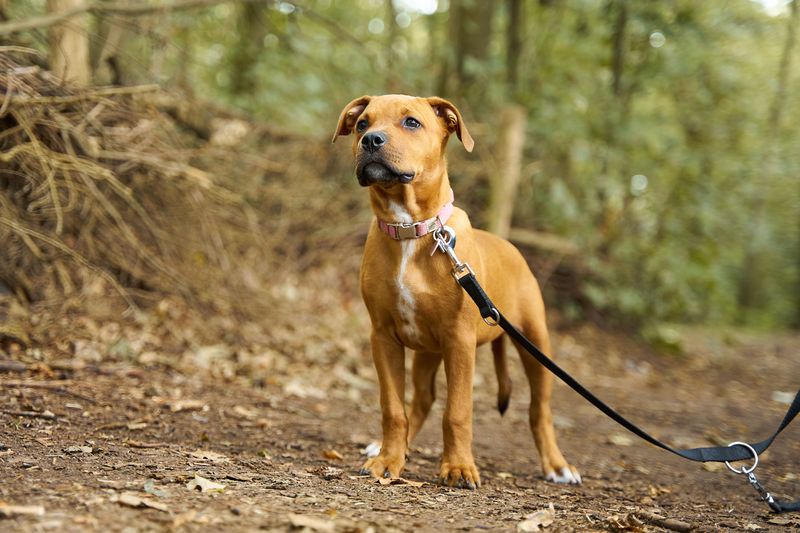
Freedom to roam can mean freedom to investigate wildlife. A sturdy leash helps you stop an approach before your dog reaches a porcupine.
Keep the length manageable around brush.
Check the rules for your specific destination before visiting. Pennsylvania state parks generally require pets to be restrained, and leash requirements can vary by location and applicable park rules.
State forest and other land rules can differ. Confirm current requirements with the managing agency rather than assuming statewide uniformity.
13. Trail Choices Can Reduce Surprise Meetings
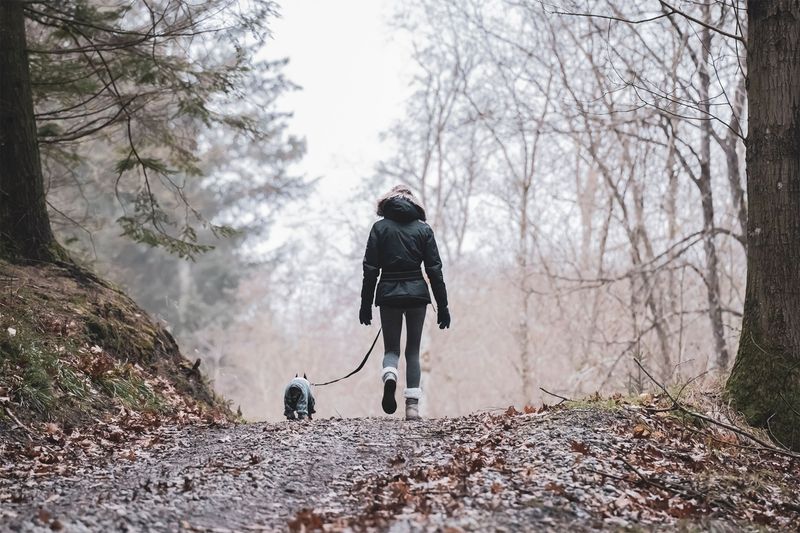
A clear path gives you time to notice movement. Favor maintained trails with good visibility, and slow down near bends, logs, or rocky openings.
Keep your dog beside you.
Put your phone away while passing likely wildlife shelter. If you see a porcupine ahead, pause at a distance and choose another route.
Never encourage your dog to investigate for a photograph. Leave the animal an open escape route and continue only with ample space.
14. Evening Walks Call for Sharper Attention
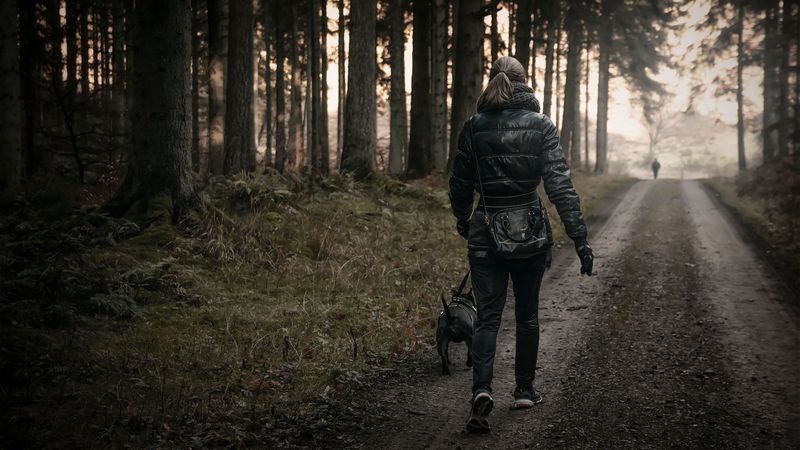
Twilight changes what you can see along the trail. Porcupines are mostly active at night, although daytime sightings also happen.
Evening walks deserve extra attention near wooded cover.
Carry a headlamp and keep your dog close enough to guide immediately. Choose familiar routes with clear footing and visibility.
A light helps you spot obstacles, but it does not prevent wildlife encounters. When darkness limits your view, consider a shorter walk away from dense woods.
15. Practice Ignoring Wildlife Before the Hike
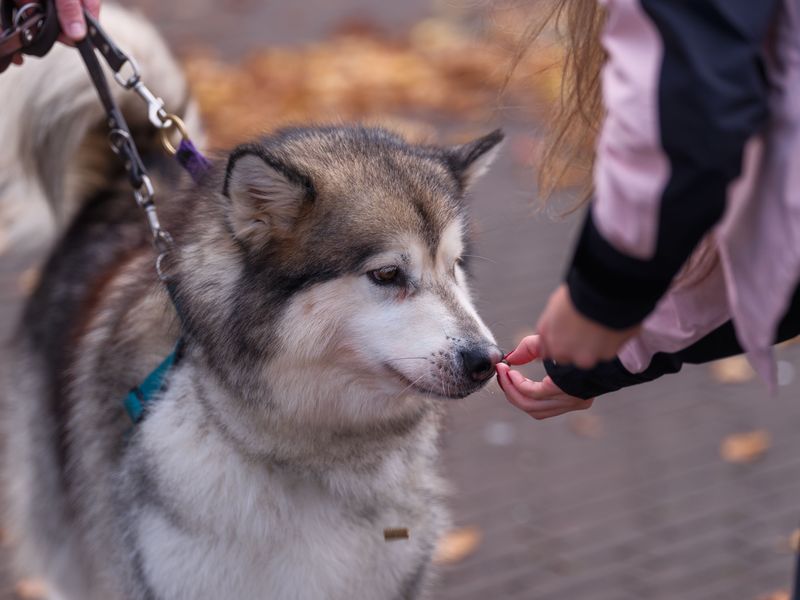
Good trail habits begin somewhere easier than the woods. Teach a reliable recall, a leave it cue, and attention toward you using rewards in quiet settings.
Gradually practice around mild distractions while keeping your dog leashed. Reward turning away and returning to your side.
Never use a live porcupine as a training test. Even skilled dogs can become excited around wildlife.
If chasing remains difficult to manage, ask a qualified reward based trainer for help.
16. Dense Cover Is Best Left Unexplored
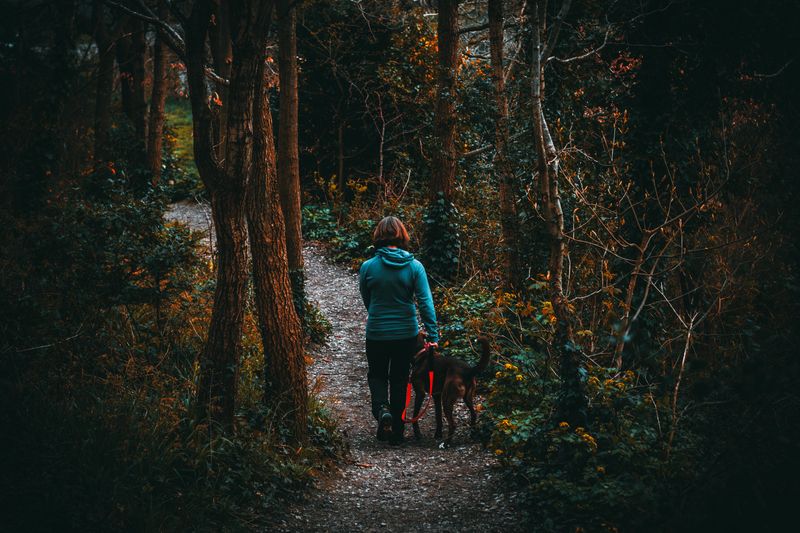
That tempting patch of brush can hide your dog’s next surprise. Thick vegetation makes it harder to see a porcupine or notice your companion approaching one.
Prevent wandering into mountain laurel, tangled understory, hollow logs, and rocky gaps. Shorten the leash before narrow sections without pulling your dog roughly.
If the trail disappears into cover, turn around when needed. Staying on an established route also reduces disturbance to wildlife resting near the forest floor.
17. Pack for Communication and a Safe Exit
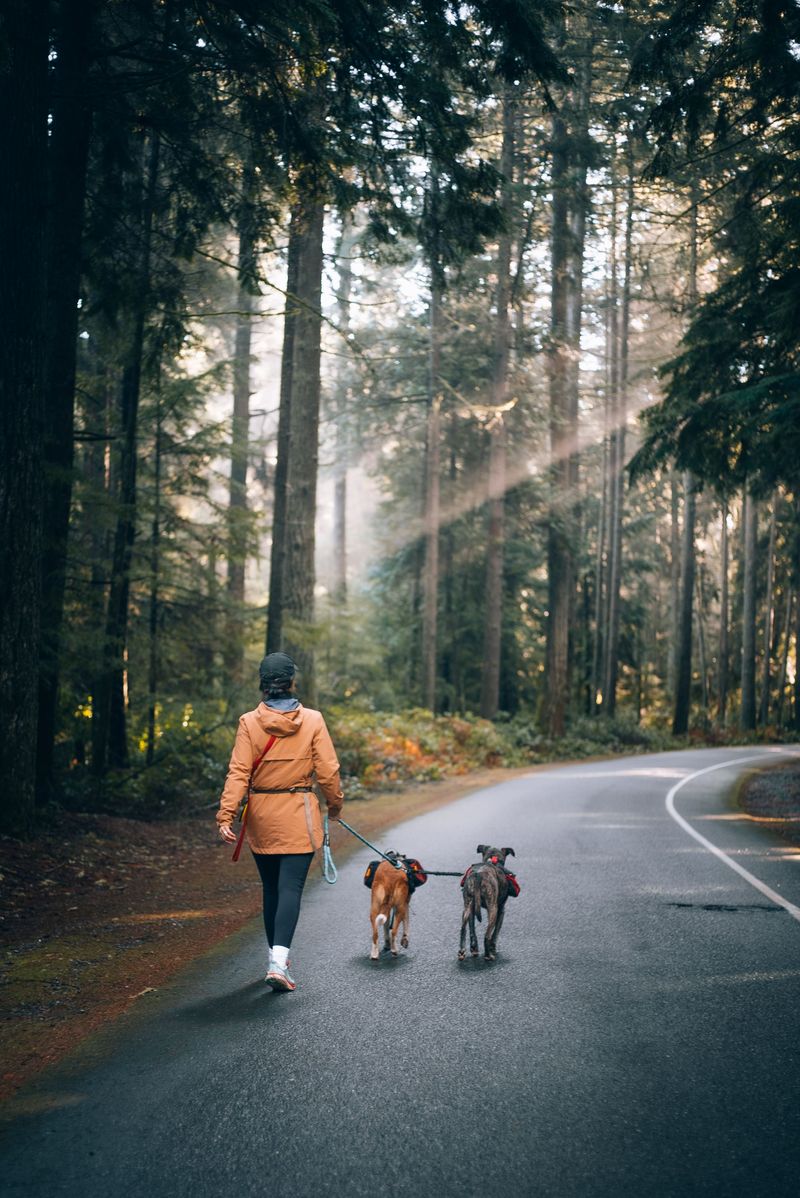
A useful hiking kit supports prevention and quick decisions. Bring a sturdy leash, secure harness or collar, water, bowl, headlamp, and charged phone.
Carry a backup leash if practical.
Save nearby veterinary contacts and download maps before leaving. Cell service can be limited in northern Pennsylvania forests.
Share your route with someone and know your nearest vehicle access. A basic first aid kit helps with other problems, but it cannot replace professional quill removal.
18. Finish Every Forest Walk With a Check
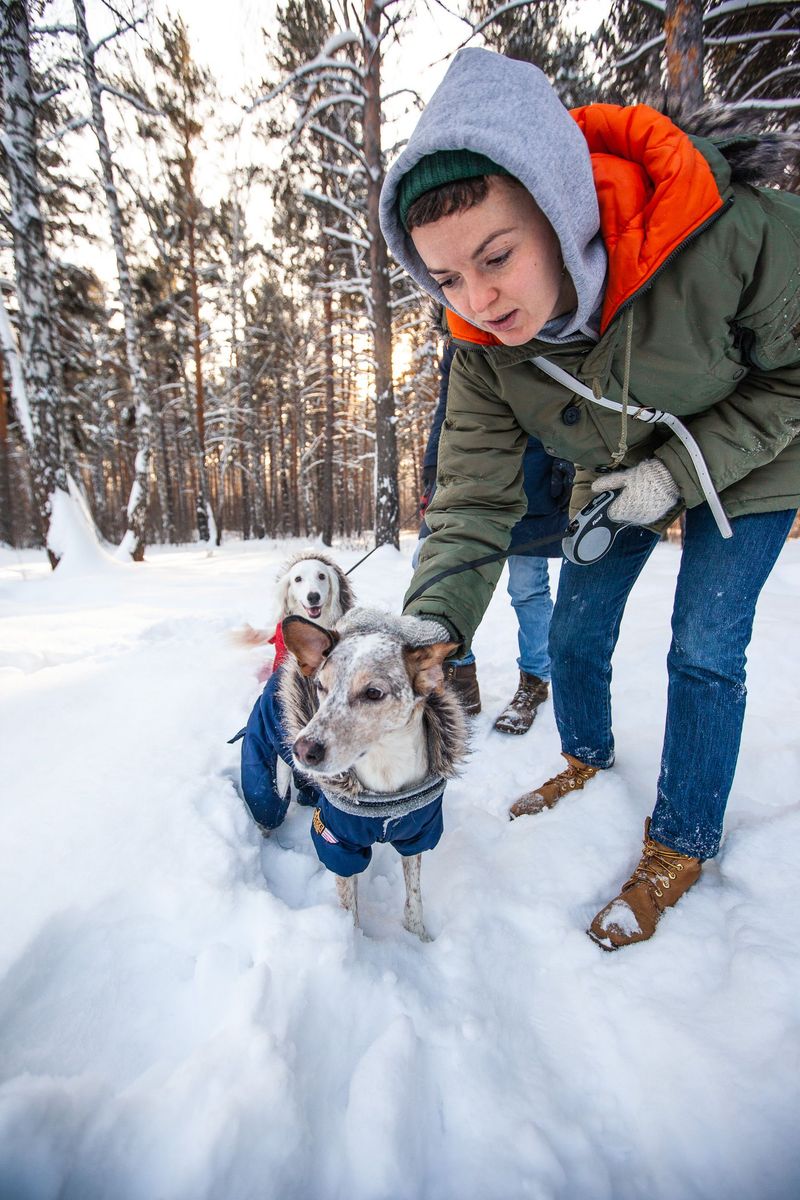
Before settling into the car, give your companion a look. Check the face, chest, legs, and paws without pressing on anything suspicious.
Notice limping, drooling, or unusual sensitivity.
Call your veterinarian if you find quills or suspect an encounter. After treatment, follow instructions and report new swelling or behavior changes.
Keep future walks calm, leashed, and observant. With a little preparation, you and your dog can enjoy Pennsylvania’s northern forests with greater confidence together.