What Arizona Law Says About Dogs Left Unattended In Parked Cars
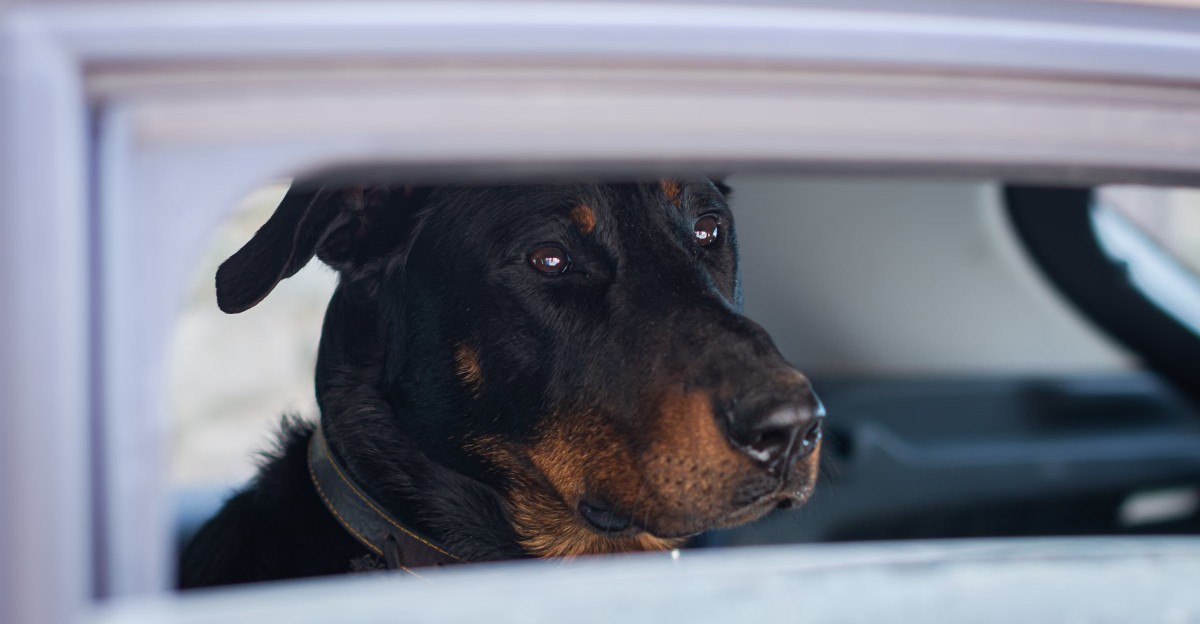
If you live in Arizona, you already know how quickly a parked car heats up. What many dog owners do not know is exactly what state law says about leaving a pet inside one.
The rules are clearer than you might expect, and they also cover what bystanders may legally do to help. Here is a friendly walkthrough of the statutes, the penalties, and the practical steps that keep everyone on the right side of the law.
1. The Core Rule Under State Statute
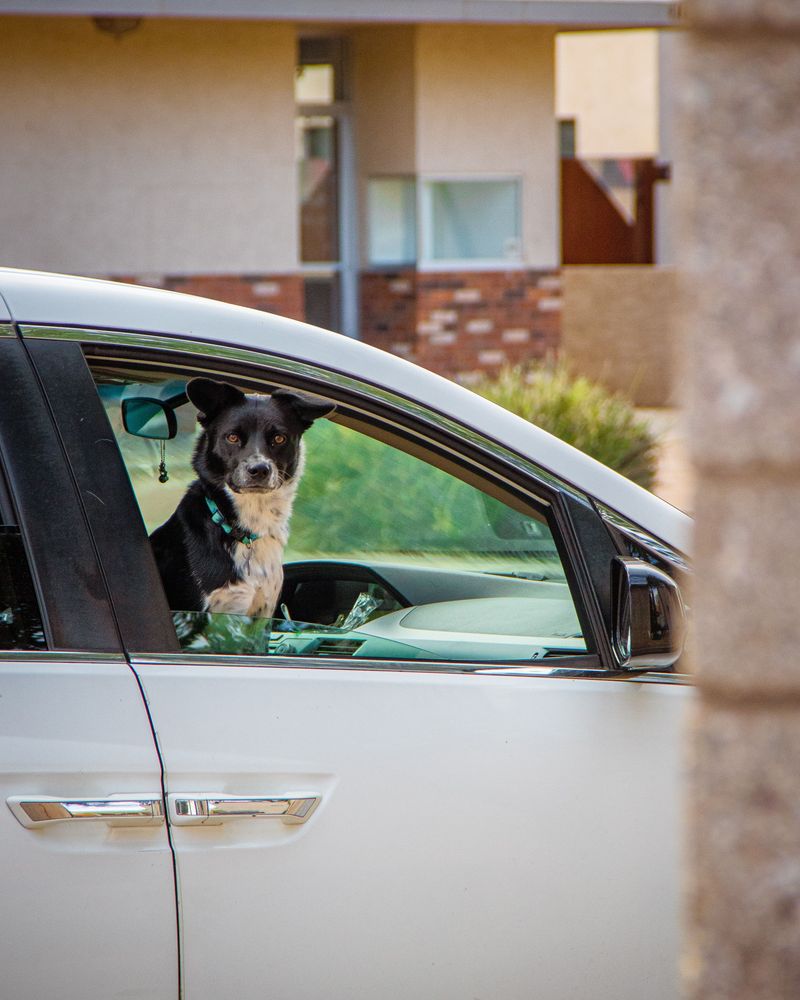
Start with the sentence that matters most. Arizona Revised Statutes 13-2910(A)(7) prohibits leaving a dog unattended and confined in a vehicle when physical injury or harm is likely to result.
The wording focuses on likely outcomes, not just intentions. That means conditions inside the car are what get examined.
Owners who understand this one line already understand the heart of the law, and everything else builds from it.
2. Not Every Parked-Car Moment Is a Crime
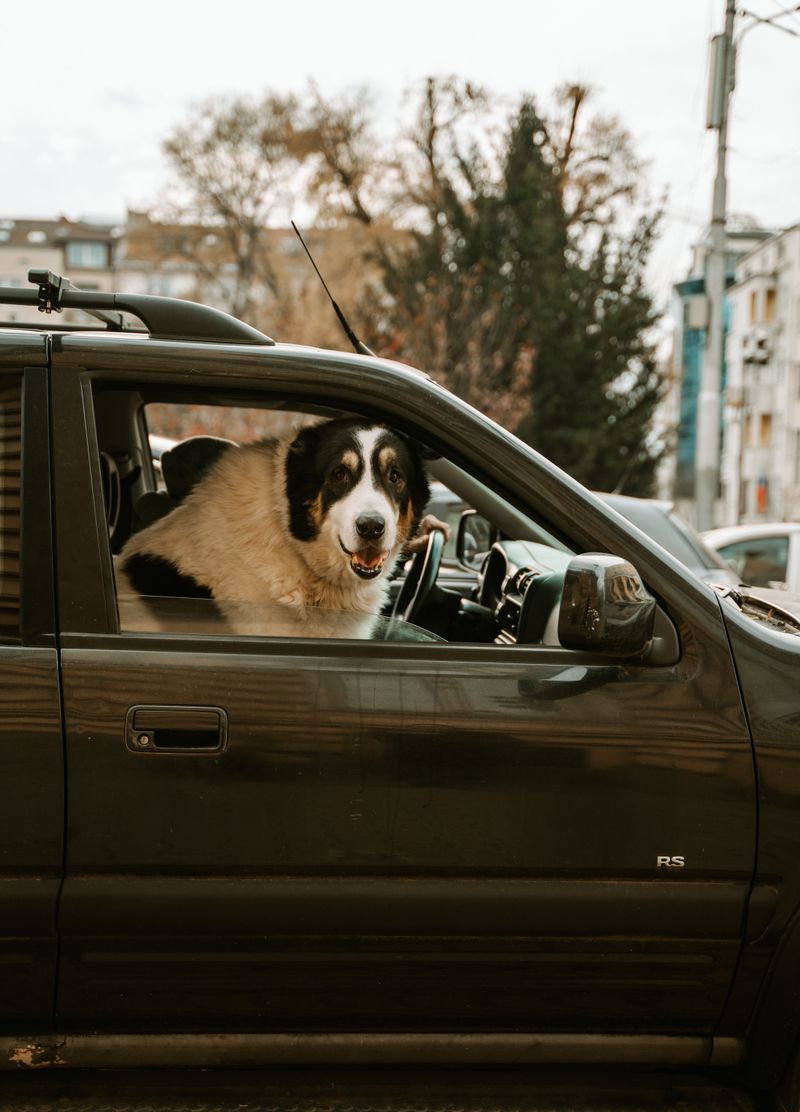
Here is the nuance that surprises people. Simply leaving a dog alone in a parked car is not automatically illegal in Arizona.
The violation depends on whether dangerous conditions exist at that moment. A cool evening with open windows looks very different from a closed car in July.
Context decides the matter, so use common sense rather than assuming any short errand is forbidden.
3. Conditions Investigators Actually Look At

Picture an officer arriving on scene. Temperature, time of day, window position, shade, and whether water was available all get noted.
Extreme heat with windows sealed shut points toward a violation. Lowered windows, shade, and a full water bowl can support a defense.
Day versus night matters too. Documenting the conditions yourself, with a quick photo, is a smart habit for any owner.
4. How the Charge Is Classified

Legal labels help you gauge seriousness. Leaving an animal unattended in a vehicle under dangerous conditions may be prosecuted as a Class 1 misdemeanor in Arizona.
That is the most serious misdemeanor level the state recognizes. It sits below felonies but well above minor infractions.
Knowing the classification helps owners appreciate why officers respond promptly to these calls instead of treating them casually.
5. Jail Time on the Books

Penalties sound abstract until you see the numbers. A Class 1 misdemeanor conviction in Arizona can carry up to six months in jail.
Courts weigh circumstances, prior history, and the outcome for the animal before sentencing. Maximum penalties are not automatic.
Still, the ceiling exists for a reason. Lawmakers wanted the consequence to match the risk a confined pet may face.
6. The Financial Side of a Conviction

Money talks, and so does this statute. Alongside possible jail, a Class 1 misdemeanor can bring a fine reaching up to $2,500.
Surcharges and court costs often stack on top of the base amount. Probation, up to three years, may also be ordered.
For most families, avoiding the situation entirely costs far less than a single afternoon of poor judgment.
7. Police Authority to Open a Vehicle

Officers are not required to wait for a key. Arizona law allows police to use reasonable force to enter a vehicle and remove a dog facing likely harm.
Reasonable means proportionate: enough to get the animal out, not more.
A friend of mine once watched an officer pop a window latch with barely a scratch. Training makes a real difference here.
8. Animal Control Holds the Same Power
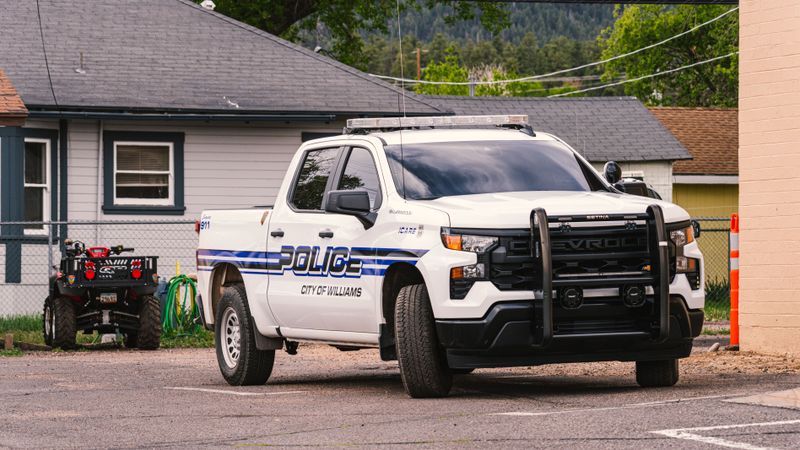
Police are not the only ones authorized. Animal control officers may also use reasonable force to reach a pet left in dangerous conditions inside a vehicle.
They often carry equipment and training specific to animal handling. Many arrive with water, crates, and cooling supplies ready.
Calling animal control is rarely an overreaction. Their whole purpose is handling exactly this kind of call quickly and calmly.
9. A Good-Faith Belief Comes First
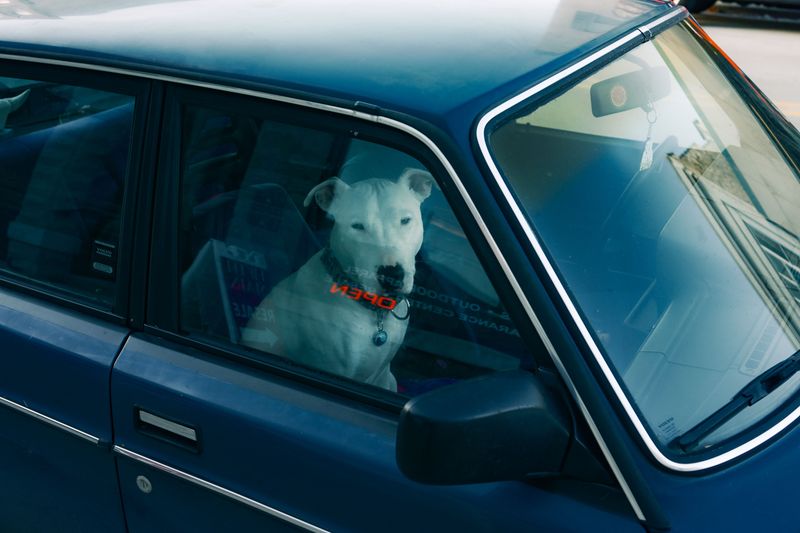
The first condition rests on judgment. A rescuer must reasonably and in good faith believe the dog faces imminent physical injury or harm.
Mild discomfort on a cool morning would not meet that bar. Visible distress in blazing heat is a different story.
Honest assessment matters. Courts look at what a sensible person would conclude from the same facts and conditions.
10. Check the Doors Before Anything Else

Breaking glass is meant to be a last resort. Arizona requires the rescuer to first determine the vehicle is locked, or that no reasonable alternative exists for removing the dog.
Try every door. Look for an unlatched tailgate or an open window gap.
Surprisingly often, a door simply opens. That single check can spare a windshield and keep everyone out of a dispute.
11. Make the Call Before You Act

Step two is non-negotiable. Before entering the vehicle, a rescuer must contact law enforcement, emergency services, a first responder, or animal control.
That call creates a record and brings trained help on the way. It also demonstrates good faith later.
Store your local non-emergency number in your phone now. Searching for it while standing in a hot parking lot is no fun.
12. Only as Much Force as Needed
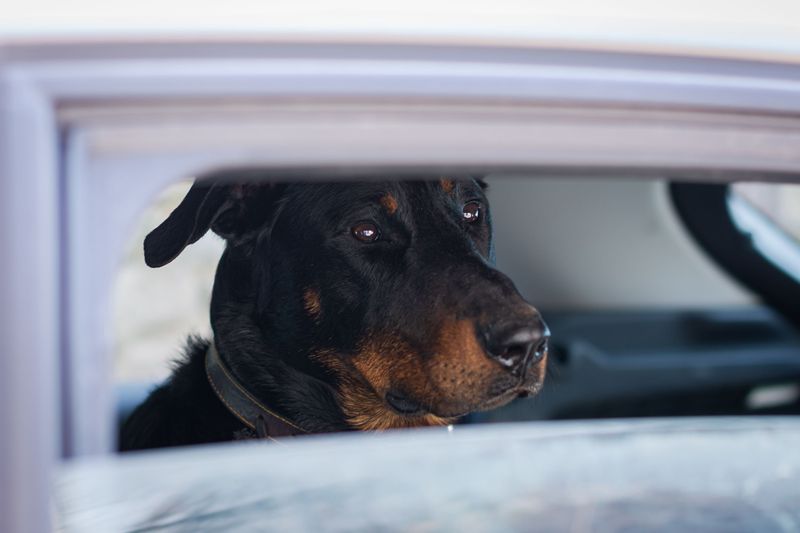
Restraint is written into the statute. A rescuer may use only the amount of force reasonably necessary to get inside the vehicle.
One window, chosen away from the animal, generally satisfies that standard. Smashing several does not.
The law rewards careful, measured action. Approach it like a first-aid response rather than a demolition, and the protection is far more likely to hold.
13. Stay With the Dog Until Help Arrives

Once the pet is out, the job is not finished. Arizona requires the rescuer to remain with the animal in a safe place until authorities arrive.
Walking away, or taking the dog home, breaks that requirement. Shade and water while you wait are ideal.
Staying put also lets responders document everything properly, which protects both the rescuer and the animal’s owner.
14. Damage Beyond the Rescue Is Not Covered

A caution worth remembering: unnecessary or malicious damage to a vehicle may fall outside the law’s protection.
The statute exists to shield genuine rescues, not venting or vandalism. Slashed tires or keyed paint serve no animal.
Keep the focus on the pet and nothing else. Owners who return to find one broken window and a safe dog usually respond with gratitude.
15. Dogs Are Named in the Statute, and Cities Add Rules

No guesswork about coverage here. Arizona’s vehicle rescue law defines domestic animal to include dogs, cats, and other household pets.
Beyond the state statute, cities, towns, and counties may enforce their own animal-cruelty ordinances that meet state requirements. Some are stricter.
Check your local code or ask animal control. Knowing both layers, state and local, is the calmest way to travel with your dog.