What New Jersey Dog Owners Should Know Before Taking A Dog On NJ Transit
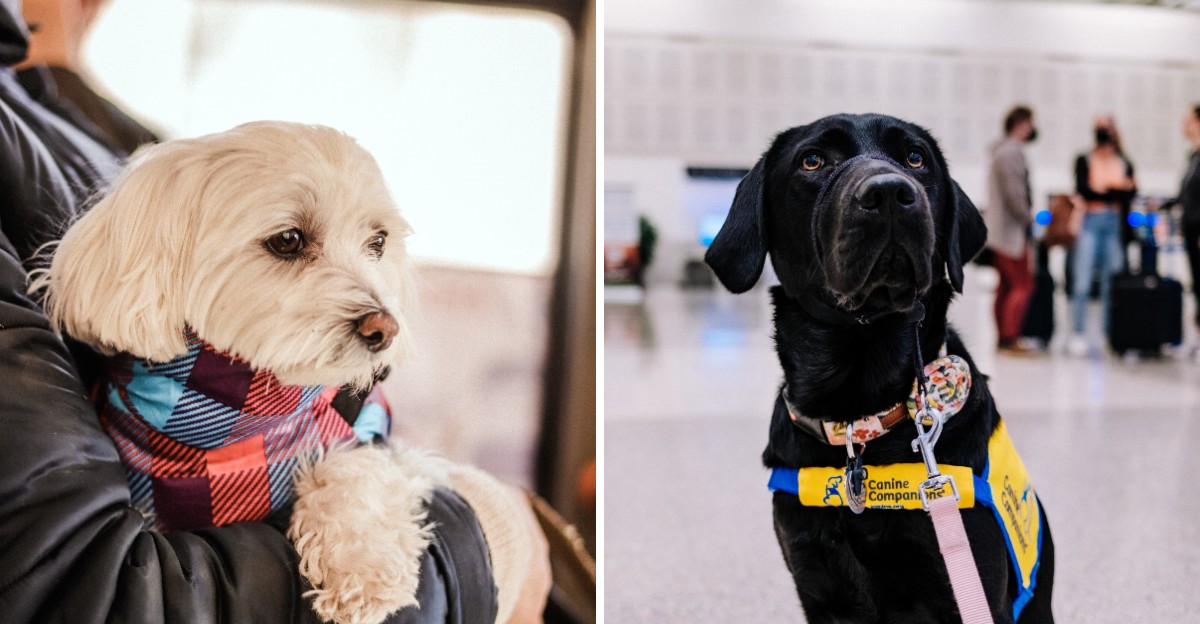
Taking your dog on a train or bus around New Jersey can feel like a fun little adventure. Before you head out, though, it helps to know the rules NJ Transit follows.
Pet dogs, service animals, and police dogs are each treated a bit differently. Think of this as a friendly guide from a fellow local owner, so your next trip feels calm, easy, and ready to go.
1. Small Dogs Ride in Carriers
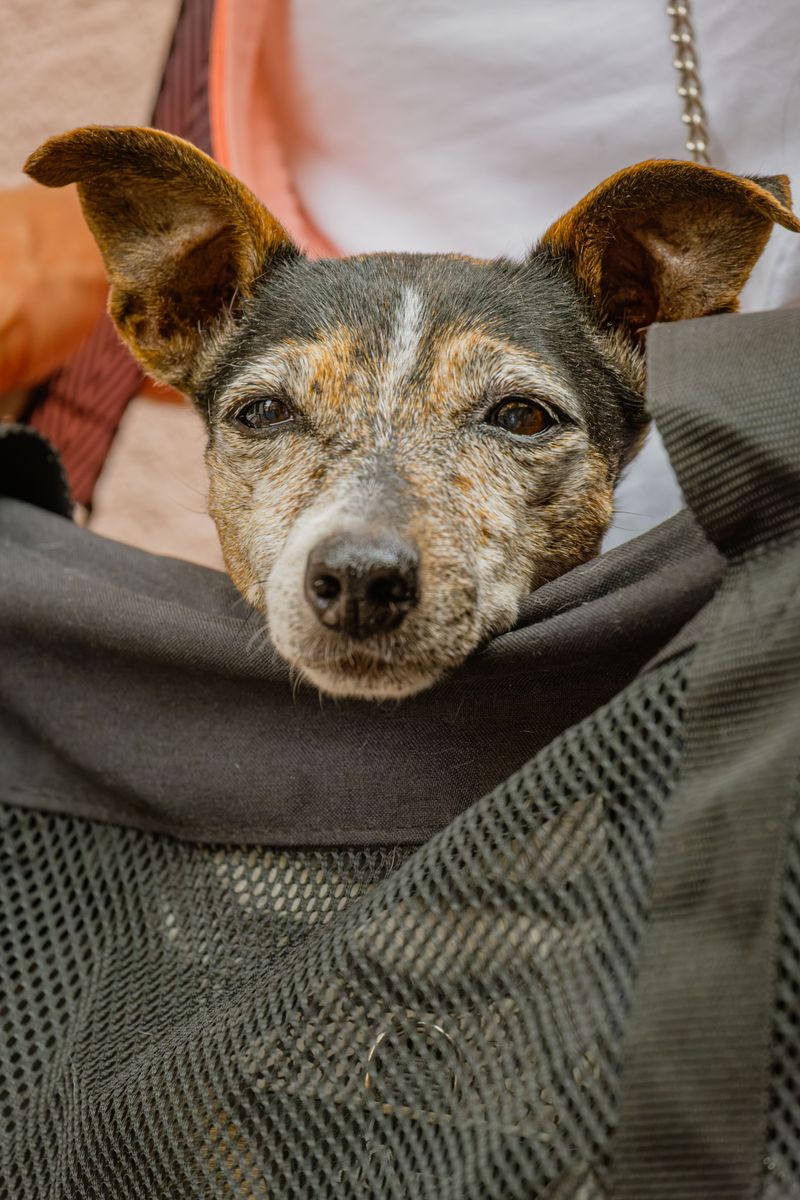
Picture a tiny terrier tucked snugly into a zippered bag. That is the classic NJ Transit pet traveler.
Ordinary pet dogs must be small enough to ride inside a carry-on travel cage or a proper carrier.
The carrier should be easy to lift and hold. Most owners keep it on their lap or under the seat.
If your dog fits comfortably with room to turn around, you are off to a great start.
2. One Rule Across Trains, Buses, and Light Rail
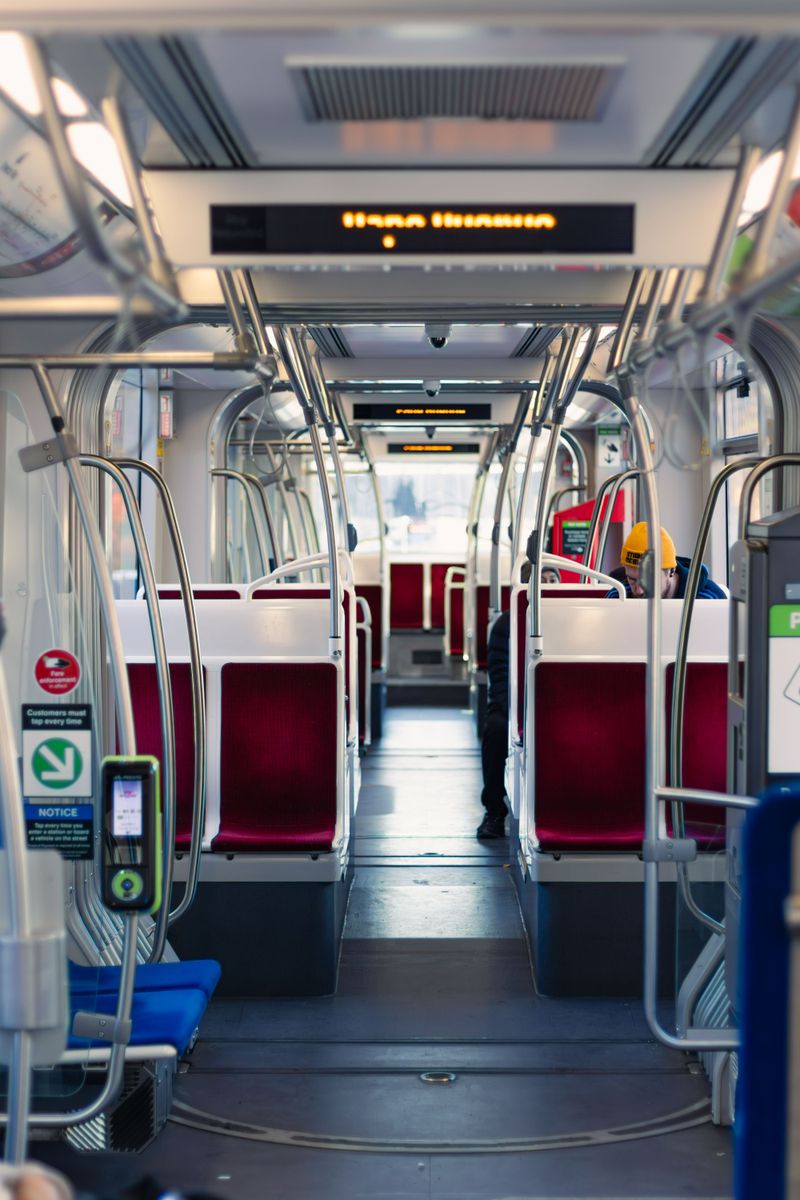
Good news for anyone who mixes travel modes: the pet carrier rule stays the same everywhere. NJ Transit applies it on trains, buses, and light rail.
That means you do not need to learn a new policy each time you switch rides. A trip from a bus stop in Newark to a light rail platform follows the same idea.
Your dog stays enclosed in a carrier from start to finish.
3. Bigger Dogs Usually Stay Home
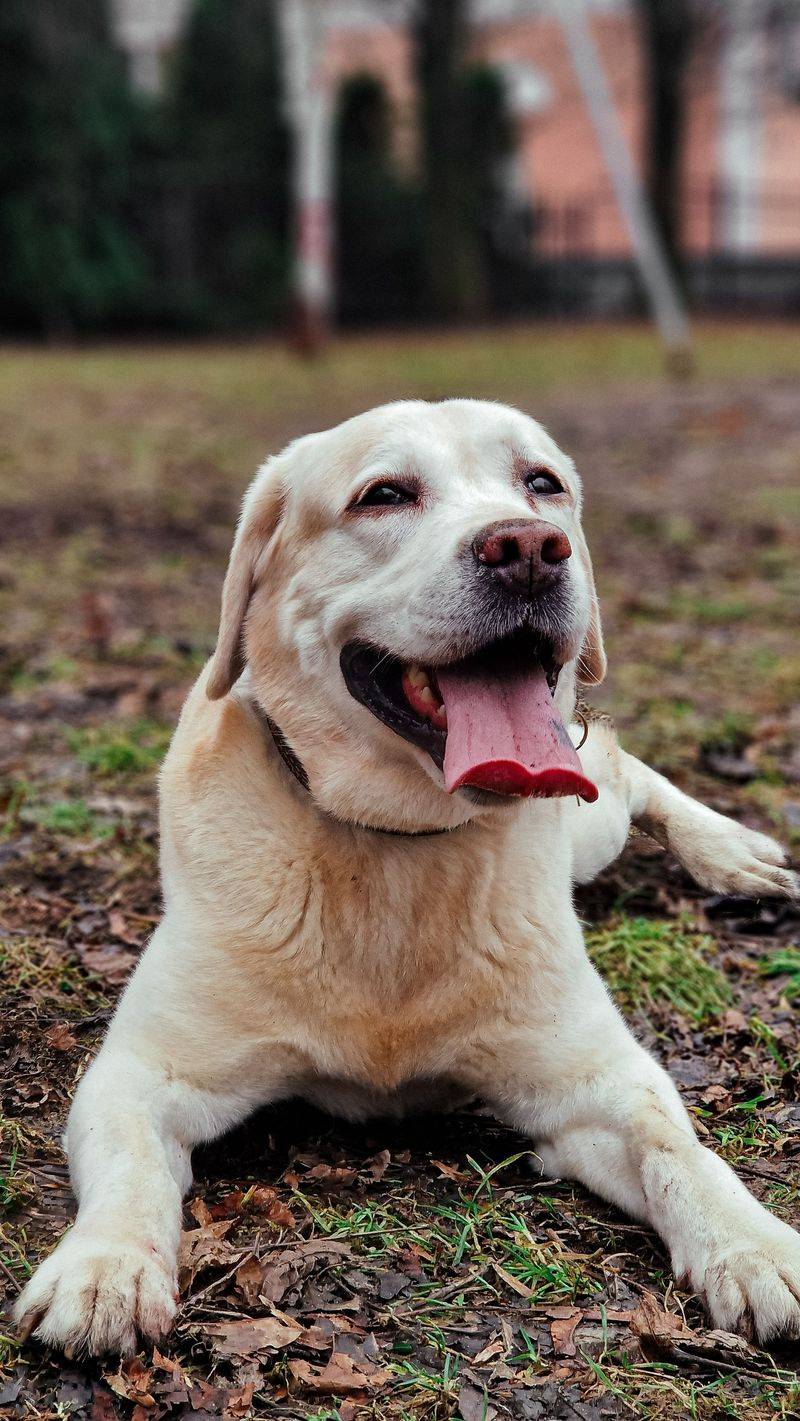
Love a big, goofy Labrador? Many New Jersey families do.
Sadly, large pet dogs that cannot fit in a carry-on carrier generally cannot ride as ordinary pets.
Size is the deciding factor here, not your dog’s manners. Even the sweetest giant will likely be turned away without a proper carrier.
For bigger buddies, consider a car trip, a pet-friendly ride service, or a trusted sitter instead.
4. Service Animals Travel Without Carriers
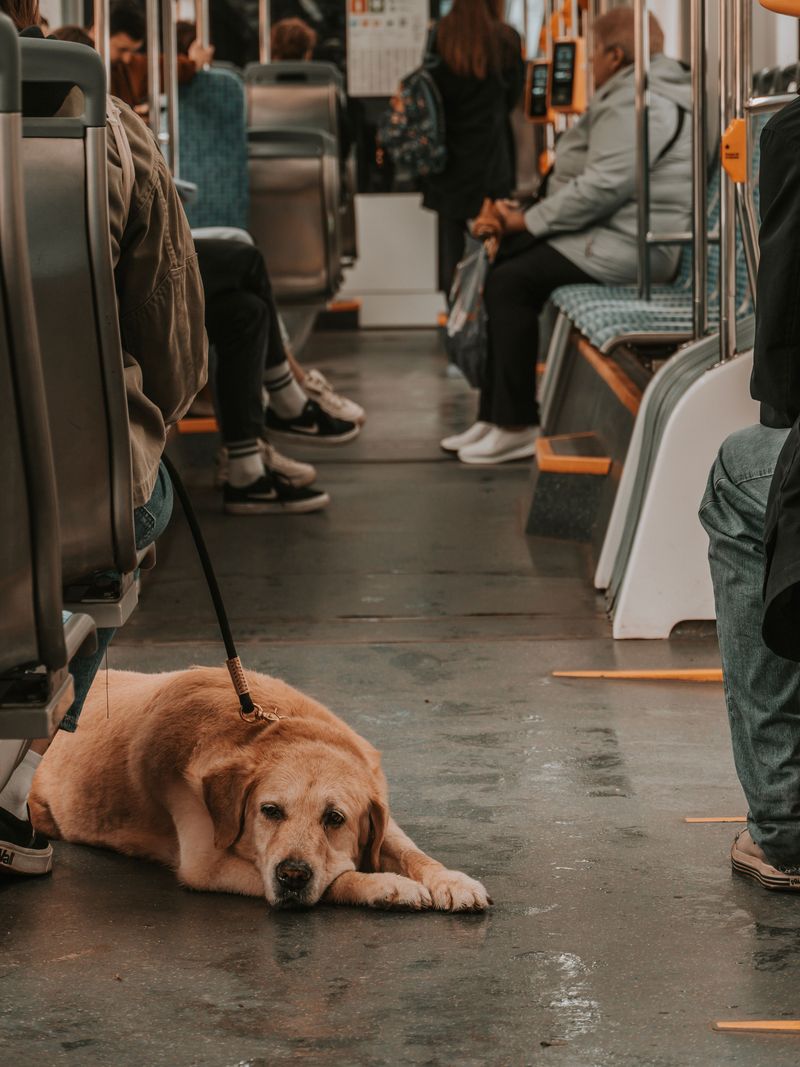
Here is where the rules shift. Service animals that accompany people with disabilities are welcome on NJ Transit without being placed in carriers.
These dogs are trained to do specific tasks for their handlers. Guiding, alerting, and retrieving items are a few common examples.
Because their work matters every minute, they need to stay close and free to move. The carrier rule simply does not apply to them.
5. Dogs in Training Count Too
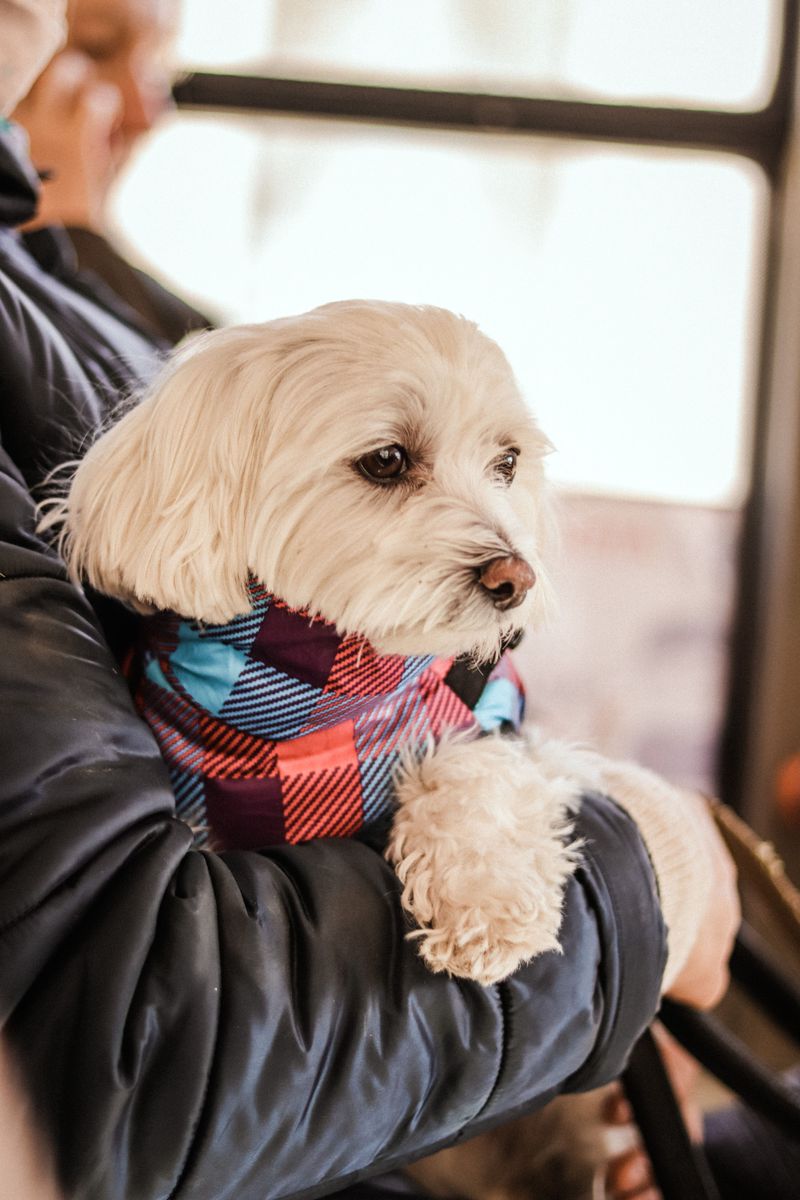
Every skilled service dog had to learn somewhere. NJ Transit recognizes that, so service animals in training are also permitted under its policy.
Real-world practice on buses and trains helps these young dogs build confidence. They learn to ignore noise, crowds, and sudden stops.
If you raise or train service dogs, this is helpful to know. Still, keep training sessions calm and well controlled for everyone nearby.
6. Police Dogs Are an Exception
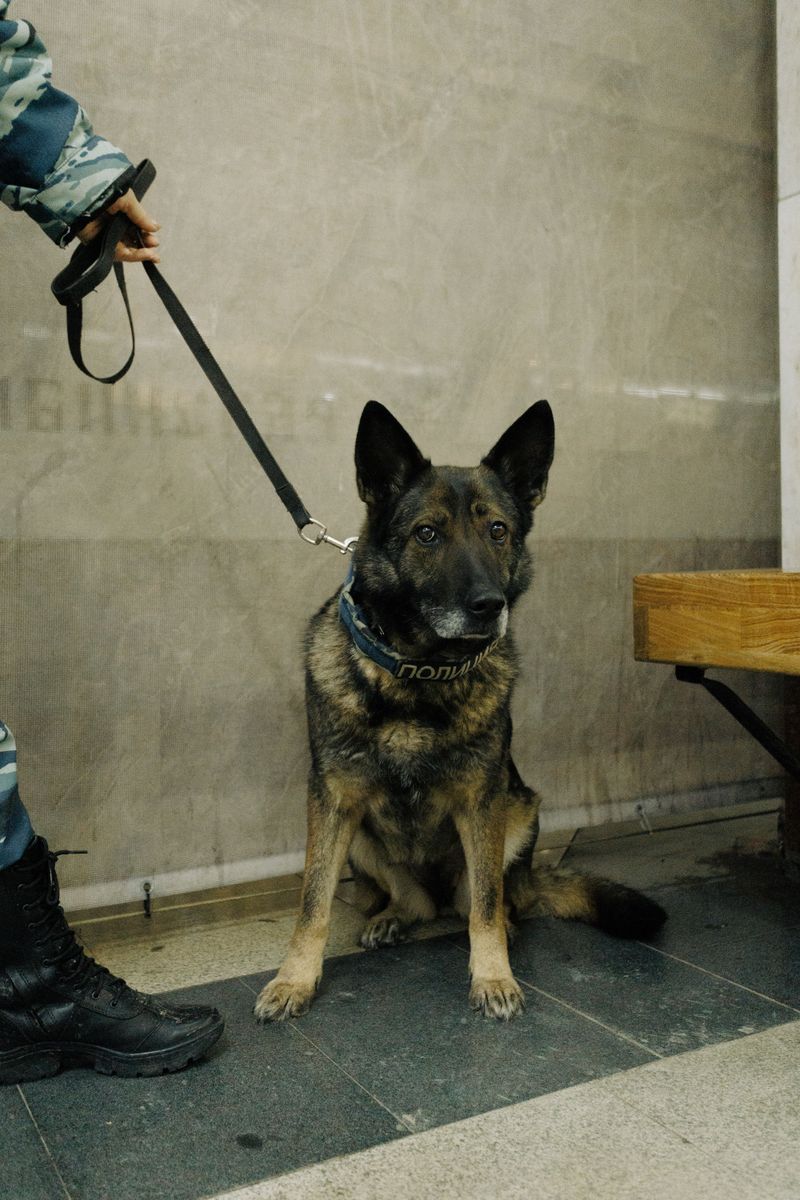
Spotted a German shepherd in a police vest at Secaucus? You are not imagining things.
Police dogs are another exception to the normal pet carrier rule.
These working dogs help officers keep stations and vehicles safe. They travel with their handlers as part of the job.
If you see one, give the team space. Avoid petting or distracting the dog, since it is on duty.
7. At the Handler’s Feet Is Best
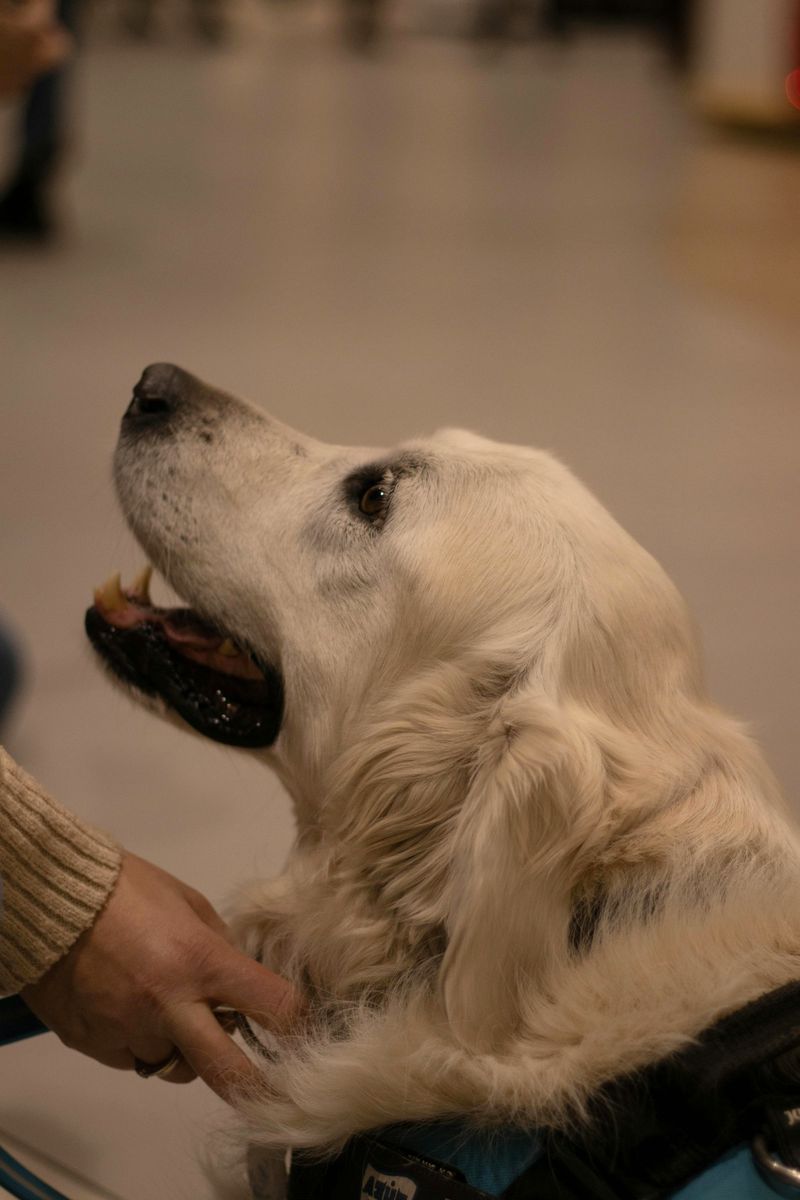
A well-settled service dog often looks like a quiet rug on the floor. NJ Transit asks that service animals stay at their handler’s feet when possible.
This spot keeps the dog close, calm, and protected from foot traffic. It also lets the handler respond quickly if needed.
Under the seat can work too, depending on the vehicle. Practice settling in tight spaces before a long commute.
8. Seats Are for People
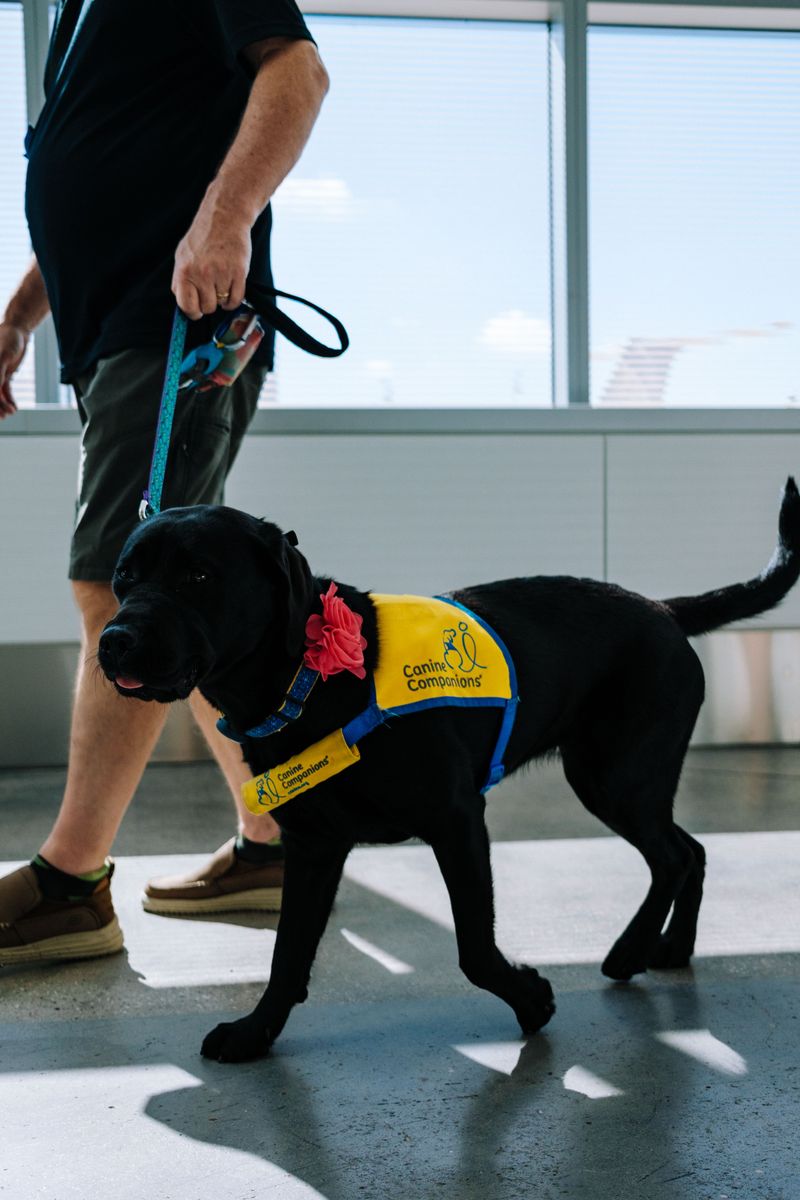
Even the most polished service dog cannot claim a seat. Service animals may not occupy passenger seats on NJ Transit.
Rush hour shows why this matters. Trains into New York fill quickly, and every seat counts.
Keeping your dog on the floor is also cleaner and safer. A sudden stop is less likely to unsettle a dog that is already lying low.
9. Keep Aisles Clear
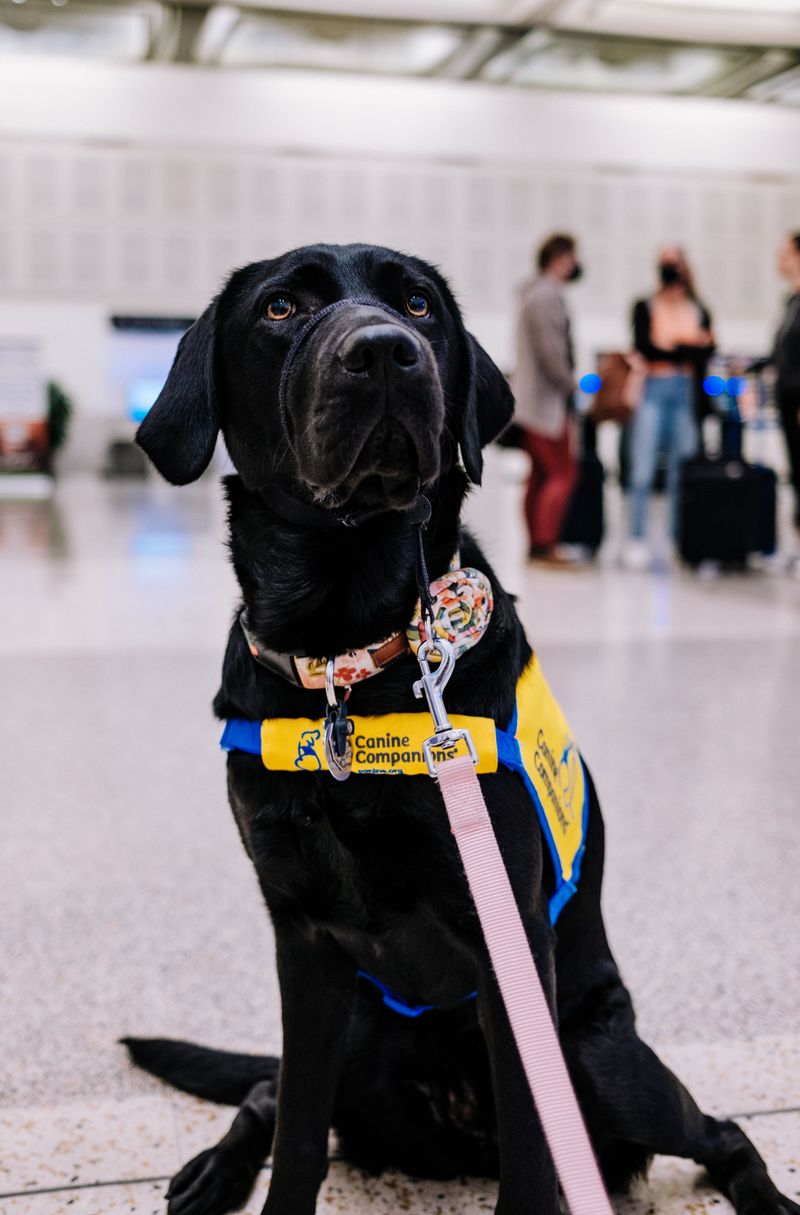
Think about the person rushing with a rolling suitcase. Now imagine a dog stretched across their path.
Service animals should not block aisles or other passenger spaces. Clear walkways help everyone move safely, especially during busy stops.
Choose a seat with a little extra floor room when you can. Gently guide your dog to curl up tightly.
A small adjustment keeps the ride smooth for all.
10. Safety Can Lead to Removal
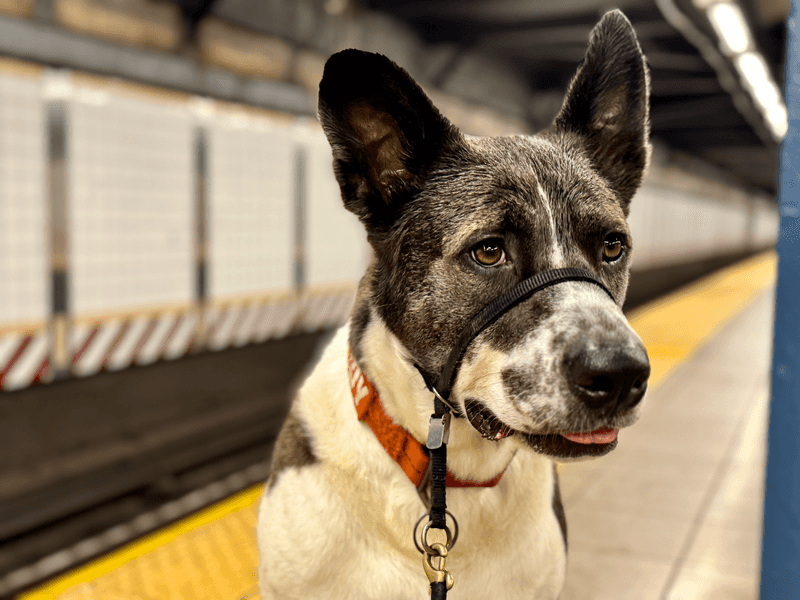
Service animal access is strong, but it does have limits. A service animal that poses a direct threat to health or safety can be excluded or removed.
Behavior like repeated lunging, or a dog that is out of control, may trigger this. Staff consider whether the handler takes effective action.
Regular training and steady handling go a long way. A calm dog rarely faces any trouble.
11. What Staff Can and Cannot Ask
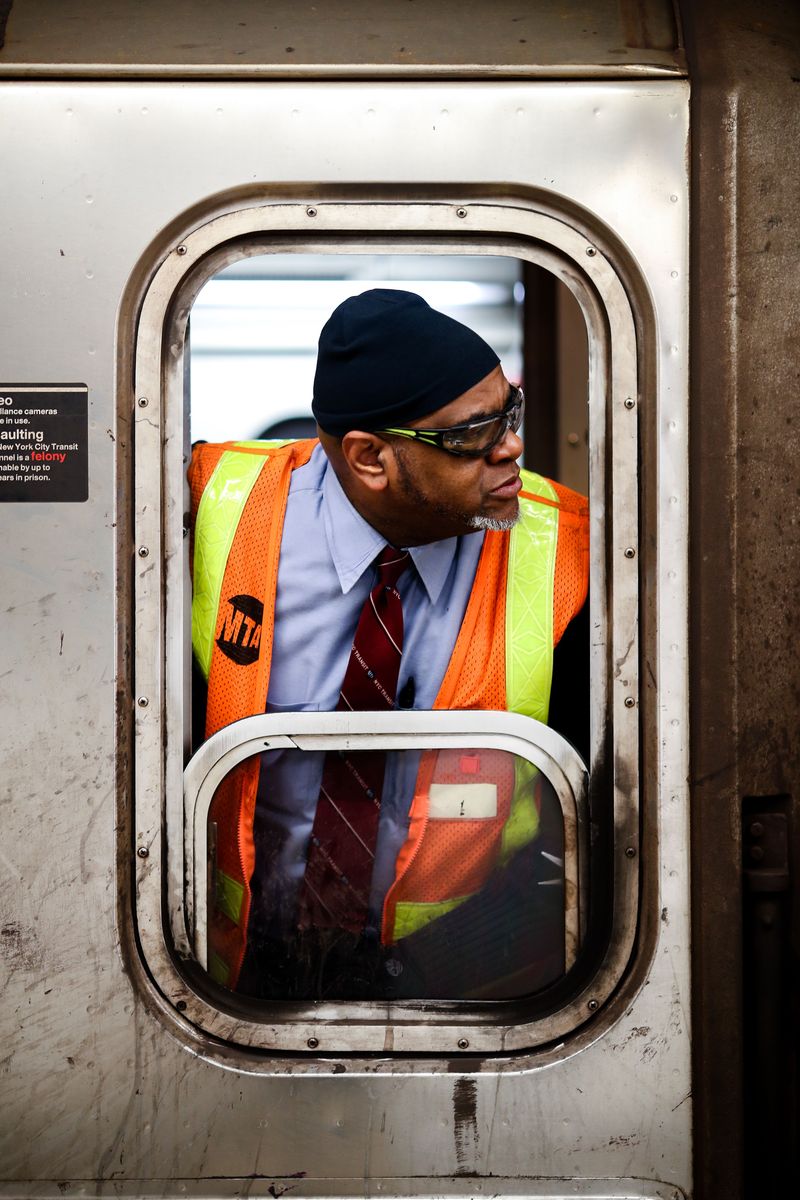
A conductor might stop for a quick chat. Staff may ask whether the animal is a service animal required because of a disability, or one in training.
They may also ask what task the dog is trained to do. Generally, they may not demand proof, such as ID cards or certificates.
They also should not ask about your disability. Short, polite answers usually settle things quickly.
12. Pick a Carrier You Can Handle
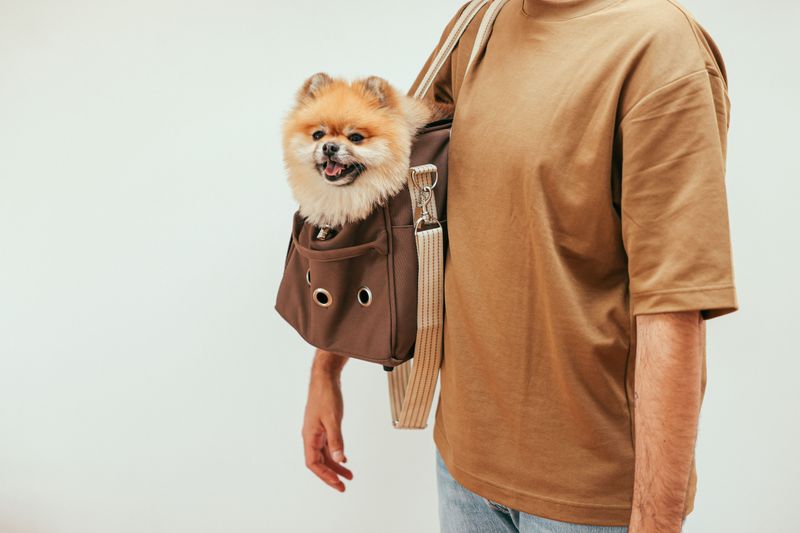
Train steps, crowded escalators, and narrow bus doors all test your gear. Choose a carrier you can manage safely while boarding, exiting, and moving through stations.
Look for sturdy handles or a padded shoulder strap. Good ventilation and secure zippers matter too.
Try a practice walk with your dog inside. If your arms tire fast, a lighter design or backpack style may suit you better.
13. Secure the Carrier Out of the Way
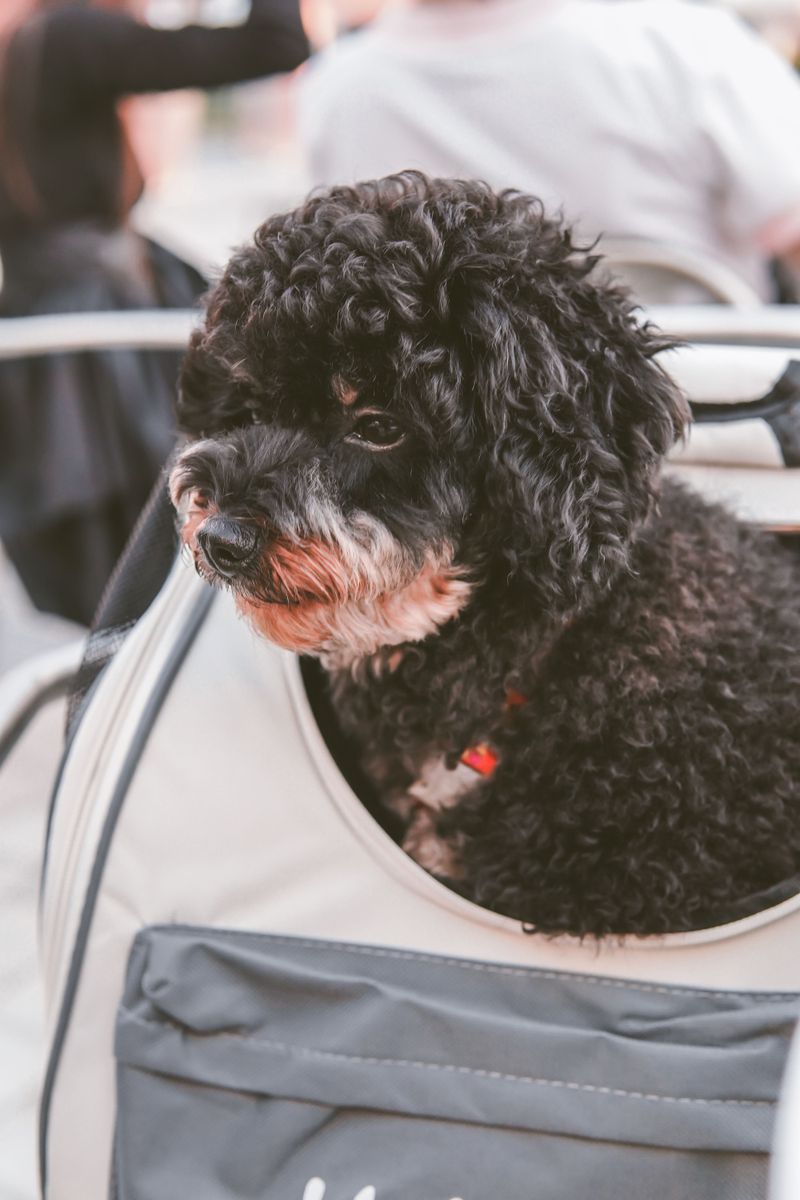
Once you are aboard, where does the bag go? Keep the carrier secured and away from aisles, doorways, and other passenger areas.
Your lap or the space under your seat usually works well. Avoid placing it on an empty seat, since that space belongs to riders.
Hold onto the carrier when the vehicle moves. A firm grip prevents sliding and keeps your pup feeling steady.
14. Check Service Alerts First
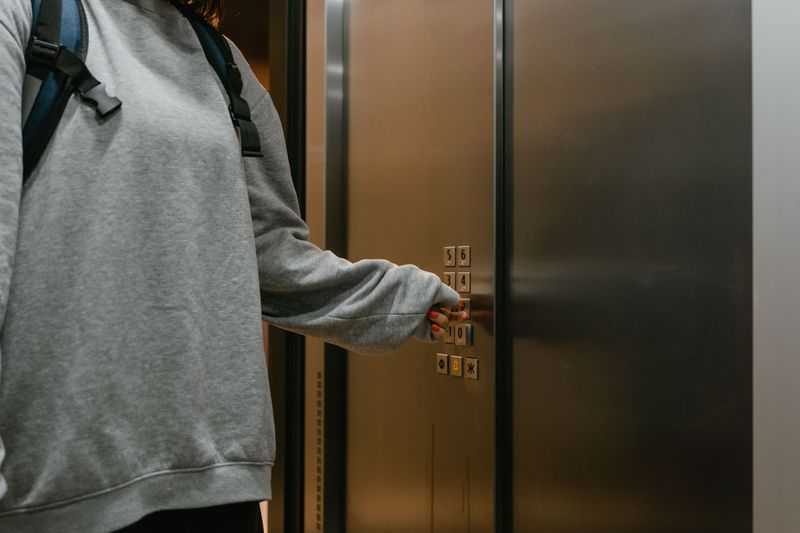
Nothing derails a smooth outing like an elevator that is out of service. Check NJ Transit service alerts before leaving home.
This step matters most if you rely on elevators, tight transfers, or certain station entrances. Carrying a dog adds extra weight, so stairs can be tiring.
The NJ Transit app and website post updates. A quick look helps you choose another route if needed.
15. Access Link Has Its Own Details
Riders using Access Link, NJ Transit’s paratransit service, follow similar guidance. Small pets must travel in carry-on cages here too.
One detail surprises many owners. Pet strollers do not count as carriers on Access Link.
Service animals are still permitted without a carrier. If you have questions about your specific trip, call Access Link ahead of time to confirm current rules.
A quick call saves stress later.