18 Pennsylvania Dog-Walker Questions For Rowhouse Owners With Shared Entrances And Tiny Yards
Rowhouse life in Pennsylvania means close neighbors, narrow doorways, and yards about the size of a parking spot. Your dog walker has to handle all of that with care.
The right questions help you find someone who keeps your dog safe and your neighbors happy. Think of this as advice from a friend who has walked plenty of city blocks.
Each question below is simple to ask, and the answers tell you a lot.
1. Navigating Narrow Shared Hallways
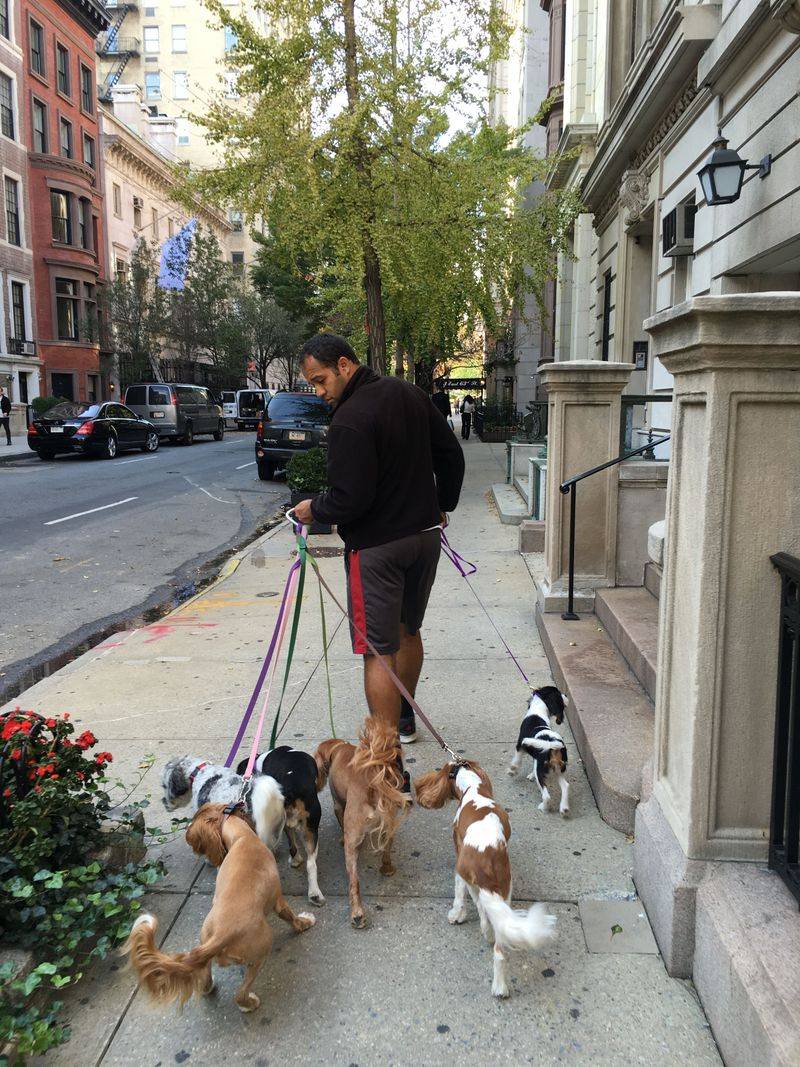
Picture a hallway barely wider than your shoulders. A good walker keeps the leash short there, so your dog stays close and calm.
Ask how they prepare before opening any door. Skilled walkers have keys, bags, and treats ready first.
That way, nobody fumbles in a tight space.
Listen for one more detail. They should avoid nose-to-nose meetings with other dogs in cramped areas, and step aside to create distance whenever possible.
2. Keeping Neighbors’ Doors Clear
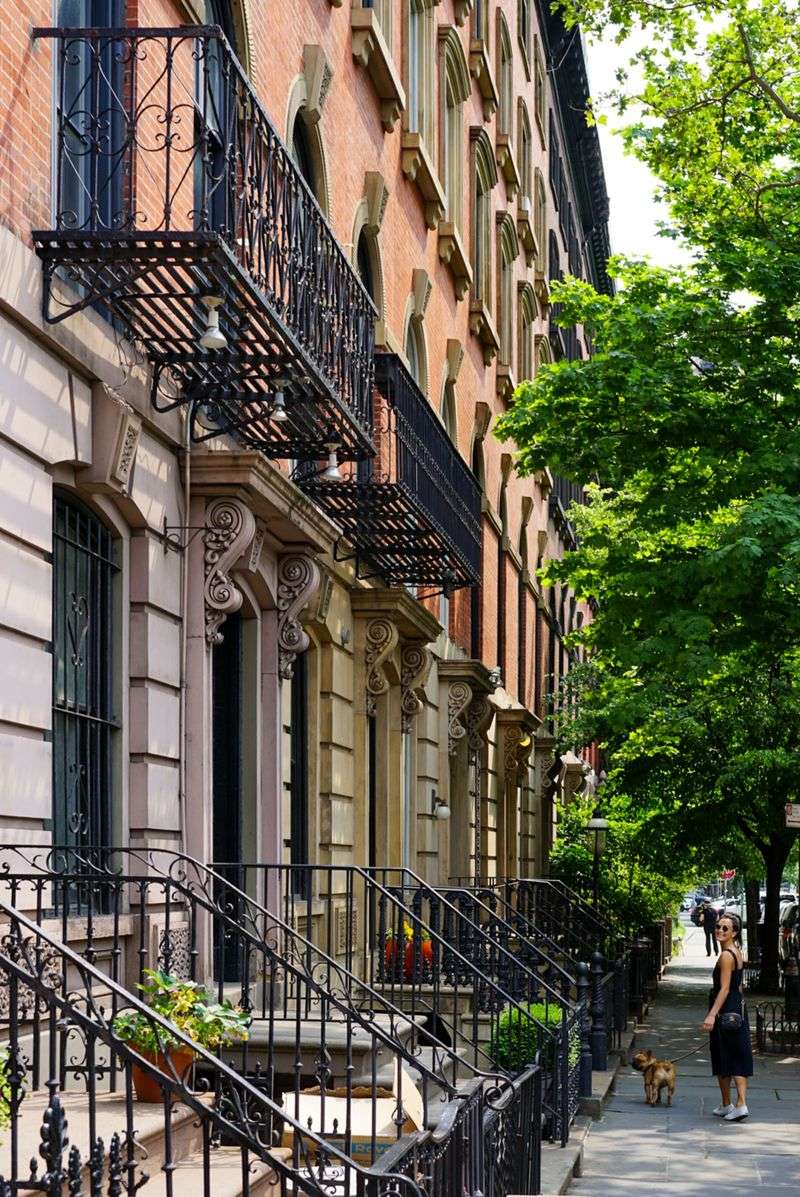
Nobody enjoys stepping over a leash just to reach their own front door. In a row of attached homes, steps and doorways sit inches apart.
Your walker should guide your dog toward a wall or curb. That leaves a clear, predictable path for everyone else.
Ask them to describe where they stand while waiting. A thoughtful answer shows they notice neighbors, not just your dog.
Small courtesies like this build goodwill on the block.
3. Meeting Other Dogs at the Door
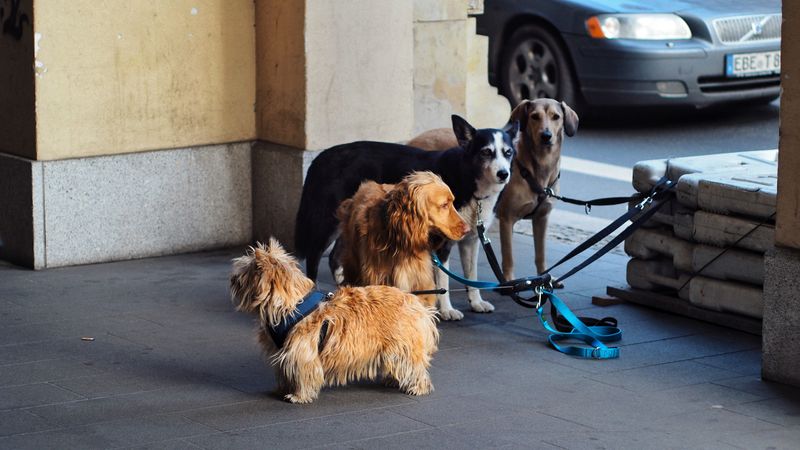
Shared entrances are where surprise meetings happen most. One dog steps out, another steps in, and suddenly space feels very small.
A smart walker skips close greetings with unfamiliar dogs in tight spots. They calmly turn away or wait for a gap instead.
Some walkers practice a simple check-in, where your dog looks up at them after exiting. Others learn when neighbors usually head out.
Both habits cut down on awkward run-ins.
4. Leash On Before the Door Opens
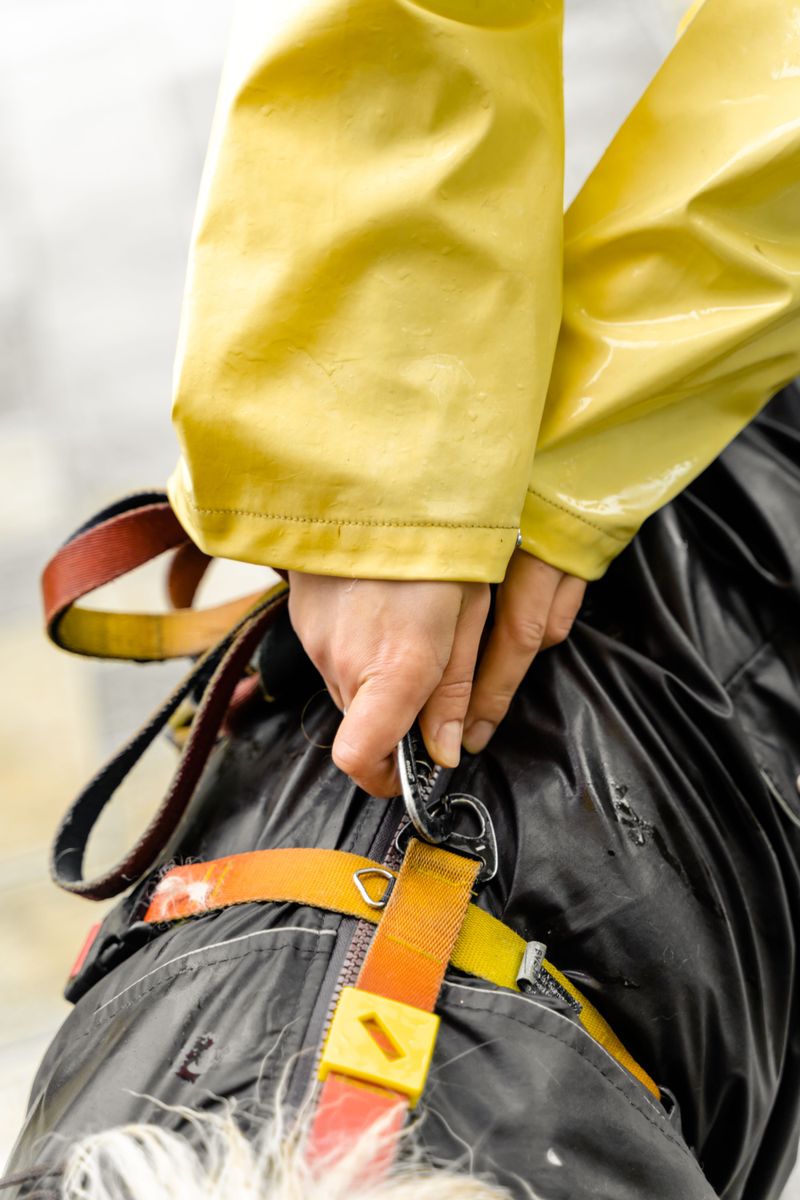
Here is a rule worth hearing out loud. Pennsylvania law expects dogs off their owner’s property to stay under reasonable control.
Many towns go further with leash rules. Philadelphia, for example, requires leashes no longer than six feet in public areas.
Rules differ by municipality, so check yours.
Your walker should clip the leash on before touching the exterior door. It takes two seconds and prevents a lot of trouble.
5. Stopping the Door Dash
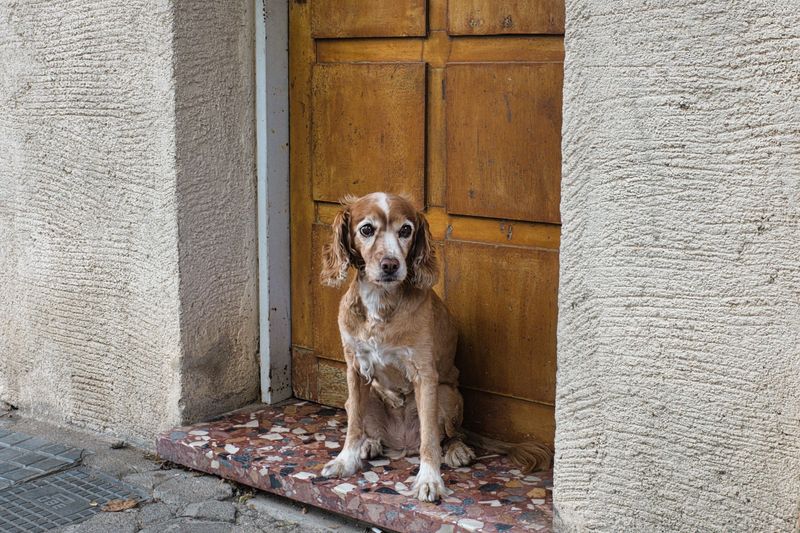
Some dogs treat an open door like a starting gun at a race. In a rowhouse, that dash can lead straight onto a busy sidewalk.
Ask your walker how they teach a calm wait at the threshold. Many reward stillness while slowly opening the door bit by bit.
Consistency matters most here. If you already use a cue like wait, share it.
Using the same word helps your dog understand faster.
6. Handling Vestibules, Porches, and Stoops
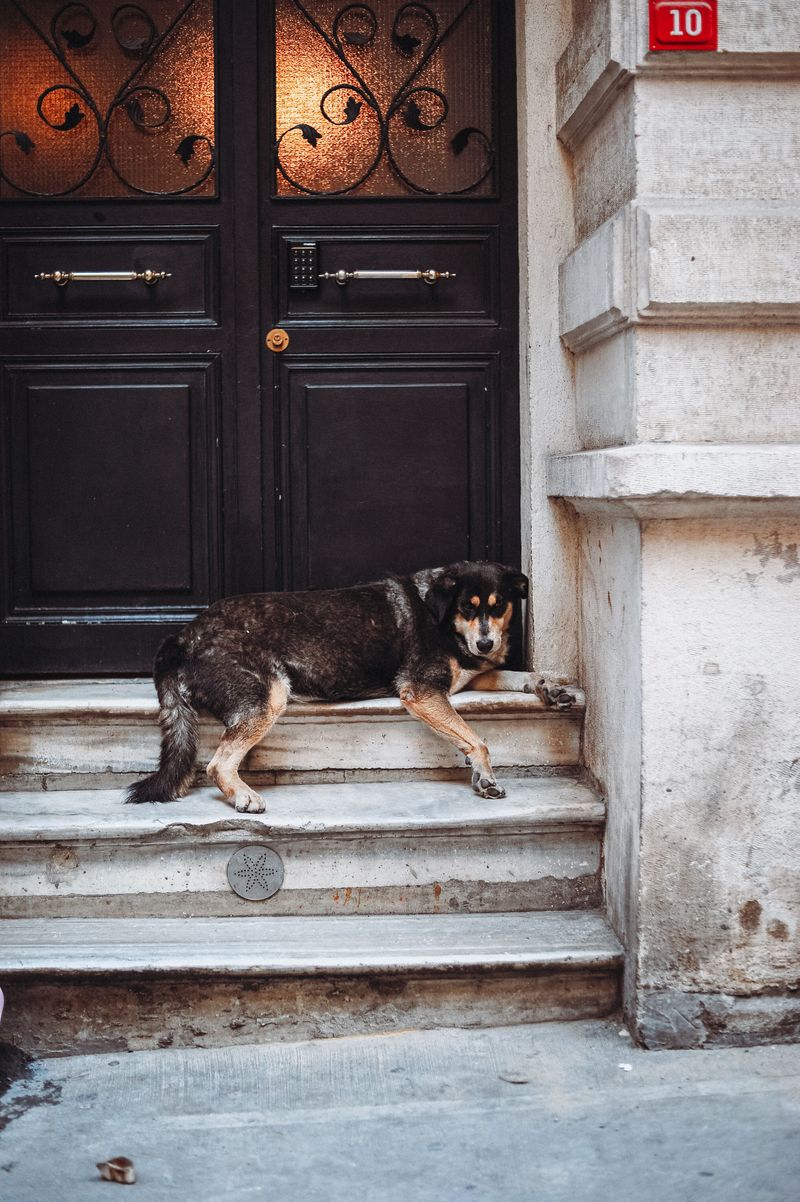
Fun fact: many older Pennsylvania rowhouses share porches or stoops with the house next door. That charm comes with close quarters.
Your walker should glance around before stepping into these spaces. Checking for people, pets, or packages prevents sudden surprises.
A short leash and quick footwork keep things smooth. If someone needs to pass, your dog should move aside easily.
Ask how they handle a crowded stoop on a busy morning.
7. Sharing the Doorway Politely
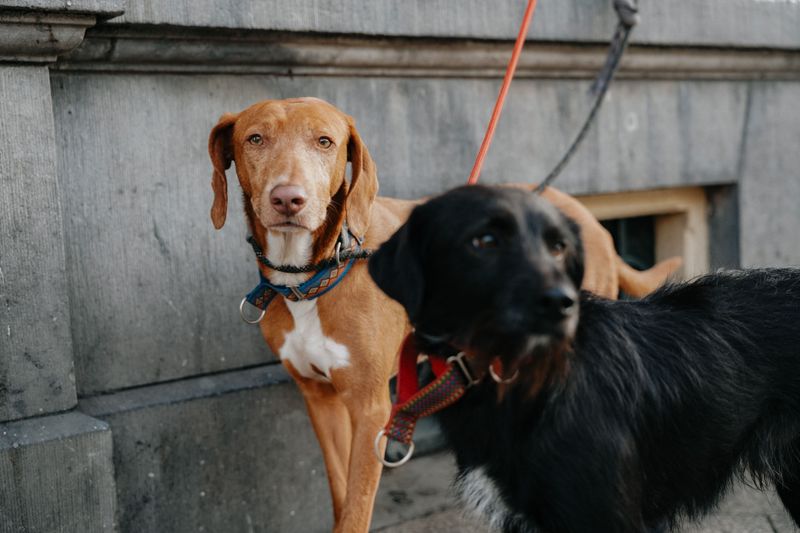
Timing is everything when two households share one door. Sometimes a neighbor walks up just as your dog heads out.
The best walkers simply yield. They step to the side, smile, and let the neighbor go first.
Some neighbors feel nervous around dogs, even friendly ones. A walker who waits patiently respects that.
Ask how they would handle this moment. Calm courtesy is the answer you want to hear.
8. Double-Checking Every Latch
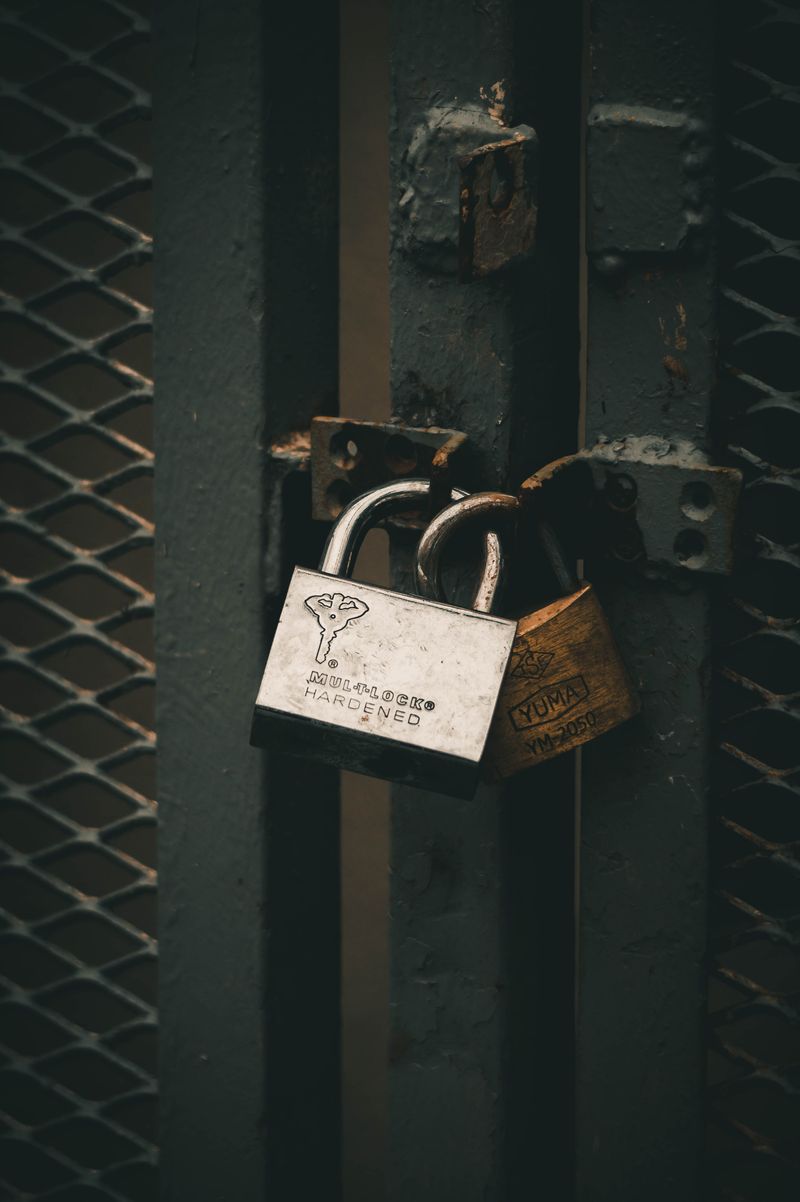
One unlatched gate can undo a whole careful routine. Shared doors and tiny yards make this extra important.
Ask whether your walker tests doors and gates after closing them. A quick push or pull confirms they actually caught.
Shared entrances can be tricky because other people use them too. Your walker should still check each one they touch.
That habit keeps your dog safely inside between visits.
9. Making the Most of a Tiny Yard
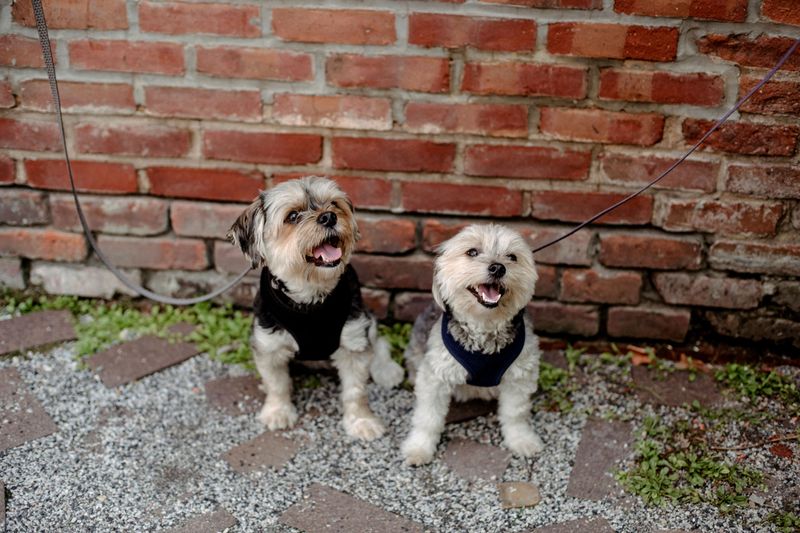
Tiny yards are common behind city rowhouses, and many lack full fencing. That does not make them unusable.
For unfenced spaces, a leash or a closely supervised tie-out keeps your dog from wandering. Direct supervision matters in every case.
Invisible fences may keep a dog in, but they do not stop other animals or people from entering. Share your yard’s quirks so your walker plans ahead.
10. Staying Close During Yard Time
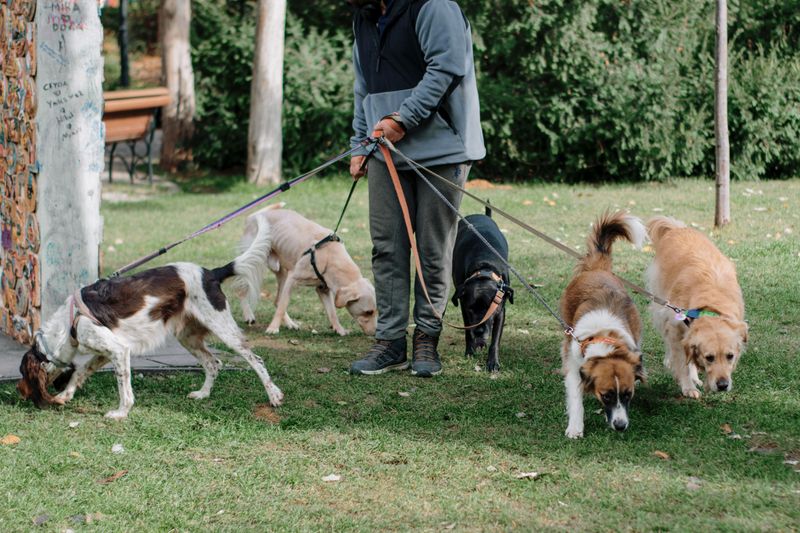
Leaving a dog alone in the yard while answering texts can feel harmless. In a small city yard, though, things change fast.
Your walker should stay right with your dog the whole time. Constant presence prevents escapes and stops barking early.
It also protects your dog from things tossed over fences or curious neighbor pets. Ask this question directly.
A confident yes, without hesitation, is a strong sign.
11. Guarding Side Passages and Gaps
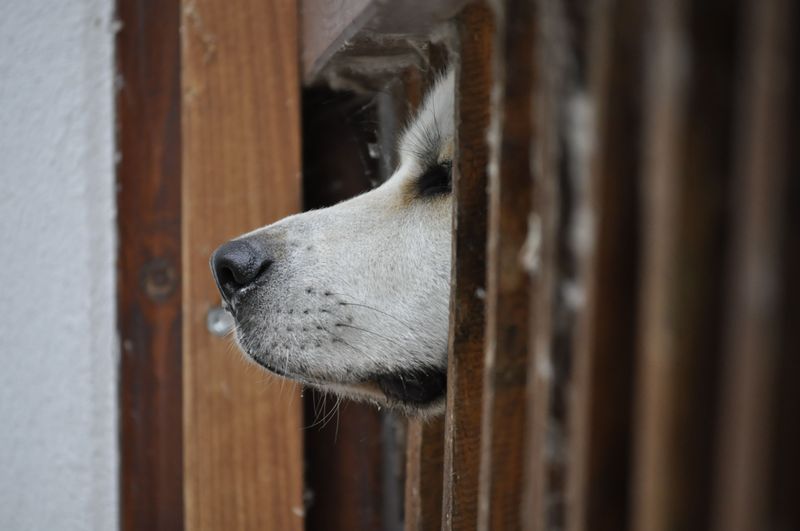
Small dogs are surprisingly good at squeezing through spaces you would never notice. Narrow side passages often hide those gaps.
Ask if your walker will scan fences and gates for loose boards or holes. Even small openings can tempt a curious pup.
Diggers need extra attention near soft soil. Rocks or buried wire along the fence line can help.
Your walker should report weak spots so you can fix them.
12. Scooping Right Away, Everywhere

Cleanup is not optional in Pennsylvania cities. Places like Philadelphia, Pittsburgh, and Allentown enforce pickup rules with fines.
Amounts vary by municipality, so check your local ordinance for exact figures. The rule covers sidewalks and shared spaces you do not own.
Your walker should carry plenty of bags and pick up immediately. That includes shared alleys and courtyards.
Neighbors notice clean walkways, and they remember messy ones too.
13. Keeping the Barking Down
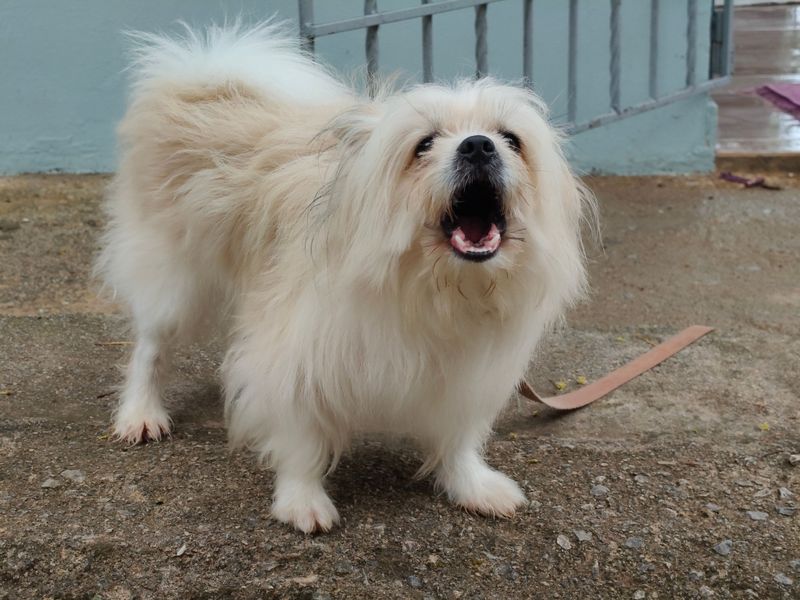
Shared walls carry sound well. A few barks in a tiny yard can echo down the whole block.
Ongoing barking is usually handled under local nuisance rules. In Philadelphia, ACCT Philly responds to barking complaints, and other towns have their own process.
Ask how your walker redirects a noisy dog. Treats, cues, or simply heading inside are all good answers.
Quick action keeps peace with the neighbors.
14. Respecting the Porch Next Door
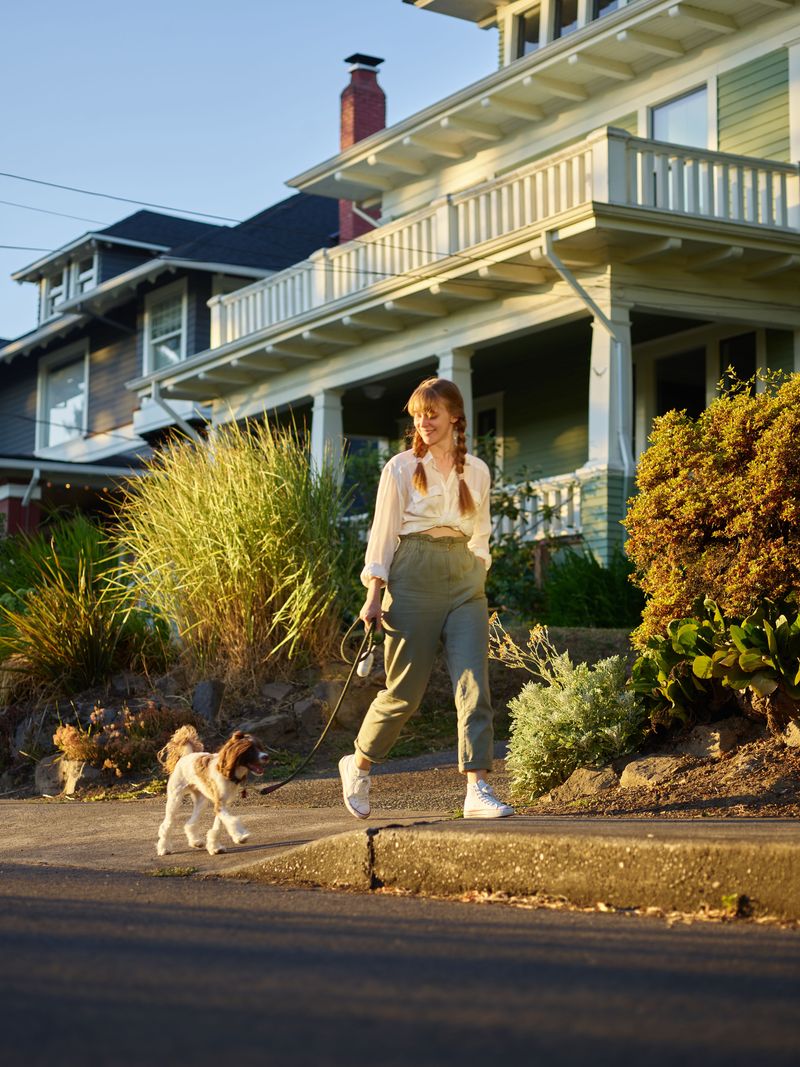
Flower pots, welcome mats, and porch furniture sit very close together on rowhouse streets. Curious noses love all of it.
A careful walker keeps your dog off neighboring porches and yards. A short leash and steady attention make that easy.
Dogs can dig, mark, or knock things over without meaning harm. Asking this question shows you care about your neighbors.
Your walker should treat each property line seriously.
15. When a Loose Dog Appears
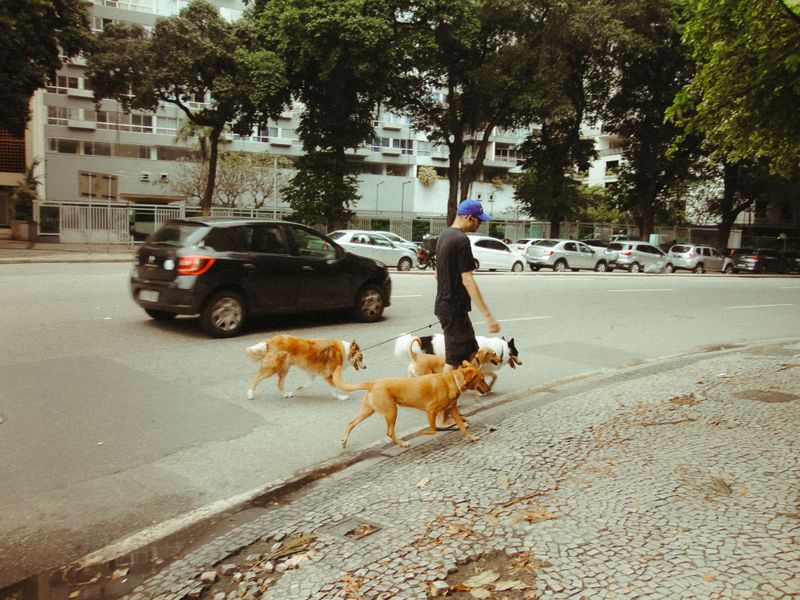
Most loose dogs are just lost and confused. Still, your walker needs a calm plan.
Moving away and creating distance comes first. If an owner is nearby, asking them to call their dog helps.
If a dog seems threatening, calling 911 is appropriate. Otherwise, report strays to local animal control or a Pennsylvania state dog warden.
Ask your walker which contacts they keep handy for your area.
16. Using the Right Door
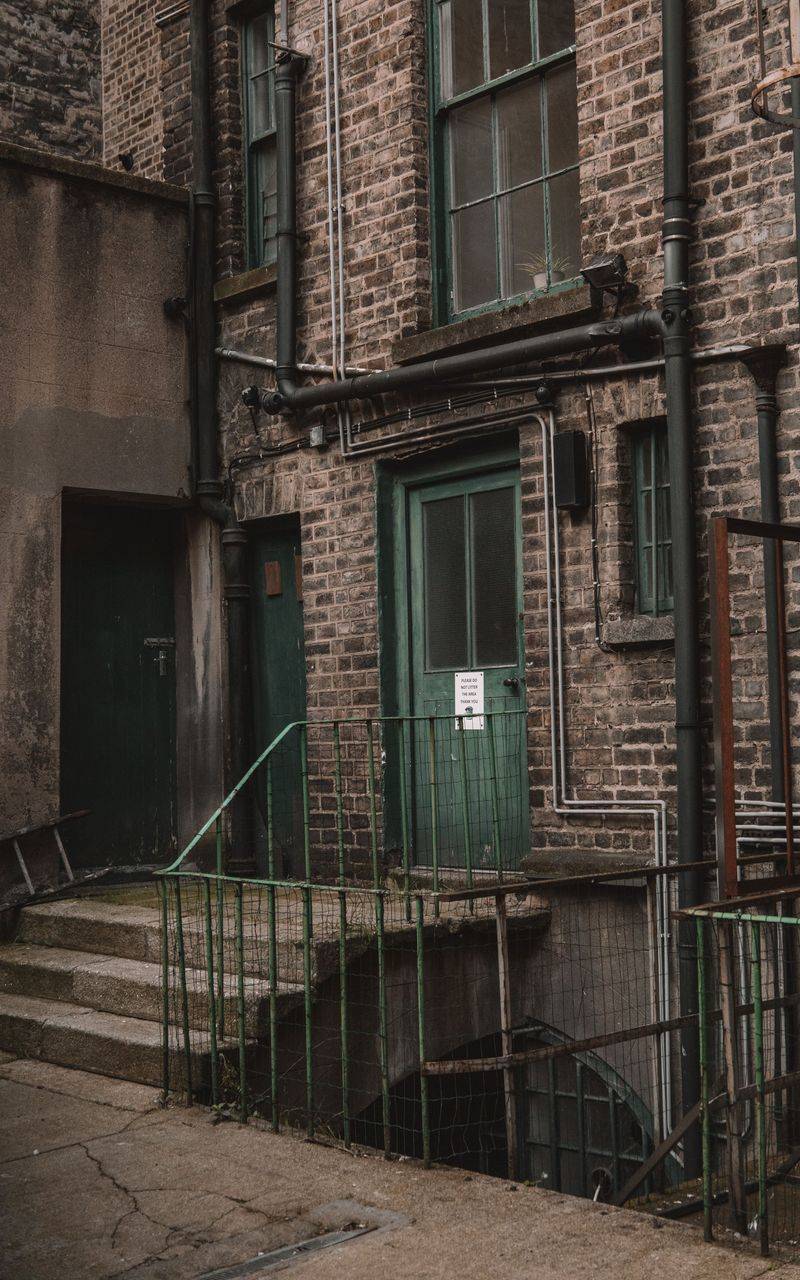
Every rowhouse has its own routine. Maybe the back alley door is quieter, or the front one sticks.
Ask whether your walker will follow your instructions exactly. Using the entrance you choose shows respect for your home and shared spaces.
Write your preferences down clearly. Include tips like which key fits which lock.
Clear notes help backup walkers too, so your dog’s routine stays steady.
17. Steady on Stairs and Sidewalks
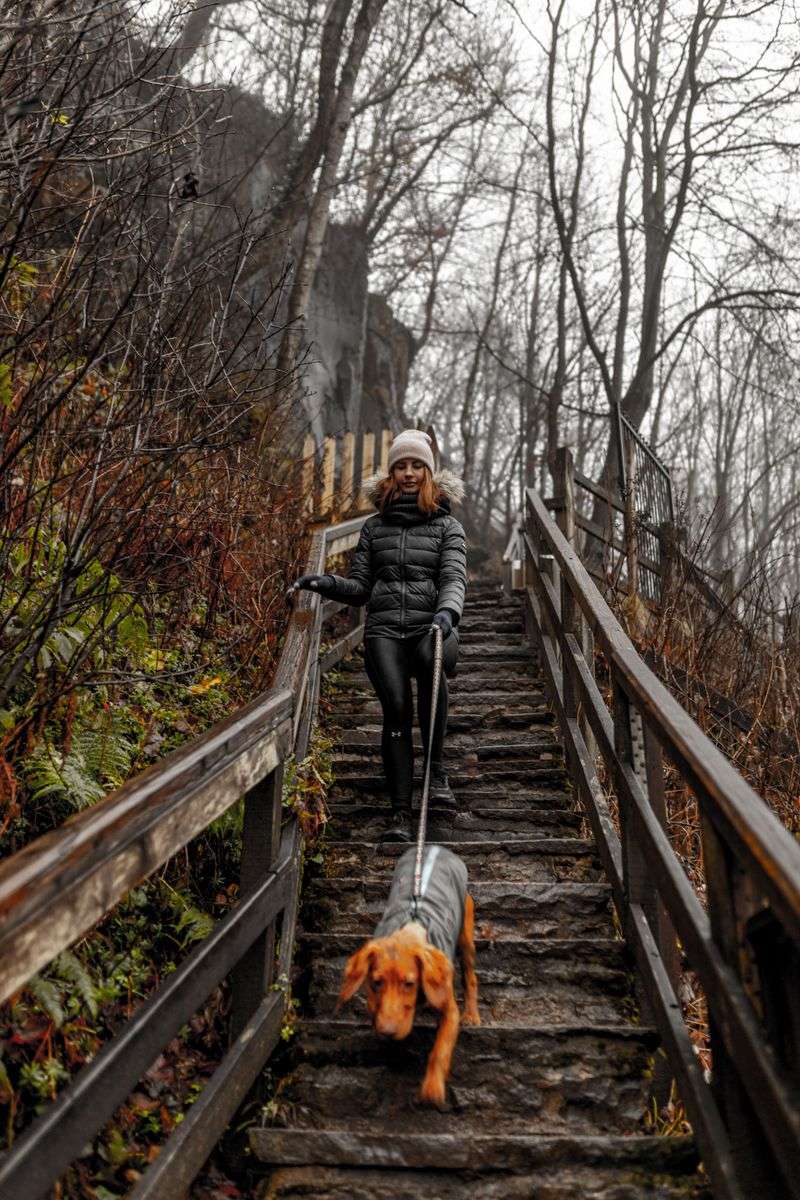
Steep stoops are a classic Pennsylvania rowhouse feature. Add narrow sidewalks and parked cars, and footing gets tricky.
Your walker should feel confident on stairs with your dog. A short leash keeps pulling in check.
Ask about larger or older dogs especially. Some need a slower pace or extra support on steps.
A walker who adjusts to your dog’s needs will keep both of them steady.
18. Planning for Ice and Floods
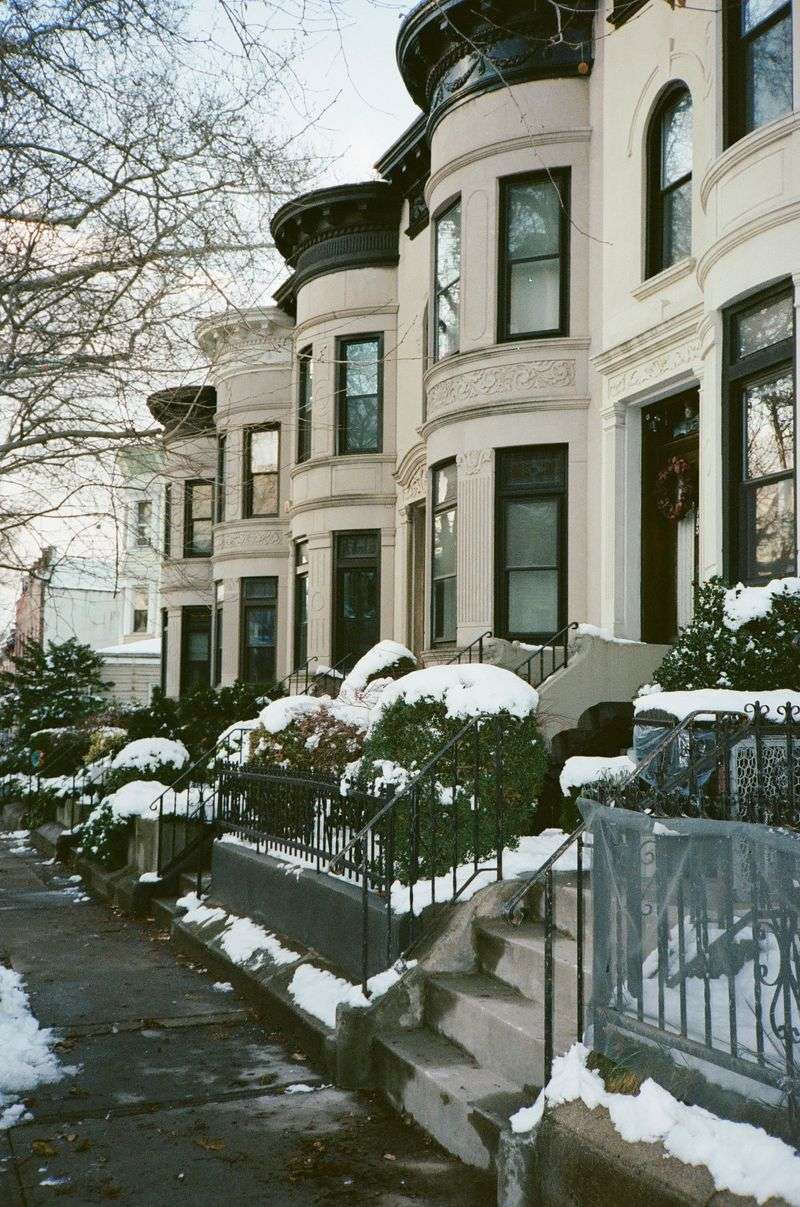
Pennsylvania winters can turn a stoop into a slide. Spring storms can flood small yards too.
State law limits tethering dogs outside to 30 minutes when temperatures drop below 32 degrees. Your walker should know this.
On rough days, short supervised potty breaks make sense. Ask about pet-safe ice melt and wiping paws to remove salt.
Agree on backup exercise ideas before bad weather arrives.