Upper Peninsula Michigan Dog Owners Need A Different Plan When Specialty Vet Care Means A Long Drive
Living in Michigan’s Upper Peninsula gives your dog plenty of room to explore, but specialty veterinary care may mean traveling. Depending on your location, the right appointment could be hours away, sometimes beyond the region.
A little planning helps you handle that distance without feeling rushed or unsure. From winter roads to follow-up visits, here are practical ways to make the journey easier for your dog and your family.
1. Know Which Specialty Services Require a Long Drive
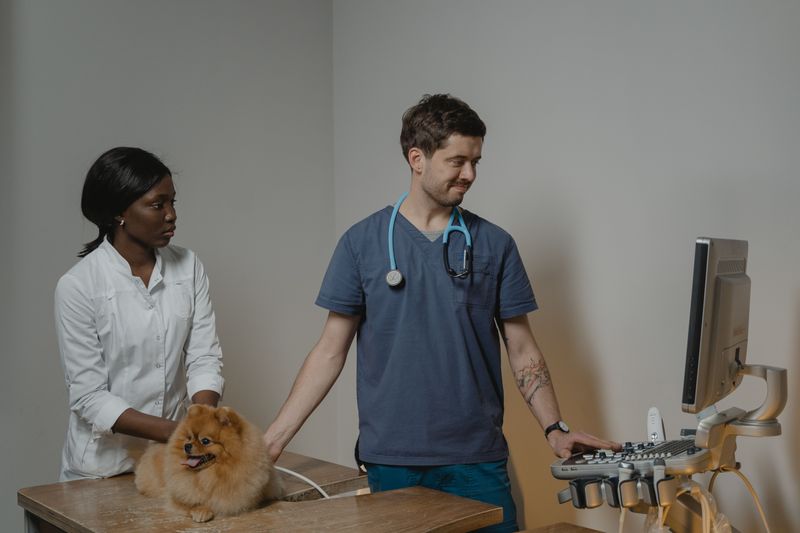
A familiar clinic may handle everyday needs without offering every advanced service. Cardiology, neurology, cancer care, and certain surgeries may require travel outside your community.
Availability depends on the clinic, specialist schedules, and your dog’s needs.
Ask which services exist nearby and which require a longer trip. Confirm that the destination handles your dog’s specific condition before booking.
Knowing the difference helps you prepare without assuming every health concern requires leaving the Upper Peninsula for care.
2. Build a Specialty Vet Contact List
Finding a phone number should not become another task during a stressful morning. Save contacts for your regular veterinarian, referral hospitals, and emergency clinics that accept dogs.
Include addresses, operating hours, and directions for calling after hours.
Verify details directly because staffing and services can change. Ask whether emergency arrivals require a call first.
Keep a printed copy inside your travel bag, since cell coverage can be limited along some Upper Peninsula roads during your trip.
3. Ask Your Regular Vet About Referral Options
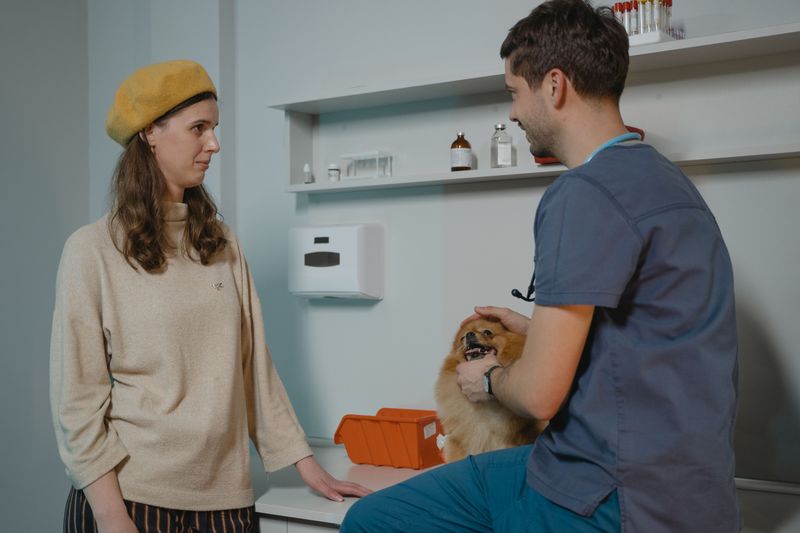
Your hometown veterinarian can be the bridge between local care and a distant specialist. Explain your travel limits, work schedule, and concerns about your dog’s comfort.
Ask which referral options best fit the medical problem.
Some hospitals require a referral, while others accept direct appointment requests. Your veterinarian can explain what testing might help before departure.
Request a clear handoff plan so both clinics understand who will manage medications, updates, and follow-up questions after the appointment.
4. Plan the Route Before You Need It
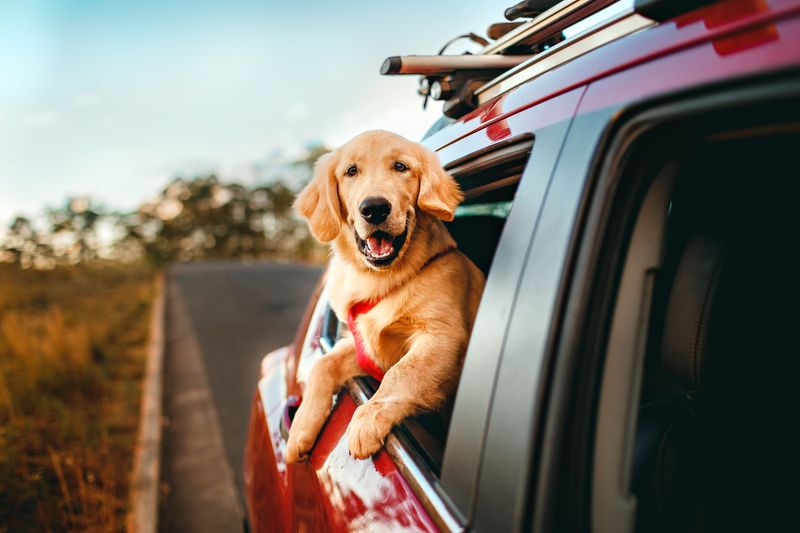
A hospital address tells only part of the travel story. Check drive time, parking instructions, entrance locations, and places for safe rest stops.
Allow extra time for construction, weather, and your dog’s needs.
Download directions before leaving, especially when traveling through areas with weak cell service. Michigan’s Mi Drive provides state road condition and closure information.
For routes into Wisconsin or elsewhere, check that state’s official travel resources before choosing your departure time and backup route.
5. Keep Your Dog Comfortable During Long Drives
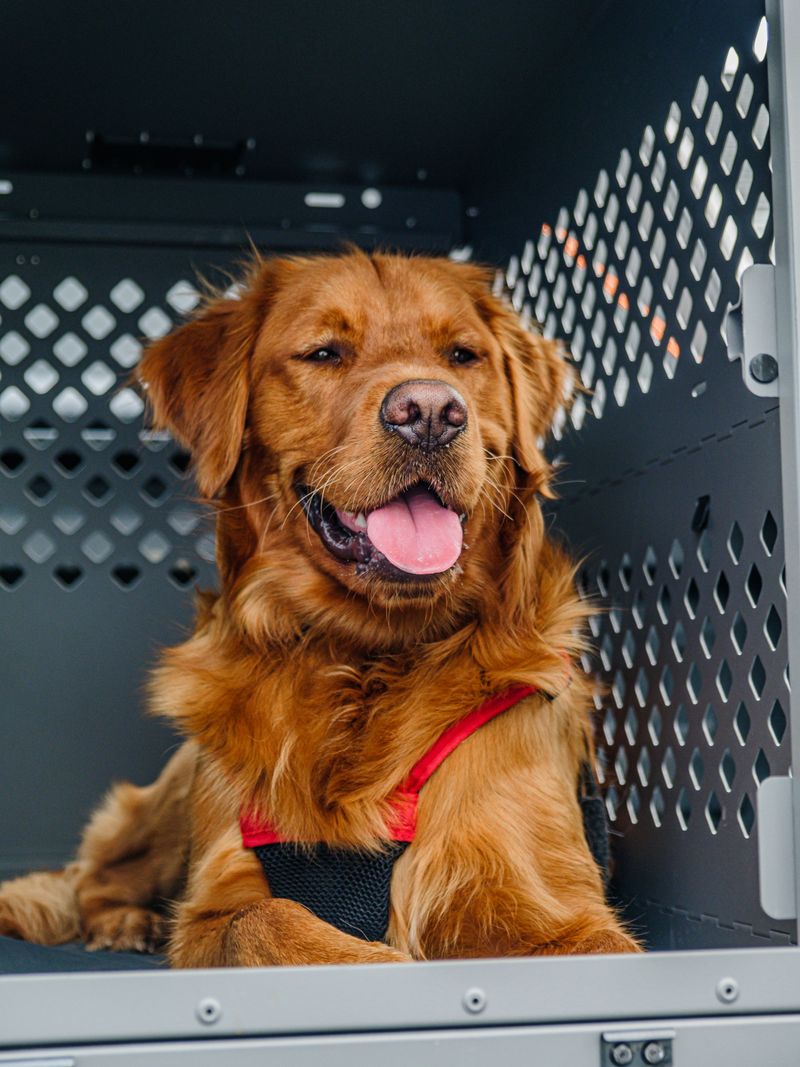
Familiar bedding can make an unfamiliar journey feel more manageable. Use a secured crate or a properly fitted vehicle restraint designed for dogs.
Keep the cabin comfortable, and never let your dog ride loose.
Ask your veterinarian about motion sickness or travel anxiety before departure. Give only medications they recommend for your dog.
Schedule safe leash breaks when appropriate, and offer water as directed. Follow the hospital’s feeding instructions if sedation or anesthesia might be needed.
6. Know When a Same-Day Trip Matters
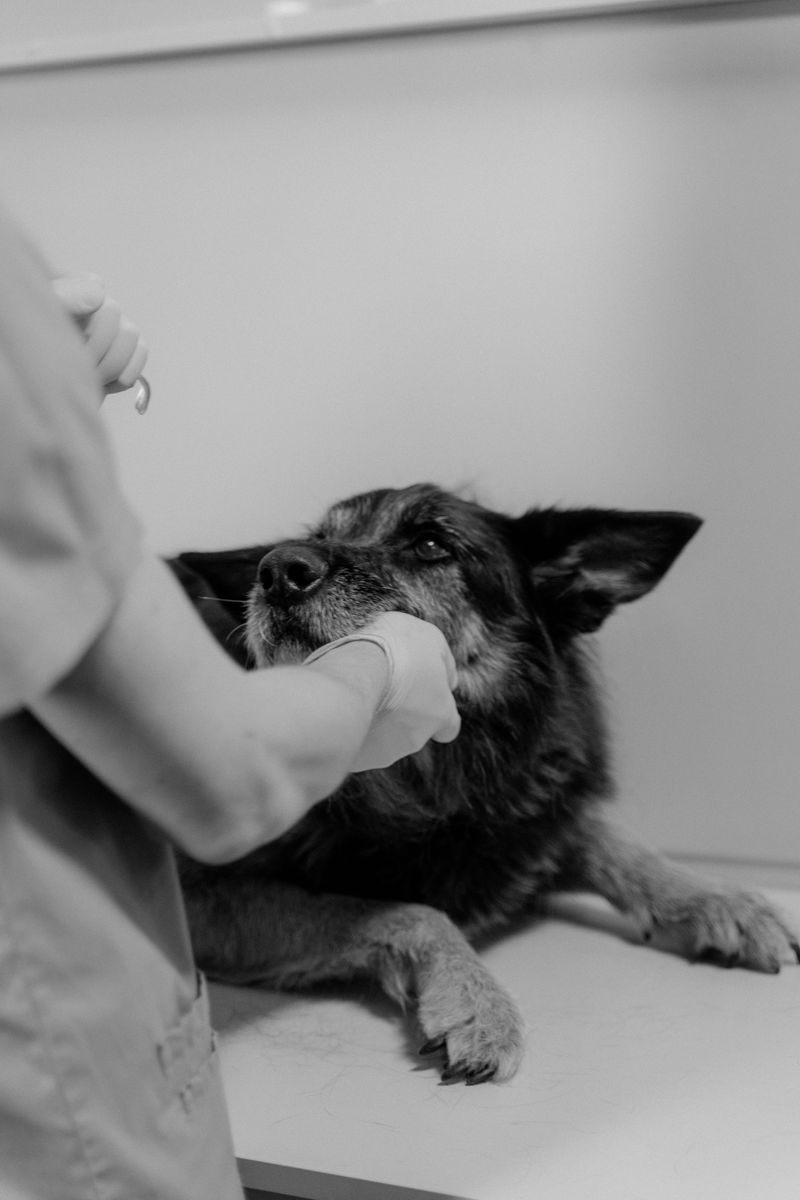
Some changes need prompt veterinary advice rather than waiting for a scheduled visit. Trouble breathing, collapse, repeated seizures, or an inability to urinate warrant immediate veterinary contact.
Other symptoms may also need urgent assessment.
Call the nearest available veterinary service and describe what you observe. Do not assume a distant specialist is the safest first stop.
A nearby clinic may provide initial care and arrange transfer. Let veterinary staff guide the timing and destination of travel.
7. Have an Emergency Transport Plan
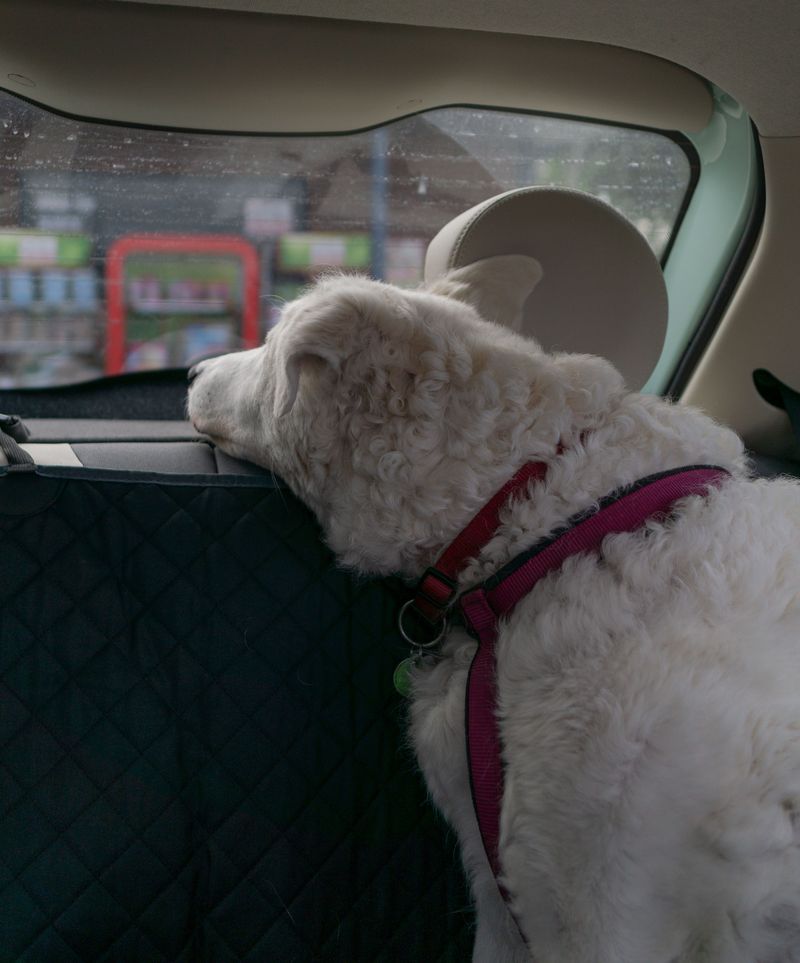
Driving and watching an unwell dog are difficult tasks to handle together. Identify someone who could drive or ride along when help is needed.
Discuss arrangements before an urgent situation interrupts everyone’s day.
Ask your veterinarian how to move your dog safely, especially after injury or surgery. Large dogs may require extra help and suitable equipment.
Keep the vehicle accessible and fueled. Call the receiving clinic before departure whenever possible, so staff can advise your next steps.
8. Keep Medical Records Ready to Travel
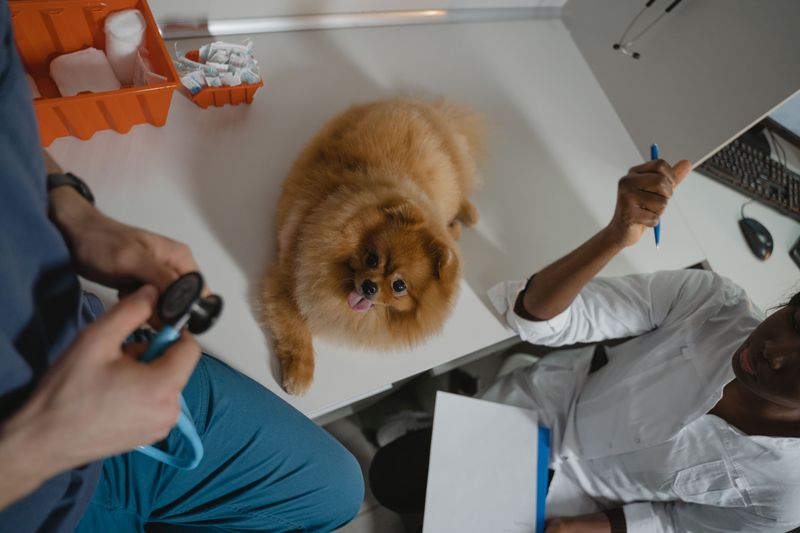
A clear medical history saves everyone from rebuilding the story at check-in. Gather recent test results, vaccination records, imaging reports, and a current medication list.
Include allergies and previous reactions to treatment.
Ask your regular clinic to send records directly before the appointment. Confirm that the specialist received them, including actual images when requested.
Carry a paper summary and saved digital copies. Short videos of unusual movements or symptoms may help, if recording never delays care.
9. Bring Enough Medication for the Trip
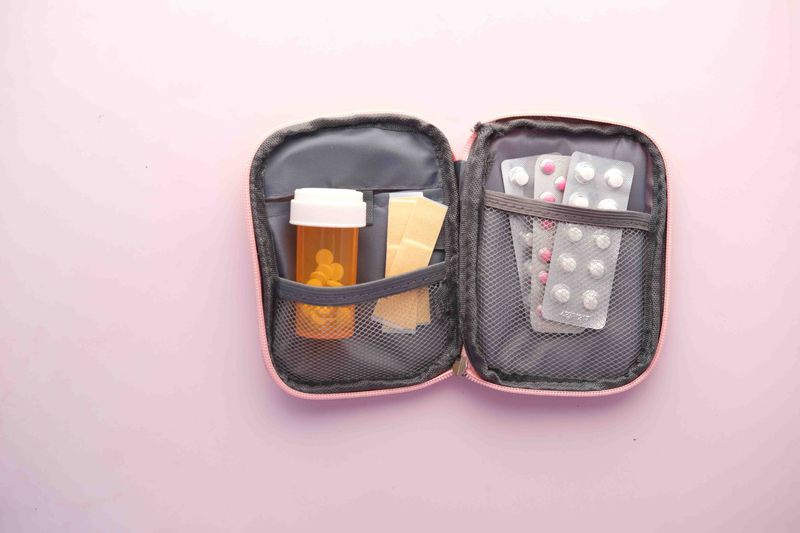
An appointment can run late, and weather can stretch a return trip. Bring enough prescribed medication for expected travel plus a veterinarian-approved buffer.
Keep medicines in their labeled containers with clear dosing instructions.
Ask how to store anything requiring temperature control during the drive. Never change doses or add human medicines without veterinary guidance.
Confirm whether any medication should be withheld before testing. Note the last dose given, and share that information when you arrive there.
10. Prepare for Upper Peninsula Weather
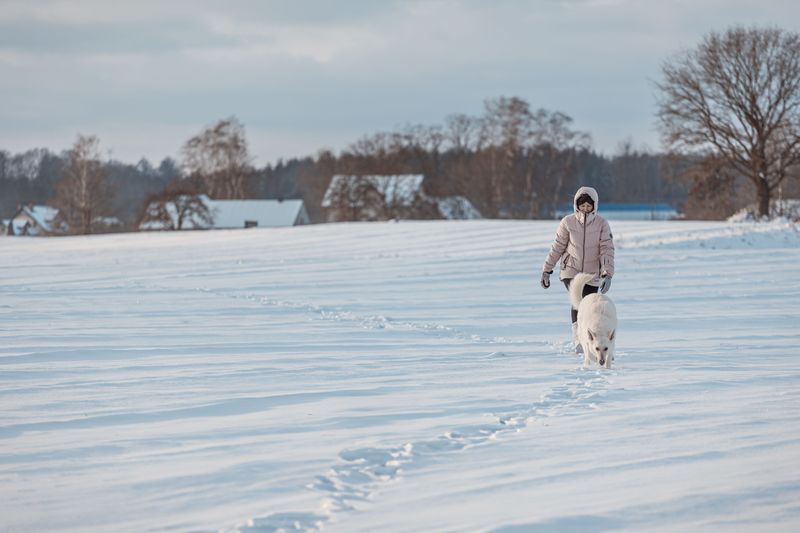
Lake-effect snow can change travel plans even when your driveway looks clear. Check forecasts along the entire route, not just at home.
Conditions near Lake Superior may differ from those farther south.
Pack blankets, water, and seasonal supplies for both people and dogs. Keep your dog supervised and avoid leaving them alone in the vehicle.
During warm weather, parked cars can become unsafe quickly. Discuss travel concerns with the clinic before setting out in difficult conditions.
11. Keep a Backup Plan for Road Closures

One closed highway can turn a familiar drive into a much longer journey. Identify an alternate route and another veterinary destination before you need either.
Avoid shortcuts on remote roads during poor conditions.
Follow official closure notices rather than relying only on navigation apps. If your route uses the Mackinac Bridge, check current bridge advisories too.
Tell the hospital when delays develop. Veterinary staff can help determine whether to reroute, seek nearby care, or reschedule safely.
12. Ask About Telemedicine Options
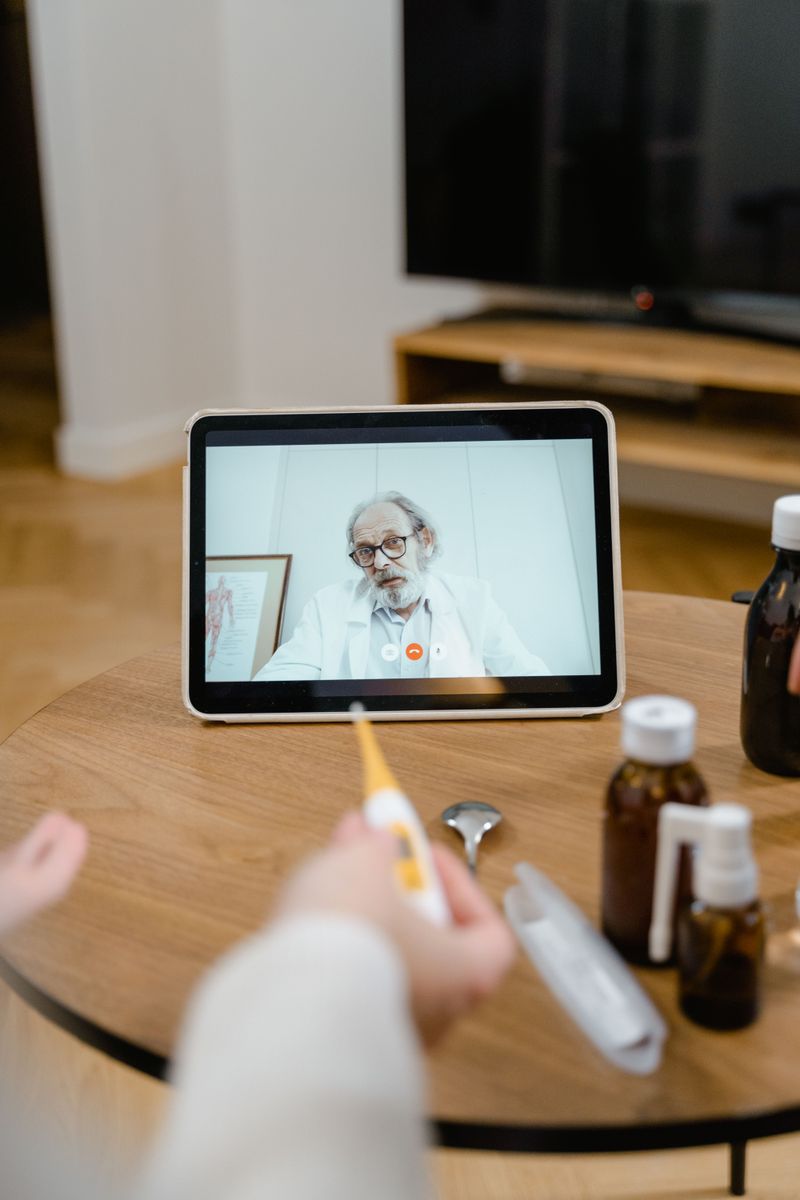
A video conversation may save travel for certain discussions, but not every examination. Ask whether the specialist offers remote follow-ups or consultations with your local veterinarian.
Photos, videos, and existing results may support those conversations.
Availability depends on the service, your dog’s condition, and applicable veterinary rules. In Michigan, veterinarians providing telehealth must have sufficient, current knowledge of the animal and, except in an emergency, must have recently examined the animal in person or otherwise meet the applicable requirements.
Confirm eligibility directly with the clinic. Remote advice should never replace urgent hands-on care when your dog needs prompt assessment.
13. Plan Around Follow-Up Appointments
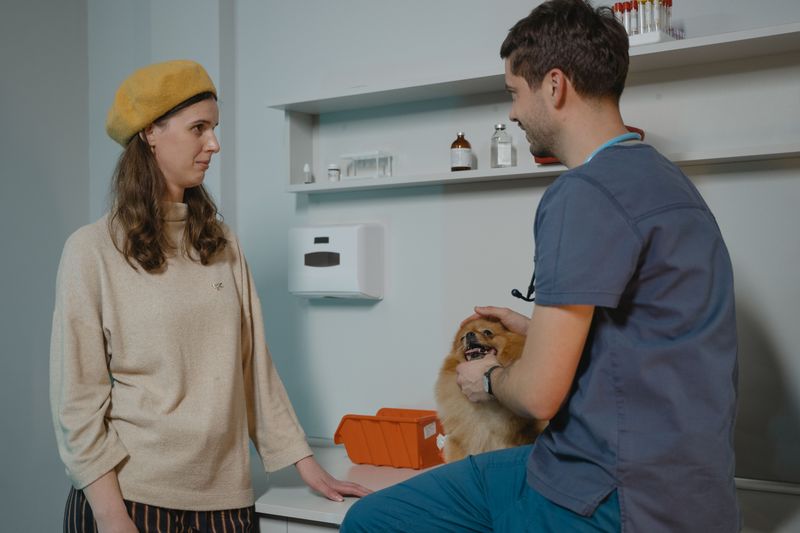
The first appointment may be only one part of your dog’s treatment. Before leaving, ask how many return visits are likely and when they should happen.
Clarify which appointments require the specialist’s equipment or examination.
Schedule ahead when possible, especially if work coverage or long travel is involved. Ask whether related tests can share one visit without compromising care.
Get written instructions for changes between appointments. Knowing the next step makes the whole process easier to manage.
14. Consider an Overnight Stay When Appropriate
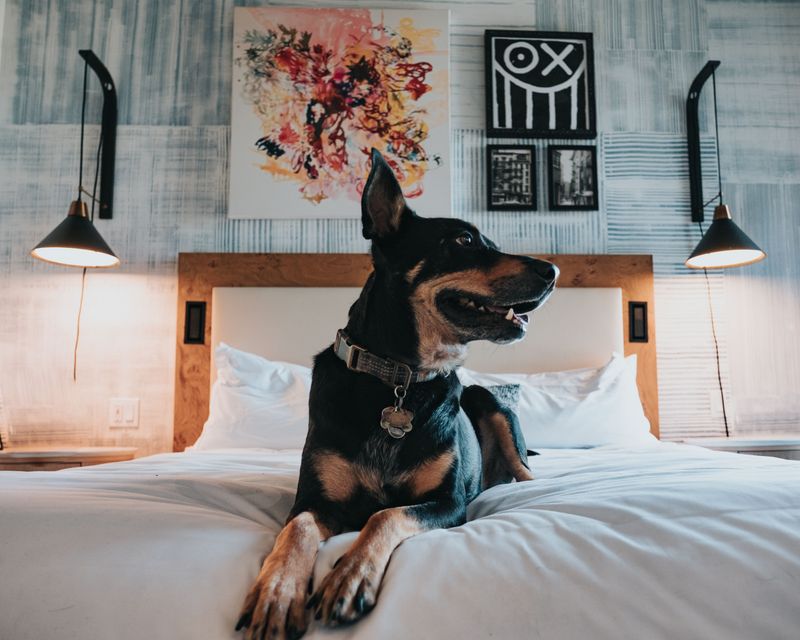
A restful night nearby can be better than another long drive after treatment. Ask whether your dog can safely travel home that day.
Some procedures or appointment times make an overnight stay worth considering.
Confirm lodging rules directly, including dog size limits, fees, and available outdoor areas. Choose accommodations near the clinic when practical.
Follow discharge instructions about activity and observation. If your dog needs medical monitoring, a hotel room cannot replace hospital care recommended by veterinarians.
15. Keep a Travel Bag Packed for Your Dog
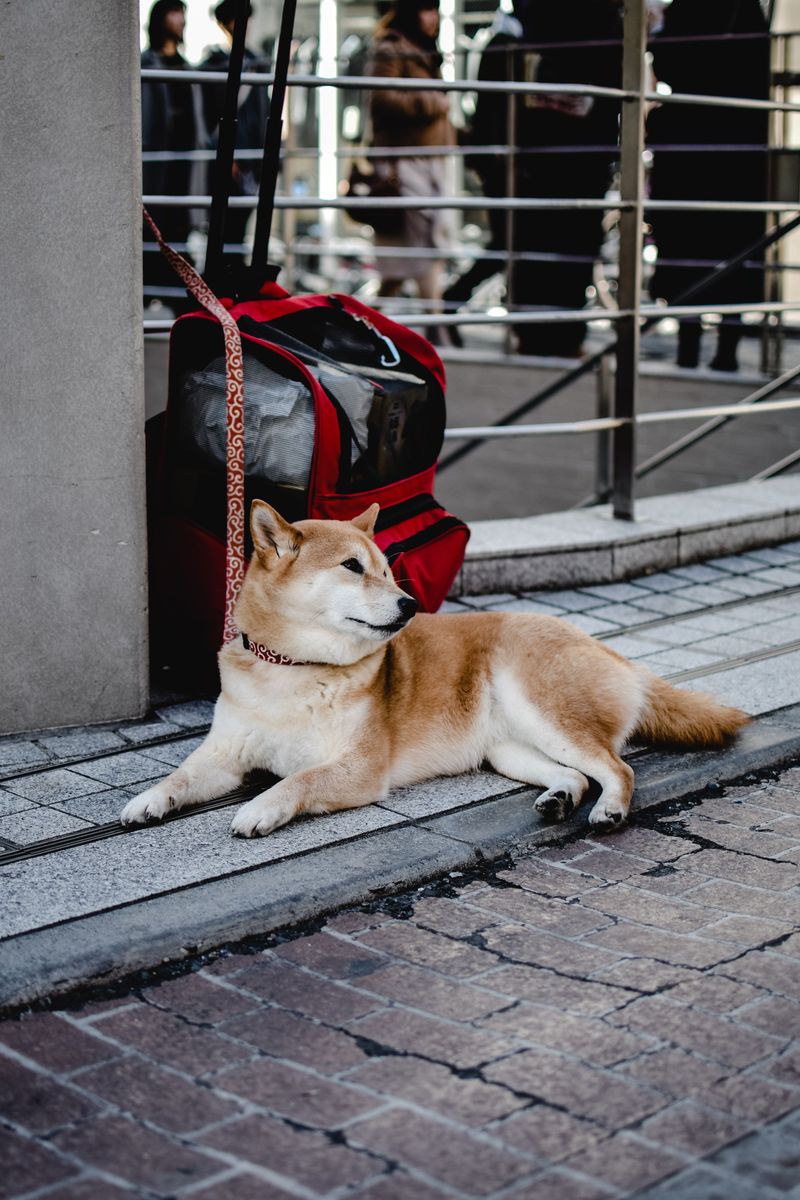
A small bag by the door removes several last-minute decisions. Pack a leash, waste bags, bowls, towels, familiar bedding, and copies of key records.
Add your dog’s usual food unless the clinic instructs otherwise.
Include identification details and make sure microchip contact information is current. Replace used supplies after each trip.
Keep medications stored according to their labels rather than permanently inside a hot or cold vehicle. A simple checklist helps another family member pack correctly too.
16. Budget for More Than the Veterinary Bill

Fuel, meals, lodging, and missed work can add up beside medical expenses. Request an estimate from the specialty clinic, while recognizing that findings may change costs.
Ask what the estimate includes and excludes.
Set aside travel funds when possible and discuss payment policies before arrival. If you have pet insurance, confirm coverage and reimbursement requirements with your provider.
Ask about available financial resources without assuming eligibility. Planning these details early leaves more attention available for your dog.
17. Ask What Care Can Be Done Locally
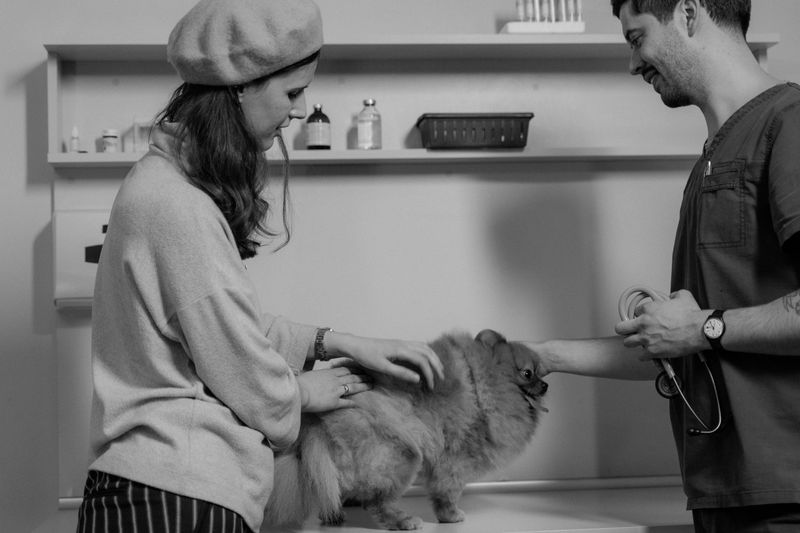
Not every step of specialty treatment has to happen far from home. Blood tests, some wound checks, or medication monitoring may be possible locally.
The specialist should decide which tasks can safely be shared.
Ask both clinics to agree on responsibilities and timing. Confirm where results should go and who will explain them.
Local support can reduce travel while keeping the specialist involved. Never skip a required return visit simply because your dog seems more comfortable now.
18. Make a Plan for Winter Emergencies
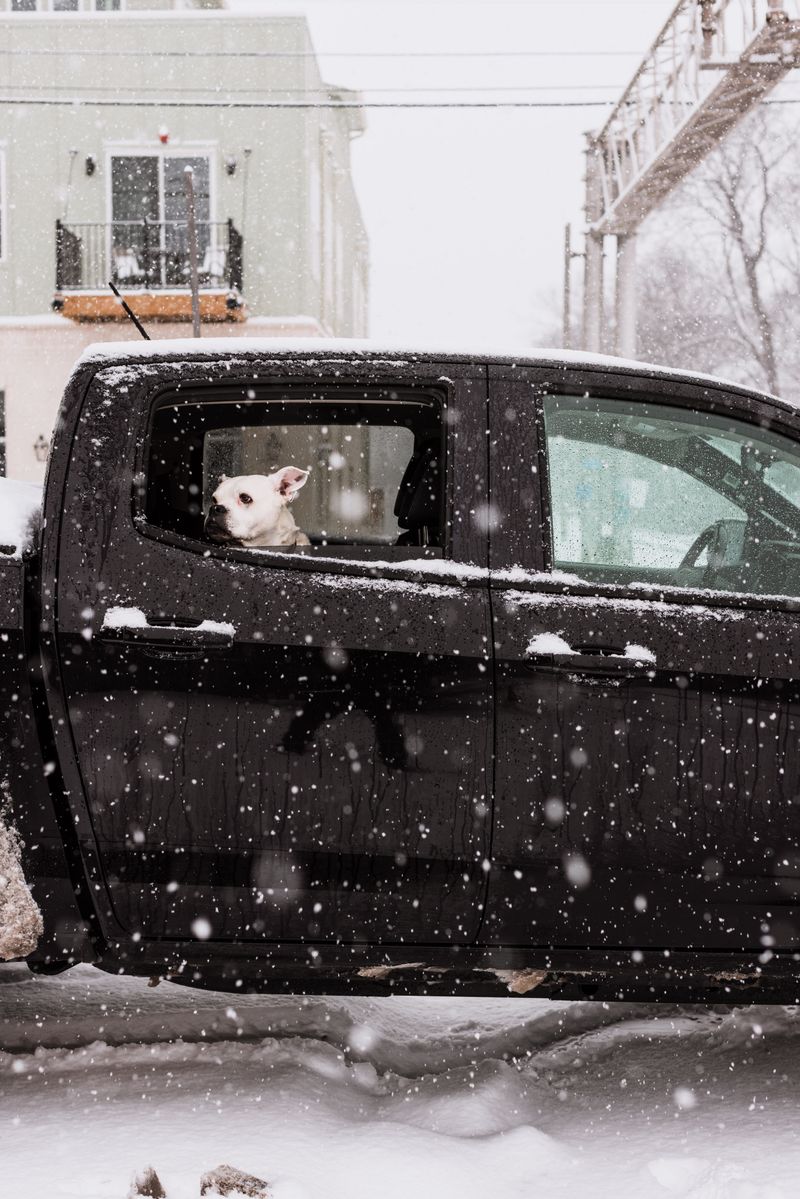
Winter readiness starts before the forecast calls for heavy snow. Maintain your vehicle, keep fuel available, and store supplies for an unexpected delay.
Arrange a backup driver who understands your dog’s travel needs.
During urgent concerns, call veterinary staff for guidance rather than waiting for roads to improve without advice. Ask about nearby stabilization if distant travel is unsafe.
Review your contacts and routes each season. A prepared plan makes a long drive feel less uncertain.