What Rural California Dog Owners Should Plan For When Specialty Vet Care Means A Long Drive
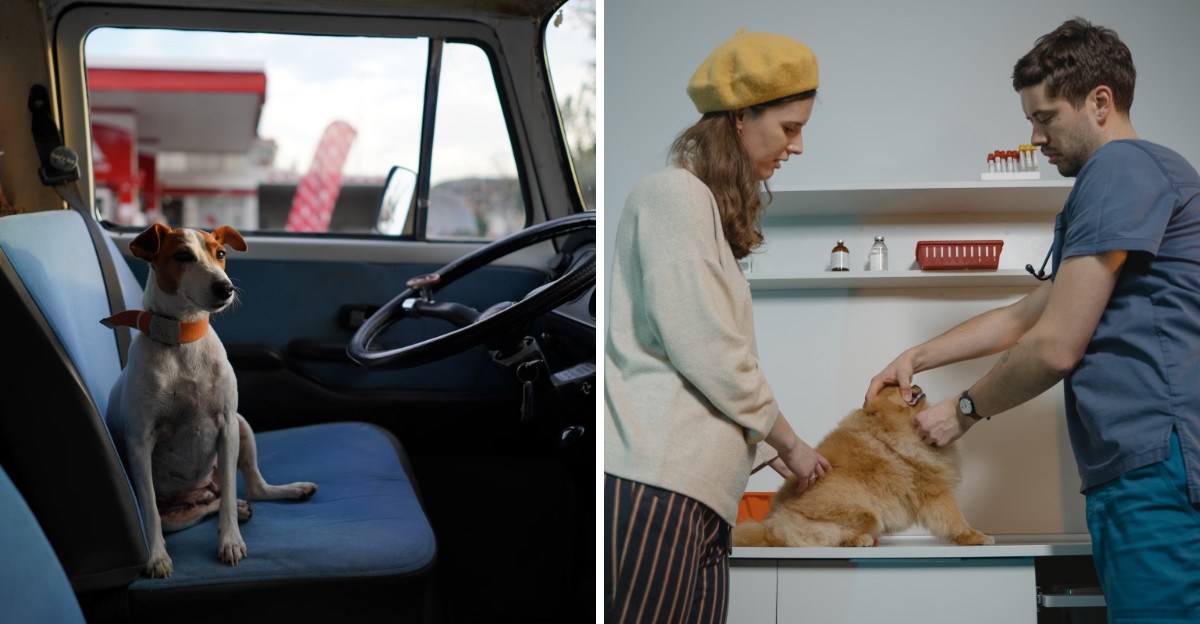
When your dog needs a specialist, the nearest one might be hours away. For many rural California families, that means a long drive to a bigger city.
A little planning can make the trip calmer for you and easier on your dog. Here is what every local owner should know before heading out, shared like advice from a friend who has made the drive before.
1. Check Who Is Available and How Soon

Specialists can be busy, and rural owners often feel that first. Wait times may stretch for weeks, especially in crowded areas like Los Angeles or the Bay Area.
Call ahead and ask a few key questions. Is the specialist taking new patients?
Do they require a referral from your regular vet?
Ask about the soonest opening and whether a waitlist exists. Getting on a cancellation list can sometimes shorten your wait by days.
2. Send the Paperwork Before You Go
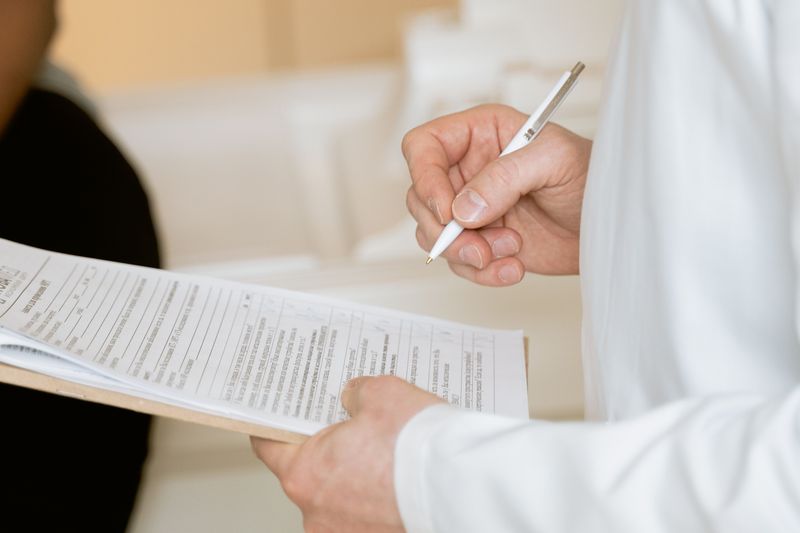
Picture arriving after a four-hour drive, only to repeat tests already done at home. Sending records early helps prevent that.
Ask your vet to forward lab results, X-rays, medication lists, and vaccine records. Confirm the specialist actually received them a few days before your visit.
Keep your own copies too. A paper folder plus photos on your phone covers you if the clinic’s system has a hiccup.
3. Start With Your Hometown Vet
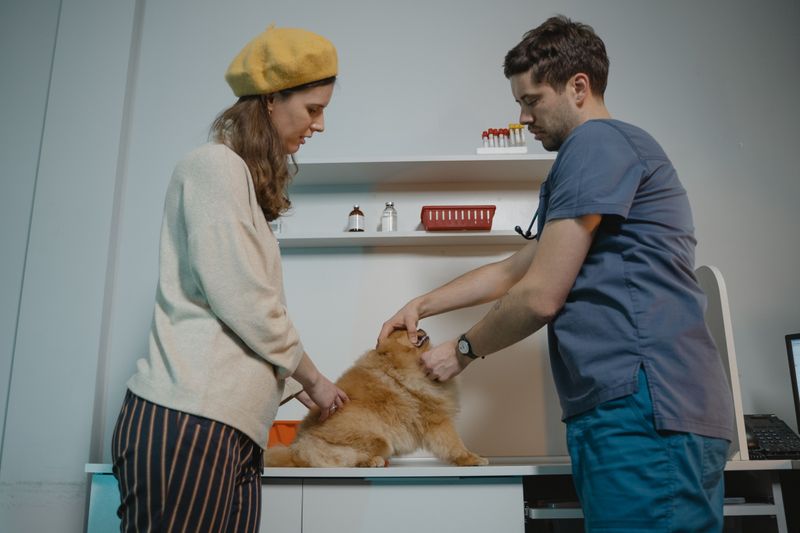
Your local veterinarian knows your dog’s history better than anyone. That makes them the best starting point before booking specialty care.
They can run a pre-trip health check and confirm vaccines are current. They can also talk through how travel might affect your dog’s condition.
Most specialists prefer a referral from your regular vet. A phone call between the two offices often makes the first visit smoother and more focused.
4. Ask About Video Visits

Good news for distant owners: veterinary telemedicine became legal in California on January 1, 2024. Licensed vets can now offer care through video.
Some specialty services, like behavior and nutrition at UC Davis, offer remote options. A video follow-up could save you a full day on the road.
You will need a steady internet connection and a device with a camera. Some conditions still require hands-on exams, so ask what fits.
5. Confirm the Pre-Visit Rules
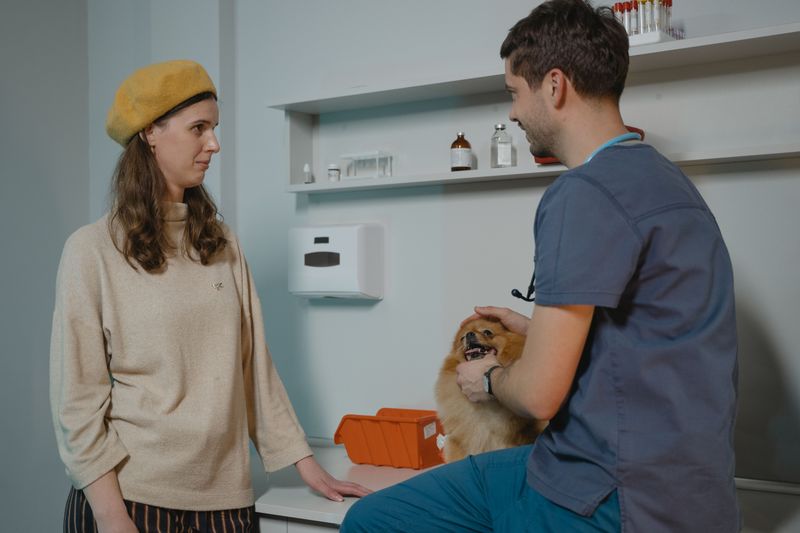
A simple breakfast mistake can delay a test that requires an empty stomach. Many procedures and some bloodwork need fasting first.
Call the clinic and ask exactly when food and water should stop. Ask whether regular medications should be given that morning or held.
Write the answers down and tape them to the fridge. Early morning departures make it easy to forget small but important details.
6. Build a Realistic Medical Budget

Costs add up quickly in specialty care, so a clear estimate helps. X-rays can run about $75 to $400, and bloodwork is similar.
Surgery or emergency care may range from around $1,000 to over $10,000. Prices vary by clinic, region, and how complex the case is.
Ask the specialist for a written estimate before treatment begins. It is fair to ask which tests are urgent and which can wait.
7. Count the Road Costs Too
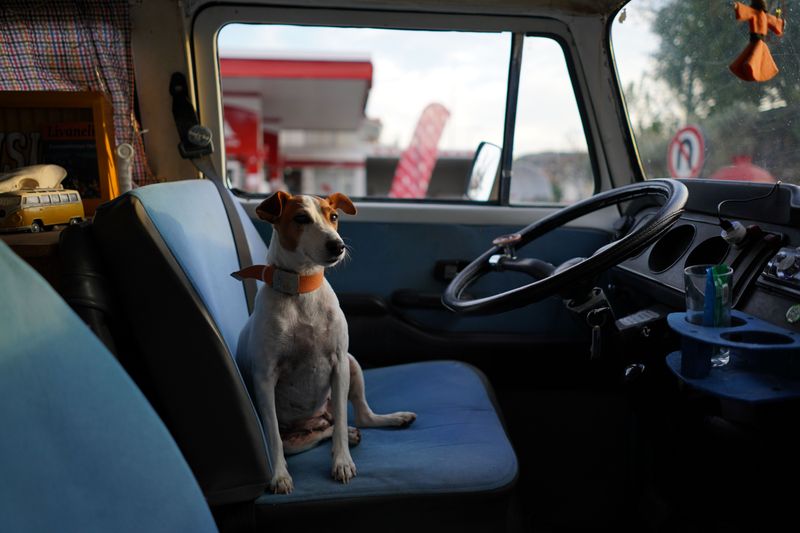
The vet bill is only part of the story. Long trips come with their own expenses that are easy to overlook.
Think about fuel for the round trip, city parking fees, and meals along the way. Add lodging if the drive is too long for one day.
Setting aside a small travel fund ahead of time keeps surprises manageable. Even a rough guess is better than no plan.
8. Know Your Insurance and Payment Options
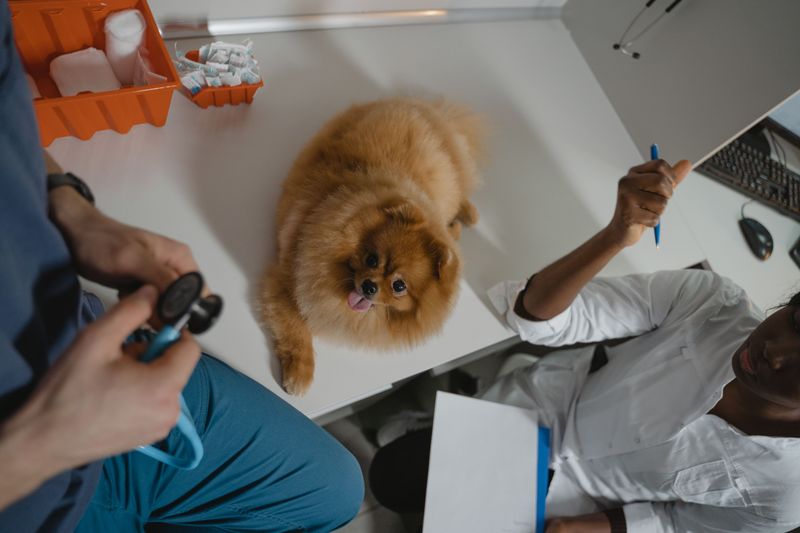
Pet insurance can ease the strain, with some plans reimbursing up to 90 percent of covered bills. Coverage rules differ widely, though.
Check your deductible, reimbursement limits, and whether specialists are covered. Find out if you pay first and get repaid later.
Without insurance, financing like CareCredit or ScratchPay may help. Some nonprofits offer aid, but many require paperwork and rarely cover care already finished.
9. Clear Your Whole Calendar
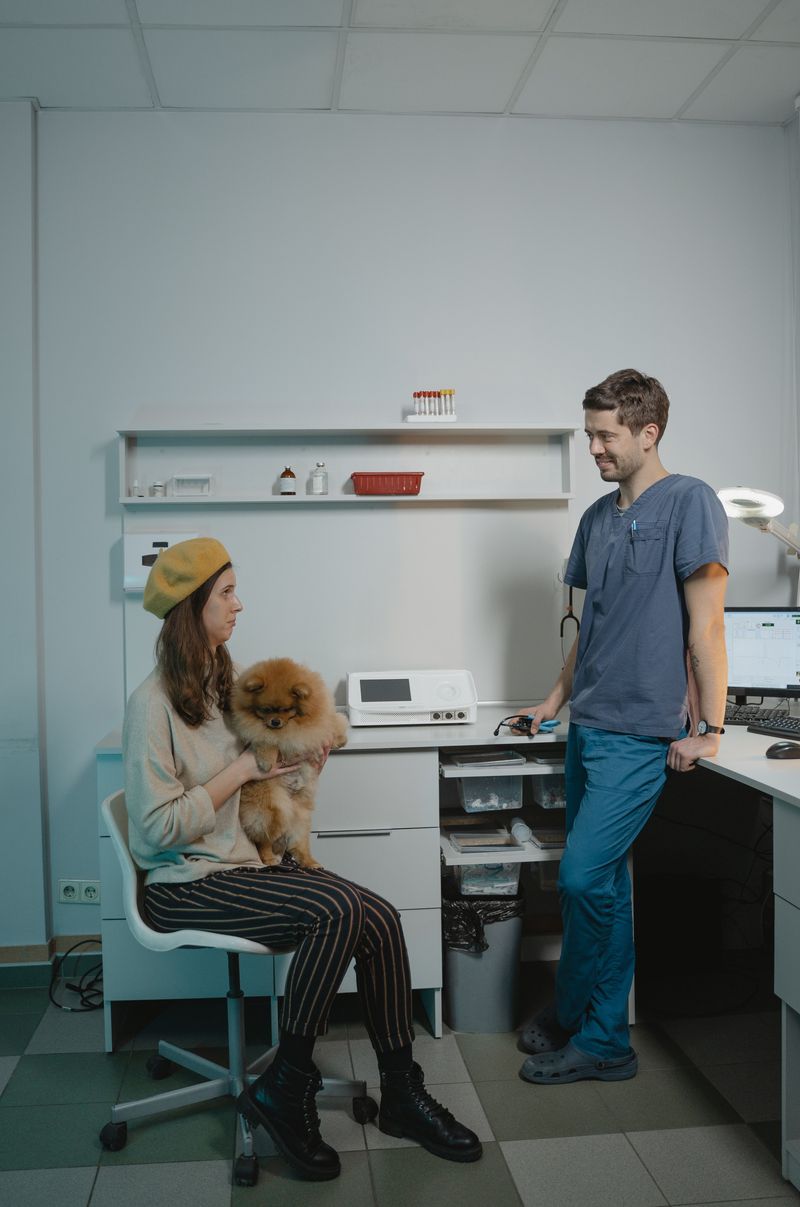
Specialty visits rarely fit into a quick hour. Exams, imaging, and consultations can stretch across most of the day.
Take the full day off work if you can. Arrange care for kids, livestock, or other pets back home.
Bring snacks, a phone charger, and something to read. Ask whether you can wait nearby while tests run, since some clinics will call when ready.
10. Watch the Roads, Fires, and Weather
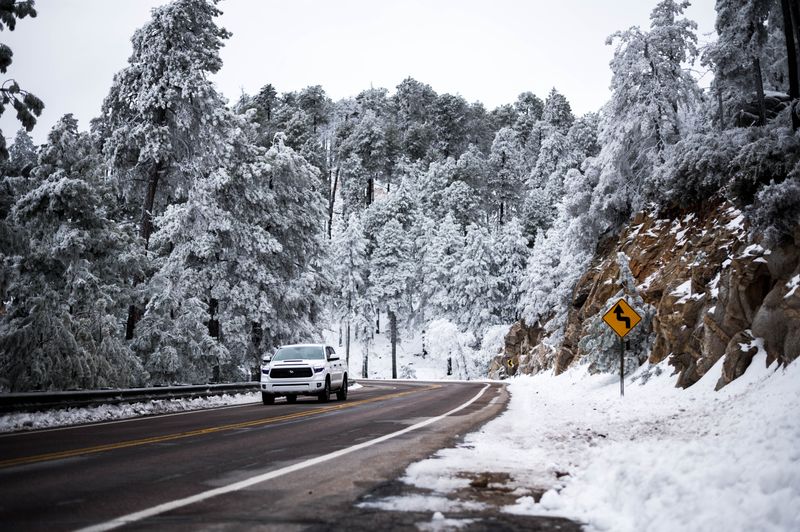
California roads can change fast. Snow closes mountain passes, and wildfire smoke can shut highways with little warning.
Check Caltrans QuickMap the night before and again in the morning. Look at the National Weather Service forecast for your whole route.
During fire season, follow official wildfire maps and local alerts. Heat waves matter too, since hot weather can be hard on dogs during travel.
11. Pad Your Drive Time
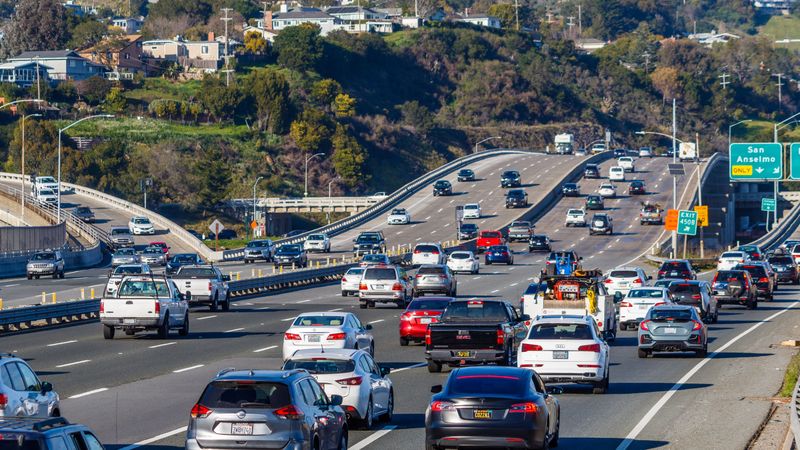
Rural roads may be quiet, but the city end of your trip often is not. Traffic near urban centers can add an hour easily.
Plan to arrive at least 30 to 60 minutes early. That buffer covers construction, accidents, or a surprise bathroom stop.
Real-time tools like Caltrans QuickMap or Sigalert help you spot trouble early. Arriving calm helps your dog stay calm, too.
12. Map Your Backup Hospitals

Hopefully you will never need them, but knowing where help sits brings real peace of mind. Rural stretches can be far from any clinic.
Look up 24-hour emergency animal hospitals along your route. Note ones near your destination and near home as well.
Save their names, addresses, and phone numbers in your phone. A printed copy helps where cell signal fades in the hills.
13. Pack a Smart Travel Bag
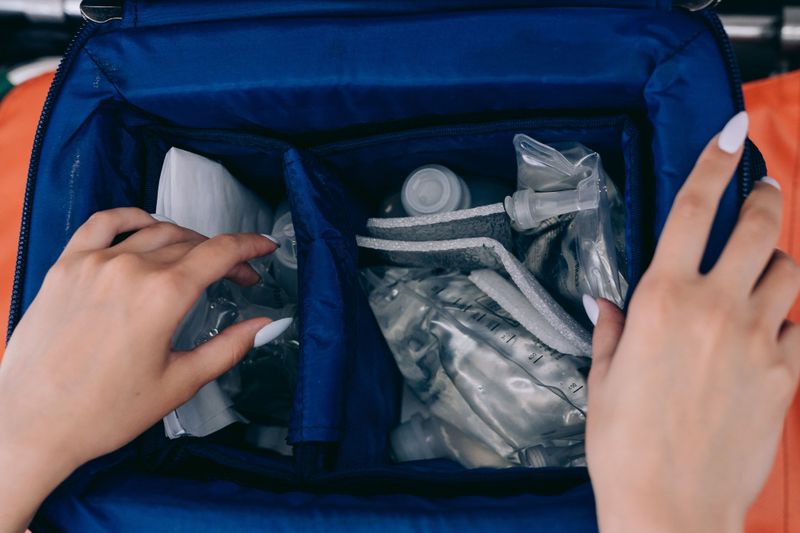
A well-stocked bag turns small problems into minor bumps. Start with all medications plus a few extra days’ supply and a printed list.
Add water from home, bowls, food in sealed containers, and a familiar blanket. Some dogs get upset stomachs from unfamiliar water.
Include waste bags, paper towels, pee pads, and a basic first aid kit. A spare leash is a small item worth having.
14. Secure Your Dog for the Ride
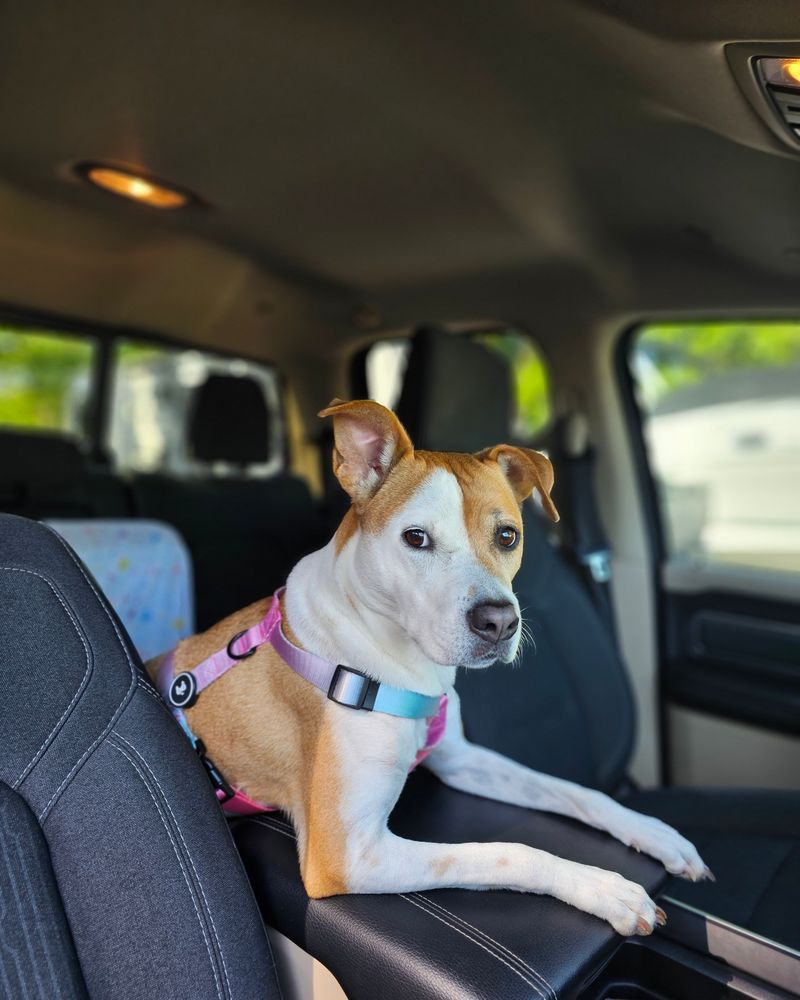
California does not require dogs inside cars to be restrained, but safety experts strongly recommend it. Loose pets distract drivers and risk injury.
A crash-tested harness, sturdy crate, or secured kennel works well. The back seat is generally the safest spot.
For pickup beds, state law requires a secured crate or cross-tethers in many situations. Dogs with injuries may need orthopedic padding and non-slip surfaces.
15. Plan Your Pit Stops
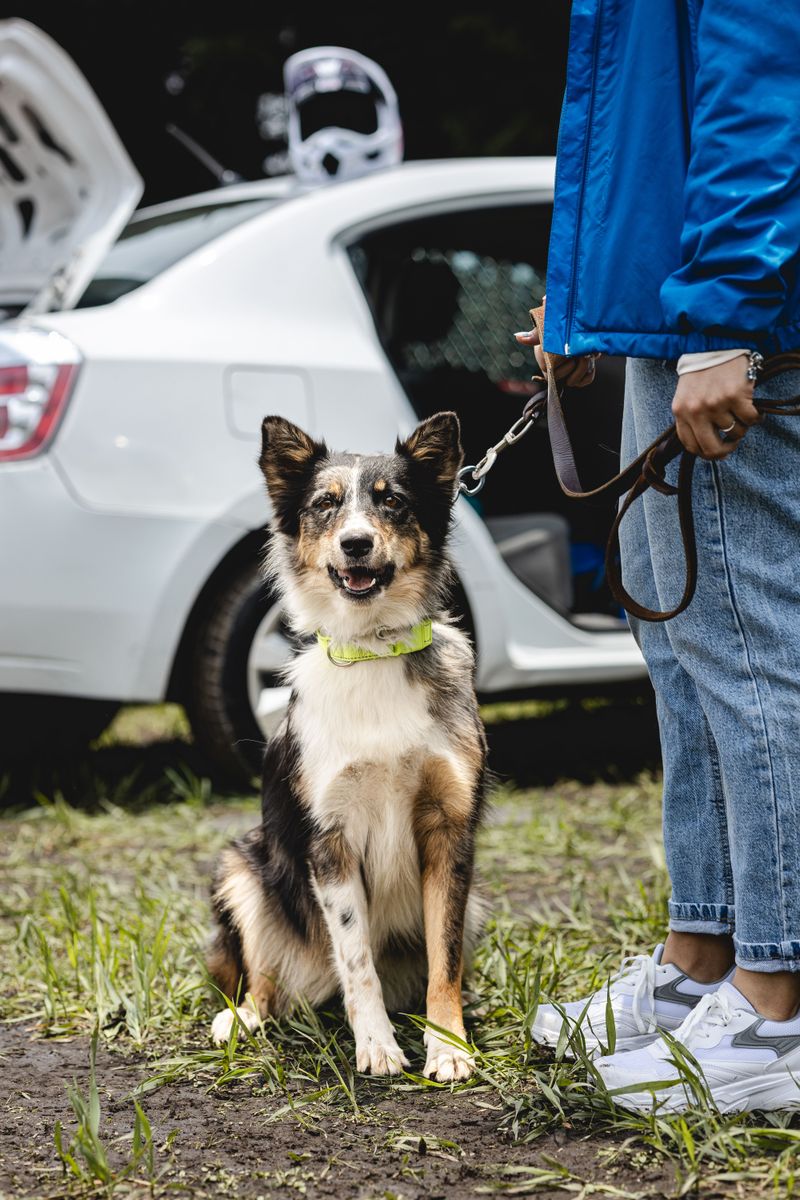
Breaks are not just for people. Dogs need time to stretch, drink, and relieve themselves on long drives.
Senior dogs or those with health issues may need a stop about every hour. Look up rest areas ahead of time.
Always keep your dog leashed outside the car, even if they are usually calm. A portable ramp can help stiff or older dogs climb back in safely.
16. Book a Dog-Friendly Place to Stay

Sometimes driving home the same day just is not wise. Early appointments or tiring treatments often make an overnight stay the better choice.
Reserve a pet-friendly hotel near the clinic in advance. Ask about pet fees, deposits, weight limits, and rules about leaving dogs alone.
Choosing a ground-floor room can help recovering dogs avoid stairs. A quiet spot away from elevators often helps them rest better.
17. Be Ready for a Longer Stay
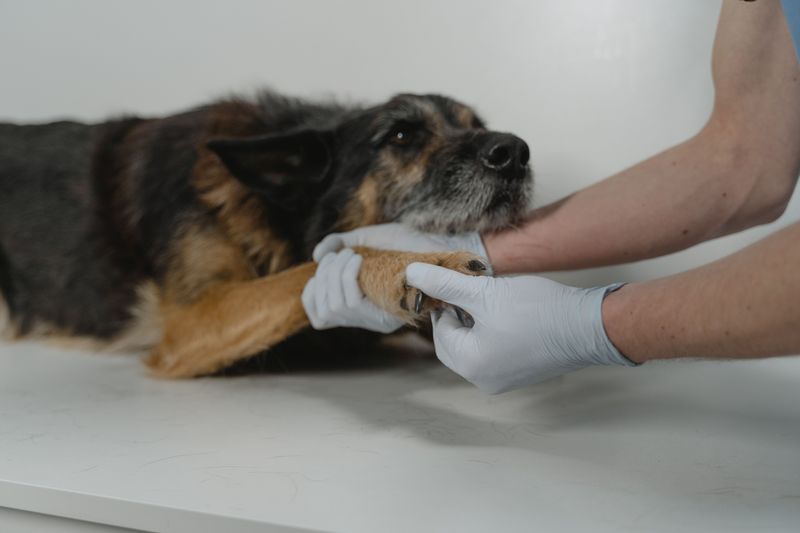
Plans can shift once a specialist sees your dog. Surgery or a hospital stay might be recommended the same day.
Pack extra food, medications, and a comfort item just in case. Bring a change of clothes and essentials for yourself as well.
Think ahead about who could cover things at home for a few extra days. If your dog uses a wheelchair, spare parts are smart to bring.
18. Make the Ride Home Gentle
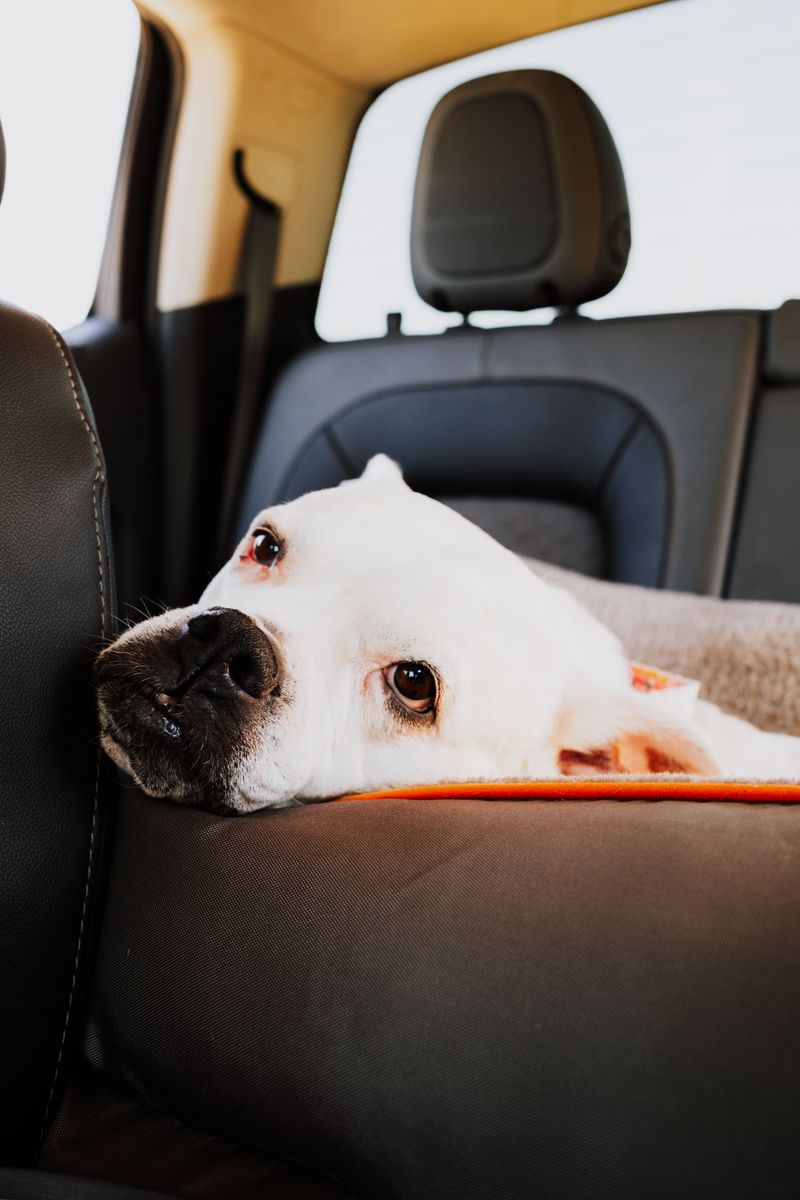
A dog leaving surgery or sedation may be wobbly and sleepy. The ride home needs a little extra care.
Set up a padded, non-slip space where your dog cannot slide. A secure crate or support harness can prevent falls.
Ask the team how to lift your dog safely. At home, prepare a quiet recovery area on one level, away from stairs and slick floors.


