North Carolina Dog Owners Should Recheck Local Registration After Changing Cities Or Counties
Moving to a new town in North Carolina brings plenty of tasks, and your dog’s paperwork belongs on that list. Each city and county sets its own pet licensing rules, so what worked at your old address may not apply now.
A few quick checks can save you fees, stress, and confusion later. Think of this guide as a friendly heads-up from someone who has sorted through the details for you.
1. Some Places Ask, Others Do Not
Here is a surprise for many new movers. Most North Carolina counties do not require a general pet license at all.
Forsyth County dropped general licensing fees. Orange County stopped them on July 1, 2023, though rabies shots are still required.
Durham County also removed its license requirement.
Moving from one of those areas into Charlotte or Dare County changes things. You may suddenly need a license you never needed before.
2. Your Old License Probably Stays Behind
That shiny tag from your last town feels official. Sadly, it likely means little in your new one.
State law does not spell out transfer rules between localities. Because fees, systems, and records differ, registrations generally do not carry over.
The safest plan is simple. Expect to register again after you move.
Ask your new animal services office whether any credit applies, but do not count on it.
3. Rules Change at the County Line
North Carolina has no single statewide dog license. Each city or county decides its own rules instead.
Charlotte-Mecklenburg licenses dogs four months and older. Asheville requires annual licenses for dogs six months or older living in the city over 30 days.
Dare County asks every dog owner to get a county license.
So your new home may follow very different rules. A quick call to local animal services clears things up fast.
4. Watch the Clock After Moving Day
Unpacking takes weeks, but your dog’s license timeline may be shorter. Some places give you a set window.
New Charlotte-Mecklenburg residents must license pets within 30 days of moving in. Asheville also asks new residents to buy a dog license within 30 days.
Other areas may use different deadlines or none at all. Set a phone reminder during your first week.
That small step keeps late fees off your plate.
5. One Year or Three? It Depends
License lengths are not the same everywhere. Choosing wisely can mean fewer renewals to remember.
Charlotte-Mecklenburg offers both one-year and three-year licenses. New Hanover County provides a one-year option.
Asheville licenses cover the calendar year and renew by January 1. Dare County licenses also follow the calendar year, with renewal due by January 31.
Ask which options your new area offers. A longer license may simply be more convenient.
6. Prices Shift From Place to Place
Ten dollars in one county might be sixty in another. Fees really do vary that much.
New Hanover County charges $10 for a fixed adult dog and $60 for an unaltered one. Charlotte-Mecklenburg charges $10 for a sterile one-year license and $30 for a fertile one.
A three-year sterile license costs $25.
Fees can change over time too. Check the current price on your local animal services website.
7. Fixed Pets Often Pay Less
Good news for owners of spayed or neutered dogs. Many localities reward that choice with lower fees.
Both New Hanover County and Charlotte-Mecklenburg offer reduced rates for sterilized animals. The goal is to encourage pet population control.
You will usually need proof. A veterinarian’s statement or an invoice for the surgery typically works.
Keep a copy handy in your moving folder so you can claim the discount quickly.
8. A Perk for Older Owners
Retirement can come with a few nice bonuses. Some areas include pet licensing in that list.
In Charlotte-Mecklenburg, owners aged 62 and older may get a free license. The pet must be spayed or neutered, and proof of age is required.
Not every county offers this benefit. If you or a family member qualifies by age, ask your new office directly.
A short question could save money every year.
9. Special Rules for Working Partners
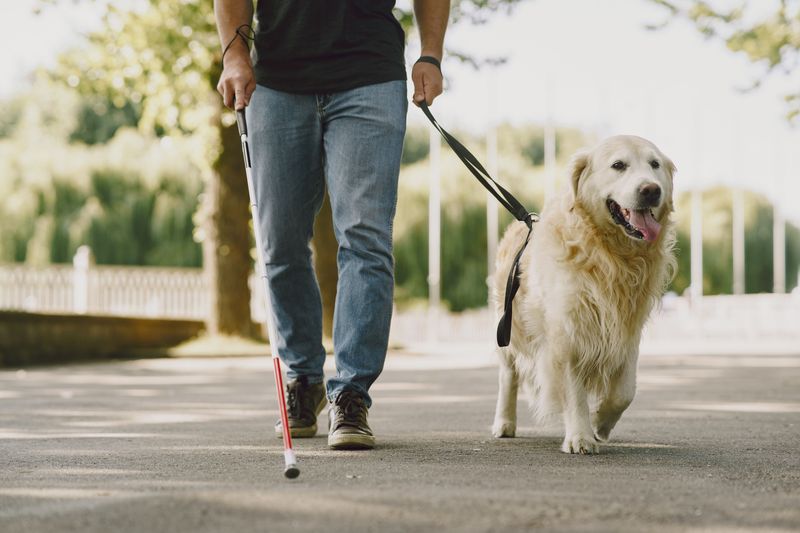
Service dogs do real jobs for people with disabilities. Federal and state laws protect them in public places.
Handlers cannot be charged extra fees or forced to show registration for public access. North Carolina offers a free, voluntary service animal registration through DHHS, with an optional tag.
Emotional support animals are different and lack the same public access rights. Local licensing rules may still apply, so confirm any exemption with your new office.
10. Rabies Proof Comes First
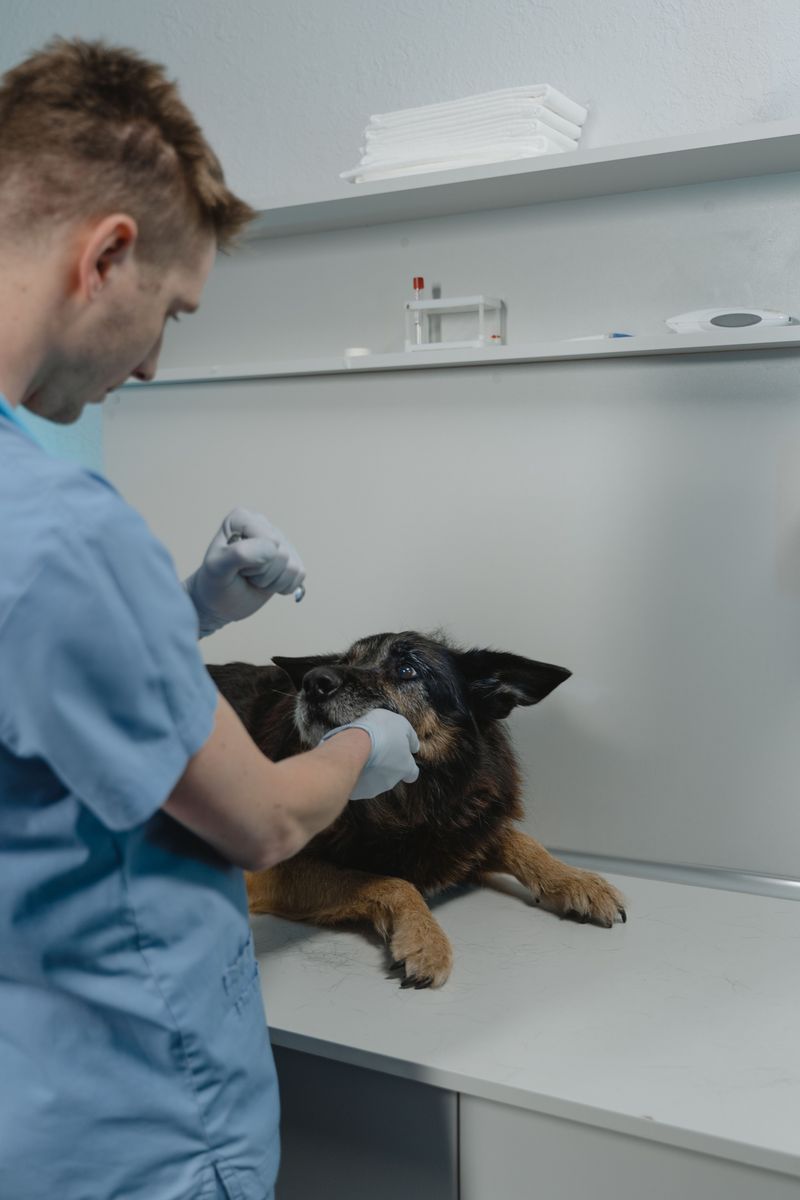
Here is one rule that follows you everywhere in the state. North Carolina law requires rabies vaccination for dogs four months and older.
That vaccination must stay current for your dog’s whole life. Cats and ferrets fall under the same law.
Many local licensing offices ask for the rabies certificate before issuing a license. Keep the paper certificate safe.
The metal rabies tag alone may not be enough.
11. Old Records Might Not Cut It
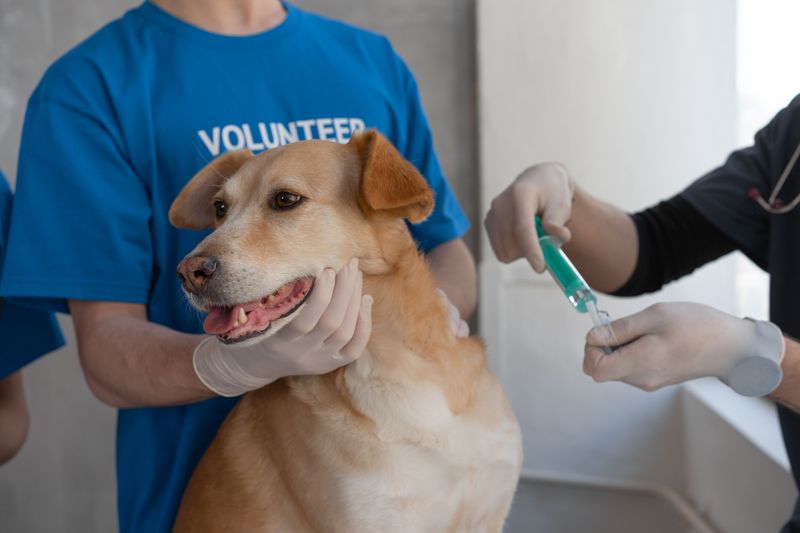
Moves are busy, and shot dates slip by easily. Licensing offices want proof of a current vaccine, not an old one.
If your dog’s rabies shot expired, you will need a new vaccination and updated record first. Local registration often helps keep these dates on track.
Before you go, check the expiration date on your certificate. Finding a new local vet early also makes future updates much easier.
12. Fresh Tags for a Fresh Start
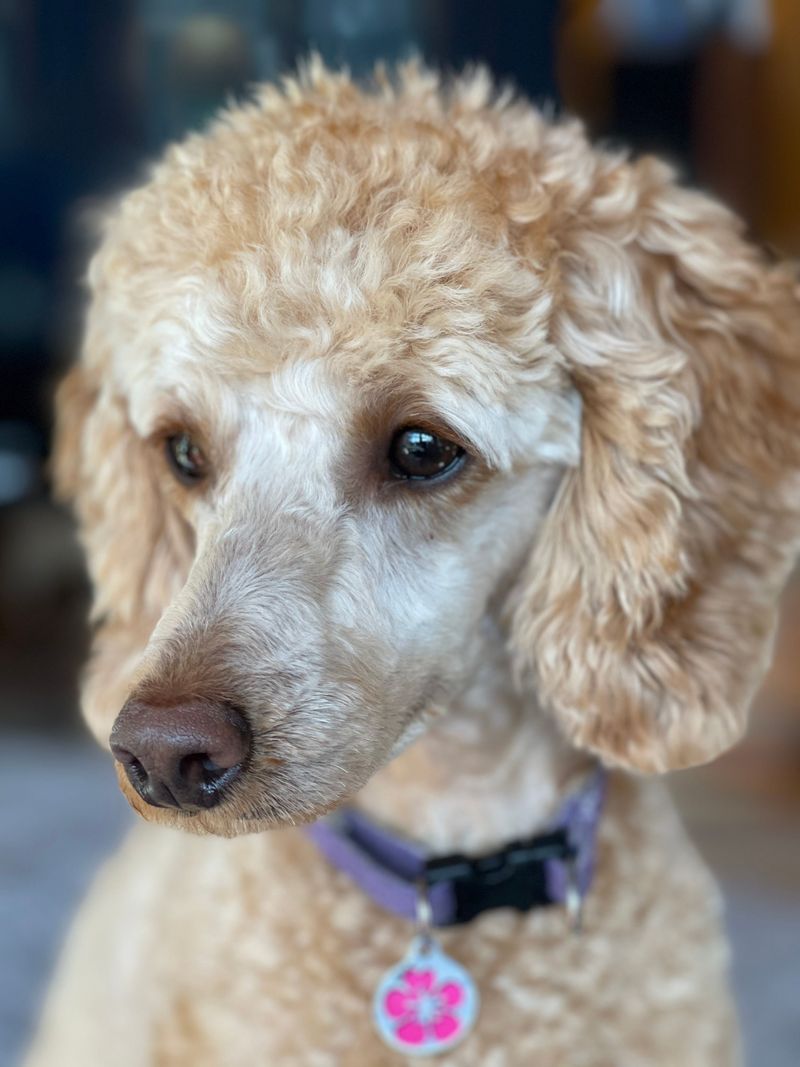
A new address often means a new tag. Each local system issues its own tags and ID numbers.
Charlotte-Mecklenburg rolled out QR code license tags in July 2021. Already licensed pets can get them at renewal, or swap an old tag for a small fee.
Once you receive a new tag, clip it on right away. Remove outdated tags so nobody calls your old county by mistake.
13. Update Where You Can Be Reached
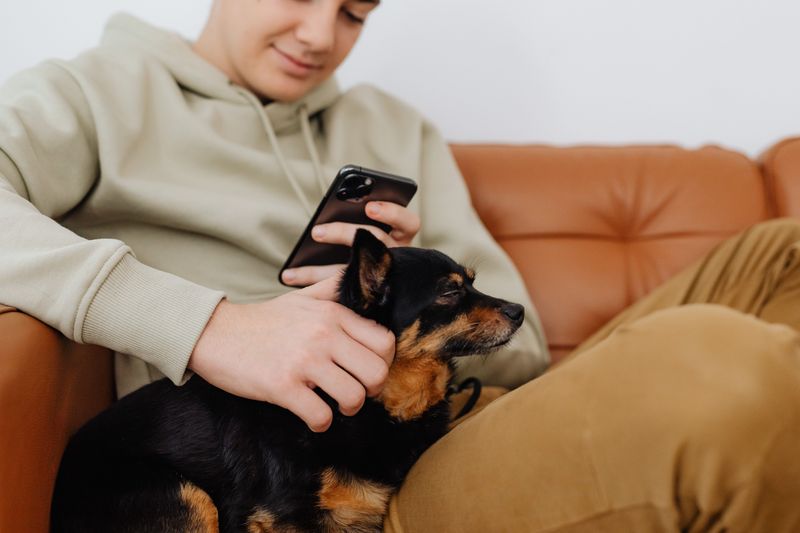
Picture someone finding your dog and calling a disconnected number. Outdated contact details cause exactly that problem.
Update your address and phone number with your licensing office and microchip company. Charlotte-Mecklenburg asks owners to check certificates for accuracy, and its digital tags allow online updates.
Wake County notes that old microchip records slow down reunions. A few minutes online can make a big difference later.
14. Good Records Bring Dogs Home
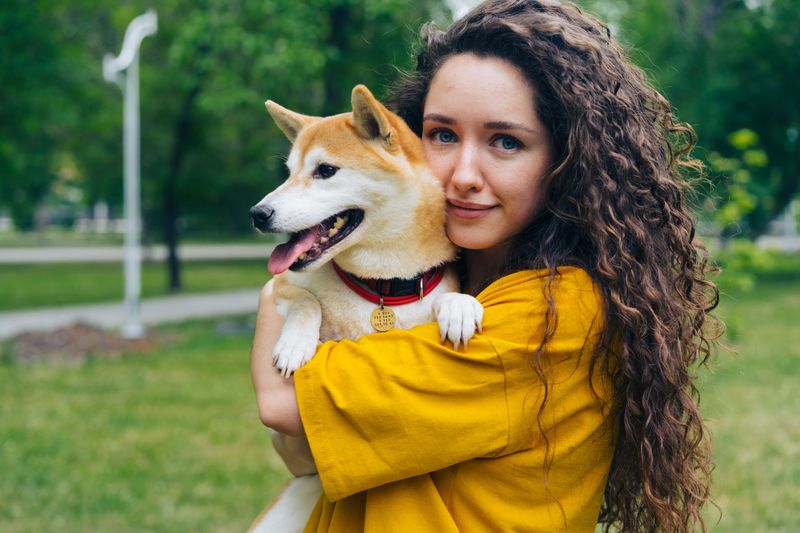
Dogs wander sometimes, even well-trained ones. Accurate registration helps them find their way back.
Charlotte-Mecklenburg designed its updated tag program to boost reunions. Microchipped pets are reportedly up to 20 times more likely to return home.
State law also requires animal control officers to scan impounded animals for chips.
A visible collar tag adds another layer. Together, these tools give your dog the best chance of a quick return.
15. Skipping It Can Cost You
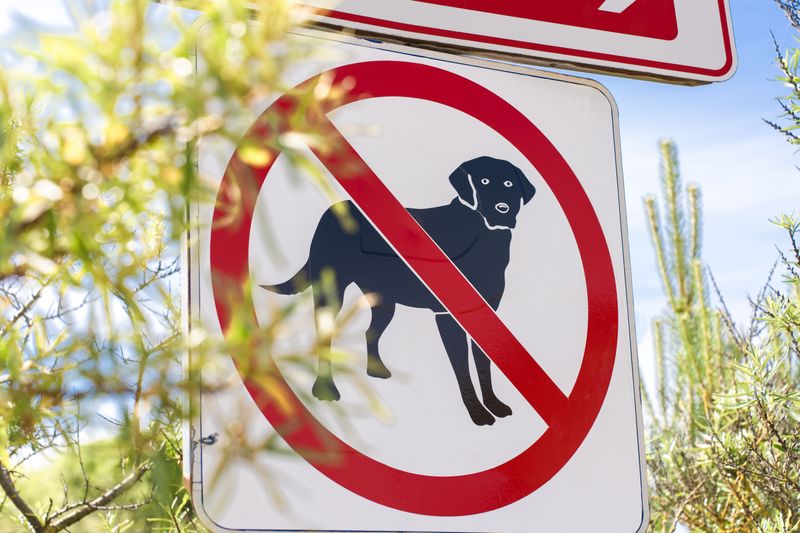
Nobody enjoys surprise bills. Local licensing rules usually include penalties for owners who miss them.
In Asheville, ordinance violations, including an unlicensed pet, start at $50. Charlotte-Mecklenburg adds a $10 late fee if a license is not bought within 30 days of the due date.
Penalties differ in every area. Staying current is almost always cheaper and easier than catching up later.
16. Big Pack, Extra Paperwork
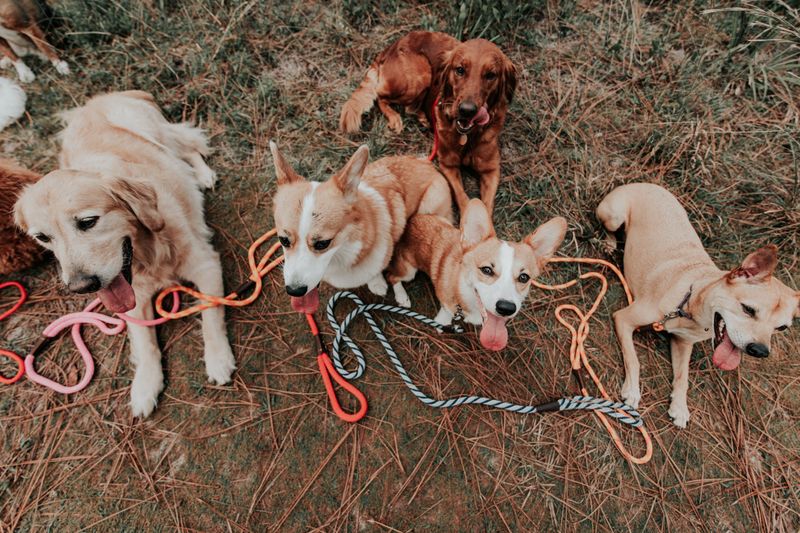
Love having a houseful of pups? Your new area might have rules about that.
North Carolina sets no statewide limit, but local rules vary. New Hanover County uses specialty registration tiers for 5 to 10, 11 to 20, or 21 or more animals.
Asheville requires permits for seven or more pets. Pasquotank County requires a kennel license for three or more dogs.
Check your count against local rules soon after moving.
17. Breeders and Kennels Face Two Layers
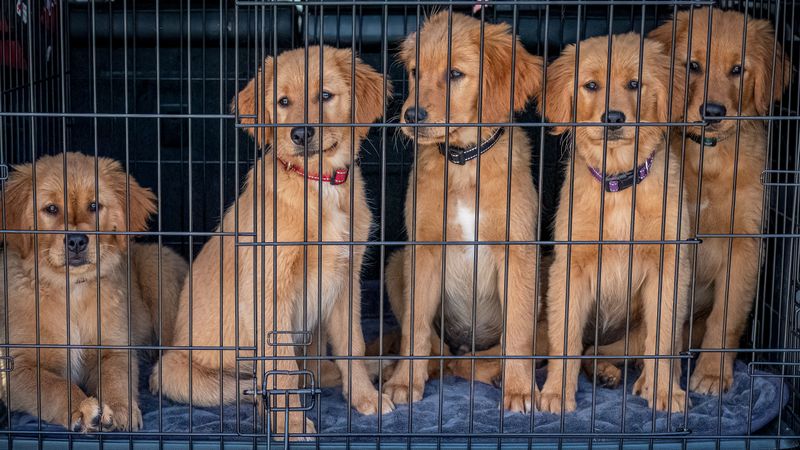
Running a kennel or breeding program adds more steps. Both state and local rules can apply.
The North Carolina Department of Agriculture licenses most commercial kennels yearly for $75. Breeders with over five fertile females, or selling over 30 animals yearly, must register as dealers.
Locally, zoning rules may also apply. New Hanover County even offers pet, show, and hunter kennel registrations.
Confirm both levels before setting up.
18. Dangerous Dog Designations Follow Local Rules
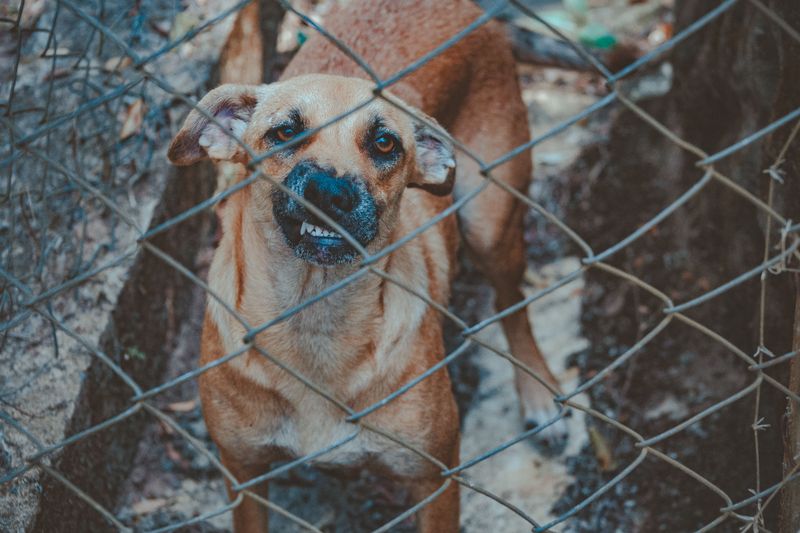
A dangerous dog label carries extra responsibilities. Those rules are mostly set by local ordinances.
Forsyth County offers a clear example. General licensing ended there, yet officially declared dangerous dogs still need a $100 annual license.
If your dog has this designation, contact your new animal services office before or right after moving. Requirements for housing, leashing, or fees may look quite different in your new community.
19. Chip Rules Are Not Universal
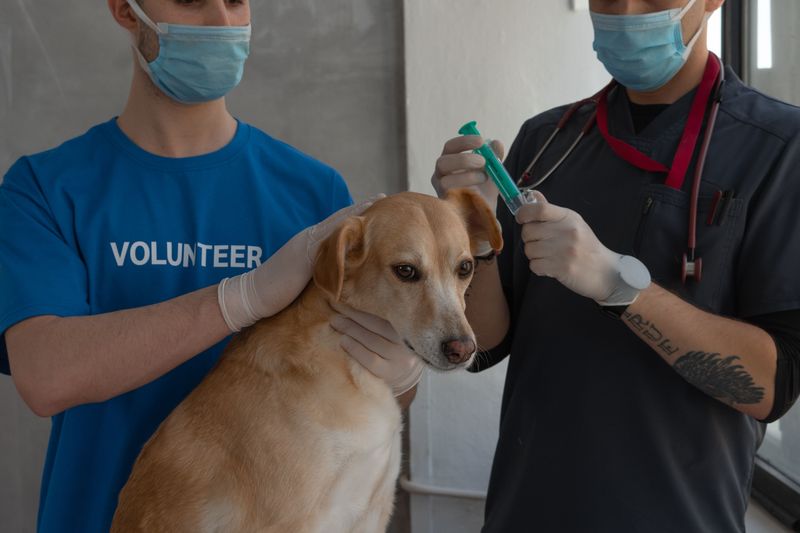
Did you know a microchip holds only an ID number? Your contact details live in a separate registry.
North Carolina has no statewide microchip mandate. Some local ordinances require chips for licensing, shelter adoptions, or certain dogs.
Wake County strongly recommends microchips for all dogs and cats.
Ask whether your new area requires one. Either way, register the chip and keep your information current.
20. Know Who Runs Things Now
Every area hands licensing to a different team. Learning who that is saves time.
Charlotte-Mecklenburg Animal Services partners with PetData, Inc. for licensing and QR tags. In Orange County, Orange County Animal Services handles local matters.
Other places may use the sheriff’s office or a city department.
Look up your new local agency online or call the county. Save their number in your phone for future questions.