19 Paw And Coat-Care Habits North Carolina Dogs Need From Pollen Season Through Summer Storms
North Carolina dogs bring home plenty of souvenirs, from spring pollen to muddy footprints after summer storms. You can keep those adventures comfortable with simple habits that protect paws, skin, and fur.
Whether you walk through Piedmont neighborhoods, mountain trails, or coastal parks, the weather shapes your dog’s care needs. A few minutes of attention each day can help you spot changes early and keep outdoor time enjoyable.
1. Make a Damp Cloth Your Doorway Helper
Yellow pollen on your porch can also hitch a ride on your dog’s fur. After spring walks, wipe paws, legs, and the belly with a soft cloth dampened with clean water.
Use light pressure, especially around sensitive skin.
Rinse the cloth often rather than spreading pollen from one area to another. Keep a fresh towel near the door for easy cleanup.
Finish by drying damp areas, and reward your patient walking buddy with a small treat.
2. Keep Baths Gentle and Purposeful
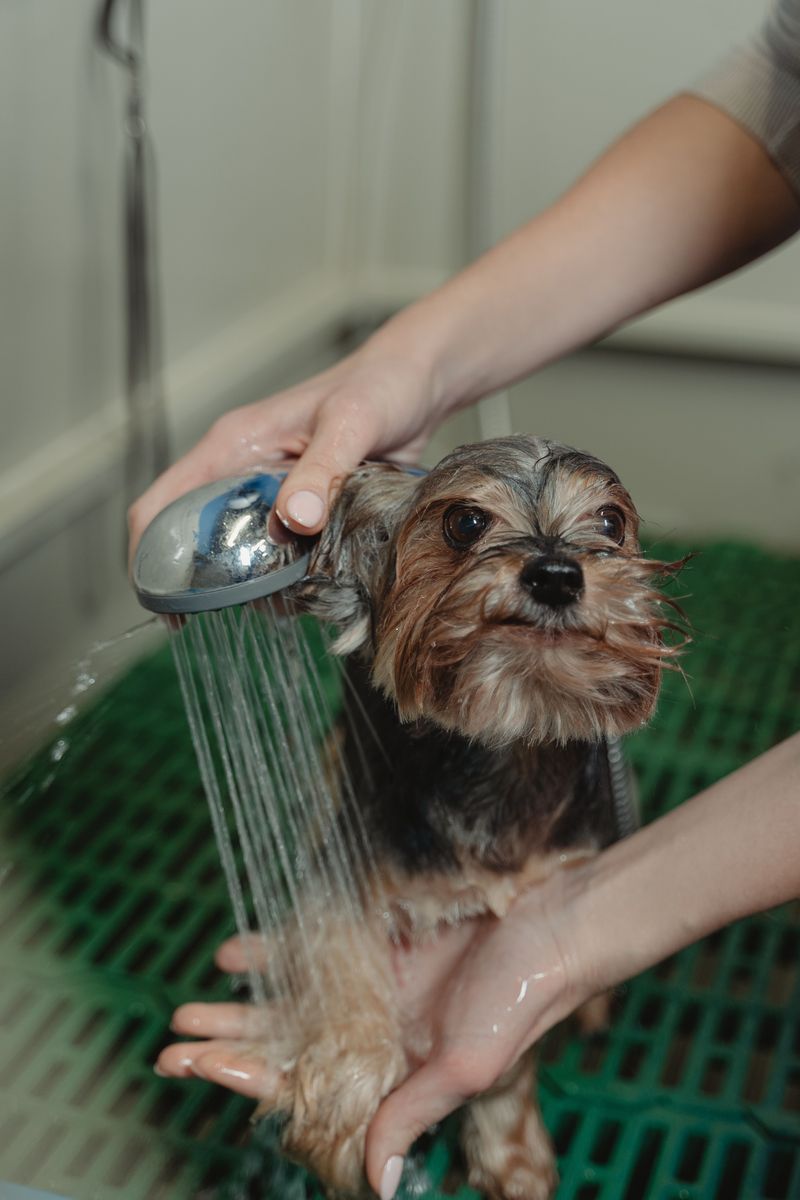
More bubbles do not always mean healthier skin. Bathe your dog when needed with a gentle shampoo made specifically for dogs.
Use lukewarm water, follow label directions, and rinse until no slippery residue remains.
Frequent washing can dry some dogs’ skin, while allergic dogs may need a veterinary bathing plan. Avoid human shampoo and improvised treatments.
Your veterinarian can recommend the right schedule and products when itching continues, especially if redness develops after an otherwise ordinary bath.
3. Give Bedding and Brushes a Fresh Start
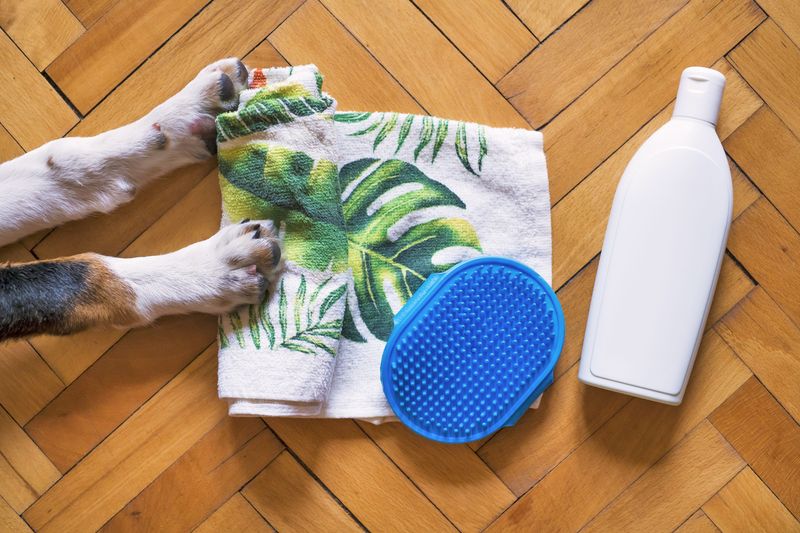
Your dog’s favorite nap spot can become a pollen collection station. Wash bedding weekly during heavy pollen periods, following its care label.
Use a detergent your dog tolerates, and dry everything completely before putting it back.
Remove trapped hair from brushes after grooming. Clean washable tools according to their instructions, then let them dry.
Remember blankets, crate pads, and washable couch covers too. A clean resting space helps keep yesterday’s outdoor allergens from returning to freshly groomed fur.
4. Brush Away the Outdoor Hitchhikers
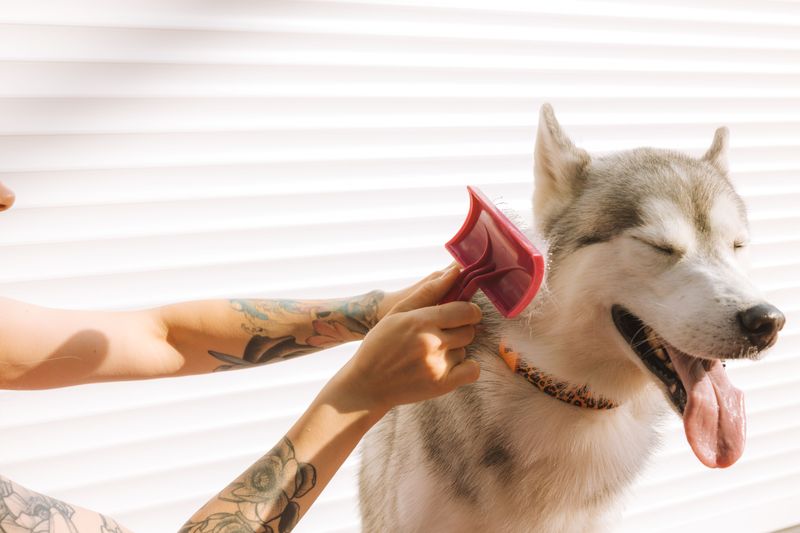
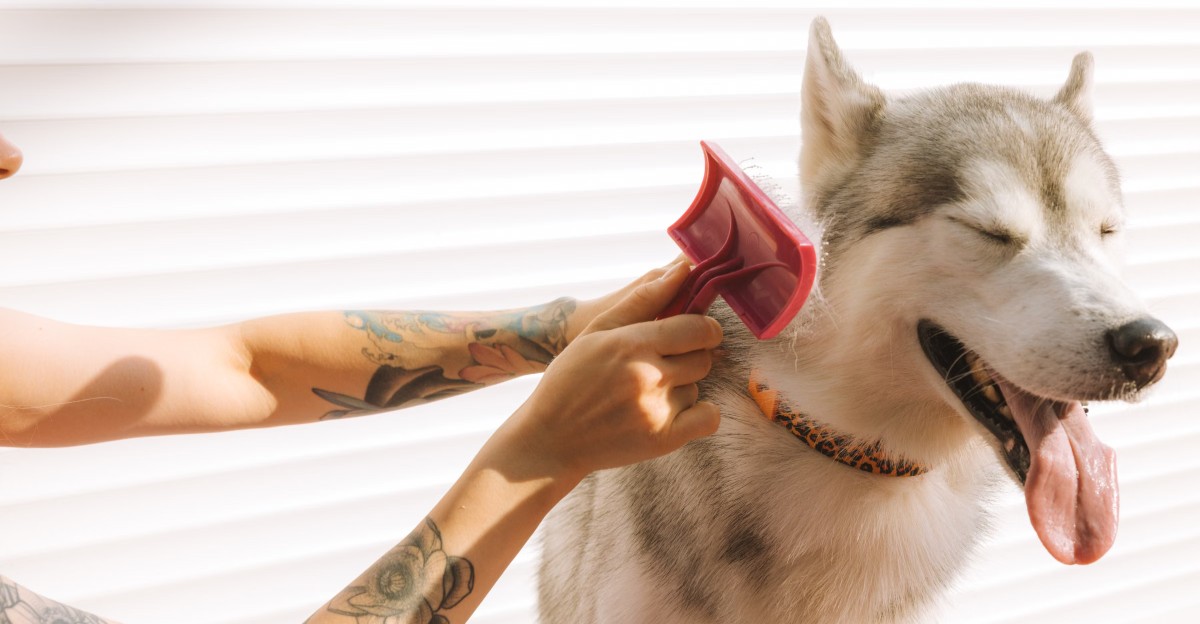
A quick brushing session can reveal what yesterday’s trail left behind. Choose a brush suited to your dog’s coat, and work gently with the hair’s direction.
Regular brushing removes loose fur, dirt, and pollen while spreading natural skin oils.
Pay attention to the chest, legs, and feathered areas where debris collects. Stop if brushing hurts or catches tightly tangled fur.
Ask a groomer about suitable tools instead of pulling through stubborn mats at home with force.
5. Notice When Licking Becomes a Pattern
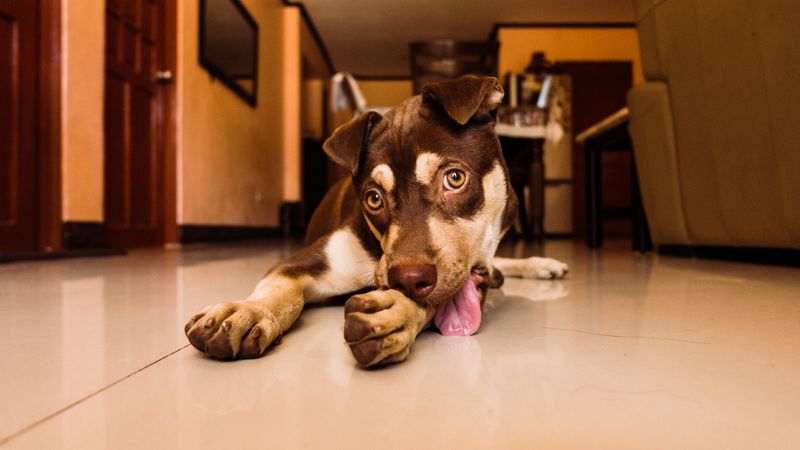
Occasional paw grooming is normal, but repeated licking deserves attention. Watch for scratching, redness, irritated ears, or chewing that interrupts rest.
Seasonal allergies can cause these signs, though parasites, injuries, and infections may look similar.
Write down when symptoms appear and which areas bother your dog. Photos can help your veterinarian track changes.
Arrange an appointment for persistent irritation rather than guessing at treatments. Do not give human allergy medicine unless your veterinarian approves the specific product.
6. Add a Tick Check After Trail Time
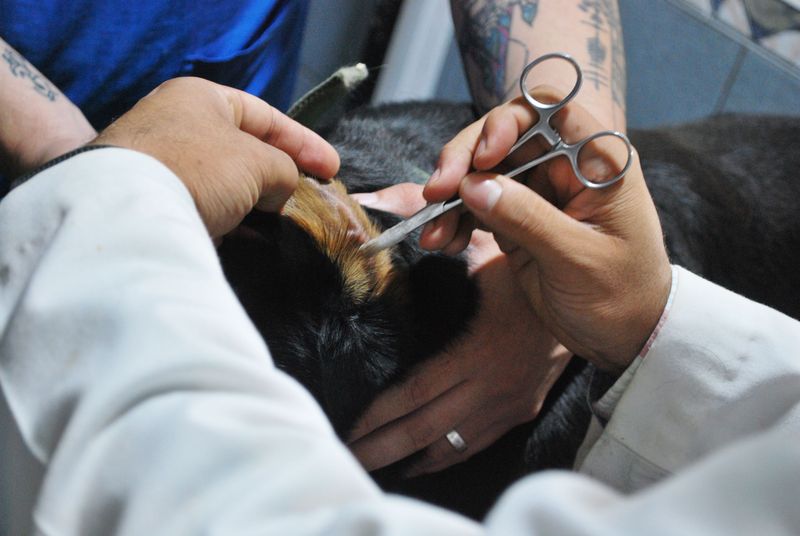
Wooded trails and grassy edges make wonderful sniffing routes, but ticks share those spaces. After outings, run your fingers through the coat and part thick fur.
Check ears, neck, armpits, toes, and beneath the collar.
North Carolina has several tick species with different active seasons. Remove attached ticks promptly using an appropriate tool or tweezers near the skin.
Pull steadily without twisting. Ask your veterinarian for help if removal feels difficult or your dog seems unwell afterward.
7. Keep Prevention on the Calendar
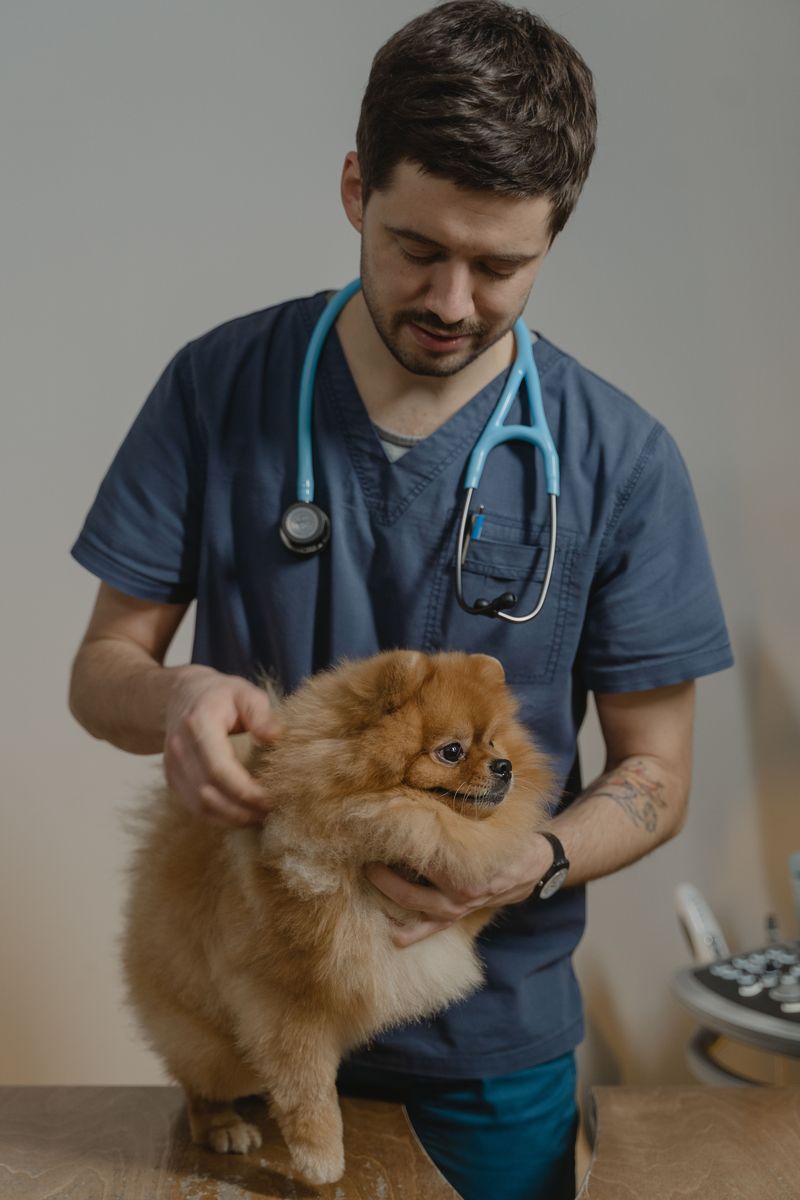
A chilly week does not erase North Carolina’s flea and tick concerns. Keep veterinarian-recommended prevention going throughout the year, even when your dog spends more time indoors.
Choose products suited to your dog’s weight, age, and health.
Set reminders for doses or replacement dates, and follow the product instructions exactly. Never combine treatments without veterinary advice.
Mention other household pets when discussing options. Some dog products are unsafe for cats, so careful selection protects the whole household.
8. Keep Nails Ready for Steady Steps
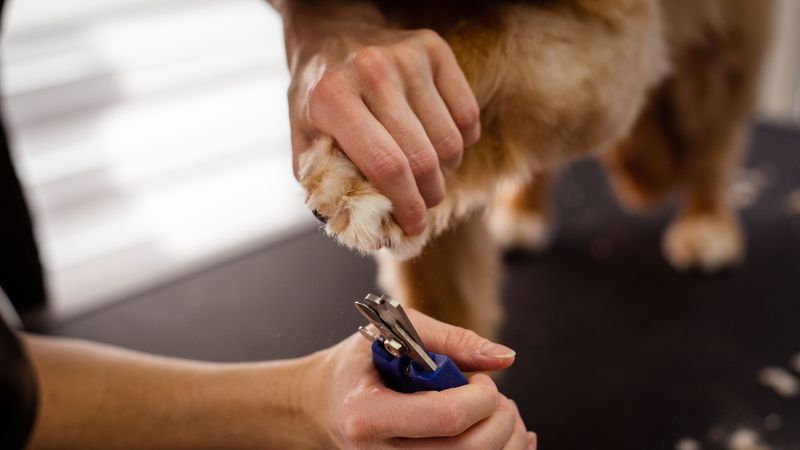
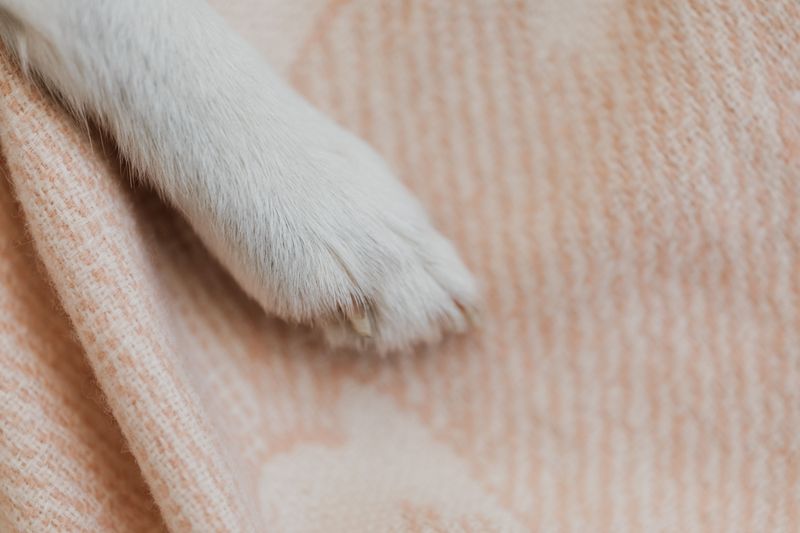
Clicking nails on the kitchen floor may signal that a trim is due. Overgrown nails can change how paws meet the ground and make walking uncomfortable.
Regular trimming supports normal footing, including on damp surfaces.
Take small amounts and avoid the quick, which contains nerves and blood vessels. Include dewclaws, since they may not wear down during walks.
If your dog worries about nail tools, practice gentle handling first. A groomer or veterinary team can help safely.
9. Tidy the Fur Around Paw Pads
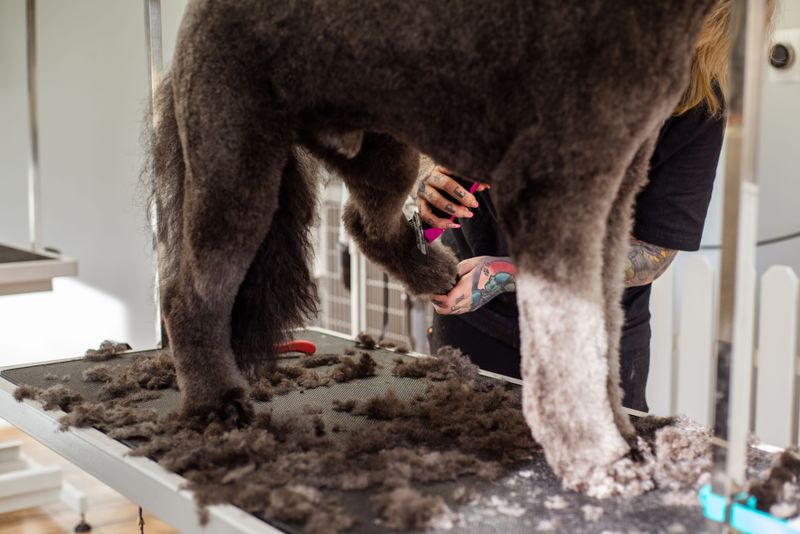
Fluffy feet can carry surprisingly large clumps of mud indoors. Keep excess hair around the paw pads neatly trimmed when it traps dirt or affects footing.
The goal is tidy feet, not bare skin.
Ask a groomer to demonstrate safe maintenance for your dog’s coat. Clippers may be safer than scissors near moving toes, but technique still matters.
Avoid digging tools between pads or cutting irritated areas. Leave close trimming to a professional if your dog cannot stay still.
10. Look Between Every Toe
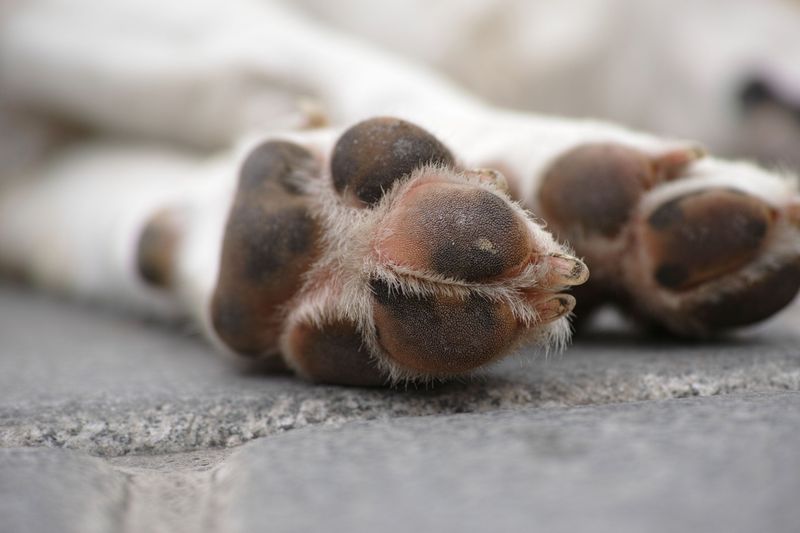
A tiny burr can turn a pleasant outing into an uncomfortable walk. Spread your dog’s toes gently after adventures, checking for grass seeds, splinters, small cuts, and stuck debris.
Examine the pads as well.
Remove only loose material that comes away easily. Embedded objects, swelling, bleeding, or continued limping need veterinary attention.
Do not dig into the skin with tweezers. A short inspection under good lighting often catches problems before repeated licking makes the area more irritated.
11. Give Treated Lawns Some Space
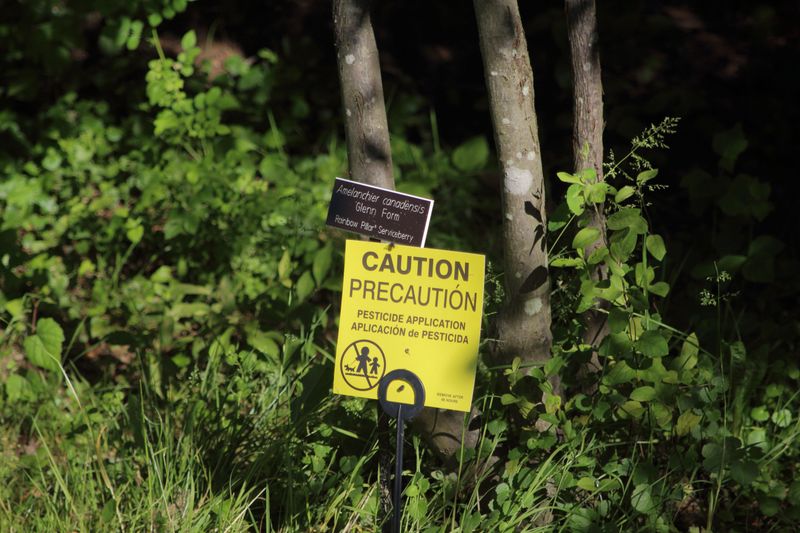
Fresh lawn signs are a good reason to choose another walking route. Fertilizers and pesticides have different rules for safe pet access.
Follow the specific product label rather than assuming every lawn becomes safe once dry.
Ask the property owner or lawn service when dogs may return. Without clear information, stay off the treated area.
Prevent licking grass or chewing product granules. If exposure occurs, contact your veterinarian with the product name and label available for guidance.
12. Check the Ground Before Setting Off
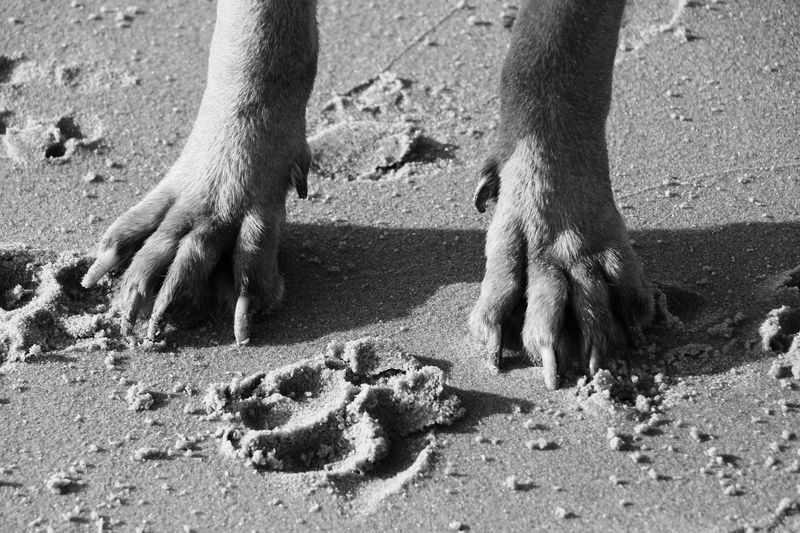
Comfortable air can hide uncomfortable ground temperatures. Asphalt, sidewalks, and beach sand may become much hotter than the surrounding air.
Check surfaces before your dog steps onto them, especially in direct sunshine.
If brief hand contact feels uncomfortable, choose a cooler route immediately. A hand check is only a rough screen, not a guarantee.
Look for shaded paths or cool grass. Stop walking if your dog lifts paws, hesitates, or limps, and inspect the pads promptly.
13. Move Longer Walks to Cooler Hours
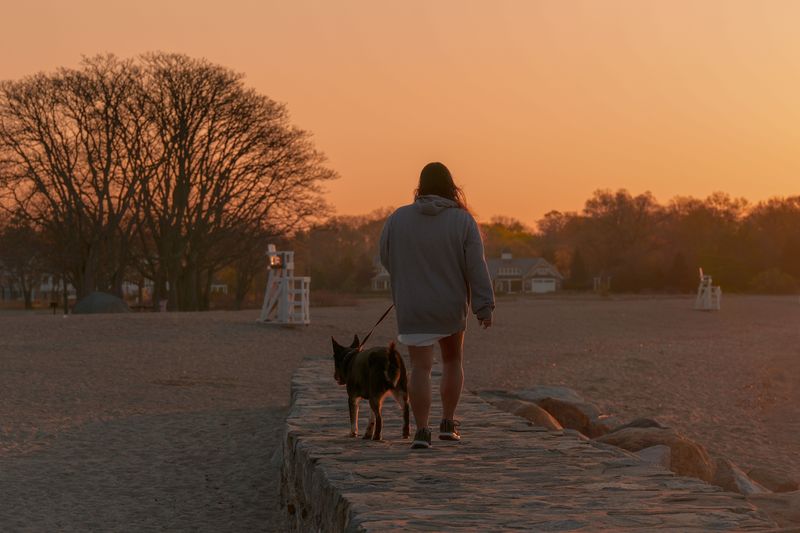
Sunrise walks often offer a kinder setting for summer paws. Plan longer outings during cooler mornings or evenings, checking the ground even after sunset.
Pavement can hold heat long after the brightest sunshine fades.
Keep midday trips brief and use shaded routes when possible. Bring drinking water, allow sniffing breaks, and adjust plans for humidity.
Dogs with health concerns may need shorter outings. Ask your veterinarian about exercise limits rather than following a fixed distance every day.
14. Introduce Booties Before You Need Them
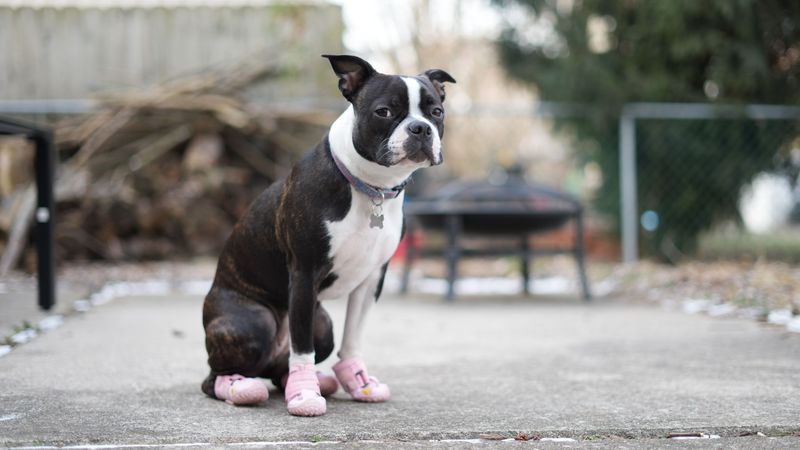
That funny first bootie walk is easier to manage indoors. Introduce properly fitted protective footwear gradually, using treats and short practice sessions.
Booties can help shield paws from rough ground and some hot surfaces.
Check the manufacturer’s sizing guide and inspect feet for rubbing after use. Remove boots if they slip, trap moisture, or change your dog’s gait.
Footwear does not make extreme heat safe. Continue choosing cooler routes, and never force a distressed dog to wear them.
15. Rinse Away Mud After Rain
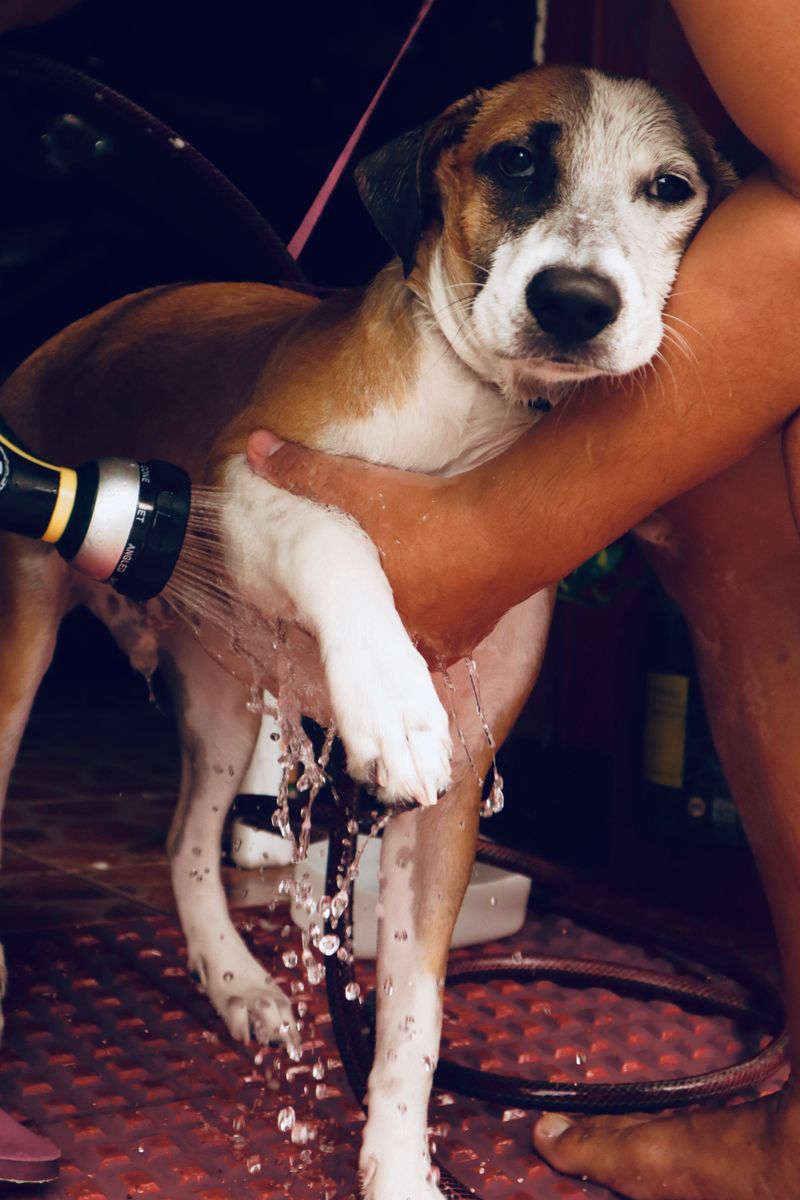
Summer showers can leave a whole yard attached to four paws. Once thunderstorms have passed, rinse muddy feet with clean, lukewarm water after outdoor trips.
Work gently around pads and toes to loosen ordinary dirt.
A shallow basin or gentle stream works better than strong water pressure. Skip repeated shampooing when plain water handles the mess.
Examine cleaned paws for hidden debris, then dry them. Wait until lightning is no longer a concern before taking your dog outside.
16. Finish Cleanup With Careful Toe Drying
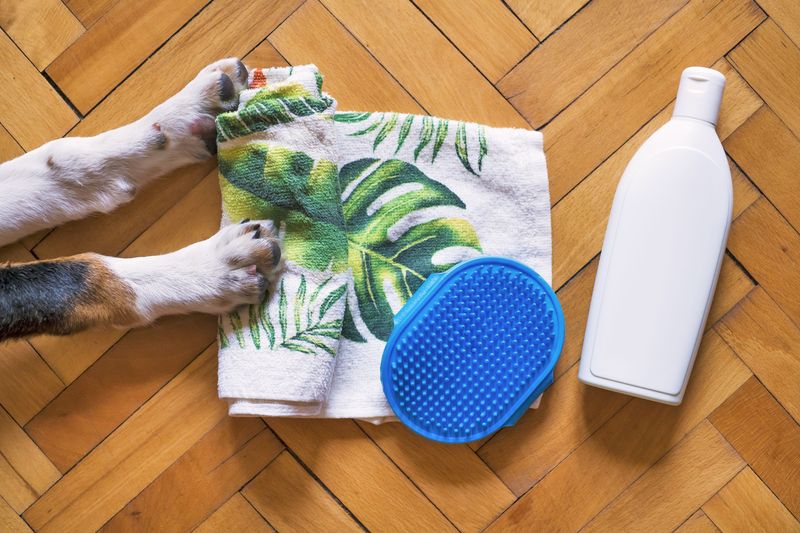
The spaces between toes deserve their own towel time. After rinsing, bathing, or walking through wet grass, gently dry each paw.
Blot between toes without rubbing hard or forcing them apart.
Lingering moisture can contribute to irritation, especially when a dog keeps licking damp feet. Use a clean, absorbent towel and replace it when saturated.
Check for redness while drying. Persistent odor, tenderness, or swelling calls for veterinary advice rather than powders or home remedies applied without guidance.
17. Dry Beyond the Outer Coat
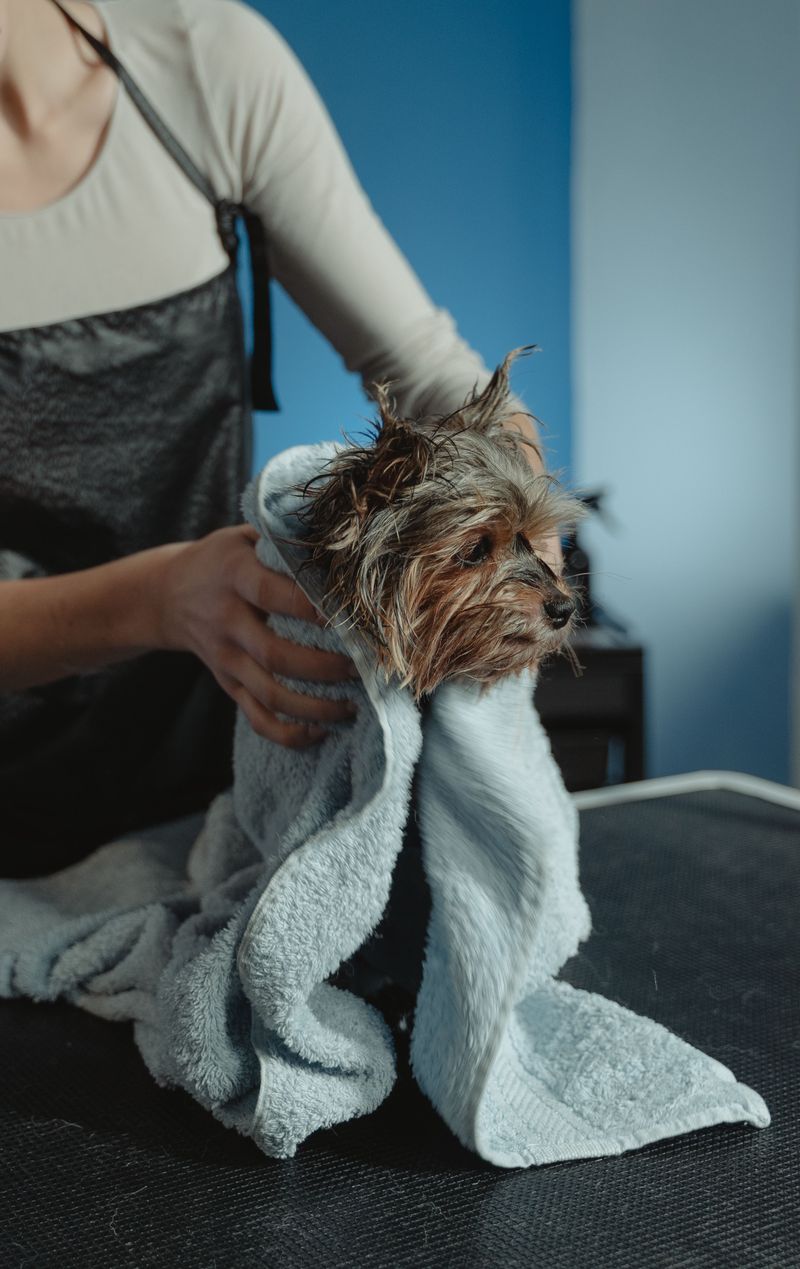
A coat that feels dry on top may still hold water underneath. Towel your dog after rainy outings, paying attention to thick fur, armpits, and skin folds.
Replace wet towels so drying remains effective.
If using a pet dryer, choose a cool setting and follow safe operating instructions. Avoid hot household dryers near skin.
Make sure folds are dry without scrubbing them. Ask a groomer for help when dense fur stays damp despite careful drying at home afterward.
18. Catch Humid-Weather Skin Changes Early
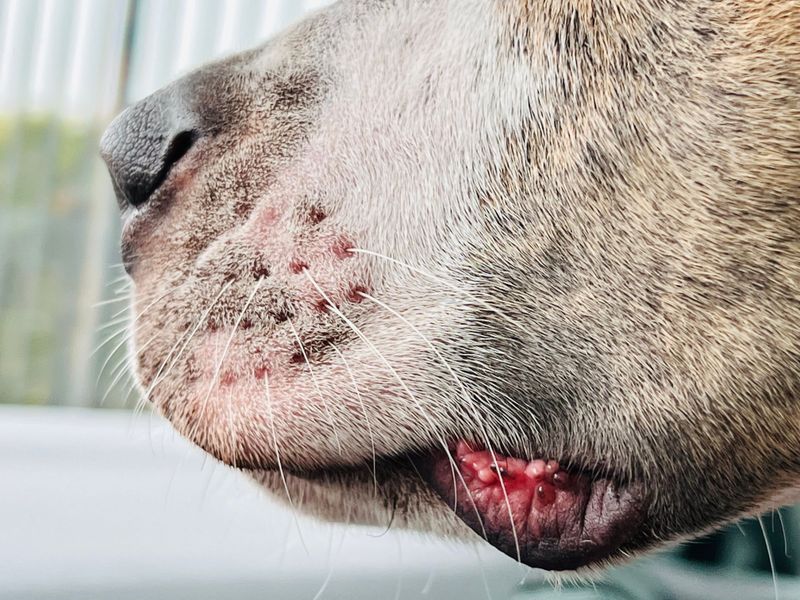
North Carolina humidity can make damp, itchy skin harder to manage. During grooming, look for red patches, moist irritated spots, unusual odors, or hair stuck together.
Hot spots may develop quickly when dogs scratch or lick.
Contact your veterinarian for new moist lesions or persistent skin changes. Keep the area from further licking while awaiting advice.
Avoid covering it with greasy products or tight bandages. Early care helps address the cause instead of hiding symptoms beneath freshly brushed fur.
19. Steer Clear of Runoff and Floodwater
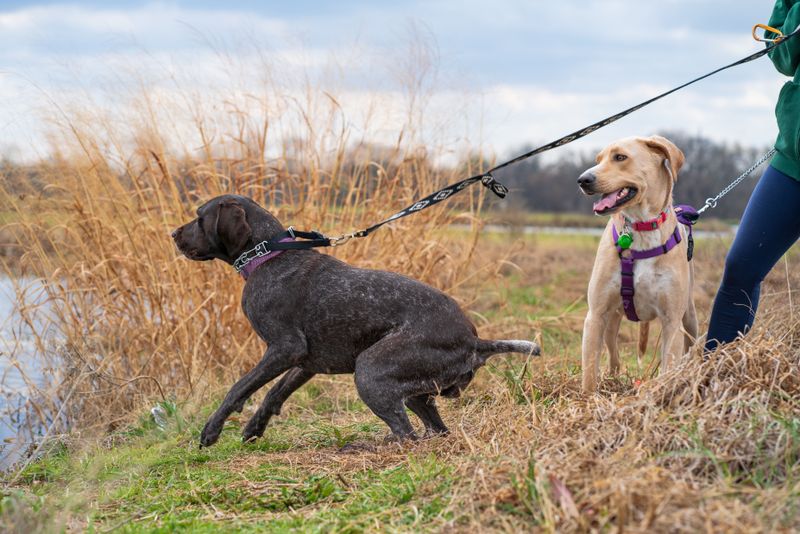
A puddle beside a swollen ditch is not a safe swimming invitation. Keep dogs away from floodwater and storm runoff, which may carry bacteria, chemicals, or hidden sharp debris.
Choose dry ground and follow local closures.
Do not let your dog drink standing stormwater. If contact happens, prevent licking and seek veterinary advice about cleanup, especially when contamination seems likely.
Report limping, stomach upset, or skin changes. Never enter moving water yourself to investigate a route for walking.