14 Puppy House-Training Workarounds California Apartment Owners Need Without A Private Yard
Raising a puppy in a California apartment means bathroom breaks can involve elevators, shared walkways, and a little planning. Without a private yard, you need a setup that works for your building and your puppy’s age.
A steady routine, a safe potty spot, and quick rewards can make daily life much easier. Here are practical ways to build good habits while keeping your home clean and your puppy comfortable.
1. Build a Consistent Potty Schedule and Keep a Log
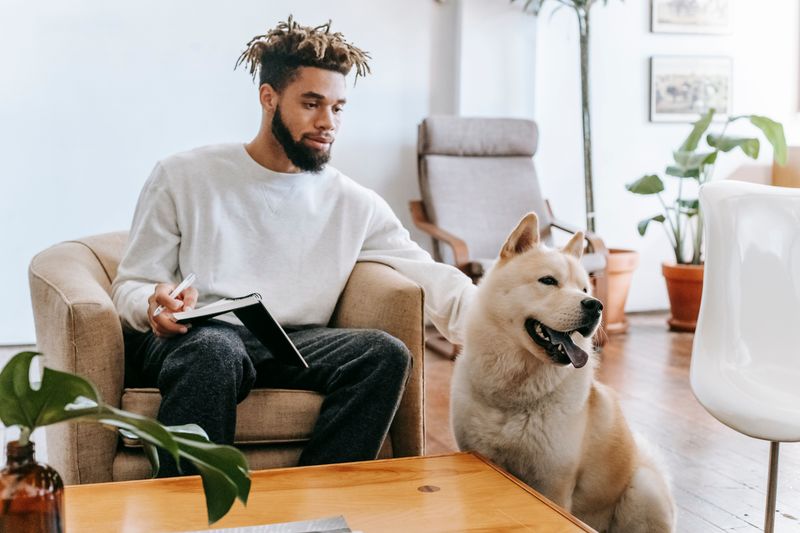
A predictable day gives your puppy fewer chances to guess wrong. Offer potty breaks after waking, eating, drinking, playing, and naps.
Young puppies also need frequent breaks between these events.
Record bathroom times, meals, and accidents in a notebook or phone. Patterns help you adjust before another puddle appears.
Avoid treating any age-based holding estimate as a promise. Your puppy’s actual needs matter more than a chart, especially during the first weeks of apartment life together.
2. Use a Leash and Prepare a Safe Exit Route
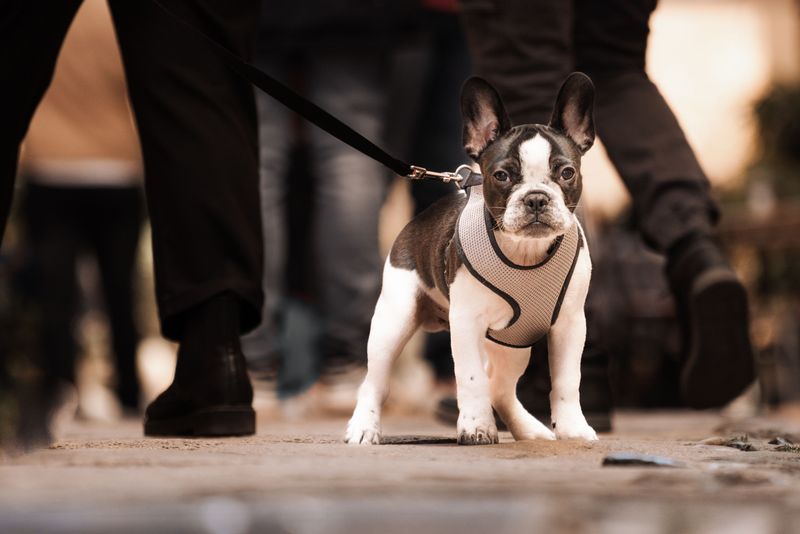
Elevator waits can turn a simple bathroom break into a timing puzzle. Keep a leash, fitted harness, waste bags, and shoes beside your door.
Clear the route through your apartment so you can leave without searching or stumbling. Use a regular leash in shared spaces, following building rules.
If needed, carry a small puppy securely through busy hallways. Ask your veterinarian about shared ground before vaccinations are complete, including the route to your chosen potty spot.
3. Find a Nearby Patch of Grass
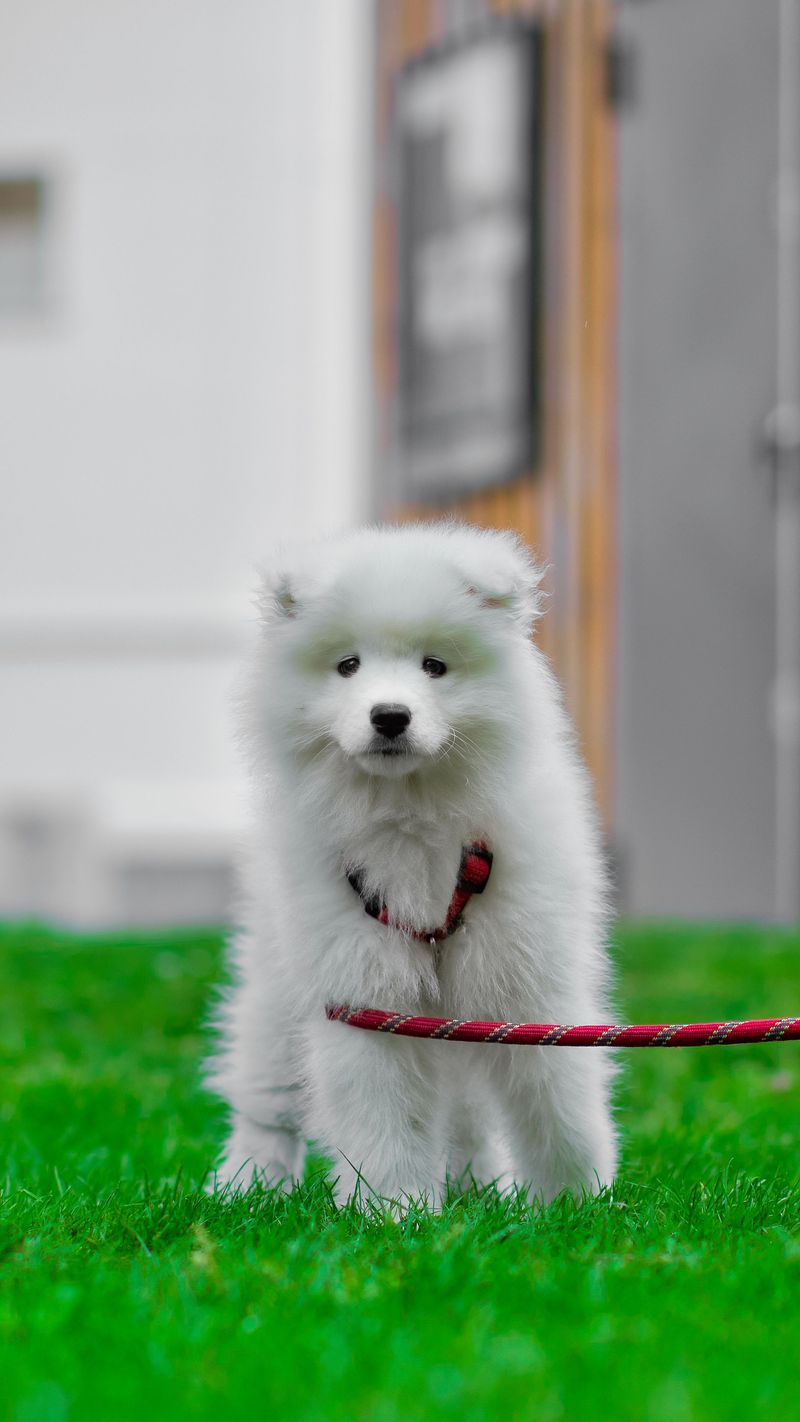
A small grassy corner can become your puppy’s familiar bathroom destination. Look for a permitted spot near your building, away from traffic and heavy dog use.
Check posted signs and ask management before using landscaped areas. Local leash and waste rules vary across California cities.
Discuss exposure risks with your veterinarian, especially before the puppy finishes recommended vaccinations. Pick up waste promptly, avoid visibly dirty ground, and return to the same suitable spot whenever practical.
4. Try a Balcony Potty Tray After Checking Building Rules
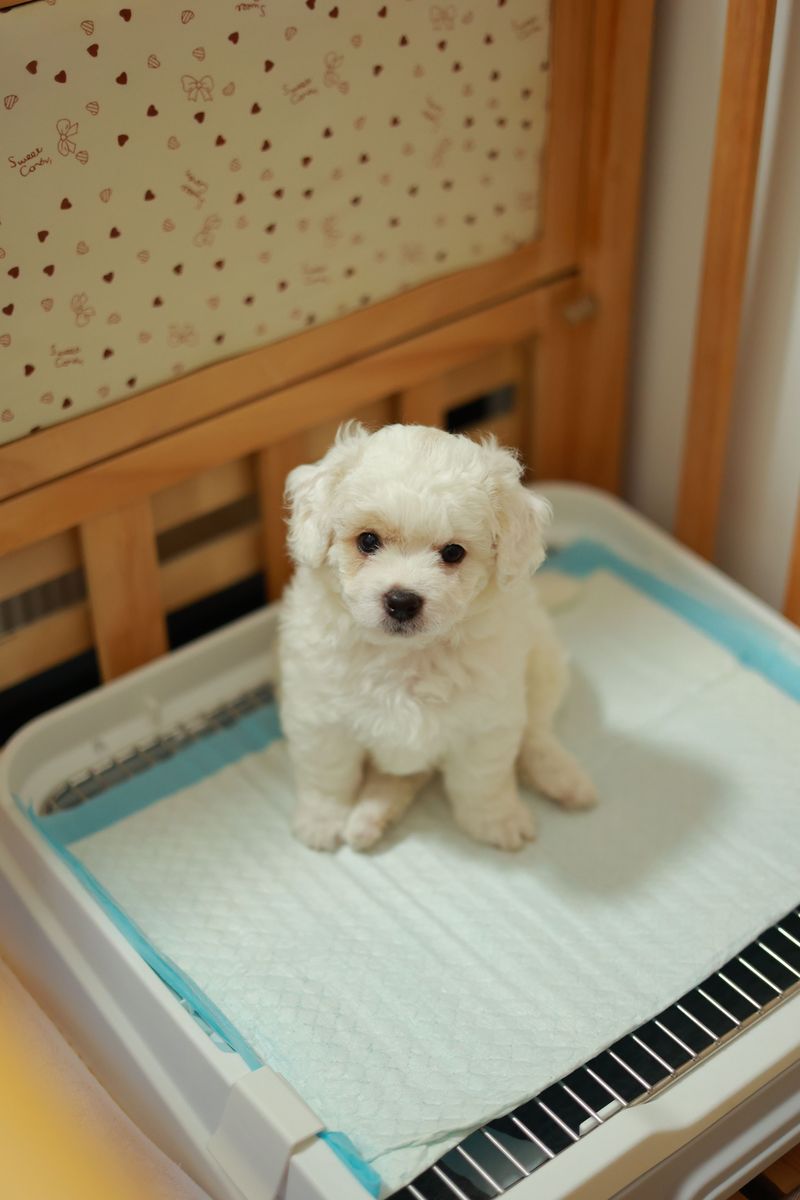
Your balcony may offer a useful backup when downstairs trips take too long. First, check your lease and ask management about potty equipment, drainage, and cleaning requirements.
Choose a stable tray that contains liquid without leaking onto neighboring balconies. Never allow runoff into shared areas.
Keep puppies supervised and away from railing gaps, climbable furniture, and exposed edges. A balcony is not a place to leave your puppy alone, even with a convenient bathroom setup nearby.
5. Compare Real Grass With Artificial Turf
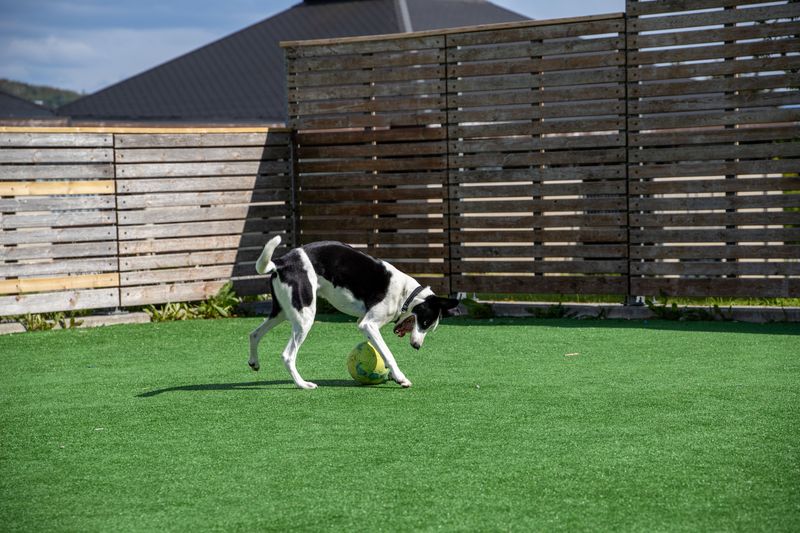
Different surfaces bring different chores, so choose what you can maintain. Real grass offers a natural texture but needs replacement as it becomes worn or smelly.
Artificial turf can be reused, yet urine collects beneath it unless the entire system is cleaned. Follow the manufacturer’s washing and drying directions.
Both options need a leakproof base and regular waste removal. Watch for chewing, loose pieces, and standing liquid before deciding which surface fits your puppy best daily.
6. Keep Indoor Potty Pads in One Designated Spot
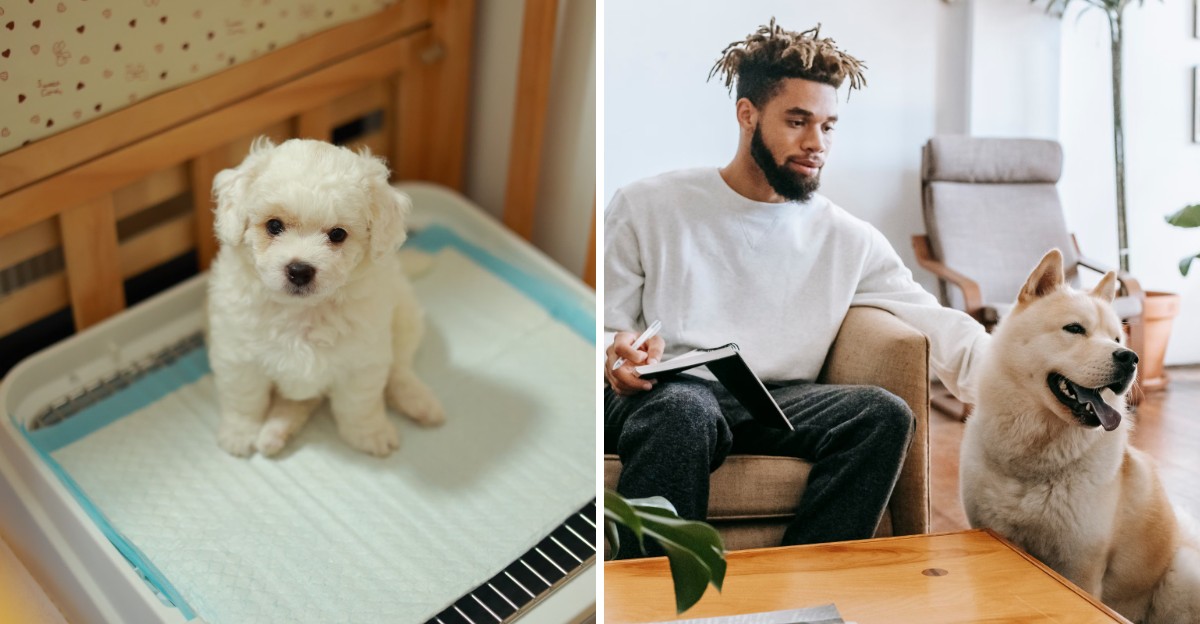
Scattered pads can make your whole apartment seem like a bathroom. Instead, place one potty station on washable flooring, away from meals and sleeping areas.
Lead your puppy there during scheduled breaks and reward correct use. Replace dirty pads promptly, and prevent chewing or swallowing pad material.
If outdoor toileting is your goal, plan a gradual transition rather than moving the station constantly. Indoor pads are a practical tool, but consistency helps your puppy understand expectations.
7. Consider a Real-Grass Subscription Tray
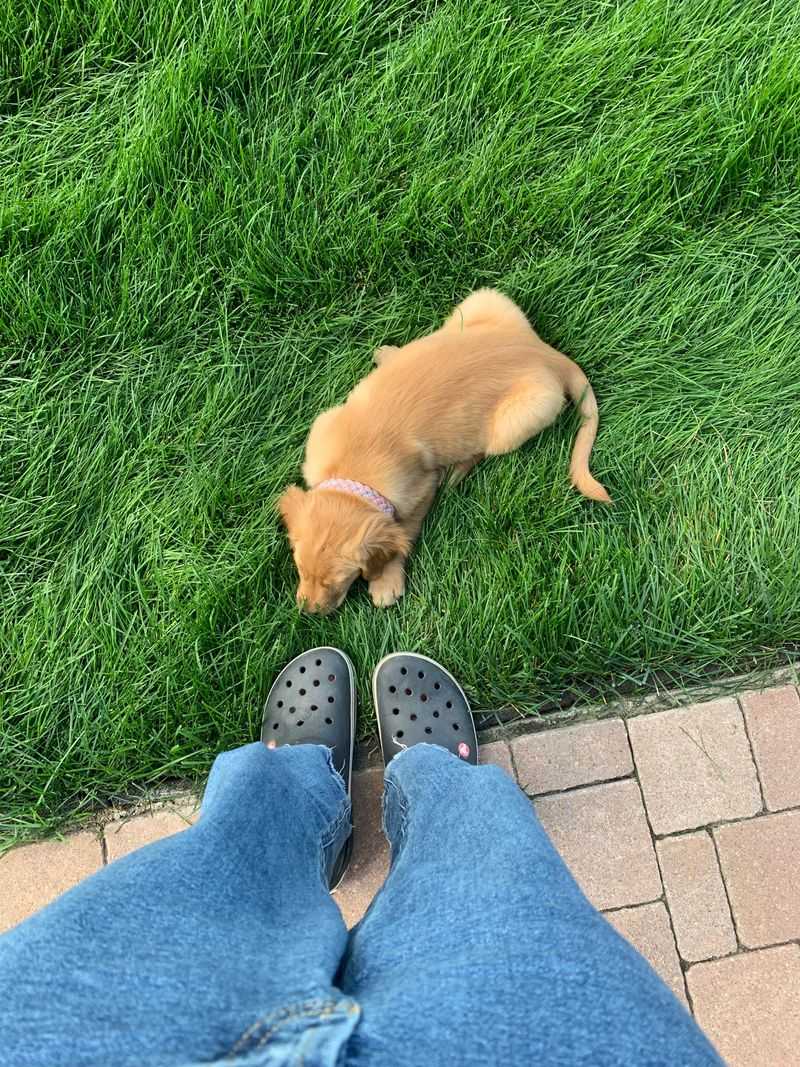
Fresh grass deliveries can save trips to find replacement turf yourself. Compare tray dimensions, delivery timing, total cost, and disposal instructions before choosing a service.
Replace grass according to its condition and the supplier’s guidance, not just the delivery calendar. Frequent use may require earlier changes.
Keep a spare bathroom option for delayed deliveries. Remove solid waste quickly and protect the floor underneath.
Natural grass still needs attention, especially in warm California apartments with limited airflow indoors.
8. Watch for Early Bathroom Signals
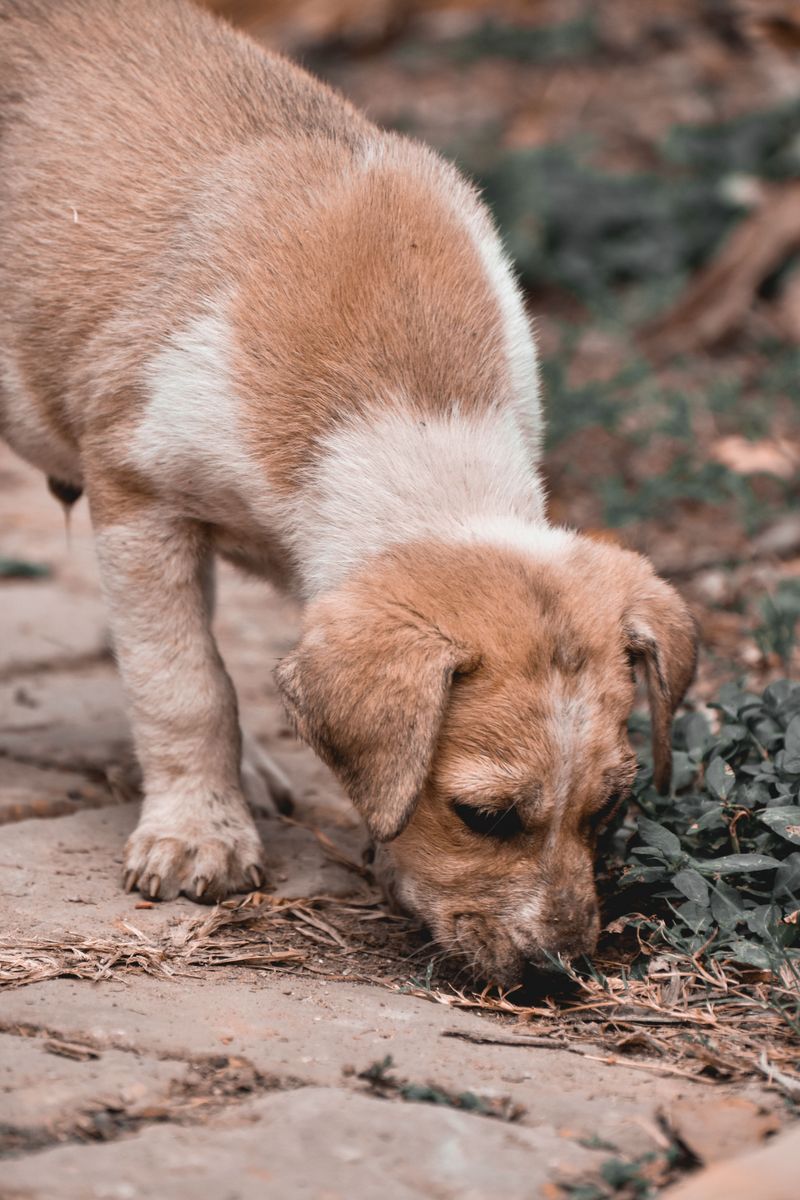
Sniffing, circling, wandering away, or suddenly stopping play can signal bathroom time. Some puppies head toward the door; others offer only a brief pause.
When you notice a change, guide your puppy to the potty spot immediately. Waiting for barking may mean waiting too long.
Use close supervision during active periods and a safe puppy area when you cannot watch. Learn your own dog’s signals rather than expecting every puppy to announce the need clearly beforehand.
9. Adjust Potty Trips to California’s Weather
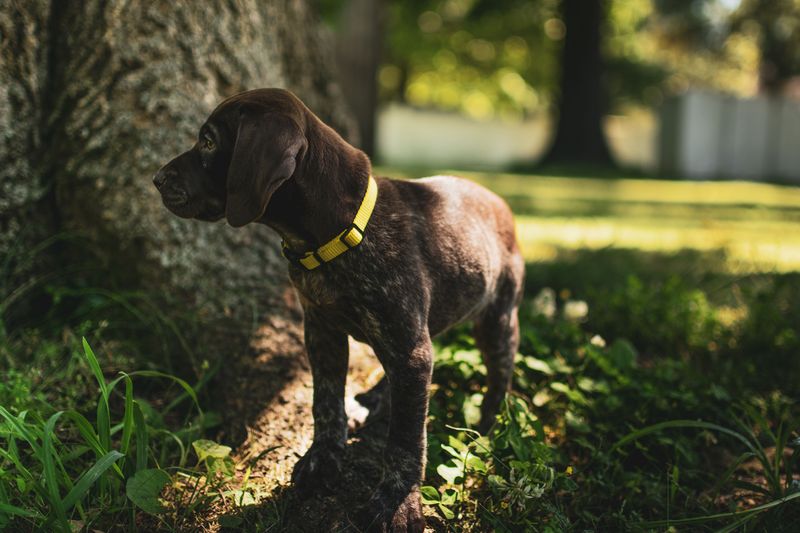
Sunny sidewalks can become uncomfortable even when the air feels pleasant. Choose shaded routes and cooler hours when possible, while still meeting your puppy’s bathroom needs.
During rain, keep trips brief and dry wet paws afterward. Follow local air-quality guidance during smoke events, and ask your veterinarian about necessary adjustments.
Maintain a sheltered backup potty station for unsuitable conditions. Never restrict drinking water to reduce bathroom trips, especially during warm weather or after active indoor play.
10. Arrange Help for Long Workdays
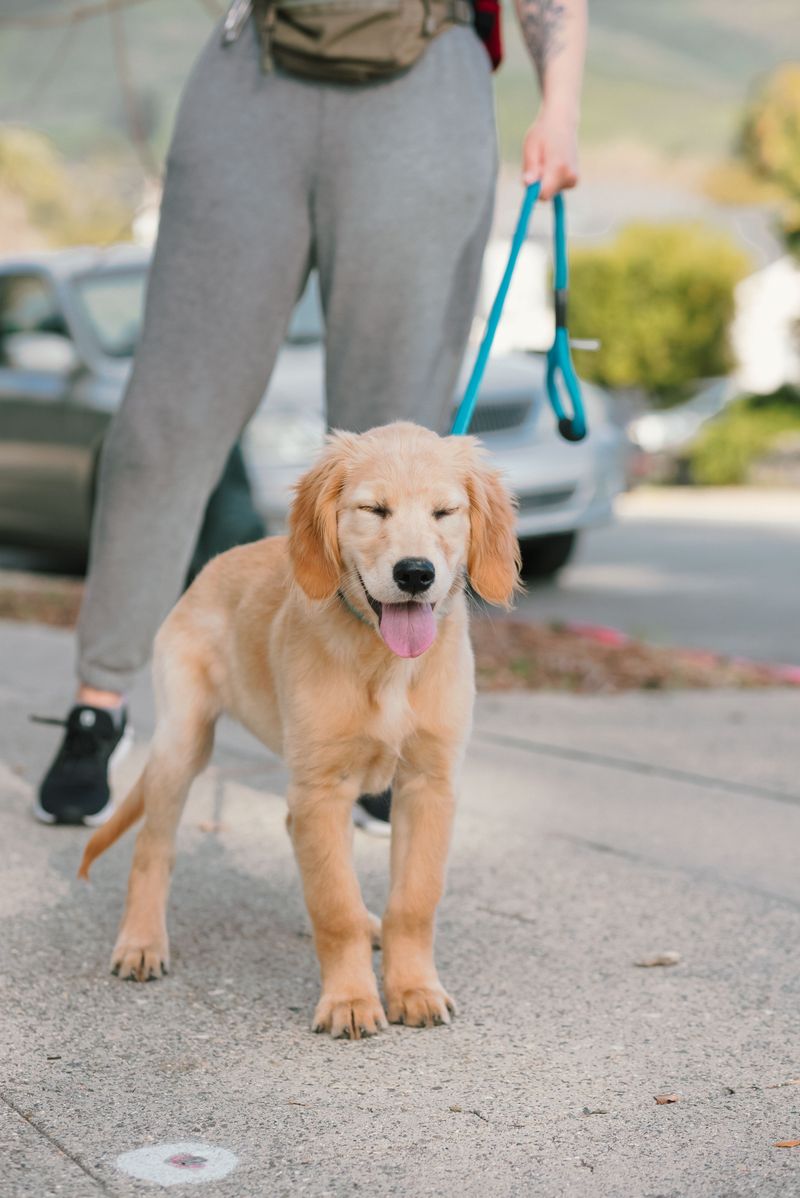
A full workday usually exceeds what a young puppy can comfortably manage. Arrange visits from a trusted walker, sitter, or neighbor who understands your routine.
Share potty times, access instructions, and your veterinarian’s advice about outdoor exposure. Confirm your building’s guest or service-provider requirements.
If help is unavailable, create a secure pen with separate resting and bathroom areas. Do not expect a crate to solve long absences.
Gradually teach comfortable alone time alongside regular bathroom support.
11. Make Overnight Bathroom Trips Easier
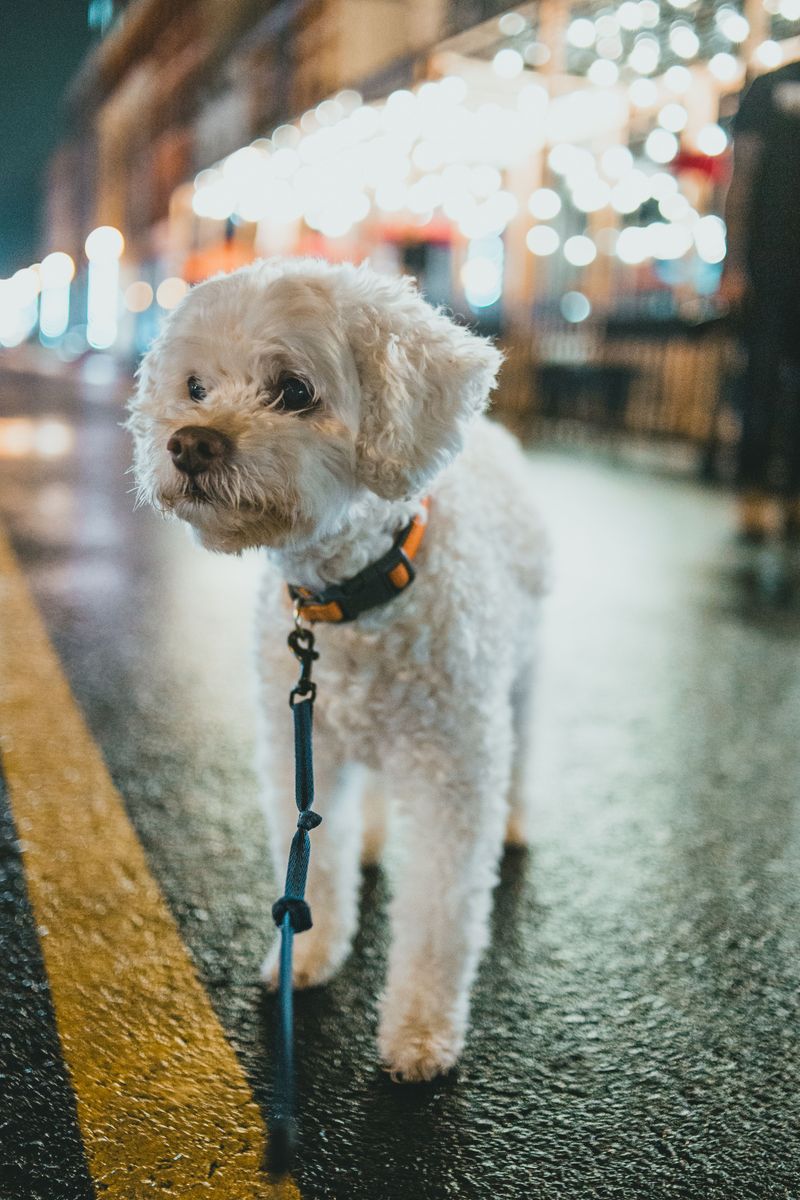
Sleepy bathroom breaks work better when everything is ready before bedtime. Set out shoes, a leash, waste bags, and a small light for the route.
Offer a final potty chance before sleep. Young puppies may still need overnight breaks, so adjust alarms to their patterns.
Keep nighttime outings quiet and focused, then return to the sleeping area. Avoid turning each trip into playtime.
Do not withhold needed water; discuss unusual nighttime thirst or urination with your veterinarian.
12. Clean Accidents With an Enzymatic Cleaner
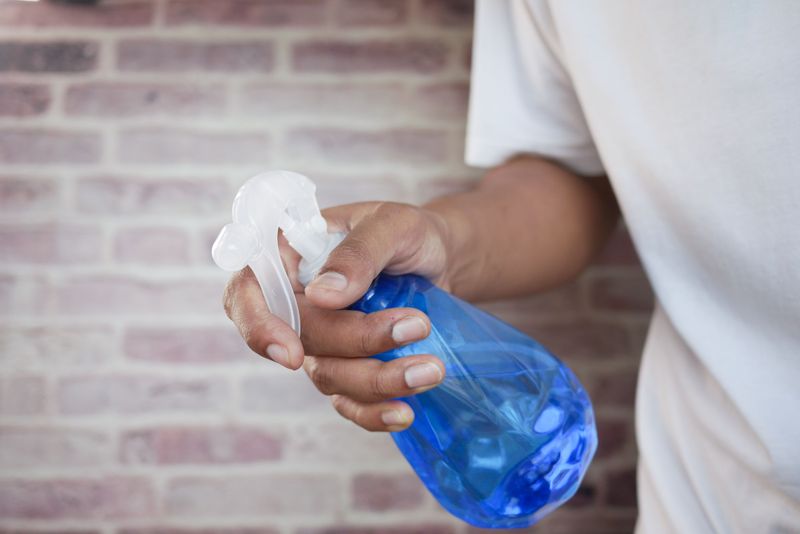
Lingering smells can draw puppies back to the same accident spot. Blot fresh moisture, then apply an enzymatic pet cleaner according to its label.
Check that the product suits your flooring, and test a hidden area first. Keep your puppy away until the treated surface is safe.
Avoid mixing cleaners or using punishment after discovering a puddle. Instead, review supervision and timing.
Thorough cleaning removes a useful scent clue while a better routine prevents repeat visits there.
13. Reward Success Immediately and Add a Potty Cue
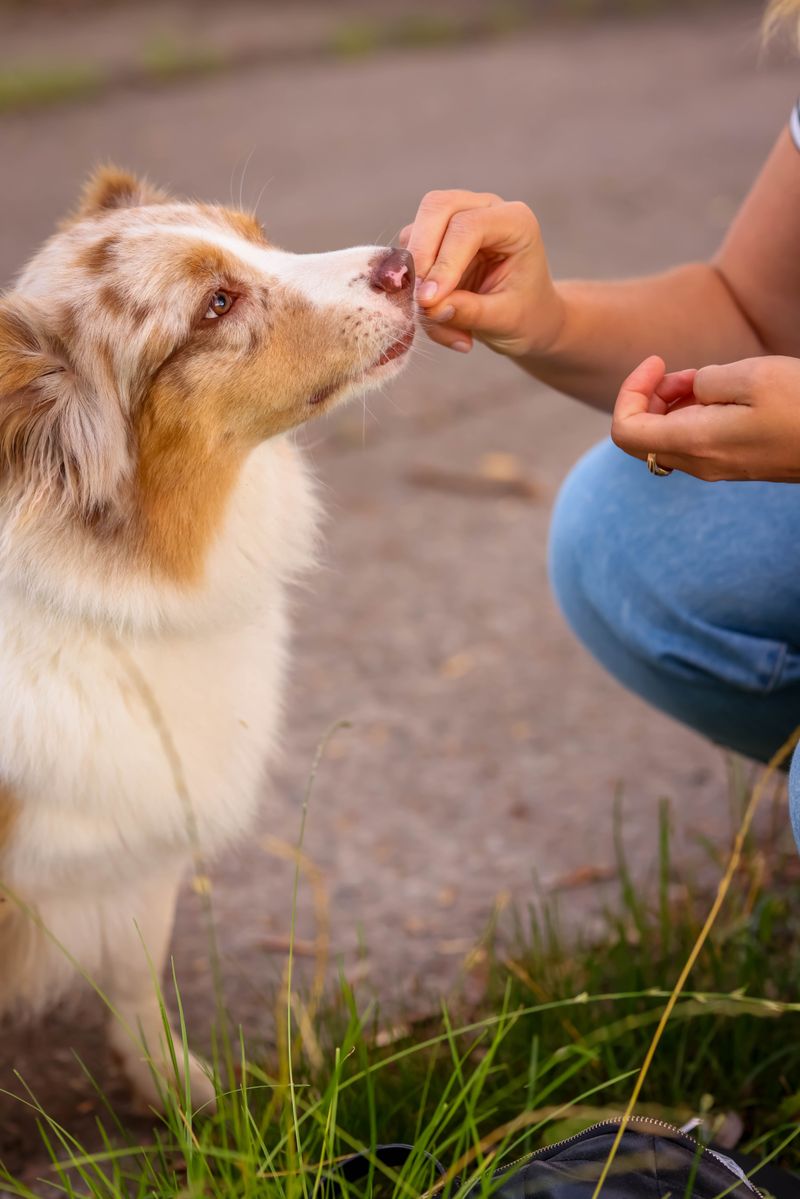
The best reward arrives where the bathroom success actually happens. Carry small treats and offer one immediately after your puppy finishes, before heading upstairs.
Add a short phrase as toileting begins, then reward afterward. With repetition, that phrase can become a helpful potty cue.
Avoid repeating it endlessly or expecting instant results in distracting places. Praise calmly, and allow a little sniffing when practical.
Returning indoors immediately every time may encourage some puppies to delay toileting.
14. Know When Potty Problems Need Veterinary Attention
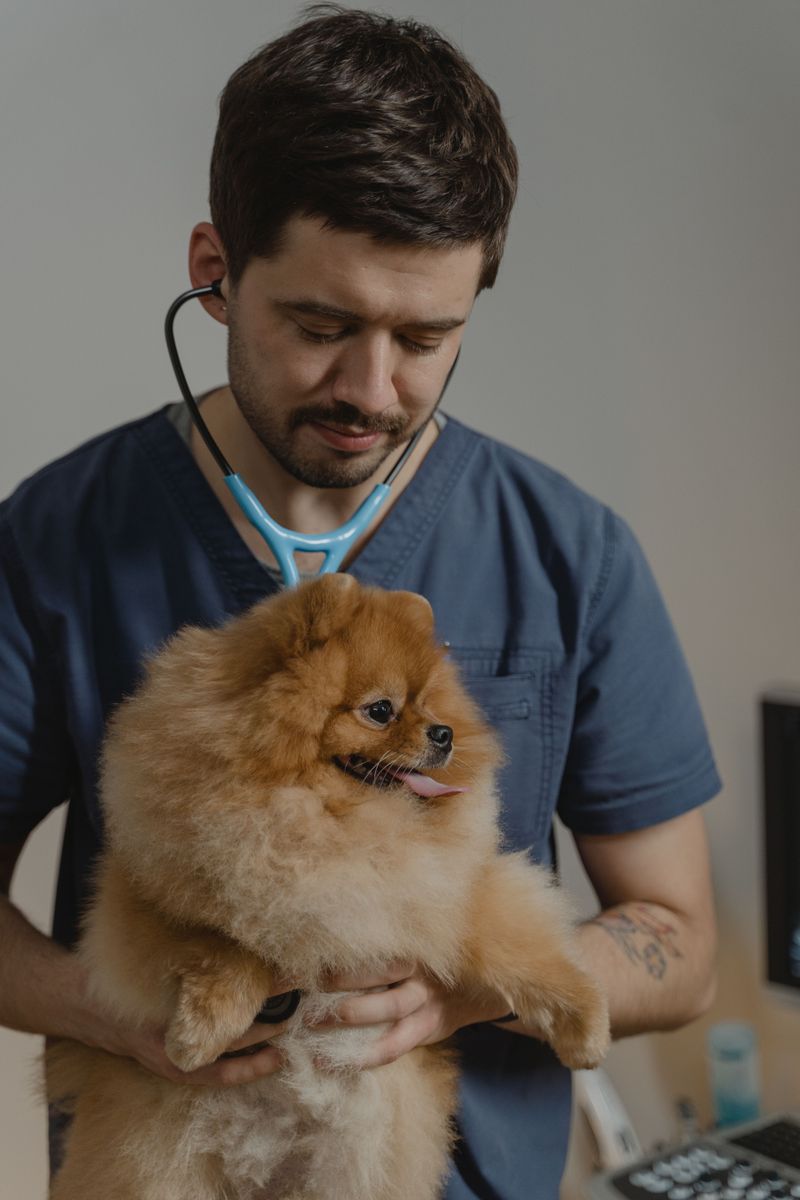
Not every accident is a training mistake, especially when habits change suddenly. Contact your veterinarian about frequent urination, discomfort, blood, unusual thirst, or persistent diarrhea.
Repeated straining with little or no urine needs urgent veterinary advice. Bring your potty log to help explain the pattern.
Avoid restricting water or trying home treatments without guidance. Apartment training takes patience, practical backups, and steady rewards.
Keep the routine clear, ask for help early, and let small successes build confidence.