17 Ways To Prepare A Dog For Colorado’s Fast Afternoon Thunderstorms
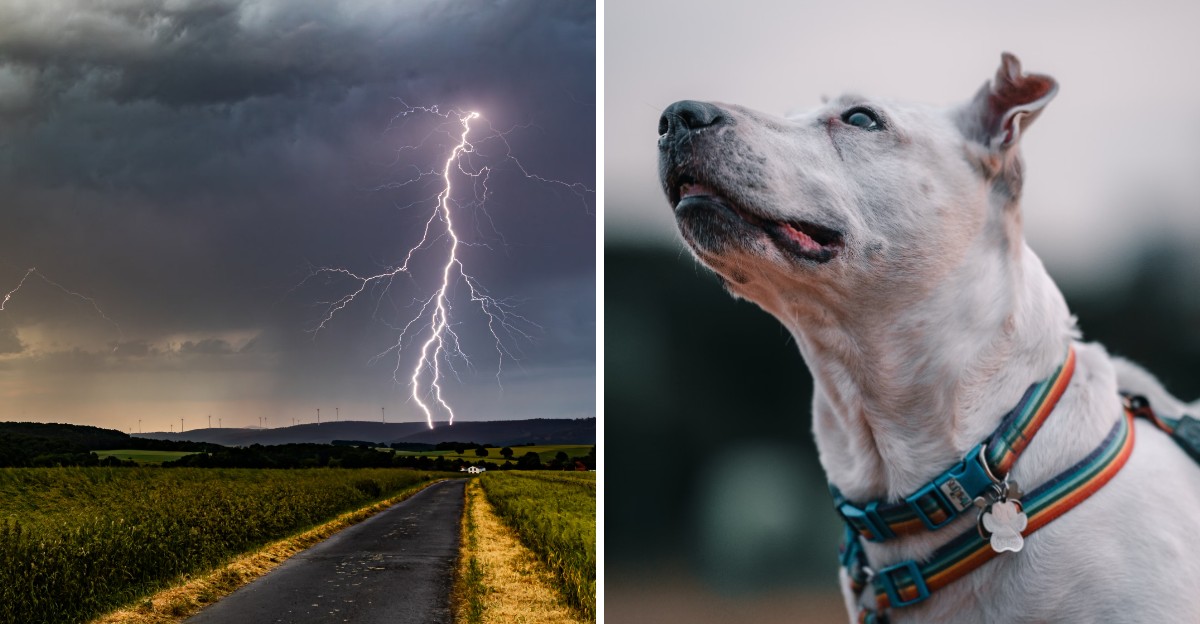
Colorado afternoons can change quickly, turning a sunny dog walk into a dash for shelter. If you share your home with a dog, a little planning makes those sudden storms easier to handle.
From checking mountain forecasts to setting up a quiet indoor corner, small habits can make a real difference. You can help your dog feel safer while keeping your own plans flexible and calm.
1. Check Colorado’s Afternoon Forecast Before Planning Walks

Blue skies at breakfast do not promise a clear afternoon in Colorado. Check the National Weather Service forecast before choosing your walking route.
Look for thunderstorm timing, lightning concerns, and any flood alerts.
Mountain conditions can differ from weather near your home, so check your actual destination. Enable emergency alerts on your phone and review radar before leaving.
If storms are possible, choose a short route with sturdy indoor shelter nearby instead of an exposed adventure.
2. Move Long Walks to the Cooler Morning Hours
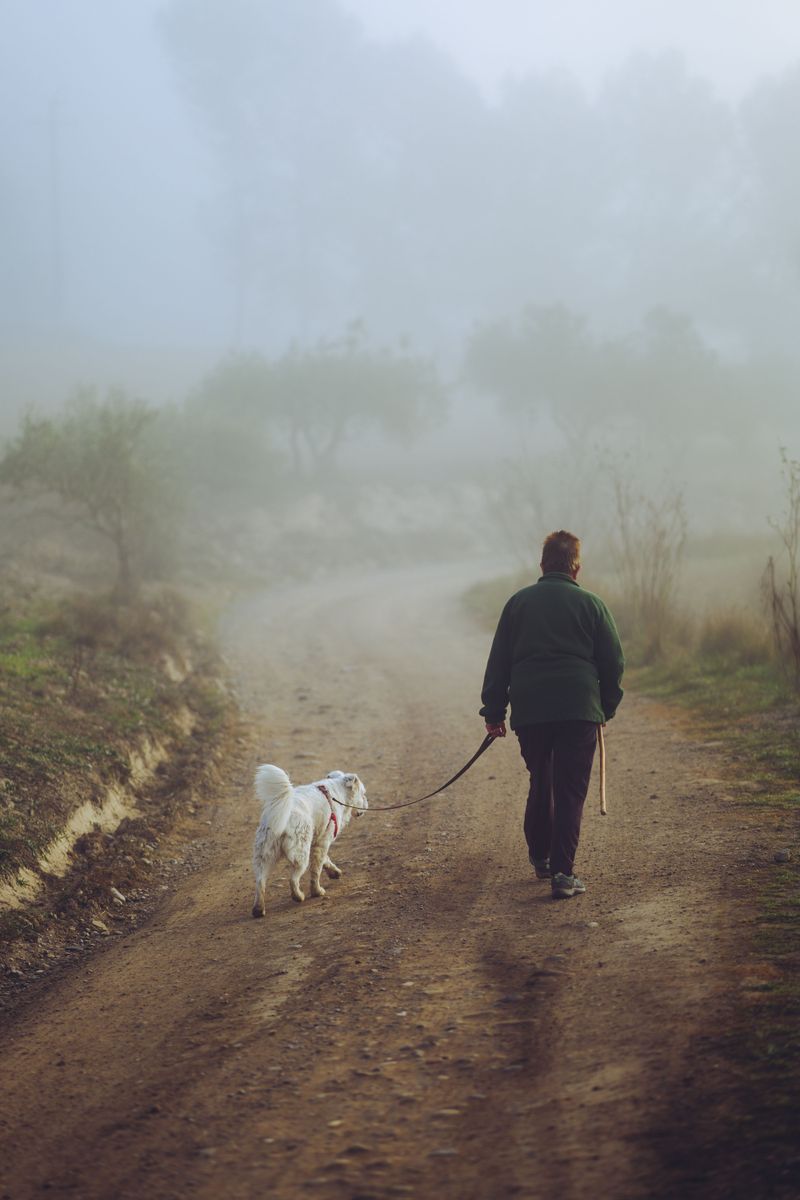
An early start gives your dog more room to sniff without racing afternoon clouds. Plan longer walks for cooler morning hours when possible.
Carry water, and remember that storms can still happen outside their usual afternoon pattern.
Check the forecast even for an early outing, especially before visiting mountain trails. Let your dog set a comfortable pace rather than chasing distance.
Save a little energy for indoor play later, when the weather may interrupt outdoor plans.
3. Teach Your Dog to Recognize an Indoor Retreat
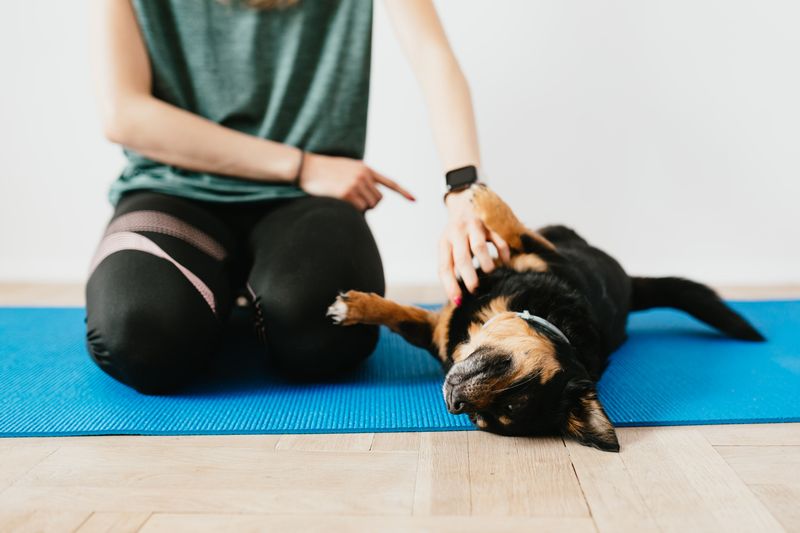
A familiar cue can turn moving inside into an easy habit. Choose a phrase such as inside or safe spot.
On quiet days, say it once, guide your dog indoors, and reward their arrival.
Practice from the porch, yard, and different rooms without creating pressure. Keep sessions brief enough that your dog stays interested and relaxed.
When clouds build, use the same cue before thunder begins, giving your dog time to settle in comfortably with you.
4. Keep Dogs Away From Colorado’s Open Trails During Storms
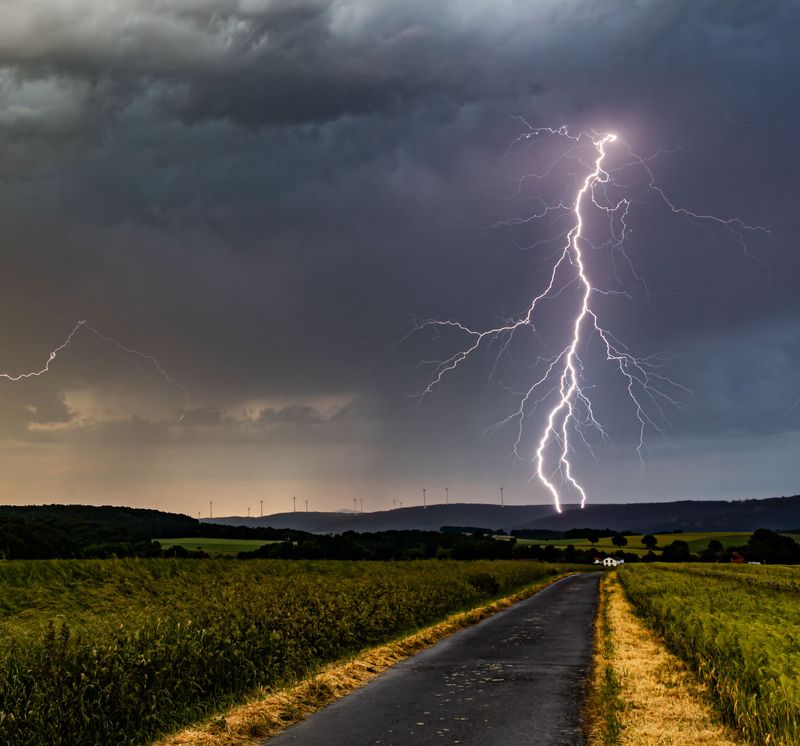
Wide views offer little protection when thunder rolls across the foothills. Avoid exposed ridges, open fields, and trails far from sturdy buildings when storms are expected.
Choose another activity rather than relying on a fast return.
A picnic shelter, lone tree, or rock overhang is not safe lightning shelter. Before any hike, identify a substantial building or enclosed vehicle you can reach.
If thunder starts, leave exposed terrain promptly and head toward proper shelter without unnecessary stops.
5. Prepare a Comfortable Hiding Spot for Thunder
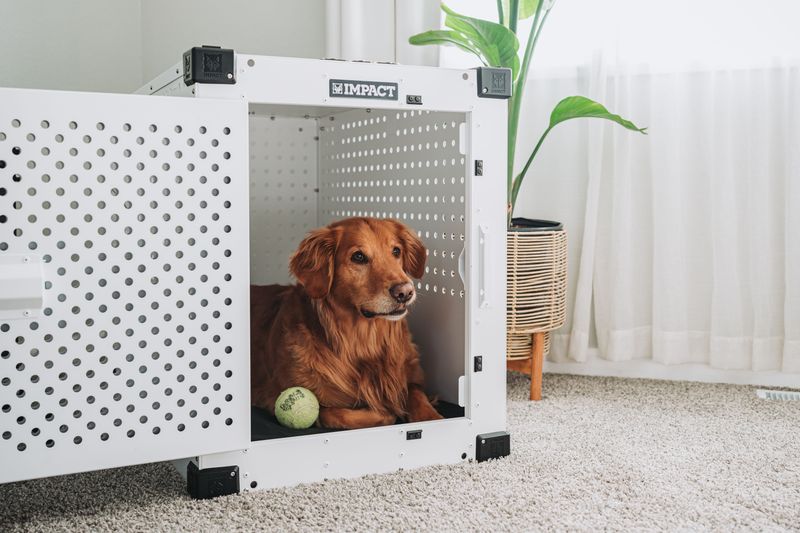
Your dog may prefer a quiet corner over company during loud weather. Offer an interior room with familiar bedding and water nearby.
Close curtains to reduce flashes, and keep the space comfortably cool.
An open crate can help dogs who already enjoy using one. Never force a frightened dog into confinement or block their chosen retreat.
Introduce the spot during peaceful afternoons with treats, allowing your dog to explore and leave freely whenever they need space.
6. Practice Short Car Trips Before Storm Season
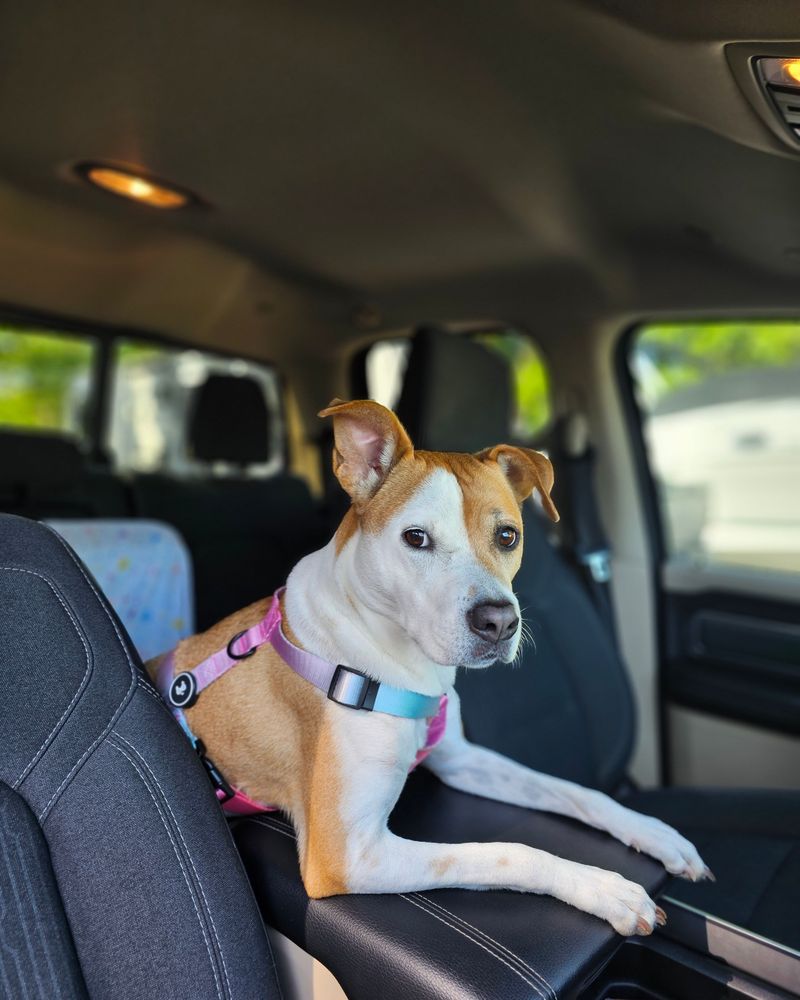
Car rides should feel familiar before you need to change plans quickly. Begin with your parked vehicle, rewarding calm behavior around the door.
Progress to brief drives that end somewhere pleasant, depending on your dog’s comfort.
Use a properly fitted vehicle harness or secured travel crate. An enclosed vehicle with a solid roof can provide lightning shelter when buildings are unavailable.
Keep windows closed, manage cabin temperature, and never leave your dog alone inside a parked vehicle.
7. Pack a Dog Storm Kit Near the Door
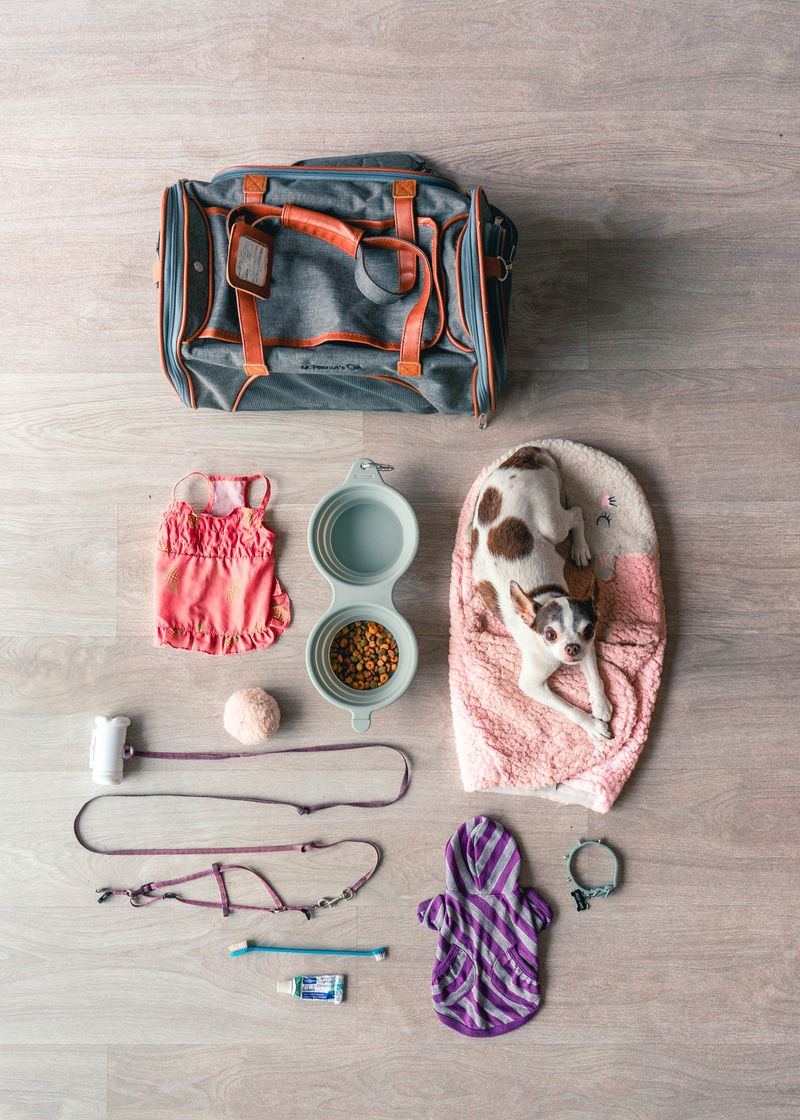
A small bag by the entrance saves searching when weather changes quickly. Pack a spare leash, fitted harness, waste bags, towel, water, and bowl.
Add familiar treats and copies of useful veterinary information.
Keep prescribed medicine available according to its storage instructions, rather than leaving it somewhere hot. Check supplies regularly and replace anything used during daily outings.
Store the bag beyond your dog’s reach, especially if it contains food, medication, or items they might chew.
8. Secure Fences and Gates Before Afternoon Winds Arrive
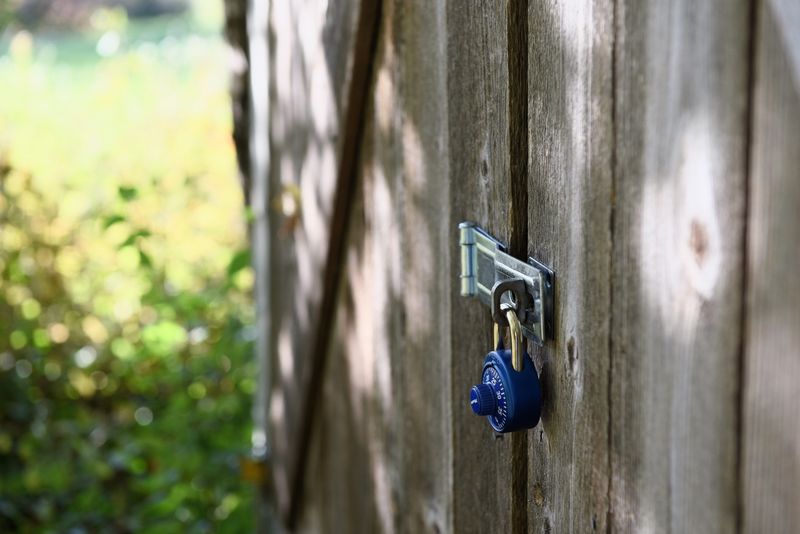
A rattling gate can become an escape route for a startled dog. Check latches, loose boards, and gaps before afternoon weather develops.
Put away lightweight yard items that wind could push against fencing.
Bring your dog inside before thunder, even when the yard seems secure. Fences do not provide protection from lightning, hail, or flying debris.
After the storm passes, inspect the yard again before letting your dog explore, since branches or damaged panels may need attention.
9. Practice Calm Leash Walks in Light Rain
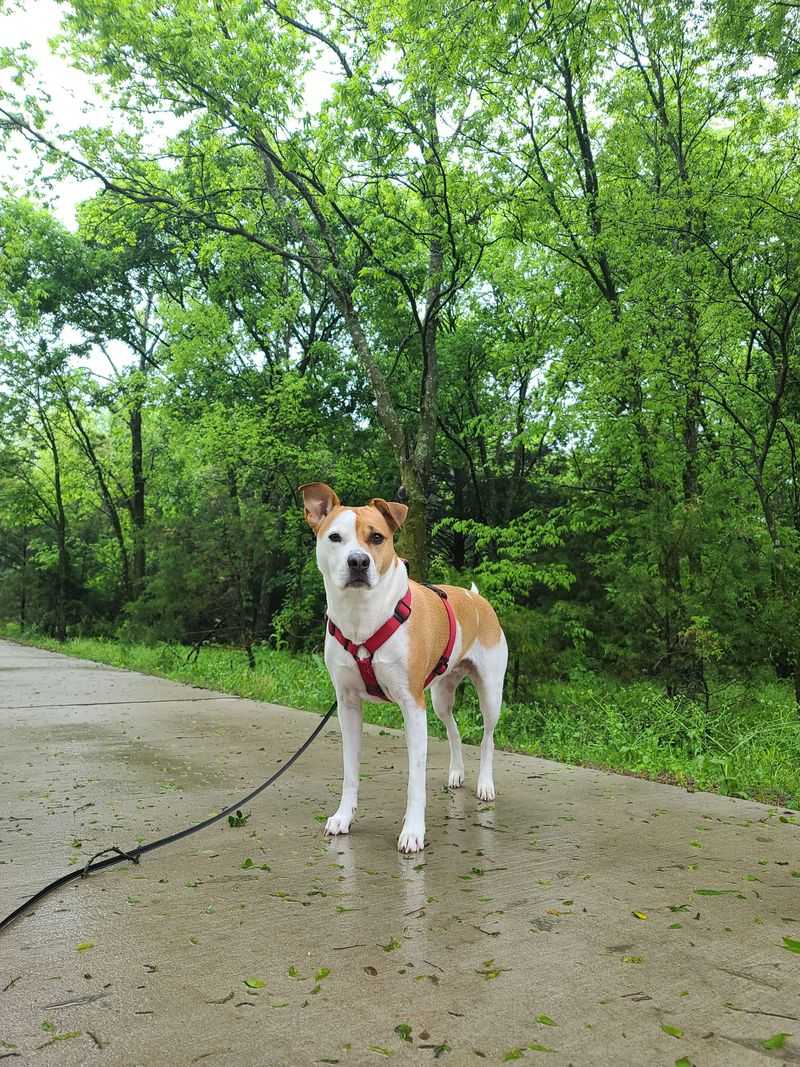
Gentle rain offers a chance to practice without adding thunder to the lesson. Choose mild conditions with no thunderstorm threat, staying close to home.
Reward loose leash walking and let your dog investigate wet surfaces.
Skip this practice if your dog seems worried or the forecast suggests lightning. Rain training never requires waiting outside through a storm.
Dry paws afterward and check for irritation, especially if your dog wears boots or a raincoat during damp weather outings.
10. Help Your Dog Cope With Thunder and Lightning
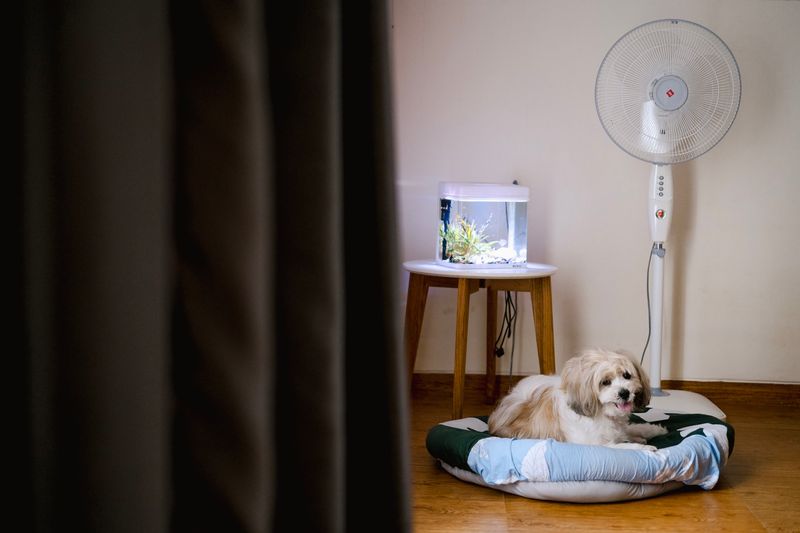
Shaking, pacing, or sudden clinginess can signal that your dog needs support. Stay nearby if they seek company, and offer comfort without forcing contact.
A fan or steady background sound may soften outside noise.
Discuss recurring storm fear with your veterinarian before the season gets busy. Some dogs benefit from prescribed treatment and a gradual training plan.
Play thunder recordings only at comfortable levels during calm sessions, stopping if your dog shows stress or avoids the activity.
11. Use Indoor Games When Afternoon Storms Cancel Outdoor Plans
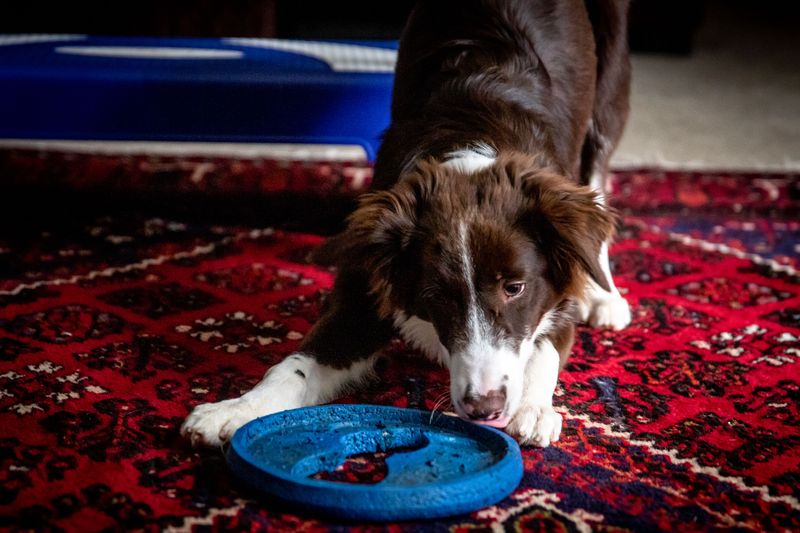
A canceled walk can become a good afternoon for nose games. Hide small treats around one room or offer an easy food puzzle.
Count those treats toward daily food, especially when exercise is shorter.
Practice simple cues, gentle toy searches, or quiet chewing on suitable items. Avoid slippery floors and wild jumping in tight spaces.
If your dog cannot focus because of thunder, put the game away and let rest take priority over staying busy that day.
12. Keep Your Dog Indoors During Lightning
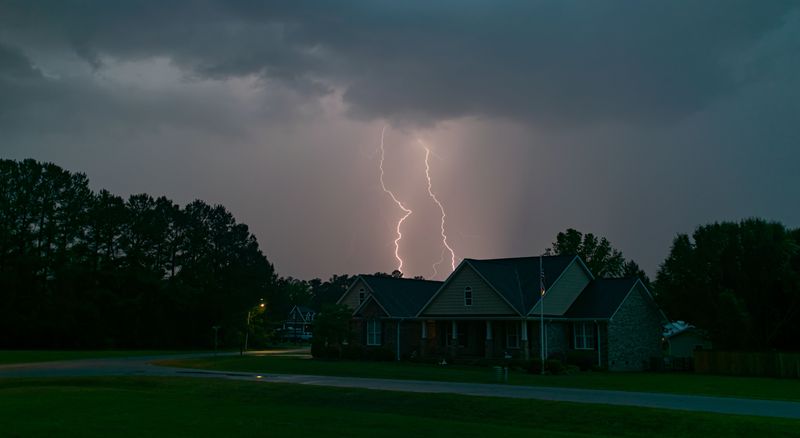
If you hear thunder, go indoors immediately with your dog. Take shelter in a substantial, fully enclosed building or a hard-topped vehicle with the windows closed.
Porches, tents, and open garages are not reliable lightning shelters.
Wait at least thirty minutes after the last thunder before returning outside. Restart that waiting period whenever you hear another rumble.
While indoors, stay away from windows, plumbing, and plugged electrical equipment, and give your dog a quiet place away from outside doors too.
13. Know What To Do if a Storm Catches You on a Walk
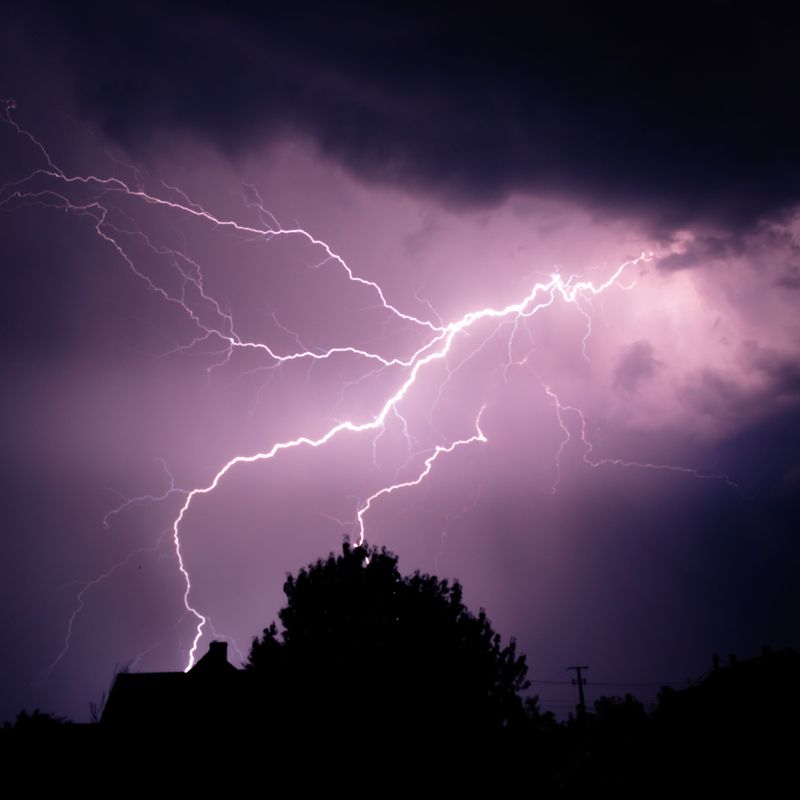
The first rumble is your signal to change direction, not finish the loop. Keep your dog leashed and head toward the nearest suitable shelter.
Avoid isolated trees, open fields, and water along the way.
No outdoor location is completely safe during lightning, so focus on reaching a substantial building or enclosed vehicle. Do not stop beneath a picnic roof to wait it out.
Once sheltered, check your dog’s comfort and contact someone if you need transportation home.
14. Watch for Flash Flooding Along Colorado Creeks

A creek can rise even when heavy rain falls farther upstream. Check flood alerts before visiting Colorado canyons, drainages, or paths beside water.
Avoid these areas when thunderstorms could affect the watershed.
If water rises or an alert arrives, move toward higher ground without crossing flowing water. Keep your dog leashed and away from banks, culverts, and flooded trails.
Never encourage swimming across runoff or enter moving water after your dog; contact emergency services if help is needed.
15. Make Potty Breaks Short and Supervised
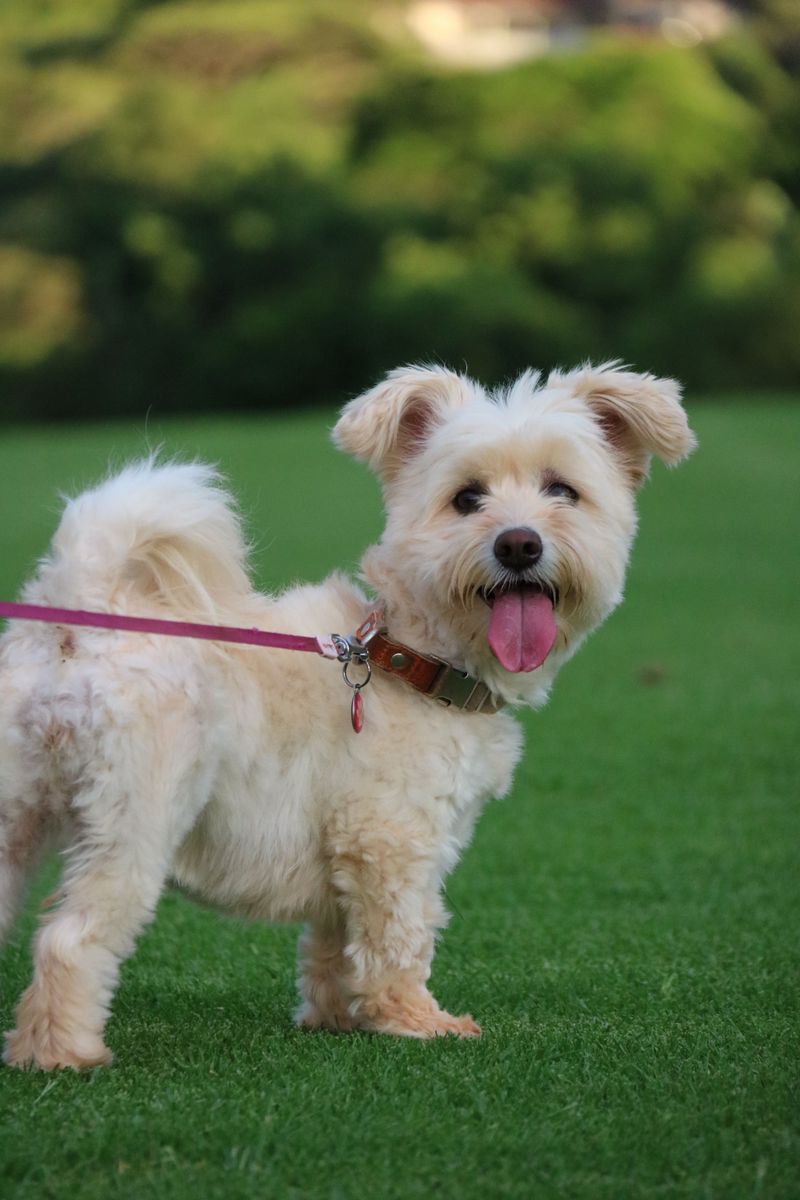
A quick bathroom plan helps prevent last minute decisions during thunder. Offer a supervised potty break before storms arrive, using a leash if needed.
Bring your dog back inside promptly rather than allowing yard time.
During active lightning, avoid outdoor breaks and use an indoor potty option when possible. Puppies, older dogs, and dogs with medical needs may need extra planning.
Ask your veterinarian about suitable routines, and reward indoor alternatives patiently instead of scolding any accidents.
16. Check Your Dog’s Identification and Microchip Details
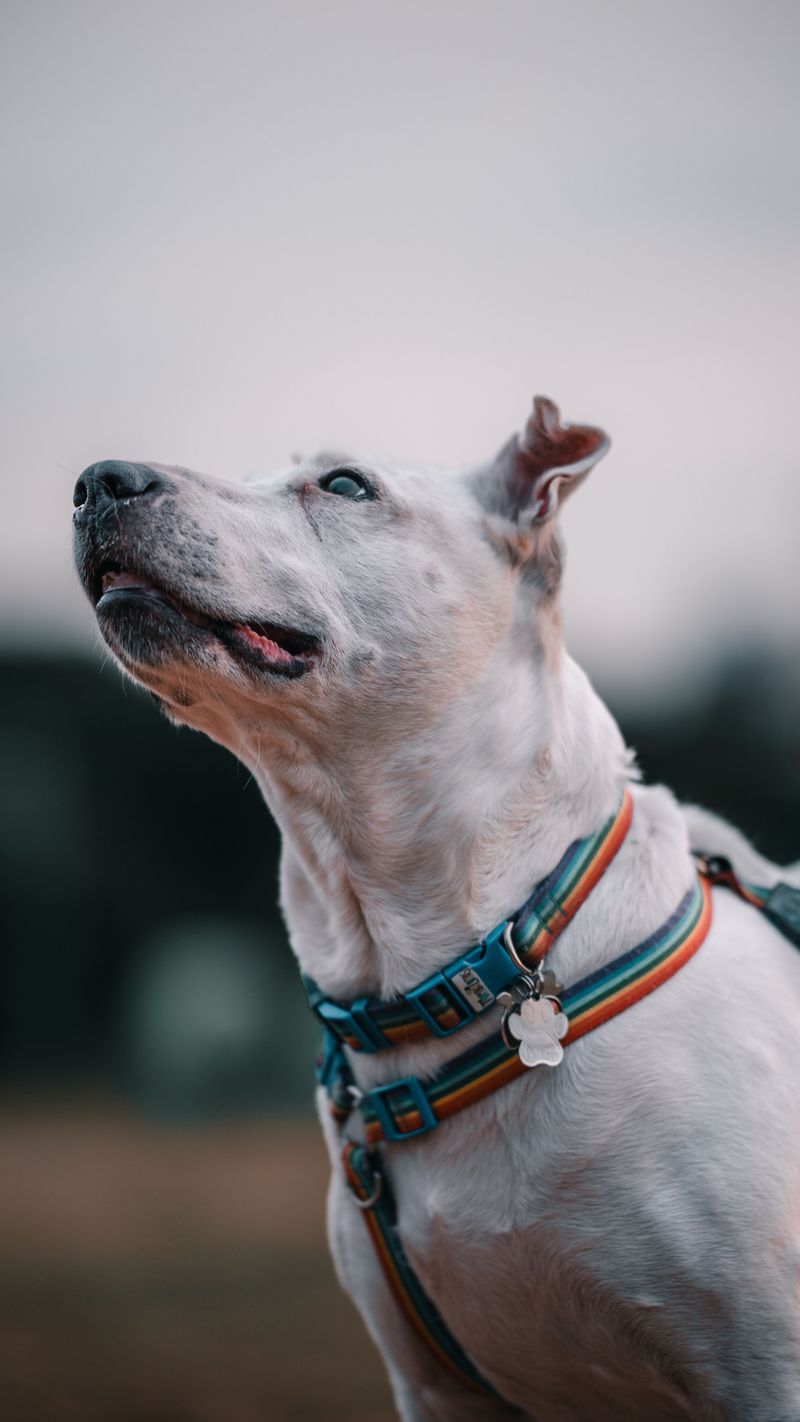
Even a careful household can have a door slip open unexpectedly. Check that your dog’s collar fits properly and carries readable contact information.
Replace worn tags before storm season brings extra noise and distractions.
Confirm your phone number and address with the microchip registry, not only your veterinary clinic. A microchip provides identification when scanned, but it does not track location.
Keep a recent photo available and know how to contact local shelters if your dog escapes.
17. Build a Storm Routine Before the First Big Downpour
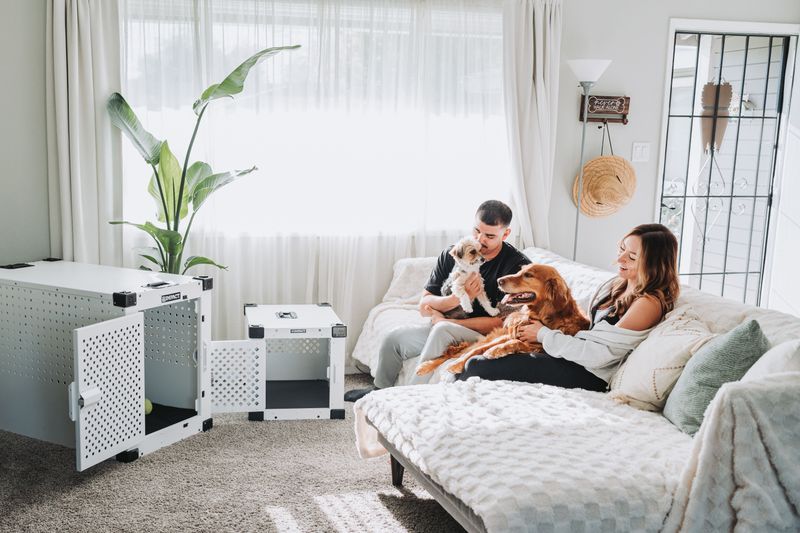
Predictable steps help everyone respond without rushing when clouds begin to gather. Decide who checks alerts, brings the dog inside, and closes outside doors.
Practice the routine during ordinary weather so each task feels familiar.
Keep your retreat ready, supplies stocked, and veterinary advice easy to find. Adjust the plan as your dog’s needs change or you learn what helps.
A little preparation now makes Colorado’s stormy afternoons easier to meet with confidence, patience, and a calmer dog.