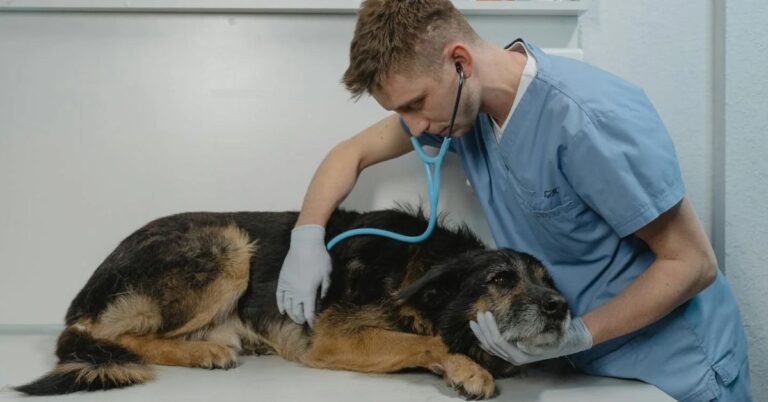
What Florida Dog Owners Should Know About Saltwater Poisoning And Sand Ingestion
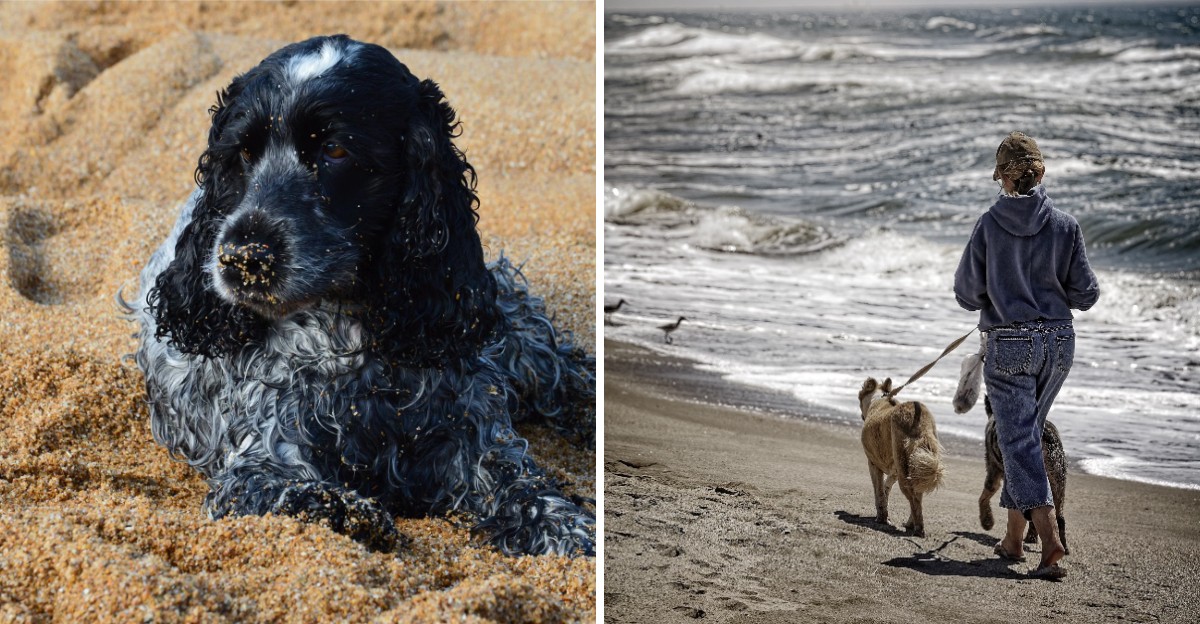
A Florida beach day should leave your dog happy, tired, and ready for a nap. But swallowing seawater or sand can cause problems that are easy to miss during all that fun.
Knowing what to watch for helps you make smart choices without worrying through every splash. With fresh water, closer supervision, and a clear plan for calling your veterinarian, you can enjoy the coast more confidently together.
1. Beach Play Can Lead to Saltwater Poisoning
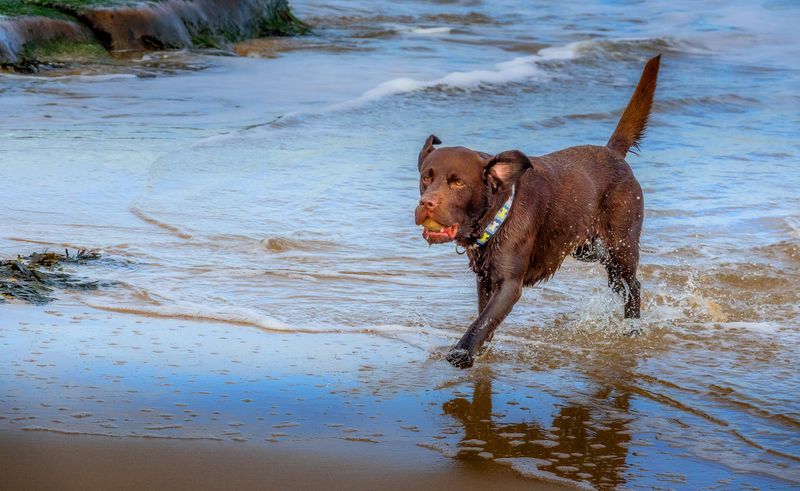
A mouthful of ocean water can sneak in during an ordinary game of fetch. Dogs may swallow seawater while swimming, grabbing toys, or biting at waves.
Too much salt raises sodium levels in the blood, disrupting the body’s normal water balance. The risk depends on the amount swallowed, body size, and other factors.
Watch how your dog plays, not just whether they deliberately drink. Repeated swallowing deserves a break and a call to your veterinarian.
2. Some Dogs Swallow More Seawater Than Others
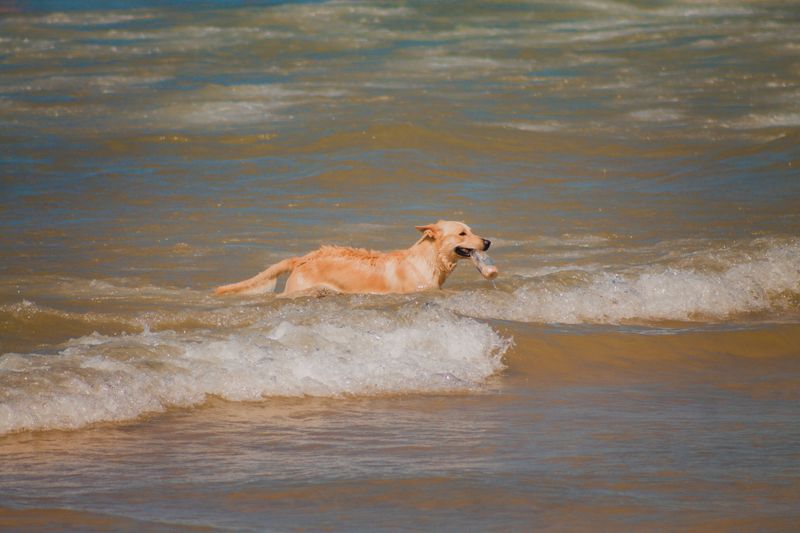
Your eager swimmer may take in more water than a dog who prefers shoreline sniffing. Open mouths, repeated retrieves, and snapping at splashes create extra chances to swallow seawater.
Thirst also matters, especially when fresh water is missing or difficult to reach. Smaller dogs can be affected by smaller amounts.
Avoid assuming experience makes any dog protected. Learn your dog’s habits, interrupt repeated gulping, and offer regular rest breaks away from the water during outings.
3. Early Changes Deserve Your Attention
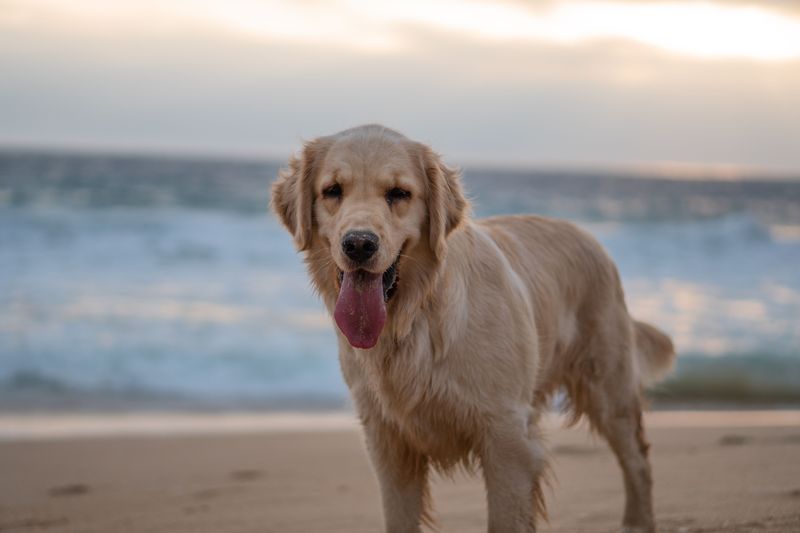
Loose stool after swimming is not always just a messy beach souvenir. Vomiting, diarrhea, unusual thirst, and low energy can follow seawater ingestion.
Those signs can also have other causes, so guessing is not helpful. Call your veterinarian when symptoms follow ocean play, even if your dog still seems fairly comfortable.
Explain the exposure and ask how quickly an examination is needed. Trouble walking, confusion, shaking, or seizures require immediate emergency veterinary care without delay.
4. Excess Salt Can Affect the Brain
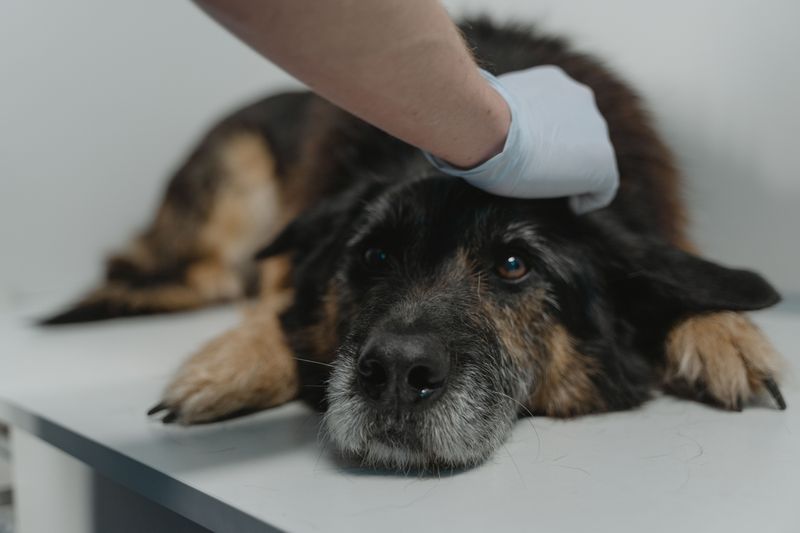
Balance problems after ocean play are more than a reason to end the game. Excess sodium can pull water from brain cells and interfere with normal brain function.
Affected dogs may seem confused, stumble, develop tremors, or have seizures. Seek emergency veterinary care immediately for these changes.
Keep your dog safely away from stairs and water while arranging transport. Do not put anything into their mouth during a seizure or attempt to restrain their tongue.
5. Fresh Drinking Water Belongs Within Reach
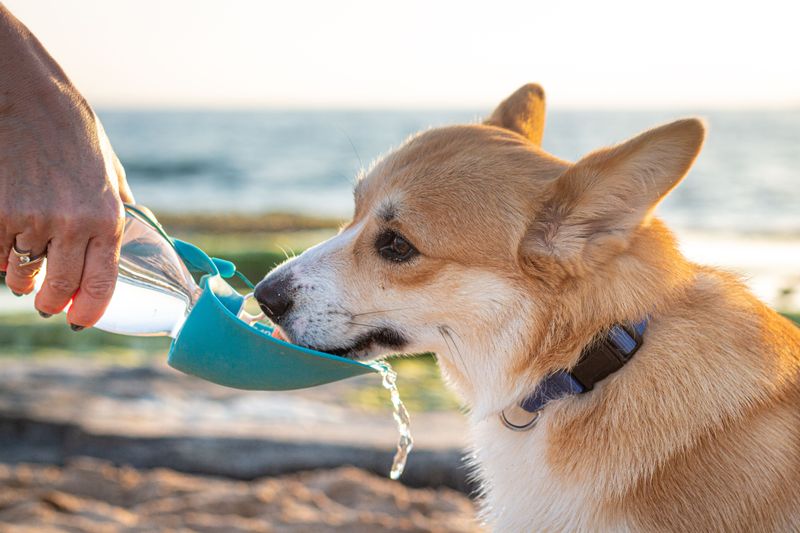
A water bowl in the car cannot help a thirsty dog beside the surf. Carry fresh drinking water and a clean bowl wherever you settle.
Offer drinks before play and during frequent shaded breaks. Bring enough for the entire visit, with extra for delays.
Never rely on seawater, puddles, or unknown public bowls. If your dog repeatedly ignores fresh water and seeks seawater, end water play.
Prevention is easier than managing an illness after a beach outing.
6. Respond Promptly When Your Dog Drinks Seawater
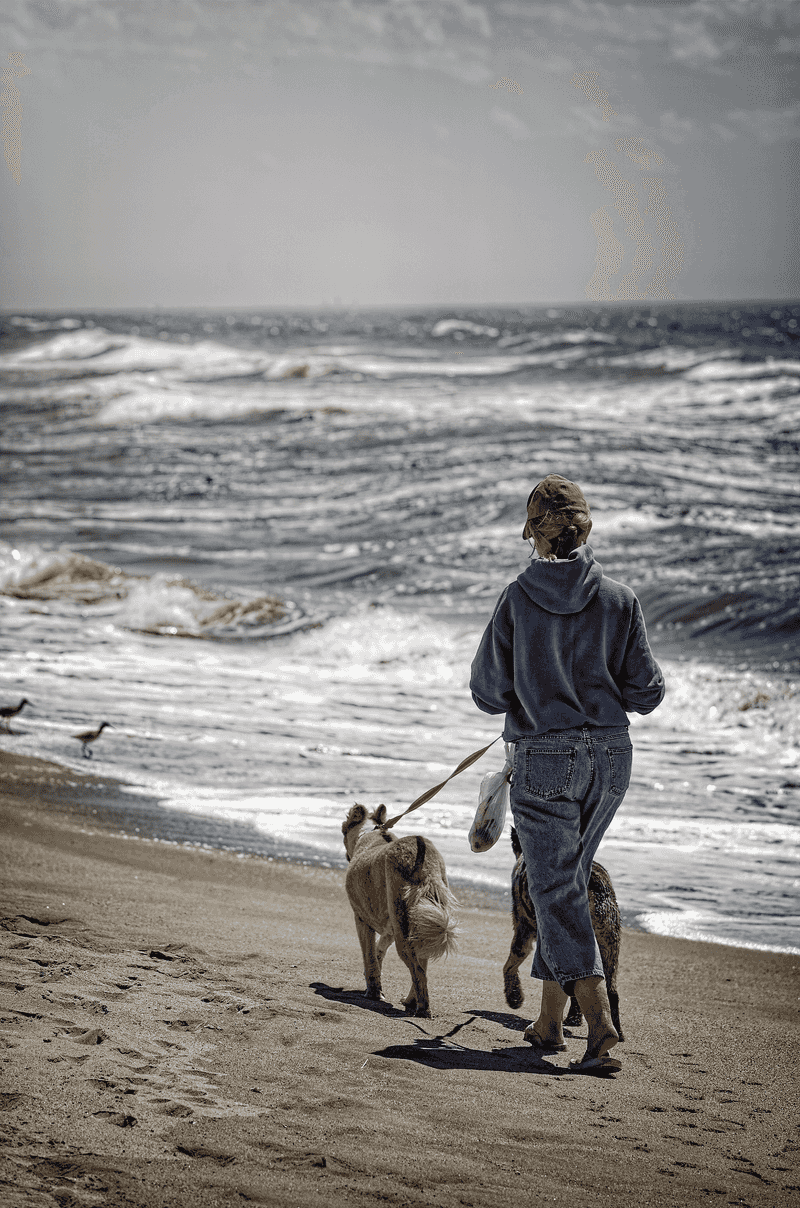
First, move your dog away from the ocean and stop active play. Find shade, keep them calm, and estimate how much seawater they swallowed.
Call your veterinarian promptly after repeated gulping, a large drink, or any concerning symptoms. Do not wait for symptoms after a substantial exposure.
If your dog is alert and swallowing normally, offer small amounts of fresh water while seeking veterinary advice. Never force your dog to drink or let a veterinary call delay emergency transport when needed.
7. Leave Saltwater Poisoning Treatment to Professionals
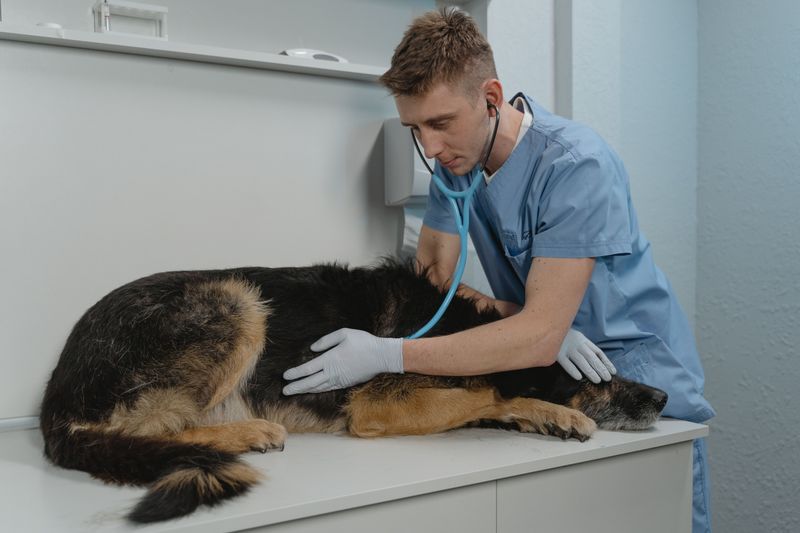
Kitchen remedies cannot safely correct a sodium imbalance. Veterinary treatment may require blood tests, carefully managed fluids, and repeated checks of sodium levels.
Correcting sodium too quickly can cause serious complications, which makes professional monitoring essential. Do not induce vomiting, give human medicines, or force large amounts of water.
Follow instructions from your veterinarian or an animal poison service. If your dog seems unwell, travel to the recommended clinic rather than experimenting with home treatments.
8. Sand Often Travels Into the Mouth Unnoticed
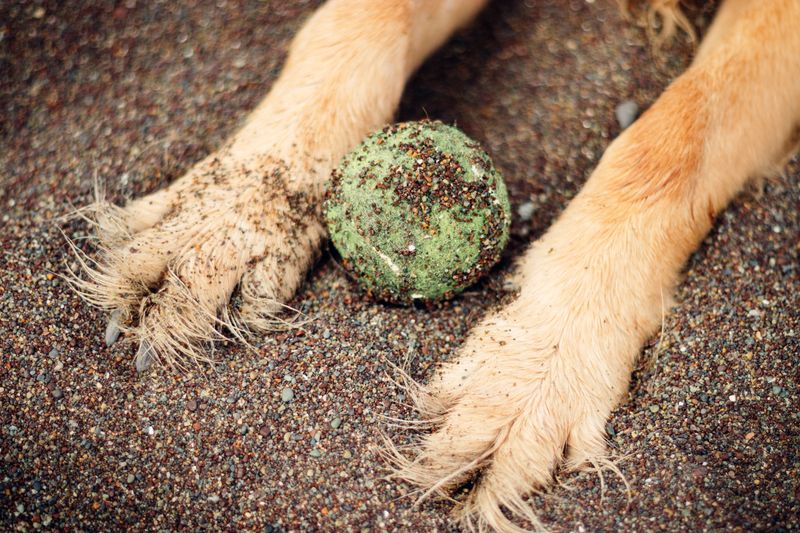
That sandy tennis ball carries more than beach memories. Grains stick to wet toys, paws, fur, and anything your dog mouths during play.
Dogs can swallow sand while digging, chewing beach objects, or licking themselves afterward. Repeated small mouthfuls may add up during a long visit.
Watch for deliberate sand eating, too. Move games away from loose sand when possible, clean toys frequently, and interrupt behaviors that repeatedly bring sand into your dog’s mouth outdoors.
9. Know the Signs of Sand Impaction
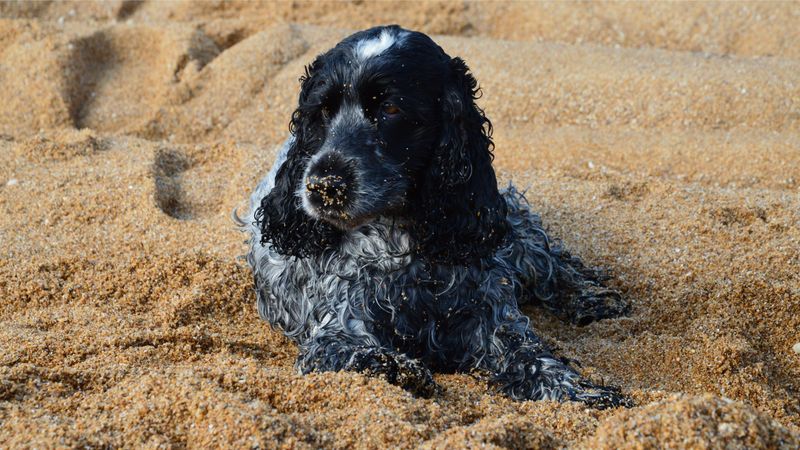
A dog who cannot settle after beach play may need more than a nap. Swallowed sand can collect in the digestive tract and interfere with movement.
Watch for vomiting, reduced appetite, belly discomfort, low energy, or difficulty passing stool. Some dogs may pass small stools or diarrhea despite a blockage.
Symptoms can develop after you leave the beach. Contact your veterinarian about concerning changes and mention sand exposure, even when you never saw actual swallowing.
10. A Sand Blockage Can Need Urgent Care

Sand does not always pass through without trouble. A large buildup can block the intestines, while vomiting and poor drinking can worsen dehydration.
Your veterinarian may use an examination and imaging to assess the problem. Treatment depends on the findings and may include monitored fluids, hospitalization, or surgery.
Do not give laxatives, oils, or extra food to push sand through. Repeated vomiting, a painful belly, or marked weakness calls for urgent veterinary assessment without delay.
11. Mouthy Players Need Closer Supervision
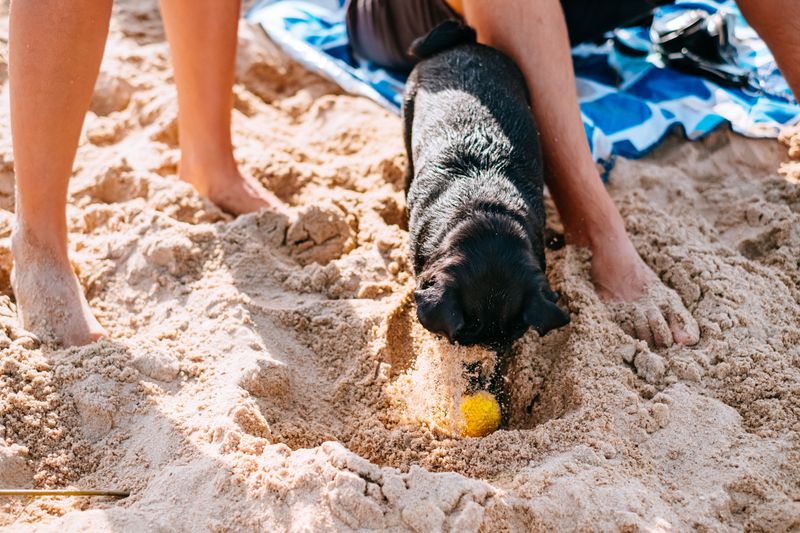
For some dogs, every beach discovery deserves a taste. Puppies, enthusiastic diggers, and dogs who constantly chew toys may encounter more sand.
Habit matters more than assuming any breed is automatically safe or unsafe. Dogs who regularly eat nonfood objects need especially close supervision and veterinary advice.
Choose activities that fit your dog’s behavior rather than copying another family’s routine. If sand eating continues despite redirection, leave the beach and discuss the pattern with your veterinarian.
12. Make Fetch Less Sandy
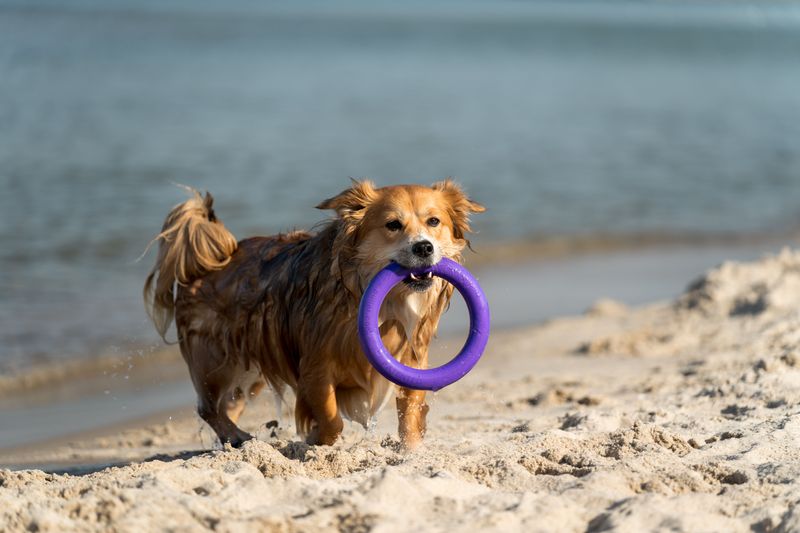
A few changes can make a favorite game cleaner. Choose a smooth, washable toy sized safely for your dog instead of one that holds sand.
Rinse the toy with fresh water whenever grains collect on its surface. Toss onto a clean mat when practical, rather than repeatedly into loose sand.
Avoid ocean retrieves if your dog gulps water while carrying toys. Short games with breaks help you notice sandy chewing before it becomes a pattern.
13. Rinse Before Your Dog Starts Grooming
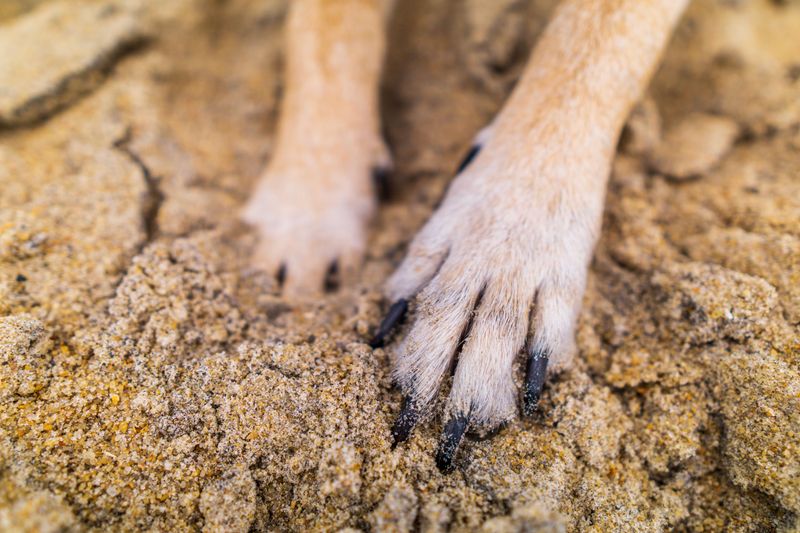
Cleanup starts before the ride home, not after the couch gets sandy. Rinse your dog’s coat, paws, and belly with fresh water when available.
Remove sand around the muzzle using a damp cloth without spraying water into the nose or mouth. Towel dry and check between toes for trapped grit.
Rinsing reduces sand available for licking, but cannot remove material already swallowed. Keep watching for digestive changes after a seemingly successful cleanup following your outing.
14. Florida Heat Adds Another Layer of Risk
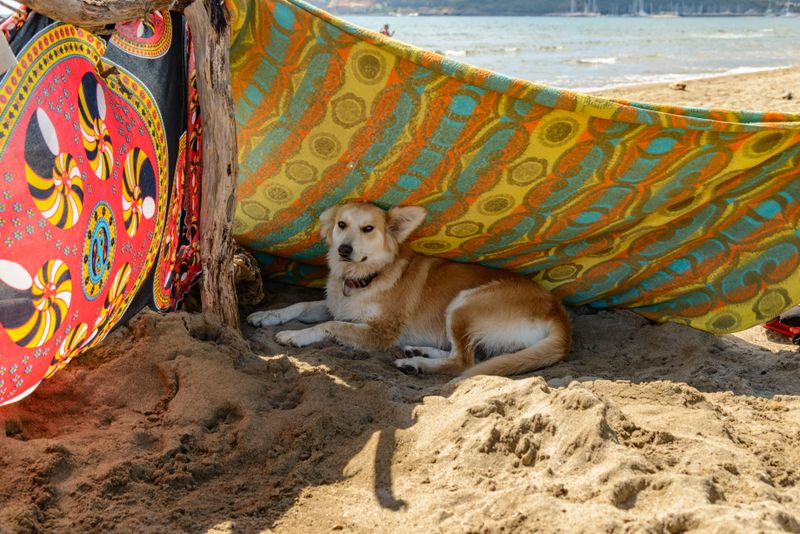
Sunshine and humidity can turn energetic play into overheating faster than owners expect. Thirst may encourage seawater drinking, while dehydration can complicate digestive problems.
Choose cooler hours, provide shade, and keep outings short enough for your dog’s needs. Heavy panting, weakness, drooling, or confusion require immediate action.
Move somewhere cool, begin cooling with water and airflow, and contact emergency veterinary care. Never assume ocean swimming prevents overheating or makes unlimited activity safe in Florida weather.
15. Pick Conditions That Help You Watch Closely
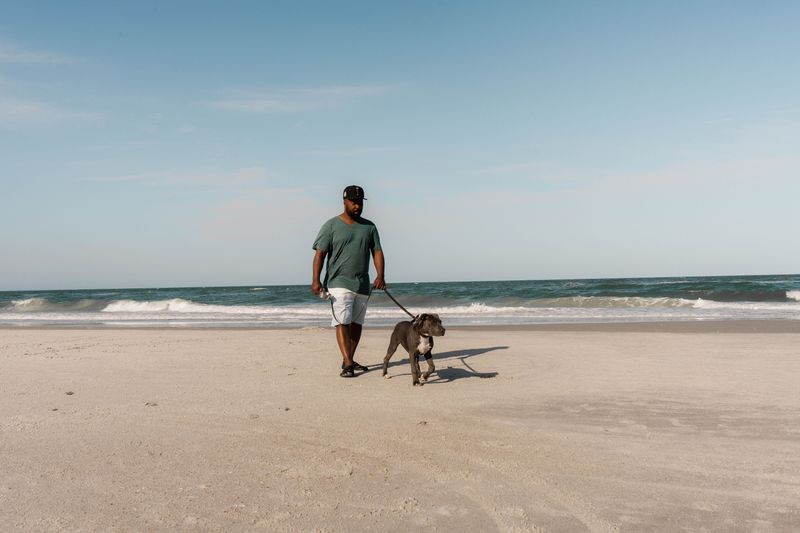
A quieter shoreline makes small changes in behavior easier to notice. Favor manageable surf, clear sightlines, and space away from crowded games.
Check weather, water advisories, and posted beach rules before visiting. Dog access and leash requirements vary across Florida cities, counties, and individual beaches.
Confirm current rules with the managing authority rather than assuming statewide access. Avoid rough water and strong currents.
If conditions prevent close supervision, choose a shaded walk instead of beach play.
16. Vomiting After the Beach Needs Context
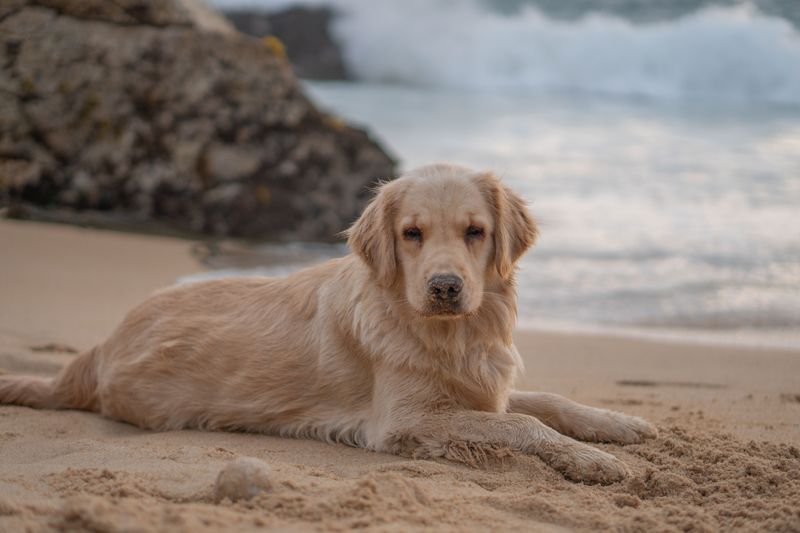
One episode can have several causes, but beach exposure changes the conversation. Call your veterinarian for guidance when vomiting follows seawater drinking or suspected sand ingestion.
Repeated vomiting, inability to keep water down, belly pain, weakness, or unusual behavior needs urgent assessment. Neurological signs warrant emergency care immediately.
Do not wait overnight hoping those signs disappear. Avoid giving human stomach medicines.
Tell the clinic about both possible exposures because saltwater and sand problems can happen together.
17. Give Your Veterinarian a Clear Beach Timeline
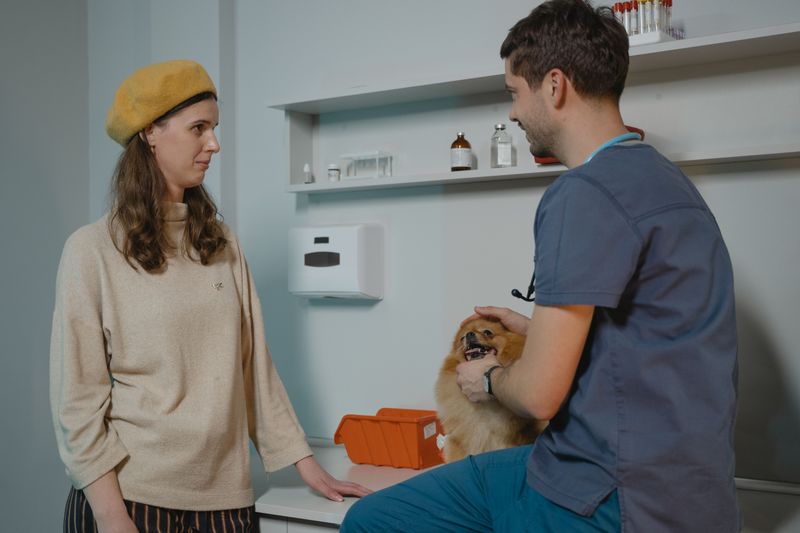
A short timeline helps the clinic decide what comes next. Note when you arrived, when exposure happened, and when symptoms first appeared.
Describe swimming, seawater gulping, digging, toy chewing, and any sand eating you noticed. Share your dog’s weight, health conditions, medicines, and recent drinking or bowel changes.
Bring photos or videos of unusual behavior if safely recorded. Estimates are useful, but say when amounts are unknown.
Never delay travel to gather details during an emergency.
18. Build a Beach Routine You Can Repeat
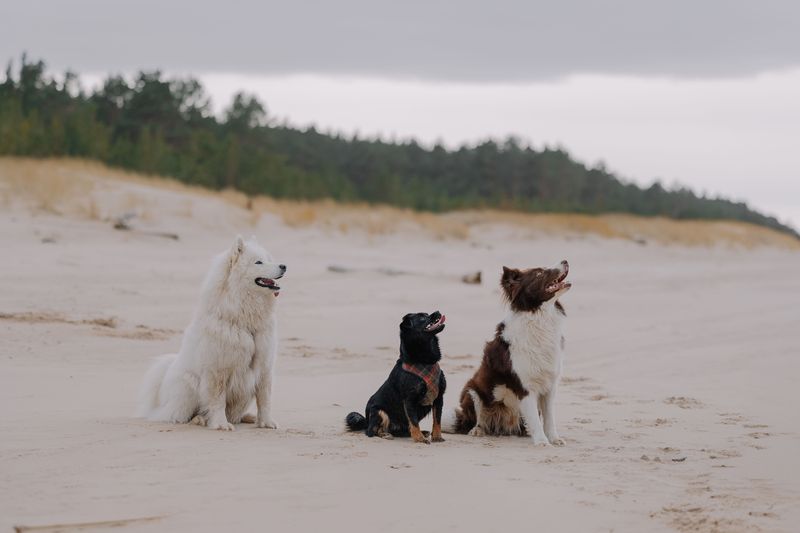
Good beach habits should feel simple enough to repeat every visit. Pack fresh water, a bowl, clean toys, towels, and your veterinary clinic’s number.
Locate the nearest open emergency clinic before leaving home. Plan short play sessions, shaded breaks, toy rinses, and a careful cleanup.
Watch your dog afterward and report concerning changes promptly. You do not need a perfect outing to make smart choices.
Less swallowing, closer watching, and earlier advice make beach days safer.