20 Dog Expenses New York Owners Should Budget For Before Adoption
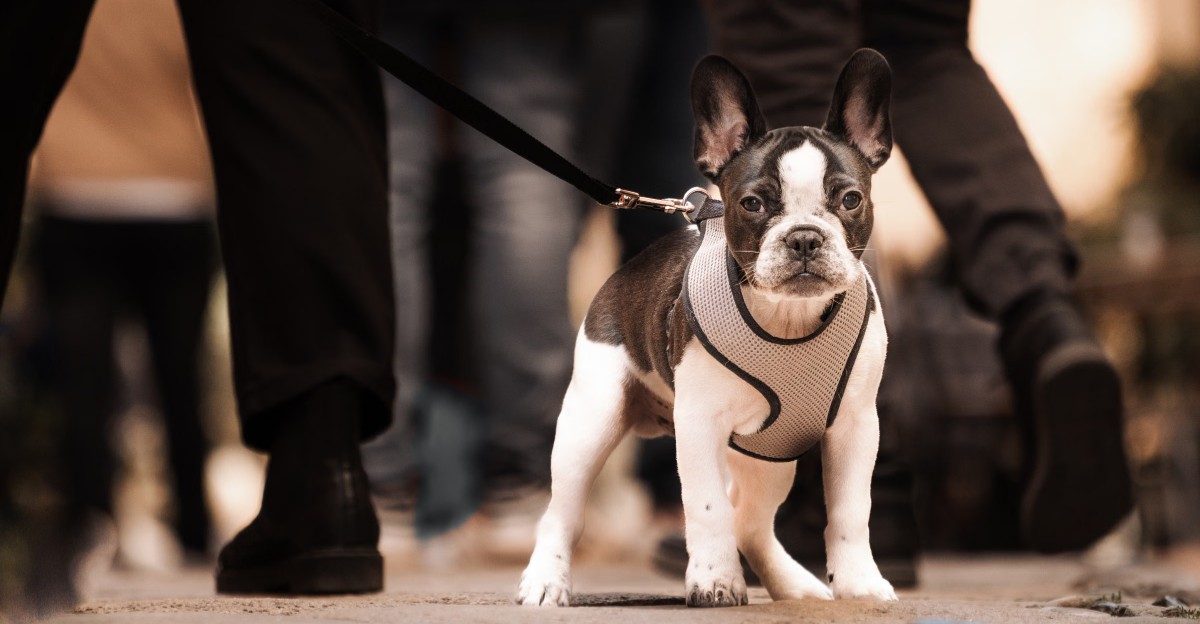
Bringing home a dog is one of the happiest choices you can make. Living in New York adds a few costs that owners elsewhere may never see.
Think of this guide as a friendly chat with someone who has already done the math. Knowing these expenses ahead of time helps you plan calmly and enjoy every moment with your new pup.
1. Adoption Fees at Shelters and Rescues

Your first cost often arrives with a wagging tail. Animal Care Centers in New York City use a sliding scale, with fees often between $25 and $400.
Adopting there includes a mandatory $8.50 city license for borough residents. Other groups set their own prices, so fees differ across the state.
Good news: many fees cover vaccines, spay or neuter surgery, and a microchip. Ask exactly what is included before you sign anything.
2. The First Vet Visit
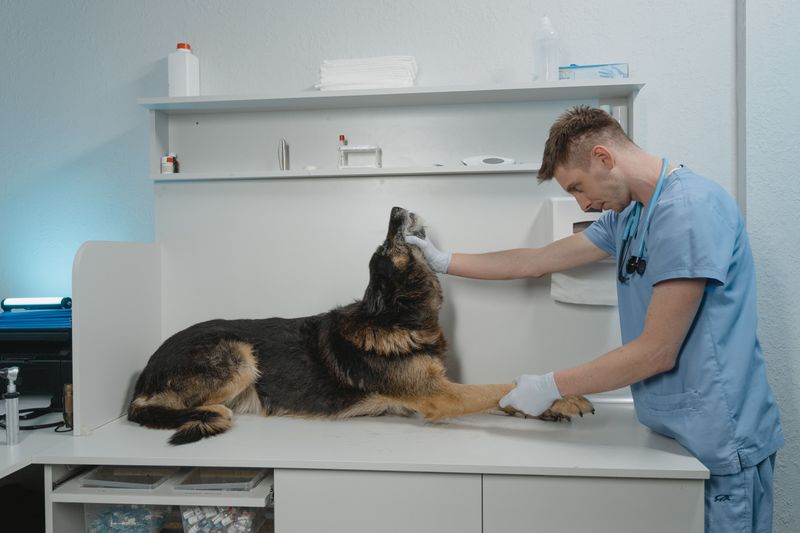
Even a healthy-looking dog deserves a fresh set of eyes. A first exam helps your vet learn what is normal for your new friend.
Across New York, a wellness exam often runs $100 to $150. In New York City, prices vary widely, with a median near $109.
Bring any shelter records along. They can prevent repeat tests and save you money.
Schedule this visit within the first week or two.
3. Core Vaccines and Rabies Shots
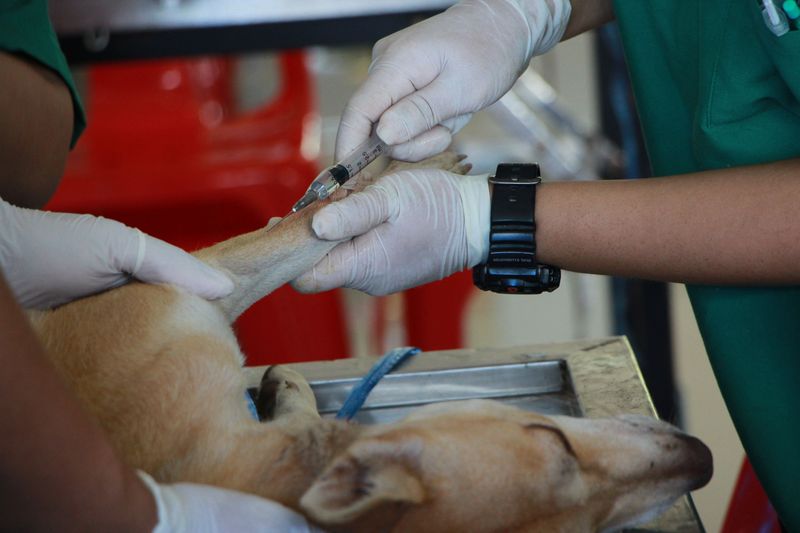
Rabies protection is not optional here. New York State law requires dogs to be vaccinated by four months of age, followed by a booster.
A rabies shot often costs $20 to $70. Other core vaccines, like distemper and parvovirus, can cost more per dose in the city.
Puppies need a series of visits, so plan for several bills. Total vaccine costs often land between $100 and $350.
4. Spay or Neuter Surgery

Many adopted dogs come home already fixed. If yours did not, this becomes one of the larger early costs.
Neutering in New York often costs $250 to $800. Spaying usually runs a bit higher, around $300 to $900.
Lower-cost help exists. The ASPCA offers free or reduced-cost surgery for income-qualified city residents.
Local clinics outside the city may also offer budget options, so call around and compare.
5. Microchip and Registration
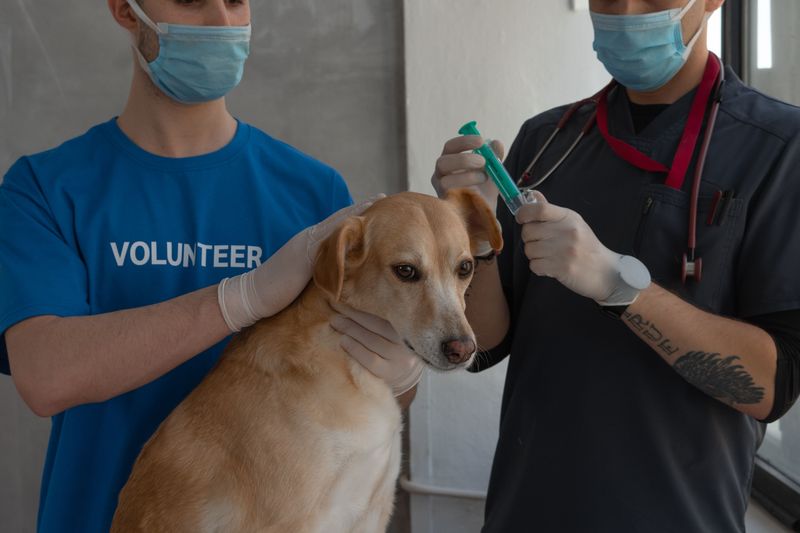
Picture a tiny chip, about the size of a rice grain, quietly helping your dog find home. That is the promise of microchipping.
Implanting one in New York usually costs $40 to $100. Many shelters include it in the adoption fee.
Here is the step people forget: registration. The chip only works if it links to your contact details.
Basic registration often costs $10 to $25, and updates matter after moves.
6. Dog License and Renewals
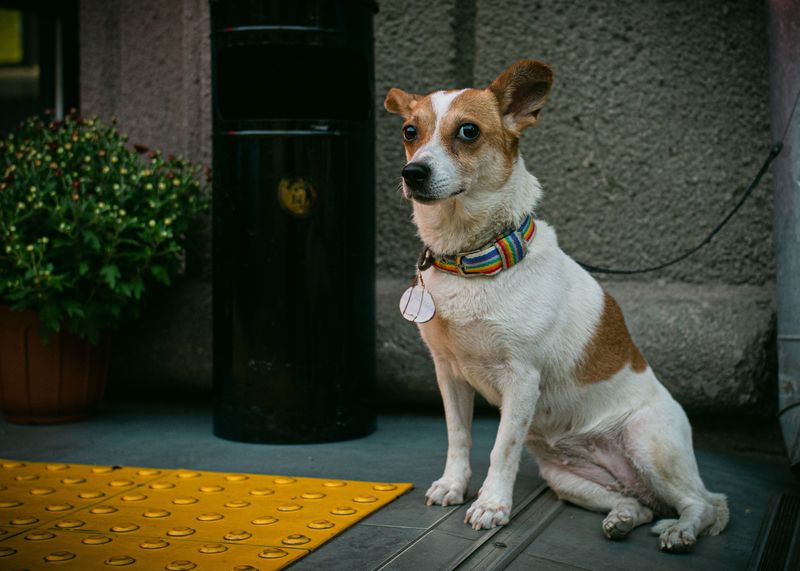
Licensing is required for dogs in New York State, and New York City asks dogs to wear their tag in public.
A one-year city license costs $8.50 for a spayed or neutered dog. Unaltered dogs cost $34.
Multi-year options are available.
Outside the city, fees are set by each town or county, so prices differ. Keep your rabies certificate handy, since you need it to apply or renew.
7. Monthly Food and Supplements
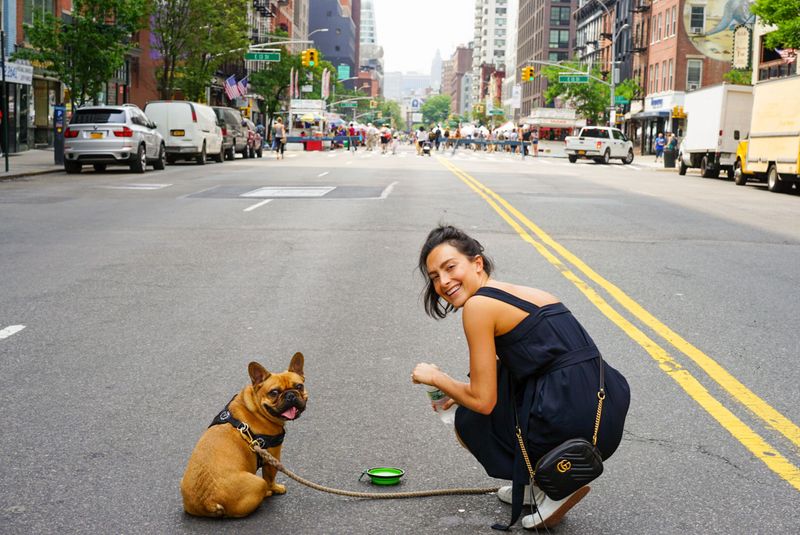
Food is the bill that never takes a month off. Small dogs eating dry food may cost $25 to $70 monthly.
Larger dogs can reach $80 to $140. Fresh, wet, or prescription diets may climb to $150 or more each month.
Remember sales tax, since pet food is generally taxed in New York. Ask your vet before adding supplements.
Some are helpful, while others simply add cost without clear benefit.
8. Bowls and Feeding Gear
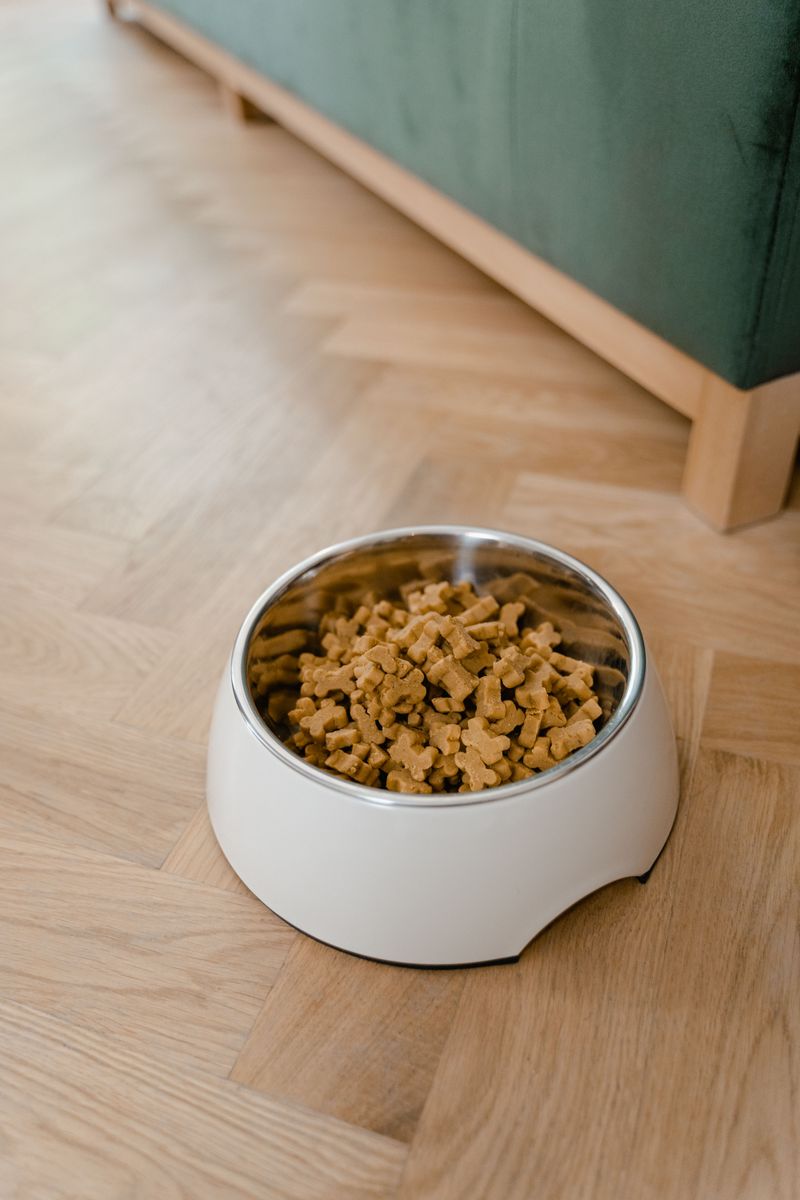
A good bowl seems simple until you try three cheap ones. Stainless steel and ceramic last longer and clean easily.
Basic bowls start around $6, with many costing about $23. Raised feeders, non-slip bases, and automatic dispensers cost more.
A mat underneath protects floors, which renters will appreciate. Grab a sealed food container too.
It keeps kibble fresh and away from curious city mice.
9. Collars, Tags, Leashes, and Harnesses

City walks mean busy sidewalks, honking cabs, and plenty of distractions. Reliable gear keeps everyone safe and relaxed.
Collars, leashes, and harnesses together often cost $60 to $150 at first. An engraved ID tag adds a few dollars more.
Many owners like a harness for pullers. Check the fit often, especially with growing puppies.
You should slide two fingers comfortably under any strap.
10. Beds, Crates, and Carriers
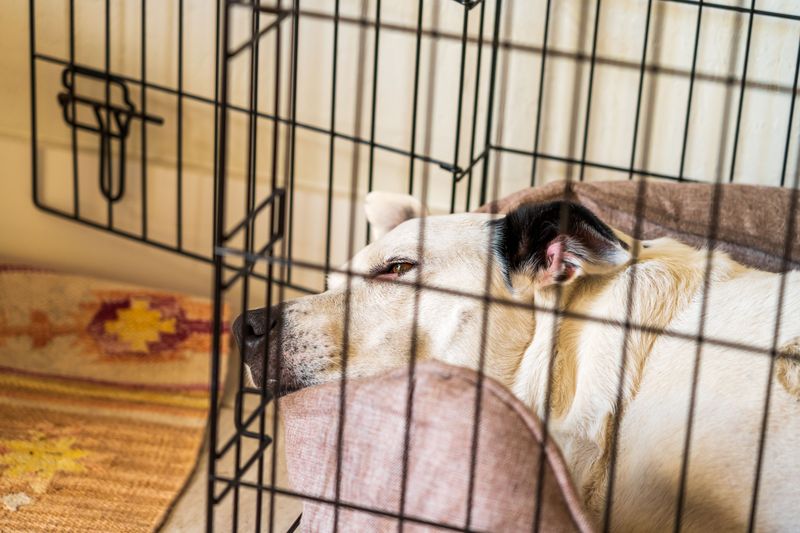
Every dog needs a spot that feels like their own. In a compact apartment, that space matters even more.
A crate often costs around $60, and a carrier about $50. Beds range from basic mats to orthopedic styles.
Carriers help on the subway, since many transit rules ask for small dogs to be contained. Check current MTA rules before riding with your pup.
11. Toys, Chews, and Enrichment

A bored dog will invent hobbies, like redecorating your couch cushions. Toys give that energy a happier outlet.
Starter toys often cost $20 to $70. Puzzle feeders usually run about $10 to $30.
Chews vary widely in price and safety. Pick sizes that match your dog’s mouth, and supervise new items.
Rotating toys weekly keeps old favorites feeling exciting without buying new ones.
12. Yearly Checkups and Preventive Care
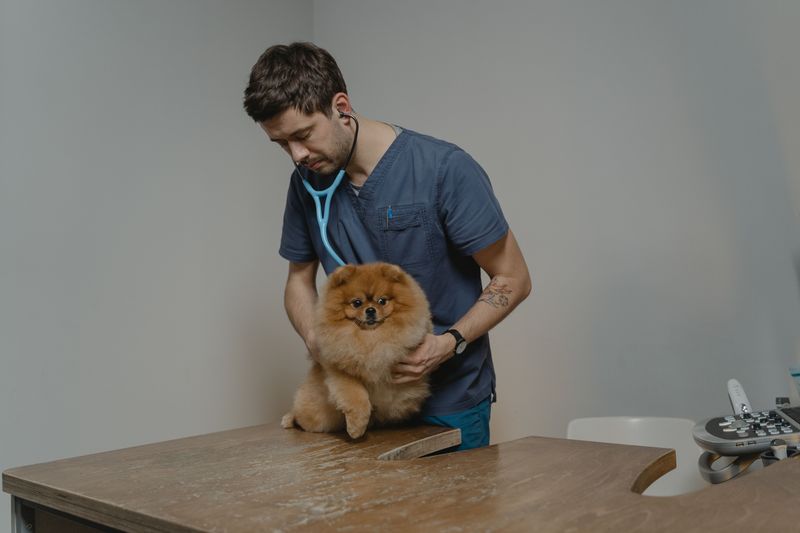
Think of the yearly checkup as a tune-up. Small concerns often show up early, when they are simpler to handle.
Annual visits in New York commonly cost $80 to $350. City clinics often charge more than the national average.
Expect a physical exam, weight check, and dental look. Older dogs may need bloodwork too.
Setting aside a little each month makes these visits feel routine, not stressful.
13. Flea, Tick, and Heartworm Prevention
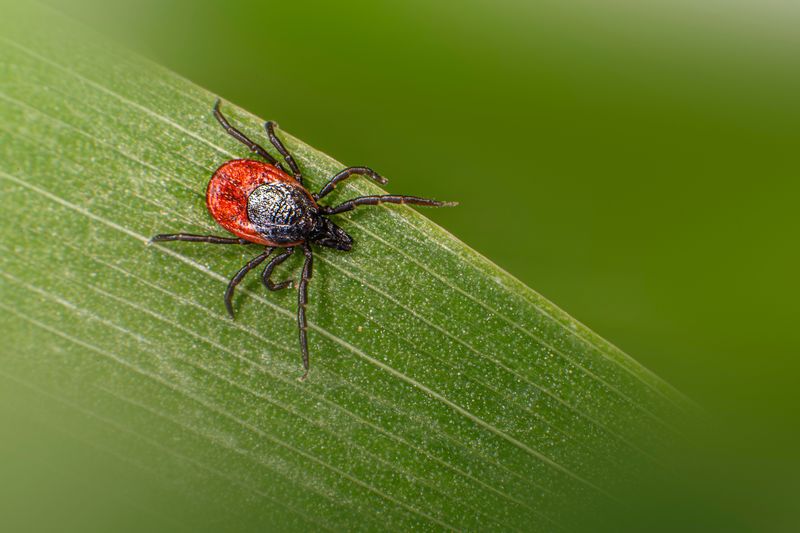
Ticks love tall grass, and New York has plenty of parks and trails. Prevention keeps those uninvited guests away.
National estimates put flea and tick products at $29 to $66 monthly. Heartworm prevention often runs $18 to $42.
Your vet may suggest a yearly heartworm test before starting medicine. Ask which products suit your area and lifestyle.
Some insurance wellness add-ons help cover these costs.
14. Pet Insurance Premiums and Deductibles
Insurance works like an umbrella. You may not need it daily, but you will be glad it is there.
Monthly dog premiums in New York often range from $20 to $70. City rates tend to run higher than upstate.
Deductibles can range from $0 to $1,000. A higher deductible usually lowers your monthly cost.
Read exclusions carefully, especially for conditions your dog already has.
15. Emergency Vet Fund
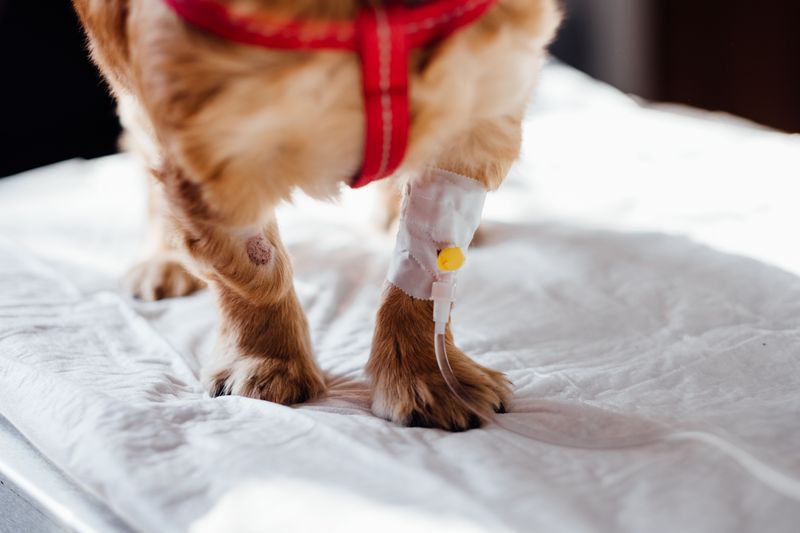
Surprises happen, even to careful owners. A swallowed sock or sudden limp can mean an unplanned trip.
Emergency visits in New York vary widely, from a few hundred dollars to several thousand. Complex care can cost much more.
A dedicated savings fund brings real peace of mind. Many owners aim for $1,000 to $2,000 to start.
Save your nearest 24-hour clinic’s number in your phone today.
16. Grooming Services and Supplies

Some dogs need a quick brush. Others, like doodles and poodles, need a regular salon appointment.
Grooming in New York City often costs $40 to $300. Size, coat type, and services all affect the price.
Home supplies like shampoo, brushes, and nail clippers cost less over time. Learning simple tasks yourself helps stretch the time between pro visits.
Short, gentle sessions build trust.
17. Training Classes and Behavior Help

A well-trained dog makes elevator rides and busy crosswalks much easier. Training is an investment in daily calm.
Private sessions in Manhattan often run $125 to $200 per hour. Brooklyn rates tend to be a bit lower.
Group classes usually cost less and help with socializing. For complex behavior concerns, a veterinary behaviorist costs more but offers medical insight.
Packages often save 10 to 20 percent.
18. Walkers, Daycare, and Boarding
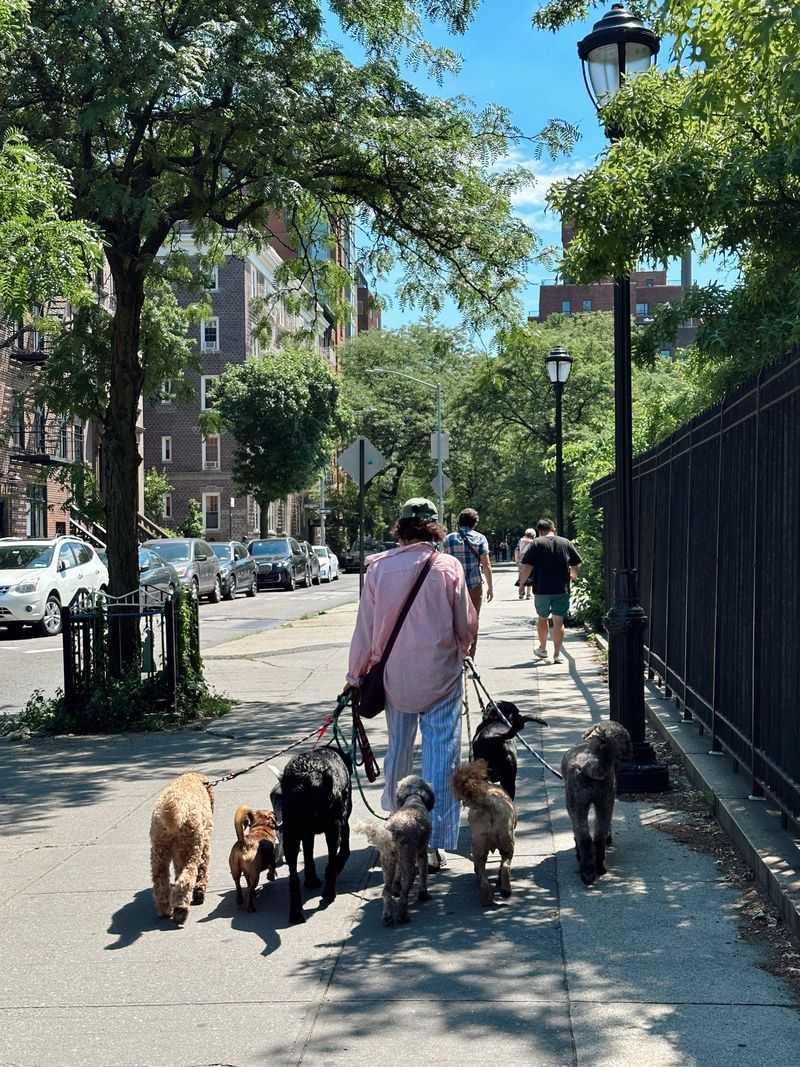
Long workdays and subway commutes are part of city life. Your dog still needs a midday stretch.
City walkers often charge about $18 to $35 for a short walk. Daycare usually costs $40 to $60 per day.
Boarding often ranges from $30 to $70 nightly, while upscale pet hotels charge more. Book holiday stays early.
Popular spots fill quickly, and last-minute prices can climb.
19. Apartment Pet Fees and Pet Rent
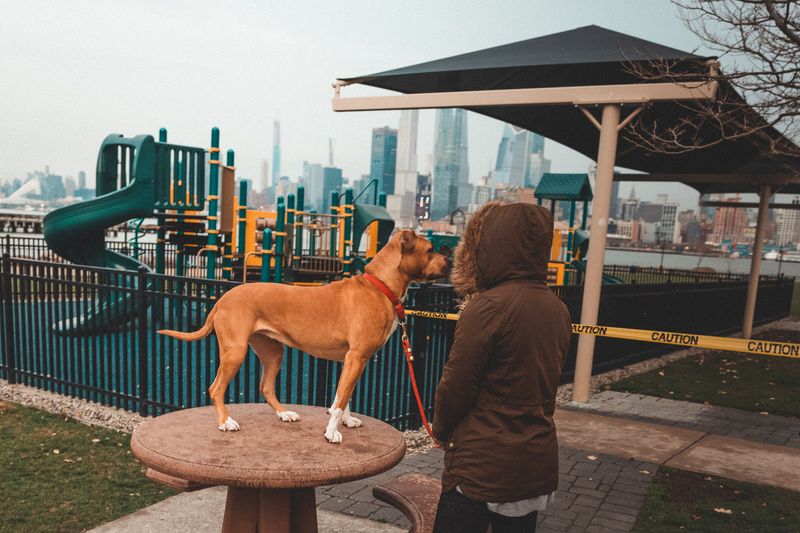
Housing rules can shape your budget as much as dog food. Read your lease closely before adoption day.
New York law caps security deposits at one month’s rent, so landlords cannot add a separate pet deposit. Monthly pet rent, however, may still apply.
Listings often show $40 to $100 per pet monthly. Building rules on size or breed vary.
Get written approval from your landlord first.
20. Cleaning Supplies and Repairs
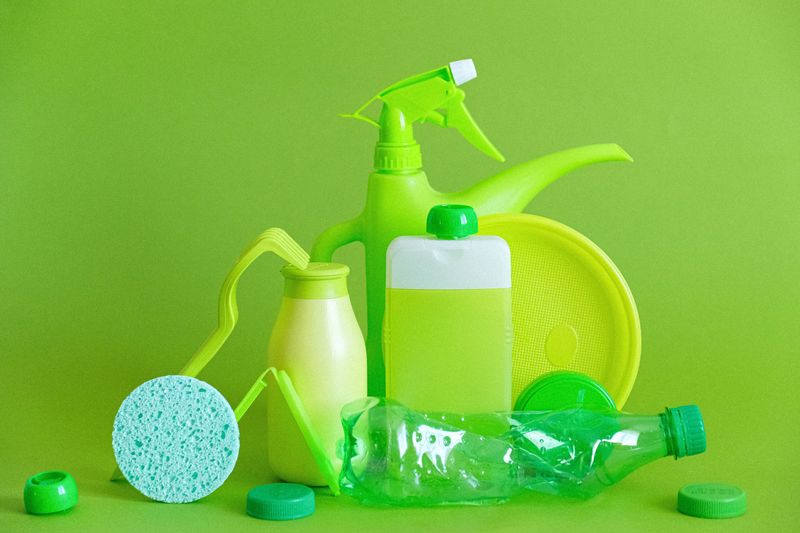
Accidents are part of the puppy chapter. A little preparation keeps them from becoming big headaches.
Starter cleaning supplies often cost $55 to $165. Waste bags run about $6 to $19 monthly, and city law requires you to pick up after your dog.
Enzyme cleaners remove odors best. Set aside a small fund for chewed trim or scratched floors.
Renters may face charges at move-out.