19 Water-Loving Dog Breeds For Colorado Reservoir And Paddleboard Days
Colorado reservoirs sit high, bright, and chilly, even in July. That mountain water can surprise a dog who only knows backyard pools.
Some breeds were built for exactly this kind of splash, with webbed toes, oily coats, and serious retrieving drive. Others carry a quirky water history you might never guess.
The breeds below range from big paddle partners to compact board buddies, so one might match your next day at the shore.
1. Labrador Retriever
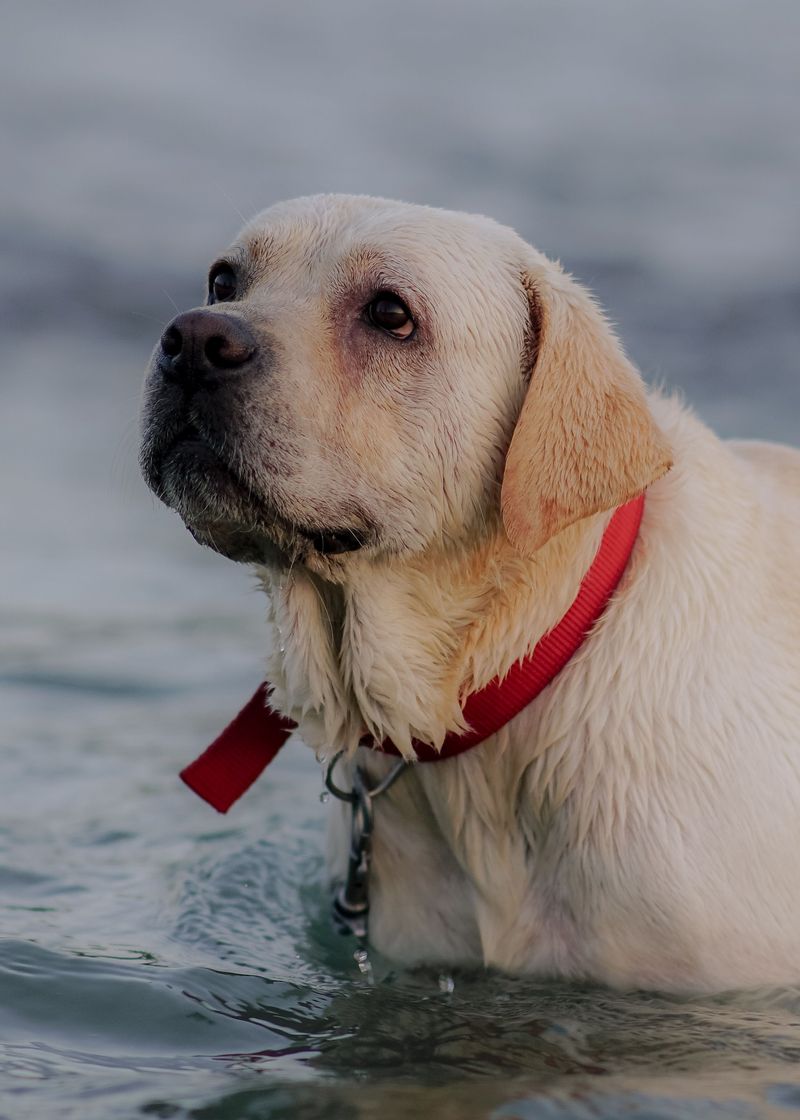
Splash first, ask questions later. That sums up the classic Lab at any Colorado shoreline.
Labs trace back to Newfoundland, where they helped fishermen haul nets in cold water. Their webbed paws push hard, and that thick otter tail steers like a rudder.
A dense, water-resistant coat shrugs off chilly reservoir dips.
Pack a floating bumper for fetch. Labs have big energy, so a long swim keeps them calm on the board afterward.
2. Golden Retriever
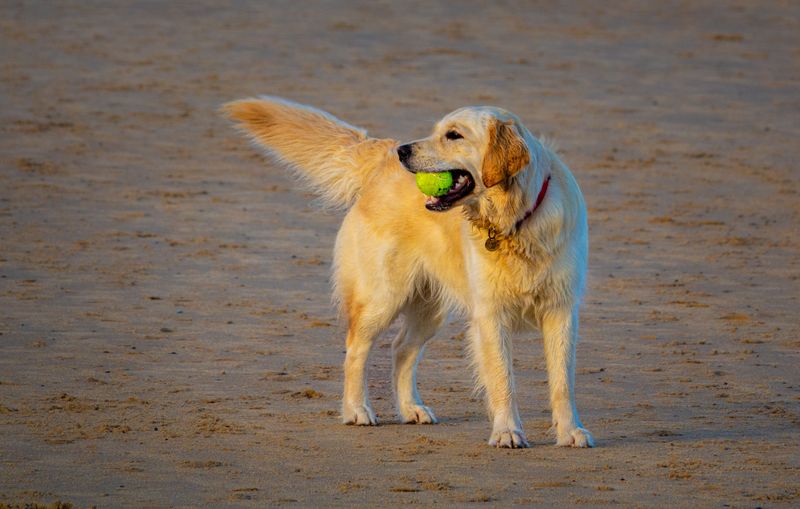
Picture a sunny grin riding the front of your board. Goldens bring that happy glow to every outing.
Bred in Scotland in the 1860s, they fetched ducks from cold water for hunters. Partial webbing between their toes works like built-in flippers.
Their water-repellent outer coat and thick undercoat block mountain chill.
Families love them because they stay cheerful around kids. Rinse that feathery coat after swimming to keep lake grit from tangling.
3. Portuguese Water Dog
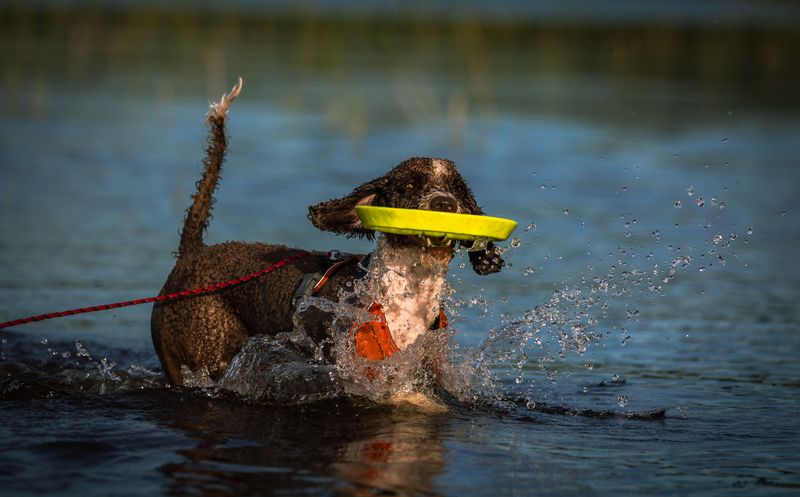
Fishermen in Portugal once had a furry crew member on every boat. The Cão de Água herded fish into nets and carried messages between vessels.
Today, that work ethic shows up as pure splash power. PWDs rarely skip a swim, and their curly, low-shedding coat suits allergy-aware families.
Expect a Velcro dog who wants to share your board. Bring puzzle toys too, because that busy brain needs a job.
4. American Water Spaniel
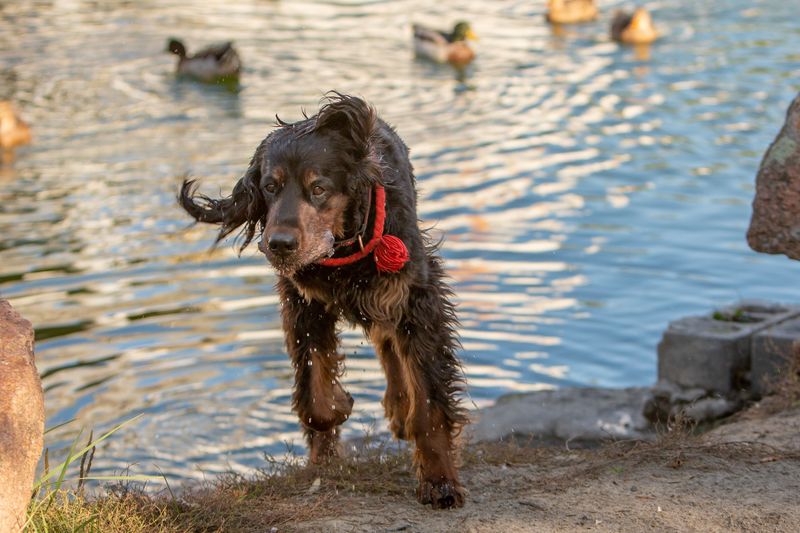
Born in the Great Lakes wetlands, this curly brown spaniel is a true Midwest original. Hunters needed a compact retriever that could hop in and out of small boats.
At 25 to 45 pounds, an AWS fits nicely on a paddleboard. Webbed paws and a water-resistant coat help it glide.
They may act shy with strangers at a busy beach. With family, though, they will happily fetch for hours.
5. Boykin Spaniel
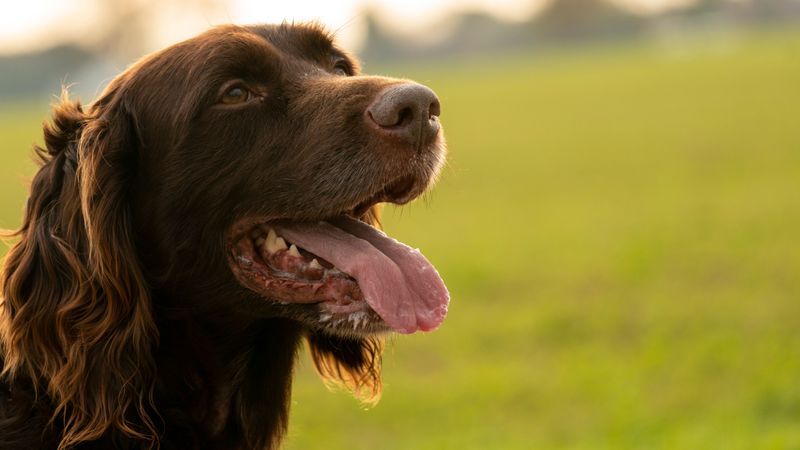
Here is a fun fact: the Boykin is South Carolina’s official state dog. Hunters there wanted a small spaniel that fit into narrow boats.
Owners say Boykins swim like seals, thanks to webbed feet. Their size makes them easy to lift back onto a board.
Energy runs high, so plan a good swim before paddling. Their eager-to-please attitude makes teaching board manners surprisingly quick.
6. Nova Scotia Duck Tolling Retriever
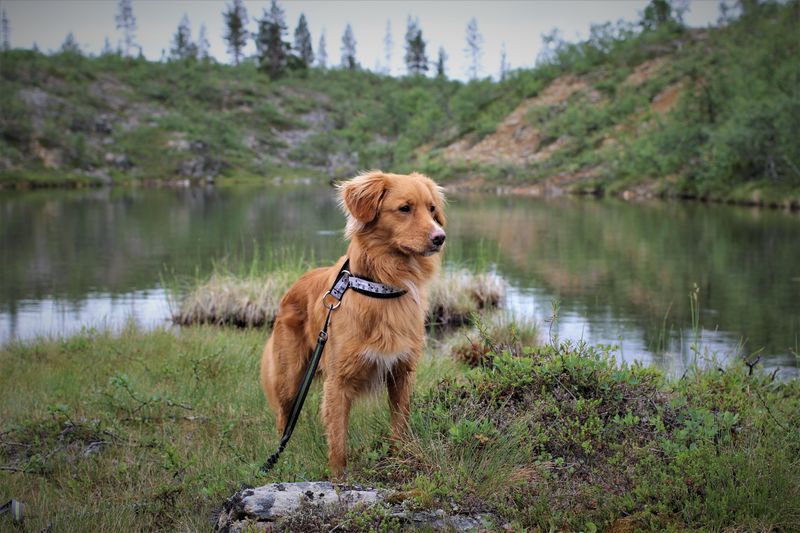
Ducks in Nova Scotia once fell for a clever trick. A red dog would frolic at the shore, and curious birds paddled closer.
That tolling talent belongs to the smallest retriever breed. Tollers pack a water-repellent double coat and webbed feet into a medium frame.
They shine at dock diving and fetch. Keep them busy, because a bored Toller may invent its own loud games on the beach.
7. Chesapeake Bay Retriever
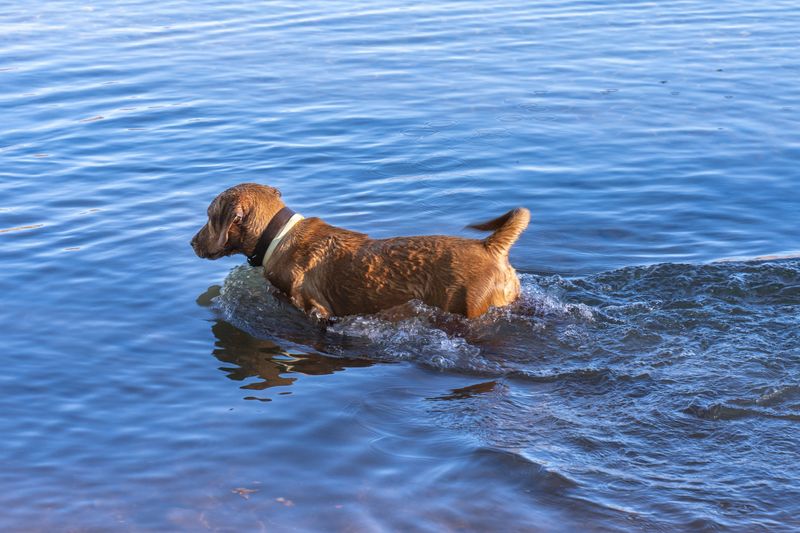
Snowmelt water does not scare a Chessie one bit. These dogs were built in the early 1800s for icy Maryland tides.
Their wavy, slightly oily coat sheds water almost instantly. Powerful hindquarters drive long-distance swims across wide reservoirs.
Owners describe their water love as nearly an obsession. Chessies are devoted and protective, so early socialization helps them relax around crowded beaches.
Give them a purpose, and they glow.
8. Flat Coated Retriever
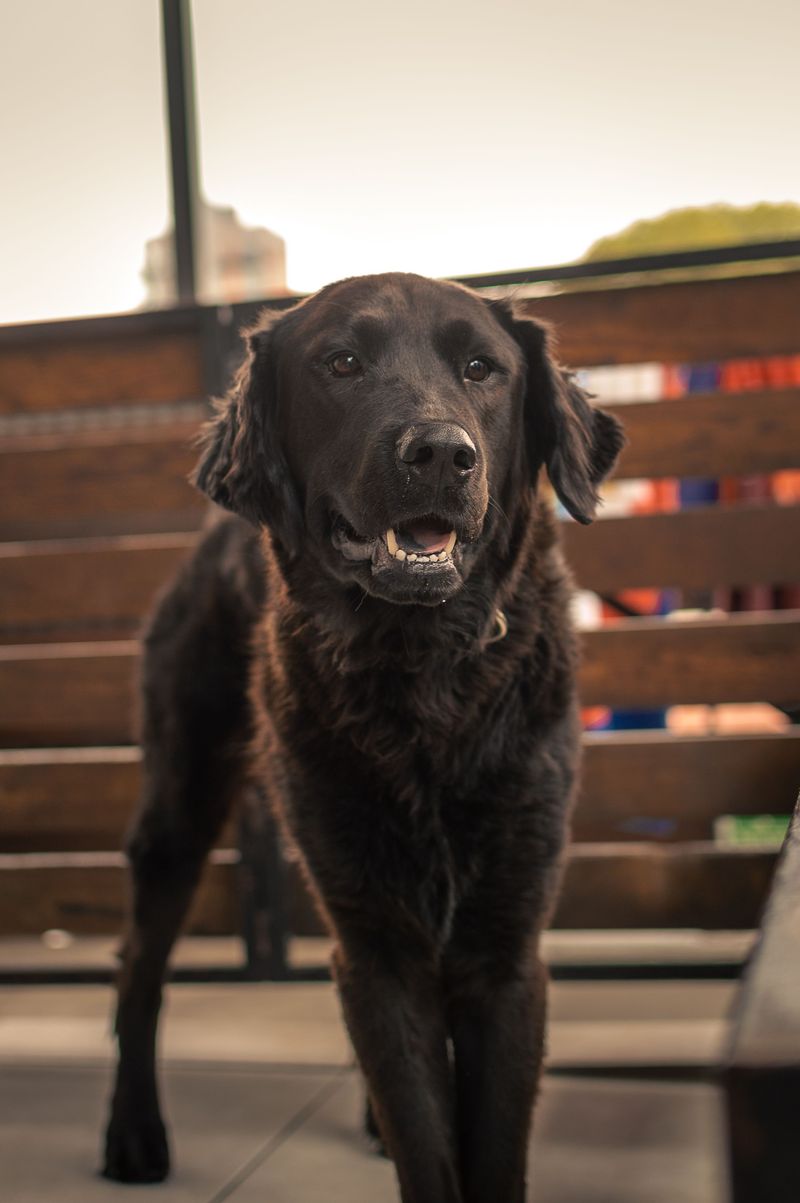
Some dogs grow up. Flat-Coats mostly refuse, staying bouncy and puppy-like well into their adult years.
England bred them to flush and retrieve on land and water. Their glossy black or liver coat resists weather and water nicely.
Swimming, running, and fetch top their favorites list. A stubborn streak can pop up, so keep lessons playful.
Every beach visitor will likely get a joyful, wiggly hello.
9. Curly Coated Retriever
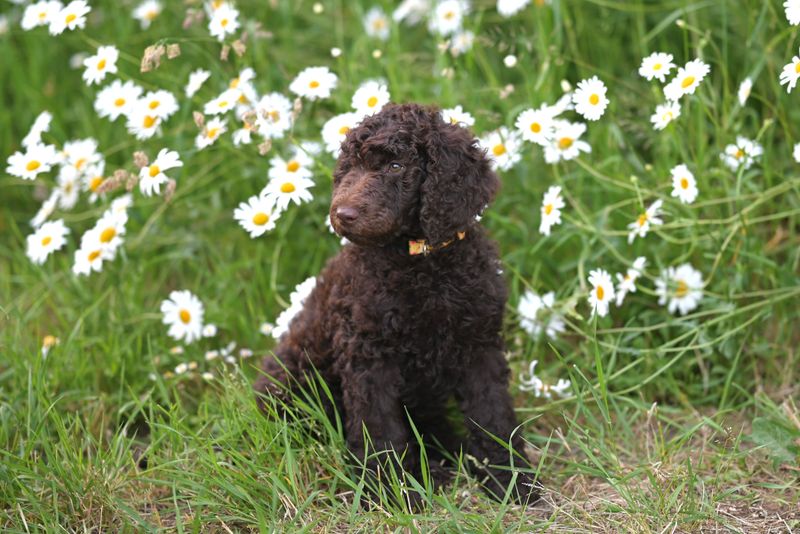
Those tight curls are not just for looks. In 19th-century England, they worked like armor against icy water and thorny brush.
Curlies rank among the oldest retriever breeds. Their coat needs little brushing, which keeps the curl pattern neat after swims.
Confident and a bit independent, they may stay reserved with strangers. Bring scent games for shore breaks.
Curlies love following their noses between paddles.
10. Standard Poodle
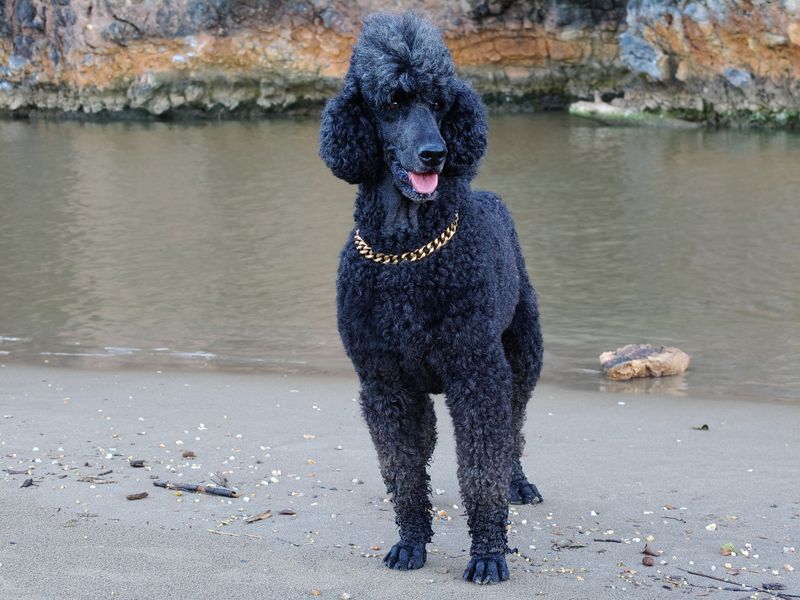
Fancy haircut, serious swimmer. Standard Poodles began in Germany over 400 years ago as duck dogs.
Their name comes from Pudelhund, meaning puddle dog. Even the famous show clip once protected joints from cold water while freeing the legs.
Poodles are smart, agile, and have webbed feet. A short sport clip dries faster after reservoir days.
They also learn board commands quickly, making them stylish deckhands.
11. Barbet
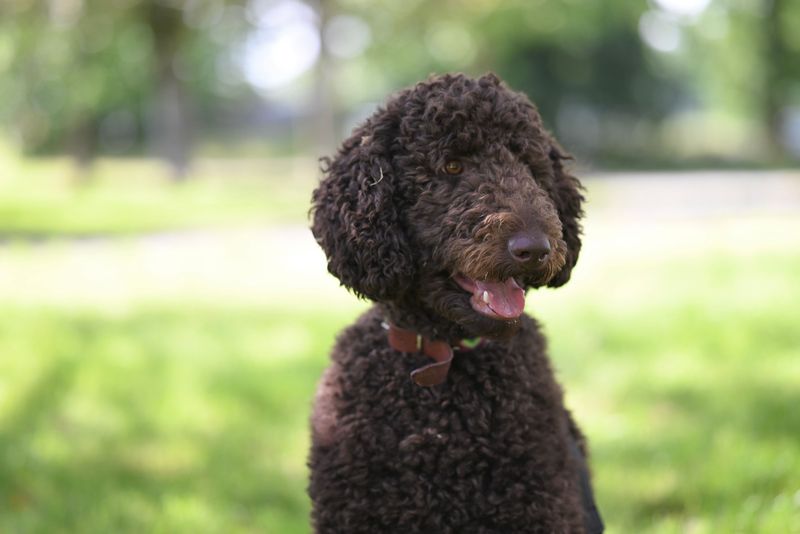
Mud magnet alert! The Barbet will find every puddle along the trail to the water.
Its name comes from the French word barbe, meaning beard. This ancient French water dog hunted waterfowl in any weather, thanks to woolly, cold-proof hair.
Barbets are sociable, quick learners, and eager to please. Budget time for grooming after swims.
A thorough rinse keeps that cozy coat from matting.
12. Spanish Water Dog
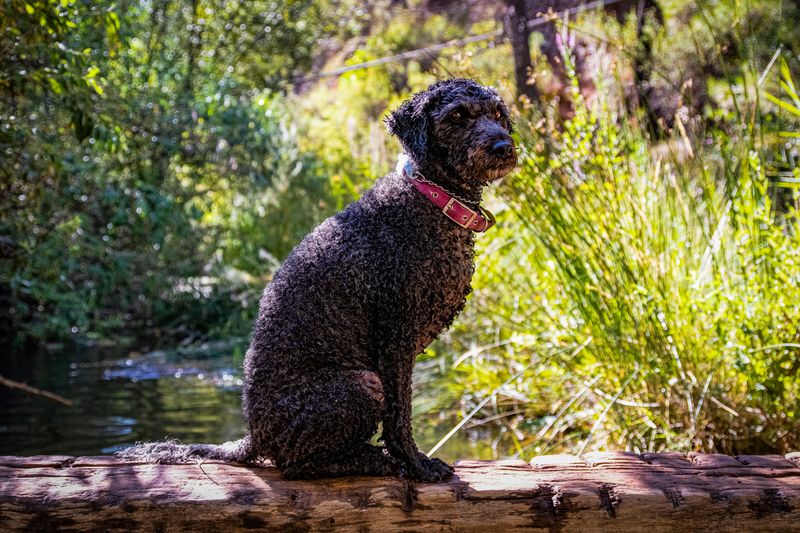
Toss a toy and watch it sink. Some Spanish Water Dogs will actually dive under to fetch it back.
This woolly worker has a rich farm and water history in Spain. Today, many compete in dock diving and canine water sports just for fun.
Calm lakes and mellow rivers suit them well. Their busy minds enjoy training games, so practice retrieves near the shore first.
13. Lagotto Romagnolo
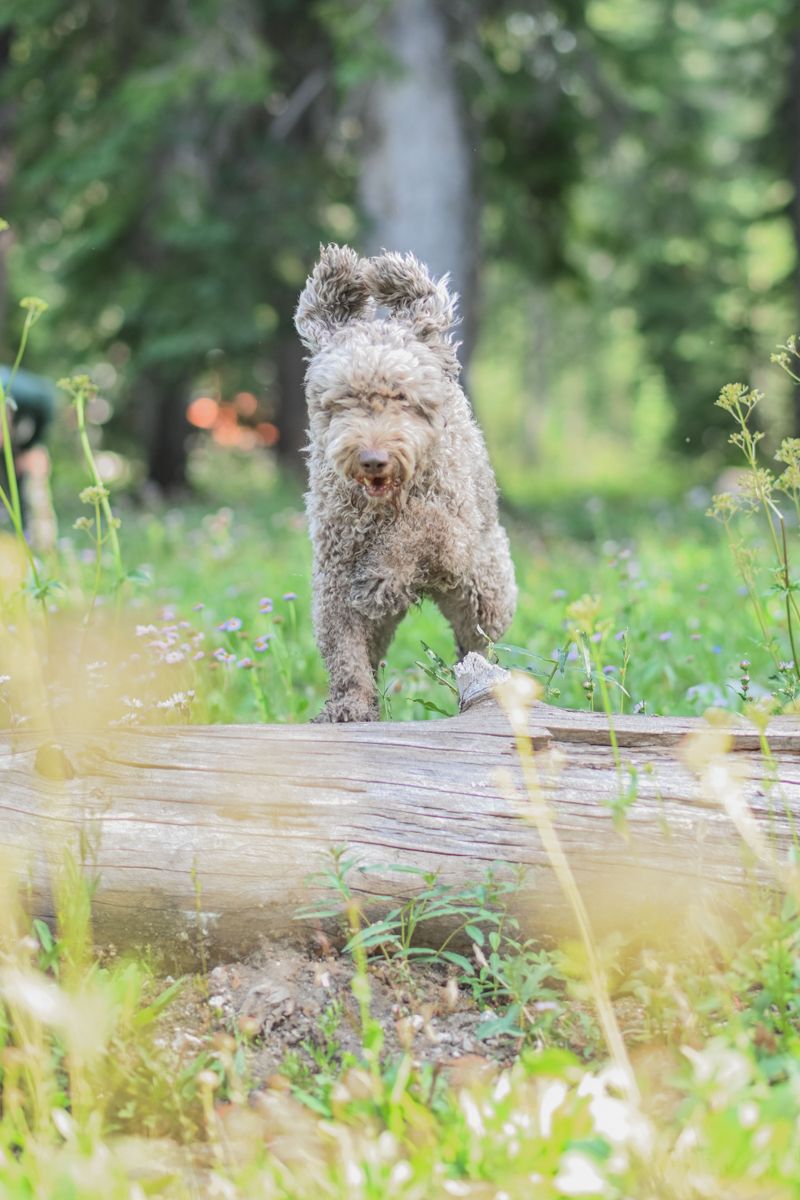
Lagotto means lake dog from Romagna. Long ago, these curly Italians retrieved birds in marshy wetlands.
Webbed toes and a woolly coat make them strong swimmers. Fair warning: they also love rolling in dirt right after a dip.
That coat acts like a mop, so keep towels handy. Lagottos can be wary of strangers.
Early socializing helps them enjoy busy weekend beaches with confidence.
14. English Springer Spaniel
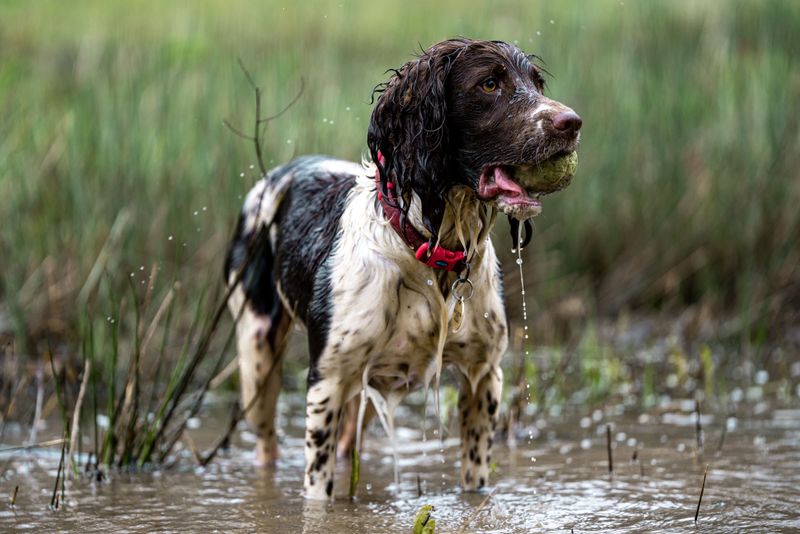
Nose down, tail up, and ready for anything. That describes an English Springer on any lakeshore.
Dating to early 1800s England, Springers flushed and retrieved game for hunters. Their boundless energy now fuels agility, flyball, and dock diving.
These people-loving dogs want to join every activity. A paddleboard ride feels like a team sport to them.
Practice a solid stay before launching.
15. Welsh Springer Spaniel
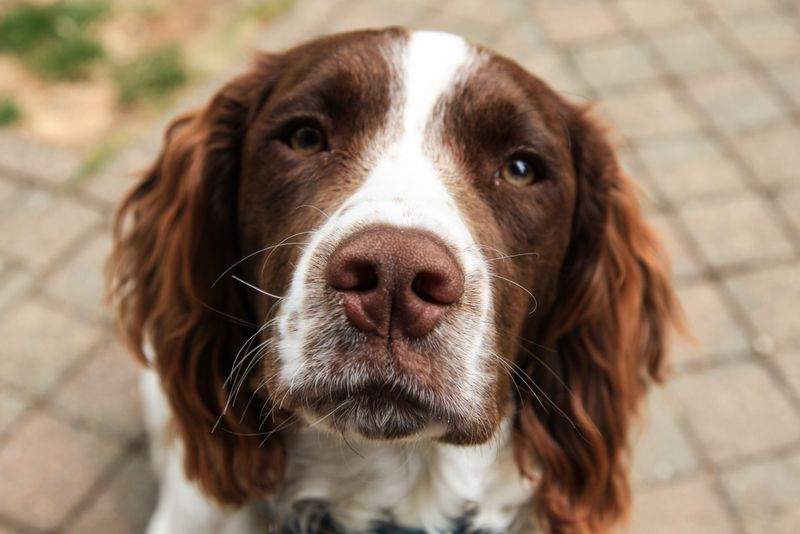
Red and white, and nearly self-cleaning. The Welshie’s silky coat sheds lake grime surprisingly well.
This ancient bird dog has slightly webbed feet and a superb nose. Many owners notice them drifting toward any water they spot.
Welshies may seem reserved with strangers, but never unfriendly. Patient, steady training works best for their stubborn moments.
Reward calm board behavior with treats.
16. English Cocker Spaniel
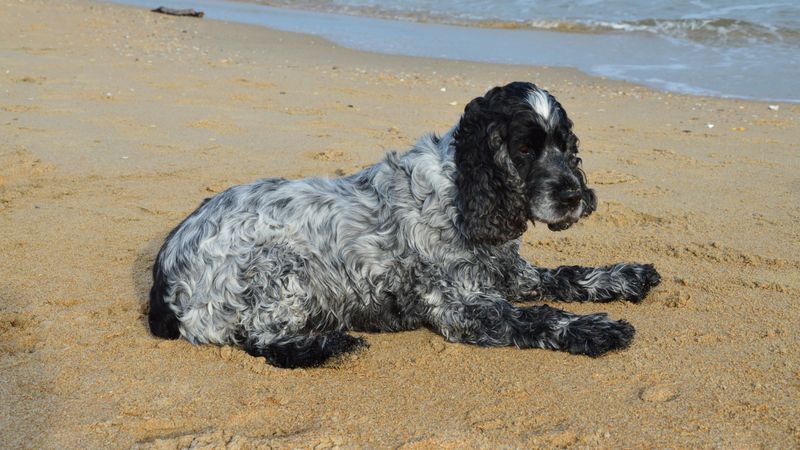
Small but mighty, the English Cocker often surprises people at the beach. Plenty of them turn into confident, eager swimmers.
These merry gun dogs have a natural retrieving drive. Once comfortable, many will chase balls into the water happily.
Their compact size makes them easy board buddies. After swims, dry and check those floppy ears carefully.
Trapped moisture can cause trouble later.
17. German Shorthaired Pointer
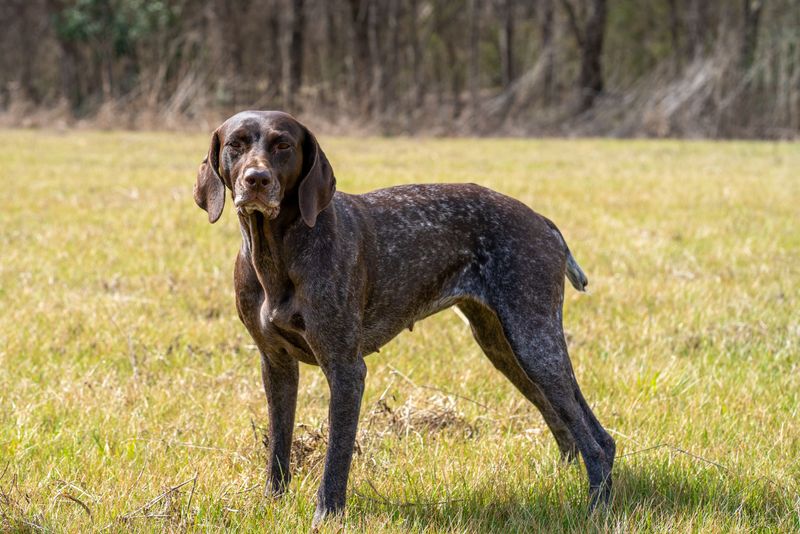
Got a marathon swimmer in mind? A GSP might out-paddle you before lunch.
Germany designed this versatile hunter for land and water work. Muscular legs, webbed feet, and a water-resistant coat power quick retrieves.
Plan on one or two hours of vigorous exercise daily. Reservoir swims are a great way to burn that fuel.
Their short coat dries fast, which makes car rides tidier.
18. Wirehaired Pointing Griffon
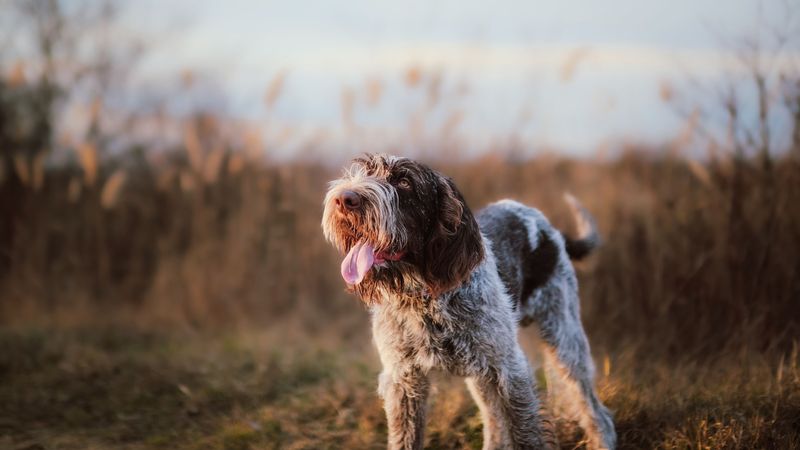
Bushy eyebrows, a scruffy mustache, and a grin to match. The Griff looks like a friendly old fisherman.
Its harsh wire coat sits over a warm undercoat. That combo repels water and handles chilly Rocky Mountain mornings.
Griffs swim in a steady, deliberate style with webbed feet. They are goofy and good-natured at home.
Bring a bumper, because retrieving thrills them.
19. Nederlandse Kooikerhondje
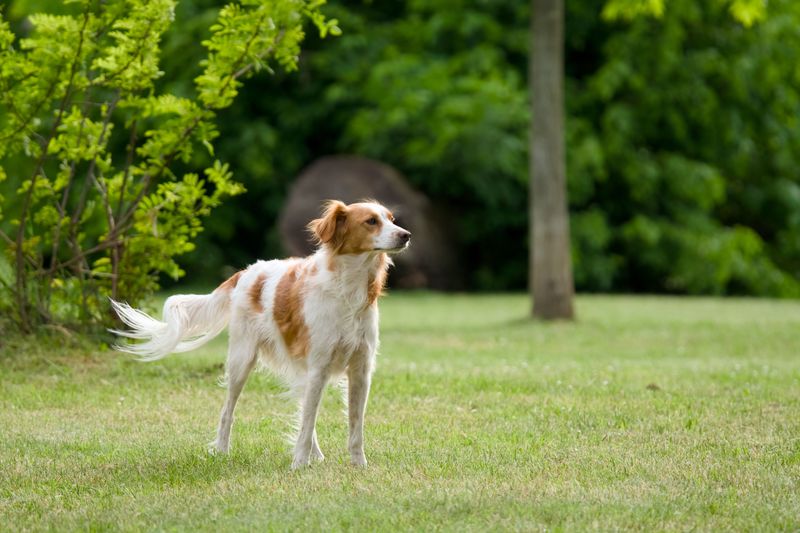
Dutch duck decoys had a secret helper. A little orange and white dog played near the water, luring curious ducks closer.
The Kooikerhondje learned this fox-inspired trick centuries ago. It worked beside water and sometimes retrieved from it.
Not every Kooiker loves swimming, so introduce water slowly. Bright and active, they suit lively families.
Their light size makes board rides simple. And that wraps our pack, so grab the leash and go!